New Haven of Tomball

Save

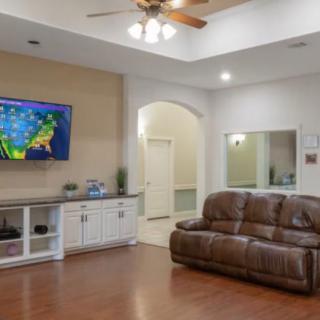
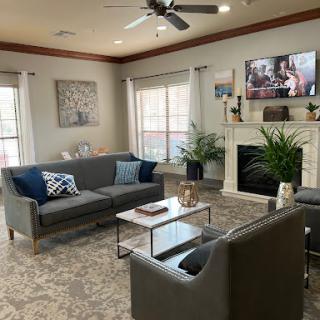
  • Interior

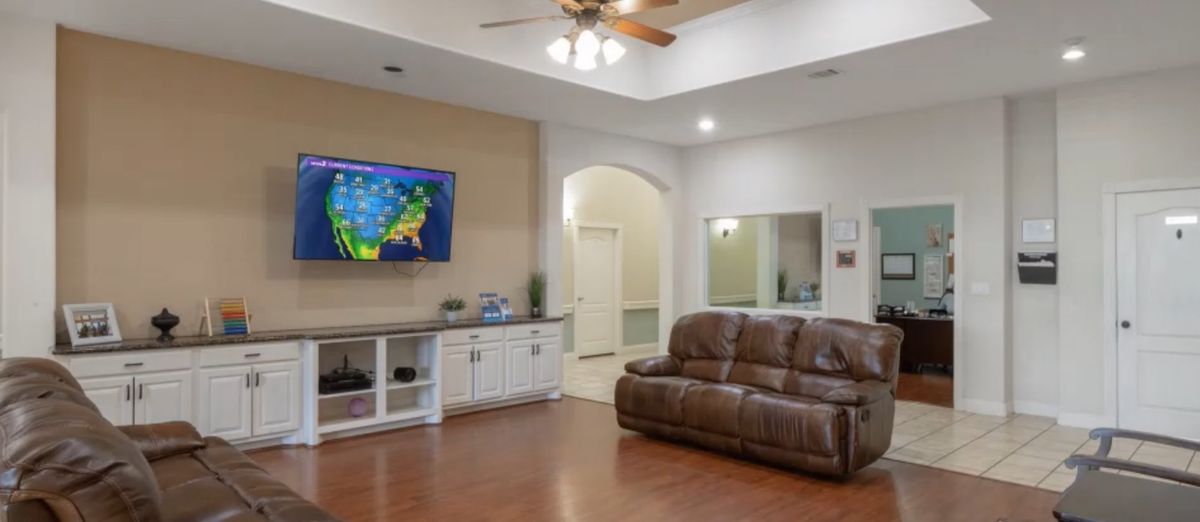
    A modern living room with a leather sofa, wall-mounted television, and wooden flooring.
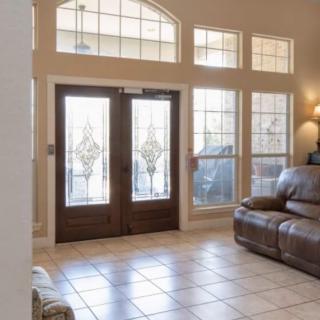
  • Living Room

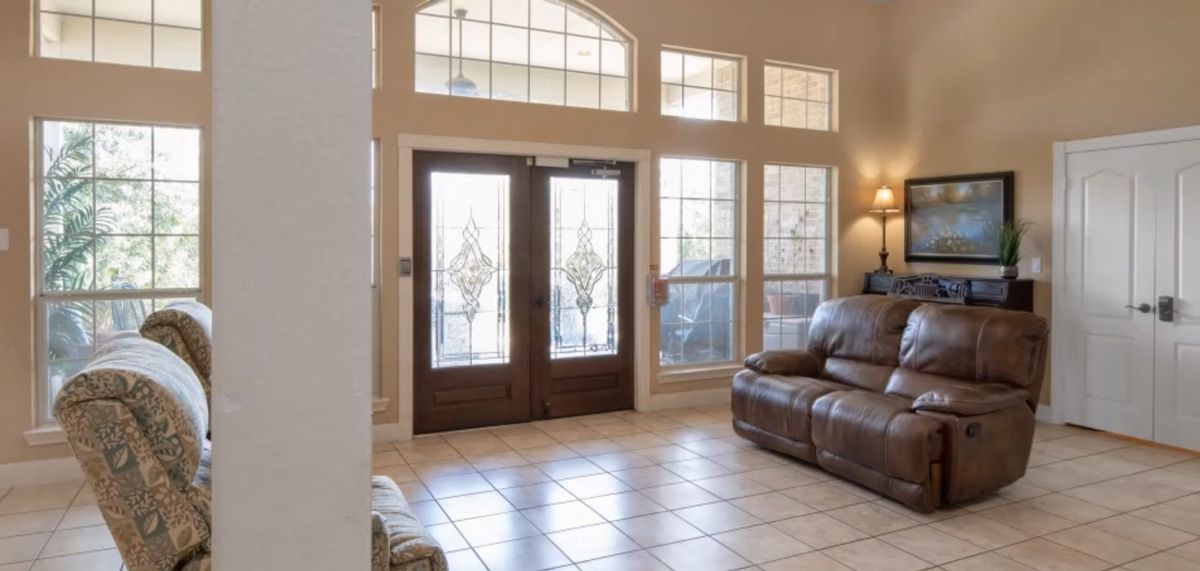
    A spacious living room featuring large glass doors and comfortable seating.
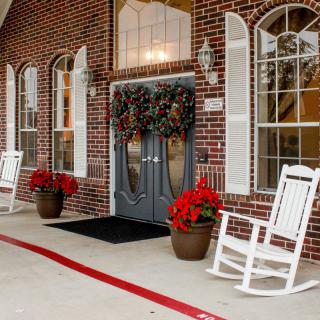
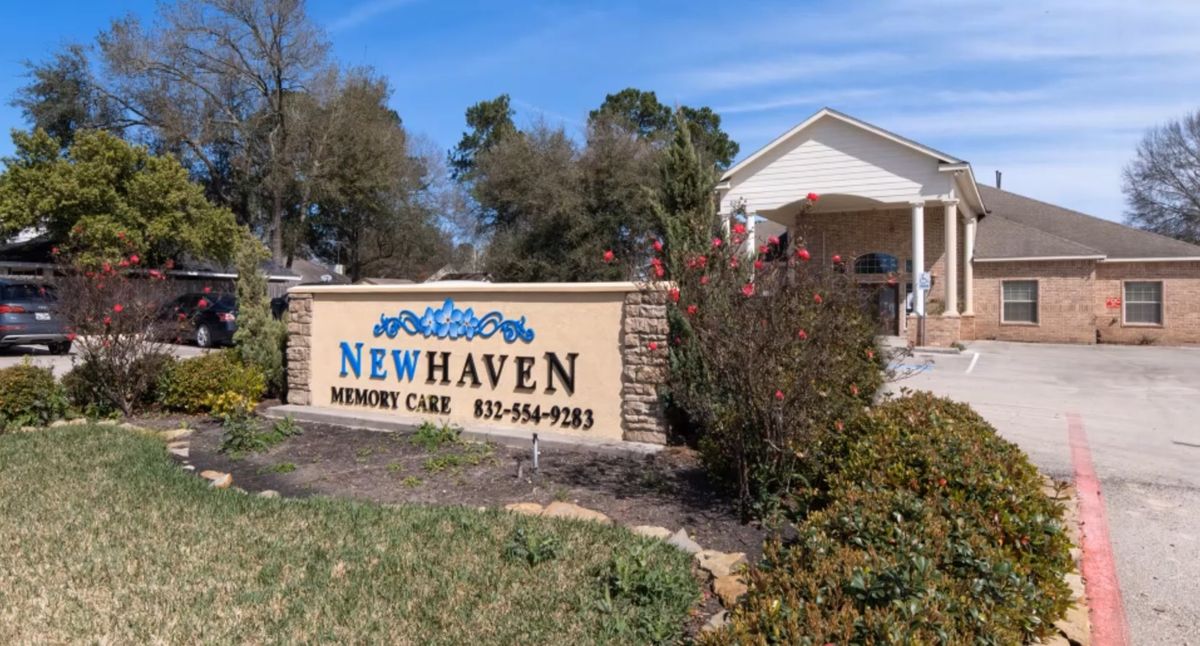
  • Building

    Entrance to Newhaven Memory Care facility with surrounding landscaping.
  • Bedroom

    A cozy bedroom with a single bed, decorative pillows, and a nightstand under a piece of wall art.
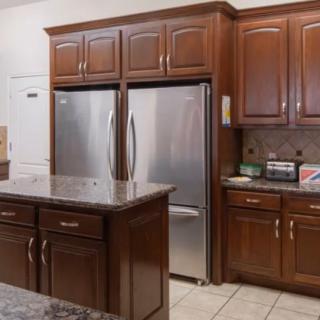
  • Kitchen

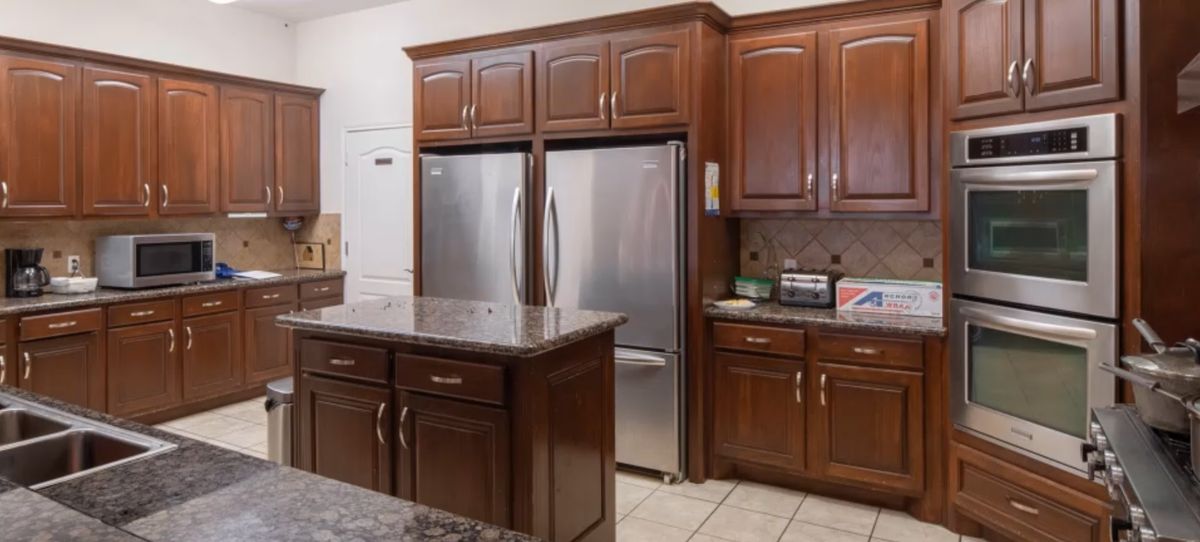
    A modern kitchen with wooden cabinets and a stainless steel refrigerator.
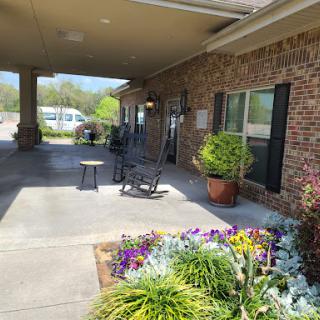
  • Patio

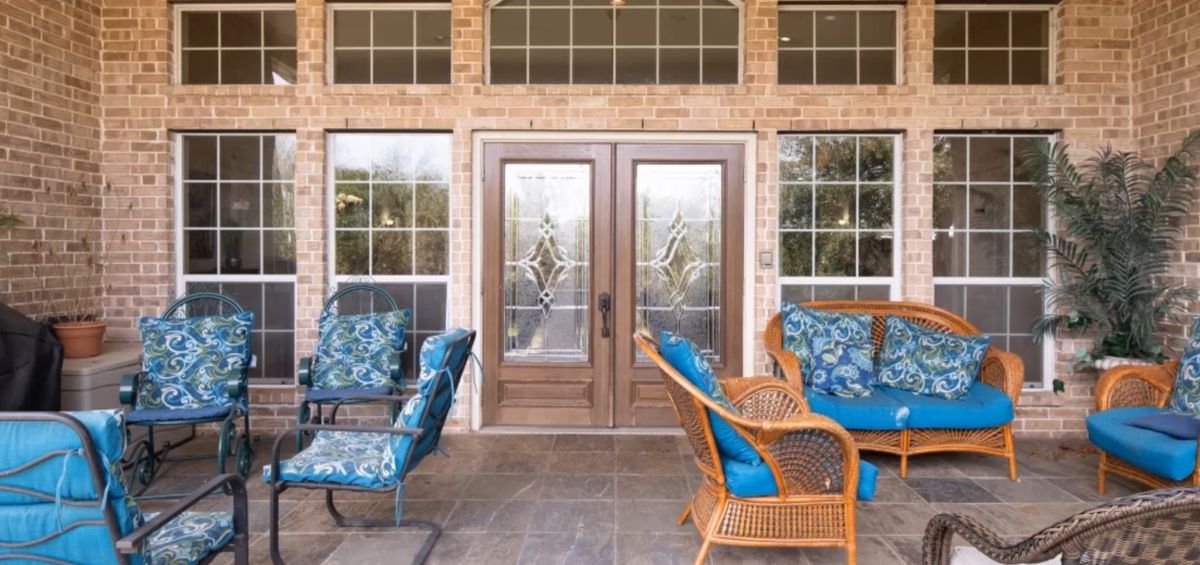
    A cozy patio with blue-cushioned outdoor furniture and glass double doors.

New Haven of Tomball

609 & 709 South Pine Street, Tomball, TX 77375

For more information about senior living options: (844) 490-3973

4.1 from 22 reviews
5 stars
16
4 stars
0
3 stars
2
2 stars
1
1 stars
3

Assisted Living Memory Care Respite Care

What level of care are you interested in?

Assisted Living

Memory Care

Independent Living

Skilled Nursing Facility

Continuing Care Retirement Community (CCRC)CCRC

Other


Request a tour at New Haven of Tomball

    Overall Review of New Haven of Tomball

    Pros

    • pro Brianna and the New Haven staff are described as amazing and easy to work with, responsive, compassionate, and going above and beyond for residents.
    • pro The facility is outstanding, with friendly staff and a well-maintained, clean environment.
    • pro Brianna has helped many clients with a seamless transition into assisted living.
    • pro The memory care team is wonderful and caring toward residents.
    • pro The atmosphere is welcoming and feels like a big family, with staff always on top of things.
    • pro The administration and staff are available to hear and address concerns, ensuring residents' needs are met.
    • pro The dedicated staff take time to develop caring relationships, which provides families peace of mind.

    Cons

    • pro The reviewer felt that no one at the facility called to report that a resident had shoved the mom.
    • pro The same resident shoved the mom multiple times and exhibited other dangerous behavior, yet staff did not intervene or inform the family.
    • pro Video footage of the incident was not produced or shared, eroding trust.
    • pro The facility allegedly told lies and offered denials when confronted with the incident.
    • pro There was frequent turnover in leadership, with three directors in less than two years, signaling instability.
    • pro An eviction notice was issued with 30 days to vacate and delivered by email, with no prior phone call.
    • pro The facility's phone line was often unmanned, making it difficult to reach staff.
    • pro Staffing was described as poor, leading to inadequate supervision of residents.
    • pro The medication process was disorganized and orders were delayed, compromising timely treatment.
    • pro Communal areas sanitation was inadequate, contributing to infections.
    • pro A resident's weeping cellulitis infection appeared to spread due to poor hygiene and sanitation practices.
    • pro The refund process was unprofessional and involved withholding money, requiring the family to quote their contract.

    Review

    The collection of reviews paints a complicated portrait of New Haven, mixing heartfelt gratitude with sharp accusations and serious concerns about safety and management. On the positive side, many reviewers highlight a welcoming, home-like atmosphere and praise specific members of the staff for their compassion and reliability. They describe New Haven as a smaller, more intimate setting where residents are treated with care, and they repeatedly point to Brianna and her team as a standout group. Several families credit Brianna with making transitions into the facility smoother, communicating well, and staying responsive to both residents and their loved ones. In these accounts, the facility often feels like a warm, familial place with attentive caregivers who go "above and beyond" for their residents.

    These approving voices also emphasize the meaningful, personal relationships that can develop in a smaller memory care environment. Some reviewers speak of the staff as "amazing," and they note that the atmosphere feels welcoming from the moment you walk in. They recount stories of staff members who were especially kind, patient, and available to answer questions, and they speak highly of the overall maintenance and cleanliness of the facility. In particular, the experiences of certain families who had loved ones transition into assisted living through New Haven are framed as smooth and reassuring, with caregivers who took the time to learn individual needs and preferences.

    Yet, alongside these glowing reflections, a substantial amount of criticism centers on management, communication, and safety concerns. A recurring thread is the perception of high turnover and frequent leadership changes, with multiple directors mentioned in a short span. Several reviewers describe receiving an eviction notice after their loved ones' health needs changed, sometimes by means as impersonal as an email rather than a phone call. Billing disputes also surface in the narrative, including delays in refunds and the need to quote contracts back to the facility to obtain what was owed. Taken together, these details contribute to a broader impression of administrative inconsistency and a lack of proactive communication during critical transitions.

    Most disturbingly, there are explicit accounts of resident-to-resident incidents and inadequate response. One review details that a department nurse was informed that a resident had bruising without an explanation, and that a later incident involved another resident shoving the person's loved one. The most alarming claim is that a final shove resulted in a trip to the ER, with the patient's teeth knocked out and facial injuries, and that no one from the facility contacted the family despite cameras in the halls. The reviewer emphasizes that video footage from the incident was not provided, and that admissions of what happened were not forthcoming. The broader assertion is that there is a pattern of dangerous behavior by residents and a lack of accountability and transparency from leadership when these issues arise.

    Compounding these concerns are reports about staffing levels and scheduling, which reviewers describe as unreliable and insufficient for the needs of 8?10 residents per room. Families worry about the ability of the staff to monitor complex medical and daily living needs when there are not enough hands on deck. Medication management is another critical flashpoint, with stories of delayed antibiotic orders and a general sense that directives and prescriptions can get lost or delayed, sometimes with time-sensitive implications for residents' health. In addition, sanitation concerns are raised, including a reported case of a resident developing a severe skin infection that allegedly spread through shared spaces and surfaces. A family member, who also works in healthcare, asserts that improper sanitation and inadequate bathing practices contributed to this serious infection, and they warn that the risk extends beyond a single resident.

    Despite these serious criticisms, some reviewers still offer praise for the care provided, insisting that there are dedicated staff members who truly care and that the facility can be a good fit for some families, especially when Brianna or similarly committed staff are involved. One reviewer speaks highly of the overall care when the administration is supportive, and another expresses gratitude for the compassion they observed from certain caregivers. This juxtaposition - strong, personal connections with certain staff on the one hand, and systemic concerns about management, safety, and communication on the other - repeats across the testimonies, underscoring the complexity of the New Haven experience for different families.

    In the end, these accounts converge on a shared caution: New Haven can feel like a place with real strengths in day-to-day caregiving and a capacity for warmth and responsive staff, yet it also raises red flags about safety incidents, leadership stability, and transparency. For families considering this facility, the comments urge careful attention to how incidents are communicated, how quickly care changes are implemented, and how video records, incident reporting, and follow-up with families are handled. As one family member described their own difficult journey - moving from trust to concern and ultimately to home hospice care - the message rings clear: while there are compassionate caregivers at work, the facility's governance and safety practices must be scrutinized and improved to ensure lasting trust and true security for vulnerable residents.

    Features

    Housing

    • 28 resident community capacity 28 resident community capacity

    Types of Care

    • Assisted Living Assisted LivingAssisted living facilities provide crucial support and care for seniors who may need help with daily tasks such as medication management, bathing, and meal preparation. These communities offer a safe and comfortable environment where seniors can maintain their independence while receiving the assistance they need to thrive in their golden years.
    • Memory Care Memory CareMemory care is crucial for seniors as it provides specialized support and services for individuals with dementia or Alzheimer's disease. These programs offer a safe and secure environment where residents receive personalized care, cognitive stimulation, and help with daily activities. Memory care helps seniors maintain their independence, quality of life, and dignity while also providing peace of mind for their families.
    • Respite Care Respite CareRespite care provides temporary relief for caregivers, allowing them to recharge and attend to their own needs. It also gives seniors the opportunity to socialize, receive professional care, and experience a change of scenery, promoting overall well-being and reducing feelings of isolation.

    Amenities

    • Beauty salon Beauty salonBeauty salons are important for seniors because they provide a space for them to feel pampered, socialize, and maintain their personal grooming and hygiene. Regular visits to a beauty salon can help boost seniors' self-esteem and overall well-being.
    • Cable or satellite TV Cable or satellite TVCable or satellite TV is important for seniors because it provides entertainment, news, and companionship, helping to combat loneliness and boredom. It also offers a wide range of programming options tailored to different interests and preferences.
    • Dining room Dining roomDining rooms are important for seniors as they provide a space for socialization, connection, and nutritious meals. They offer opportunities for residents to bond over shared meals, foster a sense of community, and promote healthy eating habits. Dining rooms also ensure that seniors have access to well-balanced meals tailored to their dietary needs and preferences.
    • Fully furnished Fully furnishedFully furnished senior living communities are important for seniors because they provide convenience, comfort, and a hassle-free moving experience. Seniors can easily settle into their new living space without the stress of having to buy and move furniture. This allows them to focus on enjoying their new home and community.
    • Garden GardenGardens are important for seniors as they provide a peaceful and therapeutic environment for relaxation, physical activity, and socialization. Being in nature has been shown to reduce stress, improve mood, and promote overall well-being. Gardens also offer opportunities for seniors to engage in gardening activities, which can improve mobility, flexibility, and cognitive function. Additionally, gardens create a sense of community and connection with others who share a passion for plants and outdoor spaces.
    • Housekeeping services Housekeeping servicesHousekeeping services are important for seniors because they help maintain a clean and safe living environment, promote independence, and reduce the risk of accidents or illnesses. Additionally, having assistance with household chores can alleviate physical strain and allow seniors to focus on other aspects of their well-being.
    • Kitchenette KitchenetteKitchenettes are important for seniors living in senior living communities because they provide the convenience and independence of being able to prepare simple meals and snacks in the comfort of their own living space. This can help promote a sense of autonomy and well-being for seniors, allowing them to maintain some level of control over their dietary choices and daily routines.
    • Move-in coordination Move-in coordinationMove-in coordination is important for seniors because it helps ease the transition into their new living environment. It ensures that all logistics, such as packing, organizing movers, and setting up utilities are taken care of, allowing seniors to focus on settling in and adjusting to their new home. Having a smooth move-in process can alleviate stress and anxiety, making the transition smoother and more enjoyable for seniors.
    • Outdoor space Outdoor spaceOutdoor spaces are important for seniors as they provide opportunities for physical activity, social interaction, exposure to natural light and fresh air, and a sense of connection to nature. Having access to outdoor spaces can improve overall well-being and quality of life for older adults living in senior communities.
    • Restaurant-style dining Restaurant-style diningRestaurant-style dining is important for seniors because it allows them to enjoy delicious, nutritious meals in a social and upscale setting. This enhances their dining experience, promotes healthy eating habits, and fosters socialization with fellow residents, ultimately contributing to their overall well-being and quality of life.
    • Small library Small librarySmall libraries are important for seniors as they provide access to a variety of reading materials, including books, newspapers, and magazines. This can help stimulate their minds, keep them engaged, and provide a sense of community through book clubs and other social activities. Additionally, reading has been shown to improve cognitive function and overall mental well-being in older adults.
    • Telephone TelephoneTelephones are important for seniors as they provide a lifeline for communication with loved ones, emergency services, and healthcare providers. They offer a sense of security and independence, enabling seniors to stay connected and access assistance when needed.
    • Wi-Fi/high-speed internet available Wi-Fi/high-speed internet availableWi-Fi/high-speed internet is important for seniors to stay connected with loved ones, access online resources, and participate in virtual activities to combat feelings of loneliness and isolation. It also allows them to easily manage healthcare needs, access entertainment, and engage in lifelong learning opportunities.

    Transportation

    • George Bush Intercontinental (18 miles away) George Bush Intercontinental (18 miles away)

    Care Services

    • 24-hour call system 24-hour call system24-hour call systems are important for seniors because they provide peace of mind and immediate assistance in case of emergencies. This technology ensures that help is always available, promoting safety and security for elderly individuals living alone or in assisted living facilities.
    • 24-hour supervision 24-hour supervision24-hour supervision is important for seniors to ensure their safety, well-being, and access to immediate assistance in case of emergencies or health issues. This constant support provides peace of mind for both seniors and their loved ones, allowing them to age in place with dignity and security.
    • Activities of daily living assistance Activities of daily living assistanceActivities of daily living assistance are important for seniors because they provide essential support with tasks such as eating, bathing, dressing, and mobility. This assistance helps seniors maintain their independence, dignity, and overall quality of life as they age.
    • Assistance with bathing Assistance with bathingAssistance with bathing is crucial for seniors as it helps maintain personal hygiene, prevents infections, and ensures their overall well-being and comfort. It also provides a sense of dignity and independence for seniors who may struggle with this task on their own.
    • Assistance with dressing Assistance with dressingAssistance with dressing is important for seniors because it helps maintain their independence, promotes personal hygiene, prevents accidents and injuries, and improves overall quality of life. This service ensures that seniors can continue to dress comfortably and confidently, despite any physical limitations they may have.
    • Assistance with transfers Assistance with transfersAssistance with transfers is crucial for seniors as it helps prevent falls and injuries, maintains their independence, and ensures they can safely navigate their living environment. It also provides peace of mind for both seniors and their loved ones.
    • Diabetes diet Diabetes dietA diabetes diet is crucial for seniors as it helps manage blood sugar levels, reduce risks of complications, and improve overall health and well-being. By following a balanced and nutritious diet tailored to their specific needs, seniors can better control their diabetes and enhance their quality of life.
    • Meal preparation and service Meal preparation and serviceMeal preparation and service are crucial for seniors as they may have limited mobility or energy to cook nutritious meals. Having access to healthy and convenient food options can ensure they are getting the proper nutrition needed to maintain their overall health and well-being.
    • Medication management Medication managementMedication management is crucial for seniors to ensure they are taking the right medications at the correct dosages and times. This helps prevent adverse drug interactions, reduces the risk of medication errors, and promotes overall health and well-being. Proactive management also allows for adjustments as needed based on changing health conditions or new prescriptions.
    • Mental wellness program Mental wellness programMental wellness programs are essential for seniors as they promote cognitive stimulation, emotional support, and social engagement. These programs help prevent isolation, depression, and cognitive decline, ultimately enhancing the overall quality of life for older adults.
    • Mild cognitive impairment Mild cognitive impairment"Mild cognitive impairment" is important for seniors because it is an early stage of cognitive decline that can potentially progress to more severe conditions such as dementia. Recognizing and addressing mild cognitive impairment can help seniors receive appropriate care and support to maintain their quality of life and independence for as long as possible.
    • Special dietary restrictions Special dietary restrictionsSpecial dietary restrictions are important for seniors because age-related changes in metabolism and health conditions can make it difficult for their bodies to process certain foods. By following a diet tailored to their specific needs, seniors can maintain their overall health and well-being, manage chronic conditions, and reduce the risk of complications such as malnutrition or food interactions with medications.

    • Specialized memory care programming Specialized memory care programmingSpecialized memory care programming is crucial for seniors with cognitive impairments such as dementia or Alzheimer's disease. These programs provide a safe and supportive environment tailored to the unique needs of individuals with memory loss, helping them maintain their independence, dignity, and quality of life.

    Dining

    • Diabetes diet Diabetes dietA diabetes diet is crucial for seniors as it helps manage blood sugar levels, reduce risks of complications, and improve overall health and well-being. By following a balanced and nutritious diet tailored to their specific needs, seniors can better control their diabetes and enhance their quality of life.
    • Special dietary restrictions Special dietary restrictionsSpecial dietary restrictions are important for seniors because age-related changes in metabolism and health conditions can make it difficult for their bodies to process certain foods. By following a diet tailored to their specific needs, seniors can maintain their overall health and well-being, manage chronic conditions, and reduce the risk of complications such as malnutrition or food interactions with medications.

    Activities

    • Community-sponsored activities Community-sponsored activitiesCommunity-sponsored activities are important for seniors as they provide opportunities for social interaction, mental stimulation, and physical activity. These activities can help improve overall well-being, combat loneliness and isolation, and promote a sense of belonging and purpose among older adults.
    • Resident-run activities Resident-run activitiesResident-run activities are important for seniors as they encourage social interaction, creativity, and a sense of autonomy. These activities empower seniors to stay engaged and active in their community while fostering meaningful connections with their peers.
    • Scheduled daily activities Scheduled daily activitiesScheduled daily activities are important for seniors because they provide structure, socialization, mental stimulation, and physical activity. Engaging in regular activities can improve overall well-being and quality of life for seniors living in a community setting.

    Description

    New Haven of Tomball is an assisted living community located in Tomball, TX. Our community specializes in providing care for individuals with memory impairments and also offers respite care for temporary stays.

    Our residents can enjoy a range of amenities designed to make their stay comfortable and convenient. Each apartment is fully furnished and includes cable or satellite TV, a kitchenette, and Wi-Fi/high-speed internet access. Housekeeping services are provided to ensure a clean and tidy living environment.

    We understand the importance of dining well, so our community offers restaurant-style dining with special dietary restrictions accommodated. Residents can enjoy delicious meals in our dining room, and our staff takes care of meal preparation and service.

    To keep our residents engaged and active, we provide a variety of activities on a daily basis. These activities are resident-run and scheduled to cater to different interests, promoting socialization and mental stimulation.

    In terms of care services, our trained staff provides 24-hour supervision and assistance with daily living activities such as bathing, dressing, and transfers. We also have specialized memory care programming for individuals with mild cognitive impairment or Alzheimer's disease.

    We value the convenience of our location, with several cafes, parks, pharmacies, physicians, restaurants, places of worship, and hospitals nearby. This allows easy access to necessary services and enhances the overall quality of life for our residents.

    At New Haven of Tomball, we prioritize the well-being and comfort of our residents. With comprehensive care services, enriching activities, and convenient amenities in a welcoming environment, we strive to provide an exceptional assisted living experience for all who call our community home.

    Nearby Places of Interest

    Restaurants

    • Fire Ant Brewing Company (0.3 miles)
    • Cisco's Salsa Company (0.4 miles)
    • McDonald's (1 miles)
    • Whataburger (1.1 miles)
    • Panda Express (1.1 miles)
    • Chick-Fil-A (1.5 miles)
    • Mel's Country Cafe (2.4 miles)

    Cafes

    • Denovo Coffee (0.4 miles)
    • Starbucks (1.2 miles)
    • Starbucks (3.9 miles)
    • Panera Bread (5.8 miles)
    • Starbucks (8.3 miles)
    • Starbucks (8.4 miles)
    • Starbucks (9.3 miles)

    Physicians

    • Endocrinology & Diabet (0.4 miles)
    • Houston Fertility Institute (0.6 miles)
    • Houston Eye Associates (0.7 miles)
    • Tomball Women's Health Care Center (0.7 miles)
    • Tomball VA Outpatient Clinic (0.8 miles)
    • Hammit, Matthew D, Md - Texas Orthopaedic & Sports (1 miles)
    • Affinity Medical Associates Clinic (3.6 miles)

    Places of Worship

    • Tomball Bible Churc (0.5 miles)
    • Christbridge Fellowship (1.5 miles)
    • St John Lutheran Church (8 miles)
    • Magnolia Cowboy Church (8.8 miles)
    • John Wesley United Methodist Church (9.2 miles)
    • St Anthony of Padua Catholic Church (9.3 miles)

    Pharmacies

    • Klein's Discount Pharmacy (0.8 miles)
    • Pharmacy-Tomball (1 miles)
    • Walgreens (1 miles)
    • Walmart Pharmacy (1.3 miles)
    • Target Pharmacy (1.5 miles)
    • CVS Pharmacy (3.5 miles)
    • Walgreens (3.7 miles)

    Parks

    • Burroughs Park (3.4 miles)
    • Dyess Soccer Fields (4.9 miles)
    • Tupelo Park, Creekside Village (6.3 miles)
    • Oakwood Glen Park and Jogging Track (6.5 miles)
    • Cattail Park (8.8 miles)
    • Lakeside Park (8.9 miles)
    • Matzke Park (9 miles)

    Hospitals

    • 5 Cross Ranch (4.6 miles)

    Theaters

    • Cinepolis Woodlands (5.4 miles)

    Frequently Asked Questions

    Where is New Haven of Tomball?
    Does New Haven of Tomball provide care for residents with dementia or Alzheimer's disease?
    What photos are available for New Haven of Tomball in Tomball, Texas?

    Nearby Communities

    Related Resources

    • dementia stagesUnderstanding Dementia Through Its Seven Stages: A Comprehensive Look at Progression and Expectations

      Dementia encompasses a range of cognitive impairments characterized by types such as Alzheimer's and vascular dementia, and follows a seven-stage progression model known as the Global Deterioration Scale (GDS), highlighting varying symptoms and decline timelines. Early detection allows for lifestyle adjustments to potentially slow progression, while caregivers need support and resources to manage the challenges involved in caring for affected individuals.

    • dementia careA Holistic Dementia Care Guide: Effective Strategies for Memory Support

      The guide on holistic dementia care outlines the complexity of dementia and stresses the need for individualized caregiver strategies that include medical treatment, psychological support, and environmental adaptations, while emphasizing early detection, various therapeutic options, and caregiver support to enhance quality of life and maintain dignity.

    • activities of daily livingComprehensive Insights into Activities of Daily Living (ADLs) and Their Assessment
      Activities of Daily Living (ADLs) are fundamental tasks vital for an individual's independence, particularly in older adults over 85, and include functions like bathing and dressing; assessing ADLs alongside Instrumental Activities of Daily Living (IADLs) helps determine the level of required assistance due to age-related health challenges. Tailored support plans, involving family and community resources, are essential for maintaining dignity and autonomy in assisted living environments.


    Get Pricing Ask A Question Schedule A Tour Contact Senior Advisor