Lawrence Street Health Care Center

Save

  • Interior

    A small spider on the wall in the corner of a room.
  • Outdoors

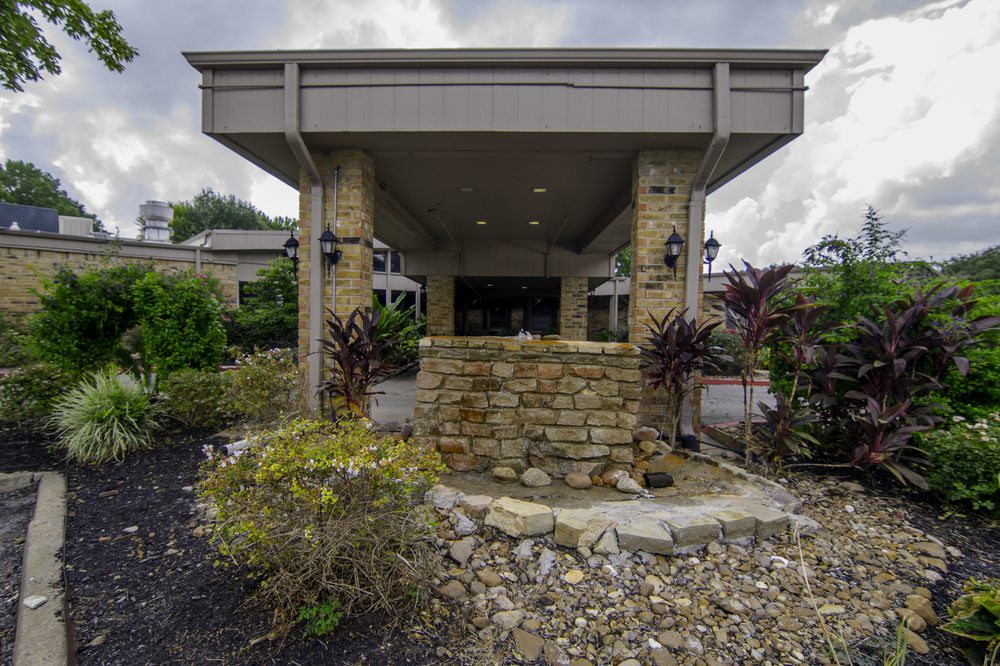
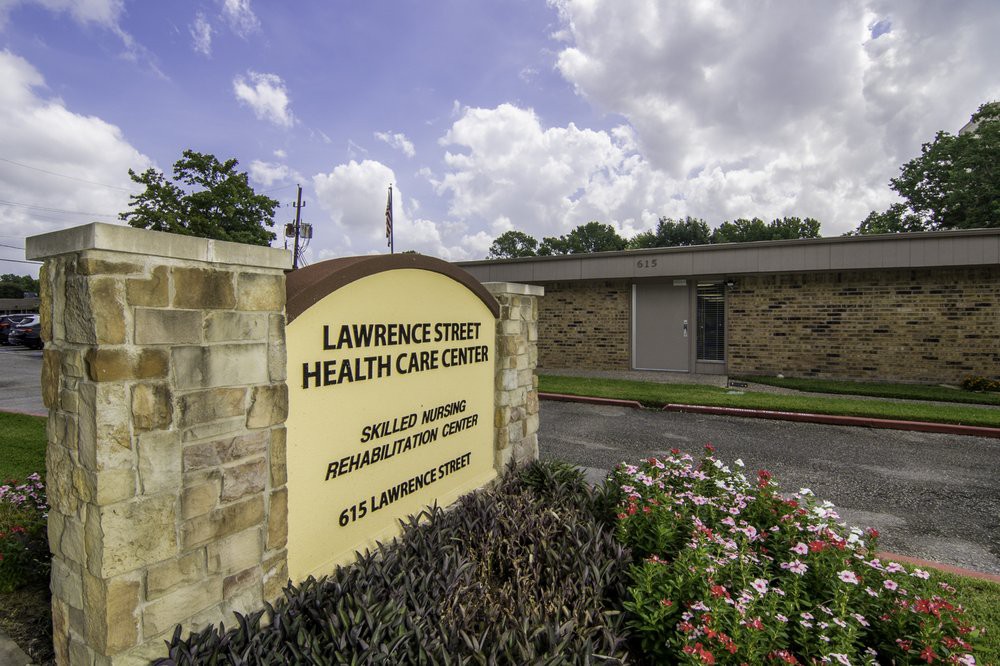
    Entrance to a healthcare center with a sign and surrounding greenery.
  • Decor

    A cozy dining room with large windows and elegant decor.
  • Building

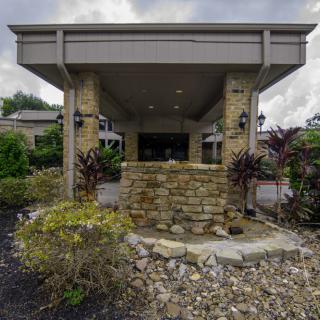
    Entrance of a building with stone walls and surrounding greenery.
  • Bedroom

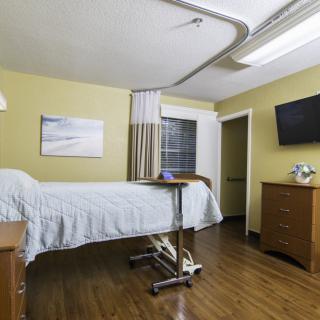
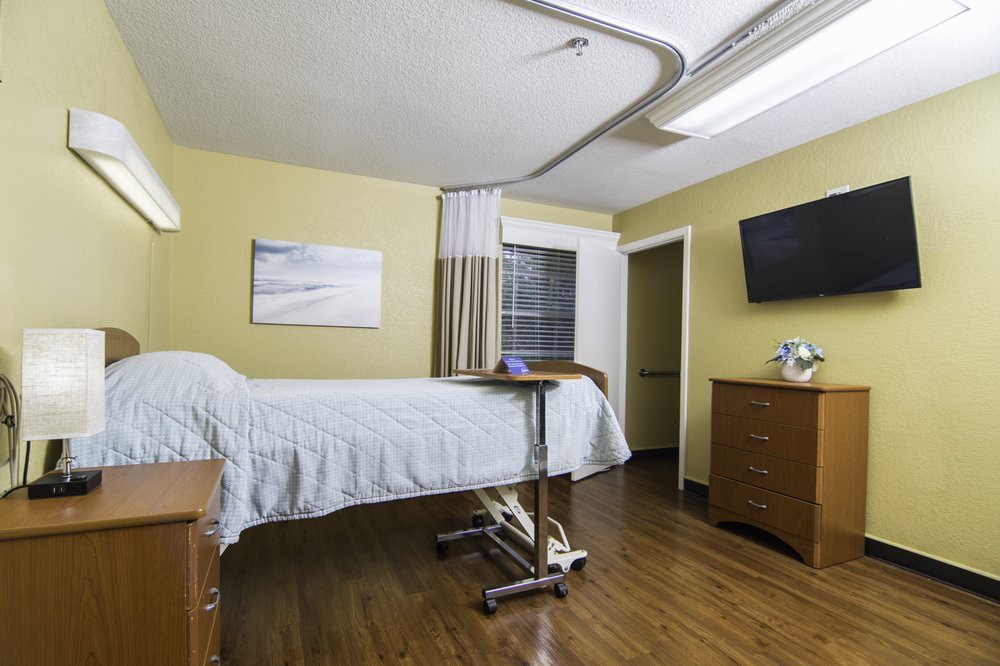
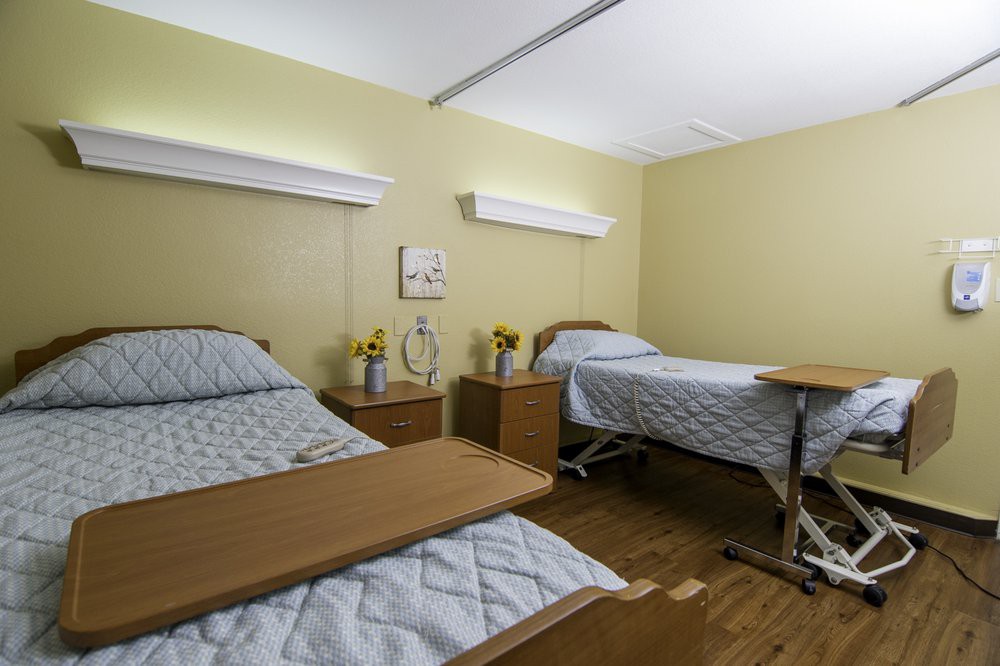
    A clean and organized hospital room with a bed, television, and essential furniture.
  • Trees

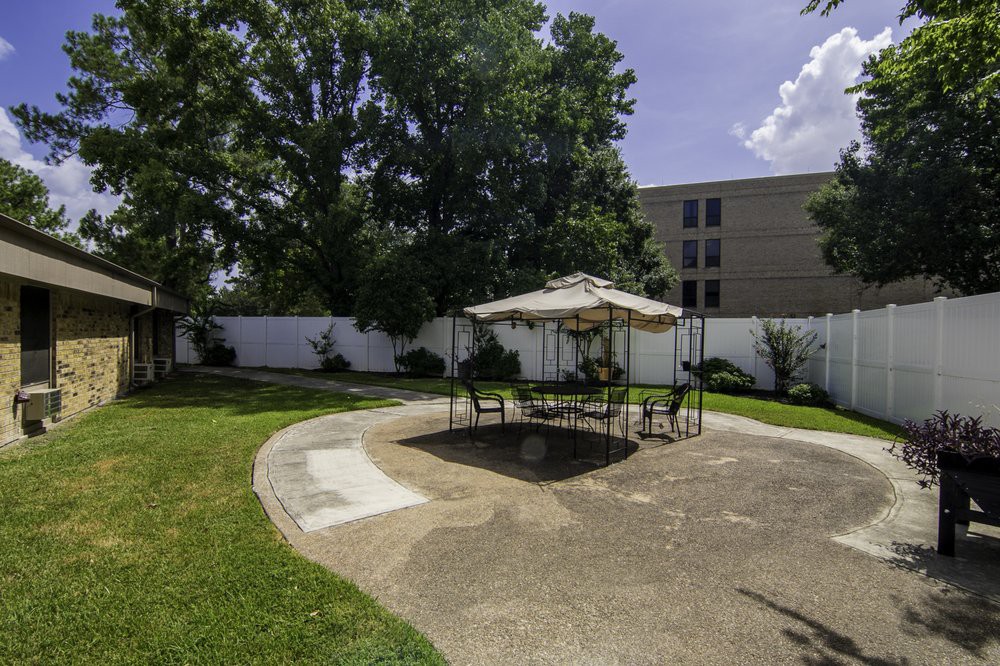
    A sunny outdoor patio area with a table and umbrella surrounded by a garden and trees.
  • Landscaping

    A building entrance with a flagpole and landscaped garden.
  • Garden

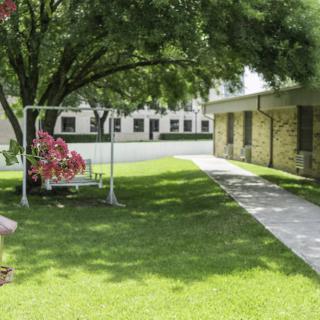
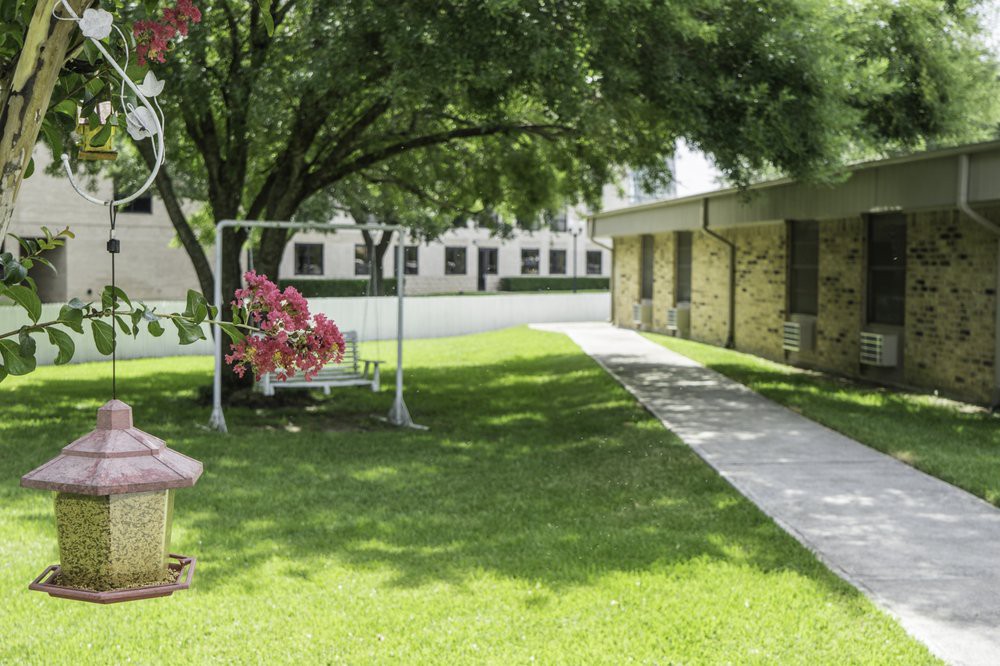
    A peaceful outdoor scene with a swing set under a tree beside a pathway leading to a building.
  • Entrance

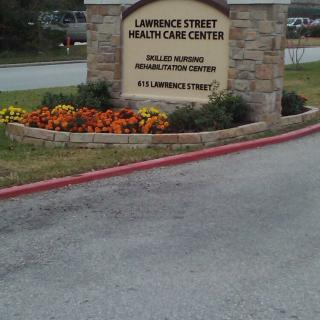
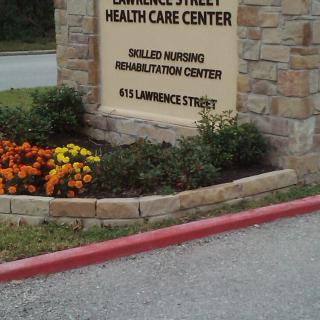
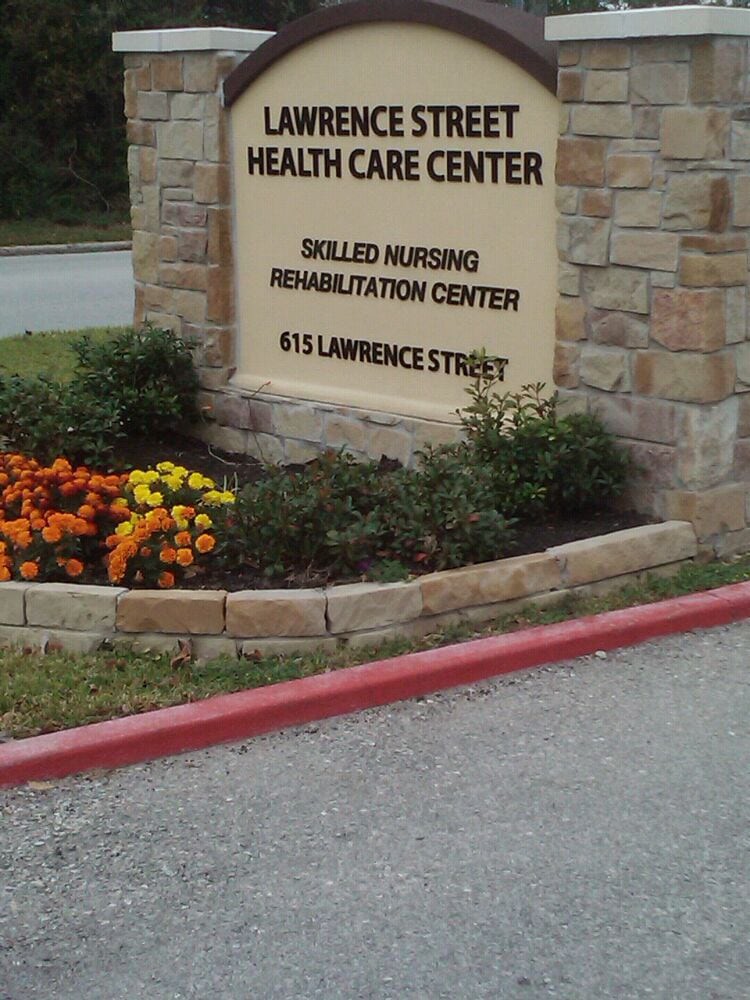
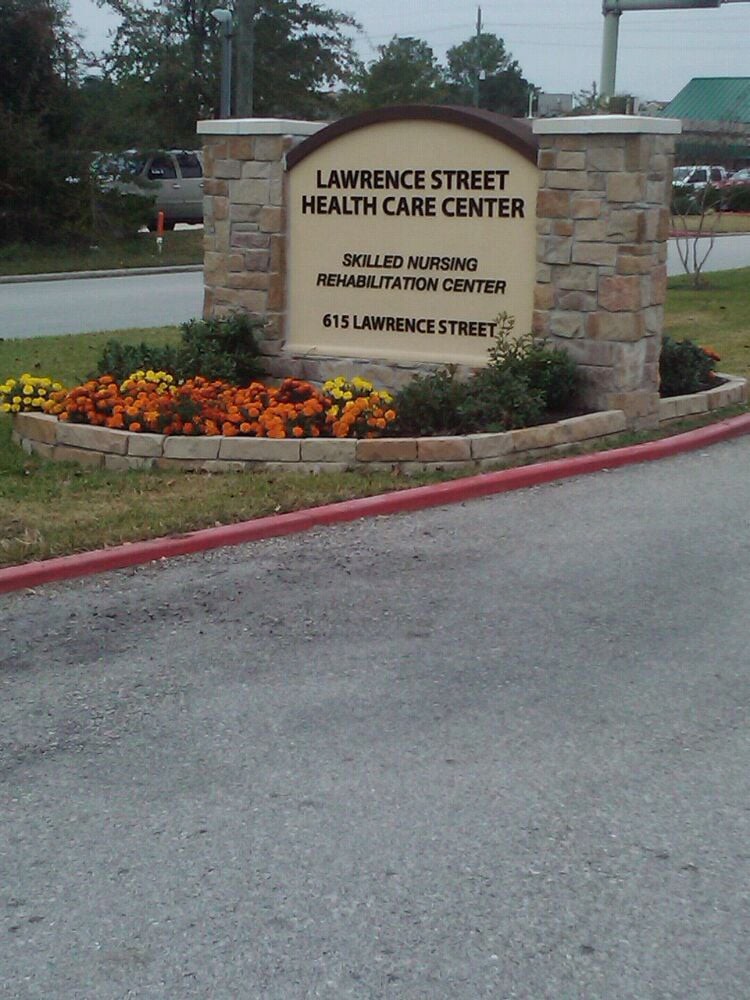
    Entrance sign for Lawrence Street Health Care Center with a flowerbed.
  • Artwork

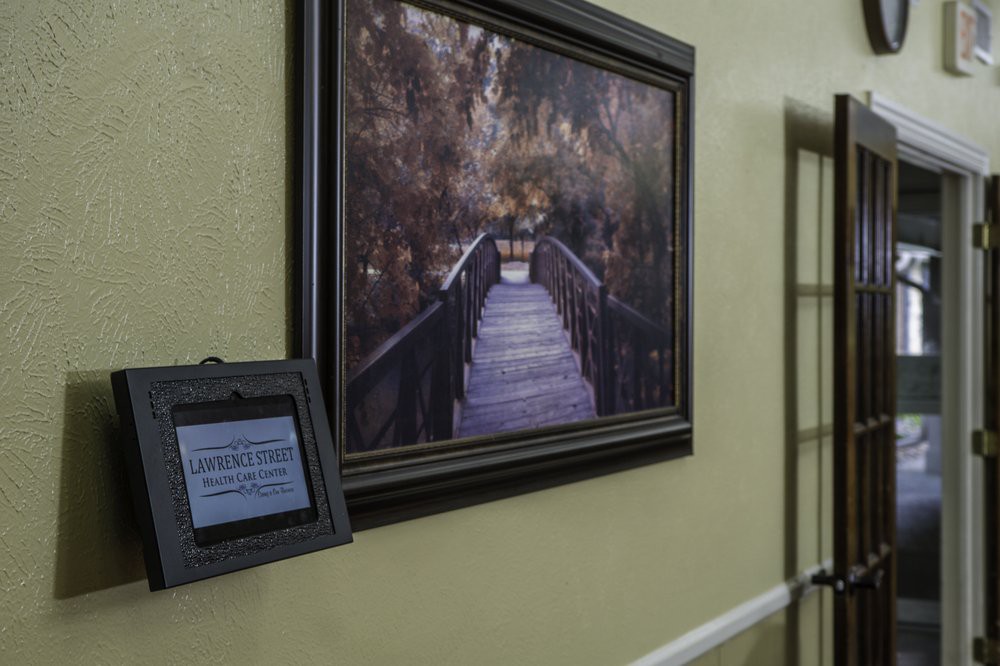
    A cozy waiting room with a sofa, table, and chairs, adorned with artwork on the wall.
  • Outdoor

    Sign for Lawrence Street Health Care Center with surrounding flowers and landscaping.
  • Bathroom

    A bathroom floor with wood-like tiles showing signs of water damage near a toilet.
  • Nature

    A rainbow arcs over a city building against a clear sky.
  • Painting

    A well-organized office waiting room with comfortable seating and tasteful decor.

Lawrence Street Health Care Center

615 Lawrence Street, Tomball, TX 77375

For more information about senior living options: (844) 490-3973

3.8 from 74 reviews
5 stars
43
4 stars
8
3 stars
3
2 stars
2
1 stars
18

Memory Care Skilled Nursing Facility

What level of care are you interested in?

Assisted Living

Memory Care

Independent Living

Skilled Nursing Facility

Continuing Care Retirement Community (CCRC)CCRC

Other


Request a tour at Lawrence Street Health Care Center

    Overall Review of Lawrence Street Health Care Center

    Pros

    • pro The staff were wonderful and sped up the mother's recovery.
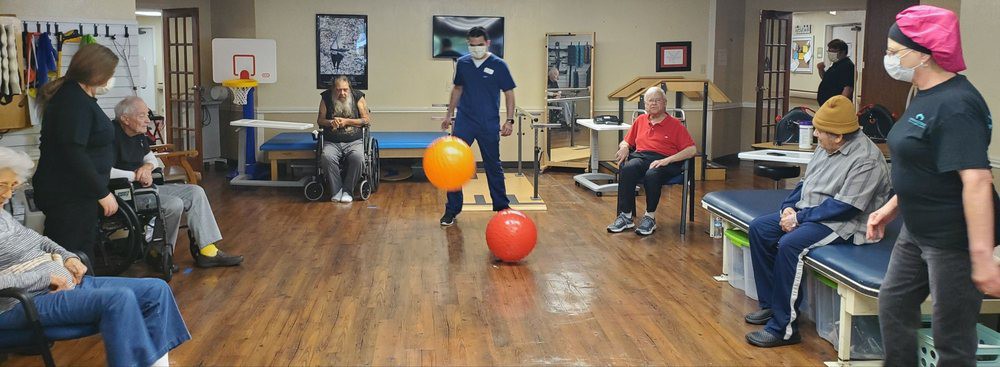
    • pro The physical therapy and occupational therapy teams are terrific and genuinely care about patients.
    • pro The nurses and CNAs were attentive, kind, and dedicated to residents' well-being.
    • pro The facility offers outings and great food, making the stay enjoyable for residents.
    • pro The staff communicated clearly and kept families informed about important details.
    • pro The facility is clean, safe, and welcoming, with a culture of love and dignity.
    • pro The memory therapist and other rehab therapists are highly valued by patients and families.
    • pro Candy and Sara were especially helpful, and the staff as a whole genuinely cared for everyone.
    • pro Lawrence Street Health Care Center is highly recommended by families who trusted their loved ones there.
    • pro The staff work together and go above and beyond to meet residents' needs.

    Cons

    • pro A reviewer claimed that a night technician was mean and rude to their grandmother, and described the facility as old-looking with jail-like rooms and not a pleasant place for loved ones.
    • pro Another reviewer stated a private-room arrangement was misrepresented, noting the bathroom door was blocked by an air-conditioner (an ADA violation) and criticizing the administration for lack of accountability and for ejecting his wife after the issue.
    • pro One reviewer said they would give zero stars to the facility.
    • pro A reviewer reported frequent falls due to insufficient supervision, with claims that staff lacked enough help and that the patient was never bathed or teeth brushed, with clothing going missing.
    • pro A reviewer described the rooms as small and depressing, with no garden.
    • pro A reviewer alleged medications were missed or not given properly, and that a wound became infected.
    • pro A reviewer warned others not to place a loved one there.
    • pro A reviewer claimed clothing had been taken from the room and was not returned.

    Review

    Lawrence Street Health Care Center emerges in these notes as a place where dedicated staff across rehab, memory care, and long-term care repeatedly demonstrate their commitment to patients and families, even as a few experiences raise questions about operations and living conditions. The collection of reflections spans gratitude, worry, admiration, and disappointment, painting a complex portrait of a facility that many families rely on during vulnerable moments. Across the board, the heart of the messages lies in the people who work there - the therapists, nurses, CNAs, aides, social workers, and administrative staff - whose daily actions shape how loved ones are cared for, calmed, and valued.

    A common thread through numerous posts is praise for the clinical staff who guide recovery and rehabilitation. Several families credit the physical therapy and occupational therapy teams with thoughtful evaluation, steady encouragement, and real progress. One letter notes that mom's recovery was speeded by the "wonderful staff," with PT evaluating and motivating patients in a way that clearly resonated with families. The nurses are described as consistently kind and competent, and the PT staff is singled out for excellence. In some accounts, even small acts - like a CNA checking in regularly and bringing hot chocolate or ice water - become meaningful markers of attentive, humane care. The tone across these notes is one of appreciation for the expertise and warmth that help residents feel supported and safe during rehab and recovery.

    Discharges and ongoing care also surface as moments when families feel deeply grateful for the crew at Lawrence Street. One family recounts a father, Pablo Santiago, who was discharged on 8/22/25 and who benefited from friendly, knowledgeable, respectful, and helpful staff. They highlight his fondness for the memory therapist and the PT team, alongside a CNA who was attentive and reassuring during his stay. The sense conveyed is that comprehensive, compassionate care - not just clinical expertise - made a difficult transition home possible and smoother for the patient and his relatives. The sentiment echoes in other notes that emphasize clear communication, timely updates, and a collaborative approach that keeps families involved in important decisions.

    Not all experiences, of course, align with the most glowing portrayals. Some reviews describe starkly negative moments that raise concerns about staff behavior, facility conditions, and administration. In one account, a grandmother's first night was marred by a night shift worker who was described as mean and rude, with remarks about changing the bed after an accident. The writer expresses strong dissatisfaction, calling the place old-looking and depressing, and indicating a willingness to seek alternative care and to visit daily to monitor her grandmother's situation. This perspective underscores how crucial nighttime staffing and the overall environment can feel to families when they are most anxious about a loved one's comfort and dignity.

    There is also a troubling note about communication and accountability. One reviewer recounts a visit from Adrienne Gibson, who had spoken about a private room and care comparable to what was experienced at Cypress Methodist Hospital, only to find significant misrepresentations upon arrival. A bathroom problem - the door blocked by an air conditioner - was described as an ADA violation, and the writer suggests that while the nursing staff were agreeable, the administration failed to hold itself accountable. The commenter mentions a confrontation in which Adrienne Gibson's misrepresentation and a staff member named Cory contributed to a sense of being unwelcome or dismissed. These passages highlight the fragility of trust when promises about care quality clash with on-the-ground realities, and they remind readers that administrative responsiveness is as vital as bedside care.

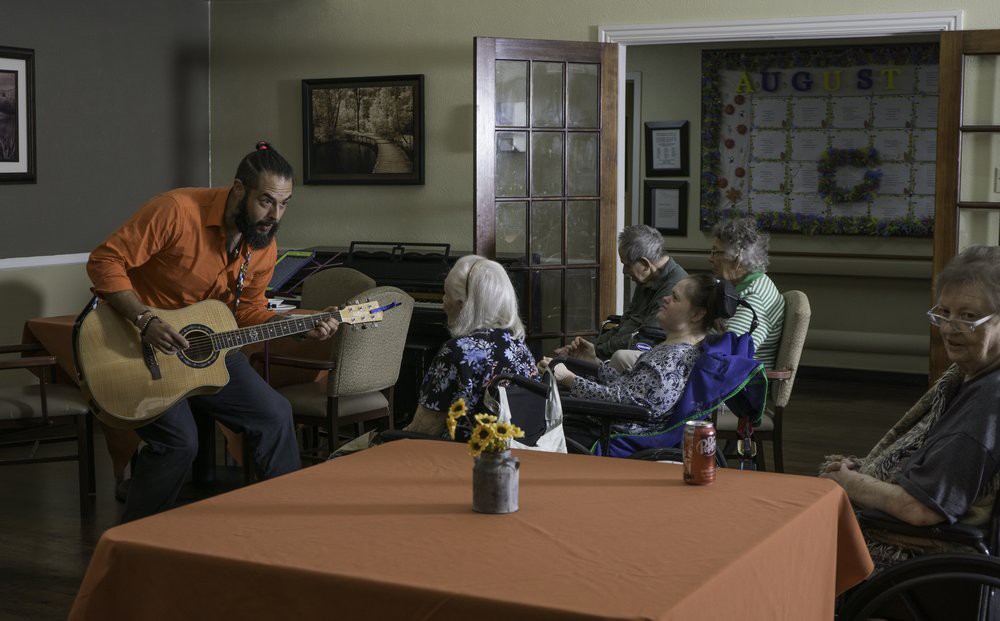
    Yet the center also draws praise for its warmth, teamwork, and the sense of community among residents and staff. Several notes emphasize a genuinely caring atmosphere: "a very caring group of people," with Candy and Sara singled out for special helpfulness, and others who feel that the staff work together harmoniously to support long-term residents and their families. The sense of belonging is reinforced by comments about outings, engaging activities, and the overall environment - cleanliness, safety, and the feeling that staff treat residents with dignity and respect. One family describes Lawrence Street as a place where residents are supported with a degree of love that seems almost angelic, and another notes how the staff's collaborative strength makes long stays more bearable and even enjoyable for families who participate in activities together.

    Several testimonies bridge transitions and improvements across different parts of the campus. One family recounts moving a mother with advanced dementia to a secure memory care setting and credits Lawrence Street with helping locate a suitable facility, a testament to the staff's knowledge and willingness to assist beyond the walls of their own building. Another family speaks to the positive transformation after moving from a different location: "she loves it," they say of their loved one, with outings, good food, and a welcoming, habit-forming sense of routine that contrasts with prior experiences elsewhere. The overall message is that Lawrence Street can be a place where routine, social engagement, and careful oversight come together to improve quality of life.

    There are also candid, cautionary voice notes that keep the balance honest. One reviewer who has a spouse staying there reports frequent falls and insufficient supervision, with staff citing insufficient help as the root cause. That post also raises concerns about missing clothing and the failure to provide regular baths or teeth brushing, culminating in consideration of legal action. Other reviewers echo concerns about aging infrastructure, small rooms, and a lack of garden spaces; some describe the facility as more nursing home-like than an assisted living setting, with memories of a dull or jail-like ambiance and no outside recreational spaces. While these voices are fewer than the positives, they are definitive reminders that a facility's physical environment and consistent safety practices are essential to family trust and resident wellbeing.

    In the tapestry of experiences, a recurring appreciation centers on individual staff members who leave lasting impressions. Several messages celebrate specific people - the furnished warmth around Shelby and nurse Candi, the attentiveness of the nursing team, and the overall dedication of the administrators who strive to keep families informed and involved. One moving note from a daughter, who has grown to describe the staff as a credit to their profession, ends with a hopeful recommendation for others seeking long-term care. Even amid criticisms, many families leave Lawrence Street with the sense that the people and the culture of care at the center are genuinely oriented toward dignity, respect, and love for the residents.

    Toward the end, a cluster of voices closes on a high note of trust and gratitude. A family celebrating their mother, Bebe Rahaman, who is currently at Lawrence Street, describes getting comfortable with the facility over time. They recount that the place is clean, safe, and welcoming, with staff members continuing to deliver care infused with affection and attention. The writer emphasizes that each caregiver's smile reduces stress for the entire unit and expresses a strong recommendation to others seeking long-term care. And then there is Virginia Sabol, whose closing signature embodies a final appreciation for the facility's people and purpose, underscoring that Lawrence Street Health Care Center remains a trustworthy home for loved ones in need of care and compassion.

    In short, the reviews present a nuanced portrait of Lawrence Street Health Care Center: a place where skilled professionals frequently excel at guiding recovery, memory care, and everyday support; where communication and administrative accountability can falter, sometimes with real consequences; and where the environment - its rooms, layout, and atmosphere - can feel either uplifting or challenging depending on who you ask and who is caring for whom. Most who speak up about their experiences do so with a message of gratitude for staff who treat residents with dignity and kindness, even as they advocate for improvements that would make the center a safer, more home-like place for every patient and family member who walks through its doors.

    Features

    Housing

    • 150 resident community capacity 150 resident community capacity

    Types of Care

    • Memory Care Memory CareMemory care is crucial for seniors as it provides specialized support and services for individuals with dementia or Alzheimer's disease. These programs offer a safe and secure environment where residents receive personalized care, cognitive stimulation, and help with daily activities. Memory care helps seniors maintain their independence, quality of life, and dignity while also providing peace of mind for their families.
    • Skilled Nursing Facility Skilled Nursing FacilitySkilled Nursing Facilities are crucial for seniors as they provide round-the-clock medical care, rehabilitation services, and assistance with daily activities. These facilities ensure that seniors receive the specialized care they need to maintain their health and well-being as they age.

    Amenities

    • Air-conditioning Air-conditioningAir conditioning is important for seniors as they are more vulnerable to heat-related illnesses and may have underlying health conditions that make it difficult for them to regulate their body temperature. It helps to keep them comfortable, safe, and healthy in hot weather.
    • Beauty salon Beauty salonBeauty salons are important for seniors because they provide a space for them to feel pampered, socialize, and maintain their personal grooming and hygiene. Regular visits to a beauty salon can help boost seniors' self-esteem and overall well-being.
    • Cable or satellite TV Cable or satellite TVCable or satellite TV is important for seniors because it provides entertainment, news, and companionship, helping to combat loneliness and boredom. It also offers a wide range of programming options tailored to different interests and preferences.
    • Computer center Computer centerA computer center is essential for seniors as it provides access to technology, communication tools, and resources that can enhance their daily lives. It allows them to stay connected with loved ones, engage in online activities, and learn new skills, ultimately promoting socialization and mental stimulation.
    • Dining room Dining roomDining rooms are important for seniors as they provide a space for socialization, connection, and nutritious meals. They offer opportunities for residents to bond over shared meals, foster a sense of community, and promote healthy eating habits. Dining rooms also ensure that seniors have access to well-balanced meals tailored to their dietary needs and preferences.
    • Fitness room Fitness roomHaving a fitness room in a senior living community is essential for seniors to stay active, maintain their physical health, and improve their overall well-being. Regular exercise can help prevent falls, reduce the risk of chronic diseases, and promote mental sharpness. It also provides social opportunities for residents to connect with others and enjoy a sense of community.
    • Fully furnished Fully furnishedFully furnished senior living communities are important for seniors because they provide convenience, comfort, and a hassle-free moving experience. Seniors can easily settle into their new living space without the stress of having to buy and move furniture. This allows them to focus on enjoying their new home and community.
    • Gaming room Gaming roomGaming rooms are important for seniors as they provide a fun and engaging environment for socializing, cognitive stimulation, and physical activity. Games can improve memory, problem-solving skills, and overall mental well-being while fostering friendships and reducing feelings of isolation.
    • Garden GardenGardens are important for seniors as they provide a peaceful and therapeutic environment for relaxation, physical activity, and socialization. Being in nature has been shown to reduce stress, improve mood, and promote overall well-being. Gardens also offer opportunities for seniors to engage in gardening activities, which can improve mobility, flexibility, and cognitive function. Additionally, gardens create a sense of community and connection with others who share a passion for plants and outdoor spaces.
    • Housekeeping services Housekeeping servicesHousekeeping services are important for seniors because they help maintain a clean and safe living environment, promote independence, and reduce the risk of accidents or illnesses. Additionally, having assistance with household chores can alleviate physical strain and allow seniors to focus on other aspects of their well-being.
    • Kitchenette KitchenetteKitchenettes are important for seniors living in senior living communities because they provide the convenience and independence of being able to prepare simple meals and snacks in the comfort of their own living space. This can help promote a sense of autonomy and well-being for seniors, allowing them to maintain some level of control over their dietary choices and daily routines.
    • Move-in coordination Move-in coordinationMove-in coordination is important for seniors because it helps ease the transition into their new living environment. It ensures that all logistics, such as packing, organizing movers, and setting up utilities are taken care of, allowing seniors to focus on settling in and adjusting to their new home. Having a smooth move-in process can alleviate stress and anxiety, making the transition smoother and more enjoyable for seniors.
    • Outdoor space Outdoor spaceOutdoor spaces are important for seniors as they provide opportunities for physical activity, social interaction, exposure to natural light and fresh air, and a sense of connection to nature. Having access to outdoor spaces can improve overall well-being and quality of life for older adults living in senior communities.
    • Private bathrooms Private bathroomsPrivate bathrooms are important for seniors in senior living communities because they provide independence, dignity, and comfort. Having a private bathroom allows seniors to maintain their personal hygiene routines without the need for assistance, promoting a sense of autonomy and privacy. Additionally, private bathrooms help prevent the spread of infections and provide a safe and clean environment for seniors to navigate safely.
    • Restaurant-style dining Restaurant-style diningRestaurant-style dining is important for seniors because it allows them to enjoy delicious, nutritious meals in a social and upscale setting. This enhances their dining experience, promotes healthy eating habits, and fosters socialization with fellow residents, ultimately contributing to their overall well-being and quality of life.
    • Small library Small librarySmall libraries are important for seniors as they provide access to a variety of reading materials, including books, newspapers, and magazines. This can help stimulate their minds, keep them engaged, and provide a sense of community through book clubs and other social activities. Additionally, reading has been shown to improve cognitive function and overall mental well-being in older adults.
    • Telephone TelephoneTelephones are important for seniors as they provide a lifeline for communication with loved ones, emergency services, and healthcare providers. They offer a sense of security and independence, enabling seniors to stay connected and access assistance when needed.
    • Wellness center Wellness centerWellness centers are important for seniors because they offer a variety of programs and services that promote physical, mental, and emotional well-being. These centers provide opportunities for exercise, socialization, education, and relaxation, helping seniors maintain their overall health and quality of life.
    • Wi-Fi/high-speed internet available Wi-Fi/high-speed internet availableWi-Fi/high-speed internet is important for seniors to stay connected with loved ones, access online resources, and participate in virtual activities to combat feelings of loneliness and isolation. It also allows them to easily manage healthcare needs, access entertainment, and engage in lifelong learning opportunities.

    Transportation

    • George Bush Intercontinental (19 miles away) George Bush Intercontinental (19 miles away)
    • Community operated transportation Community operated transportationCommunity operated transportation is crucial for seniors as it provides them with the means to access essential services, social activities, and medical appointments. It allows seniors to maintain their independence and quality of life by ensuring they can participate in activities outside of their homes. Additionally, community-operated transportation services offer a safe and reliable way for seniors to travel without having to rely on family or friends for assistance.
    • Transportation arrangement Transportation arrangementTransportation arrangements are crucial for seniors as they may face challenges with driving, mobility, or access to public transportation. Having reliable transportation services ensures that seniors can easily attend appointments, social activities, and maintain their independence and quality of life.
    • Transportation arrangement (non-medical) Transportation arrangement (non-medical)Transportation arrangements are essential for seniors as they provide access to essential services, activities, and social interactions outside the home. This service helps maintain independence, mobility, and overall well-being for seniors who may have limited transportation options.
    • Transportation to doctors appointments Transportation to doctors appointmentsTransportation to doctors appointments is crucial for seniors as it ensures they have access to necessary medical care and support, promoting their health and well-being. It allows them to receive timely treatment, monitor existing conditions, and address any new health concerns efficiently. Additionally, transportation services can help seniors maintain their independence and quality of life by enabling them to stay connected with their healthcare providers.

    Care Services

    • 12-16 hour nursing 12-16 hour nursing12-16 hour nursing care is crucial for seniors in order to ensure around-the-clock monitoring, timely medication administration, and prompt response to any health concerns or emergencies. This level of care helps to promote the overall well-being and safety of seniors living in senior living communities.
    • 24-hour call system 24-hour call system24-hour call systems are important for seniors because they provide peace of mind and immediate assistance in case of emergencies. This technology ensures that help is always available, promoting safety and security for elderly individuals living alone or in assisted living facilities.
    • 24-hour supervision 24-hour supervision24-hour supervision is important for seniors to ensure their safety, well-being, and access to immediate assistance in case of emergencies or health issues. This constant support provides peace of mind for both seniors and their loved ones, allowing them to age in place with dignity and security.
    • Activities of daily living assistance Activities of daily living assistanceActivities of daily living assistance are important for seniors because they provide essential support with tasks such as eating, bathing, dressing, and mobility. This assistance helps seniors maintain their independence, dignity, and overall quality of life as they age.
    • Assistance with bathing Assistance with bathingAssistance with bathing is crucial for seniors as it helps maintain personal hygiene, prevents infections, and ensures their overall well-being and comfort. It also provides a sense of dignity and independence for seniors who may struggle with this task on their own.
    • Assistance with dressing Assistance with dressingAssistance with dressing is important for seniors because it helps maintain their independence, promotes personal hygiene, prevents accidents and injuries, and improves overall quality of life. This service ensures that seniors can continue to dress comfortably and confidently, despite any physical limitations they may have.
    • Assistance with transfers Assistance with transfersAssistance with transfers is crucial for seniors as it helps prevent falls and injuries, maintains their independence, and ensures they can safely navigate their living environment. It also provides peace of mind for both seniors and their loved ones.
    • Diabetes diet Diabetes dietA diabetes diet is crucial for seniors as it helps manage blood sugar levels, reduce risks of complications, and improve overall health and well-being. By following a balanced and nutritious diet tailored to their specific needs, seniors can better control their diabetes and enhance their quality of life.
    • Hospice care Hospice careHospice care is important for seniors as it provides specialized end-of-life support, pain management, and emotional comfort for both the senior and their loved ones. It allows seniors to maintain dignity, receive personalized care, and spend their remaining time in a peaceful and comfortable environment.
    • Meal preparation and service Meal preparation and serviceMeal preparation and service are crucial for seniors as they may have limited mobility or energy to cook nutritious meals. Having access to healthy and convenient food options can ensure they are getting the proper nutrition needed to maintain their overall health and well-being.
    • Medication management Medication managementMedication management is crucial for seniors to ensure they are taking the right medications at the correct dosages and times. This helps prevent adverse drug interactions, reduces the risk of medication errors, and promotes overall health and well-being. Proactive management also allows for adjustments as needed based on changing health conditions or new prescriptions.
    • Mental wellness program Mental wellness programMental wellness programs are essential for seniors as they promote cognitive stimulation, emotional support, and social engagement. These programs help prevent isolation, depression, and cognitive decline, ultimately enhancing the overall quality of life for older adults.
    • Physical therapy Physical therapyPhysical therapy is essential for seniors to maintain and improve their mobility, strength, and overall quality of life. It helps reduce pain, prevent falls, and enhance independence in daily activities. By promoting movement and function, physical therapy can help seniors stay active, healthy, and engaged in their communities.
    • Special dietary restrictions Special dietary restrictionsSpecial dietary restrictions are important for seniors because age-related changes in metabolism and health conditions can make it difficult for their bodies to process certain foods. By following a diet tailored to their specific needs, seniors can maintain their overall health and well-being, manage chronic conditions, and reduce the risk of complications such as malnutrition or food interactions with medications.

    Dining

    • Diabetes diet Diabetes dietA diabetes diet is crucial for seniors as it helps manage blood sugar levels, reduce risks of complications, and improve overall health and well-being. By following a balanced and nutritious diet tailored to their specific needs, seniors can better control their diabetes and enhance their quality of life.
    • Special dietary restrictions Special dietary restrictionsSpecial dietary restrictions are important for seniors because age-related changes in metabolism and health conditions can make it difficult for their bodies to process certain foods. By following a diet tailored to their specific needs, seniors can maintain their overall health and well-being, manage chronic conditions, and reduce the risk of complications such as malnutrition or food interactions with medications.

    Activities

    • Community-sponsored activities Community-sponsored activitiesCommunity-sponsored activities are important for seniors as they provide opportunities for social interaction, mental stimulation, and physical activity. These activities can help improve overall well-being, combat loneliness and isolation, and promote a sense of belonging and purpose among older adults.
    • Concierge services Concierge servicesConcierge services are essential for seniors as they provide assistance with daily tasks and errands, enhance their quality of life by offering convenience and personalized care, and promote a sense of safety and security.
    • Fitness programs Fitness programsFitness programs are crucial for seniors as they help improve strength, flexibility, balance, and overall well-being. Staying active can reduce the risk of chronic diseases, improve mental health, and enhance quality of life in older adults.
    • Planned day trips Planned day tripsPlanned day trips are important for seniors because they offer opportunities for socialization, mental stimulation, and physical activity. They provide a change of scenery and help seniors stay engaged and connected to their community, promoting overall well-being and quality of life.
    • Resident-run activities Resident-run activitiesResident-run activities are important for seniors as they encourage social interaction, creativity, and a sense of autonomy. These activities empower seniors to stay engaged and active in their community while fostering meaningful connections with their peers.
    • Scheduled daily activities Scheduled daily activitiesScheduled daily activities are important for seniors because they provide structure, socialization, mental stimulation, and physical activity. Engaging in regular activities can improve overall well-being and quality of life for seniors living in a community setting.

    Description

    The Lawrence Street Health Care Center in Tomball, TX is a skilled nursing facility that offers a range of care services to its residents. The community provides 24-hour supervision and assistance with activities of daily living such as bathing, dressing, and transfers. The staff also manages medication and offers special dietary restrictions including diabetes diet.

    In terms of amenities, the center offers various facilities for the comfort and convenience of its residents. These include a beauty salon, fully furnished accommodations, a gaming room, a fitness room, and a small library. The community has an outdoor space with a garden where residents can relax and enjoy nature. There is also an on-site restaurant-style dining room where meals are prepared and served.

    Lawrence Street Health Care Center ensures that its residents have access to transportation services for both non-medical purposes as well as for doctors' appointments. Additionally, the community provides move-in coordination to assist new residents in settling into their new home.

    Residents can engage in a variety of activities organized by the center such as fitness programs, planned day trips, and scheduled daily activities. There are also resident-run activities available for those who wish to participate.

    With several cafes, parks, pharmacies, physicians' offices, restaurants, places of worship, and hospitals nearby, residents have easy access to essential services and recreational opportunities within the local area.

    Overall, Lawrence Street Health Care Center offers a comprehensive assisted living experience with a range of care services tailored to meet individual needs. With its abundance of amenities and proximity to various local establishments, this community strives to provide comfort, convenience and an engaging lifestyle for its residents.

    Nearby Places of Interest

    Physicians

    • Tomball Women's Health Care Center (0.1 miles)
    • Houston Eye Associates (0.2 miles)
    • Houston Fertility Institute (0.2 miles)
    • Hammit, Matthew D, Md - Texas Orthopaedic & Sports (0.4 miles)
    • Tomball VA Outpatient Clinic (0.4 miles)
    • Endocrinology & Diabet (0.5 miles)
    • Affinity Medical Associates Clinic (3.4 miles)

    Pharmacies

    • Pharmacy-Tomball (0.3 miles)
    • Walgreens (0.3 miles)
    • Klein's Discount Pharmacy (0.4 miles)
    • Walmart Pharmacy (0.8 miles)
    • Target Pharmacy (0.9 miles)
    • Walgreens (3.7 miles)
    • CVS Pharmacy (3.7 miles)

    Restaurants

    • McDonald's (0.4 miles)
    • Whataburger (0.4 miles)
    • Panda Express (0.5 miles)
    • Fire Ant Brewing Company (0.9 miles)
    • Chick-Fil-A (0.9 miles)
    • Cisco's Salsa Company (0.9 miles)
    • Jack In The Box (2.4 miles)

    Cafes

    • Starbucks (0.5 miles)
    • Denovo Coffee (0.7 miles)
    • Starbucks (4.6 miles)
    • Panera Bread (5.7 miles)
    • Starbucks (8.2 miles)
    • Starbucks (9.1 miles)

    Places of Worship

    • Tomball Bible Churc (1 miles)
    • Christbridge Fellowship (1.2 miles)
    • St John Lutheran Church (7.5 miles)
    • Magnolia Cowboy Church (8.3 miles)
    • John Wesley United Methodist Church (9.3 miles)

    Hospitals

    • 5 Cross Ranch (4 miles)

    Parks

    • Burroughs Park (4.1 miles)
    • Dyess Soccer Fields (4.2 miles)
    • Oakwood Glen Park and Jogging Track (6.8 miles)
    • Tupelo Park, Creekside Village (7 miles)
    • Matzke Park (8.9 miles)

    Theaters

    • Cinepolis Woodlands (6 miles)
    • Showboat Drive-In (9 miles)

    Frequently Asked Questions

    Where is Lawrence Street Health Care Center?
    Does Lawrence Street Health Care Center provide care for residents with dementia or Alzheimer's disease?
    What photos are available for Lawrence Street Health Care Center in Tomball, Texas?

    Nearby Communities

    Related Resources

    • power of attorney for elderly parentGuiding Your Journey: Understanding Power of Attorney for Elderly Parents

      The article emphasizes the significance of establishing a power of attorney for elderly parents to enable an agent to make decisions on their behalf regarding health and finances, especially during cognitive or physical decline. It outlines various types of power of attorney, the importance of consulting legal professionals, and the responsibilities and challenges faced by agents, while also discussing alternatives and common misconceptions.

    • caregiver support group22 Remarkable Caregiver Support Groups Available Online and In-Person

      Caregiver support groups are crucial for providing emotional and practical assistance to those caring for loved ones, offering resources, coping strategies, and a sense of community through various organizations and platforms. These groups help alleviate isolation and burnout while addressing the unique challenges faced by caregivers of individuals with specific conditions.

    • does medicaid pay for assisted livingUnderstanding Medicaid Coverage for Assisted Living: A Comprehensive Guide
      The guide outlines the complexities of Medicaid coverage for assisted living, highlighting significant state-to-state variations, limited coverage often restricted to personal care services, and the existence of specialized waivers for certain needs like memory care. It advises families to consult local Medicaid offices for options while emphasizing the importance of understanding state-specific regulations and facility policies.


    Get Pricing Ask A Question Schedule A Tour Contact Senior Advisor