
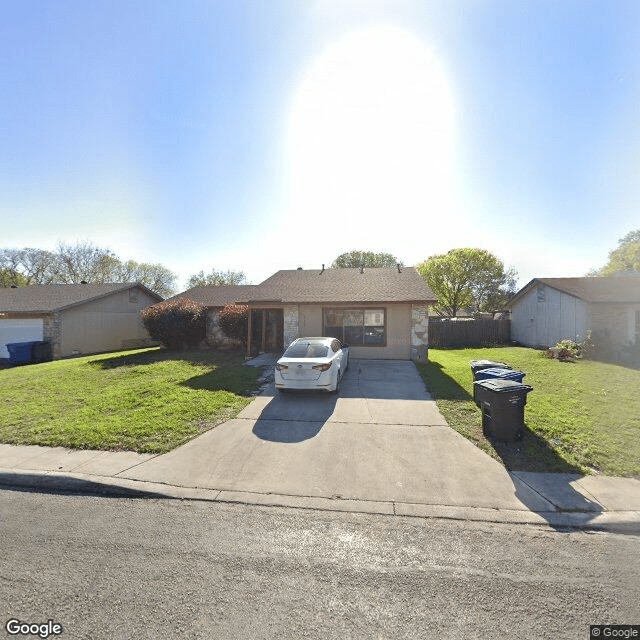
2322 Frontier Trail, San Antonio, TX 78251
For more information about senior living options: (866) 208-4318
Pams Home Care Costs & Pricing
Pam's Home Care offers competitive pricing for its services, particularly when compared to the broader market in Bexar County and throughout Texas. For a semi-private room, Pam's charges $2,000 per month, which significantly undercuts the county average of $3,488 and the state average of $3,680. Similarly, their private room rate of $3,500 is also more affordable than both local and statewide figures - Bexar County residents typically pay around $3,627 while the state average stands at $4,096. This pricing structure positions Pam's Home Care as an attractive option for families seeking quality care without straining their financial resources.
| Floor plans | Pams Home Care | Bexar County | Texas |
|---|---|---|---|
| Semi-Private | $2,000 | $3,488 | $3,680 |
| Private | $3,500 | $3,627 | $4,096 |
Assisted Living communities with a similar price nearby
-
from +$100 / mo

Blue Skies of Texas West a CCRC
$2,100 to $4,400 / month7.3 miles away -
from -$75 / mo
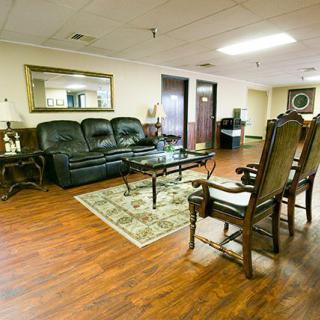
Camino Real Senior Living
$1,925 to $2,950 / month16.3 miles away -
About the same
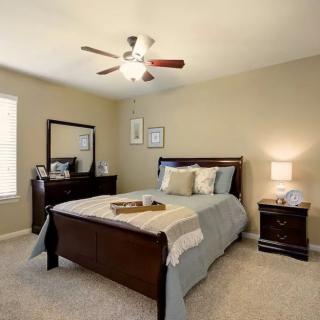
New Forest Estates
$1,995 to $3,200 / month4.6 miles away -
from +$200 / mo
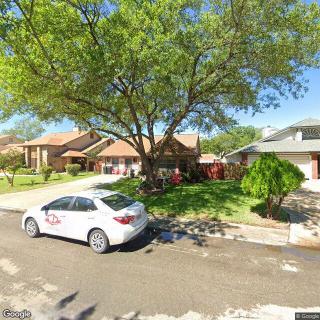
Golden Casa Assisted Living Facility 2
$2,200 to $5,980 / month19.2 miles away -
About the same
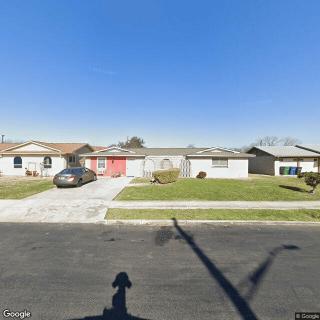
Agape House II
$2,000 to $3,200 / month13.4 miles away
Overall Review of Pams Home Care
Pros
 The facility is one of the best places for a group home.
- It is very nice.
- Pam's private care home is among the best the reviewer has seen.
- The place is amazing.
- Pam is highly recommended for private care needs.
Cons
 — the provided reviews are all positive and contain no third-person negative statements.
Review
Pams Home Care in San Antonio operates like a private group home, making it an excellent match for seniors or adults who want a homelike, low-noise setting with hands-on, individualized assistance. The environment prioritizes warmth, dignity, and constant caregiver presence over institutional formality. Families seeking consistent, long-tenured caregivers and a strong personal relationship with the people delivering care will find this model especially compelling. Residents who value privacy and predictable routines, where help is available without a long drive to a clinic, will feel at ease here. In short, it serves those who want high-touch support in a small, home-minded setting rather than a large campus.
Those who may want to consider alternatives include residents needing advanced medical supervision, complex wound care, or memory-care programs tailored to dementia. A larger assisted living or memory-care community may be more suitable for such needs. If 24/7 on-site nursing with formal oversight is non-negotiable, or if a diversified activities calendar and structured social programming across multiple levels are essential, the small-group home format could fall short. Families should weigh whether scalable staff coverage and predictable staffing rotation are crucial, because a private home setting can be more variable in that regard. For some, the privacy and intimacy come at the expense of the resources and professional infrastructure found in bigger facilities.
The strongest pros, intensely personalized attention, a warm home environment, and highly responsive caregiving, often offset the typical downsides of a small operation. Pam and Clint Wooley are repeatedly described as caring, committed, and dependable, creating a sense of trust that spills over into day-to-day life for residents. The home-like atmosphere supports comfortable routines and ease of interaction, which reduces stress and accelerates recognition of needs. Because care is tailored to individual preferences, daily life is guided by what works for the resident rather than a one-size-fits-all program. When a resident’s likes, dislikes, and habits are known, the absence of a large staff becomes a strength rather than a weakness.
Practical considerations to verify include licensing or registration status for private-home care operations, caregiver qualifications, and how care plans are developed and updated. Inquire about medication management, emergency procedures, and whether a nurse or physician can be accessed if health issues arise. Ask about caregiver turnover and policies for substitute caregivers to ensure continuity of care, and request a clear picture of daily schedules, meals, and activity options. Understanding the cost structure and what is included helps prevent surprises and aligns expectations with the level of personalized service promised.
When evaluating options, use a structured checklist that covers medical needs, cognitive status, independence, social engagement, and family involvement. If the senior values quiet, homey surroundings with a stable routine and immediate, personal attention, this private-care home option has a compelling fit. If the priority is a robust activities calendar, formal therapies, or specialized dementia programming, larger campuses may deliver more of those offerings, but often at the expense of the intimate, relationship-driven care model described. A visit, conversations with current residents or families, and observation of interactions with Pam and Clint will reveal whether the setting feels like the right match and whether continuity of care can be sustained.
Bottom line: for families prioritizing warmth, trust, and highly individualized support in a small, homelike setting, Pams Home Care stands out as a standout option in San Antonio. It excels where personal attention and stability trump institutional scale, making it an ideal choice for residents who thrive on consistent relationships and tailored daily living. Those with higher needs for formal medical oversight, memory-care programming, or a larger community footprint should actively explore alternatives to ensure those requirements are met. The ultimate decision should hinge on whether the resident will flourish with the intimate, flexible care model described, and whether the family values the level of engagement and trust evident in the lived experiences shared by current clients.
 5 resident community capacity
 Assisted Living
 Board and Care Home
 Activities off-site
 Cable or satellite TV
 Dining room
 Fully furnished
 Garden
 Housekeeping services
 Indoor common areas
 Move-in coordination
 Outdoor common areas
 Private
 Respite or short term stays offered
 Telephone
 Wheelchair accessible showers
 Wi-Fi/high-speed internet available
 San Antonio International (12 miles away)
 24-hour supervision
 Ambulatory care
 Assistance with bathing
 Assistance with dressing
 Assistance with transfers
 Diabetes diet
 Diabetic care
 Incontinence care
 Meal preparation and service
 Medication management
 Special dietary restrictions
 Transportation arrangement (medical)
 Transportation to doctors appointments





 Funding and Affording Assisted Living: A Thorough Overview
 Assisted Living Expenses and Long-Term Care Insurance: A Comprehensive Exploration
 Securing Financial Support for Assisted Living: A Comprehensive Overview