Westover Hills Rehabilitation And Healthcare

Save

  • Interior

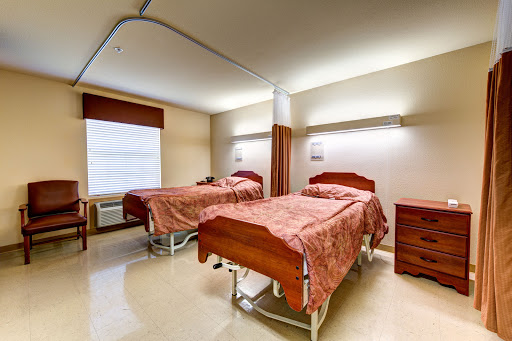
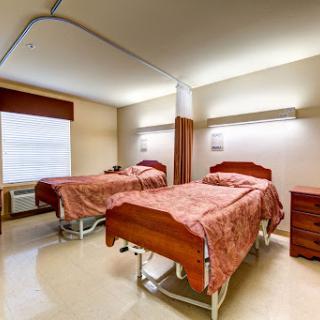
    A spacious and well-lit hospital patient room featuring two beds with bedside tables.
  • Decor

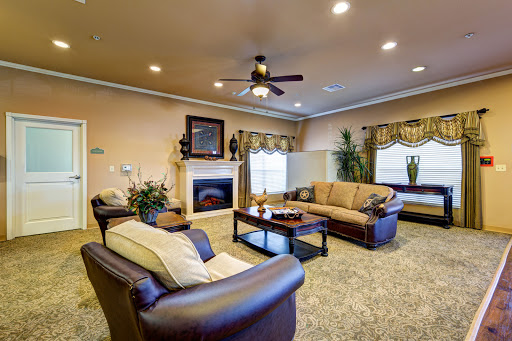
    A cozy living room featuring comfortable seating, a stylish coffee table, and a warm fireplace.
  • Building

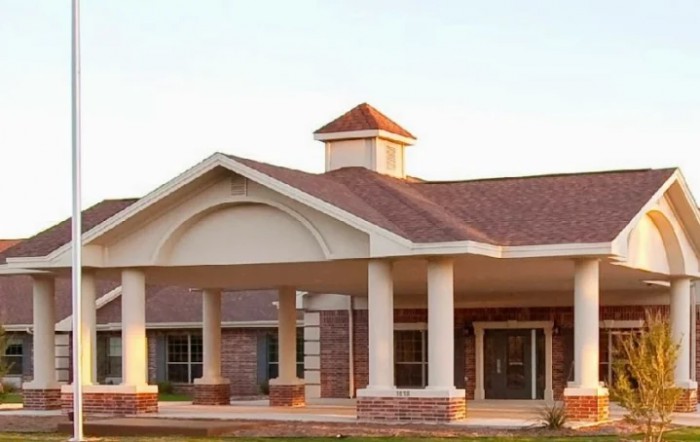
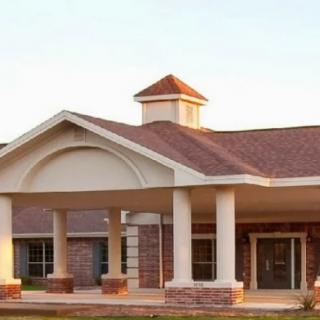
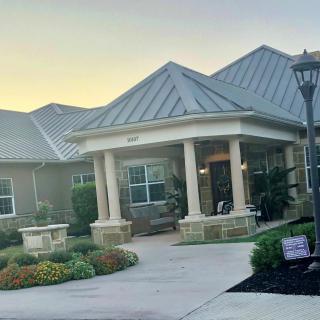
    A building with a prominent entrance featuring columns and a gabled roof.
  • Architecture

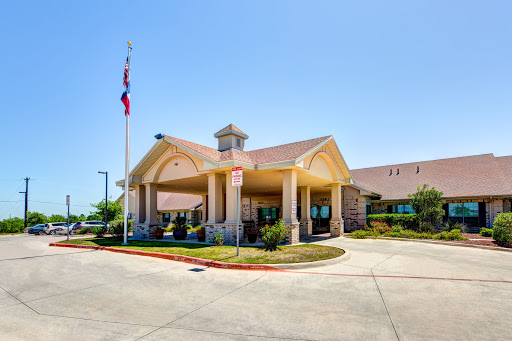
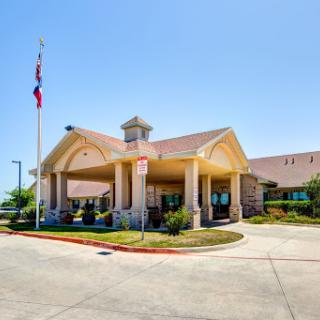
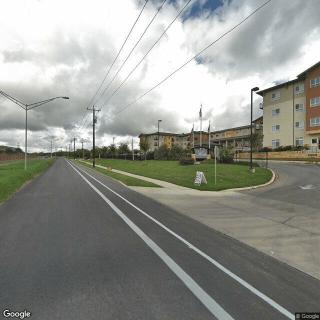
    Welcoming hotel entrance with landscaped surroundings and flags.
  • Trees

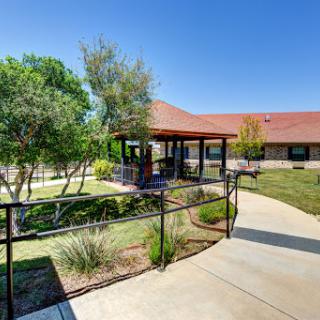
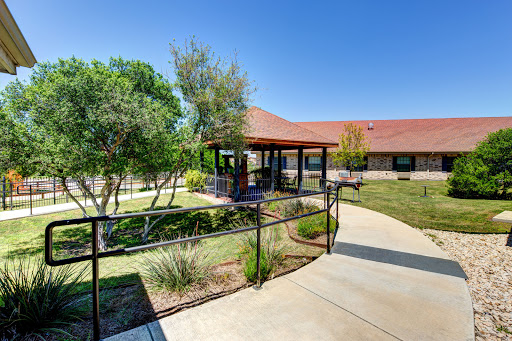
    A sunny day showcasing a well-maintained outdoor area with a pathway leading to a building surrounded by greenery.
  • Windows

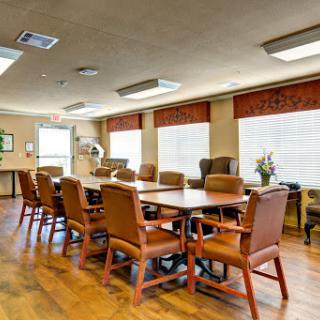
    A spacious conference room equipped with a large table and comfortable chairs, ideal for meetings and discussions.
  • Dining

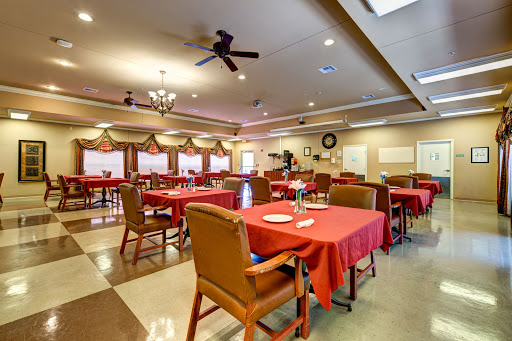
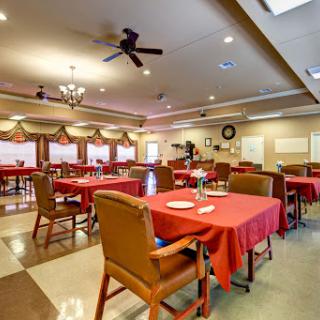
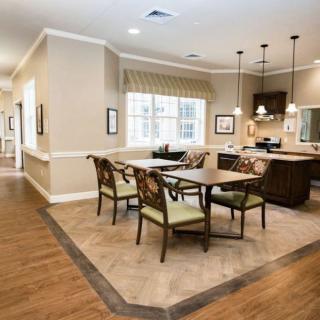
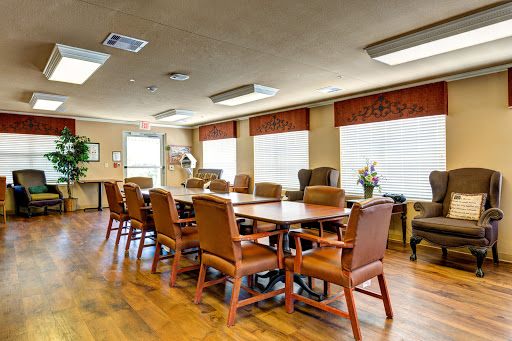
    A spacious dining area featuring tables set with red tablecloths, illuminated by soft lighting.
  • Lighting

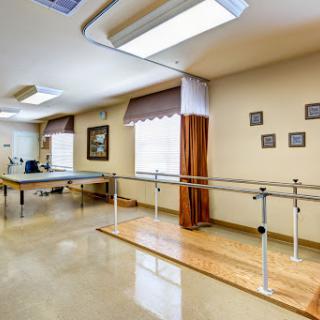
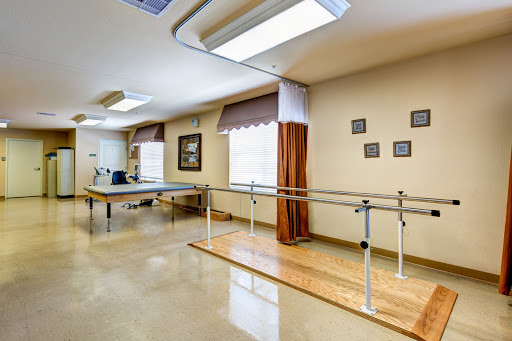
    A well-lit physical therapy room featuring a ballet bar and an exercise table, designed for rehabilitation activities.
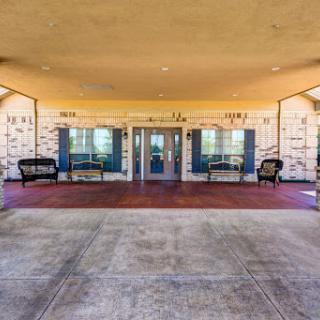
  • Entrance

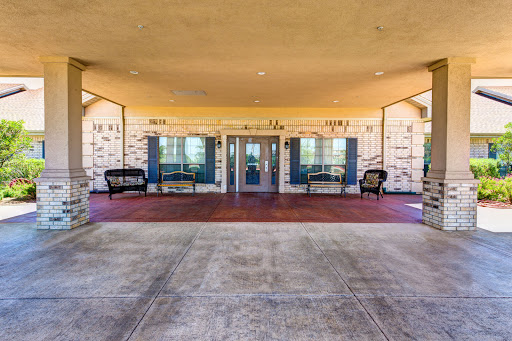
    Entrance area of a building featuring seating and large windows.
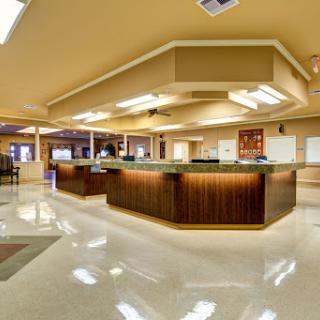
  • Lobby

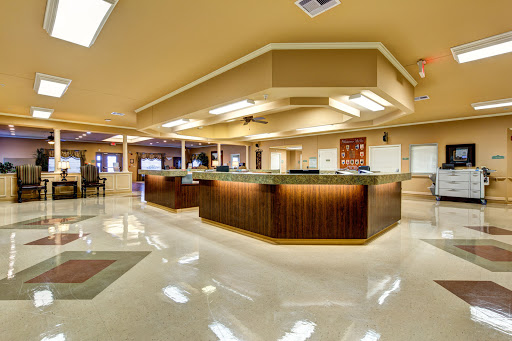
    A modern and inviting lobby area featuring a sleek reception desk and polished marble flooring.
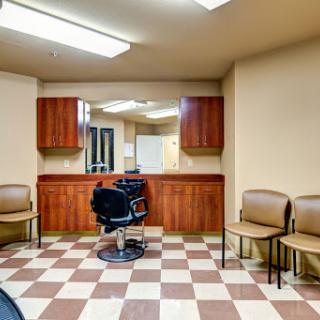
  • Waiting Area

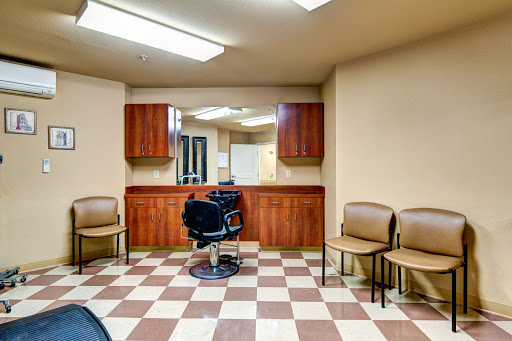
    A minimalistic barbershop interior featuring a central barber chair and waiting area.

Westover Hills Rehabilitation And Healthcare

9922 State Highway 151, San Antonio, TX 78251

For more information about senior living options: (844) 490-3973

4.8 from 103 reviews
5 stars
89
4 stars
9
3 stars
2
2 stars
0
1 stars
3

Skilled Nursing Facility

What level of care are you interested in?

Assisted Living

Memory Care

Independent Living

Skilled Nursing Facility

Continuing Care Retirement Community (CCRC)CCRC

Other


Request a tour at Westover Hills Rehabilitation And Healthcare

    Overall Review of Westover Hills Rehabilitation And Healthcare

    Pros

    • pro The staff were friendly, attentive, and very helpful.
    • pro The facility was clean, modern, and well maintained.
    • pro The surroundings are bright, beautiful, and inviting.
    • pro Residents appeared happy and well cared for.
    • pro Therapy services (PT/OT/SLP) were supportive and effective.
    • pro The admission and discharge processes were smooth with clear explanations.
    • pro Front desk and receptionists greeted visitors with smiles and courtesy.
    • pro Dominique Serna was very helpful and answered questions with kindness.
    • pro The overall atmosphere is welcoming, lively, and caring.

    Cons

    • pro Filthy conditions and terrible customer service; staff were rude to employees.
    • pro The vending machines do not work and will take money, with nurses saying it is not their responsibility.
    • pro The staff were money-hungry and focused on billing rather than patient care.
    • pro A reviewer reported that a relative was treated very poorly, with medications not provided for over 24 hours and a dirty, poorly maintained room, along with defensive, unhelpful communication from nurses.
    • pro The facility offered no diabetic-friendly food options or alternatives.
    • pro There were claims that staff suggested using life insurance to pay for rehab in order to qualify for Medicaid, implying financial manipulation.

    Review

    Westover Hills Rehabilitation Center comes through in a chorus of voices as a clean, modern, and busy place that many visitors describe with warmth and appreciation. Numerous reviewers highlight the facility's bright, well-kept surroundings, ample space, and an atmosphere that feels both lively and reassuring. The building's security and check-in technology are praised, and once you get settled, the overall impression from most visitors centers on care, courtesy, and consistency. One visitor noted the area as clean, spacious, and well managed, with a sense of calm that made their stay feel safe and comfortable from the moment they arrived.

    Across the board, the people who work there receive commendations for how they interact with residents and their families. A recurring theme is staff who are friendly, patient, and genuinely involved in daily care. The tone of care isn't limited to nurses alone; it extends to receptionists, housekeeping, therapists, and dining staff, all of whom seem to contribute to a supportive environment. Several families observed staff engaging with loved ones not just as patients with tasks to complete, but as people with personalities, preferences, and daily rhythms. This camaraderie and attentiveness create an impression of a place that treats residents with dignity and consideration, making visits feel like witnessing a well-functioning, close-knit community.

    Therapy and rehabilitation emerge as central strengths, with multiple residents and families pointing to the effectiveness and attentiveness of the clinical team. Physical therapy (PT), occupational therapy (OT), and speech-language pathology (SLP) are repeatedly cited as being thorough and well-coordinated. Names like Randi Garcia are singled out for being especially helpful and supportive, while Crystal from occupational therapy is described as a delight who contributed positively to patient journeys toward strength and recovery. The therapists, along with the nursing staff, are praised for listening, explaining, and guiding patients through their workouts and treatment plans with patience and clarity. In many accounts, discharge planning is also handled with care, including clear, concise explanations and a documented discharge summary that helps families understand what comes next.

    Families repeatedly share that the admission process is smooth and that the daily care remains consistently attentive. In several stories, the front desk team plays an important role in creating a welcoming first impression - receptionsists greet visitors with smiles, explain processes clearly, and help set a tone of serenity and order. Miss Dominique Serna (and similar variants of her name) is regularly described as helpful and responsive, answering questions with kindness and providing information that helps families feel informed and at ease. Katelynn, another receptionist, is noted for her clarity and willingness to explain questions, underscoring that the facility benefits from a staff culture that prioritizes communication and approachability.

    Yet, as with any real-world setting, not every review aligns with a uniformly glowing portrayal. A minority of voices describe starkly negative experiences. One account labels the facility as filthy with terrible customer service and alleges rudeness toward employees, presenting a sharp counterpoint to the prevailing positive tone. The contrast highlights that experiences can vary, and the range of opinions reflects the complexities of running a large rehabilitation center where patient needs, administrative procedures, and staff interactions all intersect in daily operations.

    Another deeply troubling review recounts a prolonged, painful narrative about financial pressures and moral distress. A family member describes the end of a 20-day insurance window and accuses the facility of focusing on money and insurance details rather than solely on patient welfare. The reviewer recounts a difficult struggle - selling personal assets to fund care, facing skepticism about life insurance, and ultimately mourning the loss of a loved one before seeing a grandchild. This account includes explicit references to the staff's perceived preoccupation with financial arrangements and questions about the motives behind discharge decisions, leaving a lasting impression of how payment concerns can intersect with perceptions of care quality.

    There are also specific critiques about clinical management in the context of ongoing treatment. One reviewer reports that a family member's prescribed medications were not provided for more than a day, and that basic issues such as room cleanliness, diabetes-friendly food options, and beverage choices were inconsistently addressed. The account describes a sense of frustration with limited options for diabetic diets, with suggestions of sugary beverages and a lack of clarity around what constitutes a suitable option. The reviewer also recounts vending machines that failed and responses from staff that shifted responsibility away from care providers, contributing to an impression of gaps in communication and a perception that patient needs were not always promptly or fully addressed. On the same thread, the experience of asking questions about health and waiting for supervisors in the morning is cited as unacceptable by the standards of compassionate care.

    In the midst of these concerns, some reviewers emphasize the personal bonds built with specific staff members. The same facility that draws praise for its cleanliness and therapeutic programs also earns gratitude for day-to-day acts of kindness. Names like Domingue (Domingue) are mentioned with warmth for their care, and many families point to the dependable presence of nurses, aides, and kitchen staff who contribute to a sense of normalcy and well-being. Praise for the dining experience - resident meals described as satisfying and the staff as attentive - appears alongside acknowledgments of rooms that feel comfortable and safe. Visitors repeatedly mention how their loved ones respond positively to encouragement from the team and how the overall atmosphere supports recovery and happiness.

    In sum, Westover Hills Rehabilitation Center is portrayed through a tapestry of experiences - mostly favorable, with strong testimonials about cleanliness, modern facilities, and a caring, capable staff. The consistent thread is a community of clinicians, therapists, and support staff who approach their roles with empathy and professionalism, helping residents regain strength, stay engaged, and feel secure. The more challenging narratives remind us that healthcare environments are complex ecosystems where patient needs and administrative realities can collide, producing perspectives that reflect both success stories and areas where improvements are sought. For many families, the center represents a place of warmth, respectful care, and effective rehabilitation, and for others, it is a reminder that even well-regarded facilities must continually listen, adapt, and respond to every patient's unique circumstances.

    Features

    Housing

    • 124 resident community capacity 124 resident community capacity

    Types of Care

    • Skilled Nursing Facility Skilled Nursing FacilitySkilled Nursing Facilities are crucial for seniors as they provide round-the-clock medical care, rehabilitation services, and assistance with daily activities. These facilities ensure that seniors receive the specialized care they need to maintain their health and well-being as they age.

    Amenities

    • Air-conditioning Air-conditioningAir conditioning is important for seniors as they are more vulnerable to heat-related illnesses and may have underlying health conditions that make it difficult for them to regulate their body temperature. It helps to keep them comfortable, safe, and healthy in hot weather.
    • Beauty salon Beauty salonBeauty salons are important for seniors because they provide a space for them to feel pampered, socialize, and maintain their personal grooming and hygiene. Regular visits to a beauty salon can help boost seniors' self-esteem and overall well-being.
    • Cable or satellite TV Cable or satellite TVCable or satellite TV is important for seniors because it provides entertainment, news, and companionship, helping to combat loneliness and boredom. It also offers a wide range of programming options tailored to different interests and preferences.
    • Computer center Computer centerA computer center is essential for seniors as it provides access to technology, communication tools, and resources that can enhance their daily lives. It allows them to stay connected with loved ones, engage in online activities, and learn new skills, ultimately promoting socialization and mental stimulation.
    • Dining room Dining roomDining rooms are important for seniors as they provide a space for socialization, connection, and nutritious meals. They offer opportunities for residents to bond over shared meals, foster a sense of community, and promote healthy eating habits. Dining rooms also ensure that seniors have access to well-balanced meals tailored to their dietary needs and preferences.
    • Fitness room Fitness roomHaving a fitness room in a senior living community is essential for seniors to stay active, maintain their physical health, and improve their overall well-being. Regular exercise can help prevent falls, reduce the risk of chronic diseases, and promote mental sharpness. It also provides social opportunities for residents to connect with others and enjoy a sense of community.
    • Fully furnished Fully furnishedFully furnished senior living communities are important for seniors because they provide convenience, comfort, and a hassle-free moving experience. Seniors can easily settle into their new living space without the stress of having to buy and move furniture. This allows them to focus on enjoying their new home and community.
    • Gaming room Gaming roomGaming rooms are important for seniors as they provide a fun and engaging environment for socializing, cognitive stimulation, and physical activity. Games can improve memory, problem-solving skills, and overall mental well-being while fostering friendships and reducing feelings of isolation.
    • Garden GardenGardens are important for seniors as they provide a peaceful and therapeutic environment for relaxation, physical activity, and socialization. Being in nature has been shown to reduce stress, improve mood, and promote overall well-being. Gardens also offer opportunities for seniors to engage in gardening activities, which can improve mobility, flexibility, and cognitive function. Additionally, gardens create a sense of community and connection with others who share a passion for plants and outdoor spaces.
    • Housekeeping services Housekeeping servicesHousekeeping services are important for seniors because they help maintain a clean and safe living environment, promote independence, and reduce the risk of accidents or illnesses. Additionally, having assistance with household chores can alleviate physical strain and allow seniors to focus on other aspects of their well-being.
    • Kitchenette KitchenetteKitchenettes are important for seniors living in senior living communities because they provide the convenience and independence of being able to prepare simple meals and snacks in the comfort of their own living space. This can help promote a sense of autonomy and well-being for seniors, allowing them to maintain some level of control over their dietary choices and daily routines.
    • Move-in coordination Move-in coordinationMove-in coordination is important for seniors because it helps ease the transition into their new living environment. It ensures that all logistics, such as packing, organizing movers, and setting up utilities are taken care of, allowing seniors to focus on settling in and adjusting to their new home. Having a smooth move-in process can alleviate stress and anxiety, making the transition smoother and more enjoyable for seniors.
    • Outdoor space Outdoor spaceOutdoor spaces are important for seniors as they provide opportunities for physical activity, social interaction, exposure to natural light and fresh air, and a sense of connection to nature. Having access to outdoor spaces can improve overall well-being and quality of life for older adults living in senior communities.
    • Private bathrooms Private bathroomsPrivate bathrooms are important for seniors in senior living communities because they provide independence, dignity, and comfort. Having a private bathroom allows seniors to maintain their personal hygiene routines without the need for assistance, promoting a sense of autonomy and privacy. Additionally, private bathrooms help prevent the spread of infections and provide a safe and clean environment for seniors to navigate safely.
    • Restaurant-style dining Restaurant-style diningRestaurant-style dining is important for seniors because it allows them to enjoy delicious, nutritious meals in a social and upscale setting. This enhances their dining experience, promotes healthy eating habits, and fosters socialization with fellow residents, ultimately contributing to their overall well-being and quality of life.
    • Small library Small librarySmall libraries are important for seniors as they provide access to a variety of reading materials, including books, newspapers, and magazines. This can help stimulate their minds, keep them engaged, and provide a sense of community through book clubs and other social activities. Additionally, reading has been shown to improve cognitive function and overall mental well-being in older adults.
    • Telephone TelephoneTelephones are important for seniors as they provide a lifeline for communication with loved ones, emergency services, and healthcare providers. They offer a sense of security and independence, enabling seniors to stay connected and access assistance when needed.
    • Wellness center Wellness centerWellness centers are important for seniors because they offer a variety of programs and services that promote physical, mental, and emotional well-being. These centers provide opportunities for exercise, socialization, education, and relaxation, helping seniors maintain their overall health and quality of life.
    • Wi-Fi/high-speed internet available Wi-Fi/high-speed internet availableWi-Fi/high-speed internet is important for seniors to stay connected with loved ones, access online resources, and participate in virtual activities to combat feelings of loneliness and isolation. It also allows them to easily manage healthcare needs, access entertainment, and engage in lifelong learning opportunities.

    Transportation

    • San Antonio International (14 miles away) San Antonio International (14 miles away)
    • Community operated transportation Community operated transportationCommunity operated transportation is crucial for seniors as it provides them with the means to access essential services, social activities, and medical appointments. It allows seniors to maintain their independence and quality of life by ensuring they can participate in activities outside of their homes. Additionally, community-operated transportation services offer a safe and reliable way for seniors to travel without having to rely on family or friends for assistance.
    • Transportation arrangement Transportation arrangementTransportation arrangements are crucial for seniors as they may face challenges with driving, mobility, or access to public transportation. Having reliable transportation services ensures that seniors can easily attend appointments, social activities, and maintain their independence and quality of life.
    • Transportation arrangement (non-medical) Transportation arrangement (non-medical)Transportation arrangements are essential for seniors as they provide access to essential services, activities, and social interactions outside the home. This service helps maintain independence, mobility, and overall well-being for seniors who may have limited transportation options.
    • Transportation to doctors appointments Transportation to doctors appointmentsTransportation to doctors appointments is crucial for seniors as it ensures they have access to necessary medical care and support, promoting their health and well-being. It allows them to receive timely treatment, monitor existing conditions, and address any new health concerns efficiently. Additionally, transportation services can help seniors maintain their independence and quality of life by enabling them to stay connected with their healthcare providers.

    Care Services

    • 12-16 hour nursing 12-16 hour nursing12-16 hour nursing care is crucial for seniors in order to ensure around-the-clock monitoring, timely medication administration, and prompt response to any health concerns or emergencies. This level of care helps to promote the overall well-being and safety of seniors living in senior living communities.
    • 24-hour call system 24-hour call system24-hour call systems are important for seniors because they provide peace of mind and immediate assistance in case of emergencies. This technology ensures that help is always available, promoting safety and security for elderly individuals living alone or in assisted living facilities.
    • 24-hour supervision 24-hour supervision24-hour supervision is important for seniors to ensure their safety, well-being, and access to immediate assistance in case of emergencies or health issues. This constant support provides peace of mind for both seniors and their loved ones, allowing them to age in place with dignity and security.
    • Activities of daily living assistance Activities of daily living assistanceActivities of daily living assistance are important for seniors because they provide essential support with tasks such as eating, bathing, dressing, and mobility. This assistance helps seniors maintain their independence, dignity, and overall quality of life as they age.
    • Assistance with bathing Assistance with bathingAssistance with bathing is crucial for seniors as it helps maintain personal hygiene, prevents infections, and ensures their overall well-being and comfort. It also provides a sense of dignity and independence for seniors who may struggle with this task on their own.
    • Assistance with dressing Assistance with dressingAssistance with dressing is important for seniors because it helps maintain their independence, promotes personal hygiene, prevents accidents and injuries, and improves overall quality of life. This service ensures that seniors can continue to dress comfortably and confidently, despite any physical limitations they may have.
    • Assistance with transfers Assistance with transfersAssistance with transfers is crucial for seniors as it helps prevent falls and injuries, maintains their independence, and ensures they can safely navigate their living environment. It also provides peace of mind for both seniors and their loved ones.
    • Diabetes diet Diabetes dietA diabetes diet is crucial for seniors as it helps manage blood sugar levels, reduce risks of complications, and improve overall health and well-being. By following a balanced and nutritious diet tailored to their specific needs, seniors can better control their diabetes and enhance their quality of life.
    • Meal preparation and service Meal preparation and serviceMeal preparation and service are crucial for seniors as they may have limited mobility or energy to cook nutritious meals. Having access to healthy and convenient food options can ensure they are getting the proper nutrition needed to maintain their overall health and well-being.
    • Medication management Medication managementMedication management is crucial for seniors to ensure they are taking the right medications at the correct dosages and times. This helps prevent adverse drug interactions, reduces the risk of medication errors, and promotes overall health and well-being. Proactive management also allows for adjustments as needed based on changing health conditions or new prescriptions.
    • Mental wellness program Mental wellness programMental wellness programs are essential for seniors as they promote cognitive stimulation, emotional support, and social engagement. These programs help prevent isolation, depression, and cognitive decline, ultimately enhancing the overall quality of life for older adults.
    • Special dietary restrictions Special dietary restrictionsSpecial dietary restrictions are important for seniors because age-related changes in metabolism and health conditions can make it difficult for their bodies to process certain foods. By following a diet tailored to their specific needs, seniors can maintain their overall health and well-being, manage chronic conditions, and reduce the risk of complications such as malnutrition or food interactions with medications.
    • Transportation to doctors appointments Transportation to doctors appointmentsTransportation to doctors appointments is crucial for seniors as it ensures they have access to necessary medical care and support, promoting their health and well-being. It allows them to receive timely treatment, monitor existing conditions, and address any new health concerns efficiently. Additionally, transportation services can help seniors maintain their independence and quality of life by enabling them to stay connected with their healthcare providers.

    Dining

    • Diabetes diet Diabetes dietA diabetes diet is crucial for seniors as it helps manage blood sugar levels, reduce risks of complications, and improve overall health and well-being. By following a balanced and nutritious diet tailored to their specific needs, seniors can better control their diabetes and enhance their quality of life.
    • Special dietary restrictions Special dietary restrictionsSpecial dietary restrictions are important for seniors because age-related changes in metabolism and health conditions can make it difficult for their bodies to process certain foods. By following a diet tailored to their specific needs, seniors can maintain their overall health and well-being, manage chronic conditions, and reduce the risk of complications such as malnutrition or food interactions with medications.

    Activities

    • Community-sponsored activities Community-sponsored activitiesCommunity-sponsored activities are important for seniors as they provide opportunities for social interaction, mental stimulation, and physical activity. These activities can help improve overall well-being, combat loneliness and isolation, and promote a sense of belonging and purpose among older adults.
    • Concierge services Concierge servicesConcierge services are essential for seniors as they provide assistance with daily tasks and errands, enhance their quality of life by offering convenience and personalized care, and promote a sense of safety and security.
    • Fitness programs Fitness programsFitness programs are crucial for seniors as they help improve strength, flexibility, balance, and overall well-being. Staying active can reduce the risk of chronic diseases, improve mental health, and enhance quality of life in older adults.
    • Planned day trips Planned day tripsPlanned day trips are important for seniors because they offer opportunities for socialization, mental stimulation, and physical activity. They provide a change of scenery and help seniors stay engaged and connected to their community, promoting overall well-being and quality of life.
    • Resident-run activities Resident-run activitiesResident-run activities are important for seniors as they encourage social interaction, creativity, and a sense of autonomy. These activities empower seniors to stay engaged and active in their community while fostering meaningful connections with their peers.
    • Scheduled daily activities Scheduled daily activitiesScheduled daily activities are important for seniors because they provide structure, socialization, mental stimulation, and physical activity. Engaging in regular activities can improve overall well-being and quality of life for seniors living in a community setting.

    Description

    Westover Hills Rehabilitation And Healthcare in San Antonio, TX is an assisted living community that offers a wide range of amenities and care services to ensure the comfort and well-being of its residents. The community prioritizes convenience and leisure by providing on-site beauty salon, cable or satellite TV, computer center, gaming room, small library, and Wi-Fi/high-speed internet access. Additionally, residents can enjoy the beautiful outdoor spaces including gardens and have access to community-operated transportation for various needs such as shopping or social outings.

    The dining experience at Westover Hills is exceptional with a restaurant-style dining room where residents can enjoy delicious meals prepared by professional chefs. Special dietary restrictions are accommodated to ensure that each resident's unique needs are met.

    Care services provided include 24-hour call system for emergencies or assistance, 24-hour supervision to ensure safety, assistance with activities of daily living such as bathing, dressing, and transfers. The staff also assists with medication management and provides diabetes diet support. A mental wellness program is offered to promote emotional well-being among the residents.

    Residents can stay active through various fitness programs organized by the community. Planned day trips allow residents to explore nearby attractions while resident-run activities encourage social interaction among peers. Scheduled daily activities ensure that there is always something engaging for everyone.

    Westover Hills is conveniently located near numerous amenities including cafes, parks, pharmacies, physicians' offices, restaurants, places of worship, theaters, and hospitals. Transportation arrangements are made for non-medical purposes as well as scheduled transportation to doctors' appointments.

    In summary, Westover Hills Rehabilitation And Healthcare provides a comprehensive assisted living experience where residents can enjoy comfortable accommodations along with various amenities and care services tailored to their individual needs.

    Nearby Places of Interest

    Restaurants

    • Wendy's (0.6 miles)
    • McDonald's (0.8 miles)
    • Raising Cane's Chicken Fingers (0.9 miles)
    • Grand Tequila (1.1 miles)
    • Antler's Lodge Restaurant (1.1 miles)
    • Hooters (1.2 miles)
    • Chuy's (1.5 miles)

    Physicians

    • Brown Retina Institute (0.7 miles)
    • South Texas Allergy & Asthma Medical Professionals (0.7 miles)
    • Allergy, Asthma and Immunology Associates of South Texas (0.7 miles)
    • Advanced Spine & Pain Center (1.3 miles)
    • San Antonio Endocrinology & Diabetes Care (1.8 miles)
    • Westover Hills Women's Health (1.9 miles)
    • Gonzaba Medical Group (2.5 miles)

    Cafes

    • Starbucks (0.7 miles)
    • Dutch Bros Coffee (1.2 miles)
    • Panera Bread (1.4 miles)
    • Starbucks (1.8 miles)
    • Spoons (1.8 miles)
    • Starbucks (2.1 miles)
    • Cajun Coffee Shack (2.9 miles)

    Pharmacies

    • CVS Pharmacy (0.8 miles)
    • Walgreens (0.8 miles)
    • CVS Pharmacy (2 miles)
    • Walmart Pharmacy (2 miles)
    • Walgreens (2.1 miles)
    • Walgreens (2.2 miles)
    • Walgreens (2.3 miles)

    Hospitals

    • Baptist Emergency Hospital (1.4 miles)
    • Wilford Hall Ambulatory Surgical Center (4.7 miles)

    Parks

    • Ground Control Trampoline Park (2 miles)
    • Lackland Terrace Park (3.1 miles)

    Places of Worship

    • Masjed Beit El Magdes (2.5 miles)
    • Chapel Hill United Methodist Church (4.1 miles)

    Theaters

    • Flix Brewhouse (2.5 miles)
    • Santikos Casa Blanca (3.7 miles)

    Frequently Asked Questions

    Where is Westover Hills Rehabilitation And Healthcare?
    What photos are available for Westover Hills Rehabilitation And Healthcare in San Antonio, Texas?

    Nearby Communities

    Skilled Nursing Facility in Nearby Cities

    Related Resources


    Get Pricing Ask A Question Schedule A Tour Contact Senior Advisor