
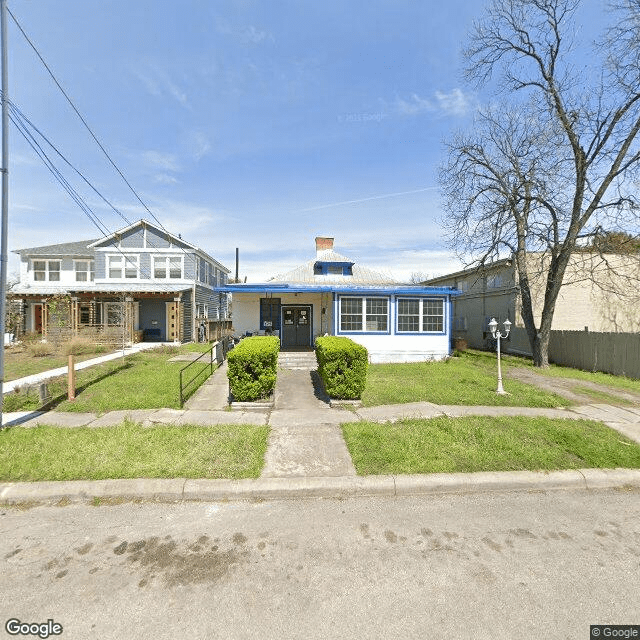
325 E Locust St, San Antonio, TX 78212
To contact a resident: (210) 735-1779
For more information about senior living options: (866) 208-4318
Guzman Personal Care Home Costs & Pricing
Guzman Personal Care Home offers competitive pricing for its semi-private rooms at $1,800 per month, significantly lower than the average costs in Bexar County and across Texas. In comparison, the average monthly rate in Bexar County stands at $3,488, while the statewide average reaches approximately $3,680. This pricing structure positions Guzman Personal Care Home as a more affordable option for those seeking personal care services without compromising quality. Such affordability can be particularly appealing to families looking for a nurturing environment that balances cost with care excellence.
| Floor plans | Guzman Personal Care Home | Bexar County | Texas |
|---|---|---|---|
| Semi-Private | $1,800 | $3,488 | $3,680 |
Senior living communities with a similar price nearby
-
from +$200 / mo
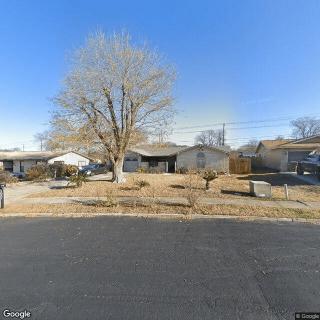
Evening Sun Care Home
$2,000 / month8.2 miles away -
from +$170 / mo

The Waterford At Thousand Oaks
$1,970 to $3,075 / month8.9 miles away -
About the same

Bulverde Park
$1,800 to $3,500 / month23.0 miles away -
from +$244 / mo
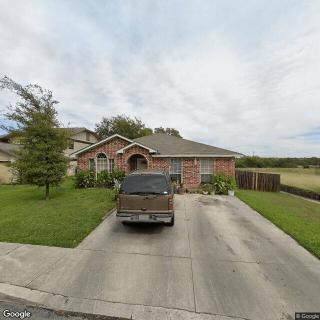
Angels in Christ
$2,044 to $3,115 / month9.8 miles away -
from +$175 / mo

Discovery Village at Dominion IL
$1,975 to $2,600 / month15.3 miles away
Overall Review of Guzman Personal Care Home
Pros
 The facility is reasonably priced, provides good care, and is clean, safe, and secure.
- It is a great home, and the reviewer notes that the brother loves it and attends daycare there.
Review
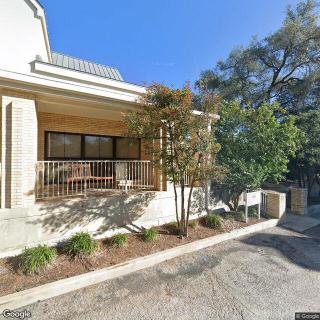
Guzman Personal Care Home in San Antonio is best suited for seniors who want a small, home-like setting that makes daily living feel personal, affordable, and straightforward. The facility’s appeal rests in a combination of reasonable pricing, solid basic care, and a clean, safe environment that feels less institutional than larger campuses. For families, the sense that a loved one is in a comfortable, secure space is central, and the ability for residents to participate in a daytime program or “daycare” option adds a practical dimension for social engagement without the formality of a big community. In other words, this is a pragmatic choice for those prioritizing warmth, ease of transition, and predictable day-to-day living.
Those who may want to consider alternatives are residents with higher medical needs or complex care requirements. If 24/7 skilled nursing, frequent medical oversight, or specialized memory care are essential, Guzman’s smaller, home-based model may fall short. Families seeking a robust, highly structured activity calendar, extensive on-site therapies, or a large network of amenities could find the experience feels too intimate or limited. For seniors who prize extensive dining options, scheduled outings, or a broad staff roster across multiple shifts, a larger assisted living community could deliver a more comprehensive menu of services.
The strongest leverage of Guzman’s positives is clear: affordable care that doesn’t sacrifice essential safety, cleanliness, or basic daily support. The facility is described as clean, safe, and secure, with reasonable price points that keep ongoing care within reach for many families. The home-like setting enhances comfort and reduces the sense of being in a clinical environment, which can ease adjustment for new residents. Moreover, the personal touch that comes with a smaller operation often translates into steadier supervision and more individualized attention, a factor families repeatedly cite as a decisive advantage when choosing this option.
However, the limited scale of a personal care home inevitably presents trade-offs. The compact operation can imply fewer on-site resources than larger communities, fewer staff per shift, limited on-site medical or rehabilitation services, and a leaner activity slate. While one resident’s family noted happiness and a strong sense of belonging, there is an understandable concern that the level of professional oversight and the breadth of programming may not match what some families expect from bigger facilities. These potential gaps aren’t fatal, but they are real: expectations should align with what a small home can reliably provide, and contingency plans may be wise if a change in medical condition occurs.
For decision-making, prospective families should pursue a practical checklist rather than relying on general impressions. Inquire about staffing patterns, including day-to-day caregiver coverage and the qualifications of aides or aides-on-duty. Clarify how medication management is handled, what medical support is available on-site, and how quickly residents can access outside medical care when needed. Ask about respite care options, the length and structure of daily activities, and how the facility supports socialization beyond the daycare program. Finally, request recent references or a trial visit to observe how staff interact with residents and how the living environment feels across different times of day.
In the end, Guzman Personal Care Home stands out as a solid, cost-conscious choice for seniors who value a familial, low-key setting with genuine personal attention and an accessible social program. It delivers on cleanliness, safety, and reasonable care in a format that many families find preferable to larger, more impersonal campuses. For those whose priorities include a warm, intimate atmosphere and predictable routines, this community offers discernible benefits that justify its place in the decision-making mix. For residents requiring more extensive medical services, memory-specific programming, or a breadth of amenities, alternatives with greater scale will likely deliver a more satisfying fit.
 Board and Care Home
 San Antonio International (6 miles away)



 Powerful Realities of Elder Abuse and the Most Effective Ways to Report It
 Ten Vital Duties of a Senior Caregiver: A Comprehensive Guide
 9 Stimulating Memory Activities for Seniors: Puzzles, Cards, and Much More