
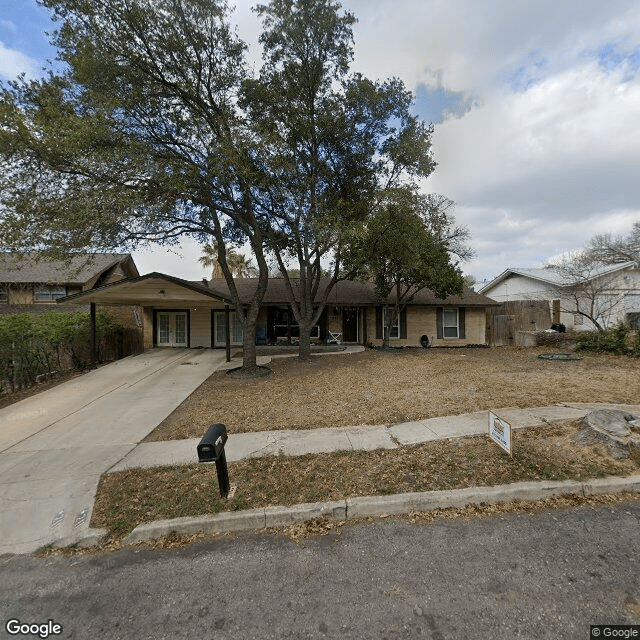
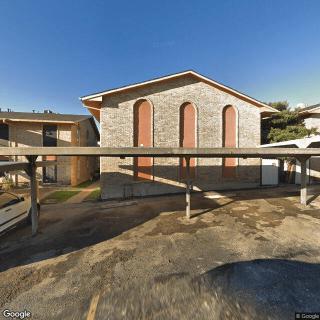
211 Tralfagar, San Antonio, TX 78216
To contact a resident: (210) 274-3556
For more information about senior living options: (866) 208-4318
Dignity Senior Care Homes- McCullough Costs & Pricing
Dignity Senior Care Homes-McCullough offers competitive pricing for its studio accommodations, with a monthly cost of $3,000. This figure is notably lower than the average rates in Bexar County, which stand at approximately $3,708, and even more so compared to the broader state average of $3,758 in Texas. By positioning itself below both local and state averages, Dignity Senior Care Homes-McCullough provides residents with an appealing option that combines affordability without compromising on quality care and comfortable living arrangements.
| Floor plans | Dignity Senior Care Homes- McCullough | Bexar County | Texas |
|---|---|---|---|
| Studio | $3,000 | $3,708 | $3,758 |
Senior living communities with a similar price nearby
-
from +$500 / mo

Parkway Assisted Living
$3,500 to $4,500 / month6.8 miles away -
from +$500 / mo
San Antonio - A-Z Senior Care 1
$3,500 / month10.7 miles away -
from +$500 / mo
Pembroke Angel Care
$3,500 to $3,800 / month7.7 miles away -
from -$400 / mo
Adult Private Care Home
$2,600 / month17.1 miles away -
from -$500 / mo

The Golden Years Care Home
$2,500 / month12.5 miles away
Overall Review of Dignity Senior Care Homes- McCullough
Pros
 Joanna gives a great tour.
- The staff take their time in everything, making her private care home very special.
- People love it.
Review
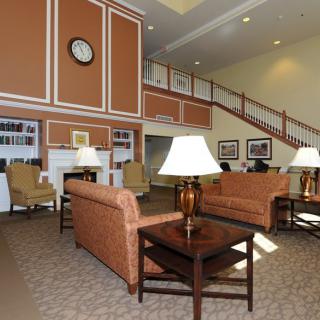
This community is best suited for families prioritizing a small, home-like atmosphere where care can be highly personalized and family involvement is welcomed. The standout signal from the available assessment is a tour experience that demonstrates time and care invested in shaping a private-care-home feel, rather than a large, institutional setting. Prospective residents who want intimate attention, a slower pace, and the comfort of a private residence will likely find this McCullough location compelling. The emphasis on careful, deliberate presentation during the tour suggests a culture that values relationship-building, individualized routines, and privacy.
Those who may want to consider alternatives are families needing broader clinical support, large-scale programming, or specialized memory-care environments. A larger campus typically offers more on-site nursing coverage, structured activity schedules, and a wider array of medical and therapeutic services. For residents whose needs evolve toward complex wound care, continuous management of multiple chronic conditions, or dementia-specific programming with dedicated memory-care staffing, other communities with explicit, round-the-clock clinical capacity could be a better match. In short, the strongest fit lies with a private-home setting; those seeking comprehensive institutional scale should look elsewhere.
The primary advantages center on an intimate, attentive approach that a private-care-home setting can deliver. The tour’s thoroughness signals a culture of due diligence in matching resident preferences and daily routines, and the private-home ambiance is likely to reduce the sense of institutional rigidity. For families, this translates into clearer caregiver continuity, opportunities for deeper family involvement, and a daily rhythm that can be tailored, whether that means flexible meal times, personalized activity options, or individualized care plans. When care plans are crafted with a hands-on mindset, the benefits of personalization can be substantial, mitigating what would otherwise be a generic level of service in bigger facilities.
Still, opportunities for improvement are inherent in any intimate setting. While not stated as explicit negatives in the review, potential considerations include reliance on a smaller staff team and a narrower set of services compared to larger communities. The key question becomes whether the home-like environment can sustain consistent caregiver assignments, timely medical oversight, and the breadth of daily programming a resident may eventually require. The strength of the tour and the private-home atmosphere offset these potential constraints when a resident’s priorities center on individualized routines, consistent caregiver relationships, and a sense of being seen as an individual rather than a bed or a unit number.
For families assessing fit, start with a candid needs checklist: is the resident’s day-to-day stability tied to a highly personalized routine, with predictable caregiver assignments and a level of privacy that resembles living at home? If the answer is yes, this community’s approach is likely to pay dividends in comfort and continuity of care. Important due diligence questions include how staff-to-resident ratios are configured, what the licensure and scope of on-site medical oversight actually cover, how care plans are updated in response to changing needs, and what pathways exist for escalating concerns. Also probe the availability of activities, transportation, meal customization, and visitation policies to ensure alignment with expectations.
In sum, Dignity Senior Care Homes, McCullough presents a compelling option for families seeking an extremely personal, home-like setting where care is delivered with intention and time. The most decisive factor is alignment between resident needs and the home’s emphasis on individualized attention and private atmosphere. If that alignment holds, the tour experience described suggests a high likelihood of a warm, respectful living arrangement with meaningful caregiver relationships. If the resident’s needs demand broader clinical coverage, structured dementia programming, or campus-wide amenities, alternatives that offer greater scale and medical resources should be pursued. The right choice hinges on balancing the prized intimacy of a private-care-home with the evolving care requirements of the person being considered.
 Board and Care Home
 Activities off-site
 Devotional services off-site
 Indoor common areas
 Outdoor common areas
 Private bathrooms
 Respite or short term stays offered
 Swimming pool / hot tub
 Wheelchair accessible showers
 San Antonio International (2 miles away)
 Ambulatory care
 Diabetic care
 High acuity care
 Incontinence care
 Kosher
 Christian services


 Seniors and Modern Transportation: Exploring Uber, Lyft, and Other Ride-Hailing Options
 Comprehensive Guide to Qualifying for Home Health Care Services
 Powerful Realities of Elder Abuse and the Most Effective Ways to Report It