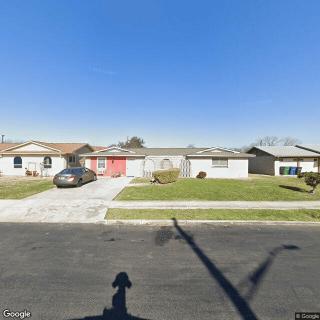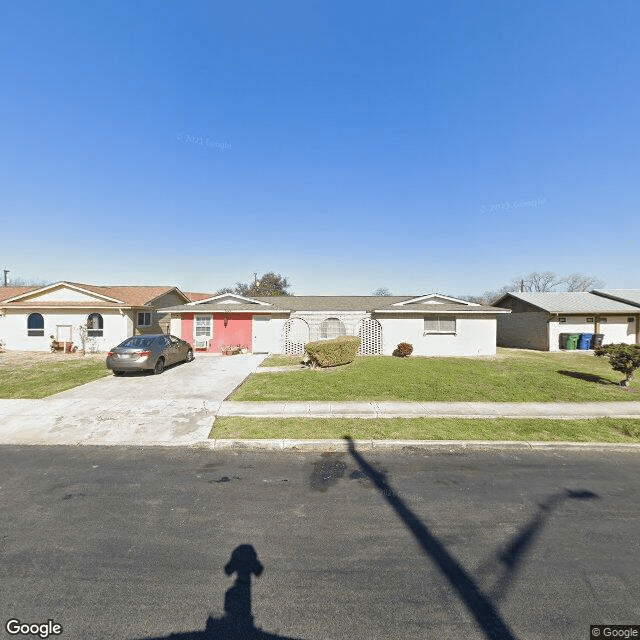
3443 Willowwood Street, San Antonio, TX 78219
For more information about senior living options: (866) 208-4318
Agape House II Costs & Pricing
Agape House II offers competitive pricing for its accommodations, with monthly costs notably lower than both the county and state averages. For a semi-private room, residents pay $2,000, which is significantly less than the Bexar County average of $3,488 and the Texas average of $3,680. Furthermore, the private room rate at Agape House II is set at $3,200, still below the county's $3,627 and state's $4,096 averages. This pricing structure not only highlights Agape House II's commitment to affordability but also ensures that residents receive quality care without the financial burden often associated with similar facilities in the area.
| Floor plans | Agape House II | Bexar County | Texas |
|---|---|---|---|
| Semi-Private | $2,000 | $3,488 | $3,680 |
| Private | $3,200 | $3,627 | $4,096 |
Assisted Living communities with a similar price nearby
-
from +$100 / mo

Blue Skies of Texas West a CCRC
$2,100 to $4,400 / month18.9 miles away -
from -$75 / mo

Camino Real Senior Living
$1,925 to $2,950 / month7.8 miles away -
About the same

New Forest Estates
$1,995 to $3,200 / month10.1 miles away -
About the same
Pams Home Care
$2,000 to $3,500 / month13.4 miles away -
from +$200 / mo
Golden Casa Assisted Living Facility 2
$2,200 to $5,980 / month7.6 miles away
Overall Review of Agape House II
Pros
 The service is great.
Cons
 They are not receiving the services they are paying for.
- They would advise others to keep looking for a more home-based facility and would not recommend Agape House II.
- The meals need to be more nutritional, structured, and based on a state-approved menu.
- They also need to have a menu and adhere to it.
- As of now, they are not adhering to the menu that they say they'll have.
- When they visit, they always want to enter the room, interject in conversations, and they even have a monitor to listen to conversations.
- They understand the monitor is for when they are sleeping or when guests aren't there, but the house isn't that big to warrant a monitor during the day when staff are walking around.
- To them, it personally feels like a privacy infringement; they are not told about it and it is hidden behind a curtain.
- The place sucks.
Review
Agape House II in San Antonio is best suited for families seeking a compact, home-like assisted living setting where care feels intimate and staff accessibility is readily apparent. The draw is a noninstitutional, neighborhood feel that can reduce the sense of hospital-like rigidity and may appeal to residents who value daily familiarity and closer caregiver contact. That advantage, however, rests on the assumption that basic services and daily routines will remain steady. When meals, scheduling, and responsive care become unreliable, the homey veneer can quickly feel insufficient to meet legitimate health and safety needs.
Those who must have highly structured meals, clear cost accounting, and transparent oversight should consider alternatives. If a state-approved menu, consistent meal preparation, and documented accountability are essential, a larger, better-established facility or a dedicated home-care arrangement may deliver more predictable results. Families who require strict privacy controls and explicit disclosure around monitoring practices will want to compare how Agape House II communicates these policies with other options that publish them up front.
On the upside, the small footprint can foster more personalized, hands-on attention from caregivers, which can translate into a sense of belonging and easier communication with staff. This can offset routine gaps for residents who are largely autonomous, comfortable with lighter programming, and place a premium on companionship over formal activity schedules. Yet the main cons weigh more heavily: meals not meeting nutritional standards or adhering to a stated menu undermine health and satisfaction; a monitoring device described as hidden behind a curtain raises legitimate privacy concerns; and staff interference during visits erodes trust and a sense of autonomy.
Further, reports that services promised at admission are not delivered create a mismatch between expectation and reality. A facility that cannot consistently fulfill core offerings, meal planning, menu adherence, responsive assistance, puts residents at risk of under- or mismanaged care. The combination of intrusive monitoring and gaps in service clarity undermines the appeal of a home-like setting and invites families to question whether the perceived warmth compensates for operational shortcomings.
For families serious about due diligence, several steps are advisable before choosing Agape House II. Request a current, written meal plan with nutritional targets and a documented history of menu adherence; obtain a comprehensive services agreement detailing included supports and any extra charges; probe privacy policies and the exact use and disclosure of any monitoring devices; tour at varying times to observe day-to-day operations and staff-resident interactions; speak with current residents or their families about the reliability of care and the transparency of communications; and verify staffing levels, staff qualifications, and how individualized care plans are created and updated.
Overall, Agape House II presents a mixed proposition. It may fit a narrow niche of families prepared to trade formal structure for a cozy, home-like atmosphere if the facility can demonstrate consistent meal quality, clear privacy commitments, and transparent service delivery. For most buyers, however, the combination of questioned meal adherence, privacy concerns, and perceived gaps in accountability suggests exploring alternatives, especially home-based care or broader facilities with explicit menus and robust oversight. The bottom line: choose Agape House II only after rigorous verification of meal programs, privacy disclosures, and service reliability, and preferably after comparing stronger options in the San Antonio market.
 7 resident community capacity
 Assisted Living
 Board and Care Home
 Cable or satellite TV
 Dining room
 Fully furnished
 Garden
 Housekeeping services
 Move-in coordination
 Outdoor space
 Private
 Telephone
 Wi-Fi/high-speed internet available
 San Antonio International (7 miles away)
 24-hour supervision
 Activities of daily living assistance
 Assistance with bathing
 Assistance with dressing
 Assistance with transfers
 Diabetes diet
 Meal preparation and service
 Medication management
 Special dietary restrictions
 Transportation arrangement (medical)
 Transportation to doctors appointments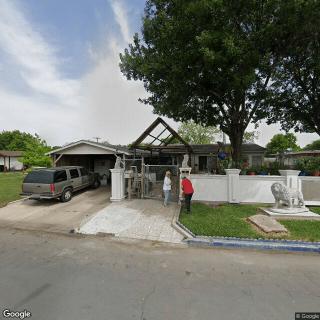






 Exploring the Path to Senior Living: A Comprehensive Look at Independent Living and Assisted Living
 Is Assisted Living Deductible on Your Taxes? Understanding the Complexities of Assisted Living Expenses and Deductions
 Assisted Living Support for Veterans: A Complete and Detailed Overview