Agape Heritage Home offers a compelling financial option for those seeking senior care, with monthly costs that are notably lower than both Fort Bend County and the broader Texas state averages. For a semi-private room, Agape charges $2,500, significantly undercutting the county's average of $3,813 and the state's average of $3,680. Similarly, their private rooms come at $3,000 per month, compared to Fort Bend County's average of $3,890 and Texas' statewide average of $4,096. These competitive pricing structures not only make Agape Heritage Home an attractive choice for families looking for quality care but also highlight their commitment to accessible services within the community.
Floor plans
Agape Heritage Home
Fort Bend County
Texas
Semi-Private
$2,500
$3,813
$3,680
Private
$3,000
$3,890
$4,096
Memory care communities with a similar price nearby
Multiple residents and families mention dementia or Alzheimer’s care, including handling changing needs over time. Reviewers also describe safety and comfort goals that line up with hands-on daily supervision, and some specifically call out attention to behaviors. The home-like setting is repeatedly framed as helpful for memory-related transitions rather than feeling institutional.
common10 reviews mention this
Clean, well-kept home environment
Residents and families consistently describe a clean, orderly setting.
Cleanliness shows up as a frequent reason people felt comfortable visiting or placing a loved one here. Several reviews describe rooms and common areas as clean, well maintained, and bright, with an overall sense of order. A small number of reviews mention problems like dust, poor room condition, or equipment not working, but those are outweighed by the repeated upkeep comments.
common16 reviews mention this
Staff care and responsiveness stand out
Caregivers are described as kind, accommodating, and quick to respond.
Many reviews praise staff as courteous, patient, and engaged with residents, including being attentive to daily needs and keeping families informed. Several people also note responsiveness when something is needed, and describe a manager who is helpful and hands-on. There are a few negative notes about rudeness, communication, and staffing training consistency, but the overall pattern is frequent, supportive interaction.
differentiator7 reviews mention this
Small-house feel with personal space
A house-like setting is repeatedly part of the appeal.
Families describe the community as more like a regular home than a large facility, with a smaller environment and a calm atmosphere. Reviews mention both private and semi-private rooms, and some contrast the individual attention with bigger nursing or memory care units. A couple of reviews raise concerns about room layout or brightness, including one person describing a darker feel and another pointing out the semi-private setup.
common4 reviews mention this
On-site meals and dietary options
Dining is described as prepared on-site and suited to needs.
Several reviews mention that food is prepared on site and included as part of daily care, including meals together. Families also describe meals as “fine” for what their loved one needed. The community offers room service and multiple dietary support options, including special diets like low/no sodium, gluten-free, diabetic, and vegetarian-style preferences.
common4 reviews mention this
Activities help residents stay engaged
Scheduled activities and social time are part of daily life.
Reviews frequently describe having activities available, including scheduled daily programming and community-sponsored events. Some people specifically mention television time together and group routines that feel family-like. Others note limitations for residents who may not be able to participate at the level they want, and one review says outings weren’t scheduled when they toured.
common5 reviews mention this
Pricing comes in below local benchmarks
Pricing is consistently described as affordable relative to expectations.
Some families directly describe the community as affordable, and others frame it as a reasonable value for the care and home setting they experienced. The pricing details also show monthly rates that fall well below county and state benchmarks across room types. A few reviews give mixed feedback on cost, including one comment that pricing felt a bit above what they expected, so experiences may vary by unit and situation.
How we summarize
Counts show how many written reviews mention each theme; a review can touch several themes, and only frequently mentioned themes are displayed.
Features
Housing
8 resident community capacity
Types of Care
Assisted Living
Board and Care Home
Memory Care
Pets
Dogs allowed
Amenities
Activities off-site
Activities on-site
Bath tubs
Cable or satellite TV
Dining room
Fully furnished
Garden
Housekeeping services
Indoor common areas
Move-in coordination
Outdoor common areas
Outdoor space
Private
Private bathrooms
Respite or short term stays offered
Swimming pool / hot tub
Telephone
Wheelchair accessible showers
Wi-Fi/high-speed internet available
Care Services
24-hour supervision
Activities of daily living assistance
Assistance with bathing
Assistance with dressing
Assistance with transfers
Coordination with health care providers
Diabetes diet
Diabetic care
High acuity care
Incontinence care
Meal preparation and service
Medication management
Special dietary restrictions
Transportation arrangement (medical)
Transportation to doctors appointments
Dining
Diabetes diet
Gluten-free
Low / no sodium
Meals provided
No Sugar
Room service
Special dietary restrictions
Vegetarian
Activities
Activities off-site
Activities on-site
Birthday parties
Community-sponsored activities
Holiday parties
Live musical performances
Scheduled daily activities
Trivia games
Visiting chaplain or priest
Nearby Places of Interest
This part of Richmond, Texas offers a convenient and diverse range of amenities for seniors. With several pharmacies nearby, accessing medication and healthcare services is easily manageable. There are also numerous dining options including familiar choices like Wendy's and Burger King, as well as more upscale options such as Cracker Barrel. Places of worship are within a reasonable distance, providing opportunities for spiritual fulfillment. Access to medical care is readily available with clinics like Memorial Hermann Medical Plaza I and South Texas Pain & Health Management nearby. For leisurely pursuits, parks like Brazos Bend Extended Day and theaters such as Cinemark Rosenberg 12 offer entertainment options. Additionally, the presence of cafes like Starbucks and BlendIn Coffee Club make it easy to socialize and relax with a cup of coffee. Overall, this area provides a comfortable and accessible environment for senior living.
Agape Heritage Home offers a compelling financial option for those seeking senior care, with monthly costs that are notably lower than both Fort Bend County and the broader Texas state averages. For a semi-private room, Agape charges $2,500, significantly undercutting the county's average of $3,813 and the state's average of $3,680. Similarly, their private rooms come at $3,000 per month, compared to Fort Bend County's average of $3,890 and Texas' statewide average of $4,096. These competitive pricing structures not only make Agape Heritage Home an attractive choice for families looking for quality care but also highlight their commitment to accessible services within the community.
Agape Heritage Home's features are designed to create a supportive and nurturing environment for individuals with dementia or Alzheimer's disease. Assistance with dressing, bathing, and transfers ensures that residents maintain dignity while receiving the help they need, promoting independence within safety parameters. Medication management is crucial in preventing medication errors, which can have serious consequences for cognitive health. Meal preparation and service cater to specific dietary needs while fostering social interaction during mealtimes. Transportation arrangements for medical appointments facilitate access to essential healthcare services, ensuring continuity of care. Coordination with healthcare providers allows for a comprehensive approach to each resident's well-being, addressing both physical and emotional needs. Additionally, 24-hour supervision provides peace of mind for families and staff alike, enhancing safety and security while incontinence care supports hygiene and comfort. Together, these elements create a holistic care model that acknowledges the unique challenges faced by individuals living with dementia or Alzheimer's disease.
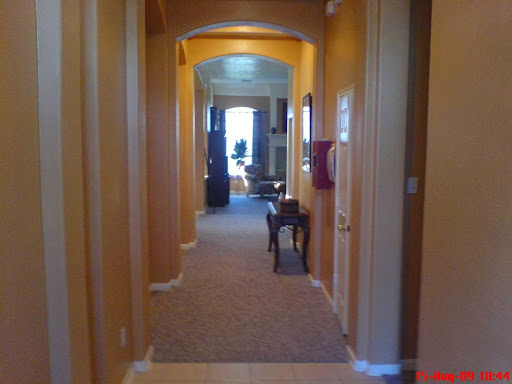
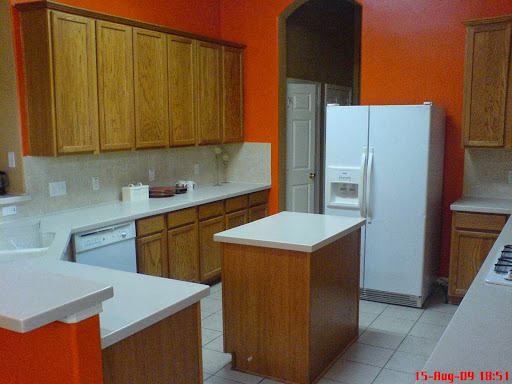
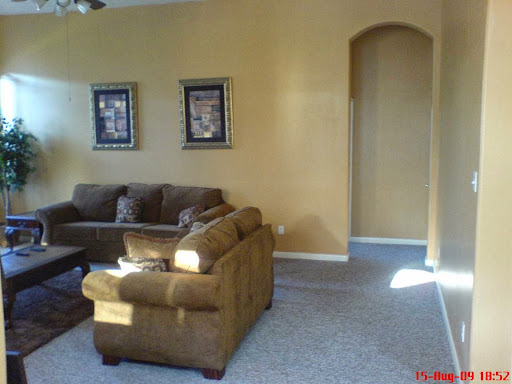
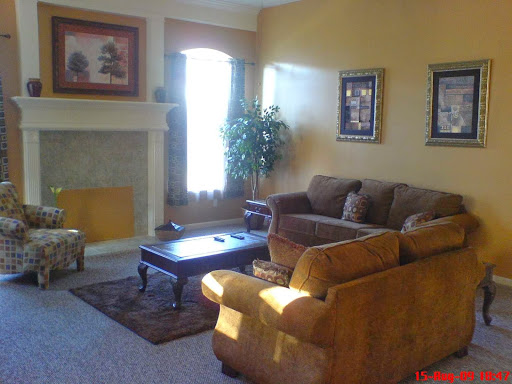
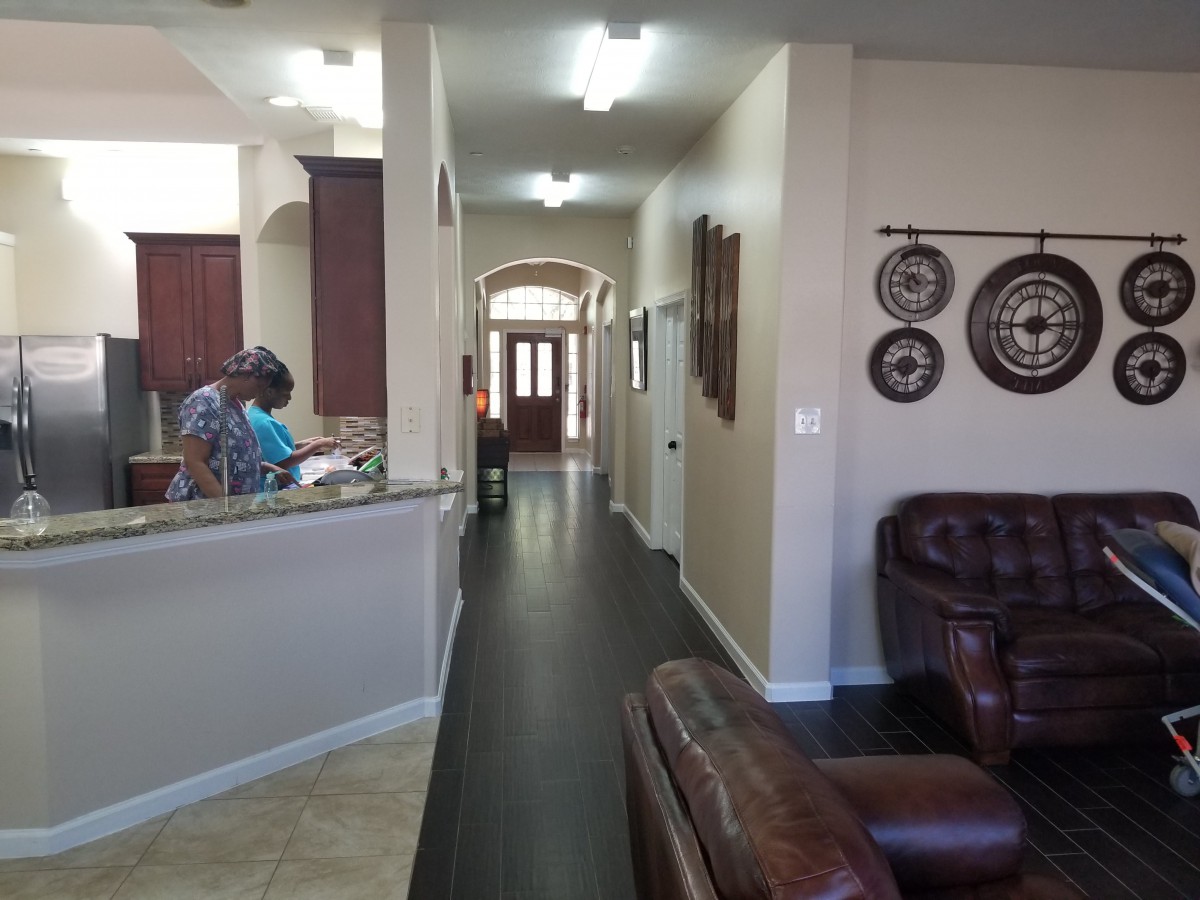
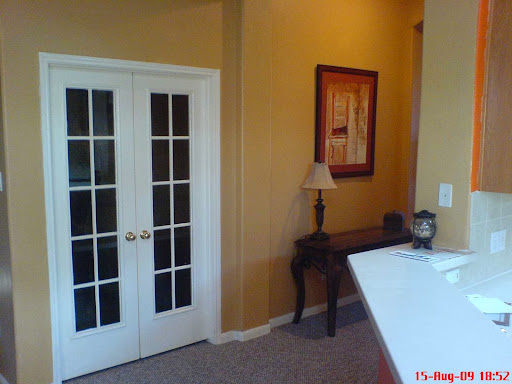
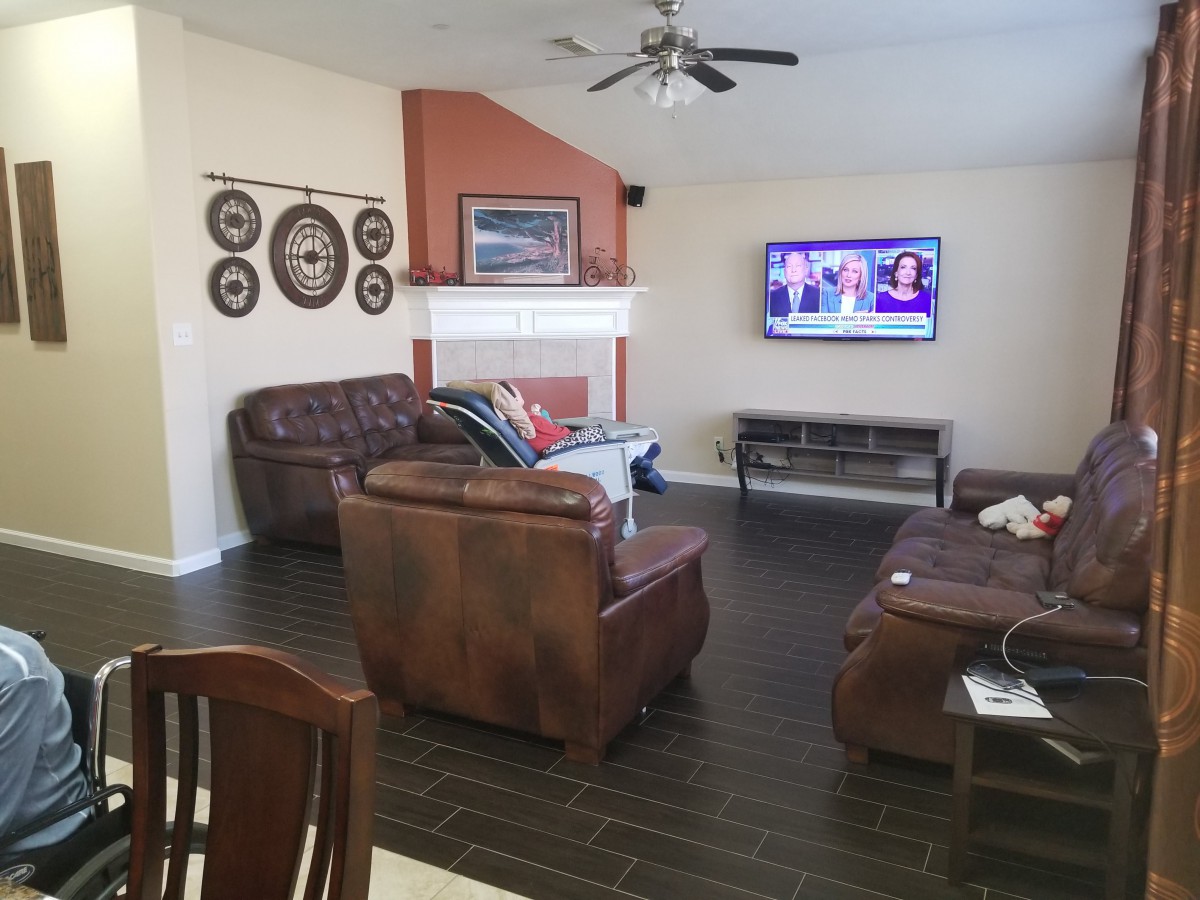
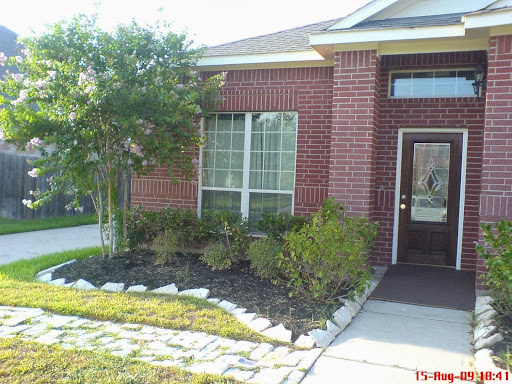
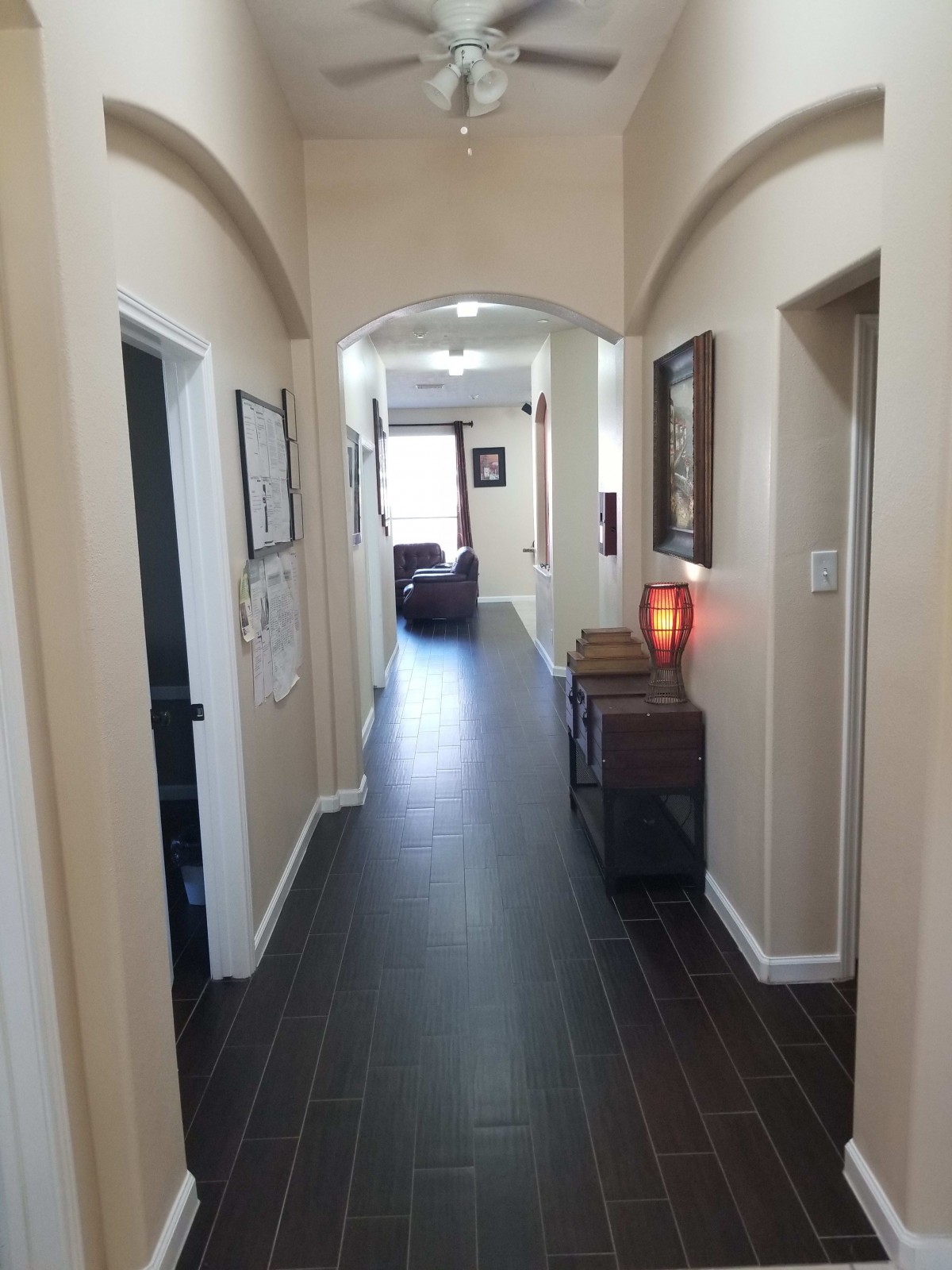
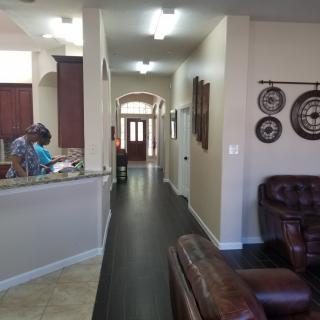
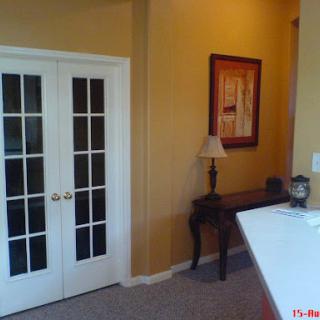
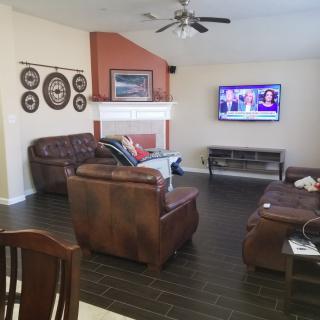
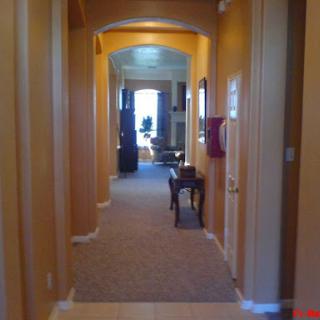
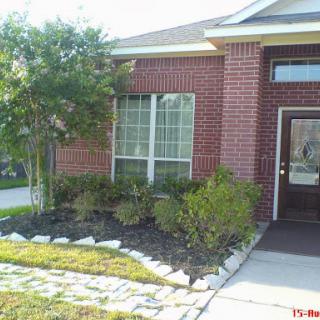
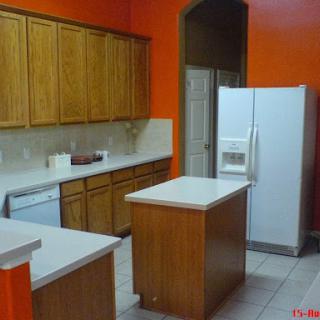
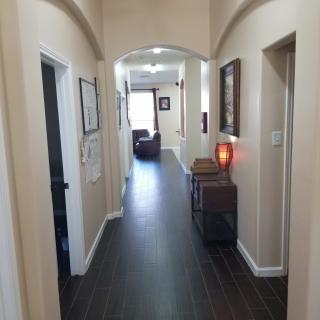
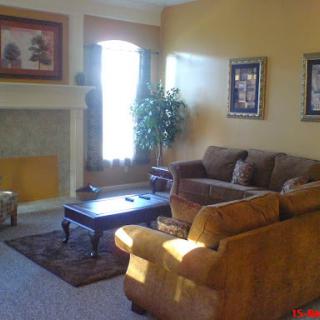
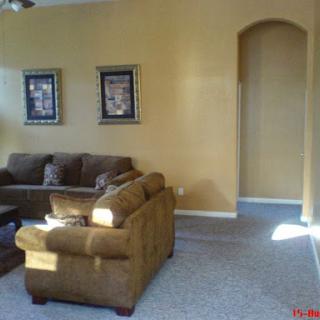
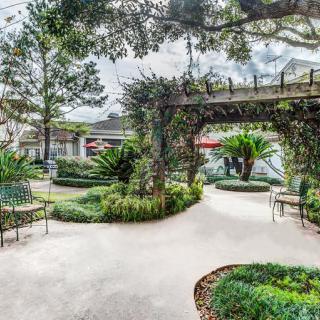
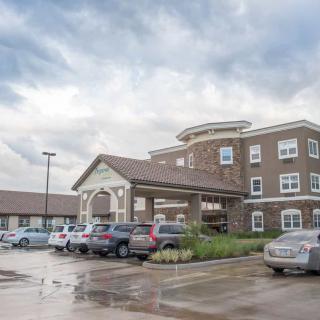
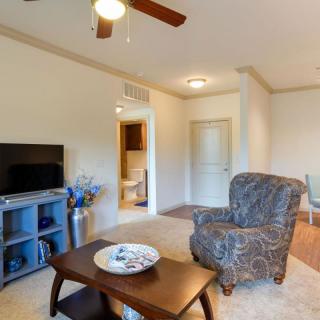
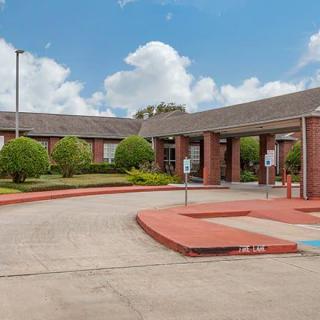
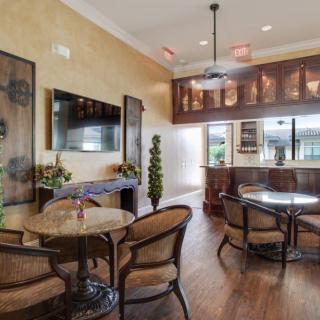
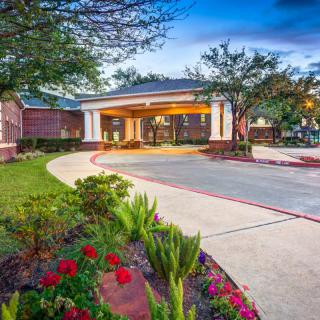
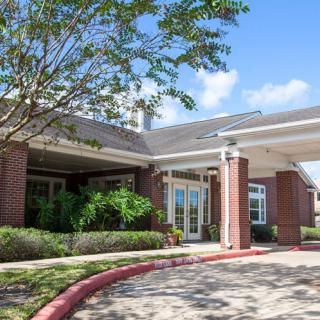
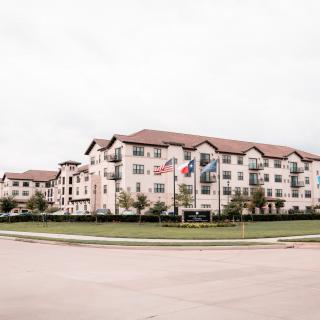
Agape Heritage Home on seniors.fyi includes 10 photos including images showing interior, decor, living room, hallway, kitchen, fireplace, lighting, landscaping, and more.
Nearby Communities
Residences At River Park West
Richmond, TX
4 from 119 reviews
Small, personalized assisted living with care and dietary options.
Angel Arms Assisted Living v
Richmond, TX
Peaceful Richmond location with convenient access to parks, healthcare, dining, worship, theater, and hospital.
Clayton Oaks Living
Richmond, TX
4.3 from 160 reviews
$4,150 to $5,195 / month
Warm, compassionate staff in a clean, spacious environment with engaging activities and good meals.
Del Webb Sweetgrass
Richmond, TX
4.3 from 112 reviews
Friendly staff and resort-style amenities (pools, lakes, and engaging activities).
Home Helpers Home Care of Sugar Land
Sugar Land, TX
3.7 from 3 reviews
Convenient access to nearby parks, pharmacies, dining, healthcare, worship, theaters, and a hospital.
Greatwood At Sugar Land
Sugar Land, TX
4.2 from 106 reviews
$2,395 to $3,995 / month
Friendly, attentive staff with engaging activities and attractive grounds; noted presence of all-inclusive pricing.
Landon Ridge Sugar Land
Sugar Land, TX
4.3 from 35 reviews
$2,631 to $3,138 / month
Friendly, social atmosphere with engaging activities and chef-prepared meals in a convenient Sugar Land location.
Brookdale Sugar Land
Sugar Land, TX
4.4 from 86 reviews
$3,935 to $6,160 / month
Welcoming community with spacious apartments, resort-like spaces, and robust activities/memory-care programs.
Grand Living at Riverstone
Sugar Land, TX
4.6 from 59 reviews
Upscale amenities, spacious apartments, diverse dining, and attentive staff.
Reminiscence therapy helps individuals with dementia recall past memories through structured discussions and meaningful objects, enhancing mood, relationships, and sense of identity while celebrating their lives. It can be practiced in formal settings or at home, requiring sensitivity to personal histories and cultural backgrounds.
Reminiscence therapy is a structured method for older adults, especially those with dementia, to share life stories using prompts and sensory cues, fostering emotional well-being, social engagement, and self-identity. It aims to improve quality of life by enhancing interpersonal connections and cognitive stimulation while requiring careful facilitation to avoid distressing memories.
Dementia, particularly Lewy body dementia, often involves hallucinations that can significantly distress both patients and caregivers due to disruptions in sensory processing and neurotransmitter imbalances. Effective management includes compassionate communication, environmental adjustments, and a multidisciplinary approach to care while addressing the emotional needs of caregivers.
Get PricingAsk A QuestionSchedule A TourContact Senior Advisor
By clicking submit, you agree to our Partner's Terms of Use. You
also consent to receive calls and texts, which may be autodialed, from our Partner. Your consent is not a condition to
using our Partner's service. Please visit our Partner's Privacy Policy for information about their privacy practices.


 8 resident community capacity
 Assisted Living
 Board and Care Home
 Memory Care
 Dogs allowed
 Activities off-site
 Bath tubs
 Cable or satellite TV
 Dining room
 Fully furnished
 Garden
 Housekeeping services
 Indoor common areas
 Move-in coordination
 Outdoor common areas
 Private
 Private bathrooms
 Respite or short term stays offered
 Swimming pool / hot tub
 Telephone
 Wheelchair accessible showers
 Wi-Fi/high-speed internet available
 24-hour supervision
 Assistance with bathing
 Assistance with dressing
 Assistance with transfers
 Diabetes diet
 Diabetic care
 High acuity care
 Incontinence care
 Meal preparation and service
 Medication management
 Special dietary restrictions
 Transportation arrangement (medical)
 Transportation to doctors appointments
 Birthday parties
 Live musical performances
 Trivia games
 Visiting chaplain or priest
 Small, personalized assisted living with care and dietary options.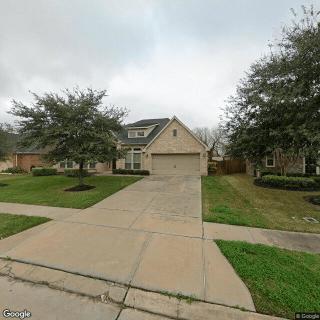

 Exploring the Power of Reminiscence Therapy for Individuals With Dementia
 An In-Depth Look at Reminiscence Therapy in Dementia Care
 Dementia-Related Hallucinations: Causes, Experiences, and Practical Approaches