For more information about senior living options: (866) 208-4318
4.6 from 59 reviews
5 stars
52
4 stars
2
3 stars
0
2 stars
0
1 stars
5
Overall Review of Grand Living at Riverstone
caveat2 reviews mention this
Memory care experiences are mixed
Memory care drew serious concerns about staffing and communication.
Residents describe strong dementia support in at least one period, including work with advanced dementia and careful handling through the process of moving into memory care. However, other reviews report breakdowns after staffing changes, with concerns about understaffing, delayed or incorrect medication, and inadequate communication with family during urgent situations. Taken together, the memory care story is not consistent from family to family.
common7 reviews mention this
Dining gets strong praise
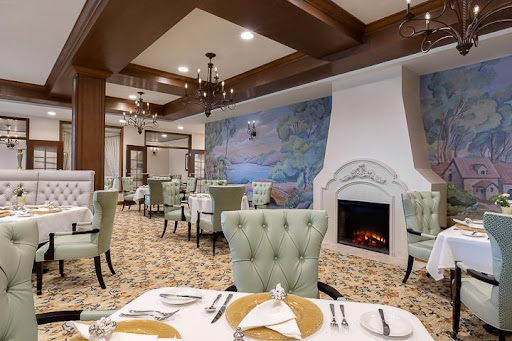
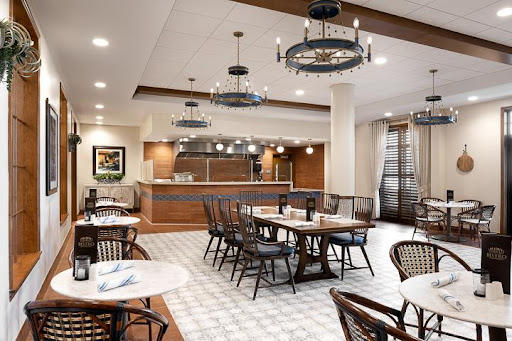
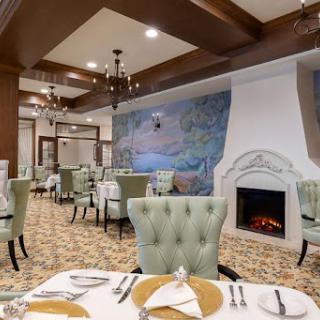
Restaurant-style dining is frequently described as a standout.
Multiple reviews mention meals as a clear strength, describing food that is consistently delicious and varied enough to keep people engaged. Some families also highlight the effort taken around dietary needs, including planning for allergies and specialized restrictions. A smaller number of residents note dining service problems and one review calls out dinner as not good, suggesting service quality may vary by time or situation.
differentiator3 reviews mention this
Move-in support eases transitions
Staff support during move-in and assessments is a recurring positive point.
Several families describe the community as helpful with the practical steps of transitioning, including move-in coordination and follow-through on assessments and next steps for care. Reviews also credit staff with checking back, encouraging residents to join social activities, and personally guiding families through early questions. Even when reviews are more mixed overall, the transition and planning experience is described as supportive.
How we summarize
Counts show how many written reviews mention each theme; a review can touch several themes, and only frequently mentioned themes are displayed.
Features
Housing
22 resident community capacity
Types of Care
Assisted Living
Independent Living
Memory Care
Amenities
Beauty salon
Cable or satellite TV
Dining room
Fully furnished
Garden
Housekeeping services
Kitchenette
Move-in coordination
Outdoor space
Restaurant-style dining
Small library
Telephone
Wi-Fi/high-speed internet available
Transportation
William P X (20 miles away)
Transportation arrangement (non-medical)
Transportation to doctors appointments
Care Services
12-16 hour nursing
24-hour call system
24-hour supervision
Activities of daily living assistance
Assistance with bathing
Assistance with dressing
Assistance with transfers
Diabetes diet
Meal preparation and service
Medication management
Mental wellness program
Mild cognitive impairment
Special dietary restrictions
Specialized memory care programming
Dining
Diabetes diet
Special dietary restrictions
Activities
Community-sponsored activities
Resident-run activities
Scheduled daily activities
Nearby Places of Interest
Cafes
Starbucks (0.3 miles)
Starbucks (2.1 miles)
BlendIn Coffee Club (5.4 miles)
Starbucks (9.3 miles)
Parks
Patriot Park at Lakes of Austin Park (1 miles)
Oyster Creek Park (2.5 miles)
Lost Creek Park (3 miles)
Sugar Lakes Park (4.6 miles)
New Territory Pecan Park (6.1 miles)
Brazos Bend Extended Day (7 miles)
Restaurants
McDonald's (1.7 miles)
Star Cinema Grill (2 miles)
Whataburger (2 miles)
McDonald's (2.9 miles)
La Madeleine (3.6 miles)
Chick-Fil-A (3.6 miles)
Carrabba's Italian Grill (3.6 miles)
Pharmacies
CVS Pharmacy (2.2 miles)
Walgreens (3.4 miles)
Walgreens (3.6 miles)
Walgreens (3.6 miles)
CVS Pharmacy (4.2 miles)
CVS Pharmacy (4.3 miles)
CVS Pharmacy (4.6 miles)
Places of Worship
St Laurence Catholic Church (2.5 miles)
Church of Jesus Christ of Latter Day Saints (3.3 miles)
Houston Principal Jamatkhana (4.4 miles)
Masjid As- Sabireen (4.6 miles)
Sugar Land First United Methodist Church (5.7 miles)
Parkway United Methodist Church (6.1 miles)
River Pointe Church (6.9 miles)
Physicians
Rishi Khanna Dmd Pc (3.4 miles)
Sugar Land OB/GYN Associates (3.6 miles)
Interventional Cardiology Associates (3.9 miles)
My Eyelab (4.3 miles)
Hillcroft Medical Clinic Association (4.5 miles)
Kelsey-Seybold Clinic | Fort Bend Medical and Diagnostic Center (5.2 miles)
Grand Living at Riverstone offers a comprehensive suite of services designed to enhance the quality of life for residents living with dementia or Alzheimer's disease. Assistance with dressing and bathing fosters dignity and personal hygiene, while medication management ensures that residents receive their prescribed treatments safely and on time, reducing the risk of confusion or adverse effects. Meal preparation and service cater to individual dietary needs, promoting nutrition essential for cognitive health. Personalized support with activities of daily living helps maintain a sense of routine and independence, contributing positively to mental wellness. The presence of trained staff for transfers provides safety and reassurance during mobility, complemented by 24-hour supervision that offers constant care and quick responses in emergencies. The center's mental wellness program addresses emotional and psychological aspects, while specialized memory care programming engages residents in purposeful activities tailored to their cognitive abilities, fostering a stimulating environment conducive to both engagement and comfort during all stages of cognitive decline.
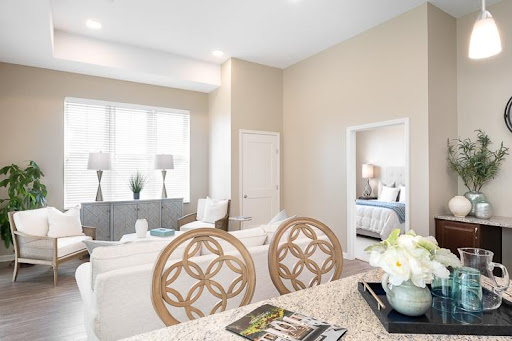
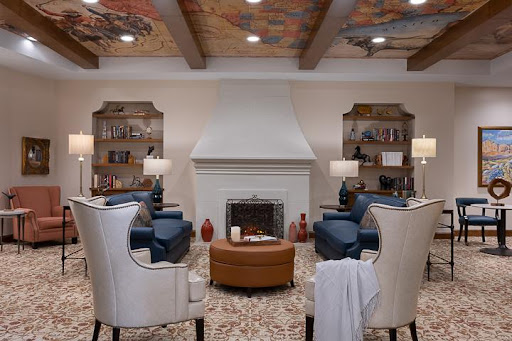
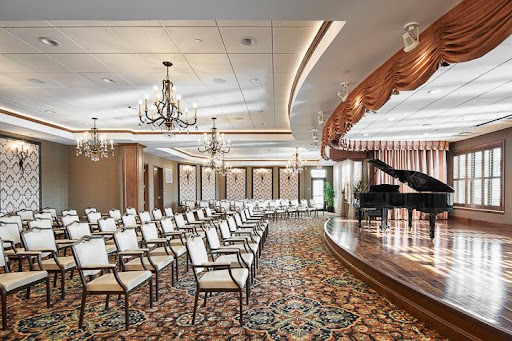
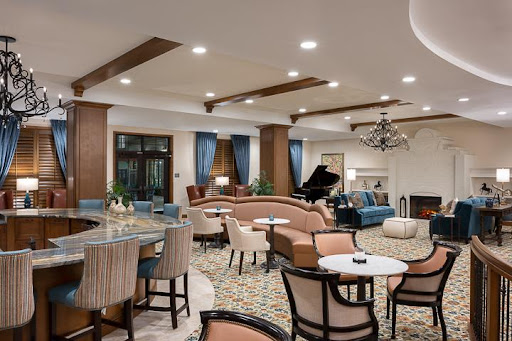
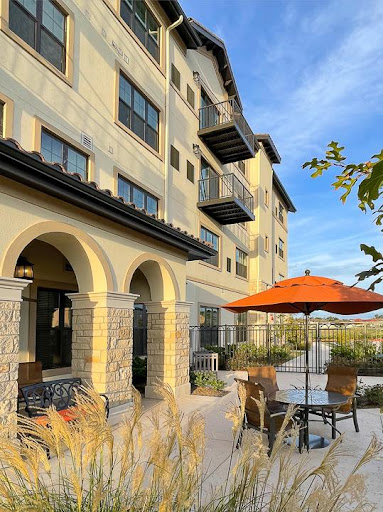
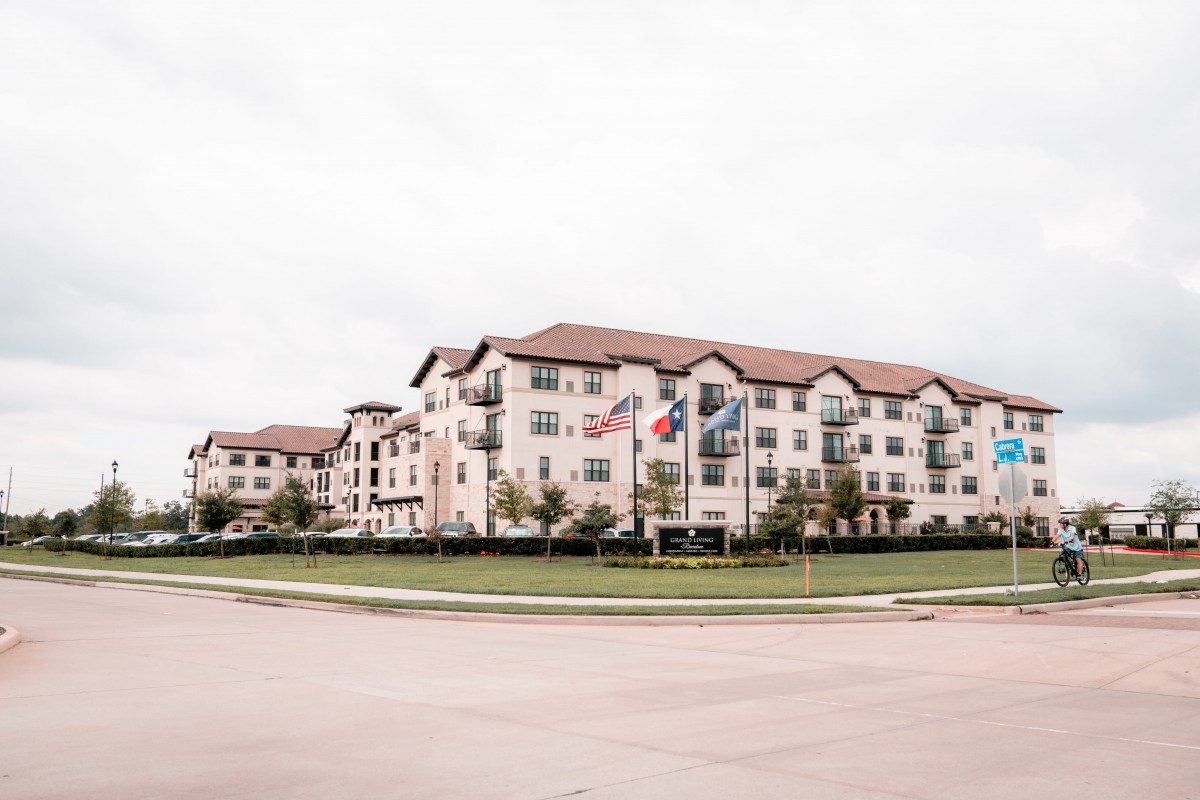
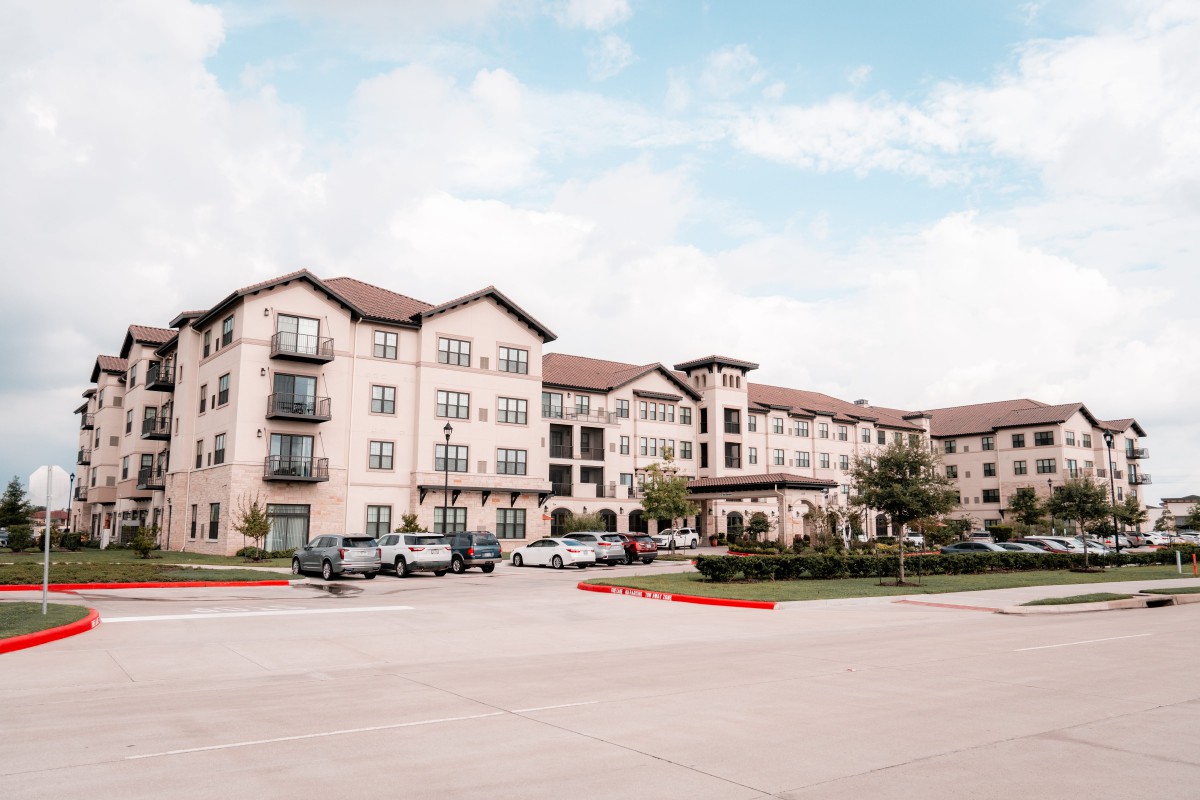
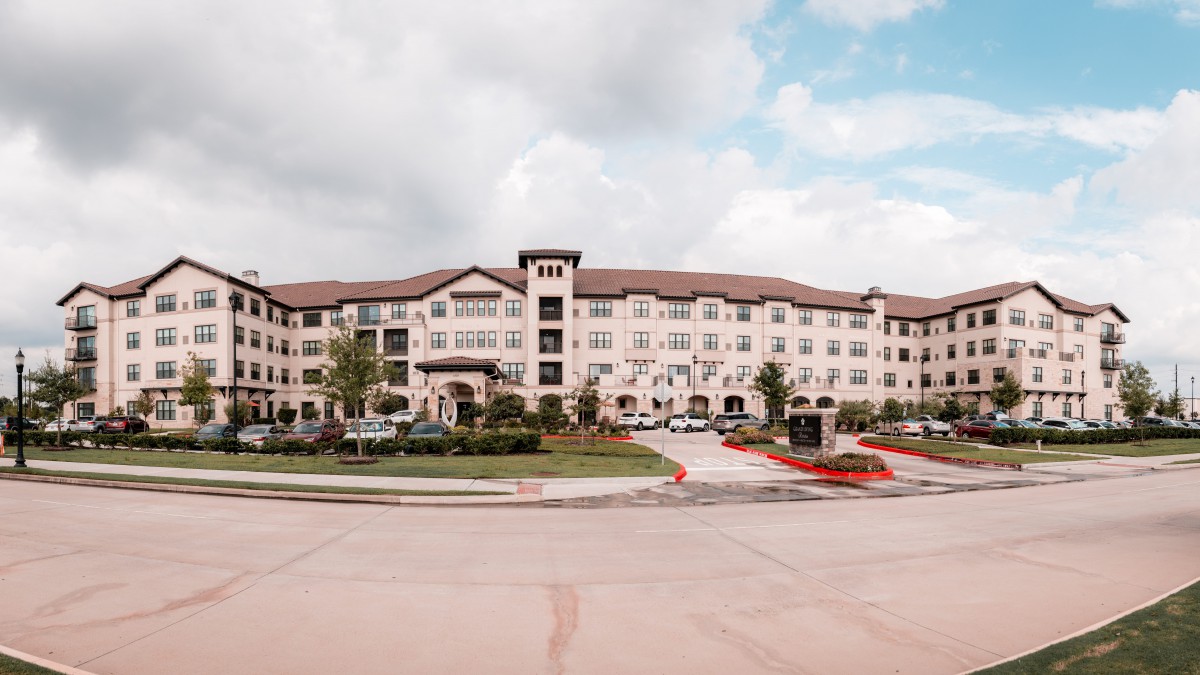
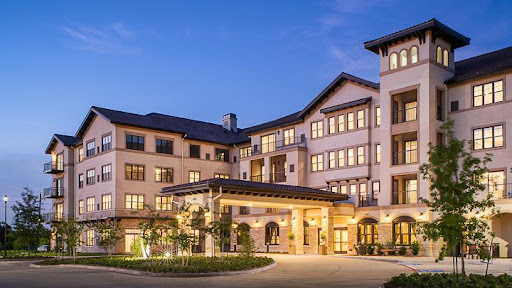
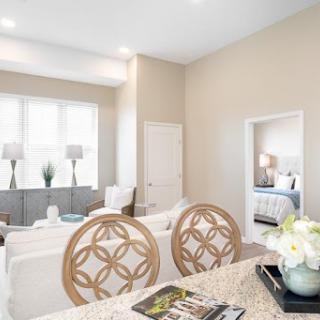
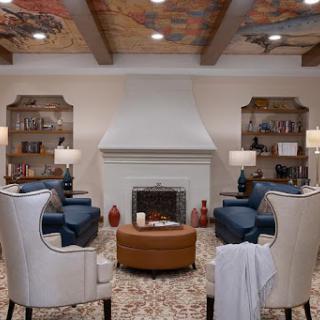
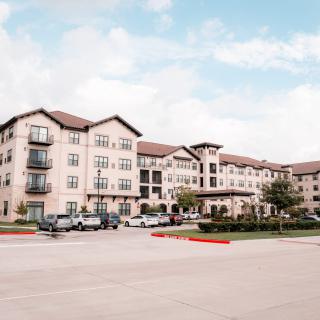
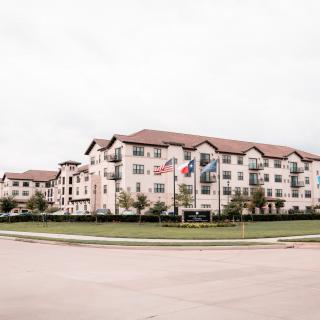
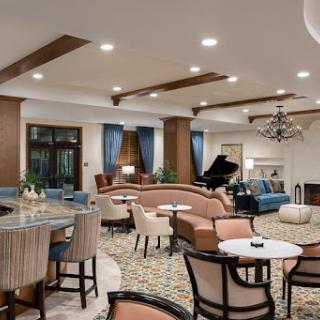
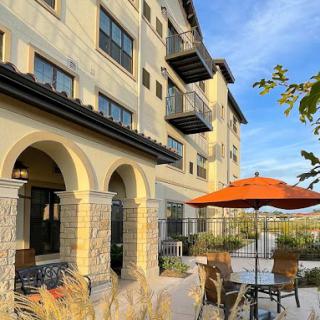
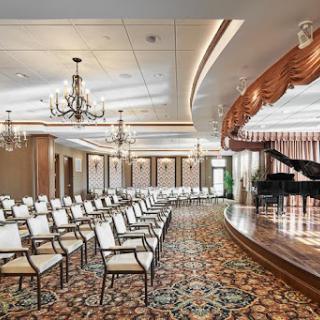
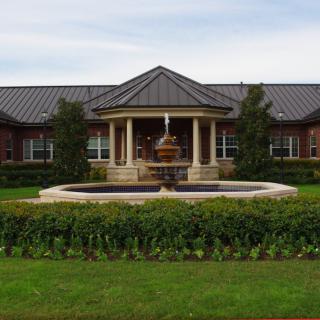
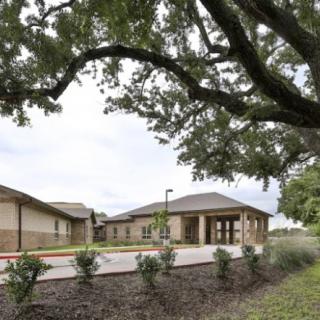
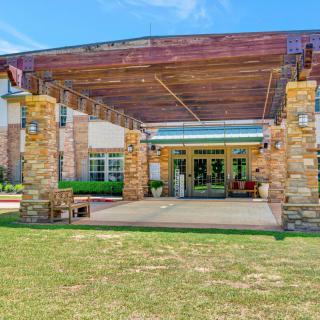
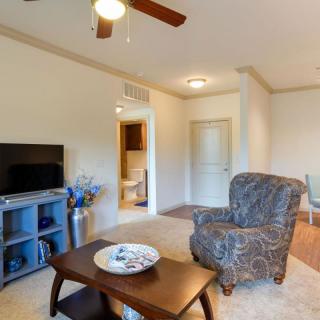
Grand Living at Riverstone on seniors.fyi includes 12 photos including images showing interior, dining, building, chandelier, decor, landscaping, architecture, living room, and more.
Nearby Communities
Arista Riverstone
Sugarland, TX
4.6 from 35 reviews
Excellent access to healthcare, dining, and parks nearby.
Inspired Living at Sugar Land
Sugar Land, TX
4.6 from 120 reviews
$2,695 to $5,395 / month
Beautiful, spacious building with extensive amenities and engaging activities.
The Villa at Riverstone
Missouri City, TX
4.2 from 32 reviews
$4,500 to $5,060 / month
Friendly, attentive staff and a clean, engaging environment.
Autumn Leaves Of Riverstone
Missouri City, TX
Fully furnished apartments with 24-hour supervision and daily living assistance.
Chelsea Gardens
Missouri City, TX
3.6 from 84 reviews
Comprehensive amenities and 24/7 care with wellness programs and social activities.
Windsor Quail Valley Post-Acute Healthcare
Missouri City, TX
3.9 from 108 reviews
Clean facility with responsive staff and strong physical therapy.
The Avenues of Fort Bend
Missouri City, TX
4.4 from 147 reviews
$4,015 to $4,680 / month
Compassionate staff in a clean, elegant environment with engaging activities.
Plantation at Quail Valley
Missouri City, TX
4.2 from 104 reviews
$1,272 / month
Friendly staff, clean, well-maintained apartments, and active social programs.
Landon Ridge Sugar Land
Sugar Land, TX
4.3 from 35 reviews
$2,631 to $3,138 / month
Friendly, social atmosphere with engaging activities and chef-prepared meals in a convenient Sugar Land location.
Assisted living provides moderate support for seniors seeking independence, while memory care offers specialized support for individuals with dementia or cognitive impairments through structured routines and trained staff. Key differences include care approaches, environment security measures, staff training levels, activity types, and cost considerations.
Choosing between assisted living and nursing homes involves evaluating emotional and financial factors, with assisted living offering independence and support for daily activities at a lower cost, while nursing homes provide intensive medical care for individuals with significant health needs. The decision is influenced by personal preferences, health status, cognitive function, and varying Medicaid coverage across states.
The article presents eight strategies for preserving cognitive health and memory in older adults, emphasizing a nutrient-rich diet, regular exercise, intellectually stimulating activities, adequate sleep, social connections, stress management techniques, limiting harmful substances, and regular medical checkups to mitigate age-related memory decline.
Get PricingAsk A QuestionSchedule A TourContact Senior Advisor
By clicking submit, you agree to our Partner's Terms of Use. You
also consent to receive calls and texts, which may be autodialed, from our Partner. Your consent is not a condition to
using our Partner's service. Please visit our Partner's Privacy Policy for information about their privacy practices.



 22 resident community capacity
 Assisted Living
 Independent Living
 Memory Care
 Beauty salon
 Cable or satellite TV
 Dining room
 Fully furnished
 Garden
 Housekeeping services
 Kitchenette
 Move-in coordination
 Outdoor space
 Restaurant-style dining
 Small library
 Telephone
 Wi-Fi/high-speed internet available
 William P X (20 miles away)
 Transportation arrangement (non-medical)
 12-16 hour nursing
 24-hour call system
 Activities of daily living assistance
 Assistance with bathing
 Assistance with dressing
 Assistance with transfers
 Diabetes diet
 Medication management
 Mental wellness program
 Special dietary restrictions
 Excellent access to healthcare, dining, and parks nearby.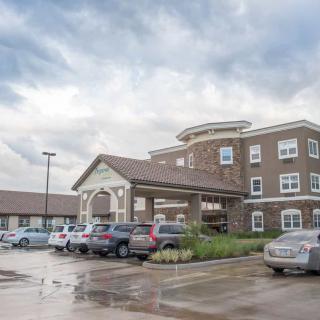



 Assisted Living and Memory Care: Understanding Their Core Differences
 Choosing the Right Senior Care: A Detailed Exploration of Assisted Living and Nursing Homes
 Safeguarding Your Memory Through the Golden Years: Eight Ways to Preserve Cognitive Health