For more information about senior living options: (866) 208-4318
4.3 from 160 reviews
5 stars
116
4 stars
14
3 stars
7
2 stars
1
1 stars
22
Clayton Oaks Living Costs & Pricing
At Clayton Oaks Living, the monthly costs for accommodations reflect a premium compared to both Fort Bend County and the state of Texas. A studio room is priced at $4,150, slightly above the county's average of $4,056 and significantly higher than the state's average of $3,758. Similarly, the one-bedroom option at Clayton Oaks is set at $5,195, which surpasses both the county rate of $4,116 and the state average of $3,761. These figures suggest that while Clayton Oaks Living may command higher rates than its local and state counterparts, this cost could be indicative of enhanced services or amenities that contribute to a more enriching living experience for its residents.
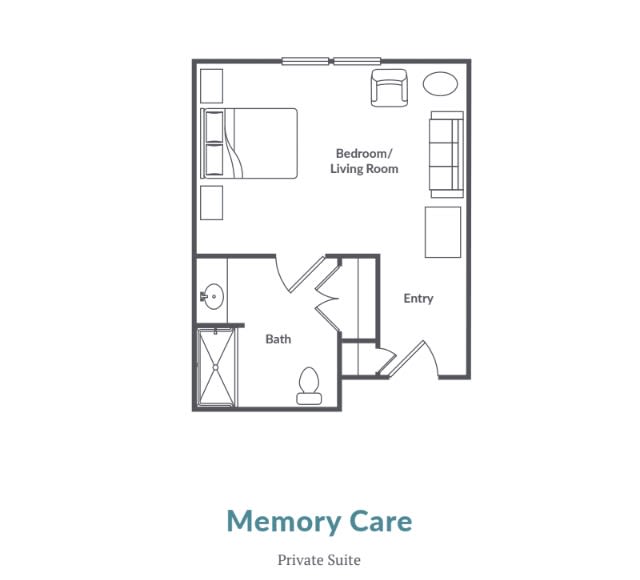
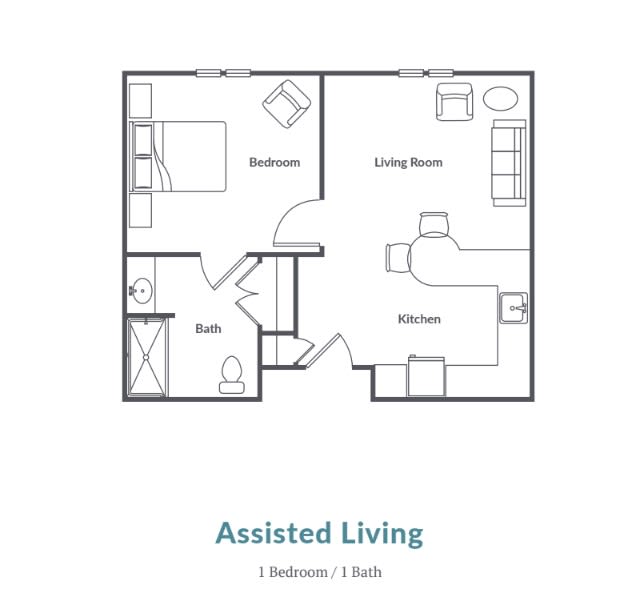
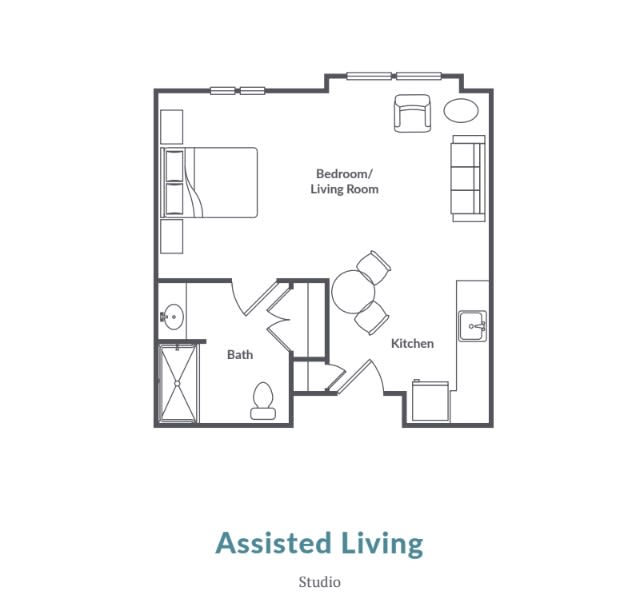
Floor plans
Clayton Oaks Living
Fort Bend County
Texas
Studio
$4,150
$4,056
$3,758
1 Bedroom
$5,195
$4,116
$3,761
Memory care communities with a similar price nearby
Dining quality and special diets come up often in reviews.
Many reviewers describe the food positively, including comments about meals being “on point,” delicious, and enjoyed by residents. Several residents and families also mention restaurant-style dining and that the kitchen supports dietary needs. A few reviews raise concerns about food needing improvement or not being the best, so the experience isn’t perfectly consistent.
common
Activities help residents stay engaged
Residents and families describe a steady flow of activities.
Reviews frequently mention activities and engagement, including arts and crafts, games like bingo, and regular scheduled programs. Some families also note that participation supports mood and routine, and they appreciate how easy it is for residents to get involved. A minority of reviews mention limited activity involvement at certain times, but overall the activity calendar is a recurring positive theme.
caveat
Care responsiveness is mixed
Some reviews describe serious problems with care follow-through.
While many families describe attentive care and quick communication, others report delays and breakdowns that affected resident safety. Several negative reviews cite issues like medication errors and unreliable call-button responses, along with staffing and supervision concerns in both assisted living and memory care. Taken together, reviews show that care quality can vary significantly depending on the situation.
common
Staff help during the move
Multiple reviewers credit staff for smoothing transitions.
A common theme is how families experienced the move and early adjustment, with many reviewers describing staff as helpful, organized, and supportive. Several mentions highlight people who assisted with paperwork and kept families informed during the transition. Even among more critical reviews, families generally focus on communication and safety issues, suggesting expectations for responsiveness are high.
How we summarize
We summarize when many written reviews mention each theme; a review can touch several themes, and only frequently mentioned themes are displayed.
Features
Housing
108 resident community capacity
1-bedroom apartments
Studio apartments
Types of Care
Assisted Living
Independent Living
Memory Care
Pets
Cats allowed
Dogs allowed
Amenities
Activities off-site
Activities on-site
Air-conditioning
Beautician on-site
Beauty salon
Cable or satellite TV
Computer center
Devotional services off-site
Devotional services on-site
Dining room
Fitness room
Fully furnished
Gaming room
Garden
Ground floor units
Handicap accessible
Housekeeping services
Indoor common areas
Kitchenette
Move-in coordination
Outdoor common areas
Outdoor space
Private bathrooms
Respite or short term stays offered
Restaurant-style dining
Small library
Telephone
Wellness center
Wheelchair accessible showers
Wi-Fi/high-speed internet available
Transportation
Community operated transportation
Transportation arrangement
Transportation arrangement (non-medical)
Transportation to doctors appointments
Care Services
12-16 hour nursing
24-hour call system
24-hour supervision
Activities of daily living assistance
Ambulatory care
Assistance with bathing
Assistance with dressing
Assistance with transfers
Diabetes diet
Incontinence care
Meal preparation and service
Medication management
Mental wellness program
Mild cognitive impairment
Special dietary restrictions
Specialized memory care programming
Dining
Anytime dining
Diabetes diet
Gluten-free
Guest meals
Kosher
Low / no sodium
Meals provided
No Sugar
Professional chef
Restaurant style dining
Room service
Special dietary restrictions
Special dining programs
Vegan
Vegetarian
Activities
Activities off-site
Art classes
Arts and crafts
Book club
Catholic services
Community-sponsored activities
Concierge services
Cooking classes
Day trips and outings
Devotional activities offsite
Devotional activities on-site
Educational speakers / life long learning
Fitness programs
Games
Gardening club
Live musical performances
Live well programs
Other religious services
Planned day trips
Protestant services
Religious services
Resident-run activities
Scheduled daily activities
Visiting chaplain or priest
Yoga / chair yoga
Nearby Places of Interest
This area of Richmond, Texas offers a variety of amenities and services that cater to seniors looking for a comfortable and convenient lifestyle. With several places of worship nearby, such as River Pointe Church and Houston Principal Jamatkhana, seniors can easily continue their spiritual practices. In terms of dining options, there are popular fast food chains like McDonald's and Wendy's, as well as sit-down restaurants like Cracker Barrel for those looking for a relaxed meal out. The availability of pharmacies like CVS and Walgreens ensures easy access to medication and healthcare needs. For leisure activities, there are several parks in the vicinity, including New Territory Pecan Park and Sunset Park, providing opportunities for outdoor enjoyment. Additionally, the presence of cinemas such as Cinemark Rosenberg 12 and healthcare facilities like Sugar Land Surgical Hospital make this area a well-rounded choice for senior living.
Places of Worship
River Pointe Church (0.5 miles)
Parkway United Methodist Church (3 miles)
Houston Principal Jamatkhana (4.9 miles)
San Felipe Baptist Association (5.6 miles)
St Laurence Catholic Church (5.8 miles)
Holy Rosary Catholic Church (6.7 miles)
Sugar Land First United Methodist Church (7.2 miles)
At Clayton Oaks Living, the monthly costs for accommodations reflect a premium compared to both Fort Bend County and the state of Texas. A studio room is priced at $4,150, slightly above the county's average of $4,056 and significantly higher than the state's average of $3,758. Similarly, the one-bedroom option at Clayton Oaks is set at $5,195, which surpasses both the county rate of $4,116 and the state average of $3,761. These figures suggest that while Clayton Oaks Living may command higher rates than its local and state counterparts, this cost could be indicative of enhanced services or amenities that contribute to a more enriching living experience for its residents.
Clayton Oaks Living's comprehensive features are designed to create a supportive environment for residents with dementia or Alzheimer's disease. The 24-hour supervision ensures that caregivers are always available to respond to the needs of residents, promoting safety and security. Assistance with activities of daily living--such as bathing, dressing, and transfers--helps maintain dignity while fostering independence in essential tasks. Incontinence care is discreetly managed to enhance comfort and respect personal privacy. Meal preparation and service are tailored to nutritional requirements and preferences, which is vital for overall health. Medication management ensures adherence to prescribed treatments, mitigating confusion over complex regimens. The integration of mental wellness programs and specialized memory care programming addresses cognitive challenges through engaging activities that stimulate memory retention and social interaction, particularly beneficial for those experiencing mild cognitive impairment. Together, these services create a nurturing atmosphere that prioritizes both physical well-being and emotional support for residents navigating the complexities of memory loss.
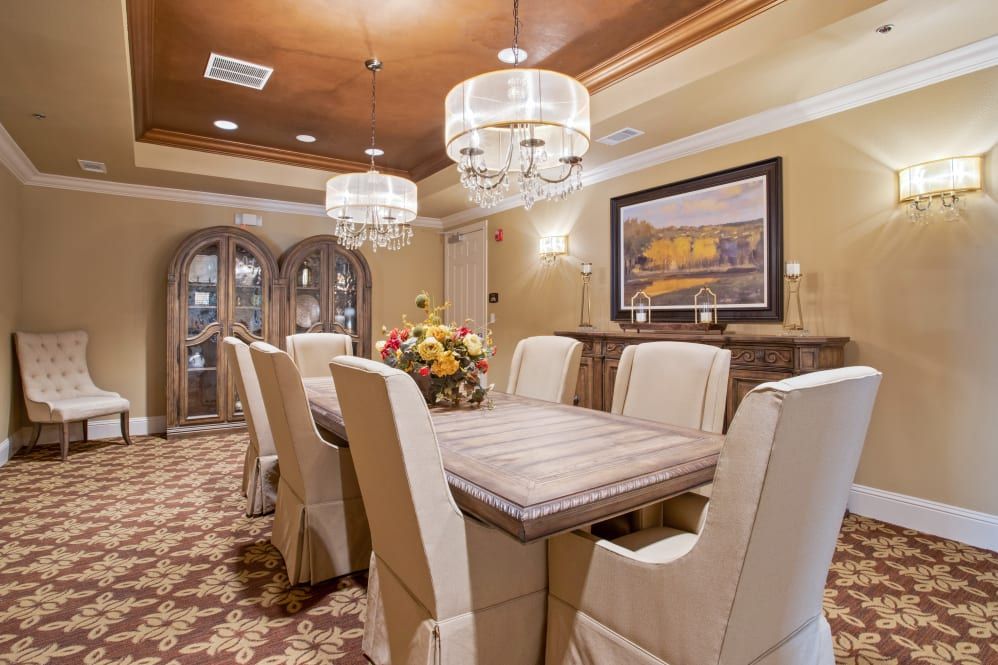
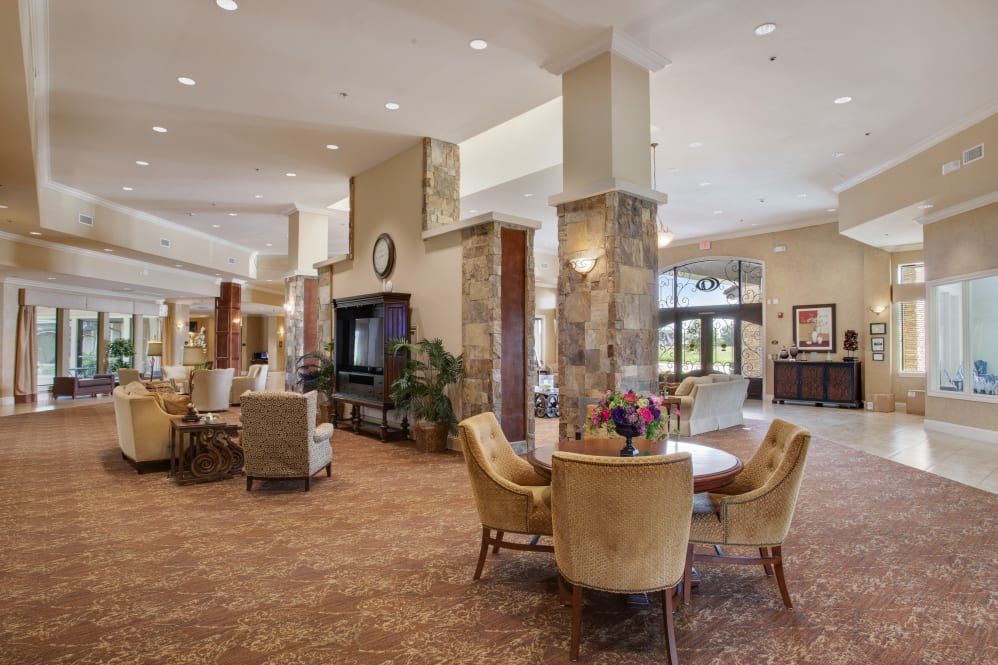
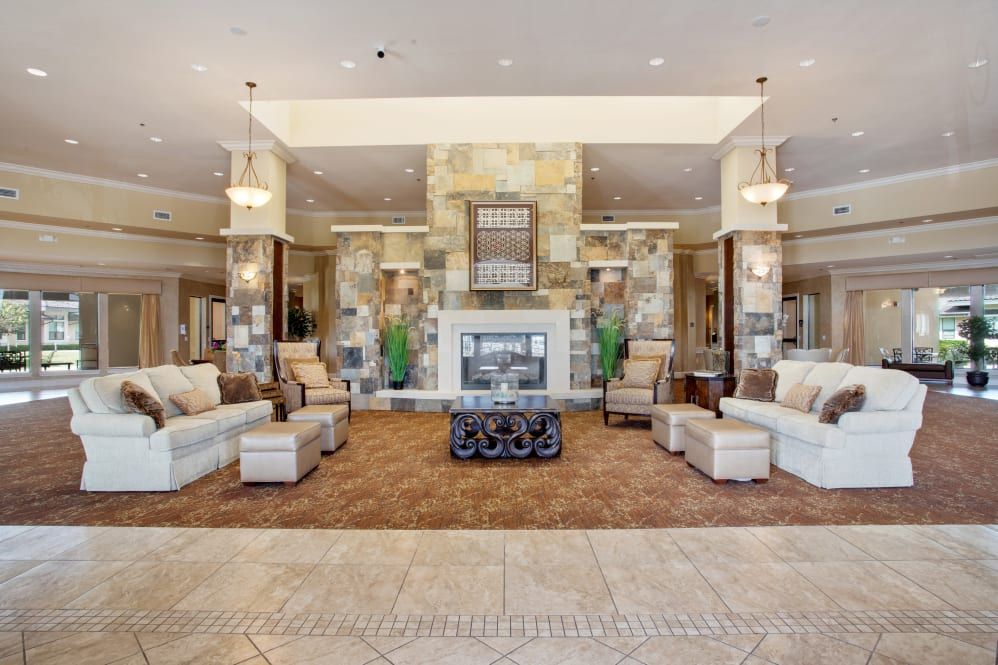
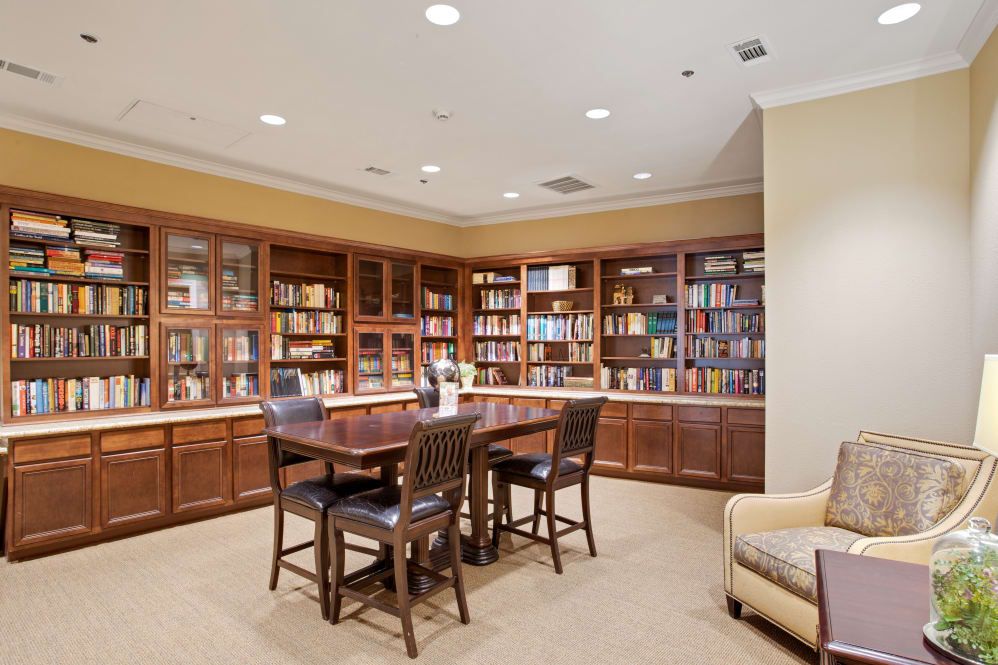
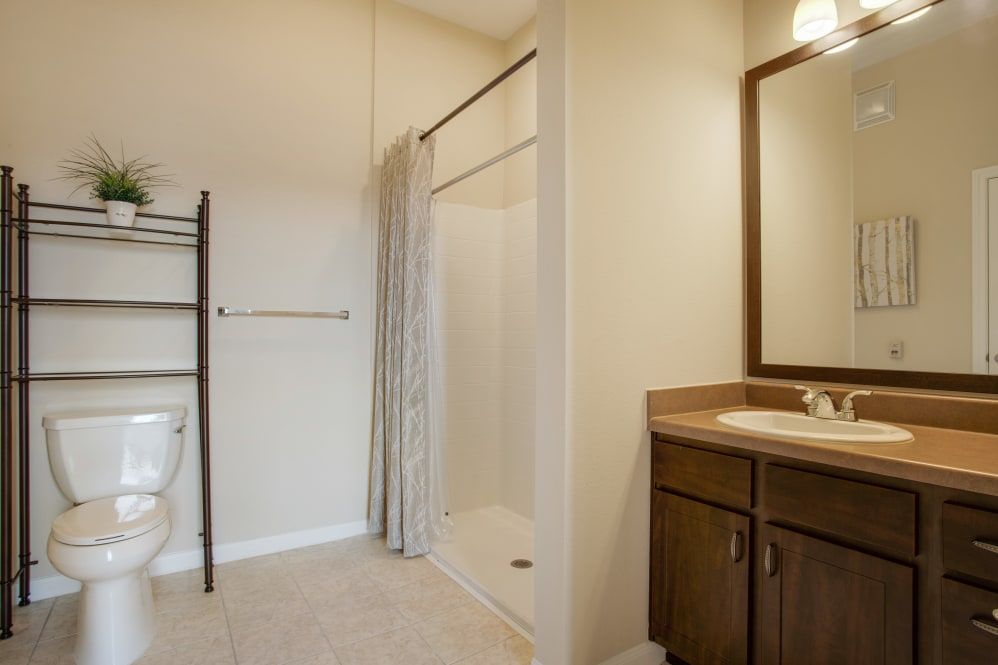
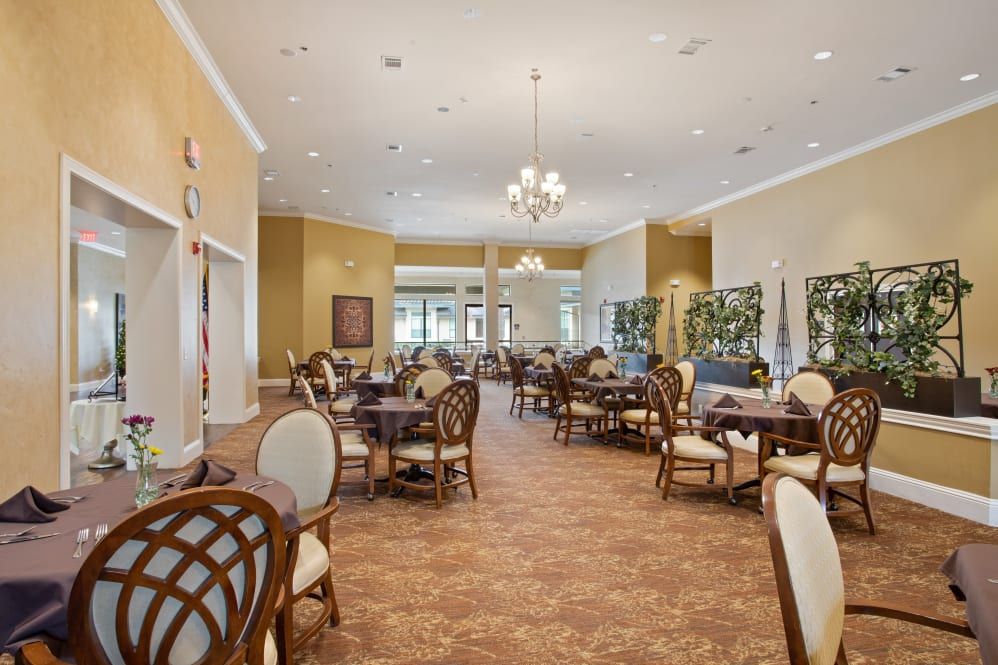
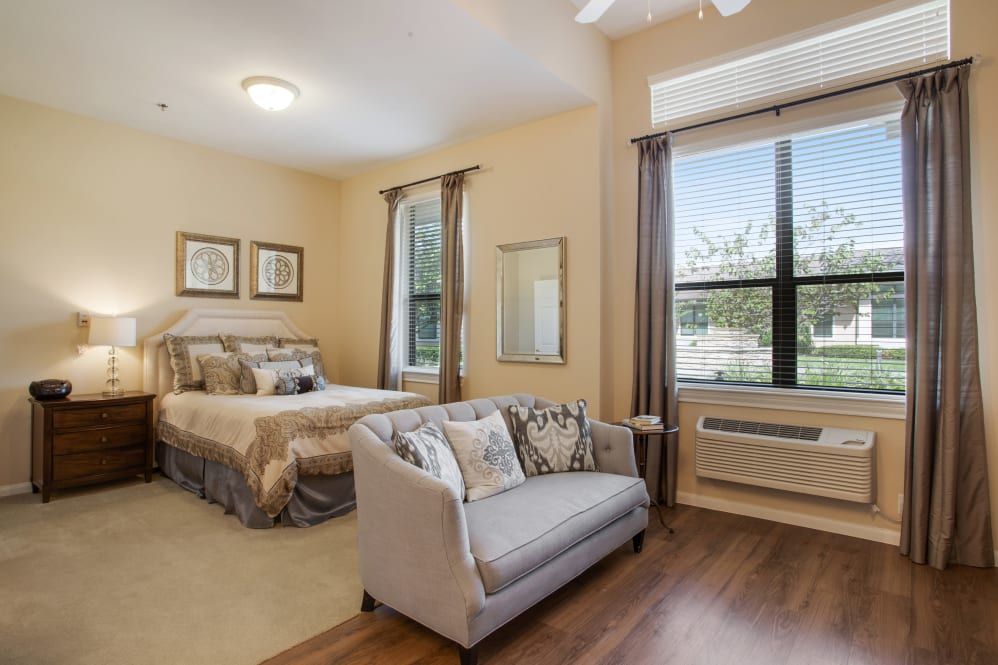
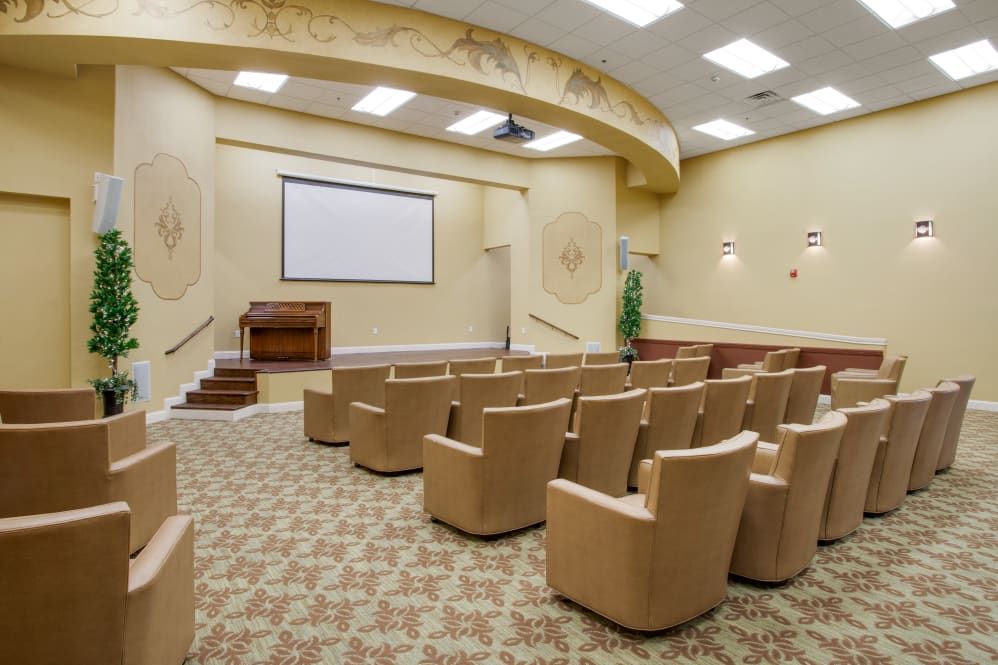
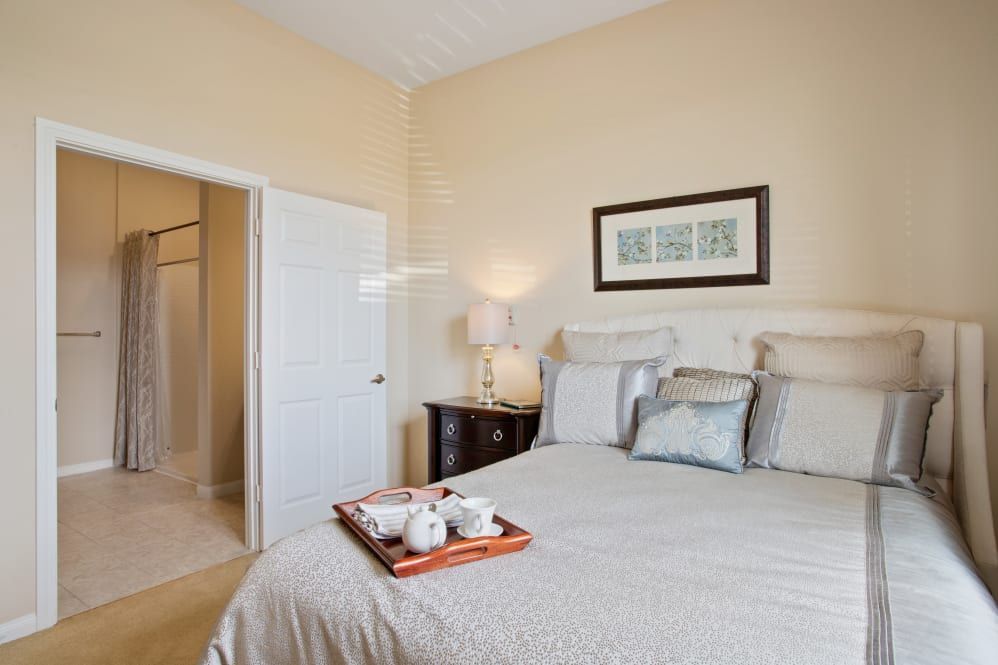
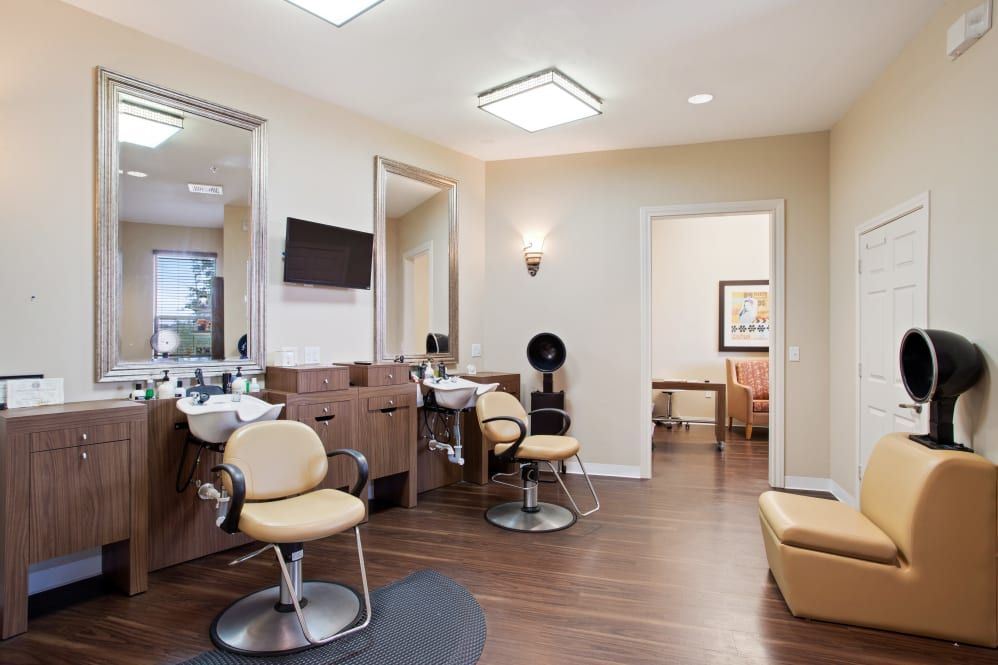
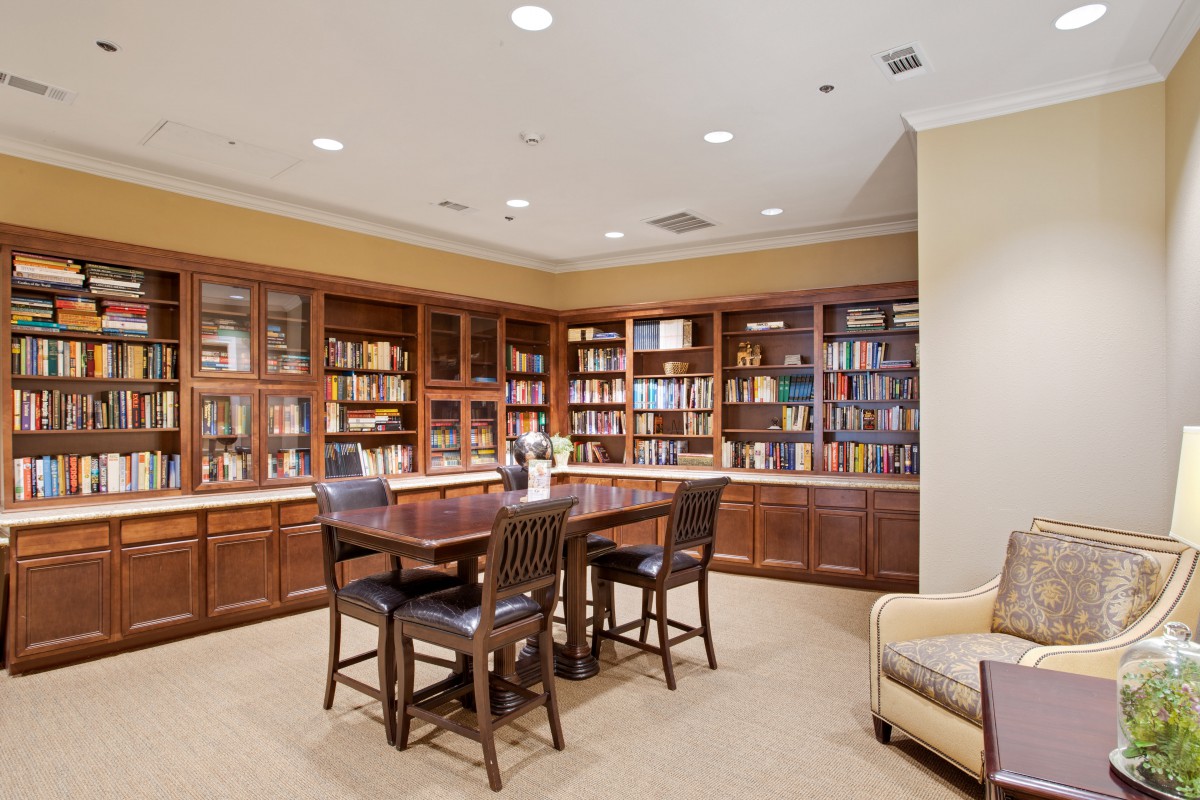
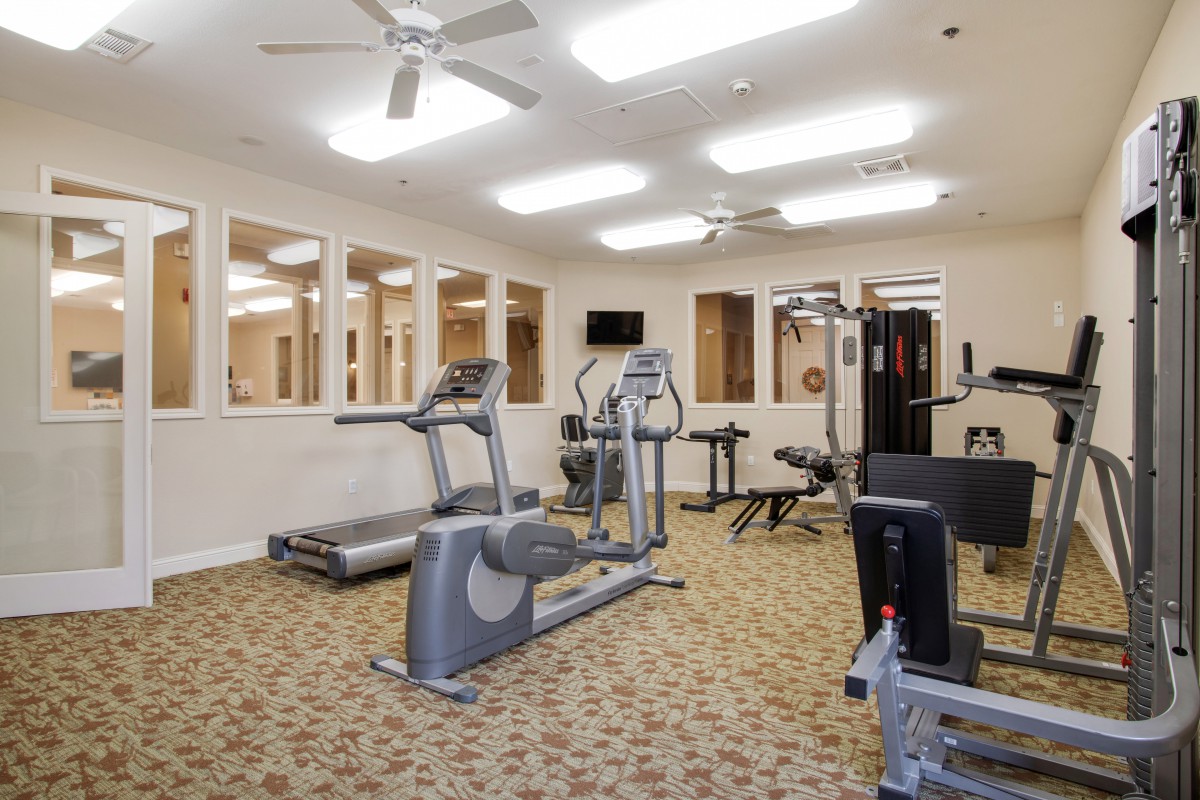
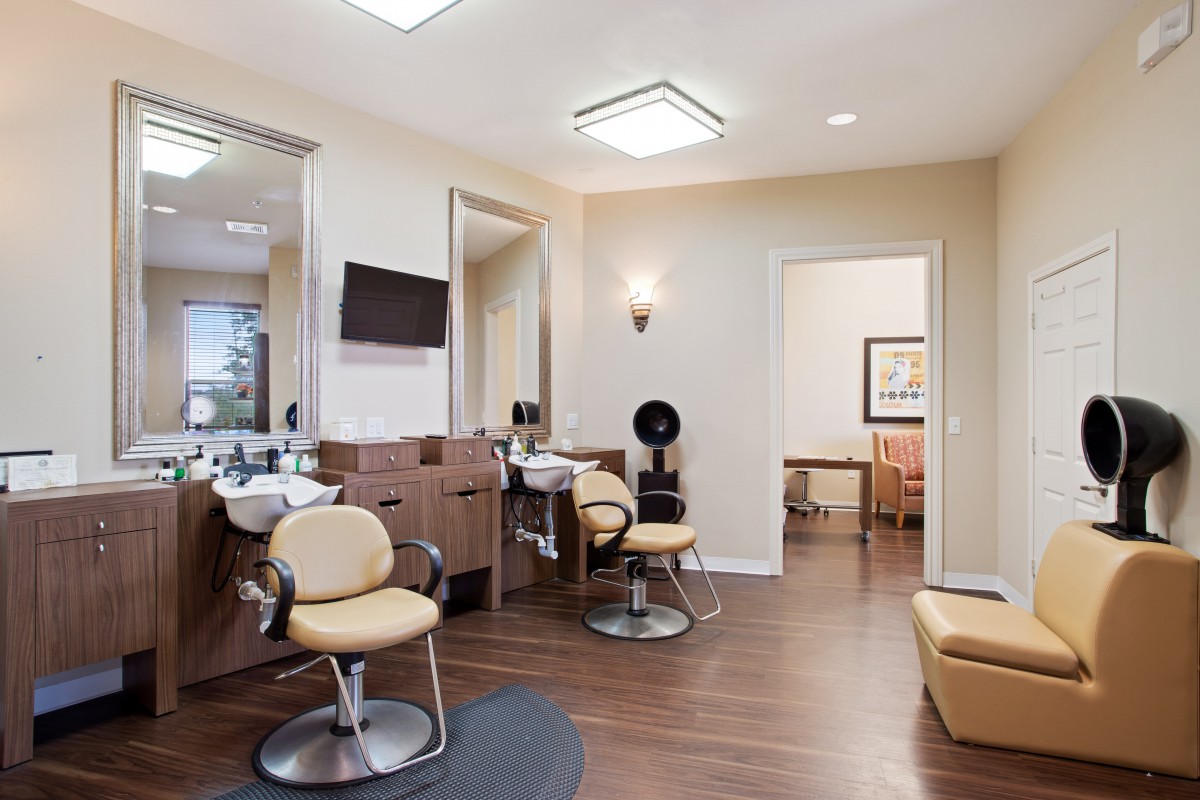
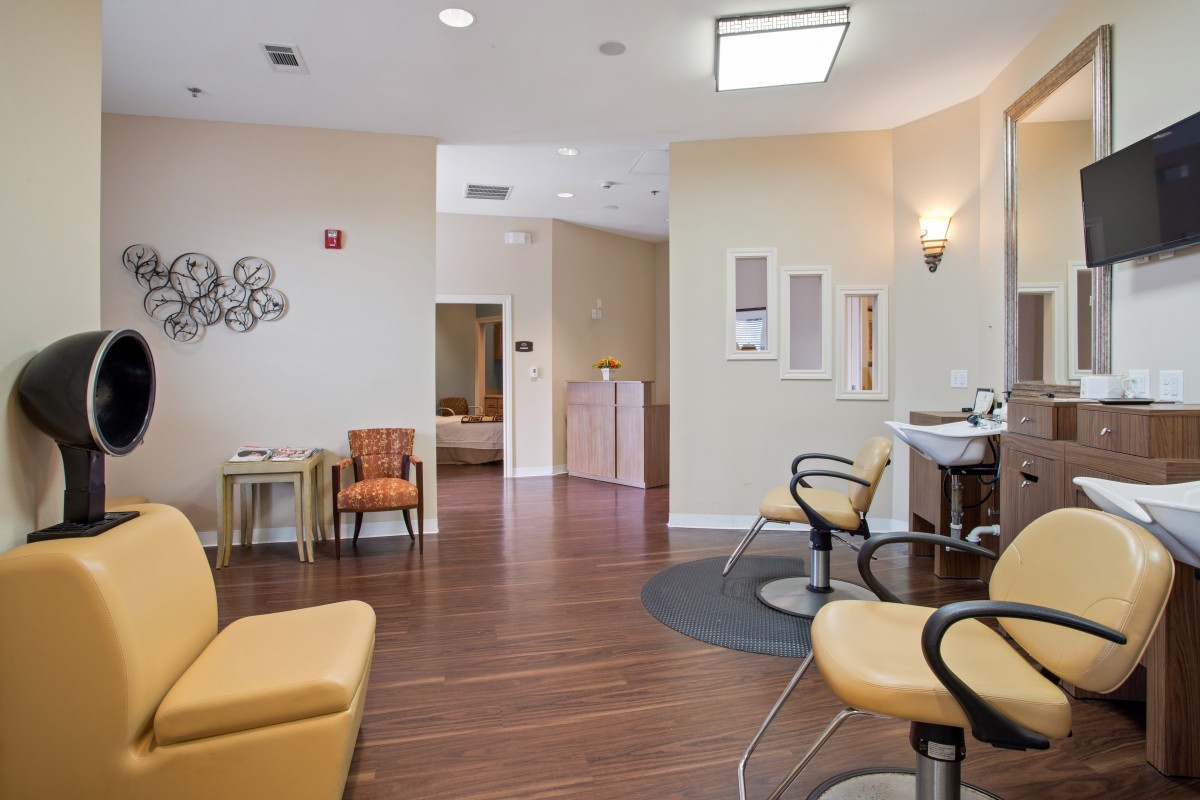
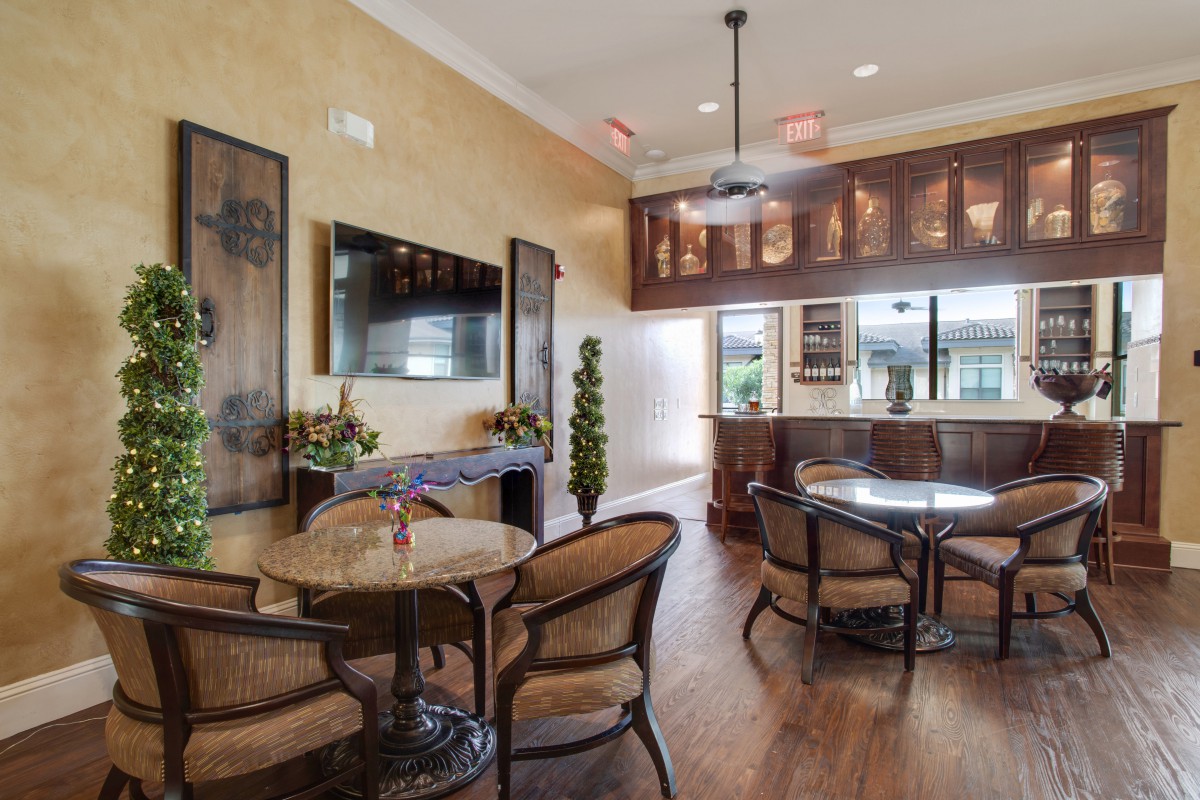
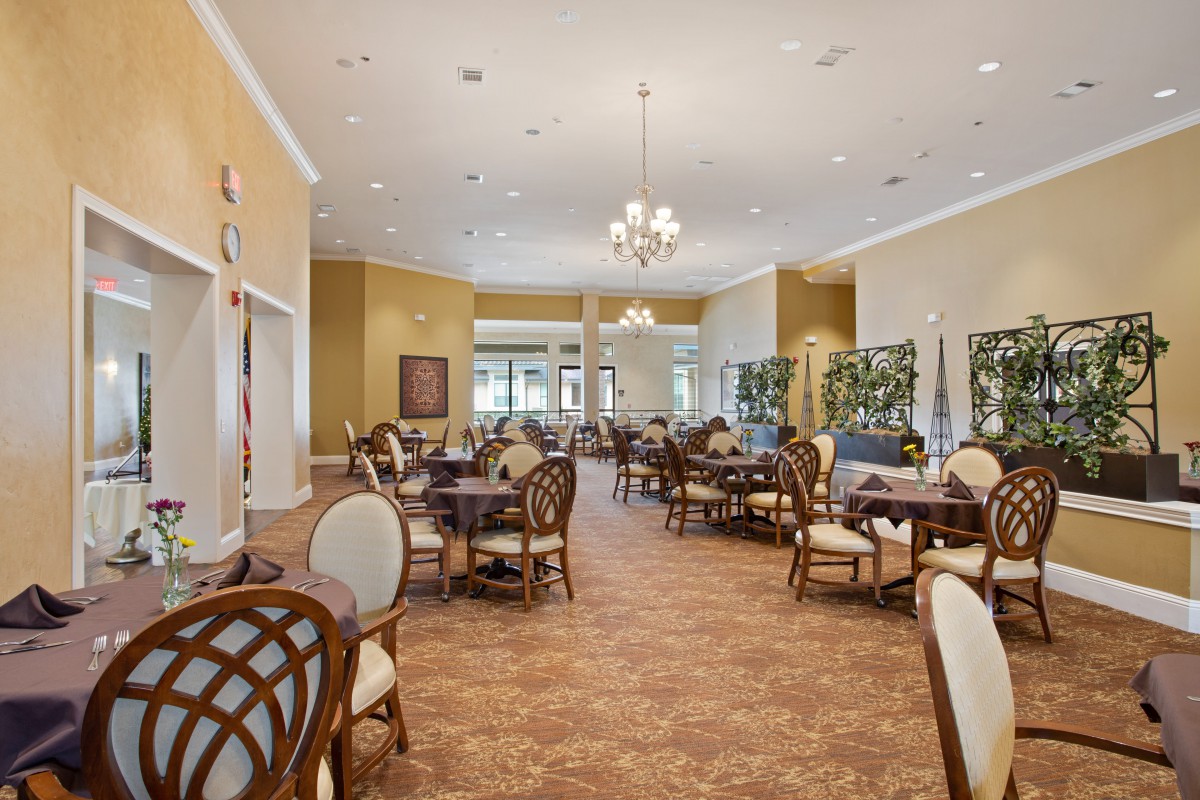
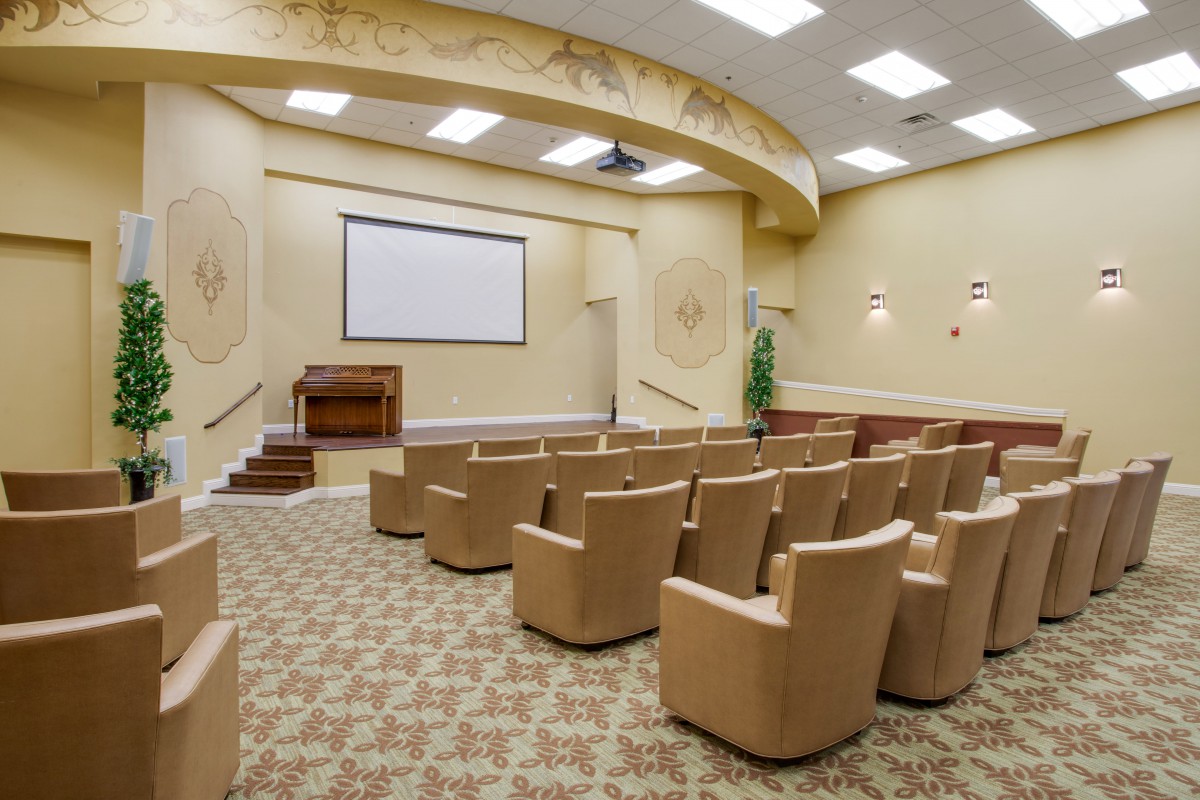
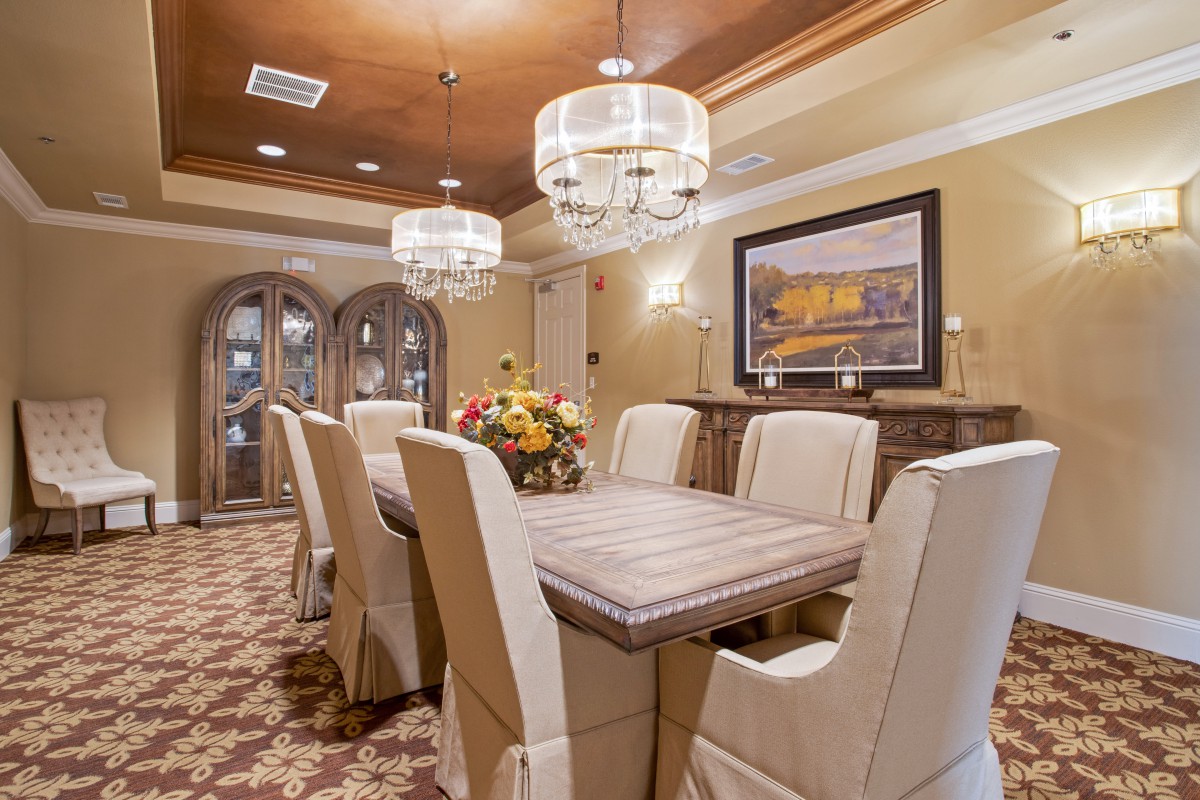
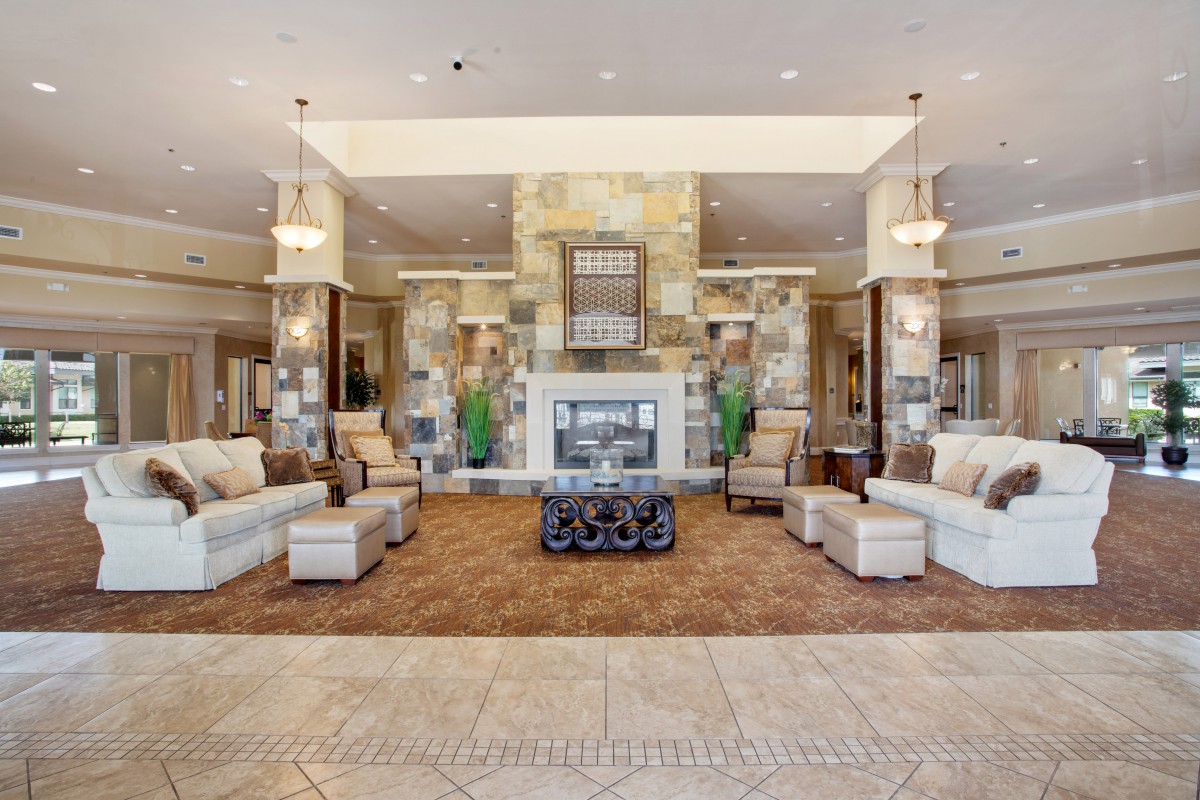
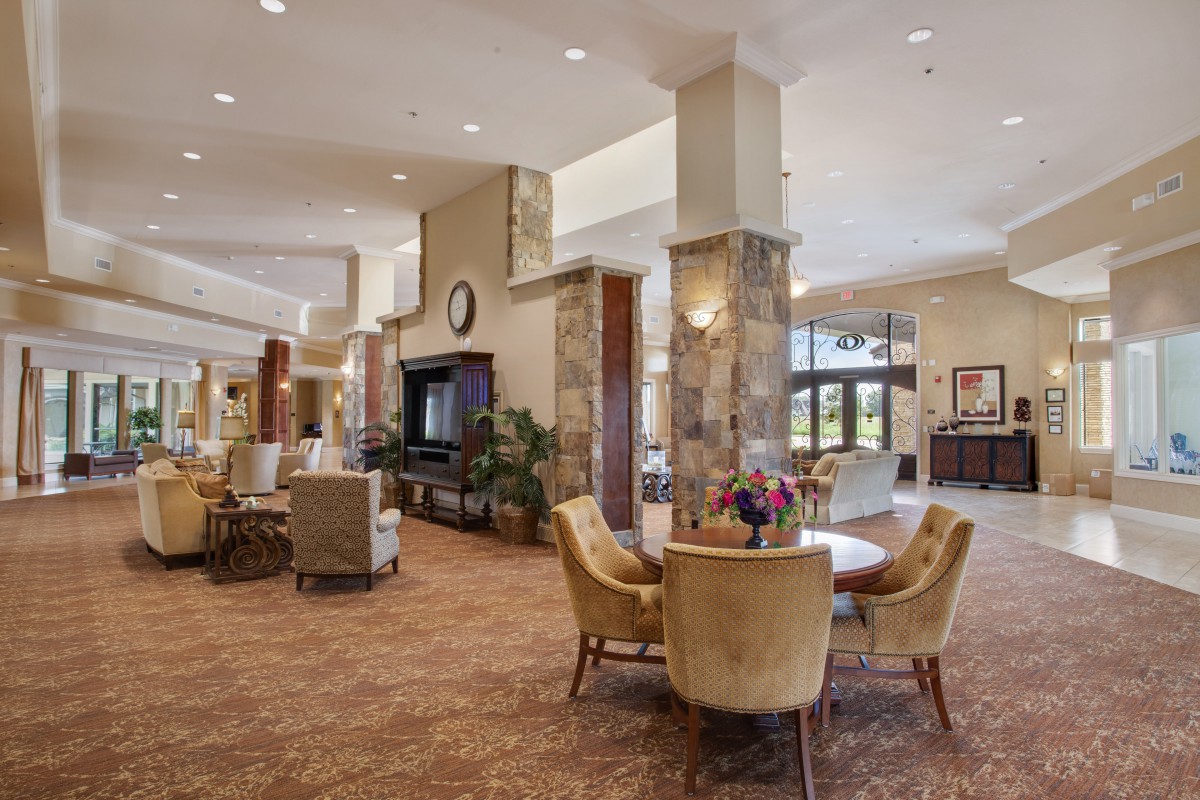
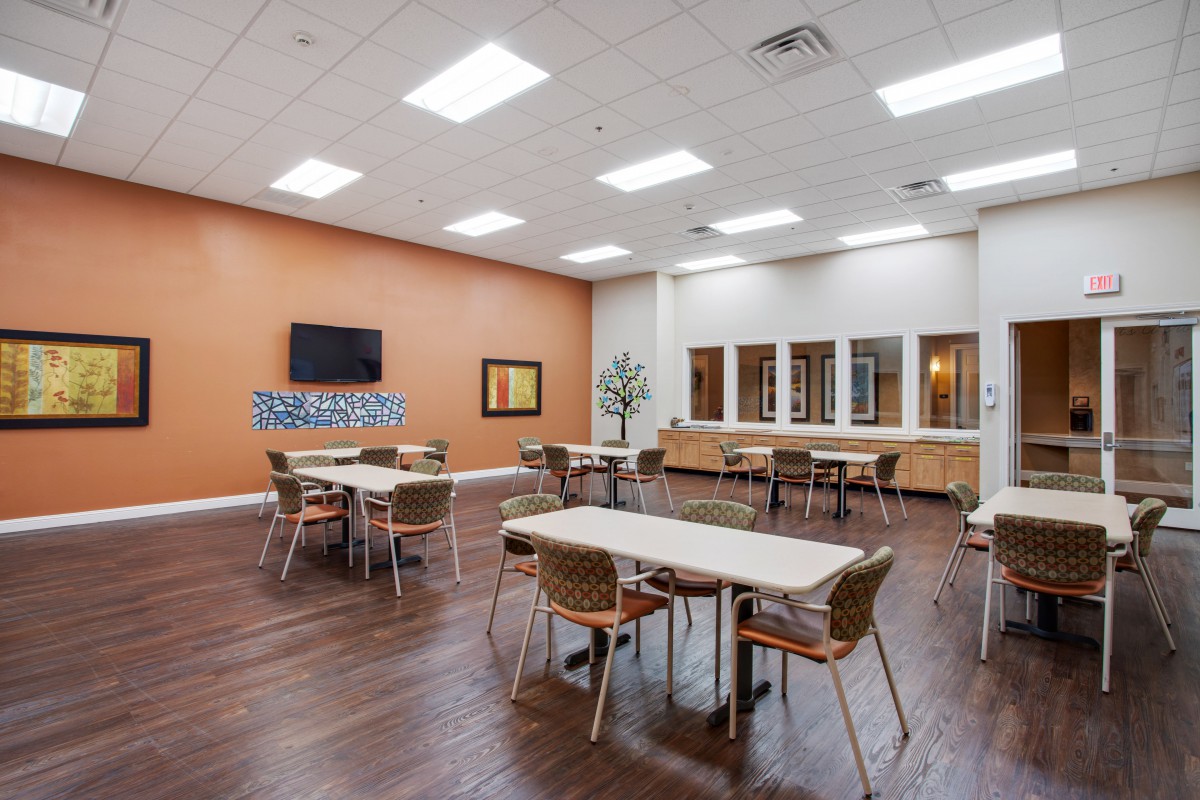
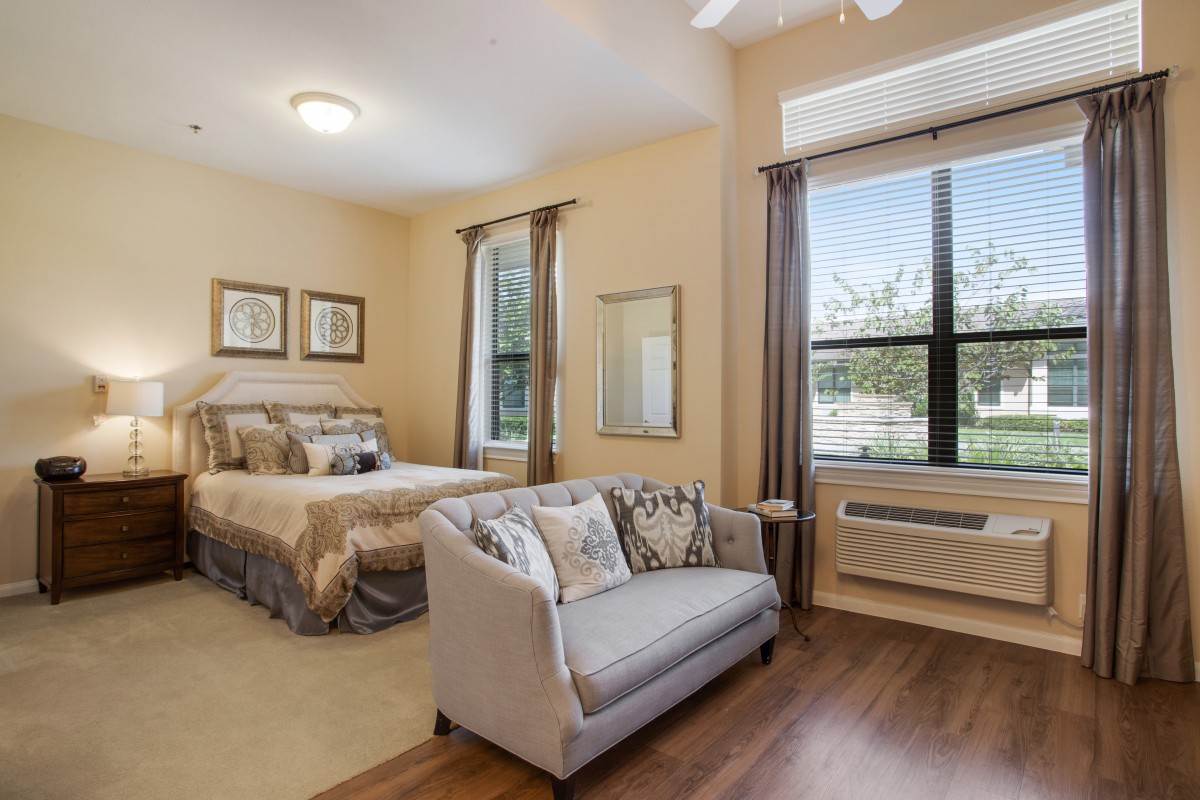
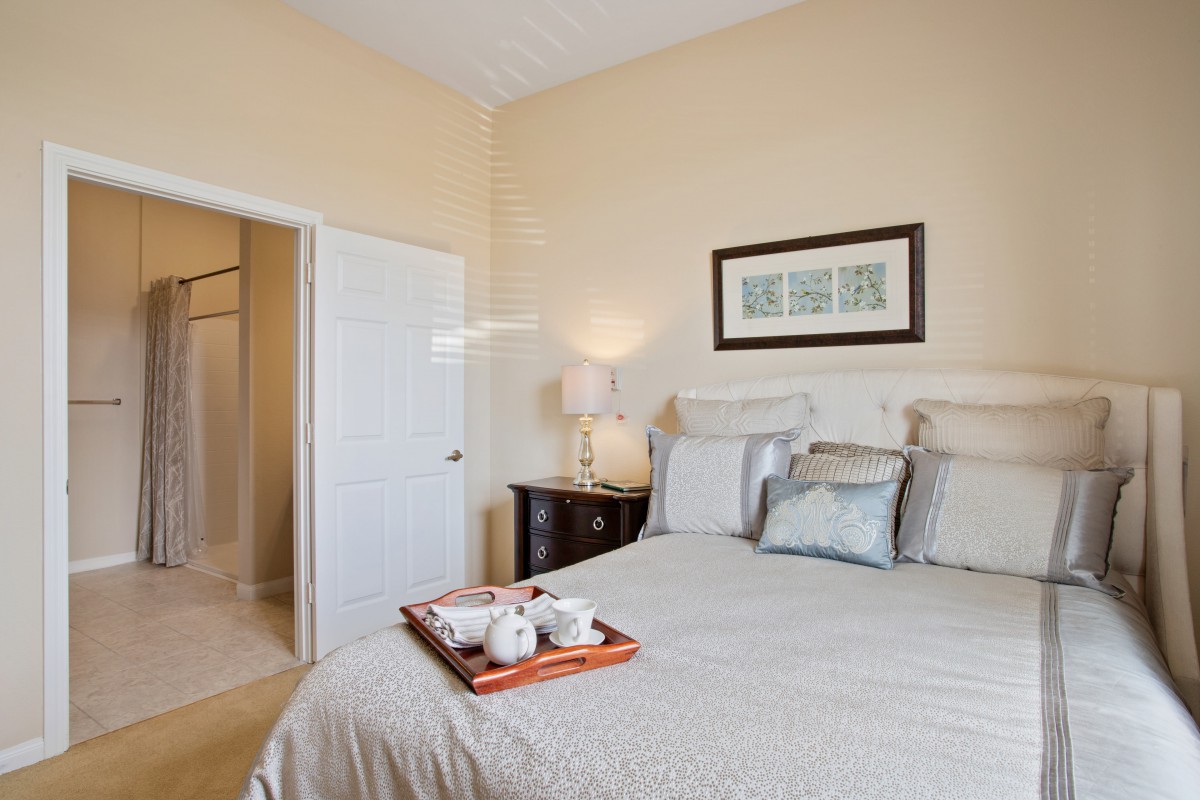
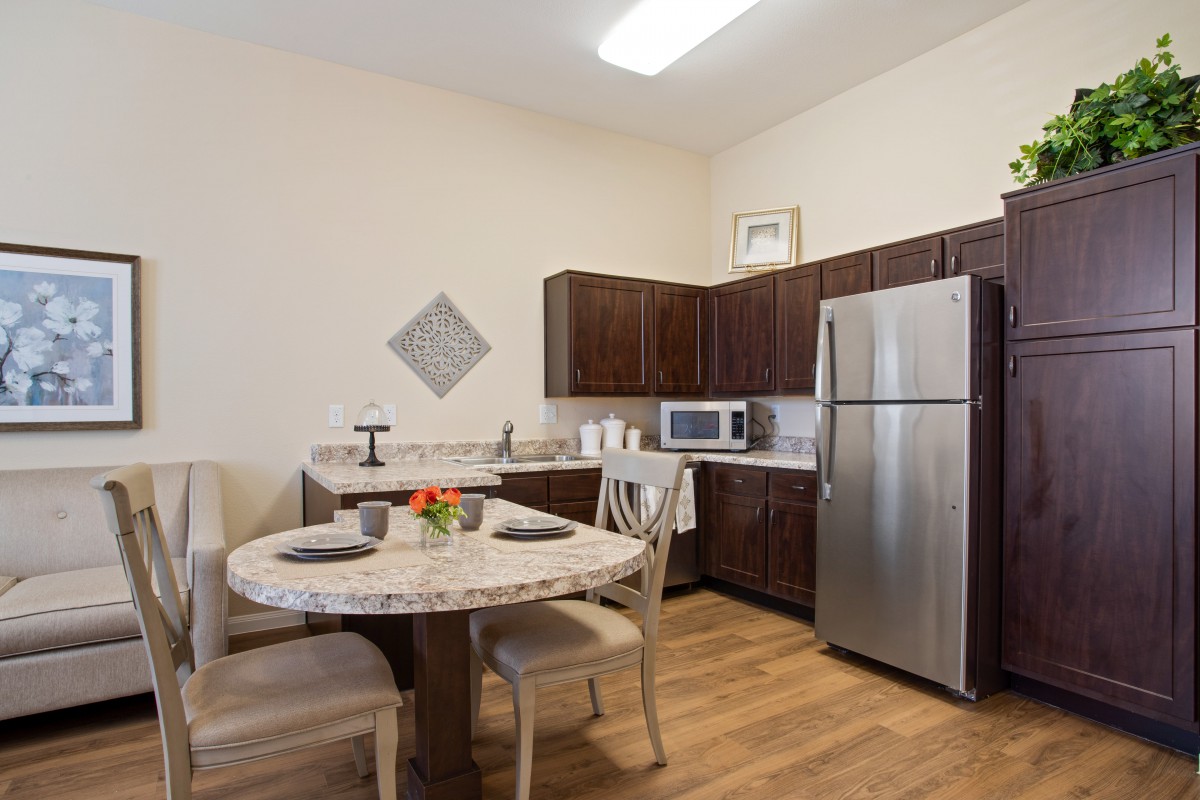
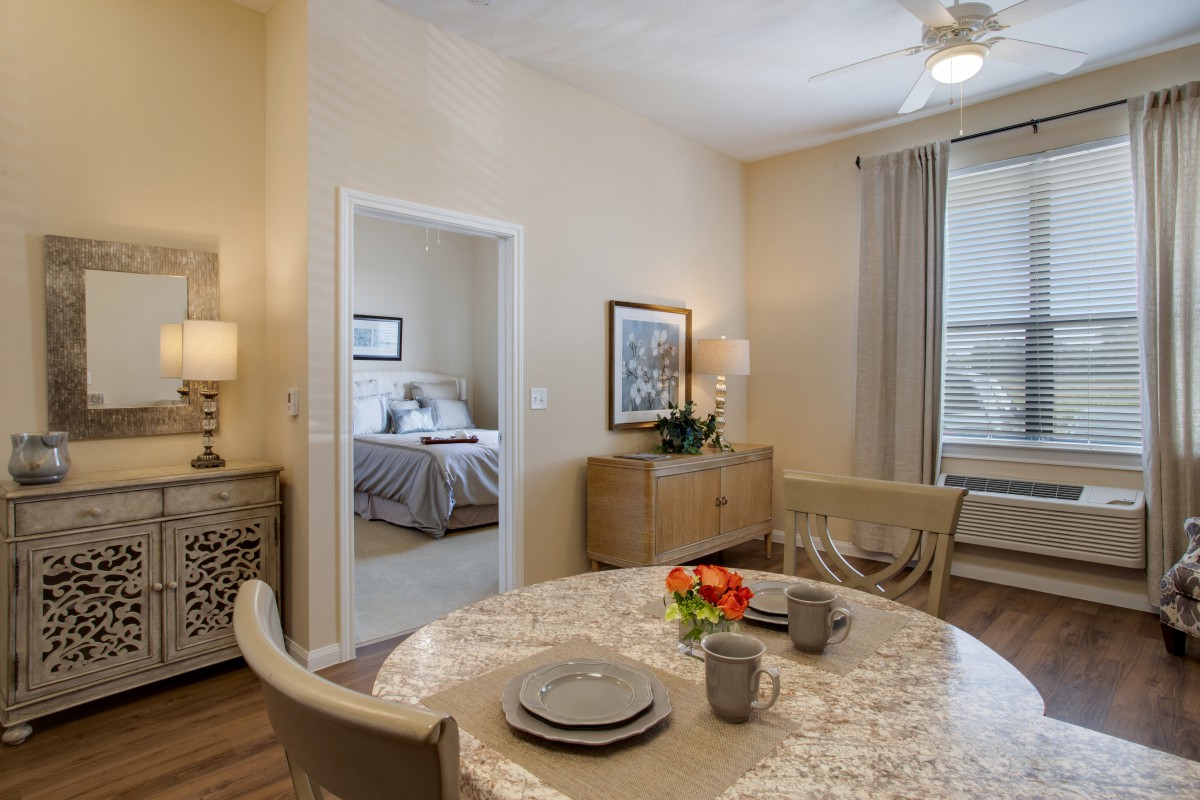
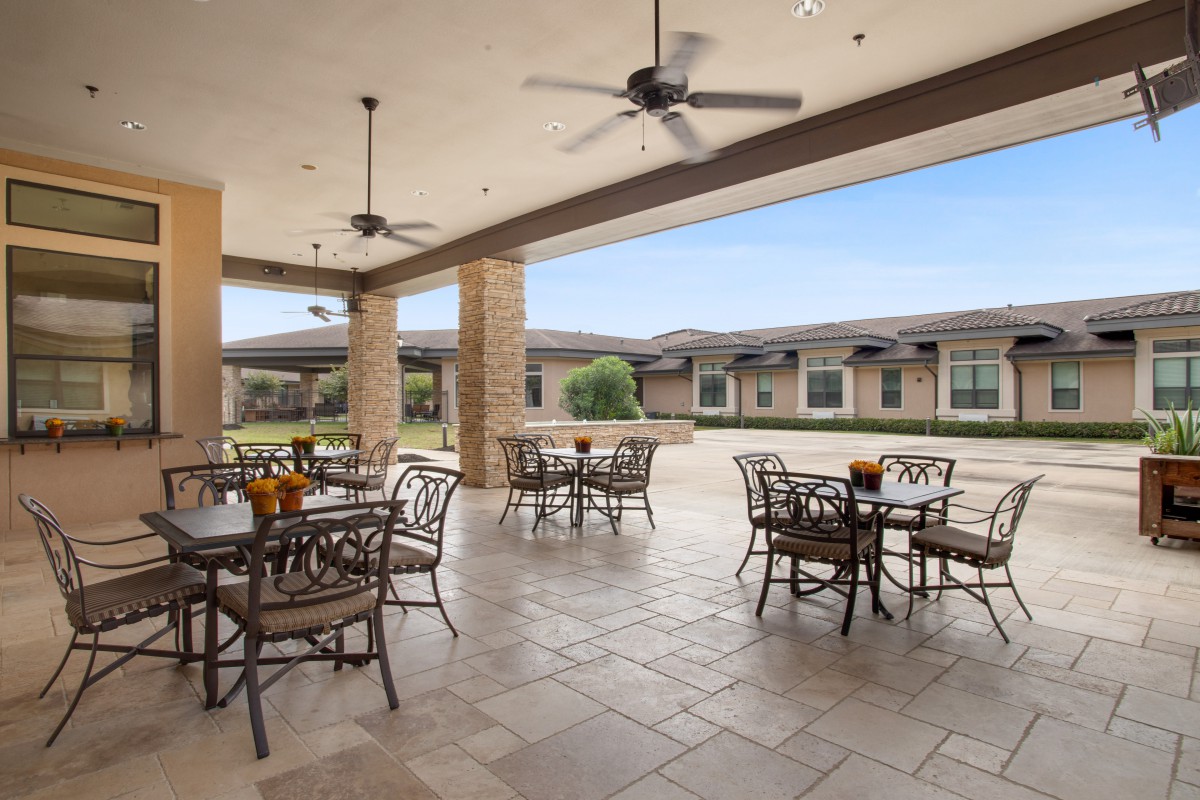
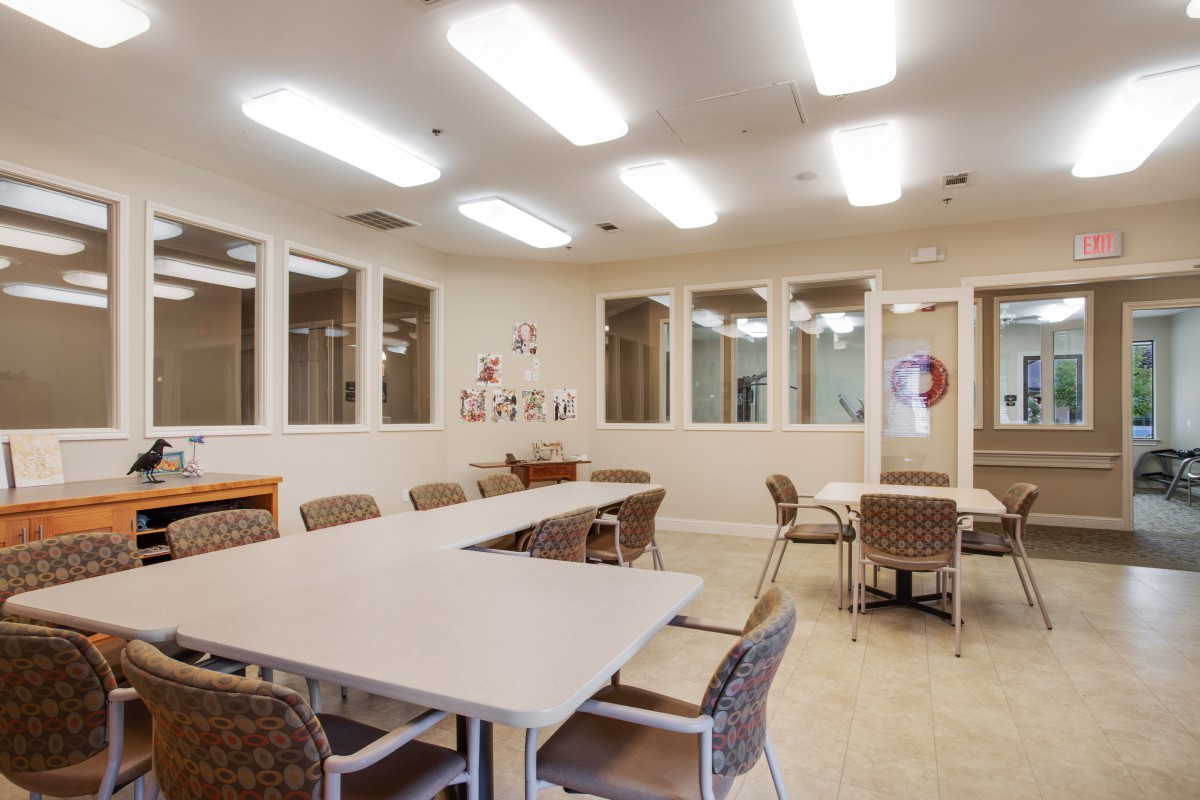
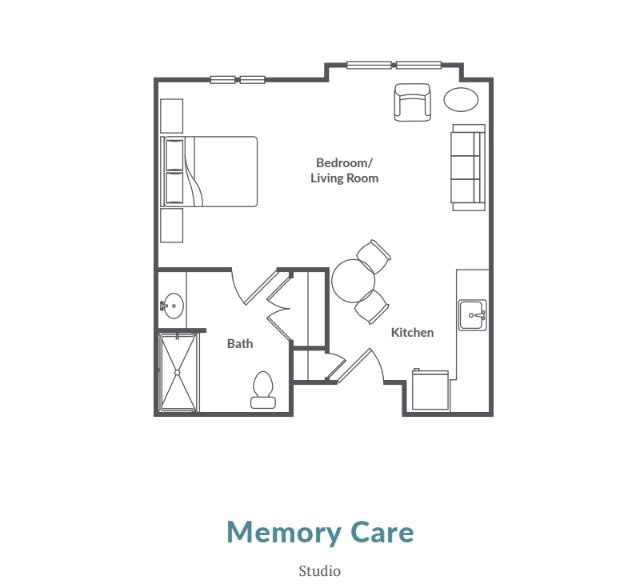
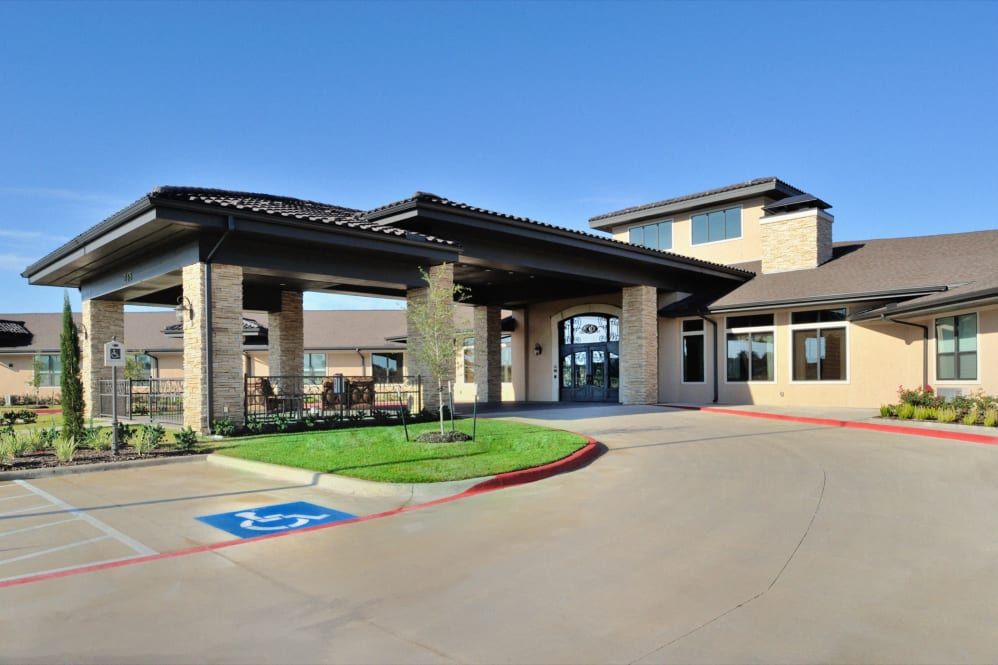
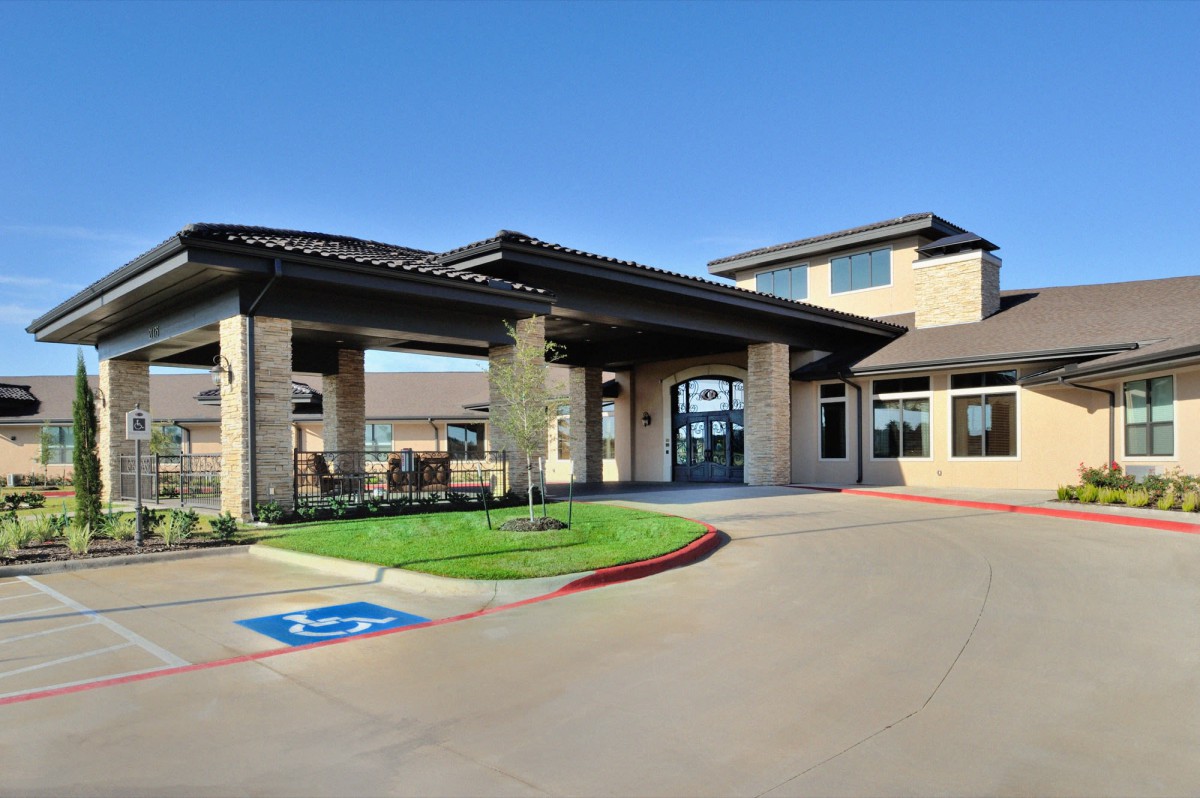
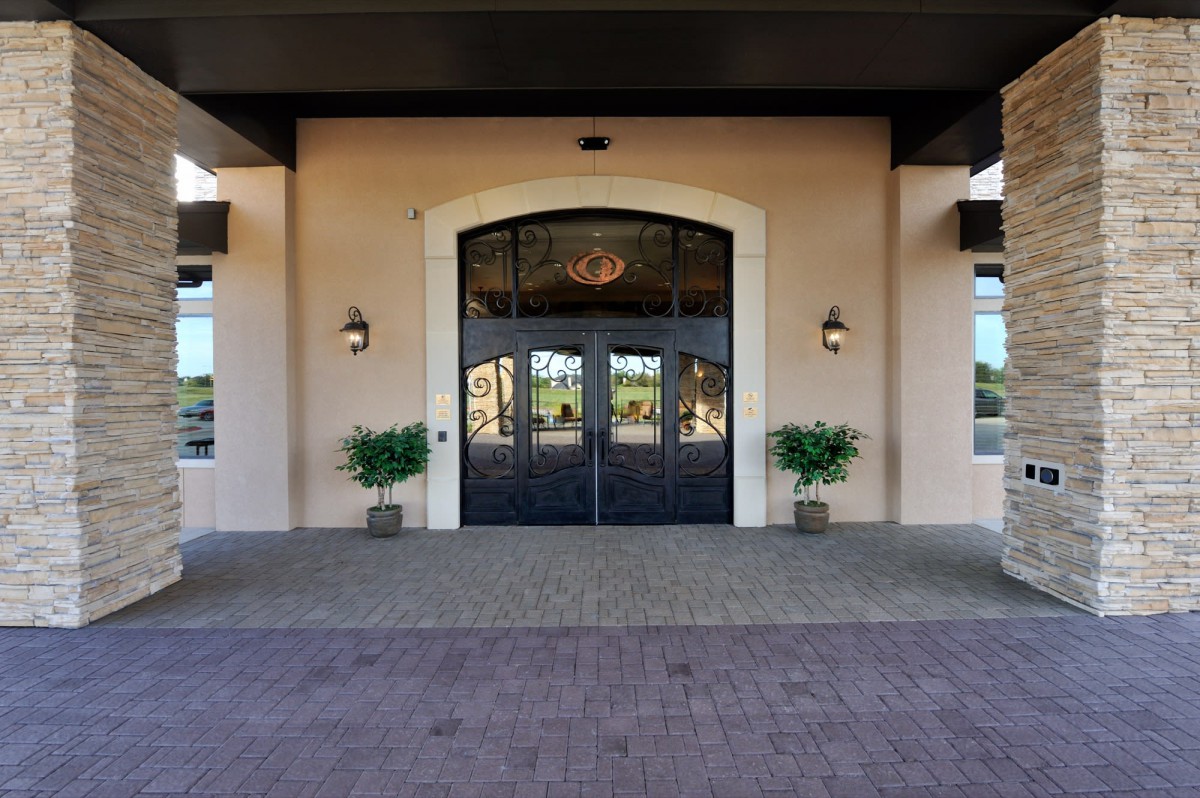
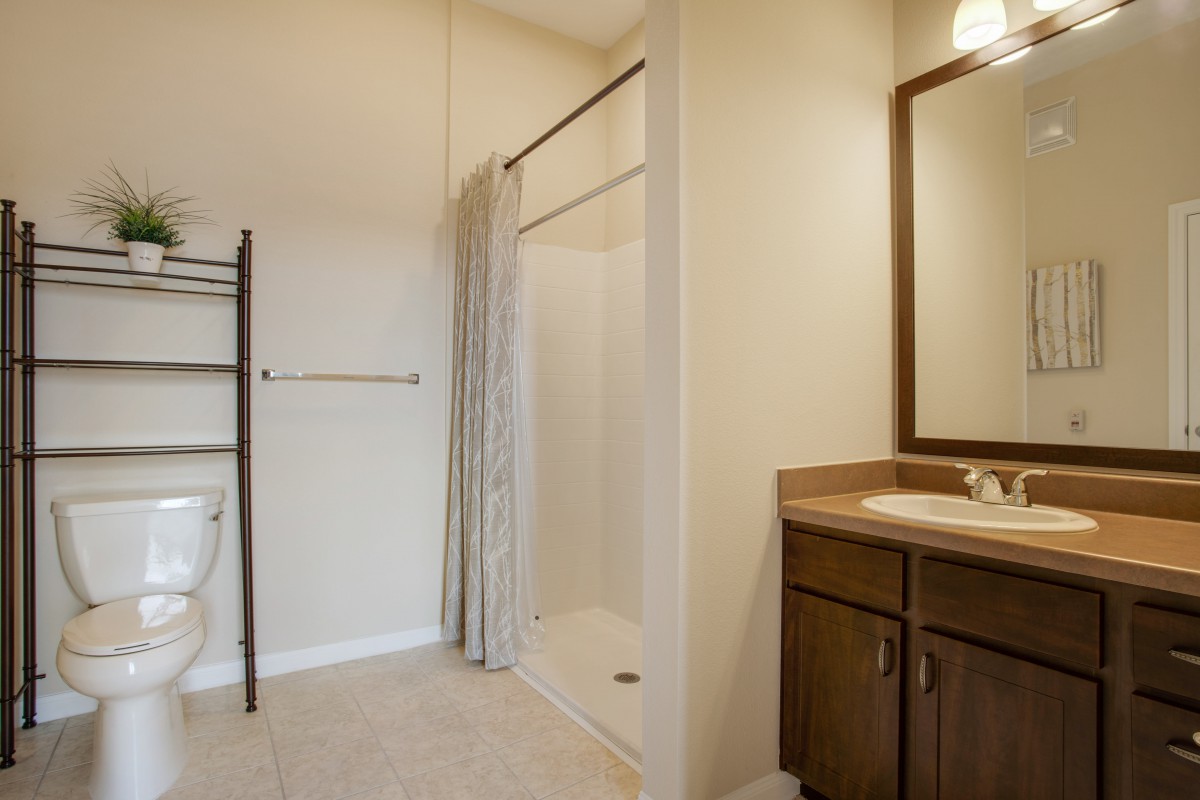
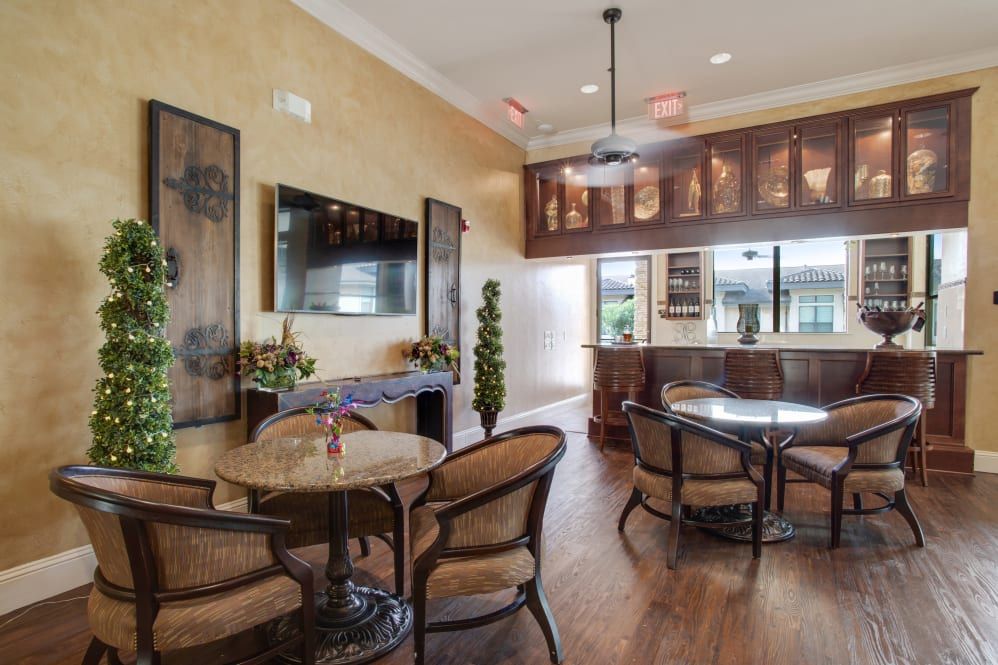
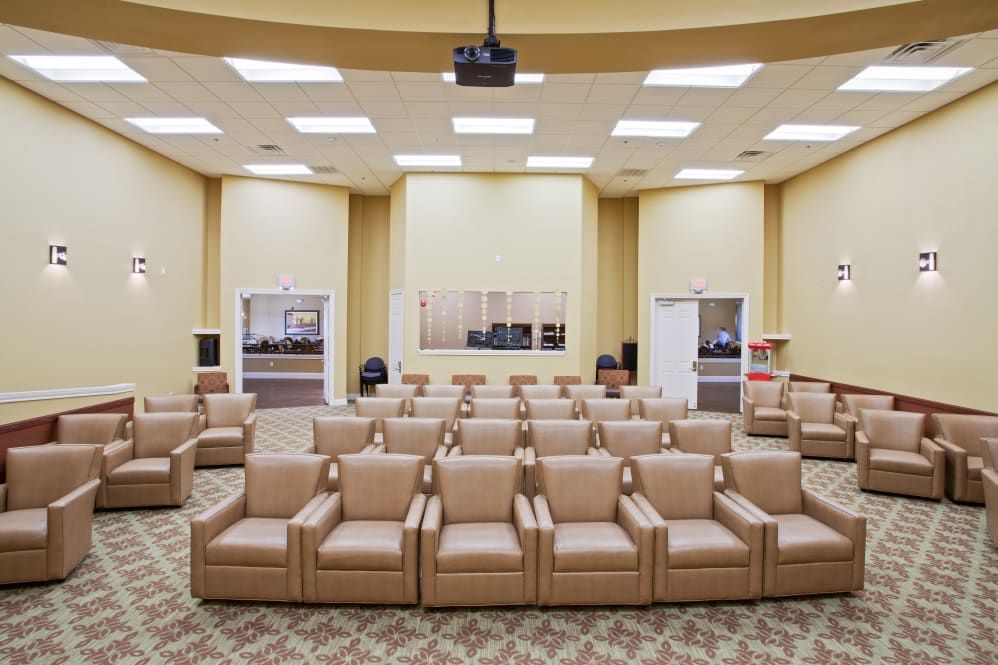
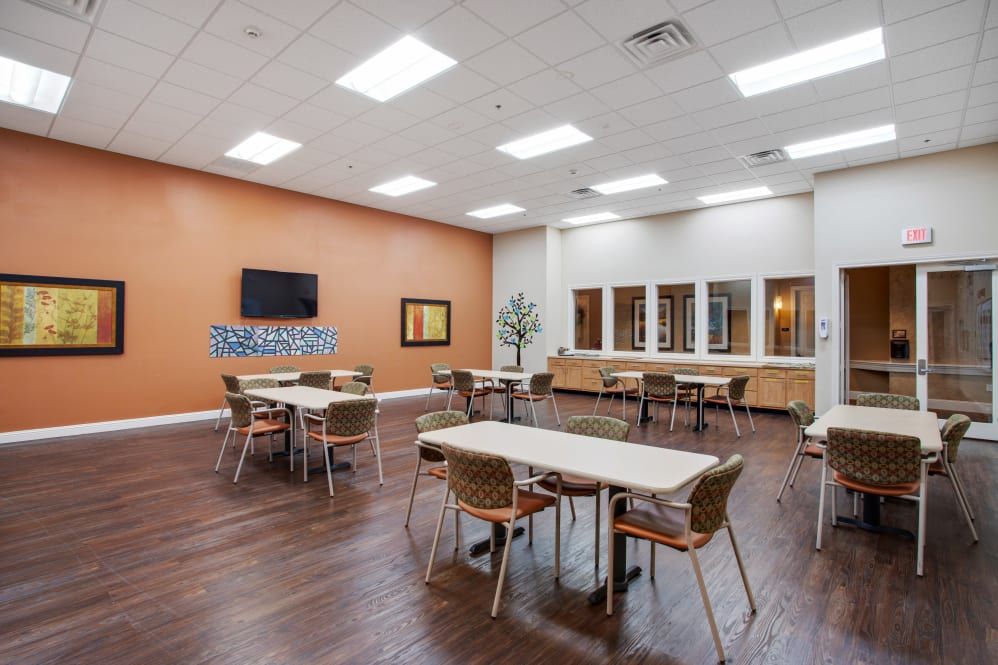
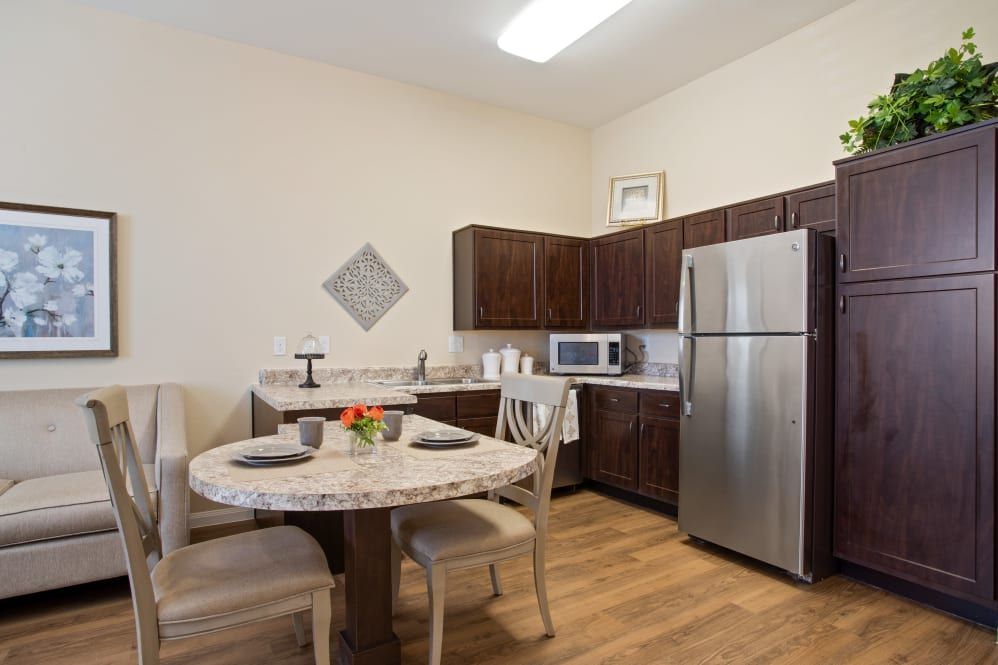
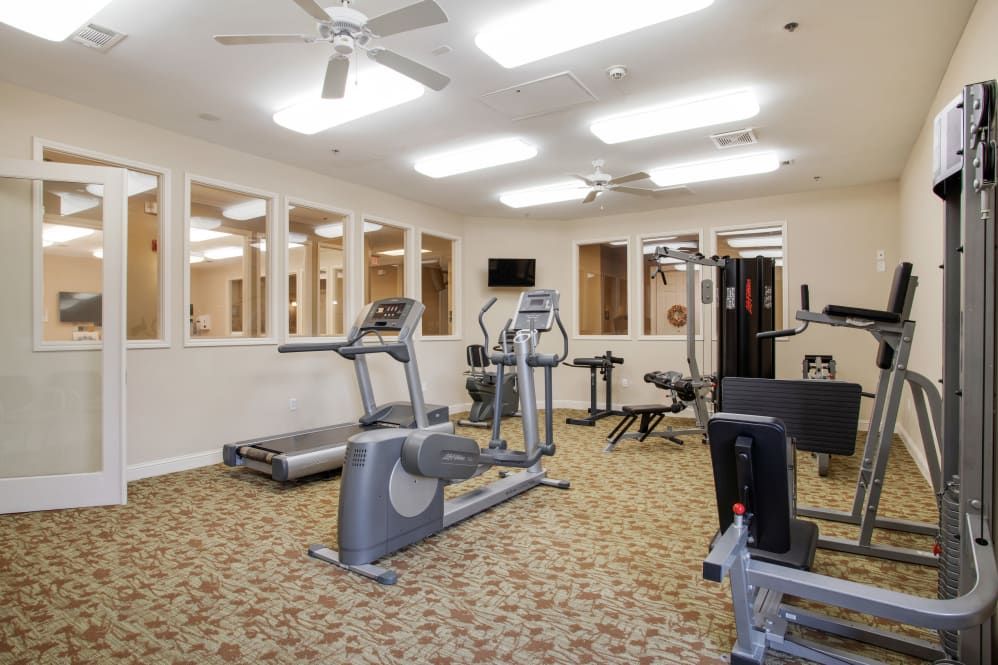
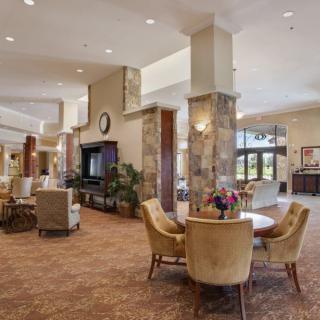
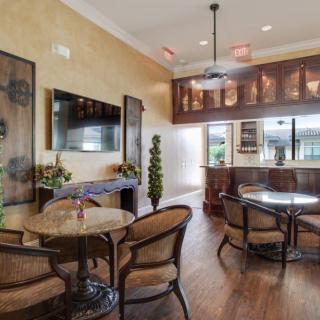
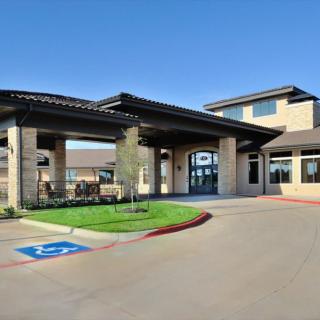
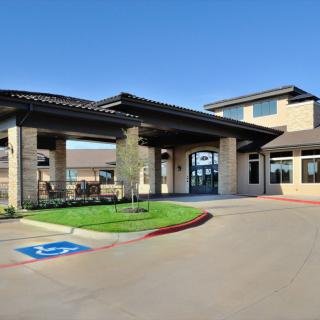
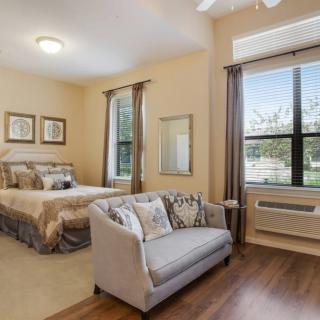
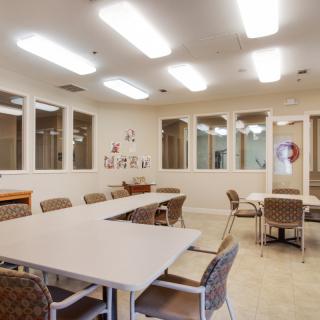
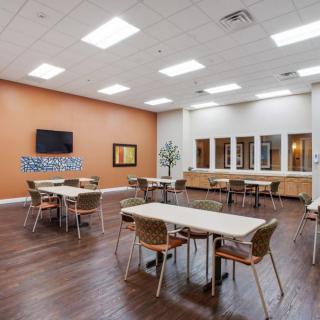
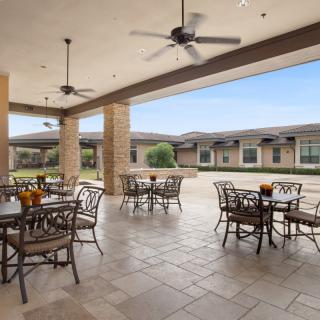
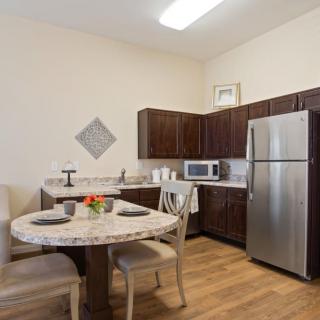
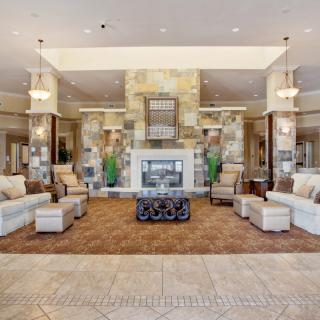
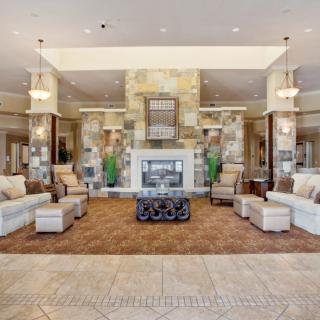
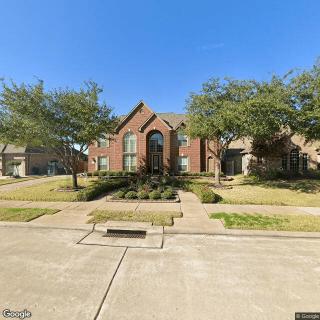
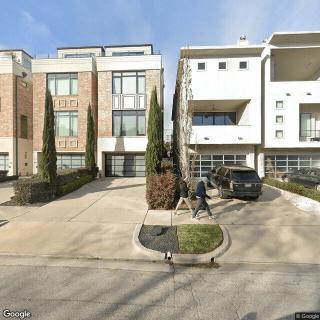
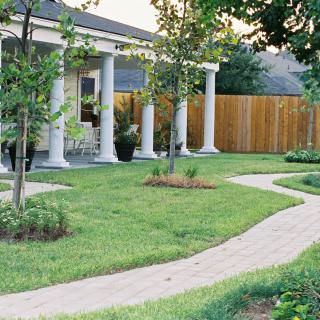
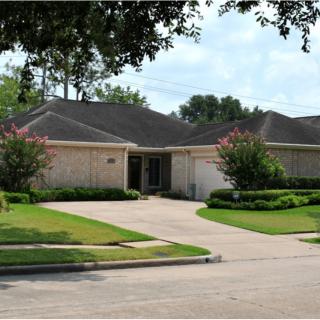
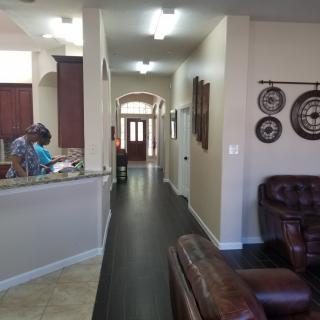
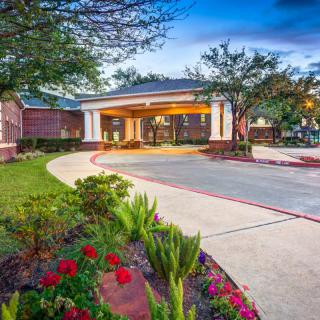
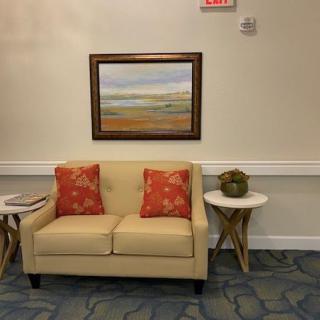
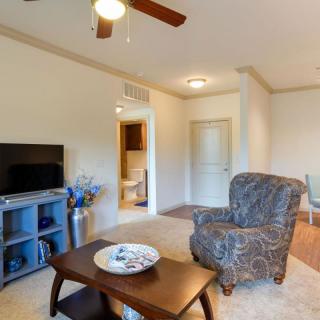
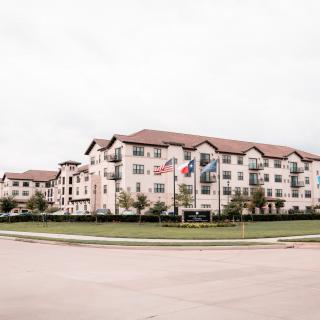
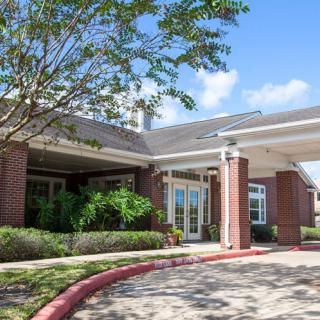
Clayton Oaks Living on seniors.fyi includes 40 photos including images showing interior, decor, dining, bedroom, floor plan, spacious, lobby, seating area, and more.
Nearby Communities
Residences At River Park West
Richmond, TX
4 from 119 reviews
Small, personalized assisted living with care and dietary options.
Angel Arms Assisted Living v
Richmond, TX
Peaceful Richmond location with convenient access to parks, healthcare, dining, worship, theater, and hospital.
Agape Heritage Home
Richmond, TX
4.3 from 46 reviews
$2,500 to $3,000 / month
Affordable, small, home-like setting with personalized care and engaging activities.
Greatwood At Sugar Land
Sugar Land, TX
4.2 from 106 reviews
$2,395 to $3,995 / month
Friendly, attentive staff with engaging activities and attractive grounds; noted presence of all-inclusive pricing.
Home Helpers Home Care of Sugar Land
Sugar Land, TX
3.7 from 3 reviews
Convenient access to nearby parks, pharmacies, dining, healthcare, worship, theaters, and a hospital.
The Village at Sugarland Assisted Living & Memory Care
Sugarland, TX
4.8 from 136 reviews
$3,895 to $6,595 / month
Beautiful, clean facility with attentive staff and restaurant-style dining.
Landon Ridge Sugar Land
Sugar Land, TX
4.3 from 35 reviews
$2,631 to $3,138 / month
Friendly, social atmosphere with engaging activities and chef-prepared meals in a convenient Sugar Land location.
Grand Living at Riverstone
Sugar Land, TX
4.6 from 59 reviews
Upscale amenities, spacious apartments, diverse dining, and attentive staff.
Brookdale Sugar Land
Sugar Land, TX
4.4 from 86 reviews
$3,935 to $6,160 / month
Welcoming community with spacious apartments, resort-like spaces, and robust activities/memory-care programs.
Dementia causes cognitive decline and challenging behaviors that caregivers must manage, necessitating an understanding of the neurological basis of these issues. Effective strategies and self-care for caregivers can enhance support for those with dementia and improve their daily lives.
The content outlines five key early indicators of dementia, including significant memory loss and confusion about time and place, while emphasizing the need for professional evaluation and emotional support for both individuals showing symptoms and their caregivers. It encourages family members to monitor these signs closely and use online quizzes for initial awareness.
The article highlights eight indicators that a loved one with dementia may require specialized memory care, emphasizing the emotional and logistical challenges families encounter in this decision. It discusses signs such as difficulties with daily tasks, safety concerns, and caregiver burnout, suggesting that memory care facilities can provide the necessary support and structured environments for those experiencing cognitive decline.
Landscaping, Patio, Outdoor Seating, and Covered Area
Windows
Floor Plan
Building, Architecture, and Entrance
Bathroom
Kitchen
Lighting
Artwork
Television
Chandelier
Fireplace
Seating Area and Lobby
Outdoors
Exercise Equipment, Gym, and Treadmill
Salon and Mirrors
Bookshelves and Library
Seating and Projector Screen
Painting
Parking
Cabinets
Hardwood Floor
Shower
Waiting Area
Refrigerator
Theater
Conference Room
Fitness
Spacious
Meeting Room
Exercise and Workout Room
Reading Area
Living Space and Studio
Meeting Space and Projector
Modern Interior
Get PricingAsk A QuestionSchedule A TourContact Senior Advisor
By clicking submit, you agree to our Partner's Terms of Use. You
also consent to receive calls and texts, which may be autodialed, from our Partner. Your consent is not a condition to
using our Partner's service. Please visit our Partner's Privacy Policy for information about their privacy practices.



 108 resident community capacity
 1-bedroom apartments
 Assisted Living
 Independent Living
 Memory Care
 Cats allowed
 Dogs allowed
 Activities off-site
 Air-conditioning
 Beautician on-site
 Cable or satellite TV
 Computer center
 Devotional services off-site
 Dining room
 Fitness room
 Fully furnished
 Gaming room
 Garden
 Ground floor units
 Handicap accessible
 Housekeeping services
 Indoor common areas
 Kitchenette
 Move-in coordination
 Outdoor common areas
 Private bathrooms
 Respite or short term stays offered
 Restaurant-style dining
 Small library
 Telephone
 Wellness center
 Wheelchair accessible showers
 Wi-Fi/high-speed internet available
 Community operated transportation
 12-16 hour nursing
 24-hour call system
 Ambulatory care
 Assistance with bathing
 Assistance with dressing
 Assistance with transfers
 Diabetes diet
 Incontinence care
 Medication management
 Mental wellness program
 Special dietary restrictions
 Art classes
 Book club
 Catholic services
 Concierge services
 Cooking classes
 Day trips and outings
 Educational speakers / life long learning
 Games
Games Live musical performances
 Small, personalized assisted living with care and dietary options.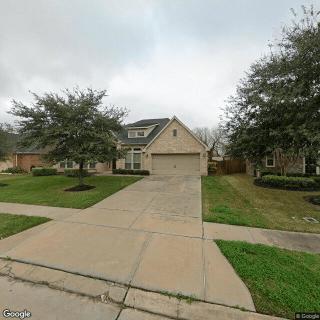

 Dementia Behaviors: In-Depth Understanding and Effective Coping Strategies
 5 Early Indicators of Dementia and What You Can Do
 8 Important Indicators That Memory Care May Be Necessary