The Family's Choice is an assisted living community in Richardson, TX.
Information last verified:
2212 Bluebonnet Drive, Richardson, TX 75082
For more information about senior living options: (866) 208-4318
4.5 from 26 reviews
5 stars
23
4 stars
0
3 stars
0
2 stars
0
1 stars
3
The Family's Choice Costs & Pricing
The Family's Choice offers competitive pricing for assisted living accommodations, reflecting a higher cost structure in comparison to both Dallas County and the broader Texas state averages. For a semi-private room, residents can expect to pay $5,822 monthly, which significantly exceeds the county's average of $3,535 and the state's average of $3,680. Similarly, private rooms at The Family's Choice are priced at $6,986, again surpassing Dallas County's rate of $4,702 and Texas' average of $4,096. For those considering a studio apartment, the monthly fee stands at $7,568 - markedly higher than both the county's price of $3,625 and the state's average of $3,758. These figures suggest that while The Family's Choice may offer amenities or services that justify their premium pricing, potential residents should carefully weigh these costs against their specific needs and expectations.
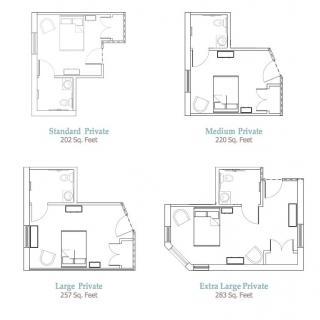
Floor plans
The Family's Choice
Dallas County
Texas
Semi-Private
$5,822
$3,535
$3,680
Private
$6,986
$4,702
$4,096
Studio
$7,568
$3,625
$3,758
Assisted Living communities with a similar price nearby
Staff responsiveness and caring shows up repeatedly across reviews.
Many reviewers say the staff treats residents like family and responds promptly when questions or concerns come up. Several also describe clear communication and easy access to leadership during transitions. A smaller set of reviewers report the opposite, describing confusion, poor follow-through, and staff behavior that did not feel caring.
differentiator5 reviews mention this
Dining and meal satisfaction
Residents discuss food quality and meal input in reviews.
Reviews repeatedly mention that meals are a bright spot, with comments about menu options, taste, and the dining experience. One reviewer specifically notes a chef meeting with residents to gather input on meal plans. The community also offers structured dietary support like diabetes diets and special dietary restrictions, which aligns with those meal-focused remarks.
common7 reviews mention this
Activities keep residents engaged
Scheduled activities and engagement are a recurring theme.
Multiple reviewers describe a busy calendar of activities and regular opportunities for residents to socialize and stay involved. Comments include everything from happy hour and movie hours to exercise and faith-related services. Several also describe purposeful engagement as residents settle in, including staff helping residents stay active and involved.
differentiator6 reviews mention this
Medical coordination and support
Reviews point to support around medical needs and coordination.
Several reviewers mention coordination with health-related care needs, including prompt support and help managing day-to-day medical logistics. One reviewer highlights visiting medical staff being engaged, and another describes the community keeping records needed for outside health care. The community also provides care services that include coordinating with health care providers and arranging transportation to medical appointments, which matches how medical support comes up in reviews.
caveat3 reviews mention this
Communication breakdowns are a concern
A few reviews describe serious communication and follow-through issues.
Some reviewers say their families experienced confusion and miscommunication, starting from early days and continuing over time. These accounts also describe poor follow-through and a lack of meaningful improvements after raising concerns. In contrast to the many positive staff stories, these reviews emphasize that safety and well-being concerns were not adequately addressed.
common8 reviews mention this
Clean, bright environment
Cleanliness and a bright, well-kept setting are repeatedly mentioned.
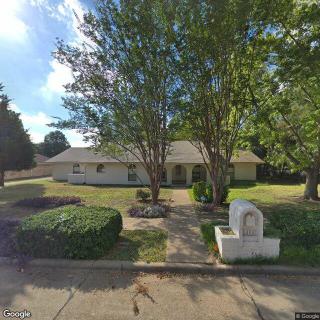
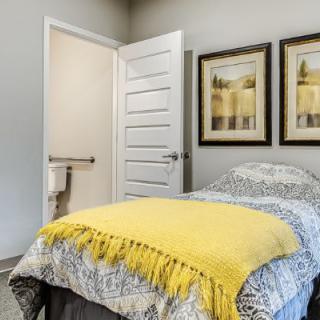
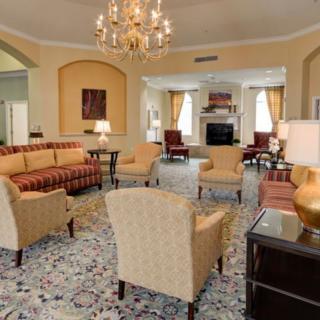
Several reviewers describe the community as clean and well maintained, with a bright atmosphere that feels welcoming. Comments also include mentions of the building being in good shape and rooms and common areas looking cared for. A few reviewers connect the look and upkeep to peace of mind during transitions, especially when moving into assisted living or memory care.
How we summarize
Counts show how many written reviews mention each theme; a review can touch several themes, and only frequently mentioned themes are displayed.
Features
Housing
8 resident community capacity
Types of Care
Assisted Living
Board and Care Home
Respite Care
Amenities
Cable or satellite TV
Dining room
Fully furnished
Garden
Housekeeping services
Move-in coordination
Outdoor space
Telephone
Wi-Fi/high-speed internet available
Transportation
Dallas Love (14 miles away)
Dallas-Fort Worth International (22 miles away)
Care Services
24-hour supervision
Activities of daily living assistance
Assistance with bathing
Assistance with dressing
Assistance with transfers
Coordination with health care providers
Diabetes diet
Meal preparation and service
Medication management
Special dietary restrictions
Transportation arrangement (medical)
Transportation to doctors appointments
Dining
Diabetes diet
Special dietary restrictions
Activities
Community-sponsored activities
Scheduled daily activities
Nearby Places of Interest
Pharmacies
CVS Pharmacy (0.9 miles)
Walgreens (1.6 miles)
Walgreens (2.2 miles)
CVS Pharmacy (2.5 miles)
CVS Pharmacy (3.2 miles)
CVS Pharmacy (3.5 miles)
Walgreens (3.8 miles)
Restaurants
Chick-Fil-A (1.1 miles)
Sonic Drive-In (1.7 miles)
Vickery Park (2.1 miles)
Pangea (2.2 miles)
Rodeo Goat (2.3 miles)
McDonald's (2.4 miles)
King Buffet (2.7 miles)
Physicians
Elizabeth Jekot Breast Imaging Center (1.1 miles)
Baylor Medical Plaza (1.5 miles)
Eminent Medical Center (4.4 miles)
Eye Care Associates (4.7 miles)
The ENT & Allergy Centers of Texas (5.4 miles)
Dhat (7.3 miles)
Plano Orthopedic & Sports Medicine Center (7.4 miles)
Places of Worship
Shiloh Missionary Baptist Church (2 miles)
Chase Oaks Church (5.2 miles)
Episcopal Church Of The Transfiguration (7.2 miles)
The Family's Choice offers competitive pricing for assisted living accommodations, reflecting a higher cost structure in comparison to both Dallas County and the broader Texas state averages. For a semi-private room, residents can expect to pay $5,822 monthly, which significantly exceeds the county's average of $3,535 and the state's average of $3,680. Similarly, private rooms at The Family's Choice are priced at $6,986, again surpassing Dallas County's rate of $4,702 and Texas' average of $4,096. For those considering a studio apartment, the monthly fee stands at $7,568 - markedly higher than both the county's price of $3,625 and the state's average of $3,758. These figures suggest that while The Family's Choice may offer amenities or services that justify their premium pricing, potential residents should carefully weigh these costs against their specific needs and expectations.
Medicare does not cover assisted living costs, as it focuses on acute medical needs and short-term care, with exceptions for certain medically necessary services like physical therapy. Individuals must explore other options such as Medicaid, veterans' benefits, or long-term care insurance to manage these expenses effectively.
Choosing between assisted living and nursing homes involves evaluating emotional and financial factors, with assisted living offering independence and support for daily activities at a lower cost, while nursing homes provide intensive medical care for individuals with significant health needs. The decision is influenced by personal preferences, health status, cognitive function, and varying Medicaid coverage across states.
Assisted living in 2025 offers a crucial balance of independence and support for seniors, with costs varying from $2,500 to over $7,000 per month based on factors such as location and care level. Understanding pricing complexities, including regional differences and potential hidden fees, is essential for families to plan financially while ensuring quality care for their loved ones.
Get PricingAsk A QuestionSchedule A TourContact Senior Advisor
By clicking submit, you agree to our Partner's Terms of Use. You
also consent to receive calls and texts, which may be autodialed, from our Partner. Your consent is not a condition to
using our Partner's service. Please visit our Partner's Privacy Policy for information about their privacy practices.


 8 resident community capacity
 Assisted Living
 Board and Care Home
 Respite Care
 Cable or satellite TV
 Dining room
 Fully furnished
 Garden
 Housekeeping services
 Move-in coordination
 Outdoor space
 Telephone
 Wi-Fi/high-speed internet available
 Dallas Love (14 miles away)
 24-hour supervision
 Activities of daily living assistance
 Assistance with bathing
 Assistance with dressing
 Assistance with transfers
 Diabetes diet
 Meal preparation and service
 Medication management
 Special dietary restrictions
 Transportation arrangement (medical)
 Transportation to doctors appointments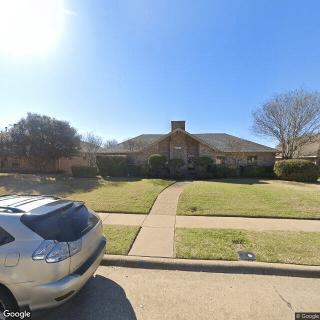
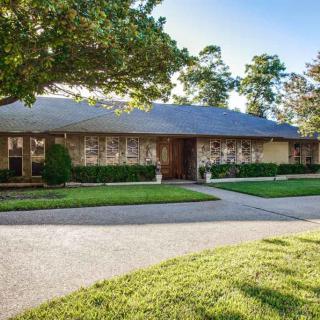
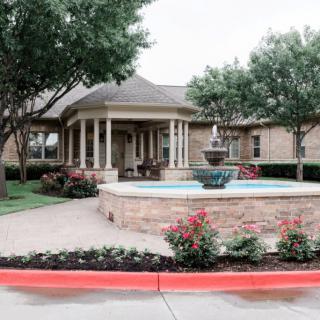
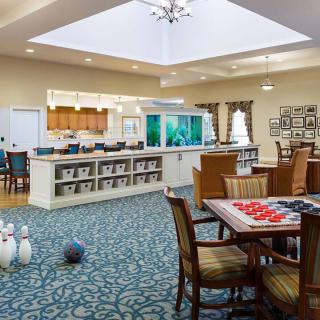
 Clean, well-maintained environment with friendly, attentive staff and engaging activities.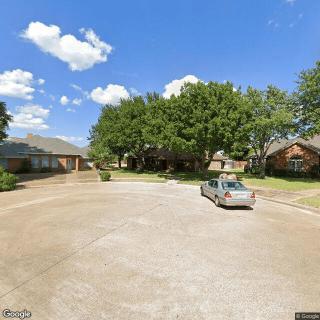

 Medicare Coverage for Assisted Living: An In-Depth Exploration
 Choosing the Right Senior Care: A Detailed Exploration of Assisted Living and Nursing Homes
 Understanding the True Cost of Assisted Living in 2025: A Comprehensive Guide