
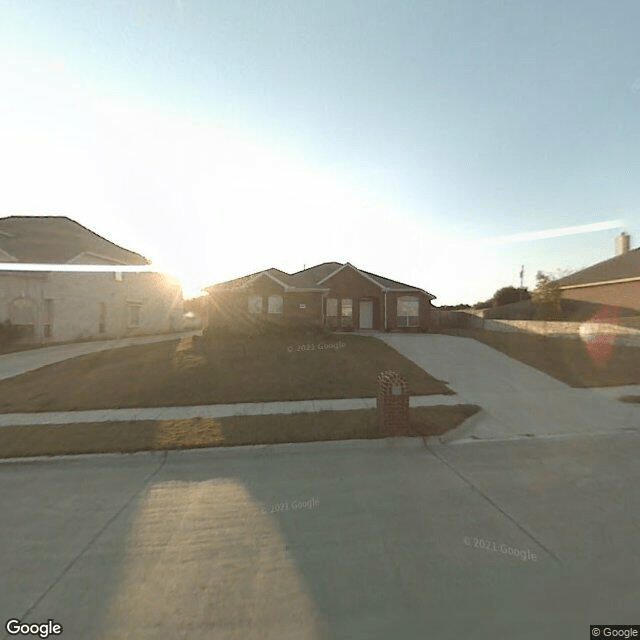
3037 Dorothy Lane, Red Oak, TX 75154
For more information about senior living options: (866) 208-4318
In Milord Hands Costs & Pricing
In Milord Hands offers competitive pricing for its accommodations, significantly lower than both the county and state averages. For a semi-private room, residents are charged $1,450 per month, which is substantially more affordable compared to Ellis County's average of $3,343 and Texas's average of $3,680. Similarly, the private room rate at In Milord Hands is set at $1,600, again showcasing remarkable value against the county and state rates of $3,222 and $4,096 respectively. This pricing structure reflects a commitment to providing quality care and comfortable living arrangements while ensuring that accessibility remains a priority for prospective residents.
| Floor plans | In Milord Hands | Ellis County | Texas |
|---|---|---|---|
| Semi-Private | $1,450 | $3,343 | $3,680 |
| Private | $1,600 | $3,222 | $4,096 |
Assisted Living communities with a similar price nearby
-
from +$215 / mo

Morada Lake Arlington
$1,665 to $2,580 / month22.4 miles away -
from -$50 / mo

The Villages of Dallas
$1,400 to $2,900 / month11.6 miles away -
from +$145 / mo

Morada Cedar Hill
$1,595 to $2,820 / month7.7 miles away -
from +$150 / mo

Autumn Leaves
$1,600 to $3,200 / month22.6 miles away -
from -$200 / mo

St Joseph's Residence
$1,250 / month14.7 miles away
Overall Review of In Milord Hands
Pros
 It is a great place to work.
- It is clean and peaceful.
Cons
 They scammed me out of $1,000 back in July 2020.
- He will not answer my calls/texts.
- He is not to be trusted.
Review
In Milord Hands in Red Oak, TX is best suited for seniors who prize a quiet, clean, home-like environment and prefer a small, manageable community where staff feel accessible and present. The setting suits residents who want everyday independence with light assistance, a predictable routine, and a calmer pace than a large campus can offer. The two clearly positive impressions from reviewers point to a peaceful atmosphere and a place that values cleanliness and order, suggesting daily life here is uncomplicated and low-stress.
Those considering alternatives should focus on the realities of care breadth and vendor relationships. This community may not be the right fit for anyone needing intensive medical supervision, complex nursing support, or memory-care programming. With only three reviews, and just a single one-star critique, the data set is thin and leaves important questions unanswered about staffing levels, care capabilities, and on-site medical responsiveness. The negative experience described by a reviewer who reports trouble with a credit-services contact tied to someone associated with the operation signals a potential risk in external partnerships; families should demand clear vendor policies, independent oversight, and transparent cost structures before committing.
On the upside, the strongest pro is the environment itself: cleanliness, quiet, and a tranquil ambiance that reduces daily stress for many residents. The sentiment that it’s “a great place to work” translates into a stable, orderly day-to-day culture that residents may experience as predictability and respect. A small, intimate setting often means more individualized attention and fewer impersonally crowded routines, which can translate into more consistent monitoring and quicker responses to common needs. For residents who thrive on routine, low stimulation, and straightforward daily activities, these advantages can meaningfully offset the absence of a broader activity calendar or extensive on-site services.
The primary drawbacks center on informational gaps and potential external partnerships. The paucity of reviews leaves crucial questions about care offerings, staffing ratios, medication management, and emergency procedures unanswered. The one negative reflection about a credit-services relationship is not about direct care but about trust and financial interactions with a partner external to daily caregiving. This distinction matters: it highlights the importance of probing vendor governance, contracts, and oversight during tours and due diligence. Families should insist on a clearly stated vendor policy, confirm there are no hard-sell financial services baked into the residence experience, and request recent licensing or inspection records to corroborate safety and quality.
How the favorable aspects can offset the concerns depends on a family’s priorities. For those prioritizing a serene living environment, minimal distractions, and dependable housekeeping, In Milord Hands delivers a compelling backdrop for comfortable daily life. The trade-off is accepting limited publicly visible evidence of care breadth and a need for careful vetting of any third-party partners connected to the community. The small size can amplify personal responsibility on the part of staff and administrators, which is a virtue if consistent, respectful care is observed during visits and conversations with residents. If there is confidence in the current staff and a plan to supervise external vendors, the positive climate can outweigh the uncertainties tied to sparse data.
Bottom line: In Milord Hands is a pragmatic option for families seeking a quiet, clean, intimate setting in Red Oak and are comfortable with a more modest scope of services. It is not the choice for those requiring robust 24/7 medical oversight, memory-care specialization, or a large, activity-rich campus. Before deciding, pursue a guided tour with a structured checklist: observe staff interactions with residents, verify on-site nursing availability, review meal quality, confirm safety features and transportation options, and press for written vendor guidelines and recent inspection results. If transparency and a clear care plan align with the family’s expectations, this community can offer a stable, low-stress home environment that fits the right care needs.
 7 resident community capacity
 Assisted Living
 Board and Care Home
 Cable or satellite TV
 Dining room
 Fully furnished
 Garden
 Housekeeping services
 Indoor common areas
 Move-in coordination
 Outdoor common areas
 Private
 Private bathrooms
 Respite or short term stays offered
 Telephone
 Wi-Fi/high-speed internet available
 Dallas Love (22 miles away)
 24-hour supervision
 Activities of daily living assistance
 Assistance with bathing
 Assistance with dressing
 Assistance with transfers
 Diabetes diet
 Diabetic care
 Meal preparation and service
 Medication management
 Special dietary restrictions
 Transportation arrangement (medical)
 Transportation to doctors appointments






 Understanding the Distinctions: Assisted Living and Memory Care Explained
 Guiding Elderly Parents Who Refuse Assisted Living: 6 Practical Steps
 Your Comprehensive Guide to Luxury Assisted Living: Elevated Facilities, Amenities, and Costs