For more information about senior living options: (866) 208-4318
4.7 from 36 reviews
5 stars
32
4 stars
2
3 stars
0
2 stars
0
1 stars
2
Home Instead - Red Oak, TX Costs & Pricing
Home Instead - Red Oak, TX offers competitive pricing for private room accommodations at $2,500 per month. This rate is notably lower than the average costs in Ellis County, which stand at $3,222, and significantly less than the statewide average of $4,096 in Texas. By choosing Home Instead in Red Oak, residents can enjoy quality care and comfortable living arrangements while benefiting from a cost-effective alternative compared to both county and state averages. This makes it an appealing option for families seeking reliable care solutions without compromising on quality or financial stability.
Floor plans
Home Instead - Red Oak, TX
Ellis County
Texas
Private
$2,500
$3,222
$4,096
Senior living communities with a similar price nearby
About the same
Gracy's Place
5 from 54 reviews
$2,500 to $3,500 / month
25.0 miles away
About the same
Halo Residential Care Homes
4.8 from 12 reviews
$2,500 to $3,000 / month
16.7 miles away
from -$400 / mo
Only the Strong Survive
4.7 from 9 reviews
$2,100 to $2,500 / month
24.6 miles away
About the same
The Grand Living
4.8 from 100 reviews
$2,500 / month
20.8 miles away
from -$180 / mo
Care Mountain - Grand Prairie
4.7 from 33 reviews
$2,320 to $3,280 / month
20.3 miles away
Overall Review of Home Instead - Red Oak, TX
common19 reviews mention this
Caregivers feel truly supportive
Residents’ families describe caregivers who are caring, patient, and supportive of daily life.
Many reviewers say the caregivers are genuinely kind and make days and nights easier, with companions who provide dependable help. Several families also describe staff as well-trained and responsive to both the person receiving care and the family members around them. Across accounts, caregivers are presented as treated-their-loved-one with respect and follow-through, not just tasks.
common5 reviews mention this
Communication is a repeated strength
Residents’ families consistently mention clear, responsive communication from the agency.
Reviewers repeatedly highlight communication—especially when care needs are changing—stating the team helps make it workable for the family. Others describe staff as strong on caregiver and client communication, including professional guidance during assessments and paperwork. In several stories, the agency’s responsiveness is framed as a key reason families felt supported and informed.
common8 reviews mention this
Scheduling brings reliable coverage
Families describe dependable staffing and coverage, including evenings and emergencies.
Multiple reviews mention reliable coverage, including support that extends through the week and care that helps through nights. Some families also describe around-the-clock caregiver presence, while others note the administrative team finding coverage when extra hours were needed. Several accounts frame this consistency as what lets a loved one remain in their home while families don’t live nearby.
common3 reviews mention this
Services are tailored to fit
Reviewers describe an approach that aims to match caregivers and adjust support to needs.
Some families say the scheduling team considers what fits the person receiving care, including whether a caregiver is the right match. Others mention caregivers covering key issues and offering suggestions for problem behaviors, not just basic assistance. A separate review also points to customizing the sitter service to the patient, reinforcing the theme that care is adjusted rather than one-size-fits-all.
How we summarize
Counts show how many written reviews mention each theme; a review can touch several themes, and only frequently mentioned themes are displayed.
Features
Transportation
Dallas Love (22 miles away)
Nearby Places of Interest
This part of Red Oak, Texas offers a convenient and accessible location for senior living. With multiple pharmacies, restaurants, physicians' offices, places of worship, hospitals, cafes, parks, and even a nearby airport and movie theater, residents will have all the amenities they need within a short distance. The proximity to healthcare facilities such as Baylor Family Medical Center and Methodist Rehabilitation Hospital provide peace of mind for seniors needing medical care. The variety of dining options including Panda Express and Chick-Fil-A offer a range of choices for dining out or picking up meals. Overall, this area provides a diverse range of services and activities that cater to the needs and interests of seniors looking to enjoy their retirement years in a vibrant community setting.
Home Instead - Red Oak, TX offers competitive pricing for private room accommodations at $2,500 per month. This rate is notably lower than the average costs in Ellis County, which stand at $3,222, and significantly less than the statewide average of $4,096 in Texas. By choosing Home Instead in Red Oak, residents can enjoy quality care and comfortable living arrangements while benefiting from a cost-effective alternative compared to both county and state averages. This makes it an appealing option for families seeking reliable care solutions without compromising on quality or financial stability.
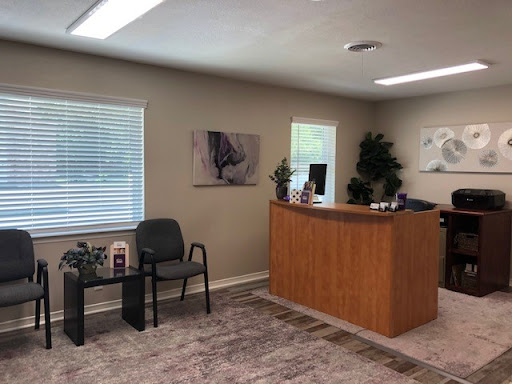
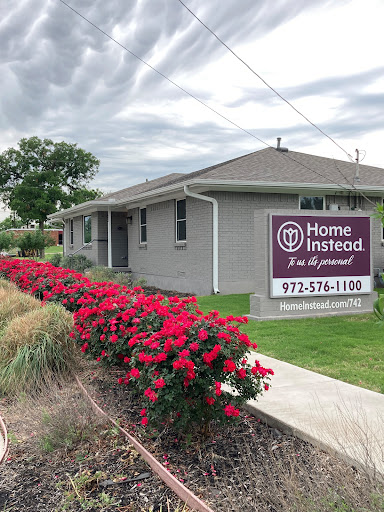
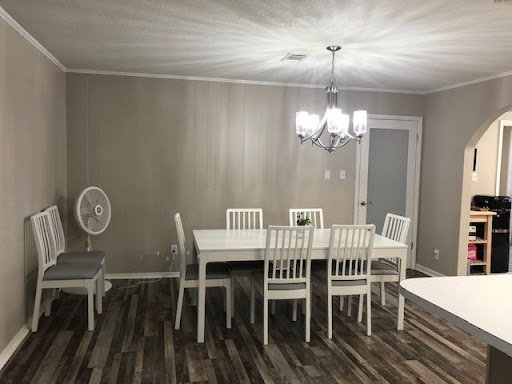
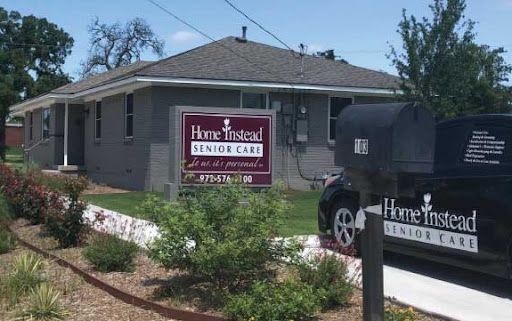
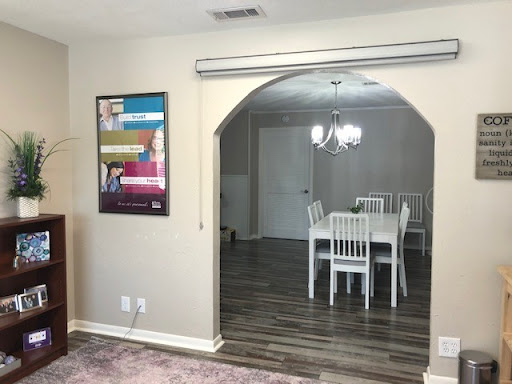
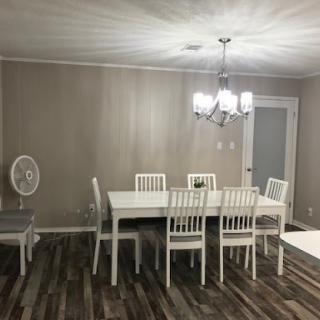
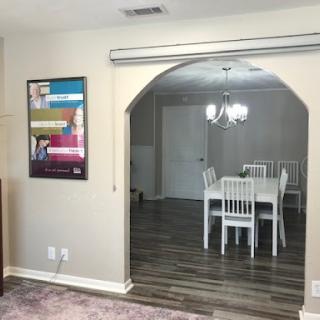
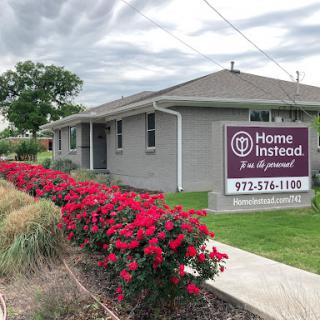
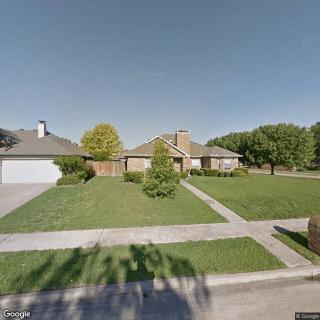
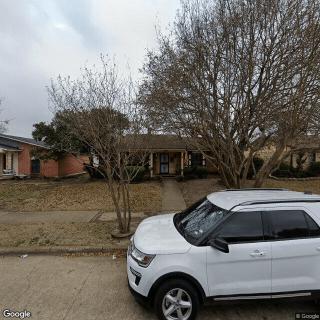
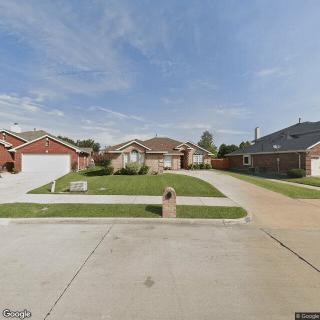
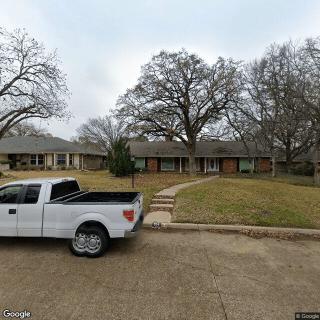
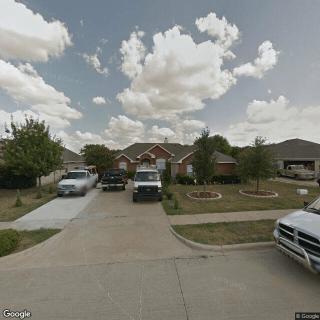
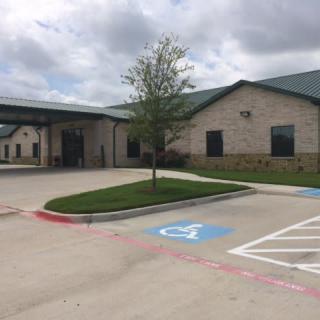
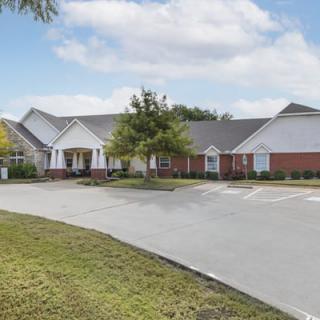
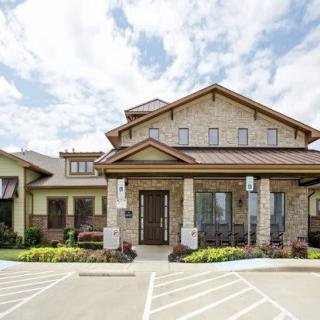
Home Instead - Red Oak, TX on seniors.fyi includes 11 photos including images showing interior, decor, landscaping, dining, office, light fixture, residential building, healthcare, and more.
Nearby Communities
Red Oak Health And Rehabilitation Center
Red Oak, TX
3.5 from 111 reviews
Comprehensive amenities and round-the-clock care services.
Arabella of Red Oak
Red Oak, TX
4.7 from 146 reviews
$2,940 to $5,135 / month
Friendly staff and engaging activities.
TLC Private Home Care
Red Oak, TX
$3,000 / month
Specialized diabetic care and affordable private room at $3,000/month.
Arabella Of Red Oak
Red Oak, TX
4.9 from 107 reviews
Beautiful, well-maintained facility with engaging activities and caring staff.
In Milord Hands
Red Oak, TX
3.7 from 3 reviews
$1,450 to $1,600 / month
Competitive pricing compared to county/state averages, with private and semi-private options.
A Daughters Care
Lancaster, TX
3.7 from 6 reviews
Comprehensive care with ADL support, medication management, on-site medical visits, and a clean, welcoming layout.
Angels of Hands Assisted Living
Lancaster, TX
4.3 from 8 reviews
$3,000 / month
Affordable pricing with comprehensive on-site care and amenities.
Brookdale Waxahachie
Waxahachie, TX
4.1 from 89 reviews
$3,885 to $5,055 / month
Caring staff with active resident engagement and memory-care programming.
Buffalo Creek Assisted Living and Memory Care
Waxahachie, TX
4.8 from 91 reviews
$4,630 to $6,885 / month
Clean, hotel-like environment with attentive staff and a robust activity program offering personalized care.
Palliative care enhances the quality of life for seriously ill patients by providing comprehensive support at home through a multidisciplinary team, addressing various needs and prioritizing comfort over curative treatments. While it offers personalized care and involves family in decision-making, challenges like caregiver stress and logistical issues persist, with growing demand prompting advancements in technology and healthcare policies to improve access.
Palliative home care focuses on improving the quality of life for individuals with serious illnesses by providing comfort, symptom management, and emotional support in their own homes. This approach includes personalized care plans, regular assessments, and resources for family caregivers, all while prioritizing person-centered treatment that aligns with patients' goals.
Skilled nursing facilities (SNFs) provide high-level medical care and rehabilitation for short-term recovery, typically covered by Medicare after hospitalization, while nursing homes focus on ongoing custodial care for chronic conditions, mainly funded by Medicaid or private payments. The staffing and regulatory structures differ significantly between the two, necessitating clarity for families in choosing appropriate long-term care options.
Get PricingAsk A QuestionSchedule A TourContact Senior Advisor
By clicking submit, you agree to our Partner's Terms of Use. You
also consent to receive calls and texts, which may be autodialed, from our Partner. Your consent is not a condition to
using our Partner's service. Please visit our Partner's Privacy Policy for information about their privacy practices.






 Dallas Love (22 miles away)
 Comprehensive amenities and round-the-clock care services.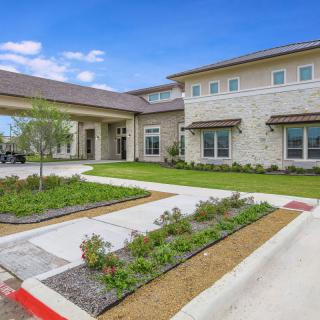


 Exploring Palliative Care in the Home: A Comprehensive Overview
 Comprehensive Insights into Palliative Home Care: What It Is and What to Expect
 Skilled Nursing Facilities vs. Nursing Homes: Making Sense of the Differences