The Healthcare Resort of Plano offers competitive pricing for its offerings in the context of both Collin County and Texas. With monthly costs starting at $3,500 for studio apartments, it presents a more affordable option compared to the county average of $4,225 and the state average of $3,758. For private rooms, The Healthcare Resort remains reasonably priced at $4,200 in relation to the county's $4,324 and Texas' $4,096. One-bedroom units range from $4,500 to $4,600, which is slightly above both local and state averages but still reflects good value given the amenities offered. Lastly, two-bedroom accommodations are available at $5,800 - higher than Collin County's average of $4,081 and Texas' average of $4,215 - but this reflects the resort's premium service level and welcoming environment tailored to enhancing residents' quality of life. Overall, The Healthcare Resort of Plano provides a range of options that balance cost with exceptional care and comfort.
Floor plans
The Healthcare Resort of Plano
Collin County
Texas
Studio
$3,500
$4,225
$3,758
Private
$4,200
$4,324
$4,096
1 Bedroom
$4,500 to $4,600
$3,822
$3,761
2 Bedrooms
$5,800
$4,081
$4,215
Assisted Living communities with a similar price nearby
Residents and families repeatedly describe staff who are kind, attentive, and professional.
Across many reviews, families and residents say the staff is courteous, friendly, and goes out of the way to comfort them. Several mention specific caregivers and therapy staff showing patience and motivation, including nurses and therapy team members. A recurring contrast is that when help is needed, some reviewers feel requests are handled promptly, while others raise concerns about delays in care.
common40 reviews mention this
Clean, well-kept facility gets praised
Many reviewers say the building is clean, well maintained, and free from unpleasant odors.
Multiple reviews point to cleanliness as a defining feature, describing spotless rooms, a well-kept facility, and an overall fresh environment. Some also mention the atmosphere feeling welcoming or safe when they walk in. A smaller set of negative reviews mention lapses such as bedding not being changed or hygiene problems, which other reviewers did not experience.
differentiator18 reviews mention this
Rehab therapy teams receive strong feedback
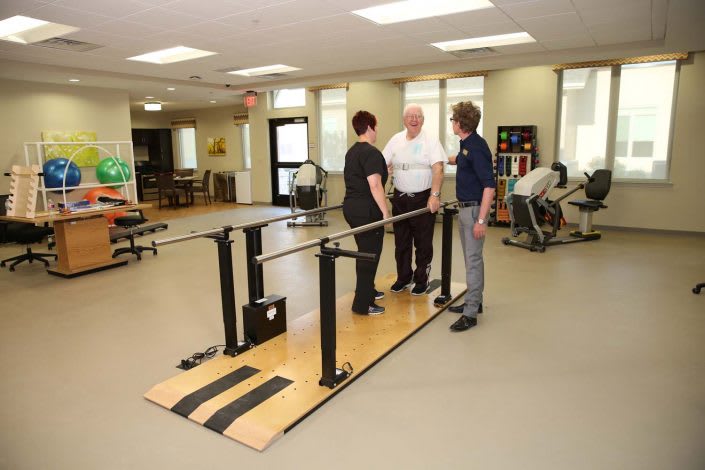
Rehab therapy is a major focus, and many reviews credit the therapy team for progress.
Residents and families often highlight physical, occupational, and speech therapy, describing knowledgeable therapists and supportive sessions. Several reviews mention wound care and therapy making it easier to recover strength and mobility after setbacks or surgery. There are also a few complaints where residents felt therapy programming was insufficient or did not match their needs, especially when other care tasks were also criticized.
common14 reviews mention this
Dining is frequently praised, sometimes questioned
Food quality is a recurring topic, with many calling it better than expected.
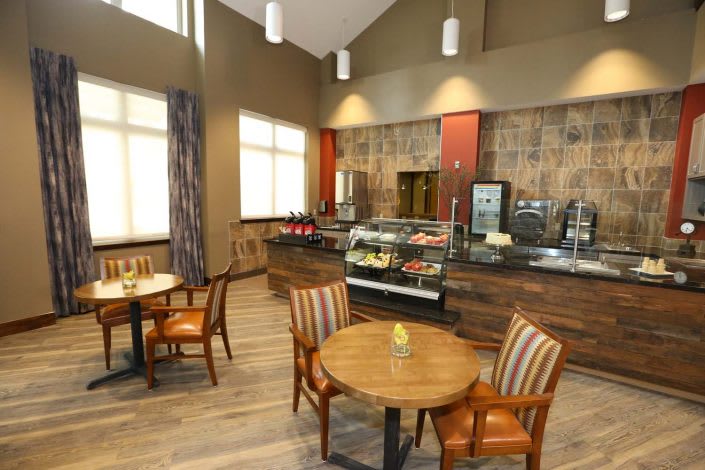
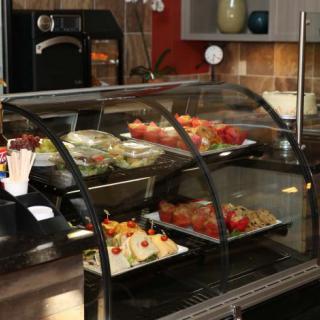
Many reviewers say meals are good, tasty, and better than hospital food, with some specifically praising food looks and taste. The community also offers multiple dining options in different formats, including anytime dining and room service, which aligns with the way residents describe convenience. A handful of reviews take the opposite view, criticizing meal quality or portioning.
caveat7 reviews mention this
Care consistency concerns with meds
Several reviews express worries about medication timing and overall care follow-through.
While many reviewers praise nurses and medication management, a minority of reviews describe serious issues such as delayed medication, infections tied to an IV line, and missed or rushed needs. Others describe residents waiting for assistance with hygiene or mobility, and at least one review frames these gaps as part of a neglect concern. These negative comments appear alongside repeated requests not being handled as expected, suggesting care consistency can vary by situation and staff coverage.
common2 reviews mention this
Pricing can be below area benchmarks
Pricing is positioned below county and state benchmarks across unit types.
Pricing is presented as lower than both county and state benchmarks for studio, private, and one- and two-bedroom units. In addition to the price context, residents and families frequently discuss the value they feel from the facility’s cleanliness and rehab/therapy focus. For anyone comparing options, the reviews suggest it’s important to weigh that value against the care consistency concerns raised by a smaller set of reviewers.
How we summarize
Counts show how many written reviews mention each theme; a review can touch several themes, and only frequently mentioned themes are displayed.
Features
Housing
Studio apartments
Types of Care
Assisted Living
Amenities
Activities off-site
Activities on-site
Air-conditioning
Beautician on-site
Cable or satellite TV
Devotional services on-site
Dining room
Handicap accessible
Housekeeping services
Indoor common areas
Kitchenette
Laundry
Outdoor common areas
Party space
Resident parking
Respite or short term stays offered
Wheelchair accessible showers
Wi-Fi/high-speed internet available
Transportation
Dallas Love (13 miles away)
Dallas-Fort Worth International (18 miles away)
Care Services
Ambulatory care
Diabetic care
High acuity care
Incontinence care
Meal preparation and service
Medication management
Physical therapy
Dining
Anytime dining
Gluten-free
Guest meals
International cuisine
Low / no sodium
Meals provided
No Sugar
Organic
Professional chef
Restaurant style dining
Room service
Vegan
Vegetarian
Activities
Art classes
Catholic services
Cooking classes
Devotional activities on-site
Educational speakers / life long learning
Fitness programs
Jewish services
Mormon/LDS services
Other religious services
Protestant services
Visiting Rabbi
Visiting chaplain or priest
Languages Spoken
English
Videos
Nearby Places of Interest
This area of Plano, Texas offers a variety of healthcare options with several reputable physicians, medical centers, pharmacies, and hospitals within close proximity. The community also provides convenient access to a range of dining choices, from casual eateries like Sonic Drive-In and Rodeo Goat to more upscale establishments such as Lekka and Guitars & Growlers. For recreation and relaxation, residents can enjoy the natural beauty of nearby parks like Russell Creek Park and Hoblitzelle Park. Additionally, there are places of worship for spiritual nourishment and easy transportation options for getting around the area. Overall, this part of Plano offers a well-rounded environment that could be appealing for senior living with its blend of healthcare services, dining options, recreational facilities, and community amenities.
Physicians
Eminent Medical Center (0.8 miles)
The ENT & Allergy Centers of Texas (1 miles)
Eye Care Associates (2.2 miles)
Plano Orthopedic & Sports Medicine Center (2.9 miles)
Dhat (3 miles)
Dallas Associated Dermatologists (4.8 miles)
Touchstone Imaging Plano (5.1 miles)
Pharmacies
CVS Pharmacy (1.4 miles)
Walgreens (1.7 miles)
Walgreens (2.4 miles)
CVS Pharmacy (2.7 miles)
CVS Pharmacy (3.2 miles)
CVS Pharmacy (3.5 miles)
Walgreens (3.5 miles)
Restaurants
Sonic Drive-In (1.5 miles)
Rodeo Goat (2.2 miles)
Guitars & Growlers (2.5 miles)
Braum's (2.6 miles)
Lekka (2.9 miles)
King Buffet (3 miles)
Eddie's Diner (3 miles)
Hospitals
The Heart Hospital Baylor Plano (2 miles)
Texas Health Presbyterian Hospital Plano (5.2 miles)
Cafes
Mimi's Star Cafe (2.3 miles)
Red Truck Cafe (3.2 miles)
Mozart Bakery (3.6 miles)
Starbucks (4.3 miles)
Starbucks (6.4 miles)
Parks
Russell Creek Park (2.9 miles)
Memorial Park (3.5 miles)
Hoblitzelle Park (4.4 miles)
Windhaven Meadows Park (4.4 miles)
Addison Circle Park (5.3 miles)
Coyote Creek Park (5.5 miles)
Arbor Hills Nature Preserve (5.9 miles)
Places of Worship
Shiloh Missionary Baptist Church (3.2 miles)
Prestonwood Baptist Church (5.1 miles)
Episcopal Church Of The Transfiguration (5.1 miles)
The Healthcare Resort of Plano offers competitive pricing for its offerings in the context of both Collin County and Texas. With monthly costs starting at $3,500 for studio apartments, it presents a more affordable option compared to the county average of $4,225 and the state average of $3,758. For private rooms, The Healthcare Resort remains reasonably priced at $4,200 in relation to the county's $4,324 and Texas' $4,096. One-bedroom units range from $4,500 to $4,600, which is slightly above both local and state averages but still reflects good value given the amenities offered. Lastly, two-bedroom accommodations are available at $5,800 - higher than Collin County's average of $4,081 and Texas' average of $4,215 - but this reflects the resort's premium service level and welcoming environment tailored to enhancing residents' quality of life. Overall, The Healthcare Resort of Plano provides a range of options that balance cost with exceptional care and comfort.
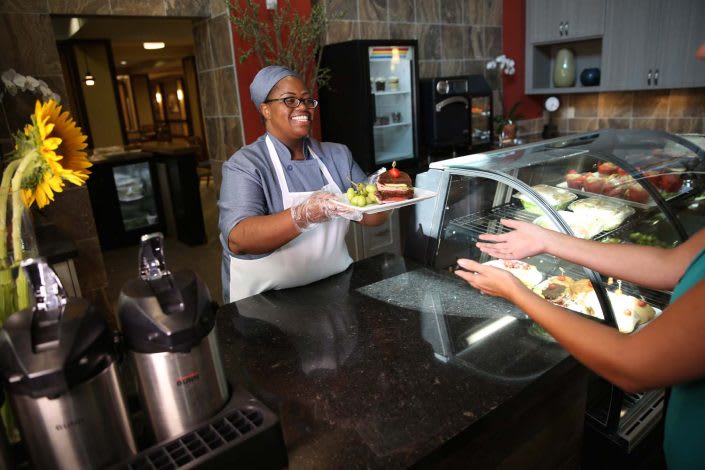
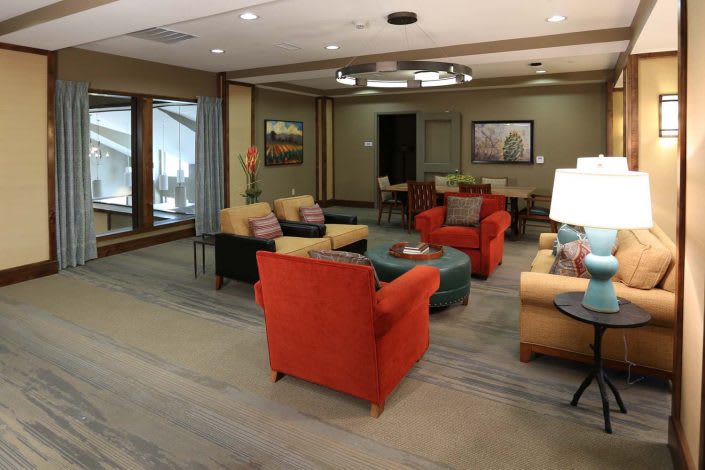
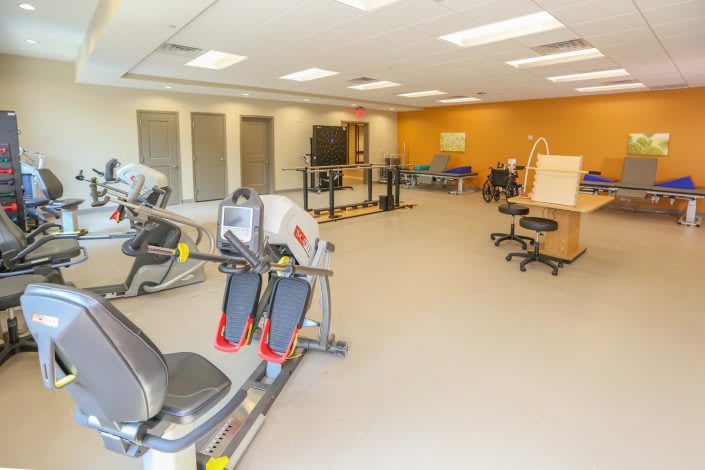
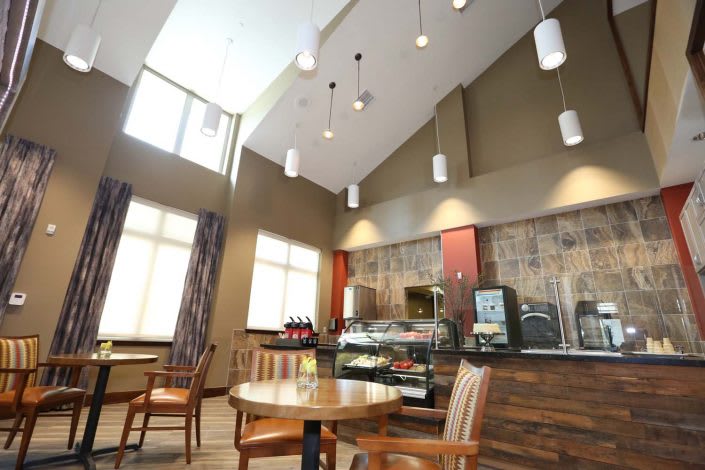
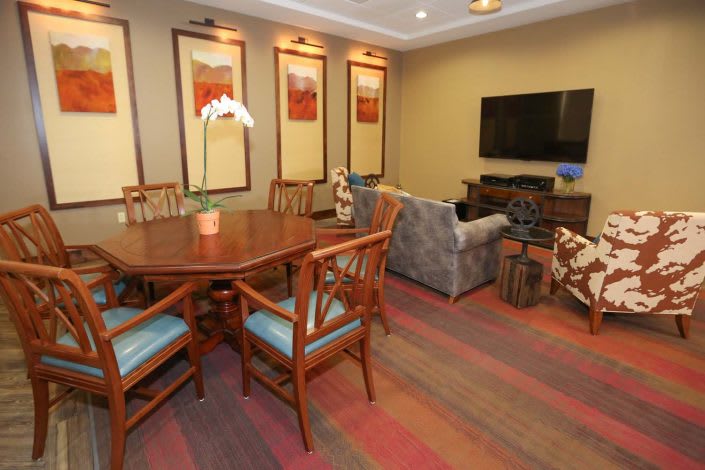
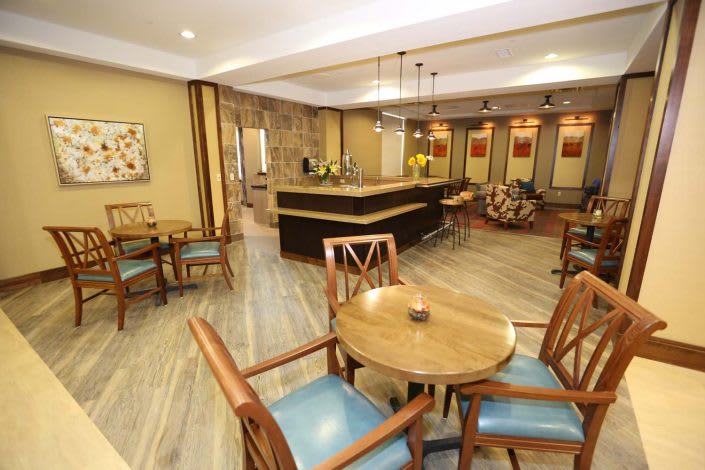
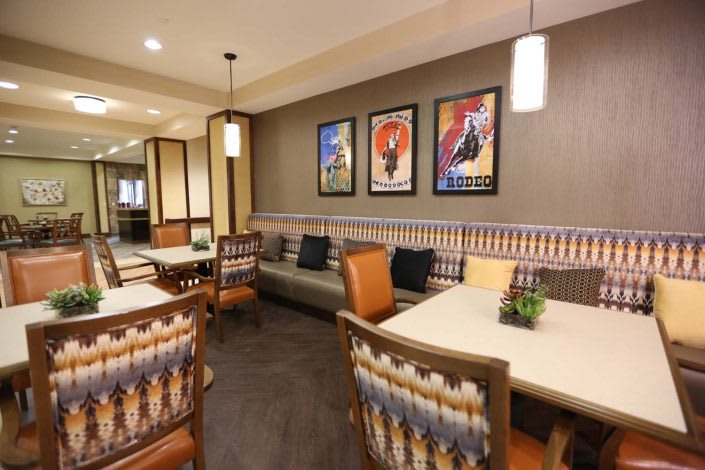
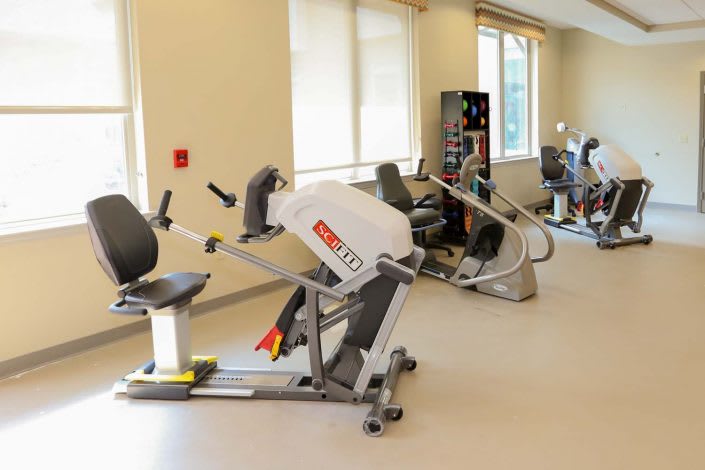
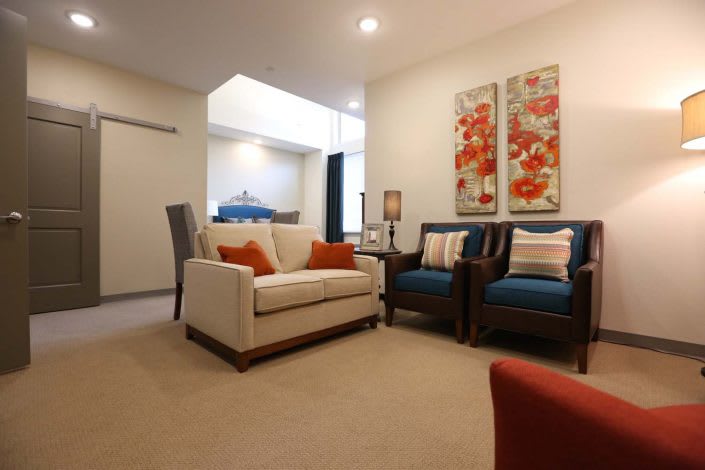
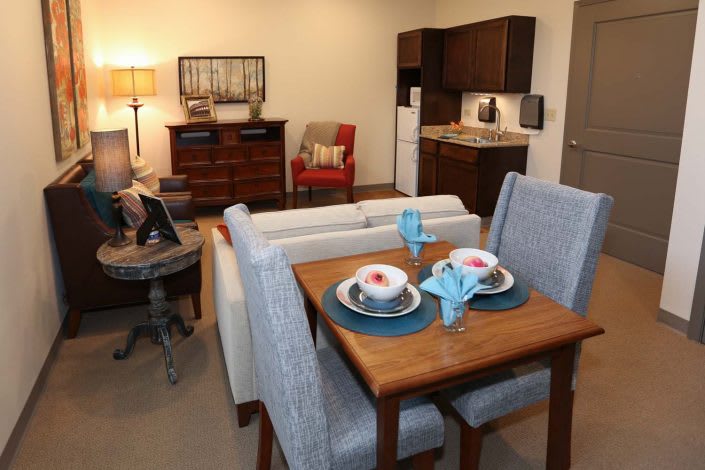
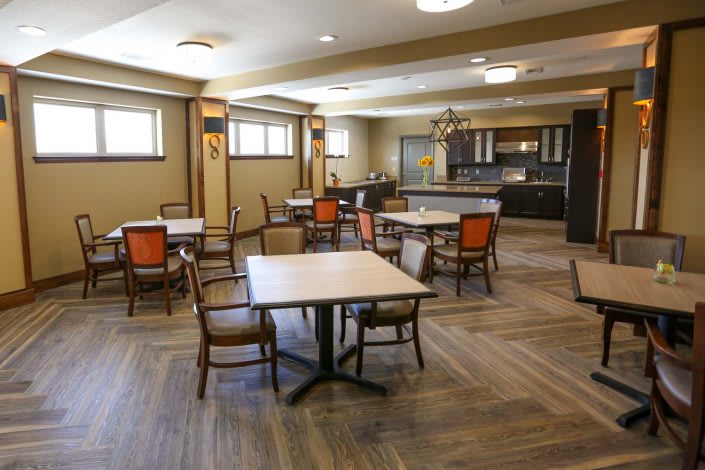
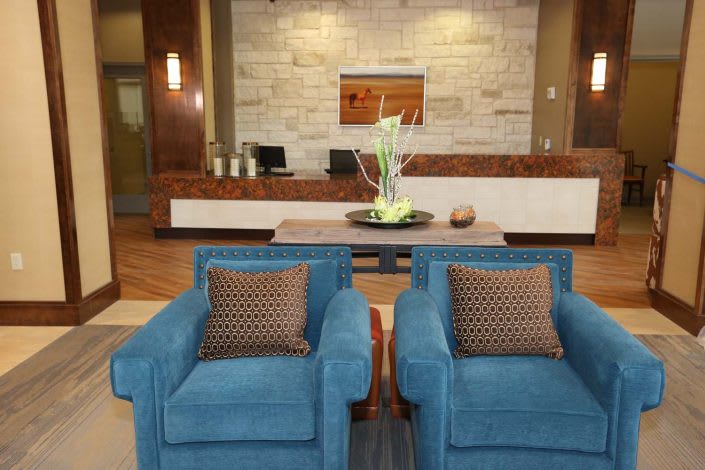
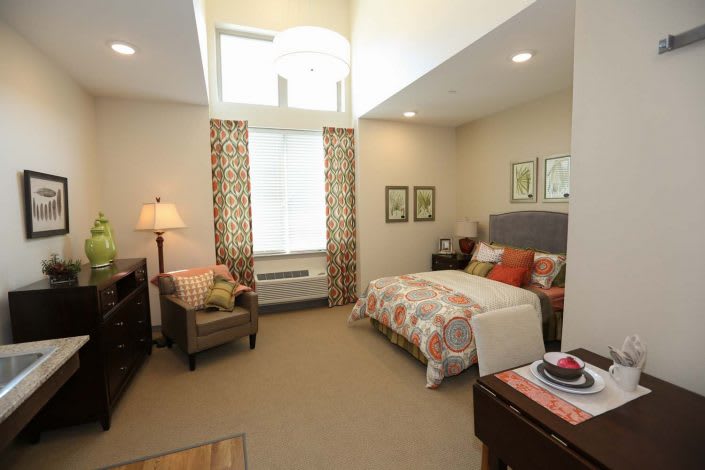
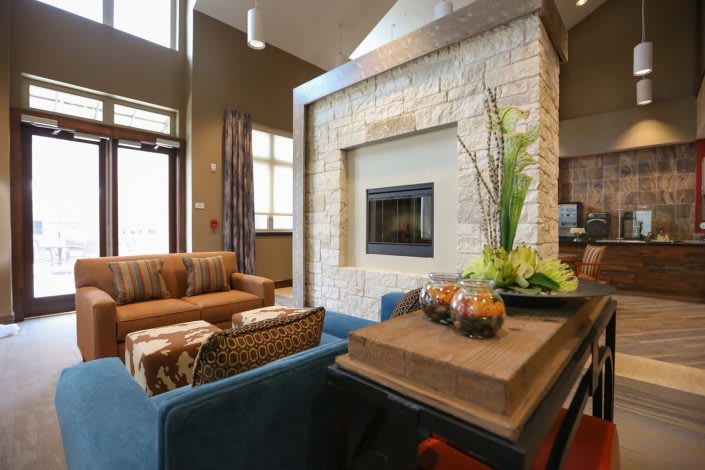
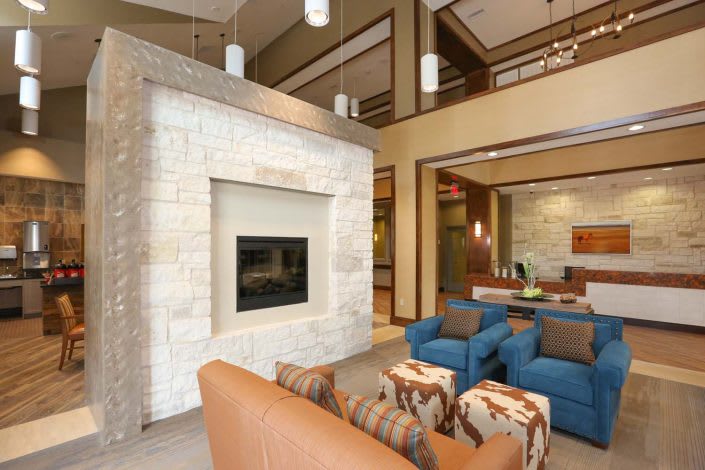
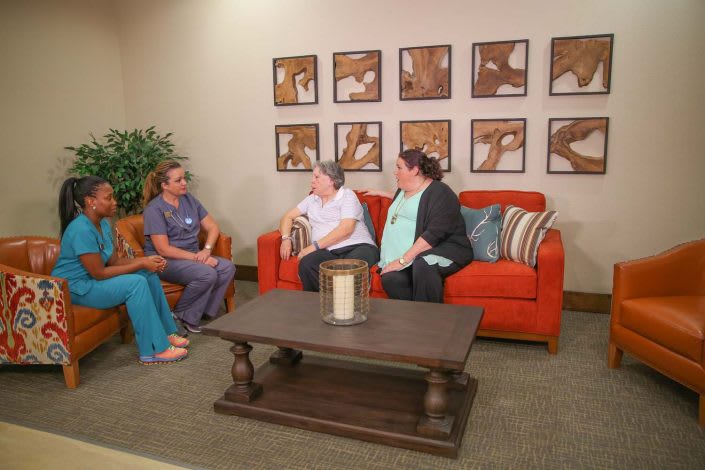
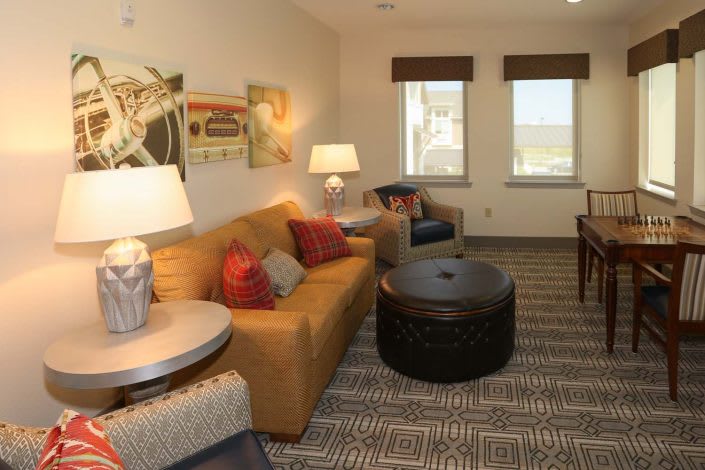
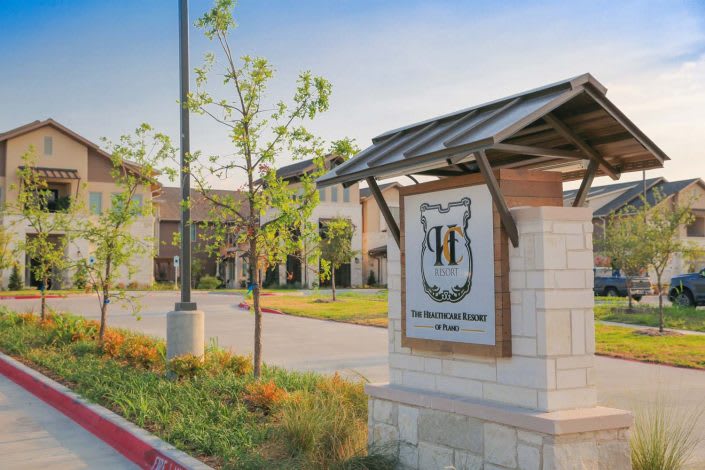
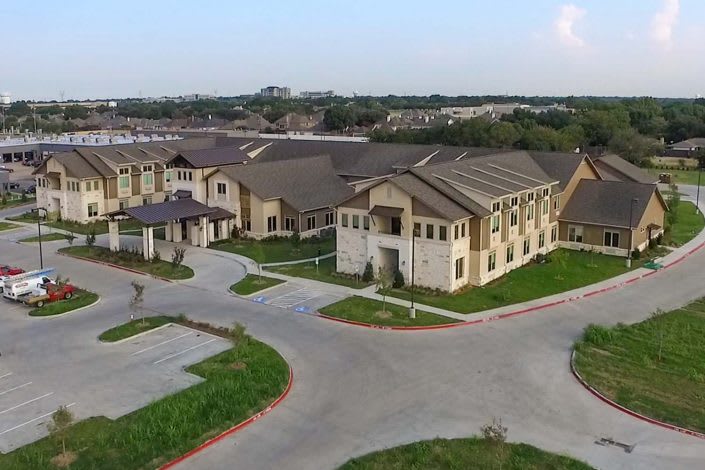
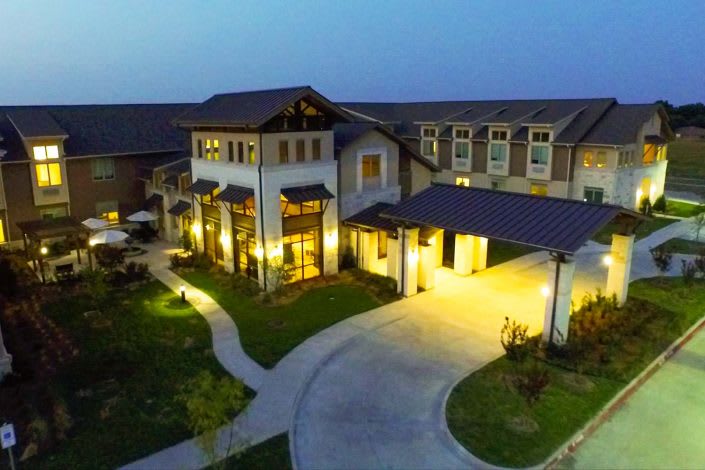
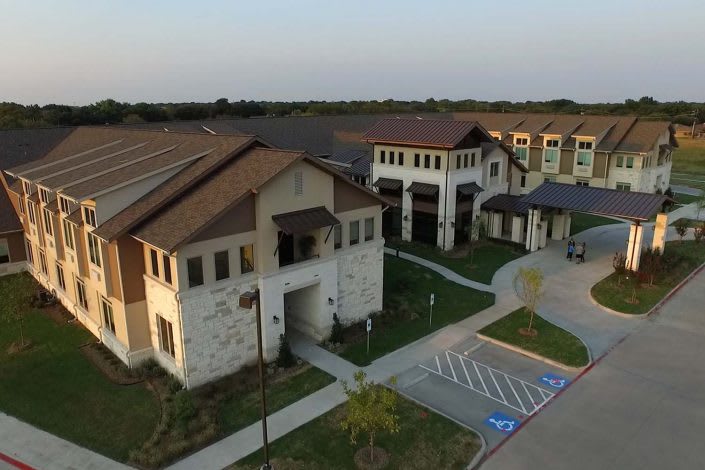
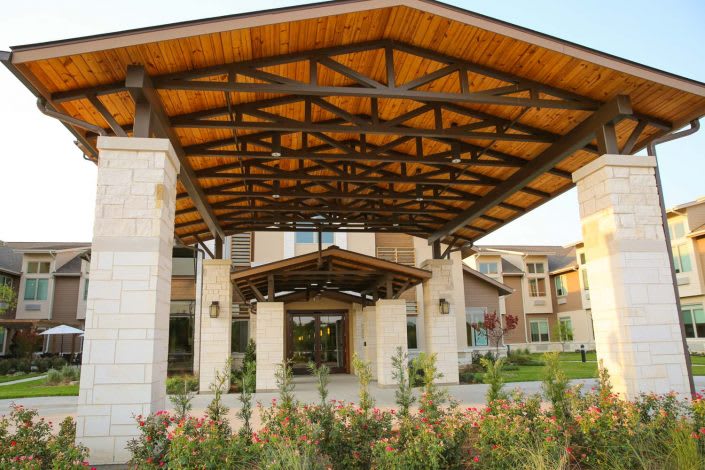
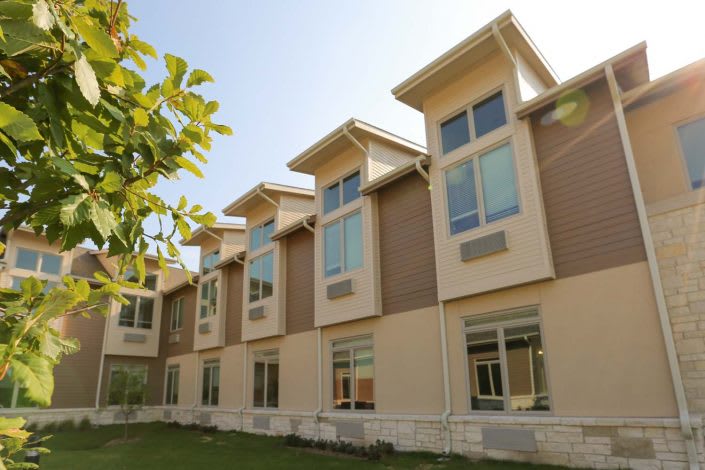
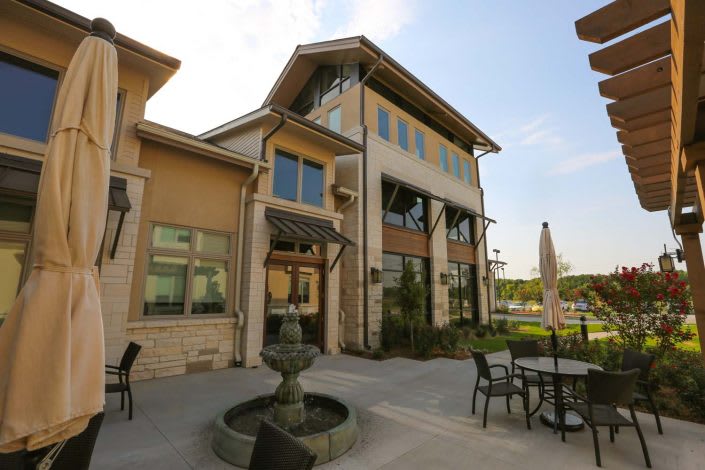
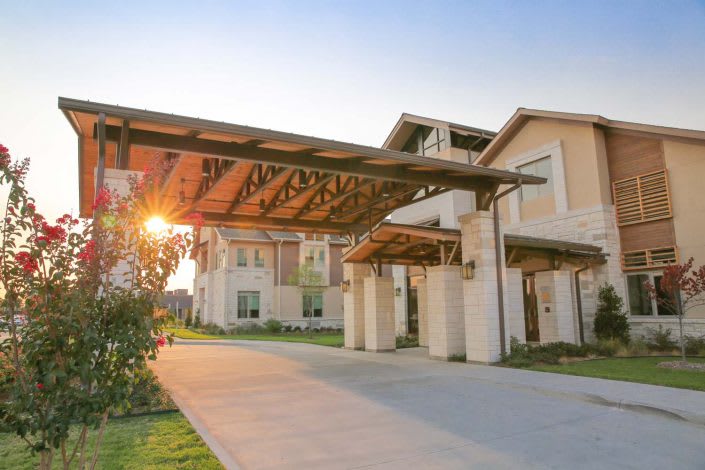
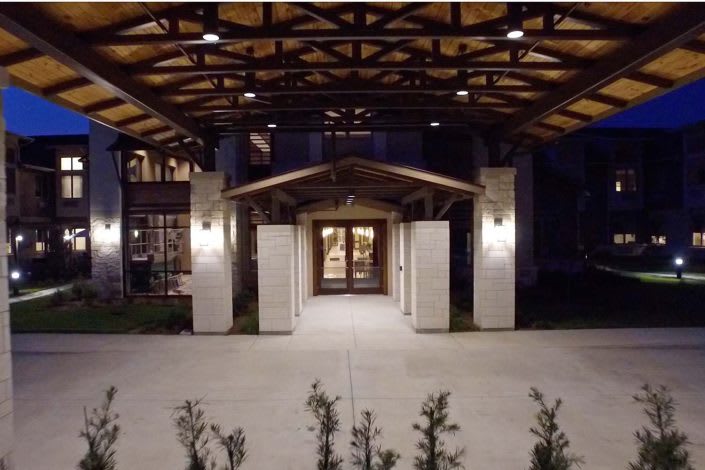
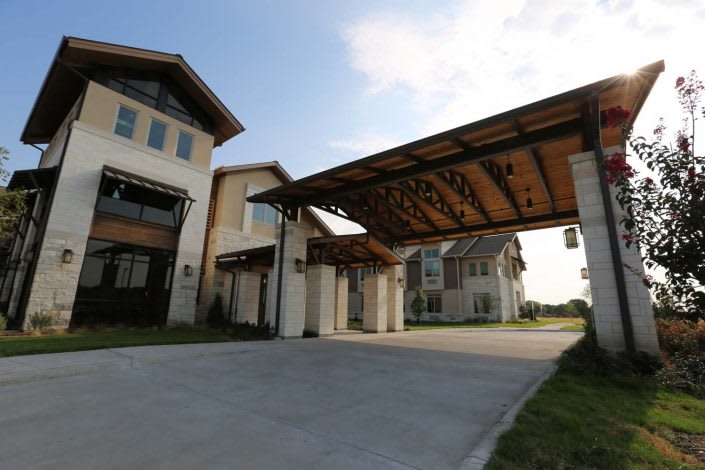
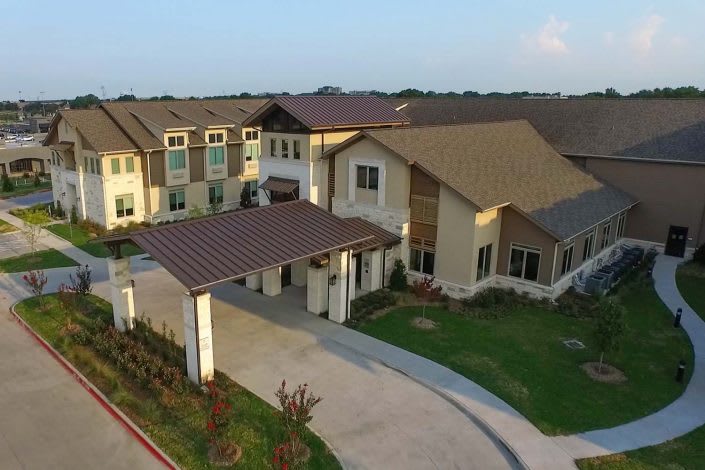
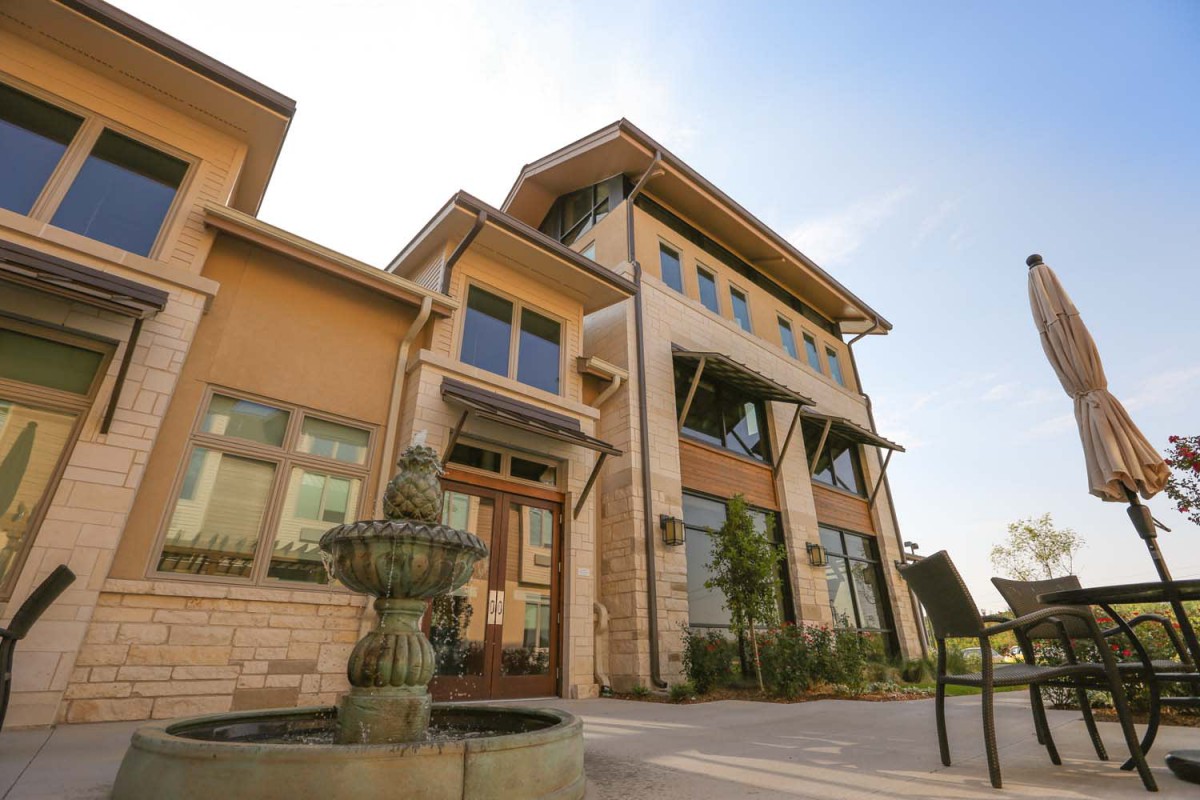
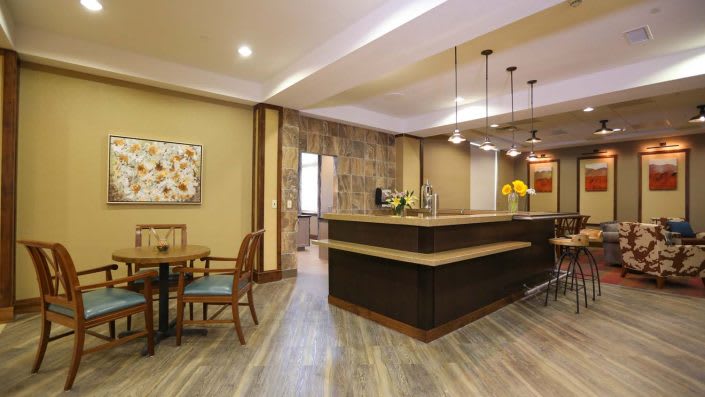
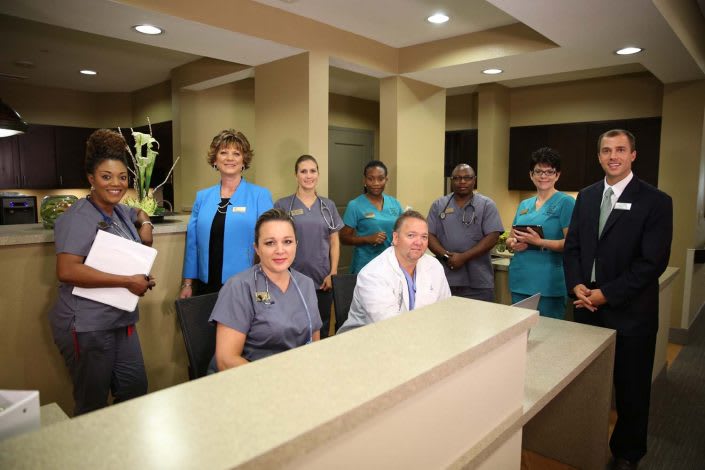
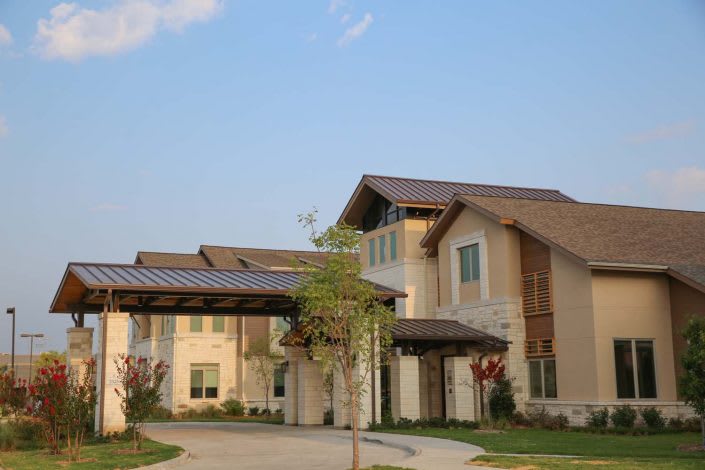
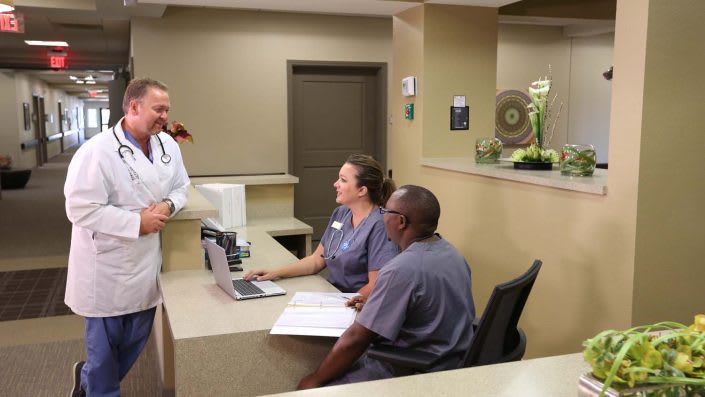
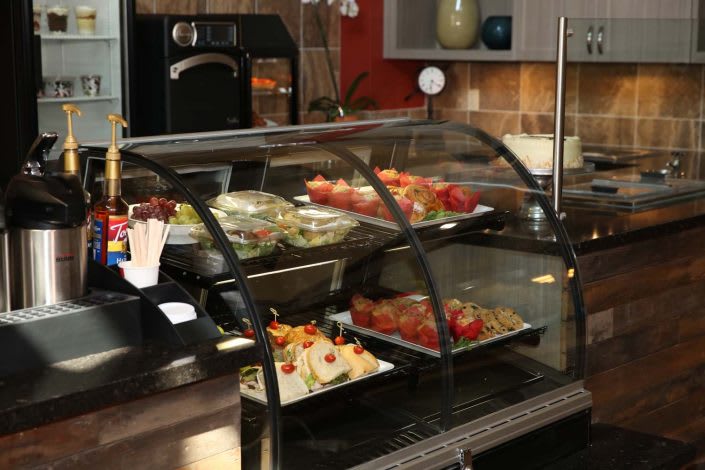
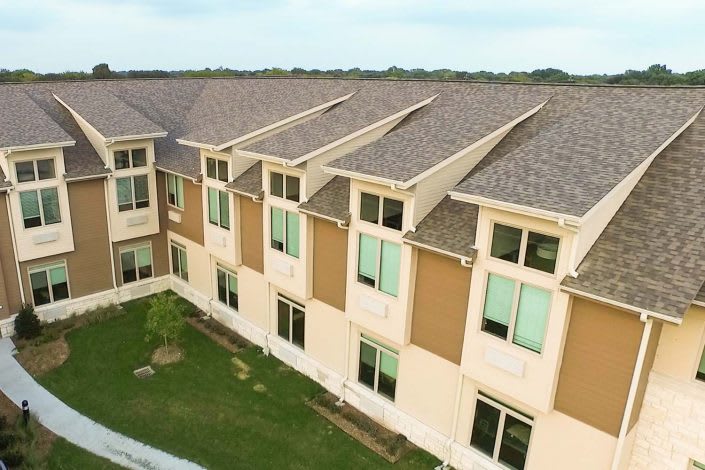
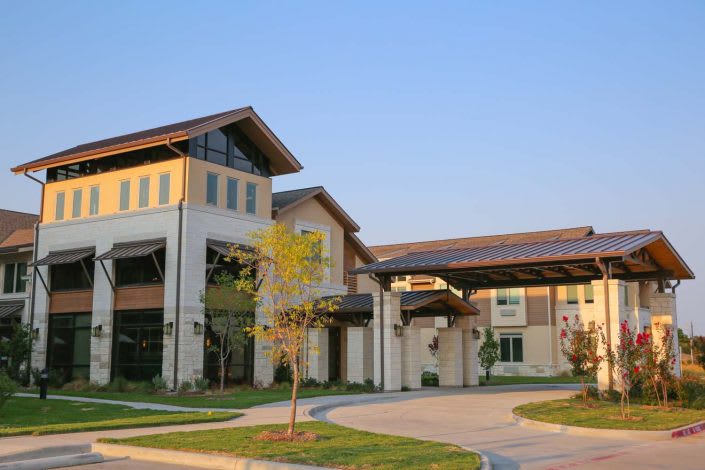
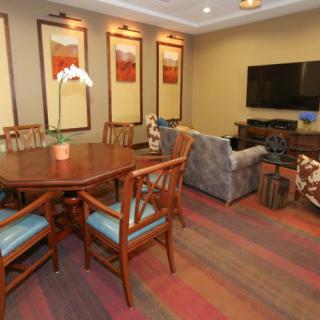
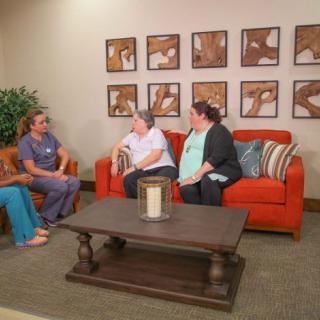
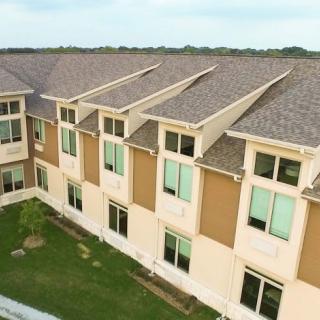
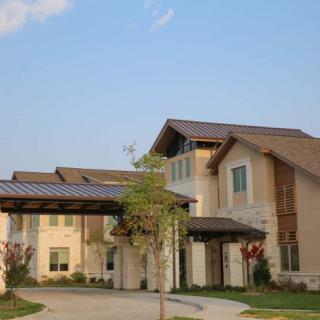
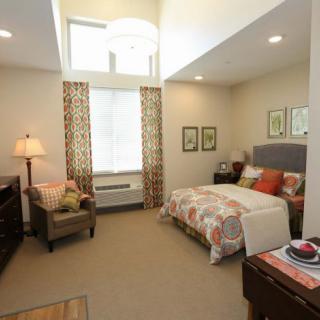
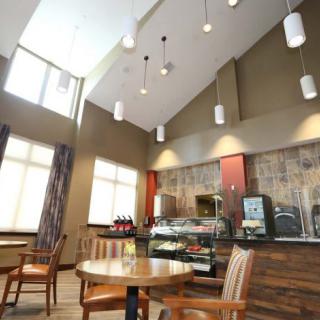
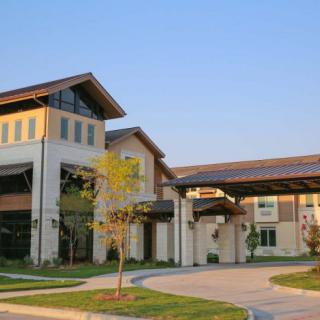
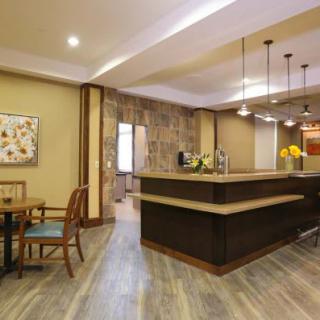
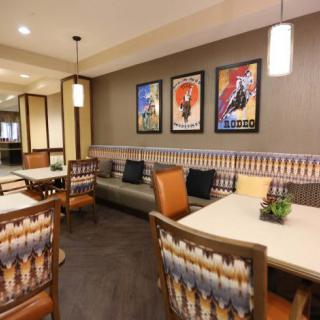
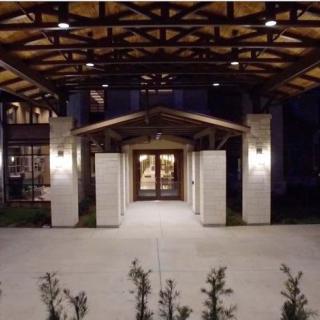
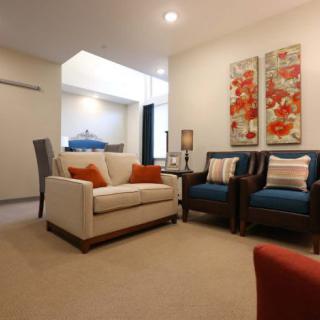
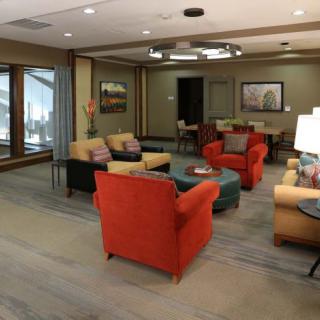
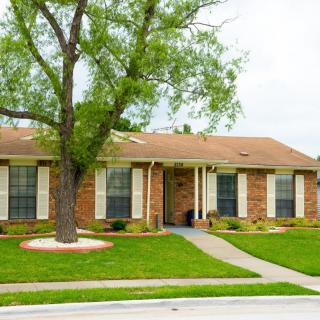
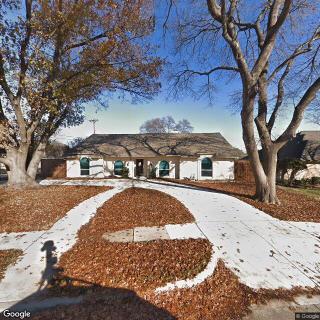
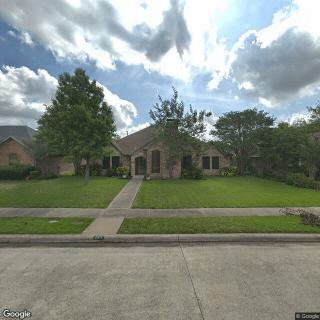
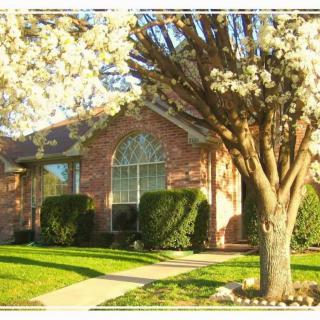
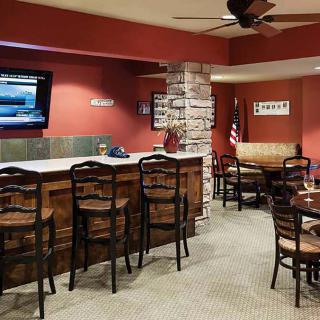
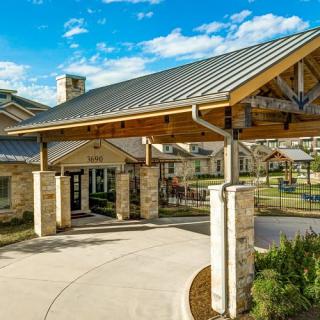
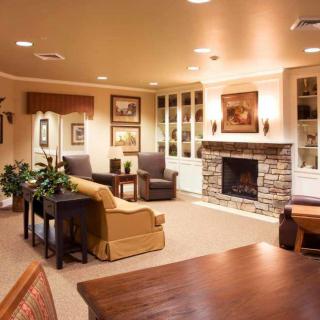
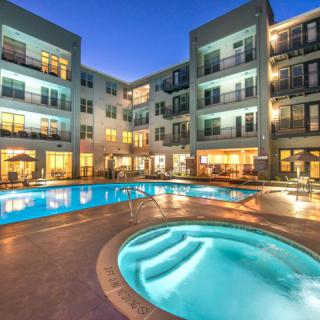
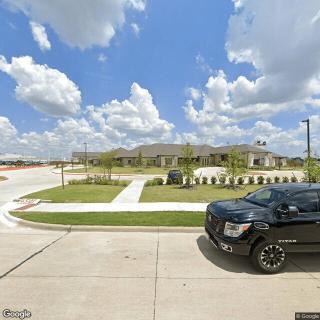
The Healthcare Resort of Plano on seniors.fyi includes 41 photos including images showing interior, architecture, building, dining, landscaping, decor, living room, exterior, and more.
Nearby Communities
Evergreen at Plano
Plano, TX
4.2 from 99 reviews
Active community with spacious, well-kept apartments and friendly staff.
The Orchards at Market Plaza
Plano, TX
4.3 from 52 reviews
$1,900 to $2,299 / month
Caring staff and engaging daily activities.
Atria Canyon Creek
Plano, TX
4.6 from 166 reviews
$2,995 to $3,195 / month
Friendly, engaged community with spacious apartments, quality dining, and a wide range of activities.
Anthology Of Plano
Plano, TX
4.6 from 137 reviews
$3,710 to $6,900 / month
Clean, modern facility with friendly staff and engaging activities.
The Auberge At Plano
Plano, TX
4.4 from 95 reviews
Clean, well-maintained memory-care community with attentive staff and engaging activities.
Arbor Hills Memory Care
Plano, TX
4.7 from 101 reviews
$5,500 to $7,300 / month
Warm, communicative staff with improved leadership and engaging activities.
Overture Plano
Plano, TX
4.3 from 68 reviews
$2,390 to $3,710 / month
Modern, well-maintained facility with friendly staff and attractive amenities.
Highland Springs
Dallas, TX
4.2 from 42 reviews
Luxurious, amenity-rich community with comprehensive on-site care and active social programs.
Carrara
Plano, TX
4.3 from 119 reviews
Caring staff with strong safety practices and improving social activities.
Assisted living in 2025 offers a crucial balance of independence and support for seniors, with costs varying from $2,500 to over $7,000 per month based on factors such as location and care level. Understanding pricing complexities, including regional differences and potential hidden fees, is essential for families to plan financially while ensuring quality care for their loved ones.
The guide outlines the complexities of Medicaid coverage for assisted living, highlighting significant state-to-state variations, limited coverage often restricted to personal care services, and the existence of specialized waivers for certain needs like memory care. It advises families to consult local Medicaid offices for options while emphasizing the importance of understanding state-specific regulations and facility policies.
Medicaid coverage for assisted living varies by state and is primarily available to low-income individuals, with eligibility dependent on strict income and asset limits. Some states offer HCBS waivers for specific services in assisted living, but families must generally cover room and board costs, and should verify facility acceptance of Medicaid while considering potential waiting lists.
Get PricingAsk A QuestionSchedule A TourContact Senior Advisor
By clicking submit, you agree to our Partner's Terms of Use. You
also consent to receive calls and texts, which may be autodialed, from our Partner. Your consent is not a condition to
using our Partner's service. Please visit our Partner's Privacy Policy for information about their privacy practices.


 Studio apartments
 Assisted Living
 Activities off-site
 Air-conditioning
 Beautician on-site
 Cable or satellite TV
 Devotional services on-site
 Dining room
 Handicap accessible
 Housekeeping services
 Indoor common areas
 Kitchenette
 Laundry
 Outdoor common areas
 Party space
 Resident parking
 Respite or short term stays offered
 Wheelchair accessible showers
 Wi-Fi/high-speed internet available
 Dallas Love (13 miles away)
 Ambulatory care
 Diabetic care
 High acuity care
 Incontinence care
 Meal preparation and service
 Medication management
 Physical therapy
 Art classes
 Catholic services
 Cooking classes
 Educational speakers / life long learning
 Fitness programs
 Jewish services
 English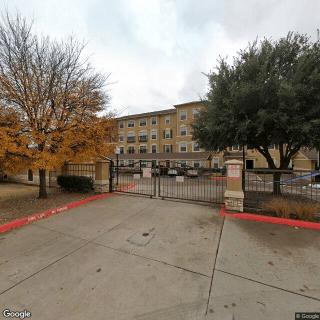
 Active community with spacious, well-kept apartments and friendly staff.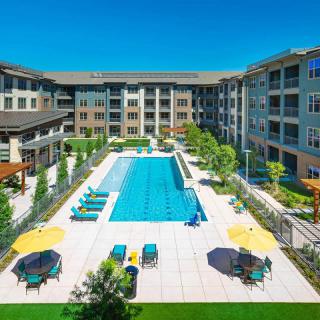


 Understanding the True Cost of Assisted Living in 2025: A Comprehensive Guide
 Understanding Medicaid Coverage for Assisted Living: A Comprehensive Guide
 How and When Medicaid May Cover Assisted Living Costs