
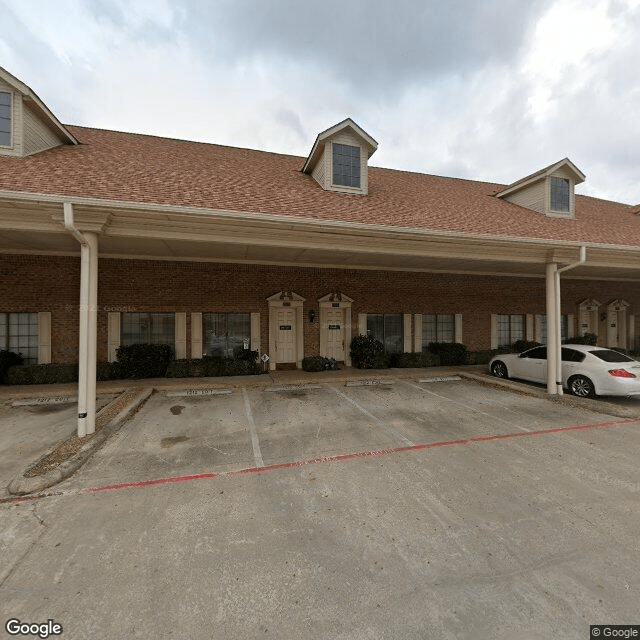
1212 Coit Rd, Ste 109, Plano, TX 75075
To contact a resident: (972) 596-0124
For more information about senior living options: (866) 208-4318
Overall Review of SYNERGY HomeCare of NW Dallas
Pros
 The SYNERGY HomeCare team takes initiative to explain VA benefits eligibility and matches the best caregiver for a loved one.
- All team members are courteous, compassionate, and effective in addressing needs and concerns.
- SYNERGY HomeCare has greatly improved the happiness, health, and quality of life of the person they care for.
- Damaris is described as an angel on earth—kind, knowledgeable, and a steadfast advocate for her client.
- Dr. Syed is a listener, a problem solver, and a professional in geriatric care.
- The agency is a godsend, providing compassionate care seven days a week and going above and beyond.
- Caregivers are reliable, respectful of autonomy, and encourage exercises and healthy routines.
- The administrative team regularly checks in for feedback and acts on recommendations to improve care.
Review
This community is best suited for families who want high-touch, at-home senior care with medical-grade support and continuity. It excels when a loved one needs personalized caregiving that can adapt to complex medical needs, memory-care challenges, and post-acute recovery while staying in their familiar surroundings. When the goal is to preserve autonomy, dignity, and daily routines, this provider consistently delivers caregivers who are not only capable but genuinely engaged, an advantage that translates into improved happiness, health, and quality of life.
Those considering alternatives should weigh whether a facility-based setting with built-in social programs and 24/7 onsite nursing better matches their priorities. If the choice hinges on a robust social calendar, structured daily activities, or the security of a full-time clinical team in a centralized location, an assisted living community or dedicated memory-care campus may be preferable. Budget pressures also matter: even with notable value and benefits, some families may find facility-based options more predictable in pricing or easier to compare against other long-term care investments.
The strongest pros center on human touch and responsive coordination. Caregivers are repeatedly described as compassionate, reliable, and capable of managing profound needs, whether assisting with daily living tasks, helping with wound care, facilitating exercise routines, or supporting complex regimens for conditions like LVAD and cardiac drips. Administrative leadership, especially Dr. Syed, and the hands-on involvement of the office team translate into a governance style that listens, problem-solves, and acts quickly to refine care plans. Families benefit from proactive communication, with regular check-ins and a sense that the agency treats clients as part of a family partnership rather than just recipients of services. The option for 24/7 coverage further reinforces stability during transitions or sudden changes in condition.
The main cons are practical, not philosophical. This is a home-based service, so it inherently lacks the built-in social milieu and on-site amenities of a traditional senior-living community. For some households, that social dimension matters; they may prefer a facility where daily activities and peer interaction are baked into the model. Cost sensitivity is another consideration, as comprehensive at-home care with high-caliber caregivers and medical coordination can be substantial, though many reviews note the value of the service and the availability of benefits, including VA-related eligibility, that help offset expenses. And while the reviews largely describe steady caregiver performance, a single low rating underscores that no option is perfectly uniform and that occasional fluctuations in staffing or communication can occur.
Yet the positives more than counterbalance these drawbacks. The in-home model minimizes hospital readmissions and infection risk by keeping the loved one in a familiar environment, an especially meaningful factor for memory-impaired patients and those with delicate medical needs. The team’s ability to tailor care around doctors, physical therapy, and dietary guidelines creates a seamless continuum that families often rely on during challenging periods. Caregivers who become trusted extensions of the family, sharing meals, encouraging activity, and providing a reassuring presence, tend to stabilize routines and preserve dignity in daily tasks. The combination of hands-on caregiving, medical coordination, and regular family feedback creates a dependable system that most families find worth the investment.
In practical terms, families evaluating this option should begin with a clear picture of goals: is home-bound care to support independence and gradual decline, or is it to bridge a hospital-to-home transition with 24/7 coverage? Key steps include arranging an in-home assessment to calibrate staffing needs, confirming caregiver specialties for dementia or advanced medical devices, and verifying the coordination channels with the medical team. Price transparency matters; discuss what’s included, what constitutes extra charges, and how benefits (such as VA eligibility) may apply. For families prioritizing a social, campus-based setting, compare with assisted living alternatives that emphasize peer interaction and structured programming. For those prioritizing home-based dignity and medical alignment, this provider stands out as a seasoned, capable, and deeply committed partner.
 Dallas Love (13 miles away)





 Compassionate Conversations: How to Comfort Someone Who Is Grieving
 Home Health Care Aides: Understanding Their Role and Supporting Your Family
 Urinary Tract Infections in Older Adults: Comprehensive Insights on Symptoms, Treatment, and Prevention