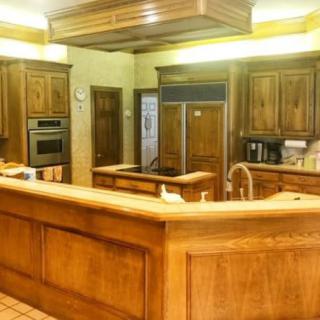

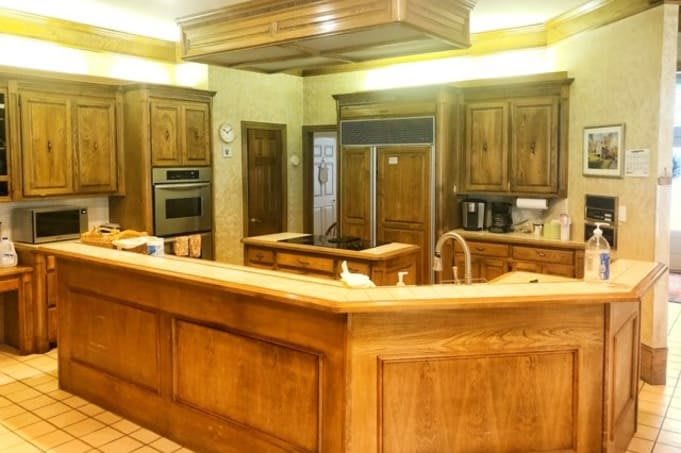
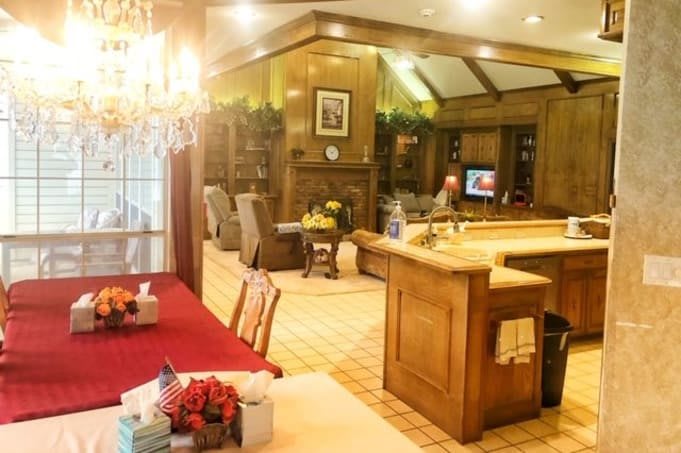

3453 Hearst Castle Way, Plano, TX 75025
For more information about senior living options: (866) 208-4318
Overall Review of North Texas Personal Care Homes
Pros
 This facility is a great place with very friendly staff.
- The care that my mother got here was unbelievable.
- The knowledge and friendliness of the nurses was wonderful.
- The care team treats residents like family.
- In this community, the director was absolutely amazing.
- The level of personal attention and concern was really genuine.
- Their staff is very helpful and friendly.
Cons
 The service is unreliable.
- They arrive hours late or don’t arrive at all despite a two-hour window.
- Scheduling is awful.
- They always have an excuse.
- The reviewer would not recommend this service.
- The staff needs to be more compassionate toward residents.
- The food lacked variety and was unsatisfactory.
- Communication with the staff was not good.
Review
North Texas Personal Care Homes in Plano is best suited for families seeking a warm, home-like assisted living experience where everyday life centers on personal attention, affectionate staff interactions, and a clean, inviting environment. This community excels for residents who want a facility with a strong sense of community, where caregivers treat residents with genuine kindness and families feel connected through regular updates and visible staff involvement. The setting is visually appealing, with well-kept spaces and an active calendar of activities that keep residents engaged and social. It is the kind of place that rewards families who prioritize a nurturing atmosphere and tangible daily warmth over formal protocols or clinical rigidity.
Those who may want to consider alternatives are the ones who rely on meticulous scheduling reliability or require steady, high-level medical oversight. A recurring concern in reviews is inconsistent scheduling and late or missed visits, sometimes without timely communication. For families whose loved ones need highly predictable service windows, or who require robust nursing coverage, this is a material risk. Additionally, while the overall dining experience and staff compassion are praised, a few residents and families raise questions about meal variety and sustained, pervasive empathic consistency. In short, this community shines in heart and hominess, but may not be the first choice for those whose top criteria are flawless logistics and clinical intensity.
The strongest pros here are the human factors that turn a house into a real home. The care team is repeatedly described as friendly, knowledgeable, and deeply invested in residents’ well-being, with several accounts praising the level of personal attention and genuine concern from leadership. The director’s participation and willingness to go the extra mile, finding appropriate meals and staying engaged with families, significantly elevate the experience, creating a sense that residents are heard and valued. Cleanliness and a well-kept, aesthetically pleasing environment reinforce comfort and trust. When staff are present, communicative, and enthusiastic about activities, the community delivers a daily rhythm that many families value highly, offsetting less predictable administrative moments with consistent warmth.
Yet the cons are not trivial. The most consequential is the scheduling instability, which disturbs routines and erodes confidence in dependable service. This friction is sometimes paired with uneven communication, leaving families uncertain about appointment windows or care updates. A smaller, but real, note is that not every resident experiences the same level of daily compassion or variety in dining options, hinting at gaps that can matter to food-conscious or emotionally sensitive residents. The fact that a director and staff are aware and committed to improvement, while encouraging ongoing feedback, helps, but it does not erase the potential for disruption in day-to-day operations. These inconsistencies are the clearest warning signs for families weighing this option.
To make a well-informed decision, prospective families should verify several practical safeguards before moving in. Ask for a transparent schedule policy with defined visit windows and a documented protocol for delays or no-shows, along with a reliable method for real-time updates. Request an opportunity to meet the primary care team and the on-site director, and seek recent references from current residents’ families who can speak to consistency over time. Inquire about meal planning, whether there is flexibility for dietary preferences, and review the activity calendar to ensure offerings align with loved one’s interests. Finally, propose a short-term stay or trial period if possible, to observe how scheduling, communication, and daily care actually feel in practice.
Bottom line: North Texas Personal Care Homes delivers a compelling, person-centered experience anchored in a welcoming, well-maintained setting and a caregiving team that genuinely treats residents like family. It is a strong fit for families who prize warmth, personal connection, and an active social life, and who can tolerate the occasional scheduling hiccup with an expectation of prompt, attentive follow-through. For those whose top priorities are flawless scheduling reliability, relentless administrative consistency, or intensive medical oversight, alternatives with stronger, more rigid systems may be preferable. When leadership is engaged and families participate actively in the care plan, this community can be an excellent match for the right resident.
 8 resident community capacity
 Assisted Living
 Board and Care Home
 Memory Care
 Respite Care
 Cats allowed
 Dogs allowed
 Activities on-site
 Air-conditioning
 Cable or satellite TV
 Devotional services off-site
 Dining room
 Fireplaces
 Fully furnished
 Garden
 Handicap accessible
 Housekeeping services
 Indoor common areas
 Move-in coordination
 Outdoor common areas
 Private
 Private bathrooms
 Telephone
 Wheelchair accessible showers
 Wi-Fi/high-speed internet available
 Dallas Love (17 miles away)
 24-hour supervision
 Assistance with bathing
 Assistance with dressing
 Assistance with transfers
 Diabetes diet
 Diabetic care
 High acuity care
 Incontinence care
 Meal preparation and service
 Medication management
 Special dietary restrictions
 Transportation arrangement (medical)
 Transportation to doctors appointments
 Birthday parties
 Live dance or theater performances
 Live musical performances
 Protestant services






 Engaging Memory Care Activities That Enhance Quality of Life
 When to Transition from Assisted Living to Memory Care: Key Indicators, Steps, and Finding the Right Community
 Understanding the Distinctions: Assisted Living and Memory Care Explained