
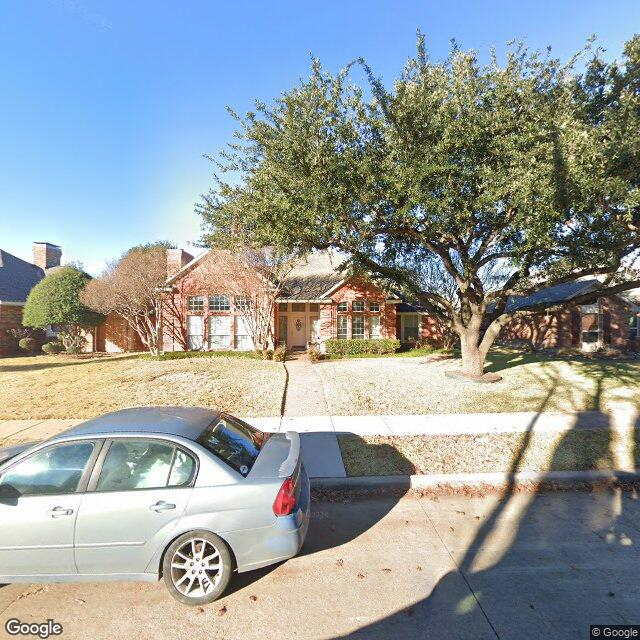
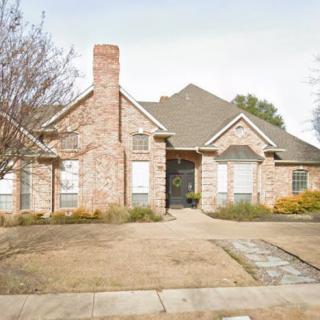
7109 Falcon Drive, Plano, TX 75025
To contact a resident: (972) 618-9603
For more information about senior living options: (866) 208-4318
Assisted Concepts Costs & Pricing
Assisted Concepts offers competitive pricing for its services, positioning itself strategically within the market of Collin County and Texas. For a semi-private room, Assisted Concepts charges $4,000 per month, which is slightly higher than the county average of $3,950 but remains competitive compared to the state average of $3,680. In contrast, their private rooms are priced at $4,400 monthly. This exceeds the costs in both Collin County and Texas overall, where prices stand at $4,324 and $4,096 respectively. Overall, while Assisted Concepts may present higher costs for private accommodations compared to local and state averages, their offerings reflect a commitment to quality care that can justify the premium for many families seeking optimal support for their loved ones.
| Floor plans | Assisted Concepts | Collin County | Texas |
|---|---|---|---|
| Semi-Private | $4,000 | $3,950 | $3,680 |
| Private | $4,400 | $4,324 | $4,096 |
Overall Review of Assisted Concepts
Pros
 The caregivers are loving and know the residents well.
- Pam is a blessing to the family and provides heartfelt, personal care.
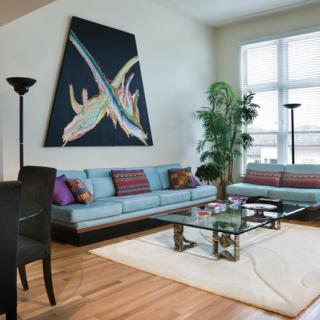
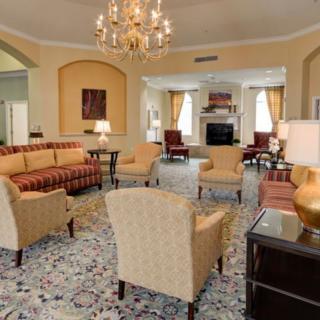
- The homes offer a warm, home-like environment that feels like family.
- The staff deliver compassionate, attentive care that improves residents' lives.
- Families are grateful that Assisted Concepts provides dedicated care beyond what other facilities offer.
- Residents thrive, regain engagement, and enjoy meals and activities.
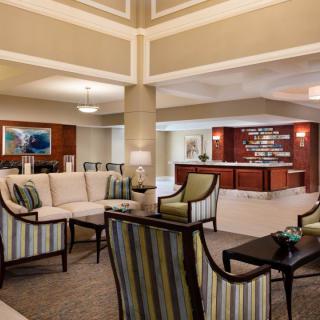
- The facilities are clean, beautiful, well-maintained, and comfortable.
Cons
 The diagnosis by two different hospitals and two different doctors was failure to thrive.
- The other, high-priced facility couldn’t keep good staff.
- They moved their mother from another facility due to neglect and total lack of appropriate care.
- The doctors told her age-90 prognosis that she would be lucky to last another month.
Review
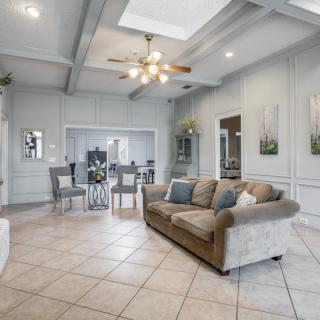
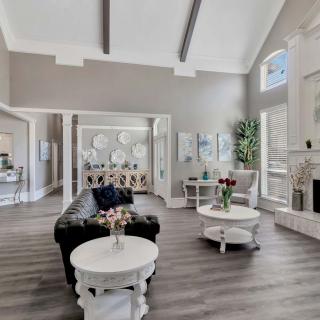
Assisted Concepts is best suited for families seeking a truly home-like assisted living experience where daily care feels intimate, personalized, and emotionally supportive. The distinguishing strength is hands-on leadership from Pam and a caregiving team that readers consistently describe as loving and familiar with residents’ lives. The environment feels less institutional and more like a private residence with dining room conversations around a kitchen table, where staff members know residents by name, history, and preferences. For elders who crave steady companionship, meaningful engagement, and dignity in everyday moments, this community delivers results that are hard to match in larger, more impersonal campuses.
Those who should consider alternatives are families weighing budget against scale and medical intensity. A recurring thread is price and proximity: one reviewer noted the option was more expensive than a comparable nearby choice, while another saw Assisted Concepts as top-tier but nearby competition mattered. For loved ones who require round-the-clock clinical oversight, advanced memory-care programming, or a larger continuum of medical services, a bigger facility with formalized systems may be a better fit. In short, when the priority is clinical breadth, campus size, or cost containment, it is prudent to compare options more broadly.
The key advantages, exceptional caregiver engagement, a home-like atmosphere, and a leadership-driven culture, offset the potential downsides by delivering tangible quality of life gains. Families repeatedly credit the staff’s consistency, compassion, and attentiveness with turning life around for residents who were declining or experiencing isolation. The ability to provide hospice-appropriate care within a small setting translates into personalized attention, not generic routines. The private residence model, paired with home-style dining, accessible activities, and safe outdoor spaces, sustains mobility, conversation, and daily purpose in ways that large facilities sometimes struggle to preserve.
Notable outcomes in the reviews illustrate the practical impact. Residents with dementia and aphasia benefitted from daily stimulus and loving care, maintaining happiness and dignity in the familiar rhythms of a small home. Several accounts highlight dramatic quality-of-life improvements: a nonagenarian who recovered appetite and social engagement, a 94-year-old who regained independence in routine tasks and humor, and a centenarian who celebrated a long life surrounded by a caring community. These stories underscore that the approach here, personal attention, structured routines, and a nurturing family-like culture, can translate into real, measurable well-being for residents in their twilight years.
The program’s practicality is reinforced by clear, everyday amenities: well-maintained grounds, homey decor, nutritious home-cooked meals, and a menu that supports variety and appetite. Physical activity is encouraged through yoga, stationary biking, and safe neighborhood strolls, with ample opportunities for social gatherings and meaningful engagement. Close proximity to hospitals and local services is a practical plus for families navigating medical needs. The standout sentiment remains that this is a place where residents feel seen, cared for, and treated with dignity, an important consideration when families face hard decisions about end-of-life care or ongoing daily support.
Bottom line: Assisted Concepts excels for families who want a compassionate, intimate setting where caregivers know residents deeply and care for them with warmth, patience, and continuity. It is a compelling choice for those prioritizing personal attention, home-like surroundings, and hospice-capable care within a private-residence model. Alternatives are worth exploring for families who need broader medical resources, specialized memory-care programming, or more budget- or distance-conscious options. A direct visit to meet Pam and the caregiving team is essential to verify fit, observe interactions, and assess whether the small-house approach matches the loved one’s values and needs.
 8 resident community capacity
 Assisted Living
 Board and Care Home
 Respite Care
 Activities on-site
 Bath tubs
 Cable or satellite TV
 Dining room
 Financial aid
 Fully furnished
 Garden
 Housekeeping services
 Indoor common areas
 Laundry
 Move-in coordination
 Outdoor space
 Private
 Private bathrooms
 Telephone
 Wi-Fi/high-speed internet available
 Dallas Love (17 miles away)
 24-hour supervision
 Assistance with bathing
 Assistance with dressing
 Assistance with transfers
 Diabetes diet
 Diabetic care
 High acuity care
 Hospice care
 Incontinence care
 Meal preparation and service
 Medication management
 Special dietary restrictions
 Transportation arrangement (medical)
 Transportation to doctors appointments
 Christian services
 English
 Understanding Medicaid Coverage for Assisted Living: A Comprehensive Guide
 How and When Medicaid May Cover Assisted Living Costs
 A Detailed Exploration of Assisted Living Medicaid Waivers Across the United States