For more information about senior living options: (866) 208-4318
4.7 from 115 reviews
5 stars
107
4 stars
0
3 stars
0
2 stars
1
1 stars
7
Overall Review of Dove Tree Ranch
common
Counselors and staff support
Residents and families repeatedly describe counselors and staff as supportive and compassionate.
Many reviewers emphasize that the staff—and specifically counselors—make them feel understood, welcomed, and cared for. Several mention that the team is professional and responsive during treatment, and that support continues after leaving, including with follow-up and ongoing connection. A few also describe individualized attention, including help with mental health concerns and tailored guidance throughout recovery.
common
Food and comfortable living
Food quality and comfortable surroundings come up often in residents’ accounts.
A recurring theme is that meals are a bright spot, with multiple reviewers calling out consistently good food. Several also describe the living environment as comfortable and designed to feel more like home than an institutional setting. Taken together, the reviews connect day-to-day comfort—food plus the feel of the space—with feeling able to focus on recovery.
differentiator
Aftercare and alumni connection
Residents describe ongoing support through alumni-style involvement after treatment.
Beyond in-house programming, reviewers frequently mention staying connected after completing treatment. Multiple accounts describe an alumni or sober-community approach that helps people keep building relationships and attending ongoing gatherings or meetings. For families and returning clients, this aftercare connection is presented as part of what helps them maintain sobriety after leaving.
common
Recovery programming and groups
Group sessions, counseling, and structured tools are commonly credited for progress.
Several reviewers describe receiving tools, instructions, and structured support through group sessions and counseling while they were in the program. Accounts include people learning coping strategies, working through underlying issues, and getting guidance that continues to matter in real life after discharge. A few also mention peer connection and support groups as part of the overall recovery experience.
caveat
Safety and billing concerns
Some reviewers raise serious concerns about safety handling and business follow-through.
While many reviews are positive, a small set describe negative experiences related to safety and accountability during difficult situations. Others also raise issues about billing or administrative responsiveness, including claims of being overcharged or not receiving expected items during detox. These concerns stand out because they involve protection and follow-up when something goes wrong, not just day-to-day preferences.
common
Nearby medical and dining options
The area includes multiple clinics and everyday stops within about nine miles.
Reviewers don’t focus much on location, but the surrounding area offers access to nearby physician and hospital options. There are also familiar dining and pharmacy stops in the same general radius, which may be useful for errands when needed. Nearby parks and other public places are also present within the broader area.
How we summarize
We summarize when many written reviews mention each theme; a review can touch several themes, and only frequently mentioned themes are displayed.
Maintaining cognitive fitness through engaging in various brain games, both traditional and digital, is crucial for seniors as it enhances memory retention, problem-solving abilities, and emotional well-being while helping to protect against age-related decline. A holistic approach that includes diverse activities, physical exercise, a balanced diet, and social interaction further supports mental health and cognitive function.
The article outlines strategies for keeping seniors' minds active through brain games and apps, highlighting the importance of cognitive exercises, social engagement, and a healthy lifestyle in combating cognitive decline. It emphasizes the benefits of various types of games and offers practical tips for maintaining mental wellness through enjoyable activities while acknowledging their limitations.
The VA Aid and Attendance program offers financial assistance to veterans needing help with daily activities due to health issues, available through a pension for low-income wartime veterans or an allowance for 100% disabled individuals. Eligibility depends on medical documentation of care needs and navigating guidelines about income and service history, with funds being usable for various healthcare-related expenses.
Get PricingAsk A QuestionSchedule A TourContact Senior Advisor
By clicking submit, you agree to our Partner's Terms of Use. You
also consent to receive calls and texts, which may be autodialed, from our Partner. Your consent is not a condition to
using our Partner's service. Please visit our Partner's Privacy Policy for information about their privacy practices.

 Board and Care Home
 Lubbock International (4 miles away)
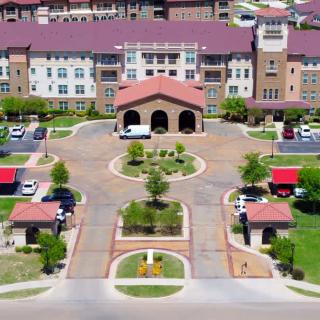
 Fully furnished apartments with restaurant-style dining, housekeeping, medication management, and a mental wellness program.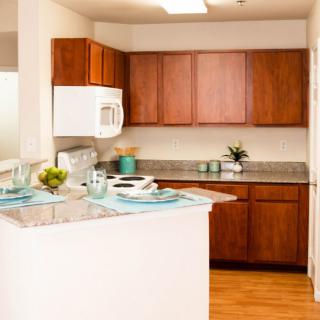



 Engaging Brain Games and Innovative Apps to Keep Senior Minds Active
 Effective Strategies for Keeping Seniors' Minds Active: A Deep Dive into Brain Games and Apps
 In-Depth Look at the VA Aid and Attendance Program