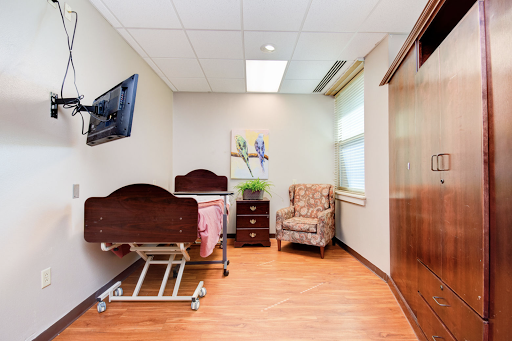
Residents and visitors frequently describe the building as very clean and well maintained.
Many reviewers mention cleanliness as one of the first things they notice, from the check-in experience to the day-to-day upkeep. Several also describe the facility as well kept and suggest the environment feels cared for. A few reviewers raise concerns about specific hygiene and infection prevention, but those are in the minority compared with the repeated cleanliness comments.
common18 reviews mention this
Kind, responsive nursing support
A common theme is staff members being friendly, patient, and quick to help with day-to-day needs.
Across many reviews, residents and family members describe nurses and aides as approachable, respectful, and willing to spend time answering questions. Several reviewers also describe therapy staff and front-office staff as supportive during rehab and longer stays. While there are a few very negative reports about neglect or unprofessional conduct, more reviews describe staff as attentive and invested in residents’ well-being.
differentiator4 reviews mention this
Rehab and memory care needs
Reviews repeatedly mention staff support for dementia and hands-on rehabilitation.
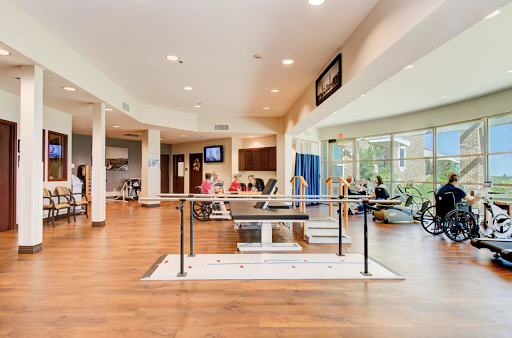
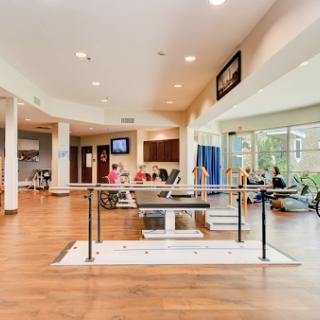
Some reviewers describe care tailored to dementia, including patience with challenging moments and ongoing support from case workers. Others focus on skilled rehab after injuries or hospital stays, with therapy described as helpful for regaining mobility. These comments align with the facility offering both memory care and skilled nursing care types.
common4 reviews mention this
Family communication during care
Several families say they receive updates and help coordinating next steps.
A number of reviewers mention that staff kept family members informed, including updates when the resident’s situation changed or after hospital visits. Case workers and nurses are also described as following up on questions and concerns. In addition to day-to-day check-ins, some reviewers describe staff working to coordinate discharge needs and related services.
caveat3 reviews mention this
Food choices and serving problems
Dining is sometimes described as limited, served too cold, or not accommodating certain dietary needs.
While some reviewers say the food is good or the kitchen provides solid meals, others complain about food being cold or not arriving hot and on time. There are also comments about limited options for residents who cannot or will not eat what is being served. One review specifically calls out concerns about dietary handling for allergies or diabetic needs and the absence of a dietician.
common1 reviews mention this
Nearby medical options close by
The surrounding area includes multiple medical offices within about half a mile.
Reviewers do not discuss local destinations in detail, but the area map shows nearby outpatient and physician options at very short distances. If you want care access nearby, the listing’s immediate surroundings include several medical categories within roughly a few tenths of a mile.
How we summarize
Counts show how many written reviews mention each theme; a review can touch several themes, and only frequently mentioned themes are displayed.
Features
Types of Care
Memory Care
Skilled Nursing Facility
Transportation
Lubbock International (6 miles away)
Care Services
High acuity care
Nearby Places of Interest
Physicians
Texas Tech Physicians-Pediatrics (0.3 miles)
Vascular Surgery (0.3 miles)
Gee Robert Texas Tech Physicians Psychiatry Lubbock (0.3 miles)
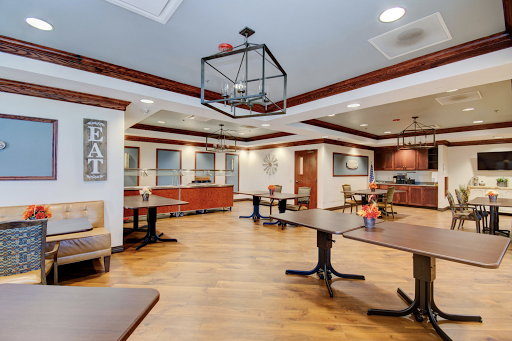
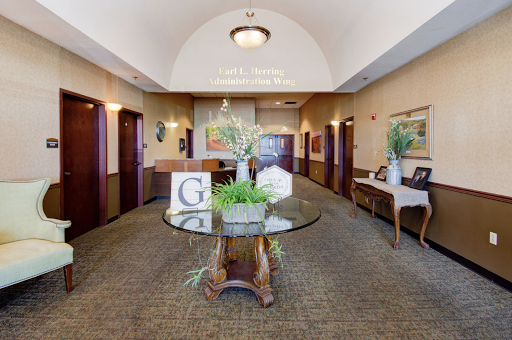
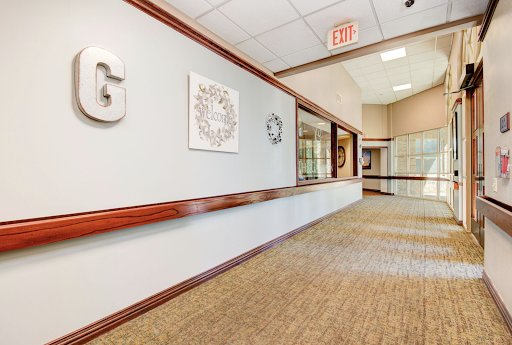
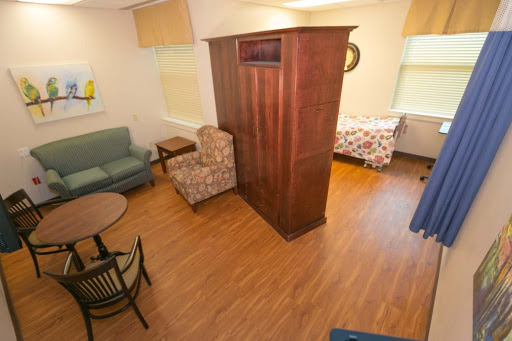
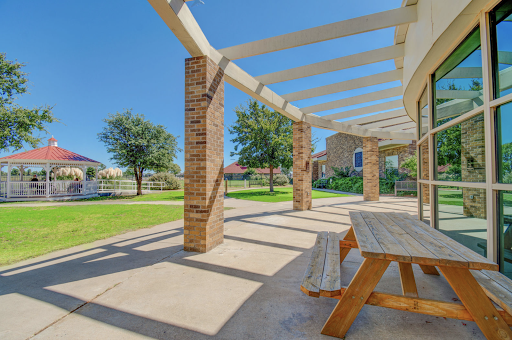
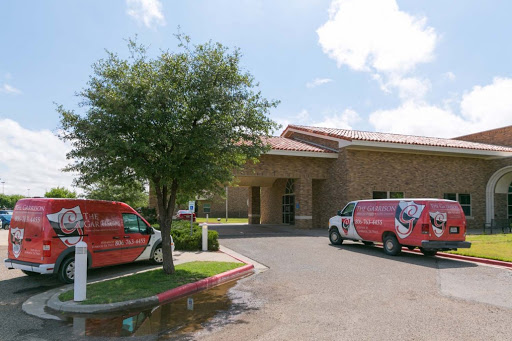
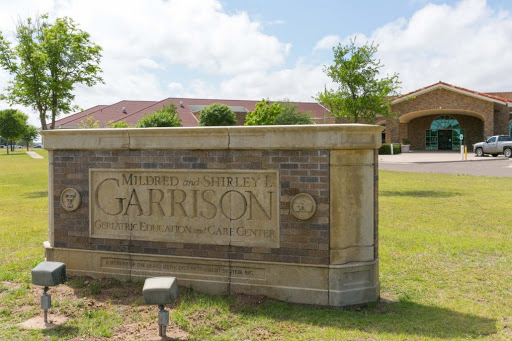
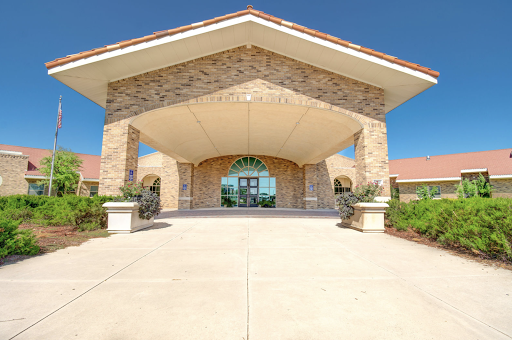
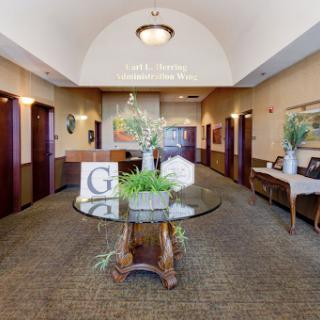
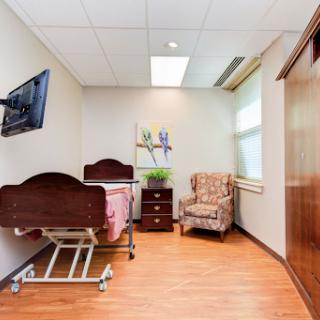
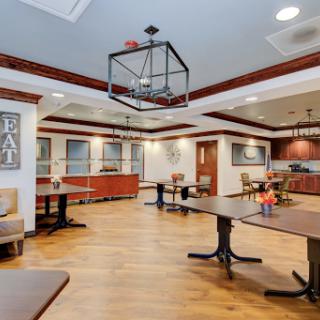
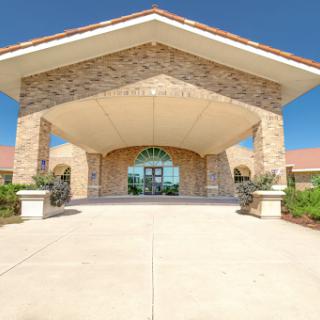
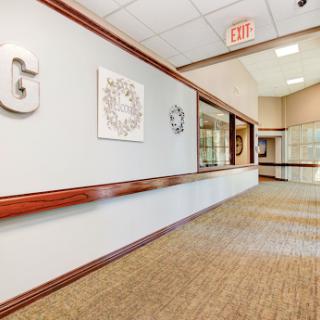
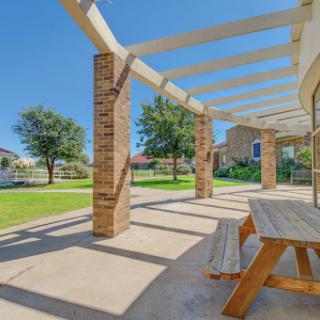
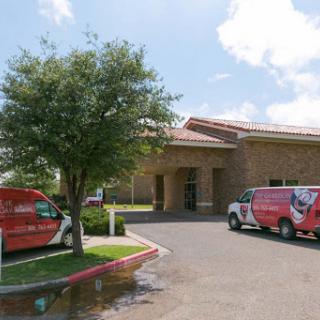
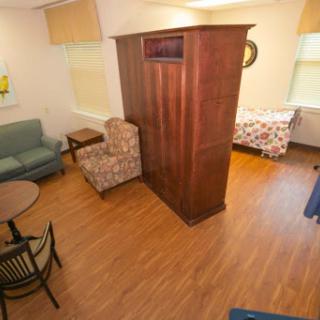
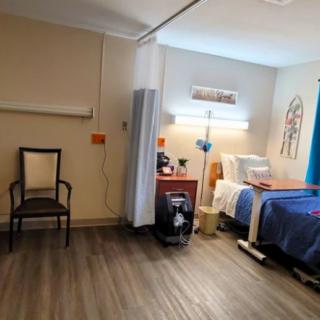
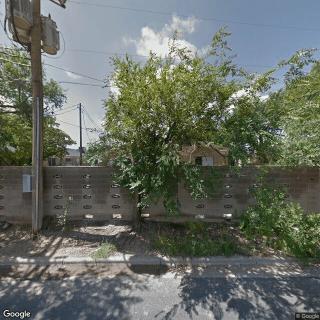
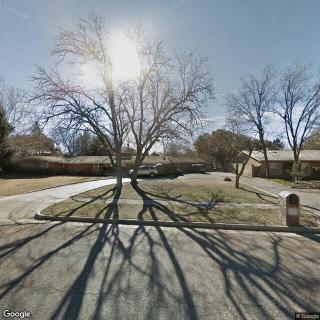
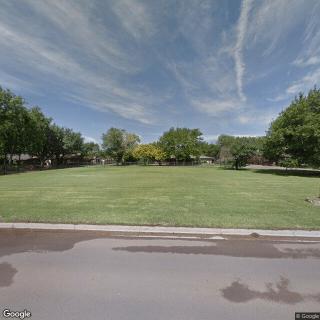
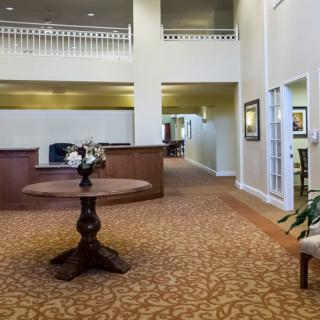
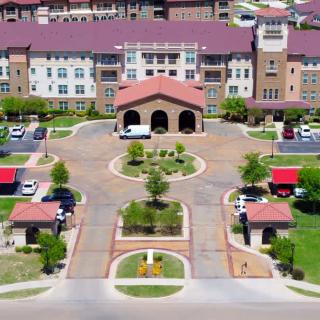
The Garrison Center on seniors.fyi includes 13 photos including images showing landscaping, interior, architecture, building, exterior, decor, outdoor, dining, and more.
Nearby Communities
The Garrison Geriatric Education And Care Center
Lubbock, TX
Extensive on-site amenities and 24/7 care.
Carillon
Lubbock, TX
4.9 from 113 reviews
CCRC with comprehensive care and abundant on-site amenities.
Westway
Lubbock, TX
Small, home-like setting with fully furnished accommodations and ongoing care assistance.
Southern Specialty Rehab & Nursing
Lubbock, TX
4.2 from 100 reviews
Extensive amenities and 24/7 care with comprehensive services (dining, transportation, wellness, activities).
August Healthcare
Lubbock, TX
4.1 from 101 reviews
Excellent access to numerous nearby restaurants, hospitals, pharmacies, and entertainment.
Sisters of Loving Arms
Lubbock, TX
3.3 from 3 reviews
$2,400 to $2,800 / month
Welcoming, family-like atmosphere with communal spaces and meals included.
Manna Acres
Lubbock, TX
2.6 from 5 reviews
$2,500 to $3,000 / month
Affordable, comprehensive assisted living in a small, home-like community with on-site amenities.
Brookdale Remington Park
Lubbock, TX
4.3 from 145 reviews
$3,605 to $9,340 / month
Friendly, attentive staff; clean, bright environment with engaging activities.
The Isle at Raider Ranch
Lubbock, TX
4.7 from 81 reviews
$3,745 to $4,920 / month
Caring staff and a luxurious, well-maintained environment with engaging activities.
Dementia, influenced by aging and certain medications, may be exacerbated by drug classes such as anticholinergics, benzodiazepines, and antipsychotics, which are associated with cognitive impairment. Regular medication reviews by healthcare professionals are crucial for older adults to manage risks and optimize cognitive health.
Dementia often results in disrupted sleep patterns, leading to excessive daytime sleeping due to factors like brain damage affecting circadian rhythms, medication side effects, and lack of structure in daily activities. Caregivers must monitor these changes closely, as oversleeping can increase risks such as malnutrition or dehydration, and provide necessary support and routines to enhance patient engagement and well-being.
The transition from assisted living to skilled nursing care is often prompted by complex medical needs that assisted living cannot meet, with key indicators including frequent health declines, increased falls, severe memory issues, and caregiver burnout. Families should recognize these signs early to discuss options with healthcare providers and prepare for the emotional and logistical aspects of moving to a facility that offers comprehensive medical support.
Exercise Equipment, Rehabilitation, Physical Therapy, and Fitness Center
Exterior
Wall Art, Hallway, and Office
Tree
Living Space
Get PricingAsk A QuestionSchedule A TourContact Senior Advisor
By clicking submit, you agree to our Partner's Terms of Use. You
also consent to receive calls and texts, which may be autodialed, from our Partner. Your consent is not a condition to
using our Partner's service. Please visit our Partner's Privacy Policy for information about their privacy practices.







 Memory Care
 Skilled Nursing Facility
 Lubbock International (6 miles away)
 High acuity care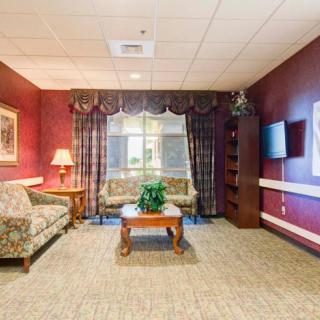
 Extensive on-site amenities and 24/7 care.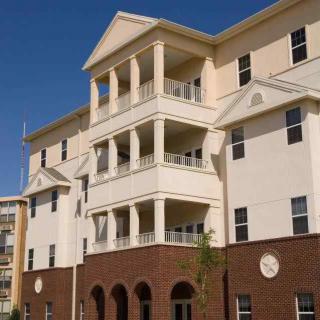

 A Thorough Discussion of Medications Potentially Linked to Dementia Risk
 Why Do Dementia Patients Sleep So Much? Understanding Oversleeping, Stages, and Care Approaches
 8 Key Indicators That Suggest It May Be Time to Transition from Assisted Living to Skilled Nursing Care