
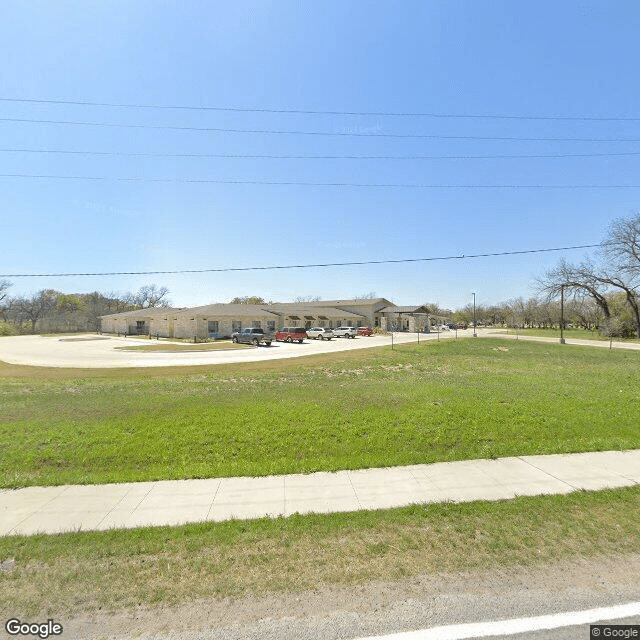
1802 S Highway 281, Lampasas, TX 76550
To contact a resident: (512) 556-8990
For more information about senior living options: (866) 208-4318
Overall Review of The Village At Hancock Park
Pros
 A resident says it's a great place to live.
- Another reviewer calls it a wonderful place to live.
- A long-term resident reports no gripes after three years.
- Some staff members are very nice.
Cons
 The stove went out, and the part was said to take 3-5 days to arrive.
- It would be after Christmas before the problem was fixed, indicating little urgency from management.
- Management shows no concern.
- This is the worst-run apartment complex in Texas.
- The property has very poor management and extremely poor maintenance.
- There is no maintenance man, and the drive-thru entrance is cracked, loose, and endangers passersby.
- The entrance and exit doors do not work.
- The property manager smiles and laughs but accomplishes nothing.
- Some staff lacked the level of care needed for residents.
- The food was too spicy and seemed bought in bulk and reheated, with a chicken patty that was like a hockey puck.
Review
The Village At Hancock Park in Lampasas, TX is best suited for seniors who want independent living with a built-in sense of community and affordability, and who can tolerate uneven management responsiveness and occasional maintenance gaps. It works for residents who prize longevity in place, the kind of environment where a multi-year residency can coexist with a familiarity among neighbors, rather than for those who demand immediate repairs or high levels of daily assistance. The experiences of long-term residents suggest some stability, yet the reality remains that not all operational strings are pulled with equal vigor. In short, this community rewards those who navigate imperfections with social stability and routine, not those seeking flawless operations.
Those considering this option should seriously weigh the need for dependable maintenance and safety in the living environment. If steady, on-demand repairs and proactive management are non-negotiable, alternatives should be explored. Families relying on consistent care coordination or requiring higher levels of assistance will likely want a setting with more uniform service delivery. While the property can present a pleasant exterior and a sincere sense of community, delays on essential repairs, such as a stove, and problems with entrances and doors raise questions about reliability. For seniors with escalating care needs, or households prioritizing predictable operations, other communities will serve better.
Among the positives, a number of residents describe Hancock Park as a solid place to live, with years-long residency signaling stability and social continuity. Some staff members are genuinely kind and responsive, contributing to a usable social fabric and daily routines. The setting, at least from the outside, can present a tidy, neighborly impression, and for those who value familiarity, the community offers predictable rhythms and connections. These elements create a ballast against the rough edges of operational hiccups, helping residents maintain a sense of belonging even when some back-end services falter.
However, the downsides are material and persistent. Maintenance appears inconsistent, with noticeable delays for essential repairs such as a stove repair that stretches across days, and a part replacement that can extend beyond a week during holiday timing. The drive-thru entrance and several doors are described as damaged or inoperative, creating safety concerns and daily friction. Management is frequently characterized as lacking urgency or follow-through, which undermines trust and makes problems feel larger than they are. Food quality and the overall level of care are cited as inconsistent, with instances of meals being too spicy or prepared in bulk rather than tailored. Aging infrastructure compounded by uneven staffing makes risk management a real concern.
These pros offset the cons only for a subset of residents: those who prize long-standing community ties, can endure occasional service gaps, and do not require constant, proactive maintenance or high-level care. The social network formed by longer-tenured residents and some empathetic staff can soften imperfections, delivering companionship, routine, and a sense of belonging. For seniors with minimal daily care needs and families who can supplement care gaps from outside, the experience might suffice. Yet these same factors will not compensate for frequent safety concerns or chronic repair delays when health or independence begins to press.
For families weighing this community, a careful, proactive site assessment is essential. Demand current maintenance response metrics, request a live tour of typical units, and speak at length with multiple residents about their day-to-day experiences. Check the kitchen program for consistency and ask how care needs are coordinated if levels of support increase. Inspect safety-critical areas, doors, entrances, and common routes, and verify any promises in writing. If a move is pursued, plan for contingencies and set clear expectations on timelines and remedies. The Village At Hancock Park can work for those anchored in independence and community, but alternatives should be explored for those prioritizing reliability, safety, and consistent care delivery.
 Assisted Living
 Activities on-site
 Devotional services off-site
 Indoor common areas
 Ambulatory care
 Diabetic care
 Meals provided








 Comprehensive Insights into Activities of Daily Living (ADLs) and Their Assessment
 Guiding Elderly Parents Who Refuse Assisted Living: 6 Practical Steps
 Your Comprehensive Guide to Luxury Assisted Living: Elevated Facilities, Amenities, and Costs