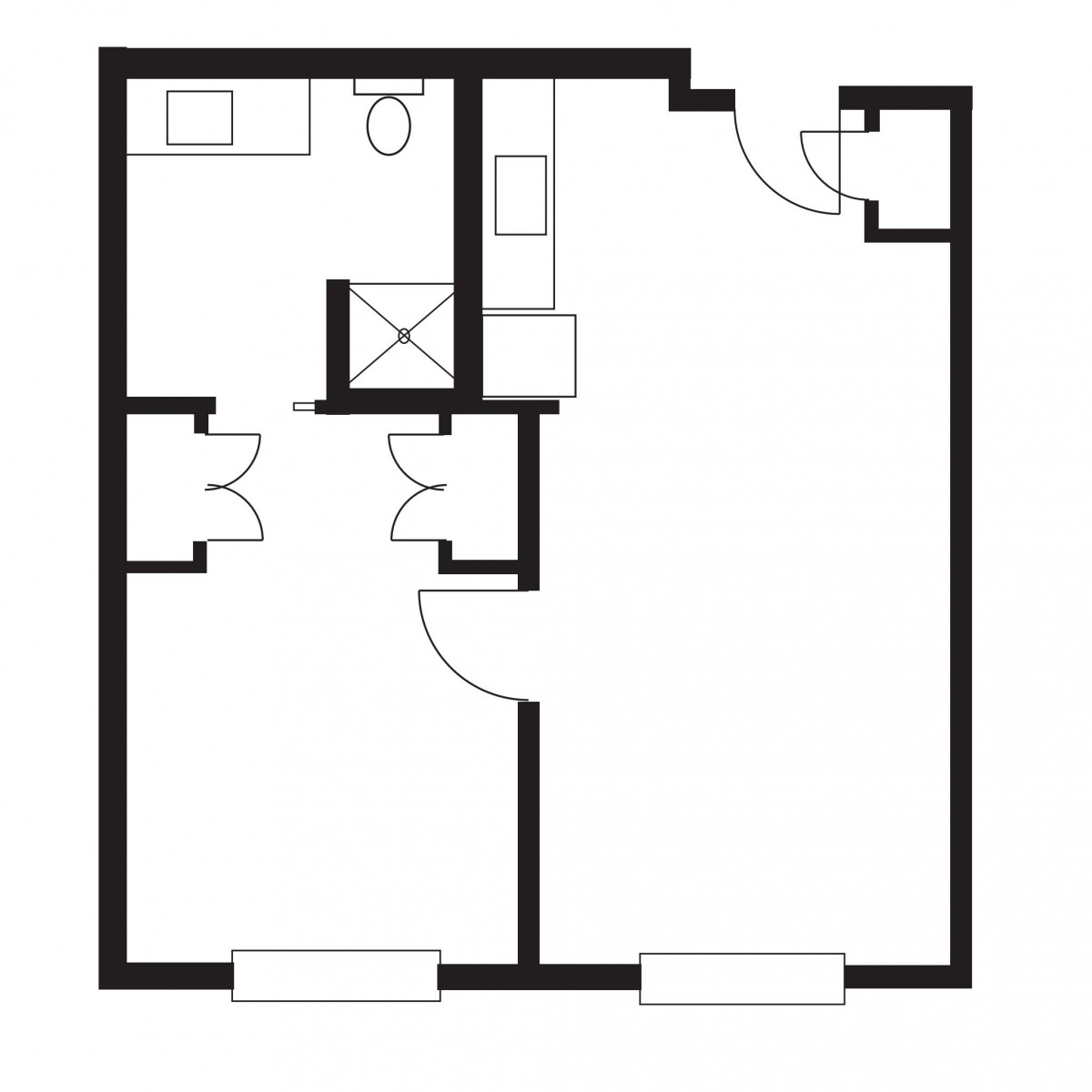
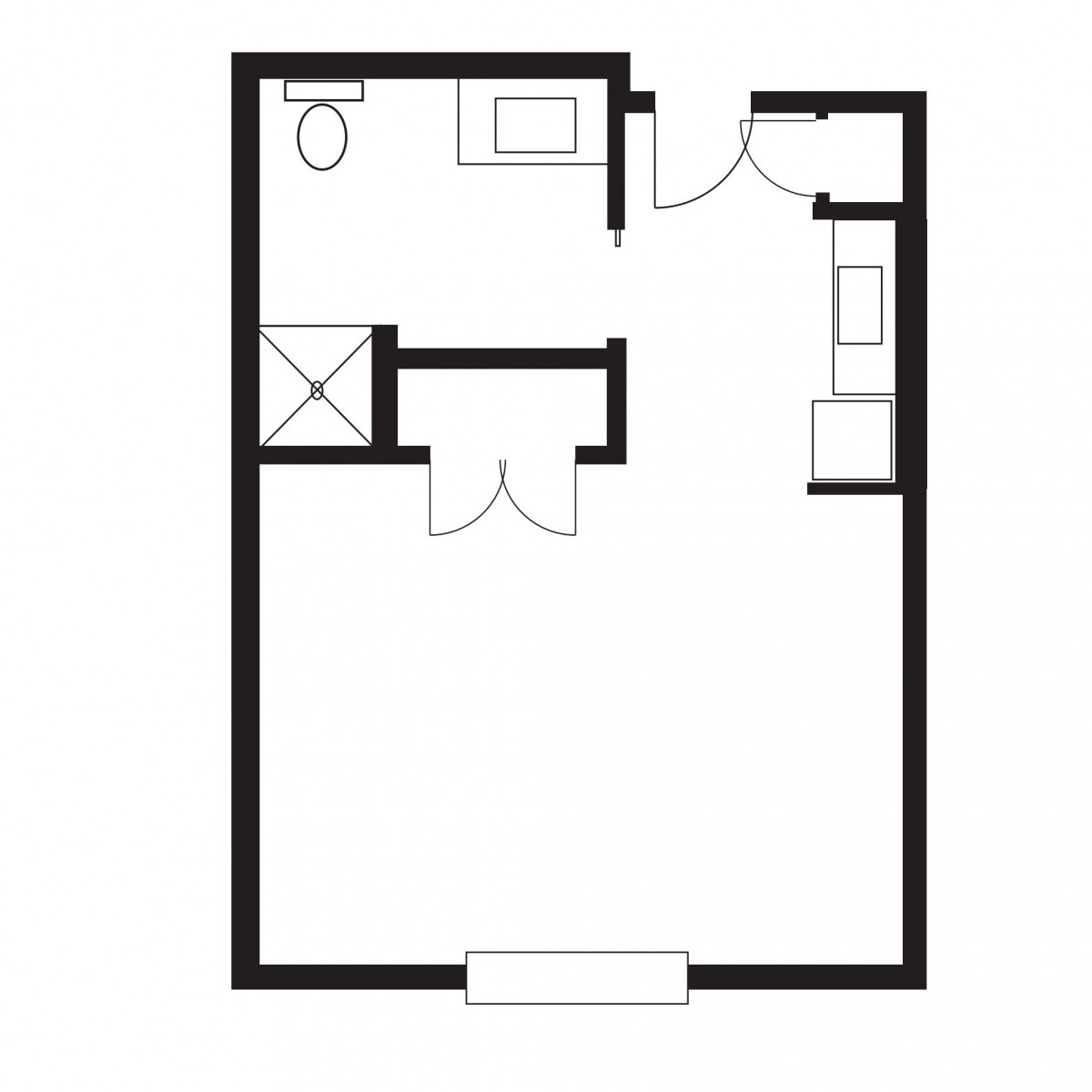
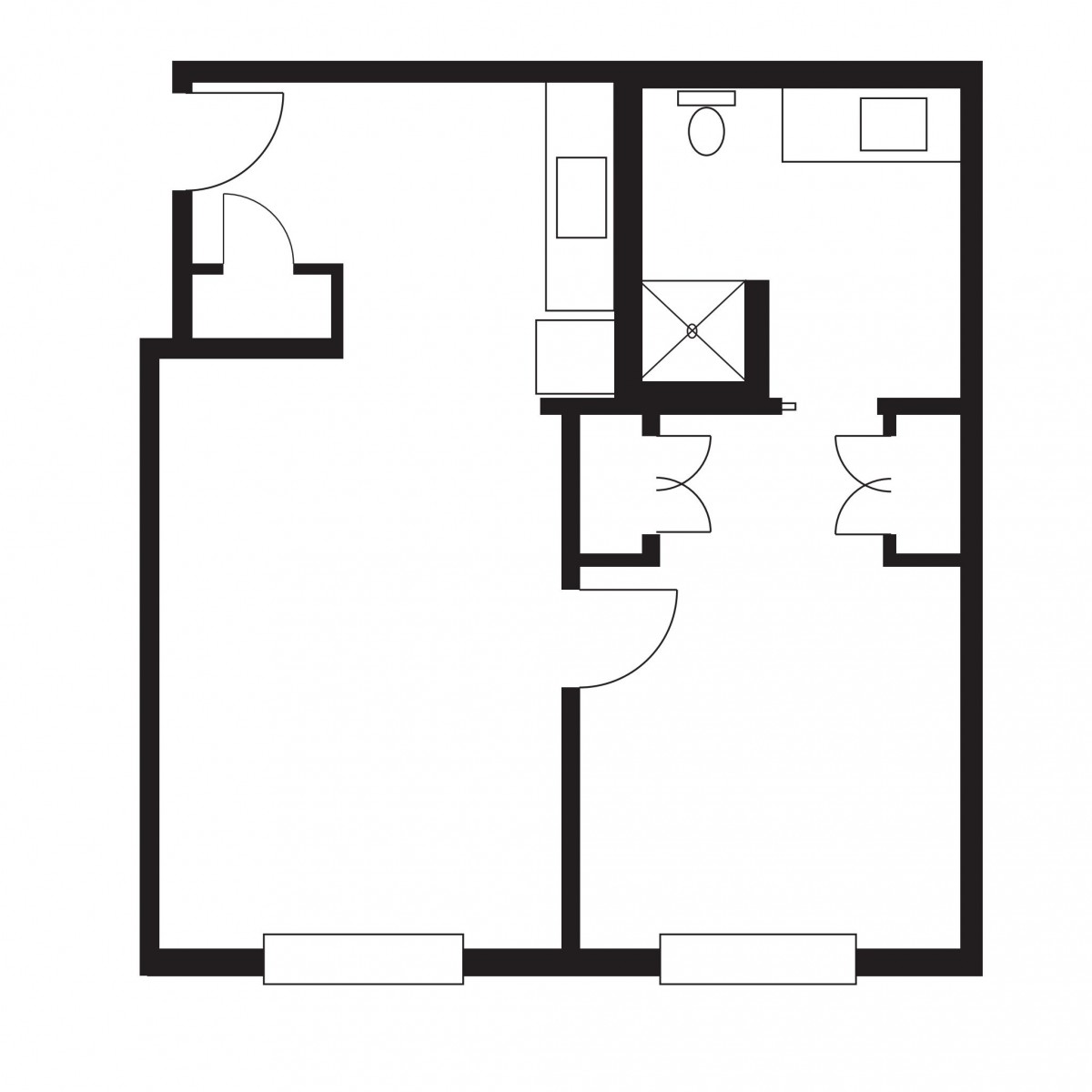
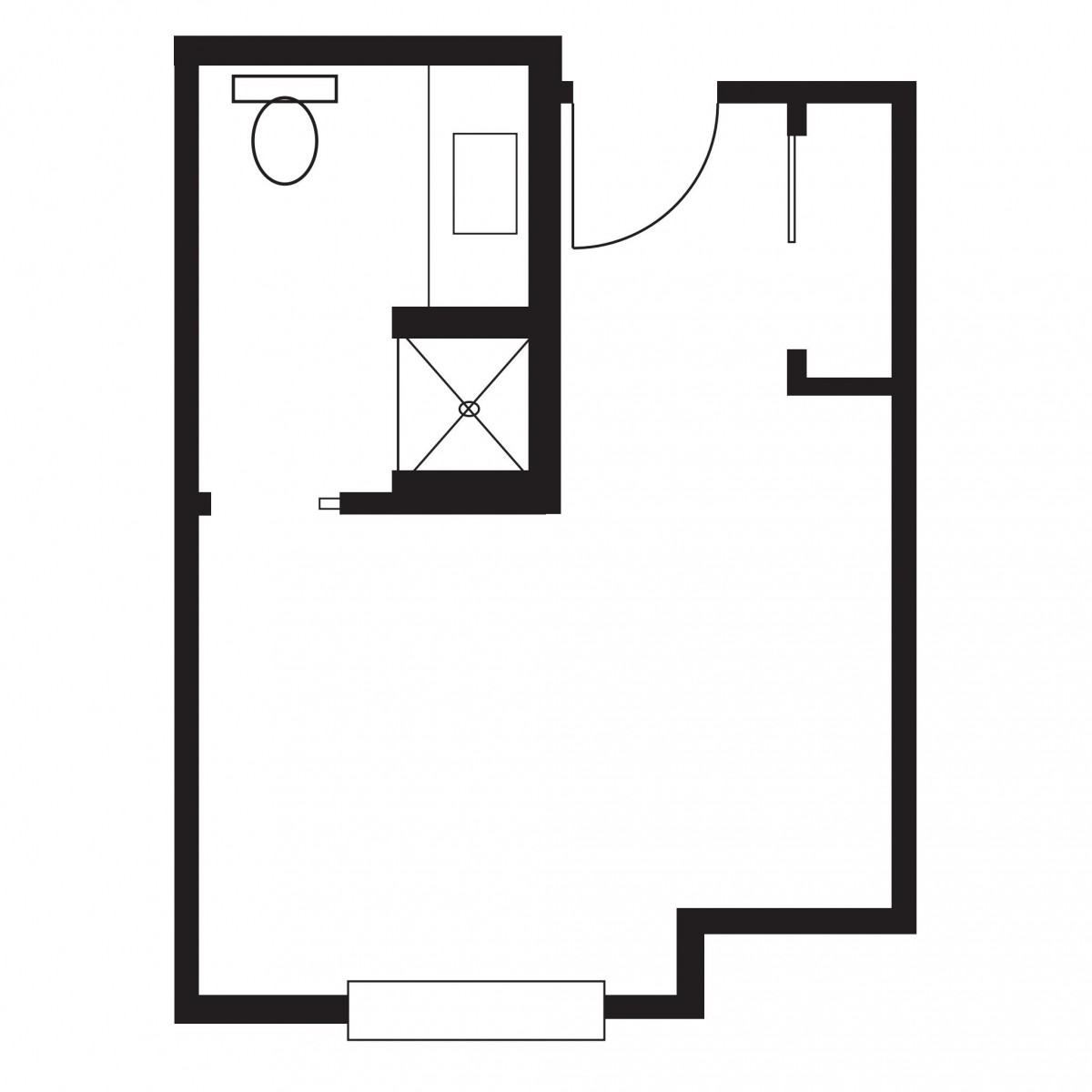
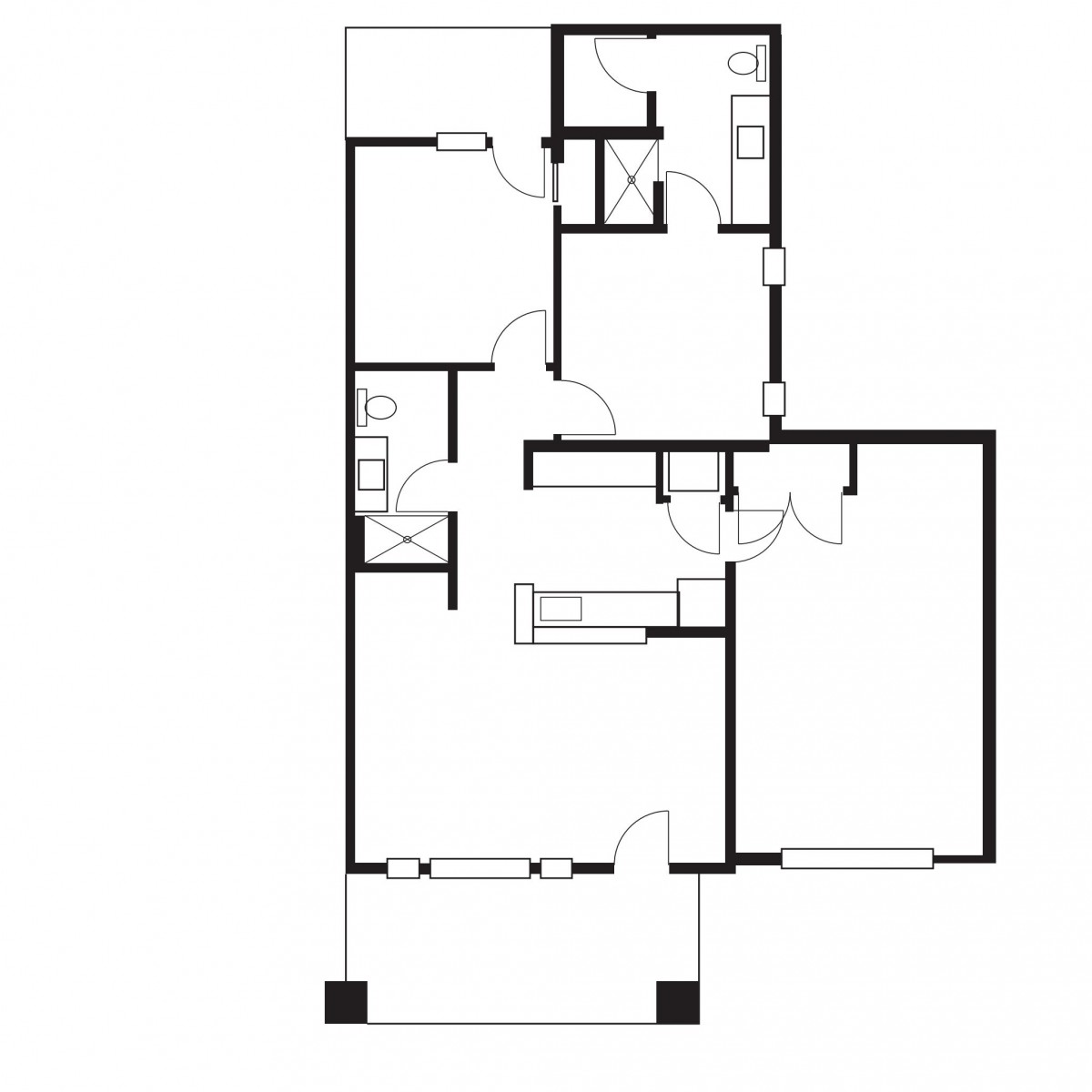
Mac Arthur Hills exhibits pricing that reflects its premium positioning within the Dallas County and Texas markets. For a two-bedroom unit, residents can expect to pay $4,500 a month, which is notably higher than the county average of $4,144 and the state average of $4,215. The studio option is priced at $4,750, exceeding both the county's $3,625 and Texas' $3,758 averages significantly. Similarly, the semi-private accommodations are listed at $5,035 per month compared to much lower averages in both the county ($3,535) and state ($3,680). Lastly, for those considering a one-bedroom setup, Mac Arthur Hills charges $5,980 - a steep contrast to local options that hover around $3,760 in Dallas County and just slightly above that at $3,761 statewide. Overall, Mac Arthur Hills offers a more luxurious experience reflected in its pricing structure amidst more affordable alternatives in the region.
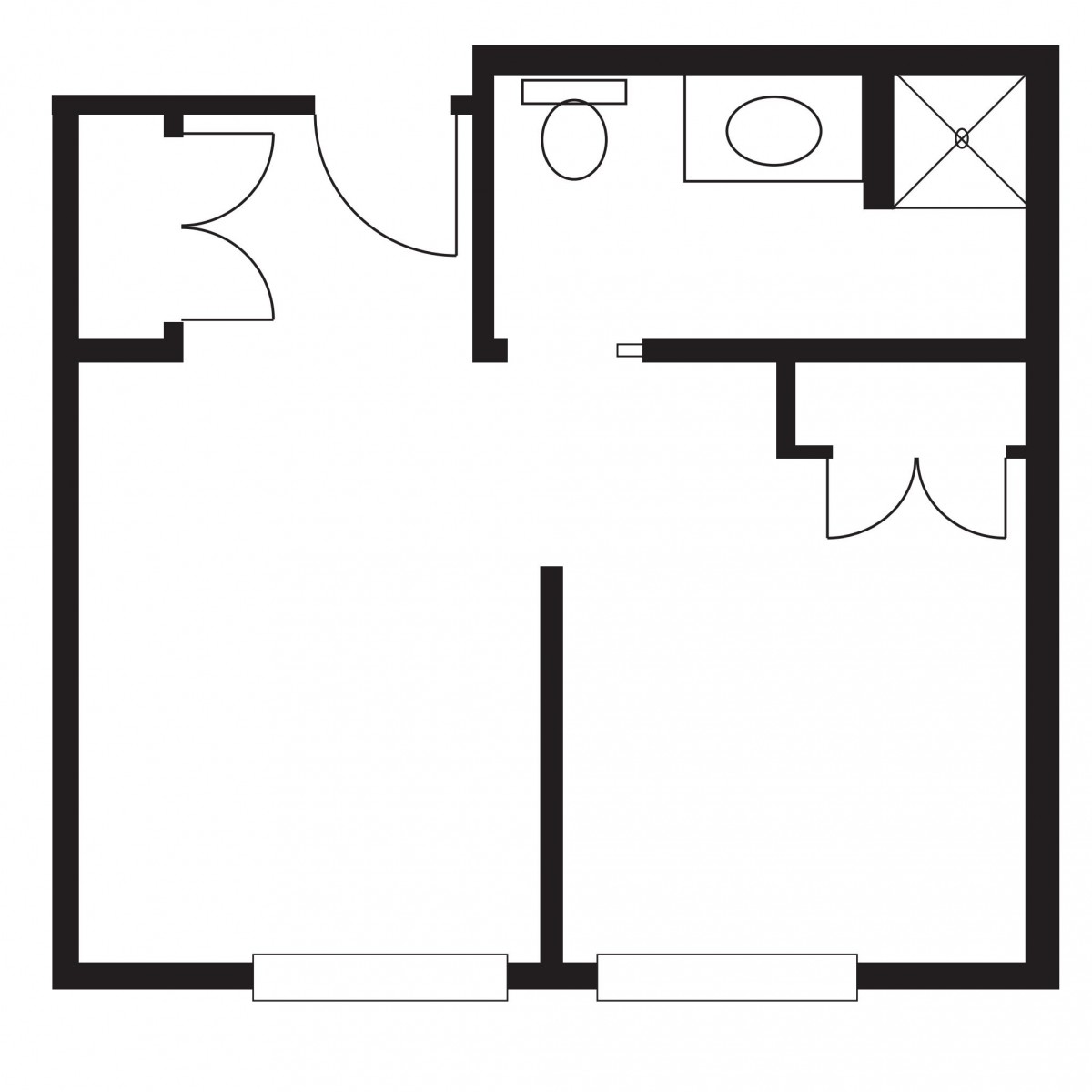
Floor plans
Mac Arthur Hills
Dallas County
Texas
2 Bedrooms
$4,500
$4,144
$4,215
Studio
$4,750
$3,625
$3,758
Semi-Private
$5,035
$3,535
$3,680
1 Bedroom
$5,980
$3,760
$3,761
Memory care communities with a similar price nearby
Residents and families describe a separated dementia setup with dedicated programming.
At least one family member liked how dementia residents are kept on a separate floor, which they viewed as healthier. At the same time, one review criticized the memory care unit for unsafe handling and poor follow-through when concerns were raised. Overall, the reviews suggest memory care is a major focus, with both strong expectations and real dissatisfaction when care falls short.
common22 reviews mention this
Staff care and responsiveness
Across reviews, residents and families repeatedly describe attentive, compassionate staff support.
Many reviews highlight staff members as caring, patient, and attentive, including directors, caregivers, and front-desk personnel. Several families describe clear communication and support during transitions, and one review specifically calls out dietary staff going out of their way to meet needs. A smaller number of reviews mention lapses in response time, staffing consistency, or inadequate training, so the experience can vary.
common16 reviews mention this
Food and restaurant-style dining
Dining is a frequent highlight, with restaurant-style meals and menu options mentioned often.
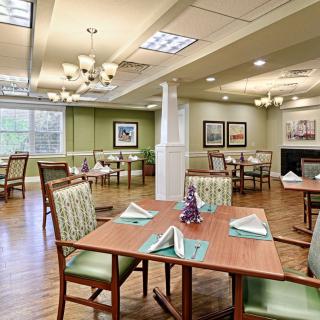
Residents and families commonly describe the quality of meals, including variety at mealtimes and the convenience of restaurant-style dining. Some reviews also mention specific dining moments or favorites, like special dinners and well-prepared soups. On the negative side, a few reviews say the food can feel repetitive or that meal variety and quality could improve.
common14 reviews mention this
Activities keep people engaged
Reviews consistently point to plentiful activities that help residents stay social.
Many reviewers describe a steady calendar of activities, including group events, outings, and exercise options, with staff helping residents participate. Several families say their loved ones enjoy the social aspects and that there are enough choices to stay engaged over time. A few reviews criticize coordination when activities are listed but staff do not show up as expected, which left residents waiting.
caveat4 reviews mention this
Cost is a recurring concern
Price is frequently mentioned as high, even among otherwise positive reviews.
Multiple reviews describe the community as expensive or pretty pricey, and at least one family frames it as a factor in how they evaluate the overall fit. Other reviews still express satisfaction with the facility and care, but the cost comes up as a clear constraint. In pricing context, the published ranges sit above county and state benchmarks across unit types.
How we summarize
Counts show how many written reviews mention each theme; a review can touch several themes, and only frequently mentioned themes are displayed.
Features
Housing
130 resident community capacity
1-bedroom apartments
2-bedroom apartments
Studio apartments
Types of Care
Assisted Living
Independent Living
Memory Care
Amenities
Activities off-site
Activities on-site
Air-conditioning
Beautician on-site
Beauty salon
Cable or satellite TV
Computer center
Devotional services off-site
Devotional services on-site
Dining room
Financing advice
Fitness room
Full kitchen
Fully furnished
Gaming room
Garden
Guest parking
Handicap accessible
Housekeeping services
Indoor common areas
Kitchenette
Laundry
Move-in coordination
Outdoor common areas
Outdoor space
Party space
Private bathrooms
Respite or short term stays offered
Restaurant-style dining
Small library
Spa
Swimming pool
Swimming pool / hot tub
TV room
Telephone
VA Benefits Consultation
Wellness center
Wheelchair accessible showers
Wi-Fi/high-speed internet available
Transportation
Dallas-Fort Worth International (4 miles away)
Dallas Love (8 miles away)
Community operated transportation
Transportation & parking
Transportation arrangement
Transportation arrangement (non-medical)
Transportation to doctors appointments
Care Services
12-16 hour nursing
24-hour call system
24-hour supervision
Activities of daily living assistance
Ambulatory care
Assistance with bathing
Assistance with dressing
Assistance with transfers
Coordination with health care providers
Diabetes diet
High acuity care
Incontinence care
Meal preparation and service
Medication management
Mental wellness program
Mild cognitive impairment
Personal care assistants
Special dietary restrictions
Specialized memory care programming
Transportation arrangement (medical)
Transportation to doctors appointments
Dining
Anytime dining
Diabetes diet
Guest meals
Low / no sodium
Meals provided
No Sugar
Professional chef
Restaurant style dining
Room service
Special dietary restrictions
Special dining programs
Vegetarian
Activities
Activities off-site
Art classes
Arts and crafts
Bible study group
Book club
Community-sponsored activities
Concierge services
Day trips and outings
Devotional activities offsite
Devotional activities on-site
Educational speakers / life long learning
Fitness programs
Games
Happy hour
Live musical performances
Live well programs
Planned day trips
Protestant services
Religious services
Resident-run activities
Scheduled daily activities
Stories
Visiting chaplain or priest
Wine tasting
Languages Spoken
English
Nearby Places of Interest
This area of Irving, Texas, offers a variety of dining options including fast food establishments like McDonald's and Whataburger, as well as sit-down restaurants such as Twin Peaks and Hello India Hi Cafe. For pharmaceutical needs, there are several CVS and Walgreens pharmacies within a short driving distance. Medical care is easily accessible with Starcare clinic nearby, while Baylor Scott & White Hospital Medicine is a top-notch facility for more serious health concerns. Transportation to and from the area is convenient with Terminal A and various airline clubs just a few miles away. Additionally, there are places of worship, cafes, theaters, and parks within close proximity for leisure activities. Overall, this part of Irving provides seniors with access to essential services and amenities in a convenient and comfortable setting.
Restaurants
McDonald's (0.4 miles)
Whataburger (0.5 miles)
Twin Peaks (0.5 miles)
In-N-Out Burger (1 miles)
Hello India Hi Cafe (1.6 miles)
Sonic Drive-In (1.6 miles)
Chick-Fil-A (2 miles)
Pharmacies
Walmart Pharmacy (0.6 miles)
CVS Pharmacy (0.9 miles)
CVS Pharmacy (1.8 miles)
Walgreens (2.1 miles)
CVS Pharmacy (3.6 miles)
Walgreens (4.5 miles)
CVS Pharmacy (4.7 miles)
Physicians
Starcare (2.5 miles)
Cook Children's Pediatrics - Grapevine - William D. Tate (7.8 miles)
Transportation
Terminal A (4.2 miles)
American Airlines Admirals Club (4.2 miles)
American Airlines Admirals Club (4.3 miles)
TSA Security Checkpoint (4.3 miles)
Terminal C (4.3 miles)
Terminal E (4.4 miles)
United Airlines Ticket Counter (4.5 miles)
Cafes
The Capp Bar (5.2 miles)
Starbucks (7.2 miles)
Starbucks (8.3 miles)
Places of Worship
Ismaili Jamatkhana & Center (5.3 miles)
Webb Chapel Church of Christ (5.3 miles)
St Monica Catholic Church (7.6 miles)
New Life Family Church (8.1 miles)
Theaters
AMC DINE-IN Grapevine Mills 3 (6 miles)
Cinemark (6.3 miles)
Hospitals
Baylor Scott & White Hospital Medicine - Grapevine (7.7 miles)
Mac Arthur Hills exhibits pricing that reflects its premium positioning within the Dallas County and Texas markets. For a two-bedroom unit, residents can expect to pay $4,500 a month, which is notably higher than the county average of $4,144 and the state average of $4,215. The studio option is priced at $4,750, exceeding both the county's $3,625 and Texas' $3,758 averages significantly. Similarly, the semi-private accommodations are listed at $5,035 per month compared to much lower averages in both the county ($3,535) and state ($3,680). Lastly, for those considering a one-bedroom setup, Mac Arthur Hills charges $5,980 - a steep contrast to local options that hover around $3,760 in Dallas County and just slightly above that at $3,761 statewide. Overall, Mac Arthur Hills offers a more luxurious experience reflected in its pricing structure amidst more affordable alternatives in the region.
The features at Mac Arthur Hills are designed to create a supportive and nurturing environment for individuals experiencing memory loss. With 24-hour supervision, residents receive constant monitoring, ensuring their safety and well-being at all times. Assistance with activities of daily living, including bathing, dressing, and transfers, helps maintain dignity while providing necessary support. Incontinence care is discreetly managed to enhance comfort and self-esteem. Coordination with healthcare providers ensures that each resident's medical needs are met effectively while medication management assures compliance with prescribed treatments. Meal preparation tailored to individual dietary requirements supports both nutrition and enjoyment of food, contributing to overall health. Engaging in specialized memory care programming alongside mental wellness initiatives fosters cognitive stimulation and social interaction, essential for emotional well-being. Transportation arrangements facilitate access to medical appointments, reinforcing a holistic approach to care for those with mild cognitive impairment or more advanced stages of dementia or Alzheimer's disease.
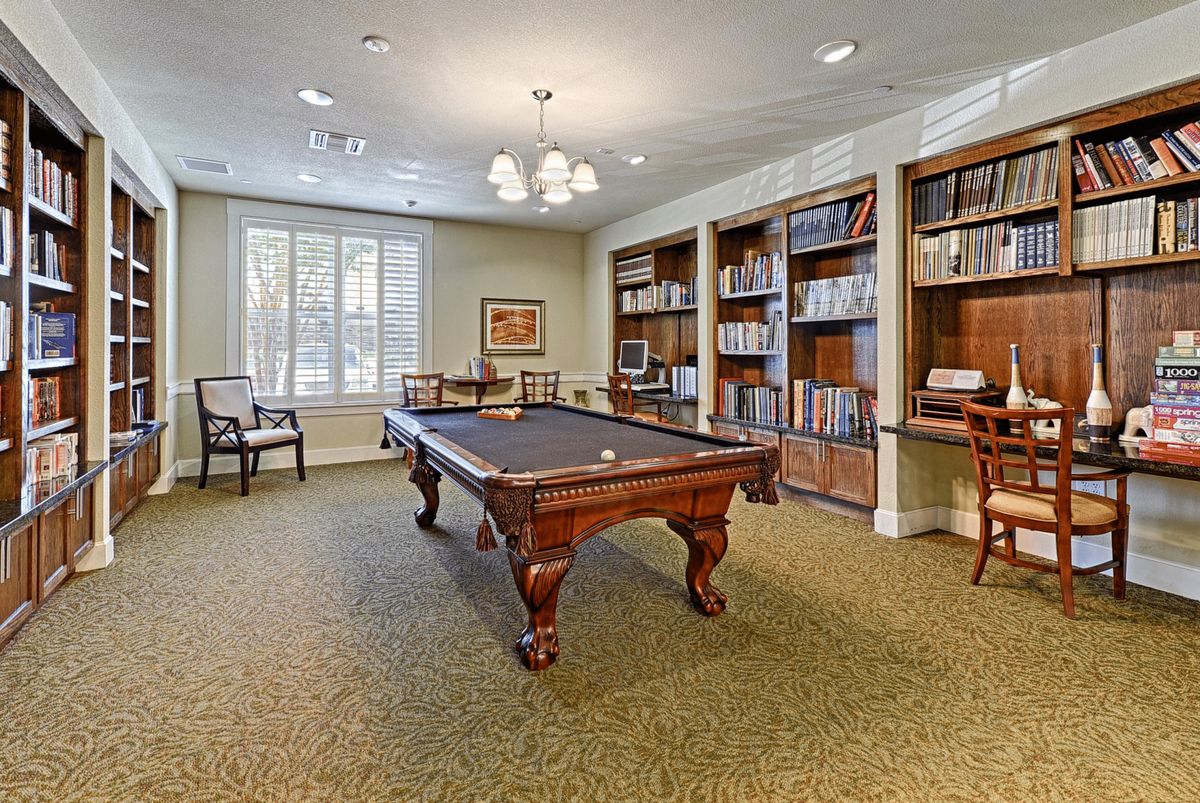
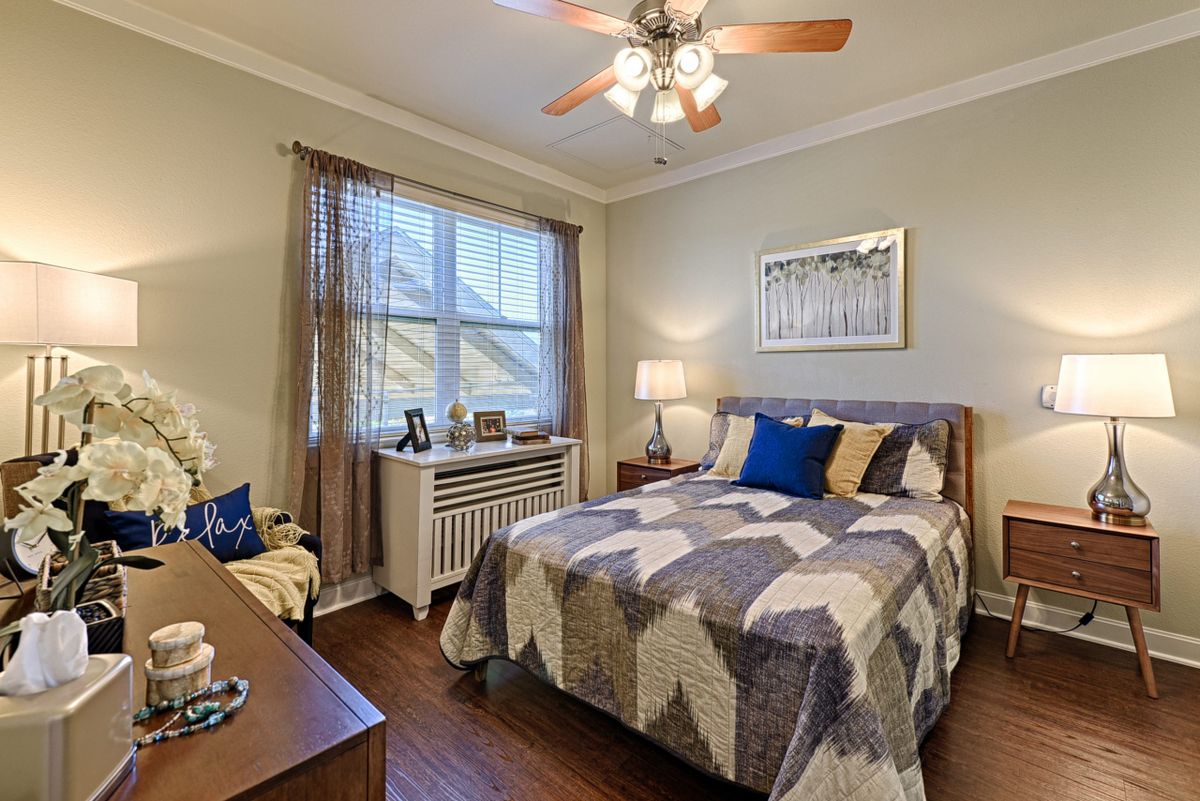
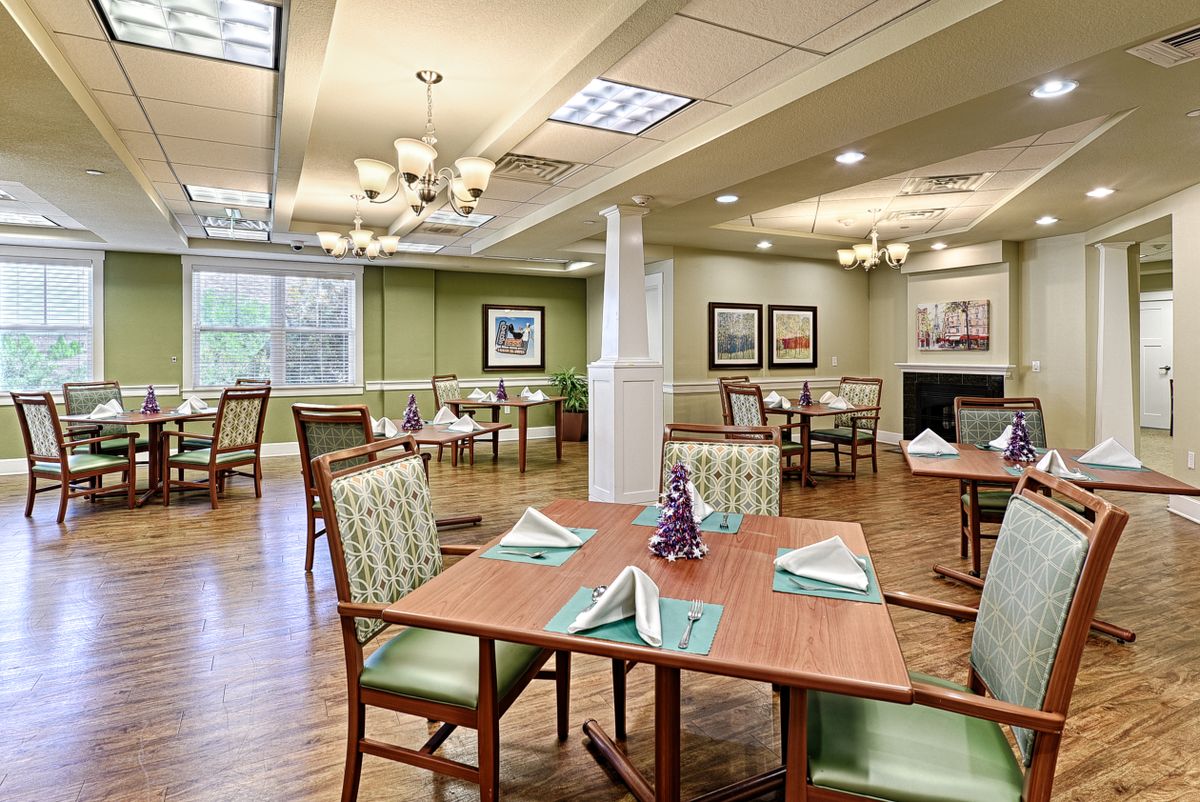
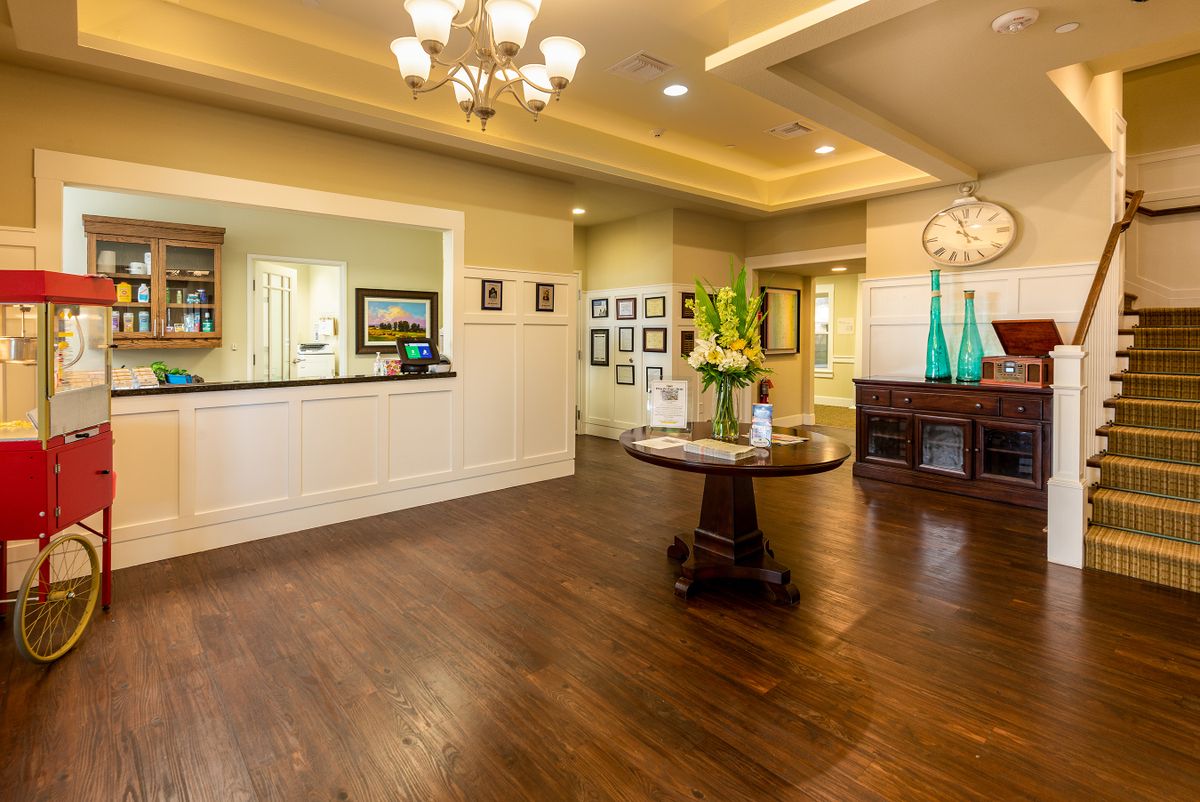
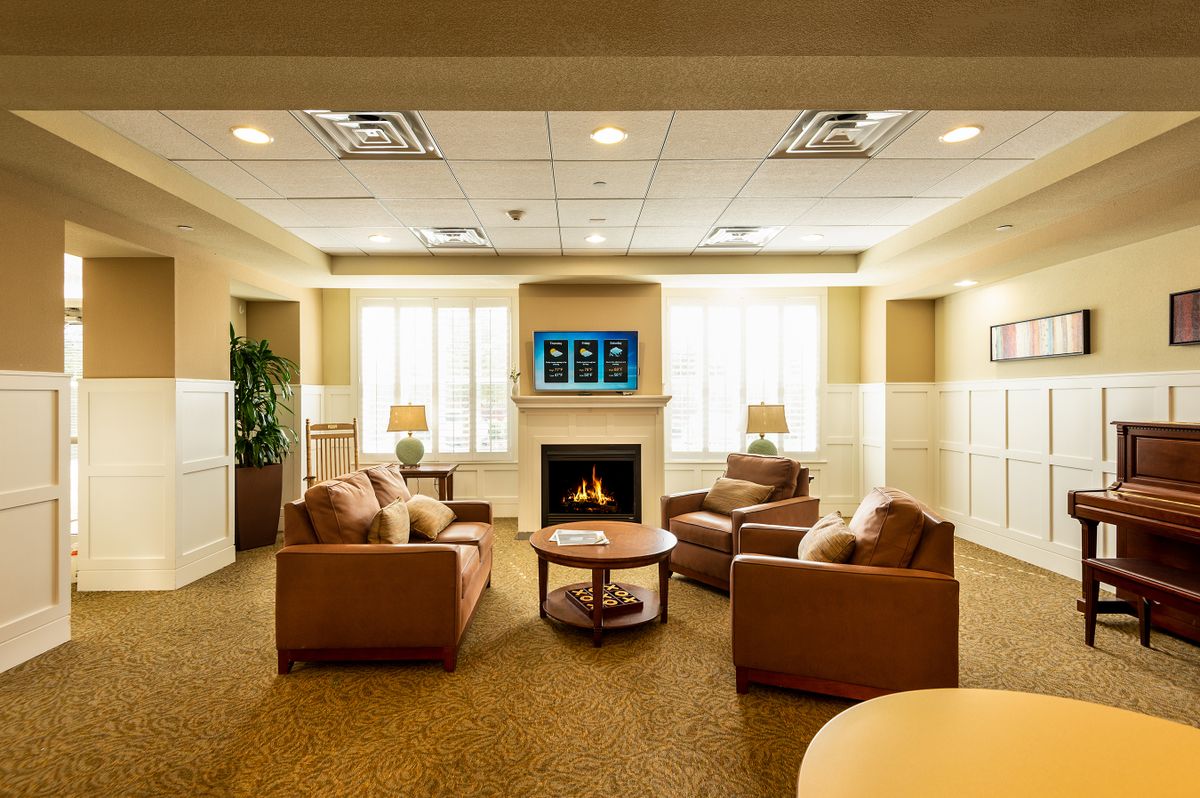
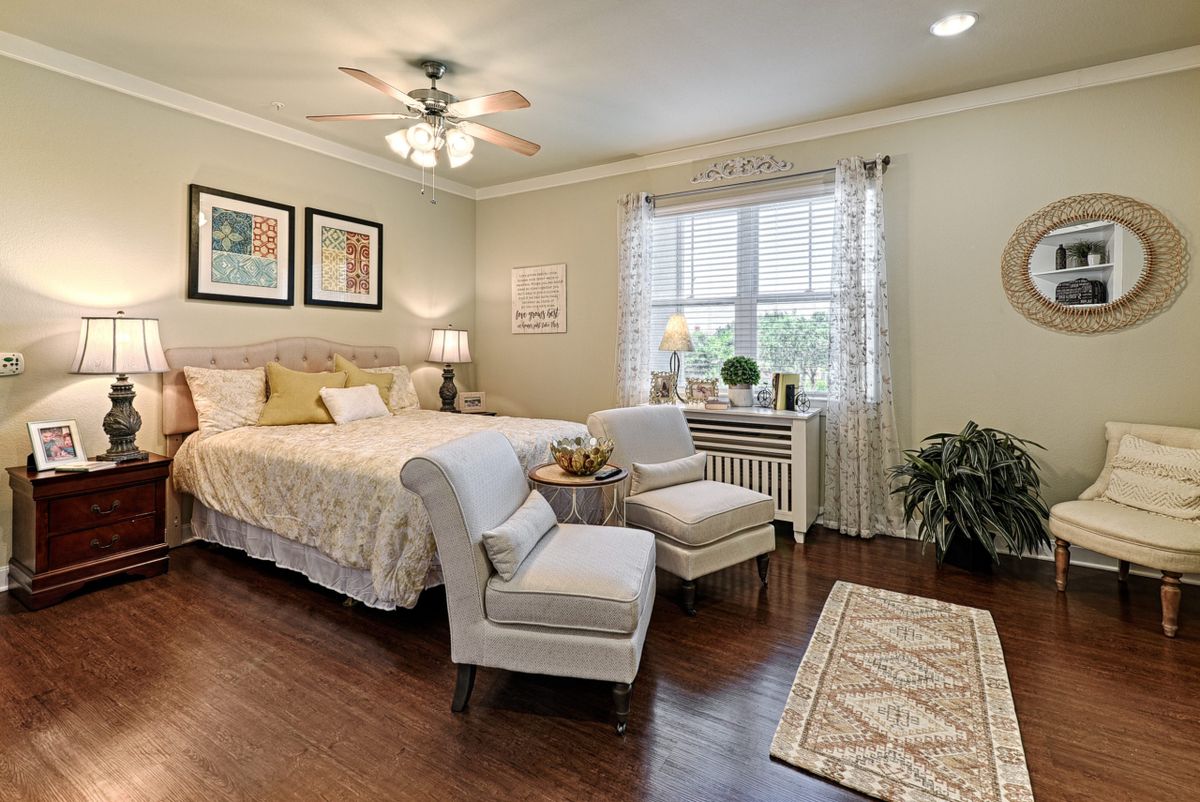
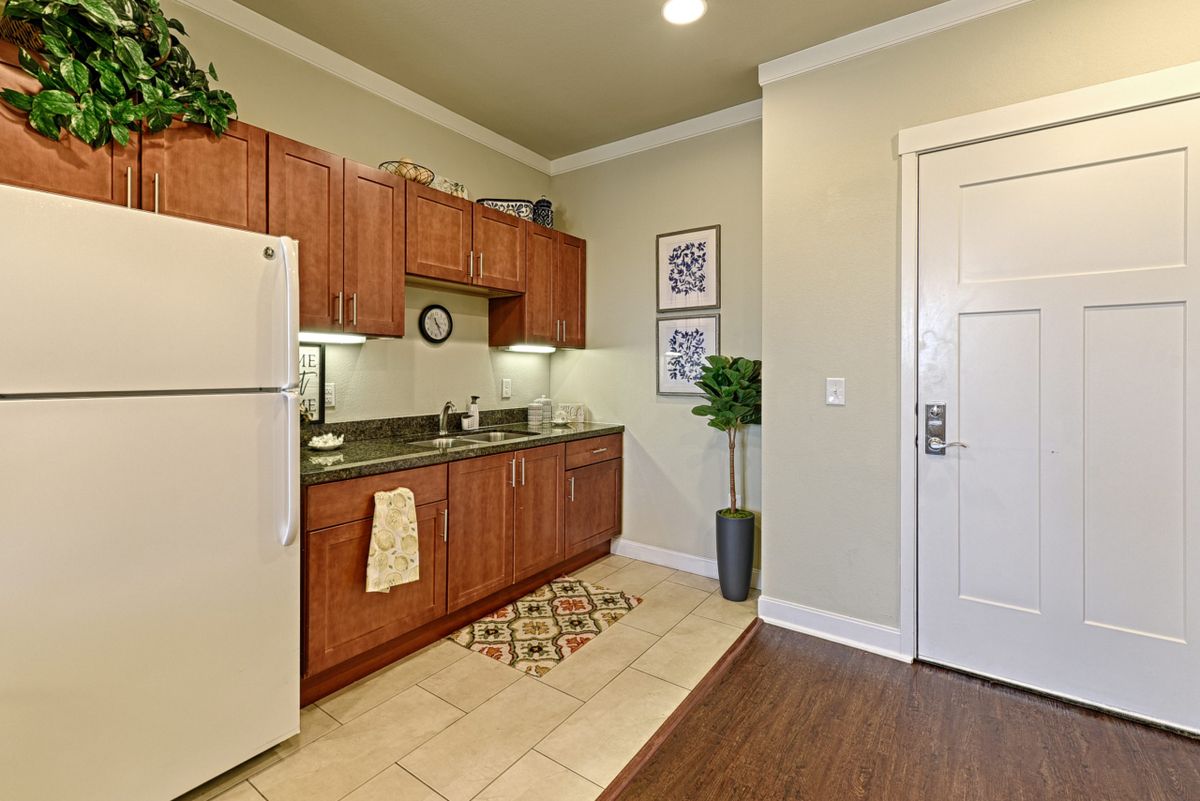
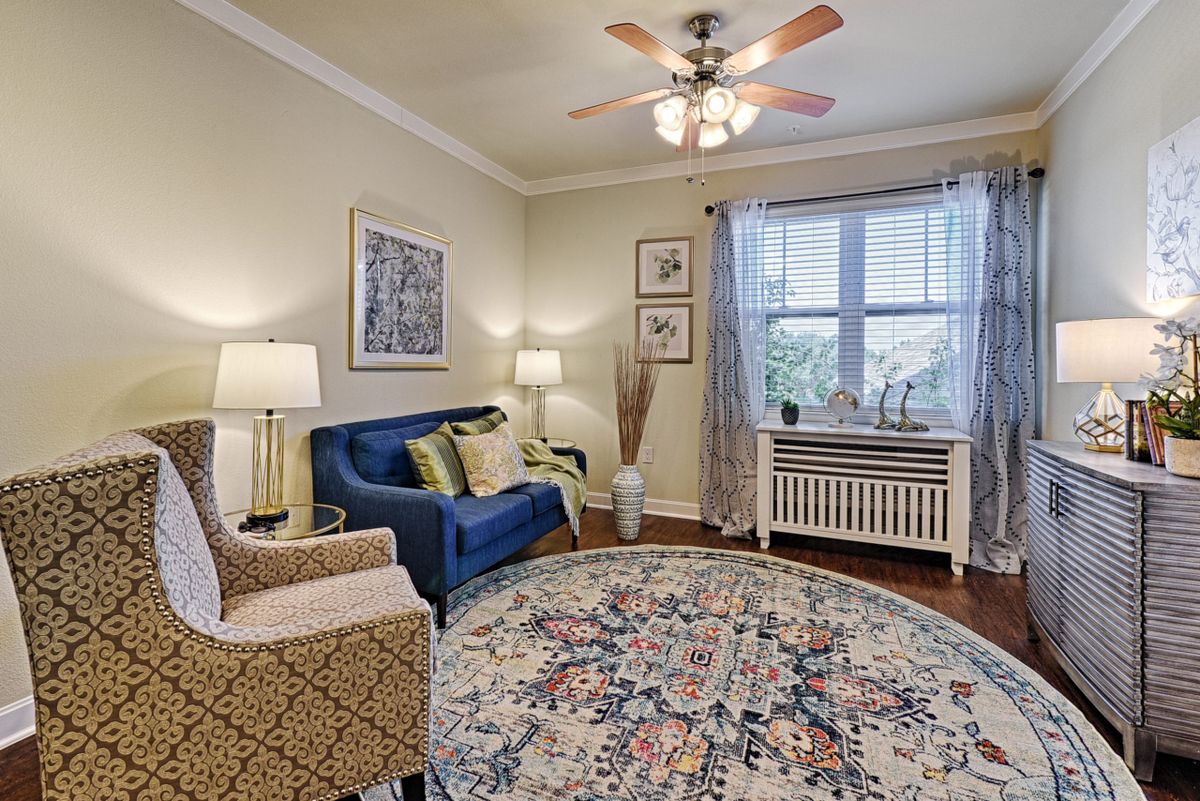
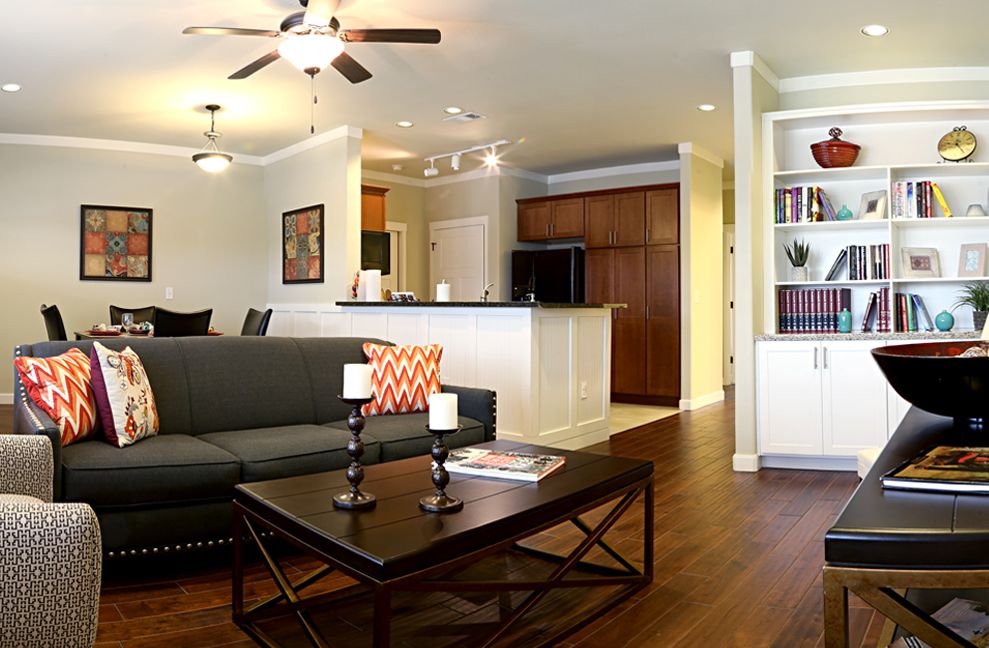
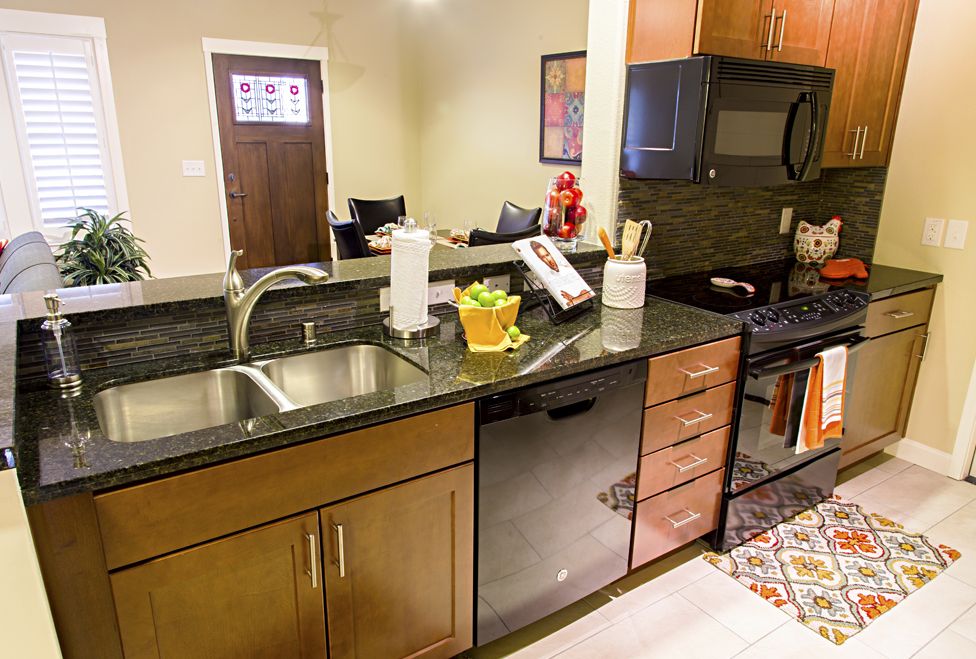
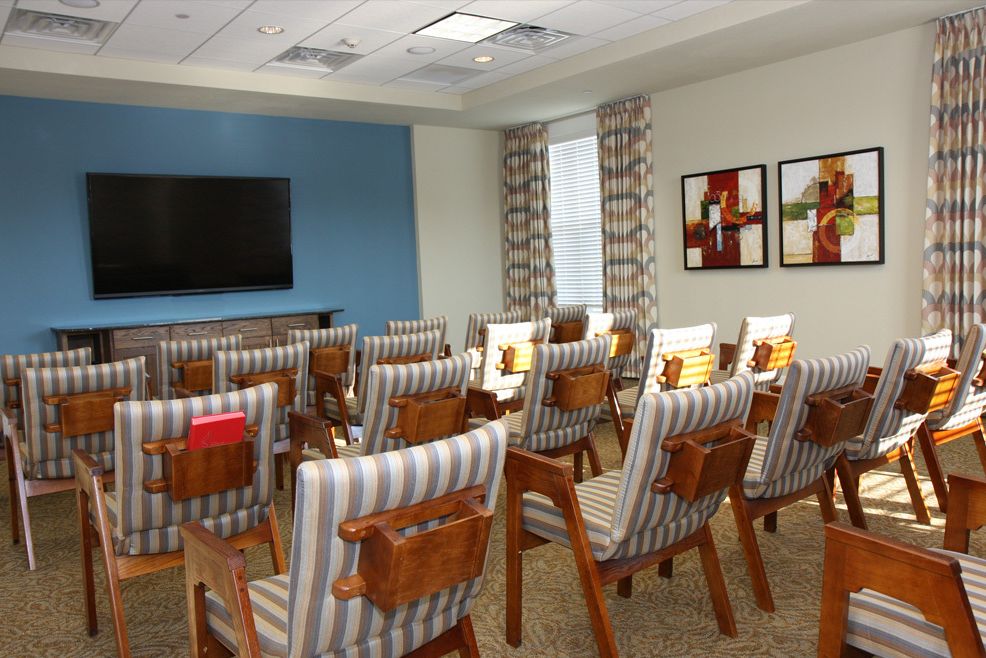
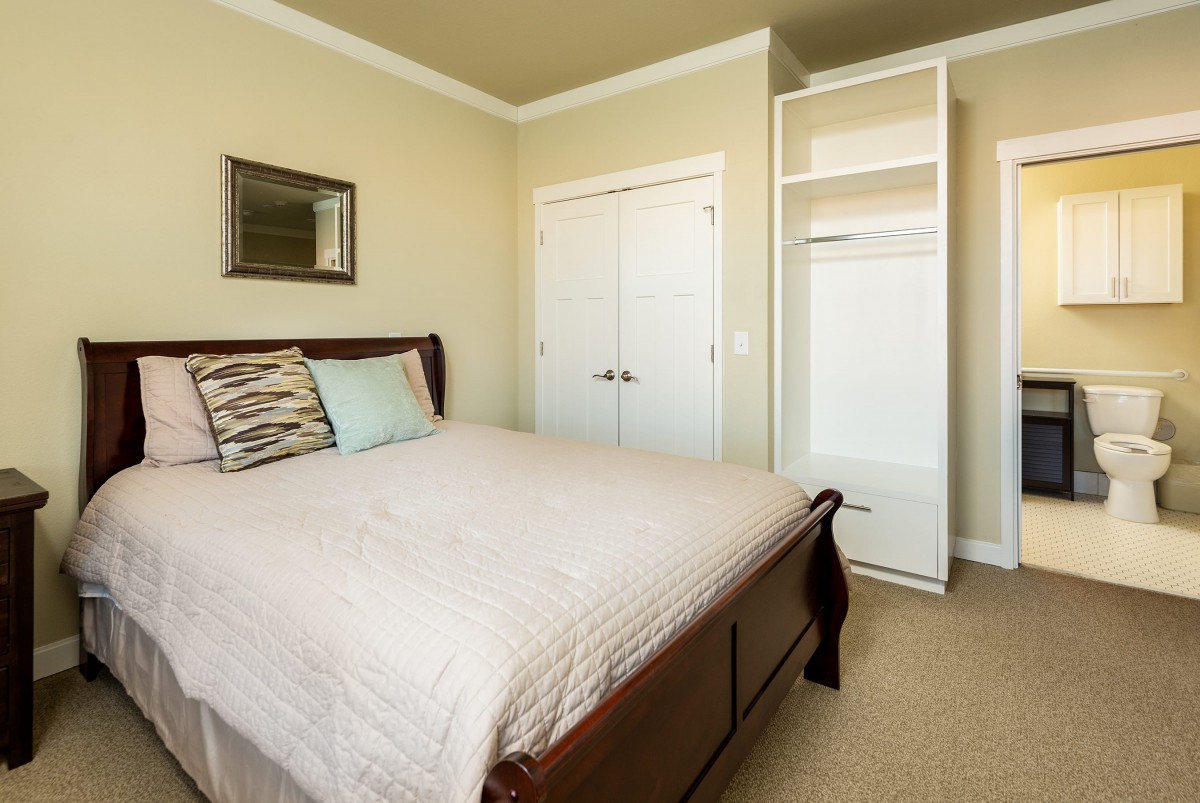
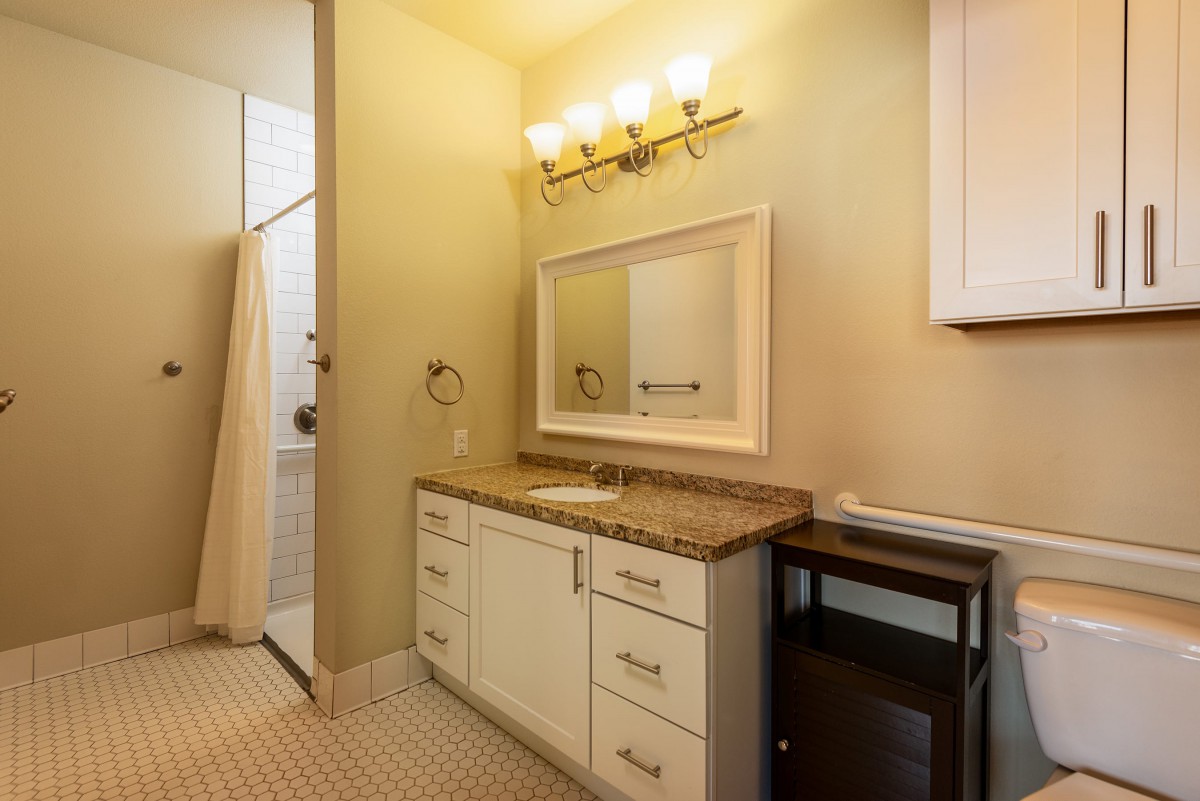
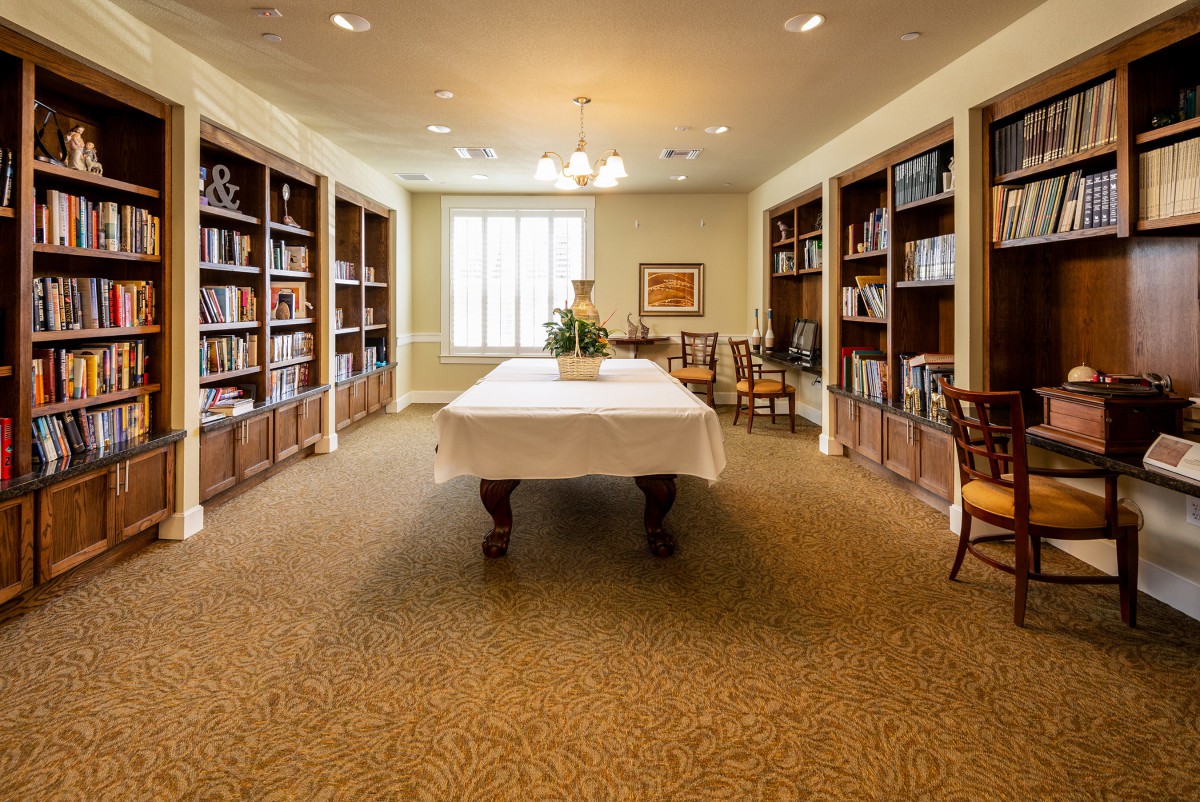
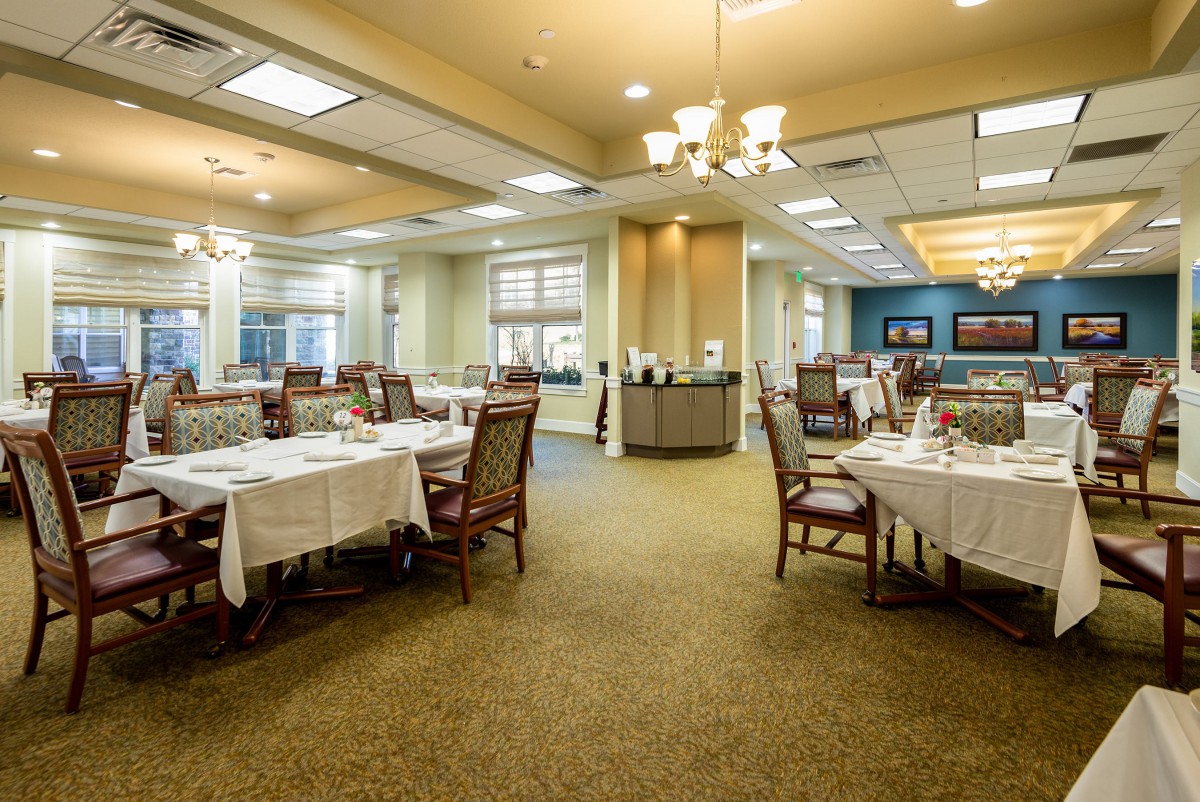
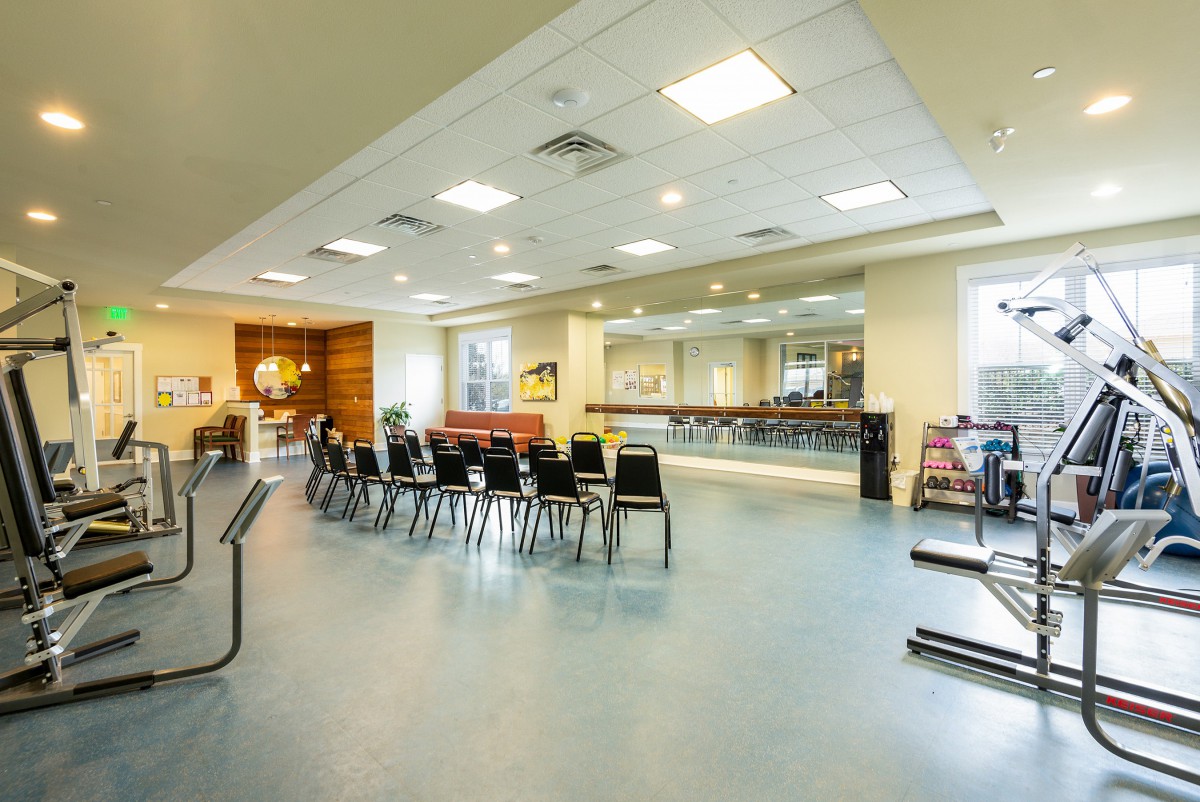
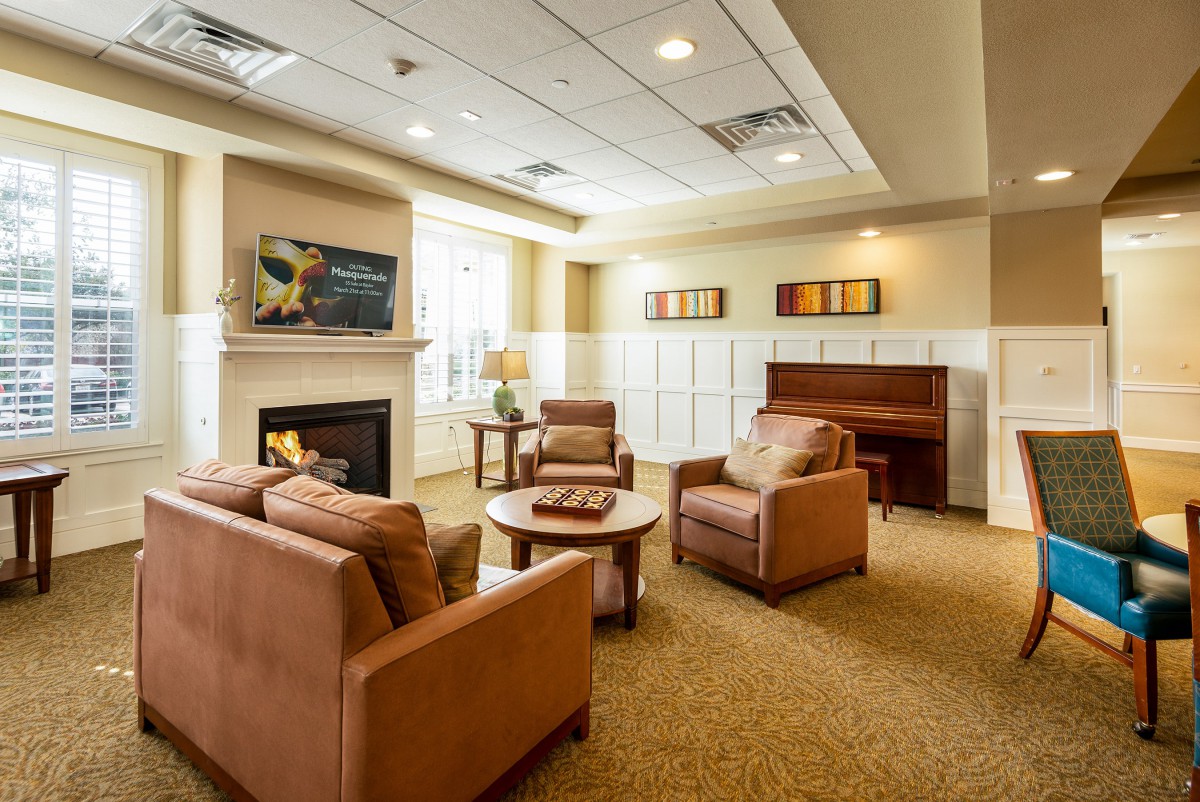
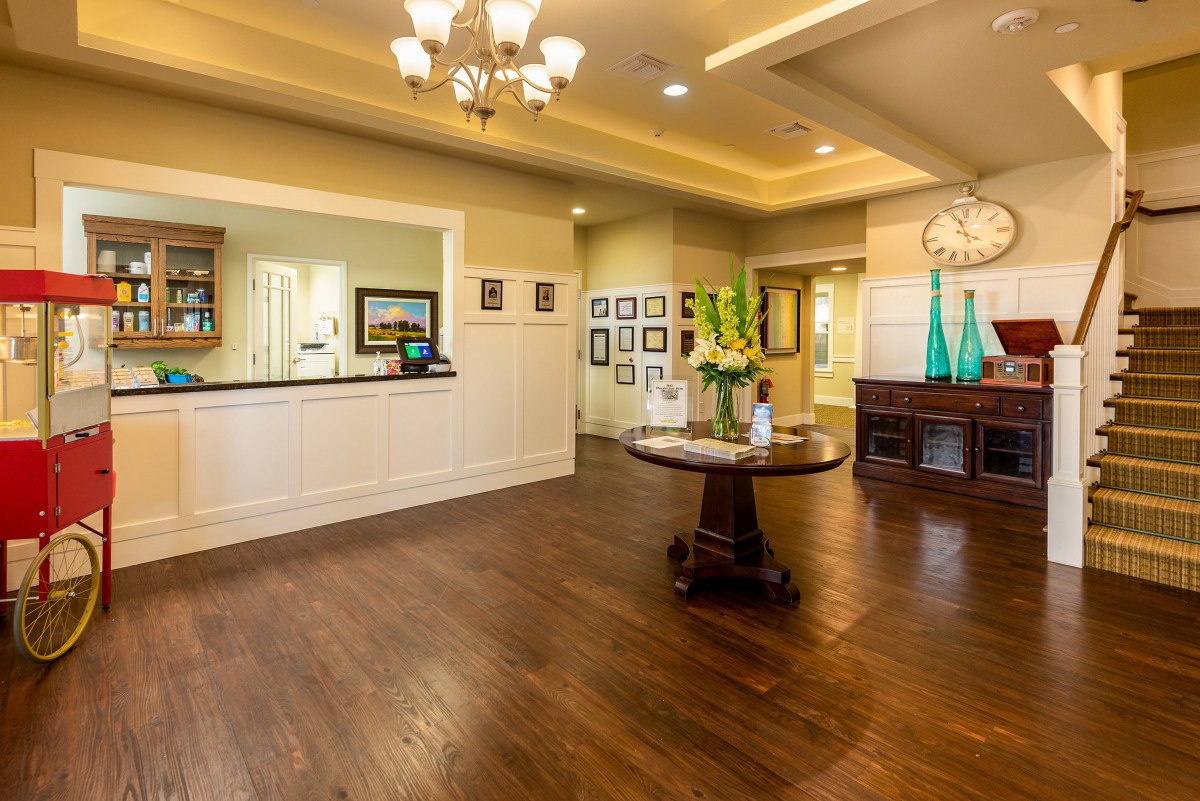
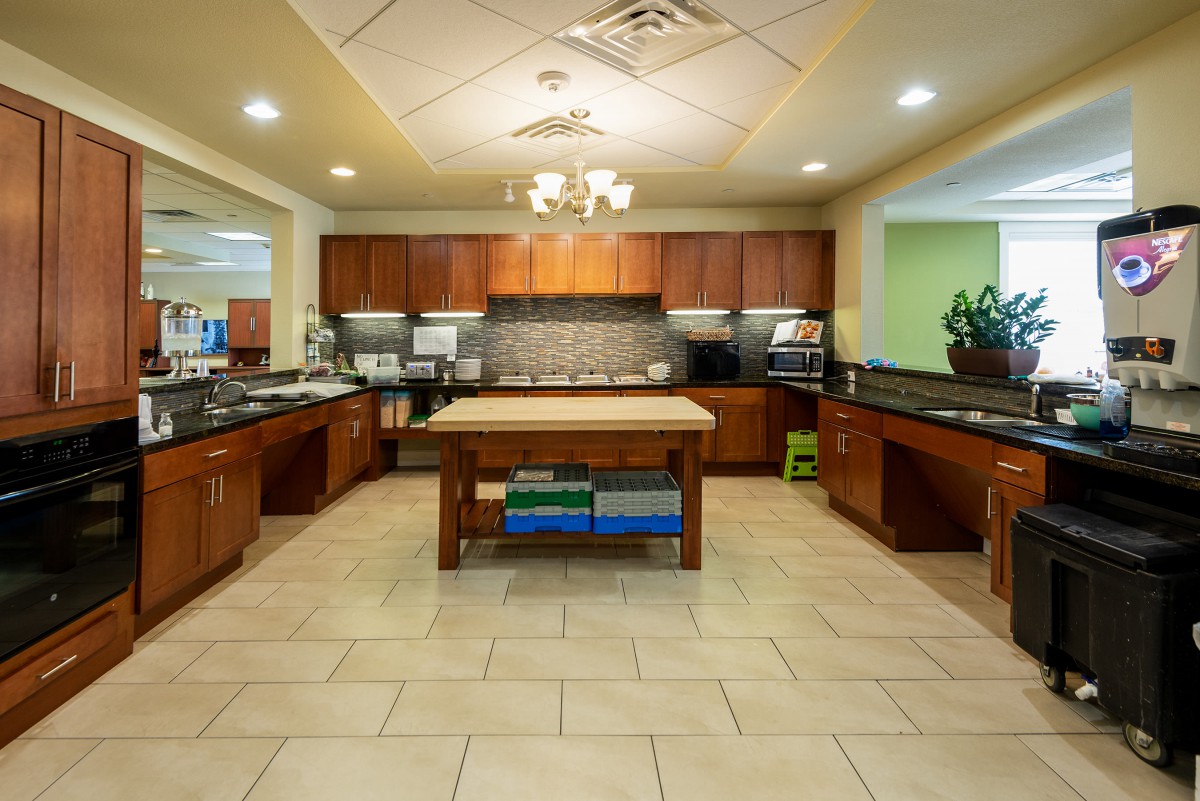
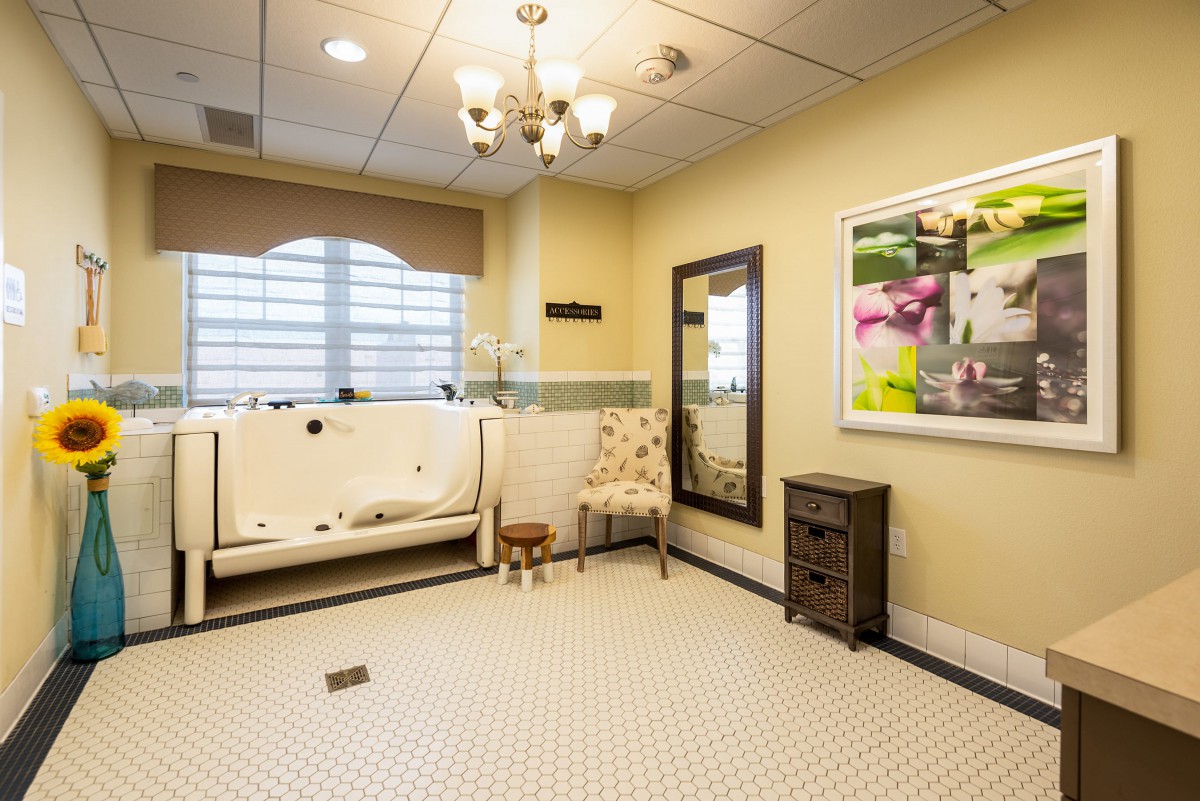
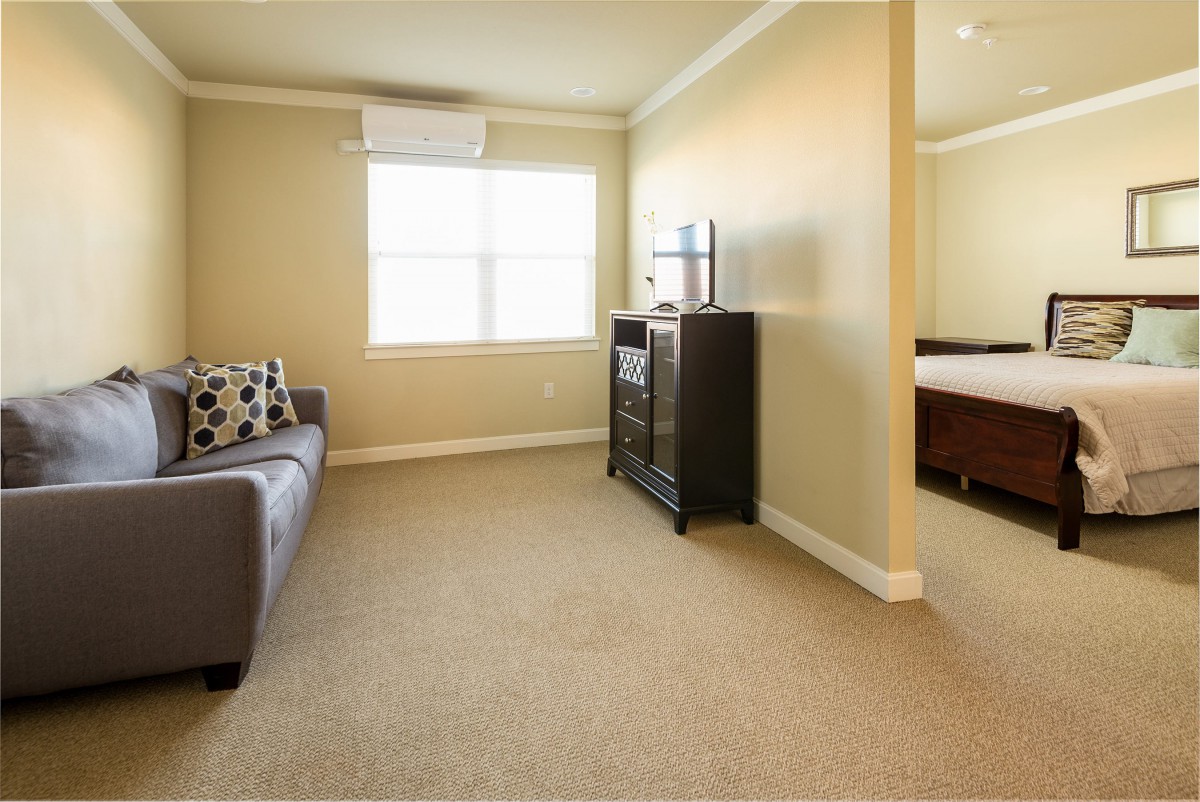
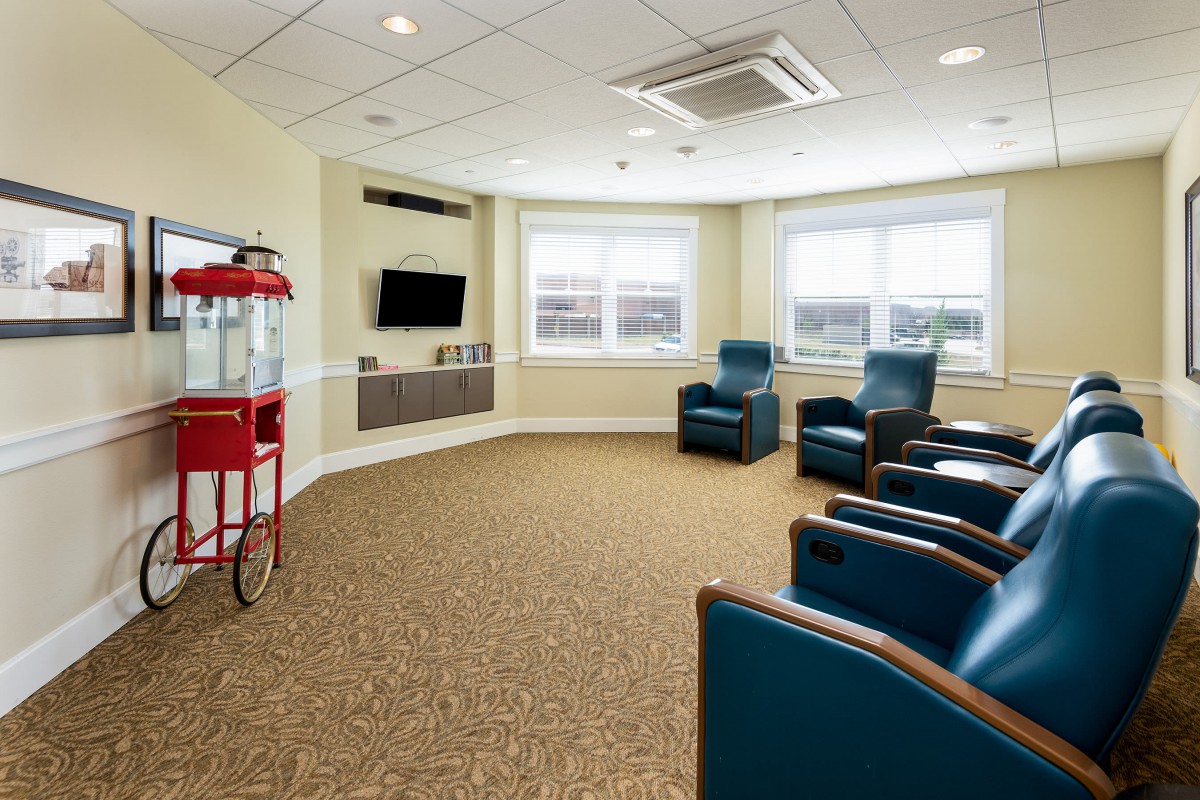
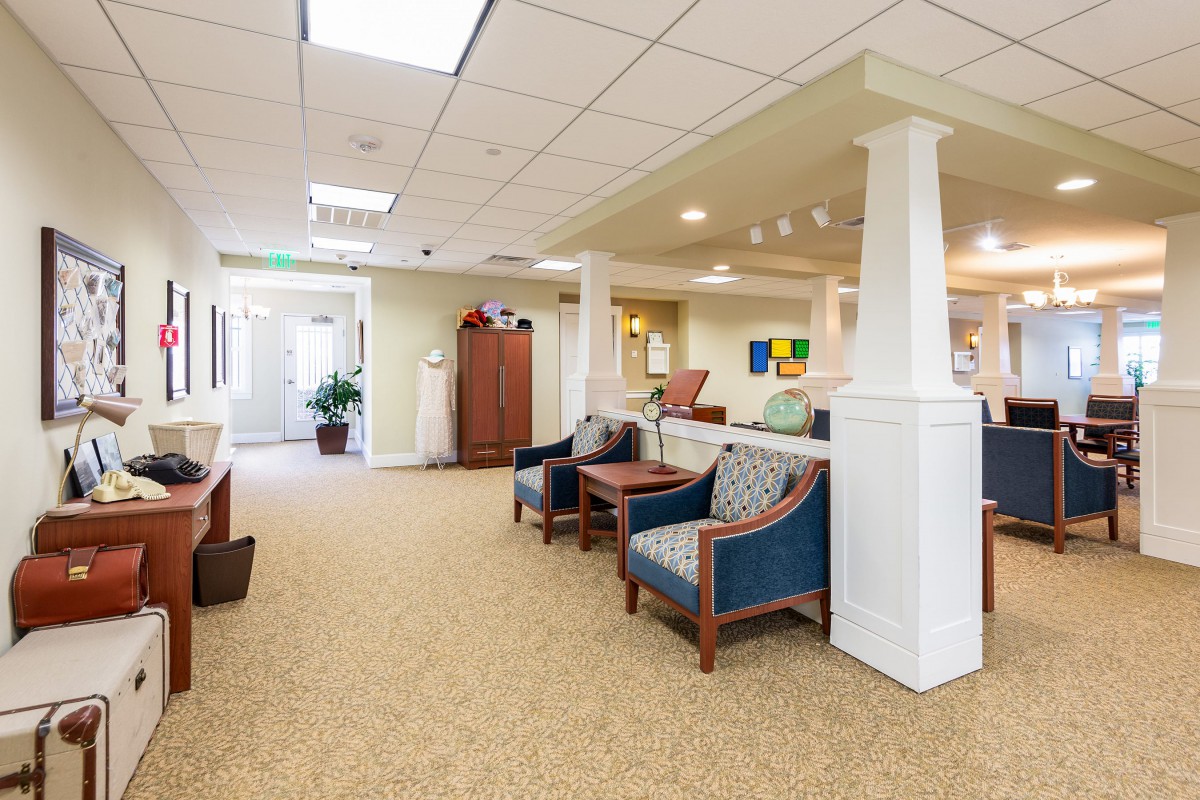
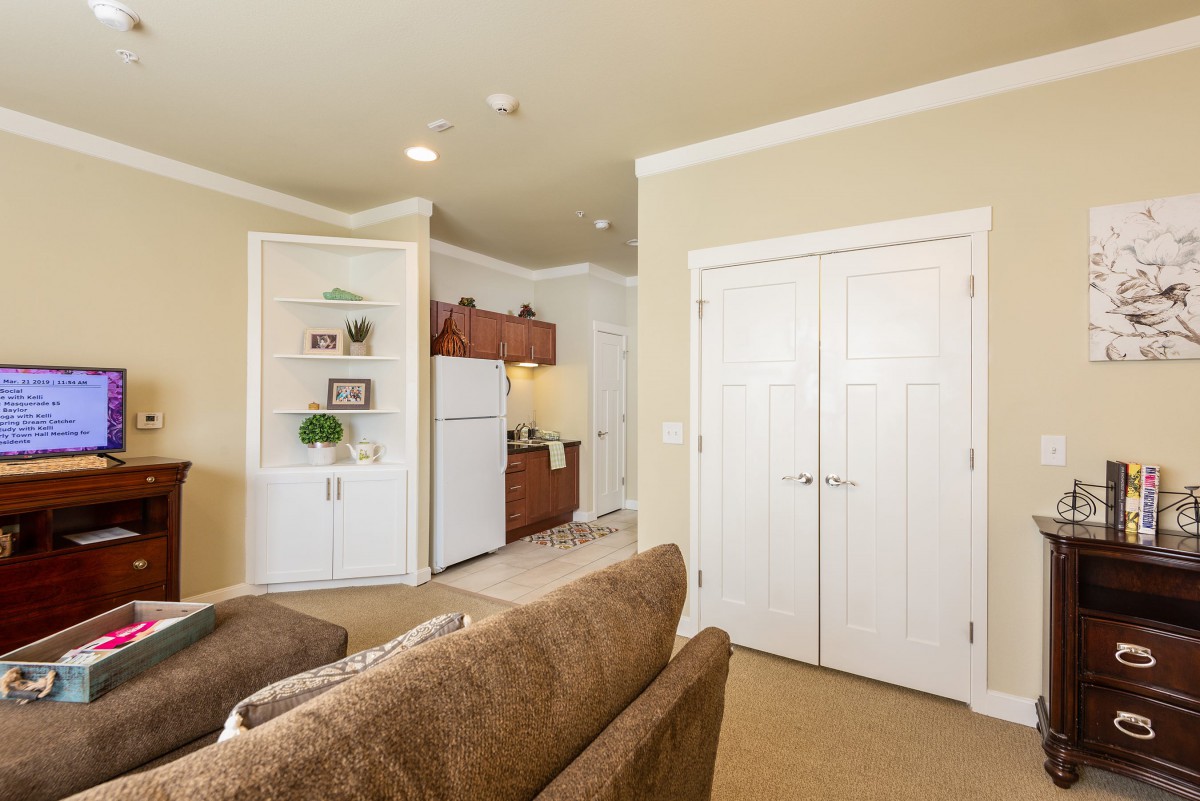
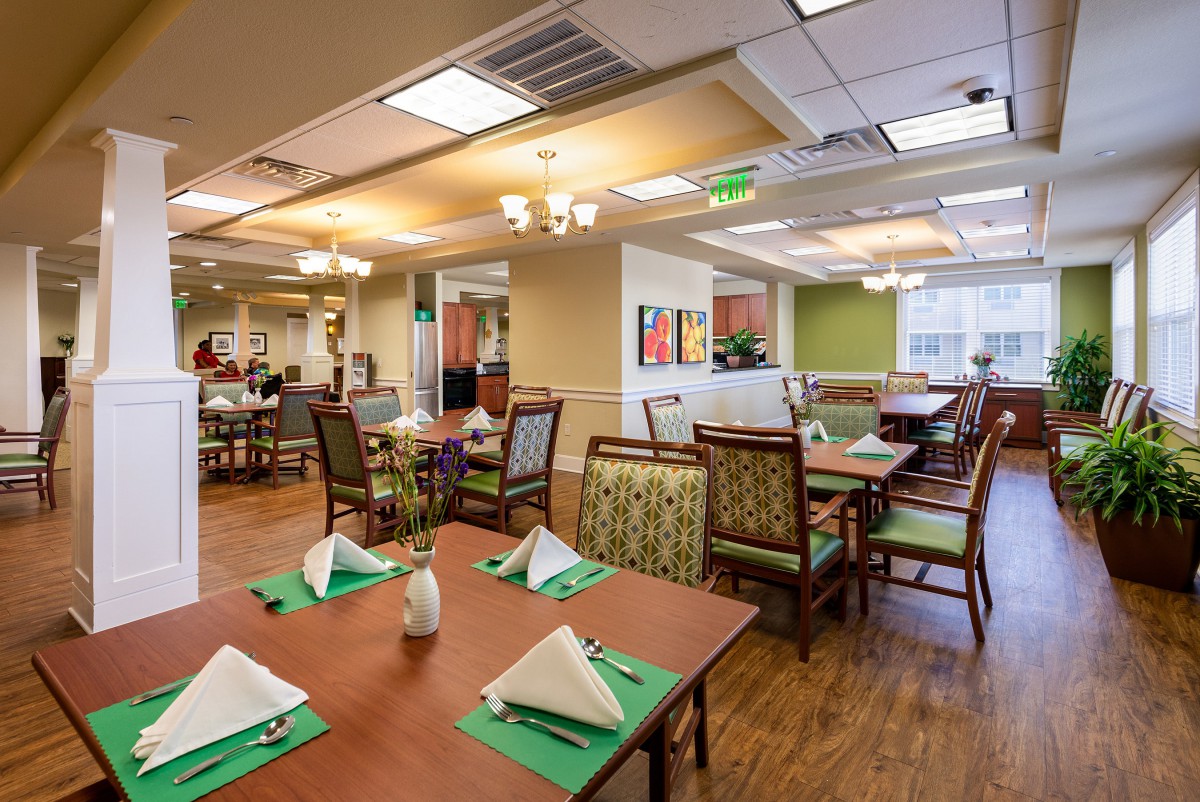
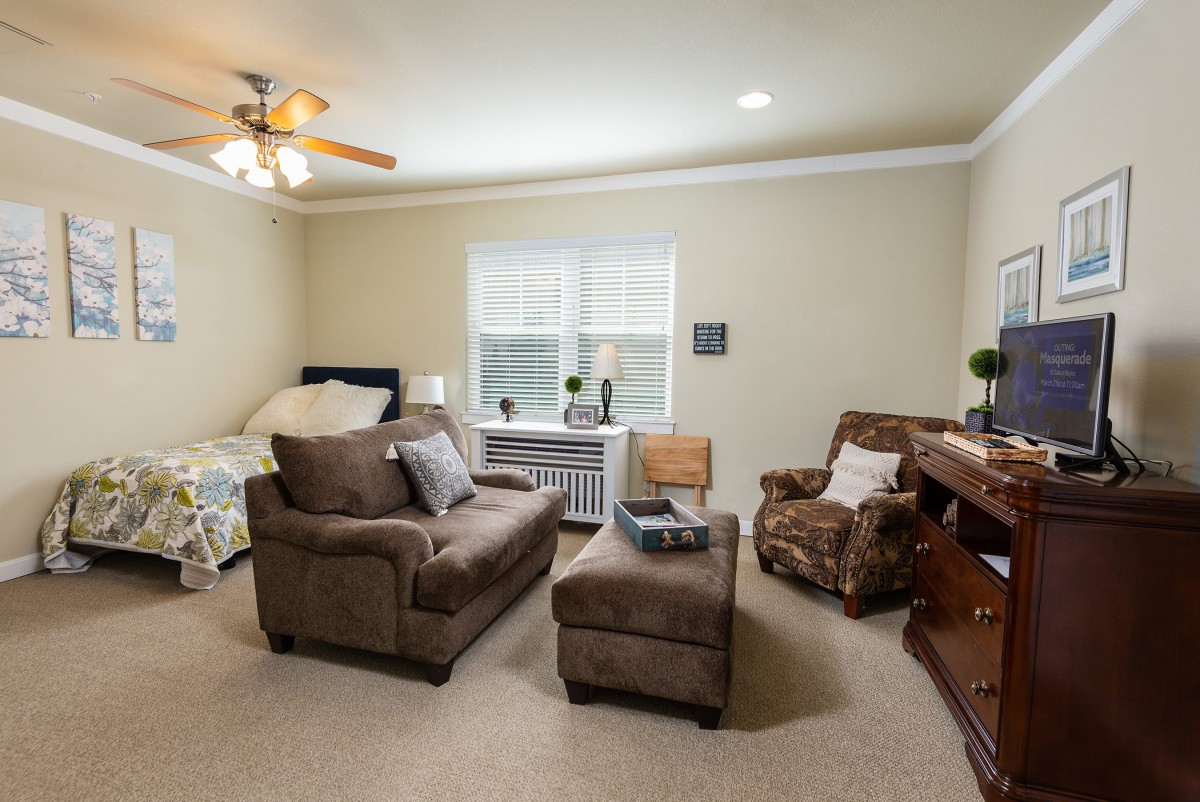
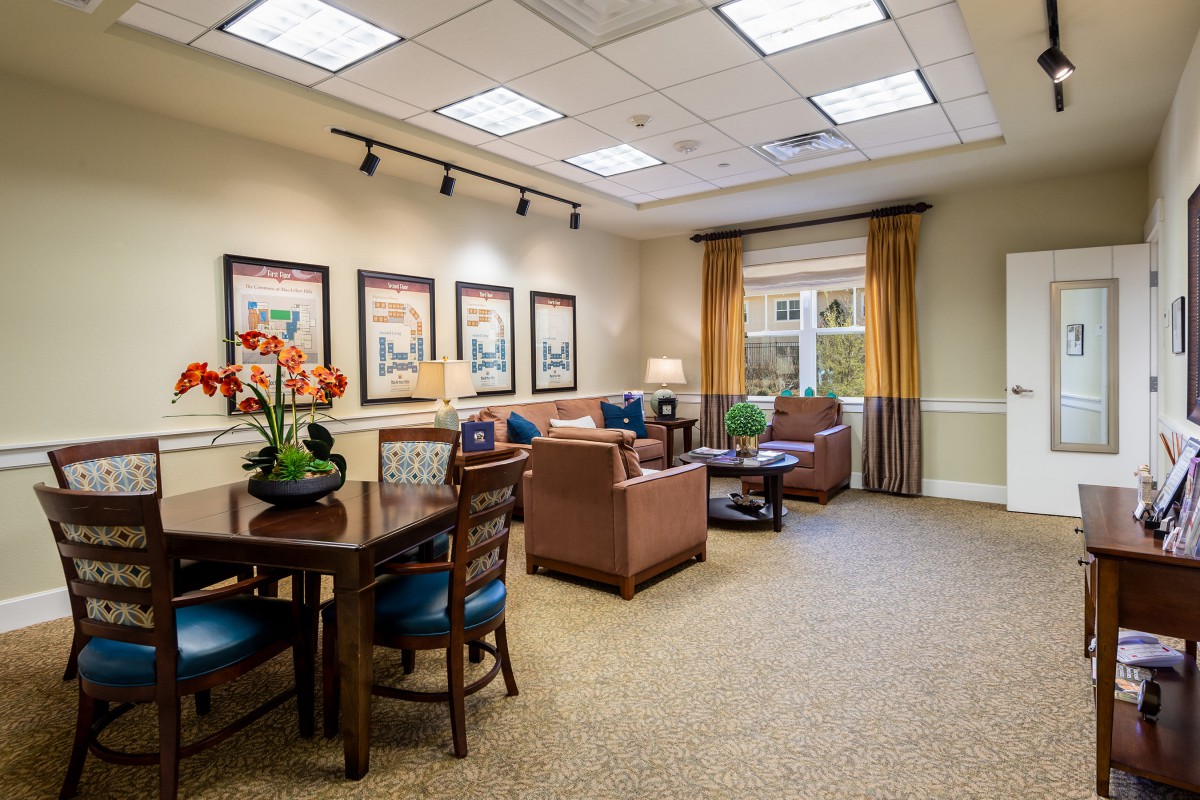
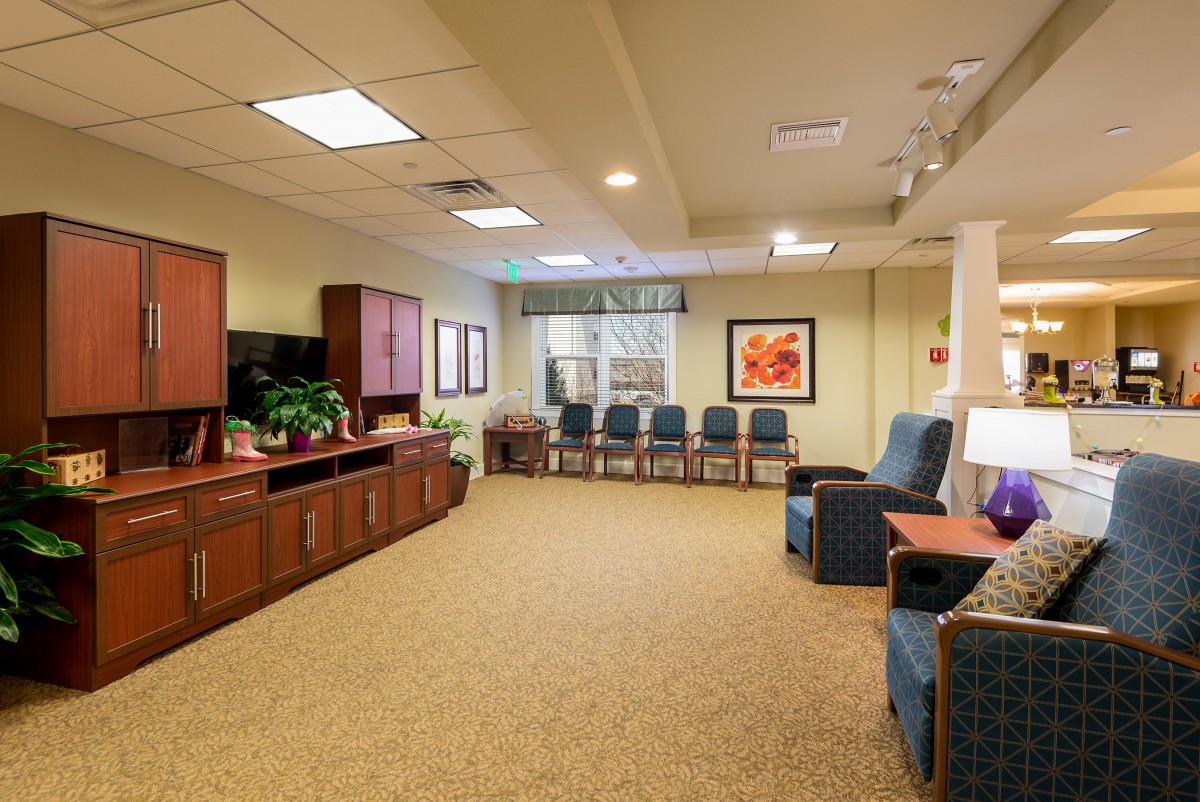
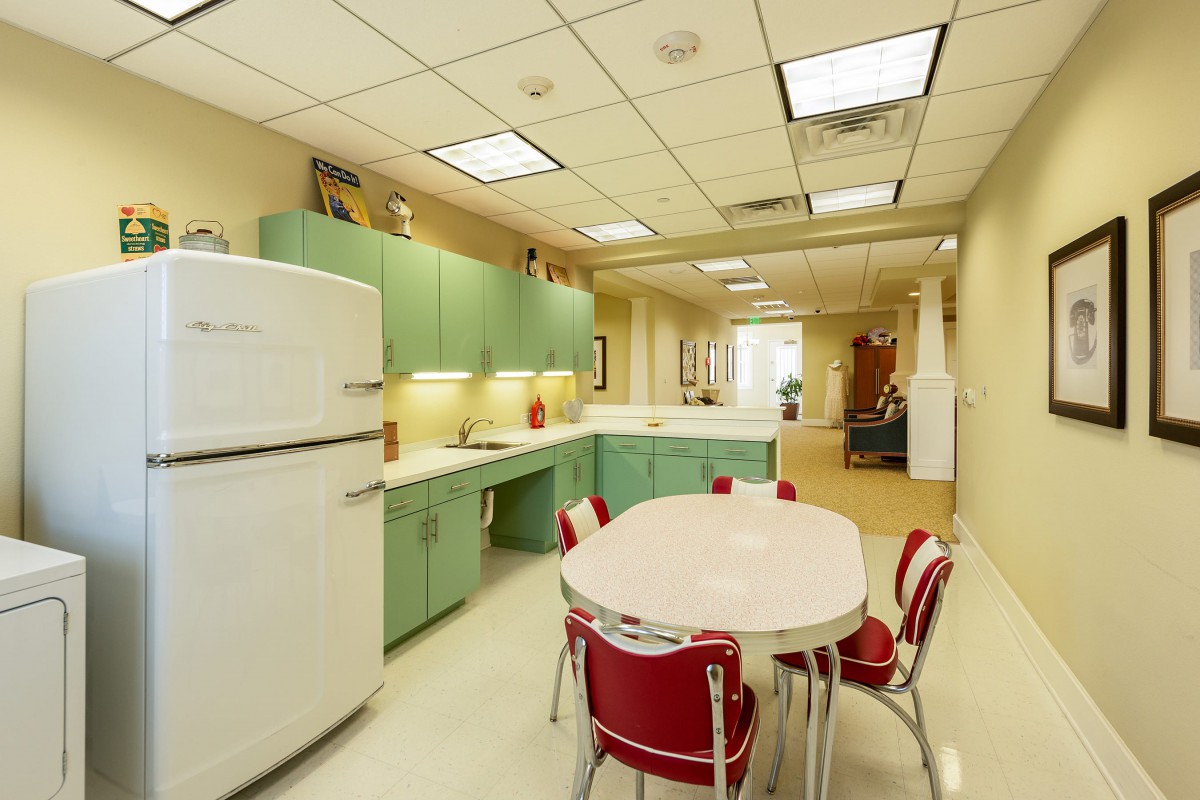
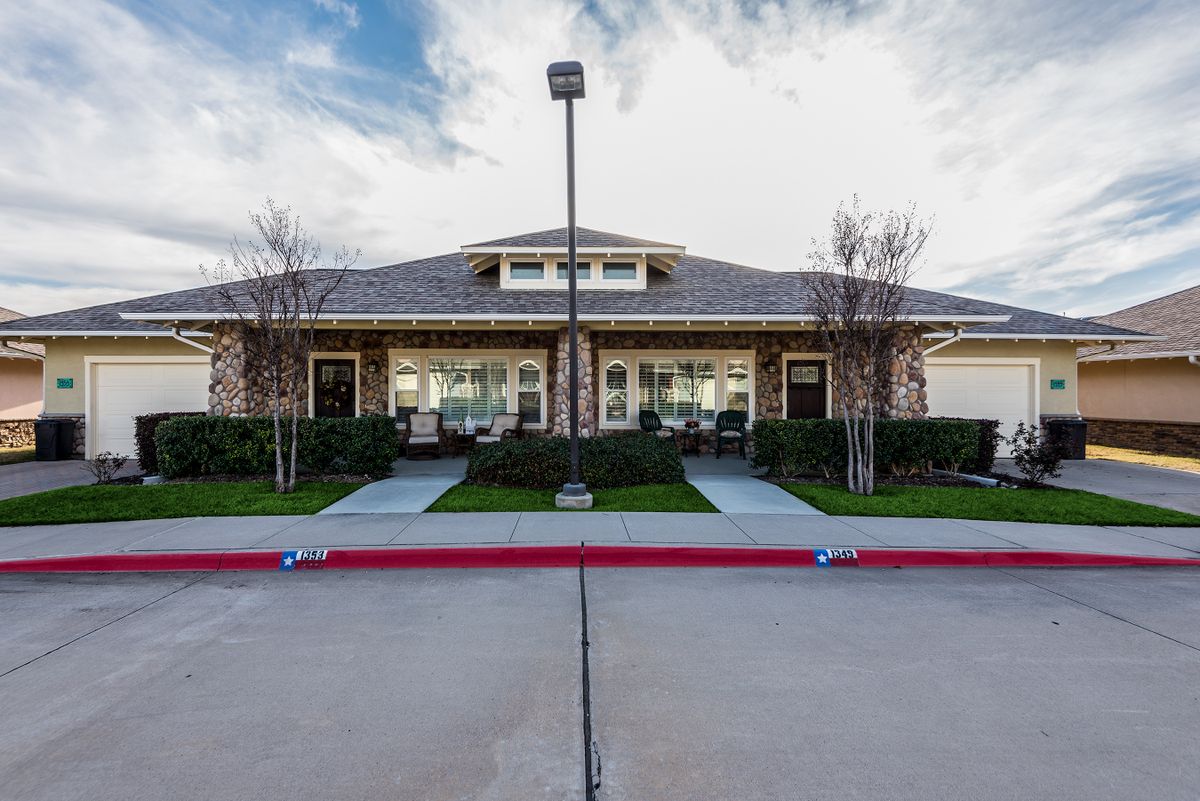
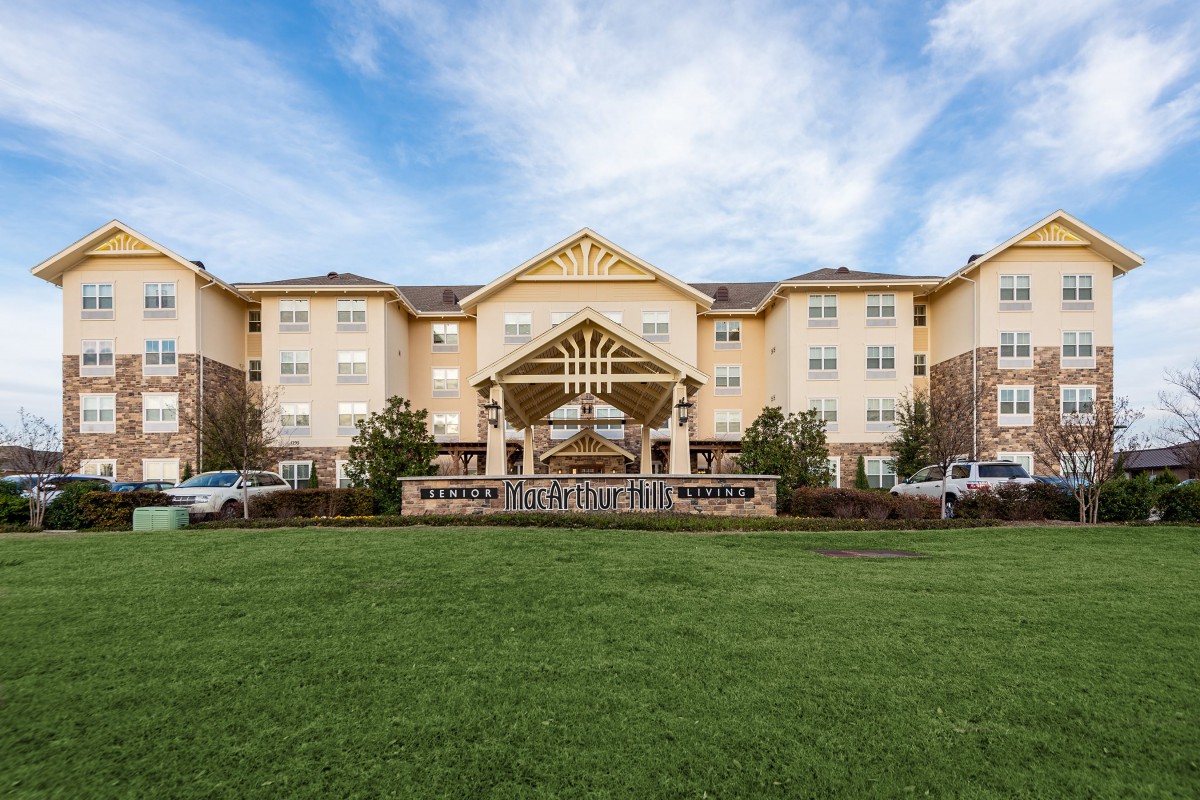
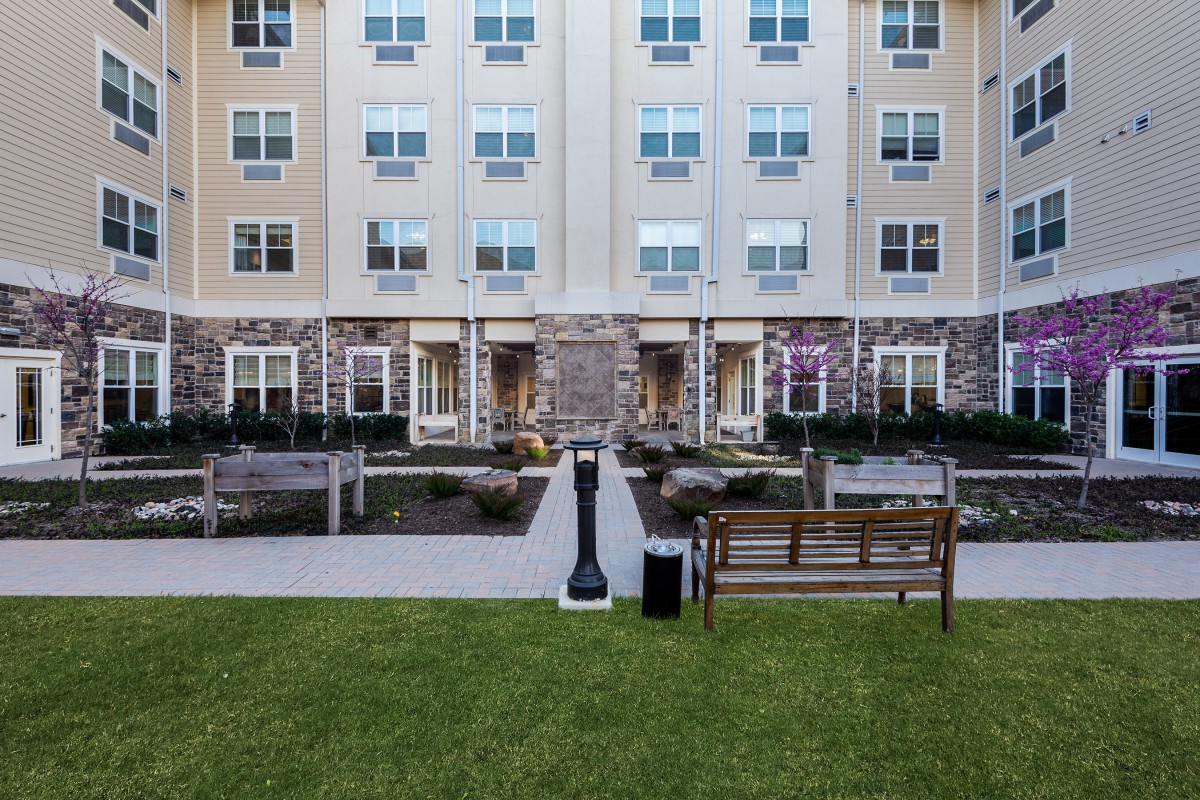
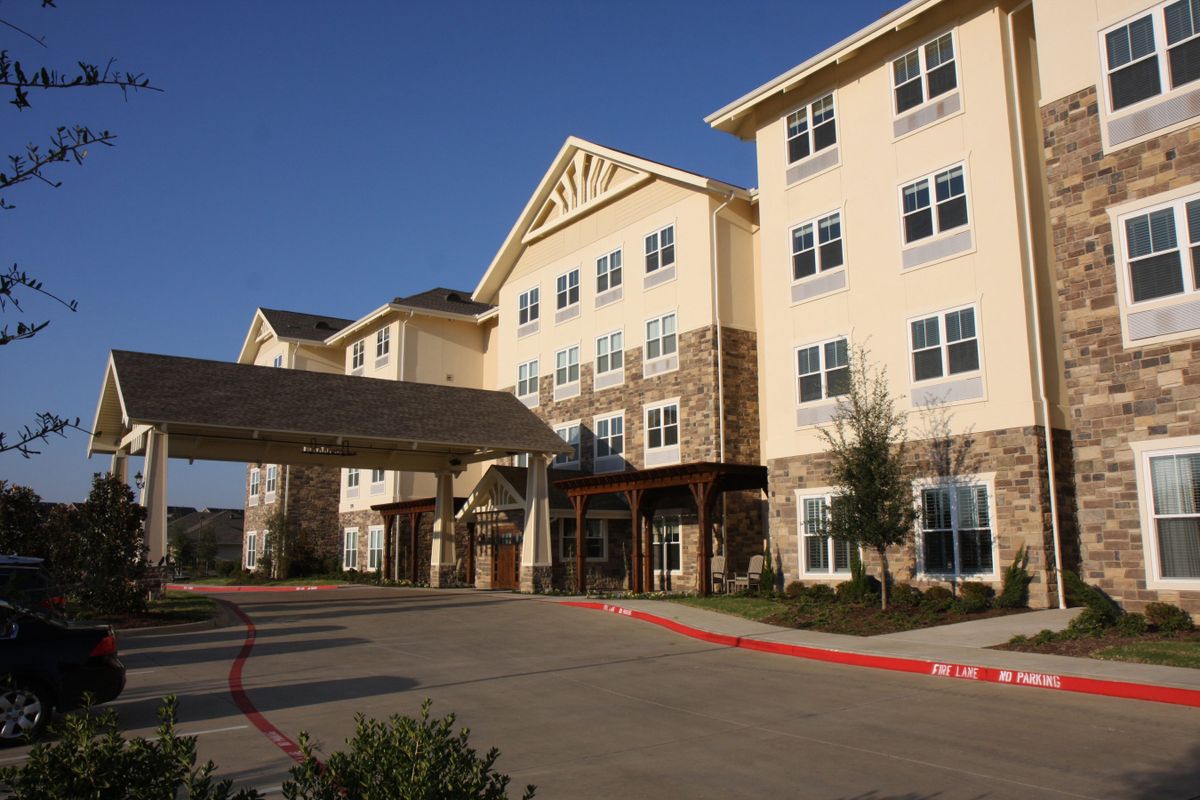
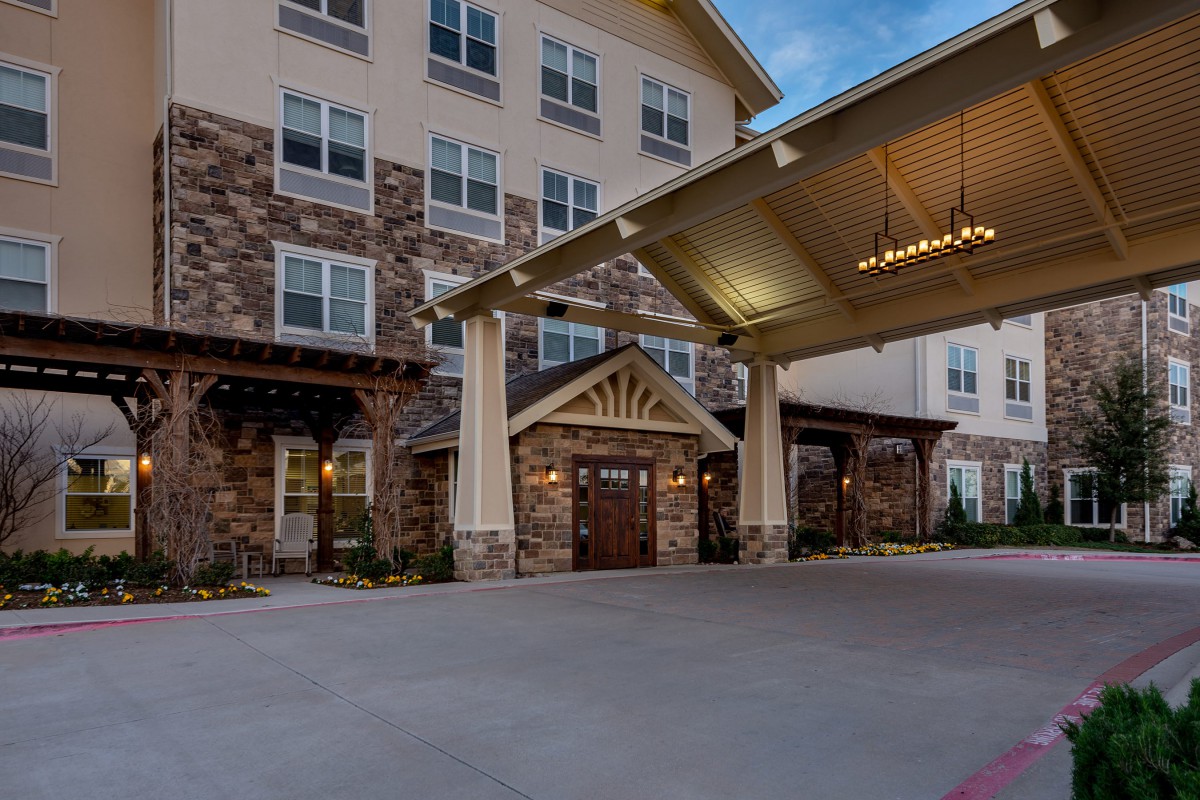
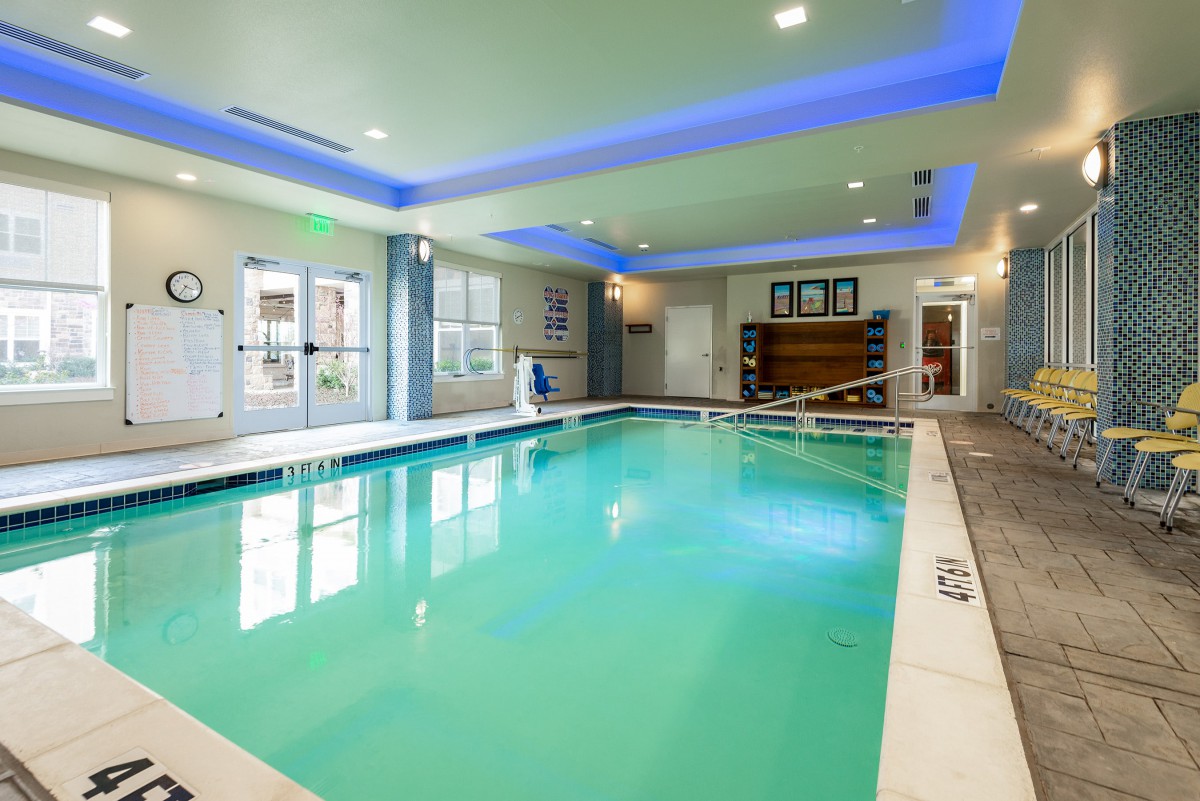
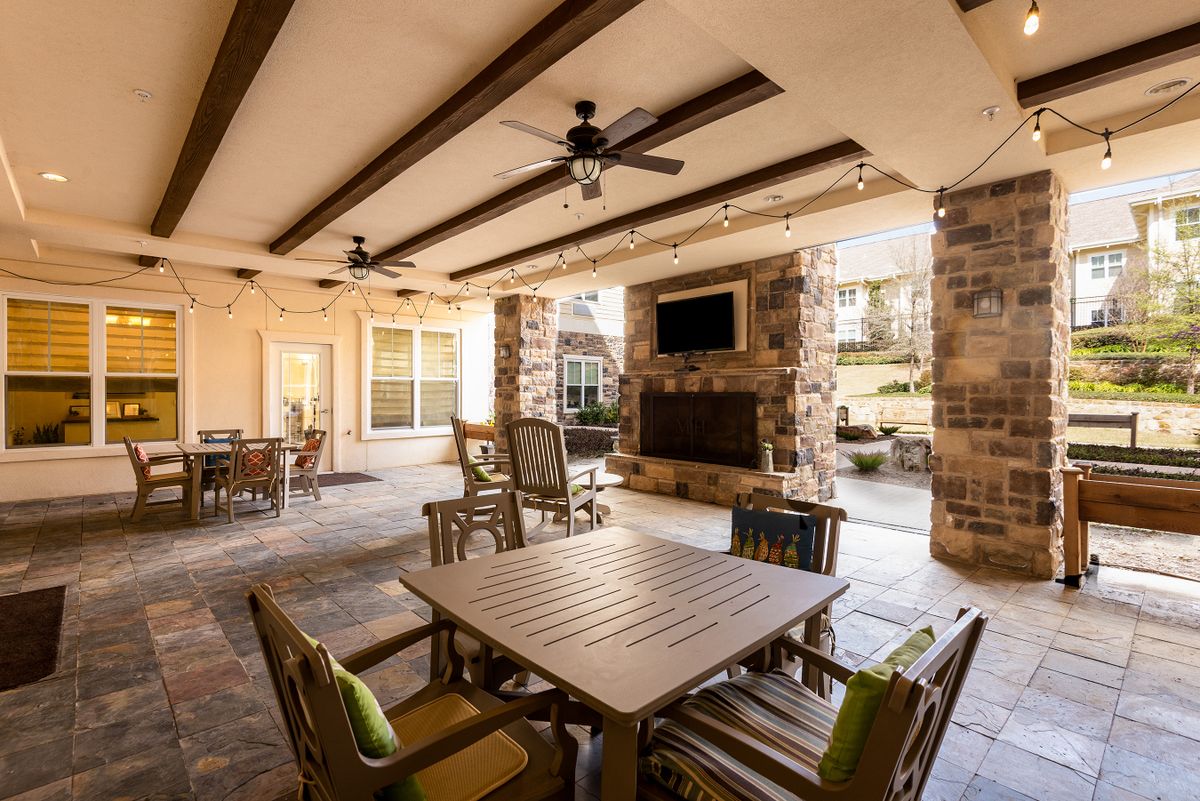
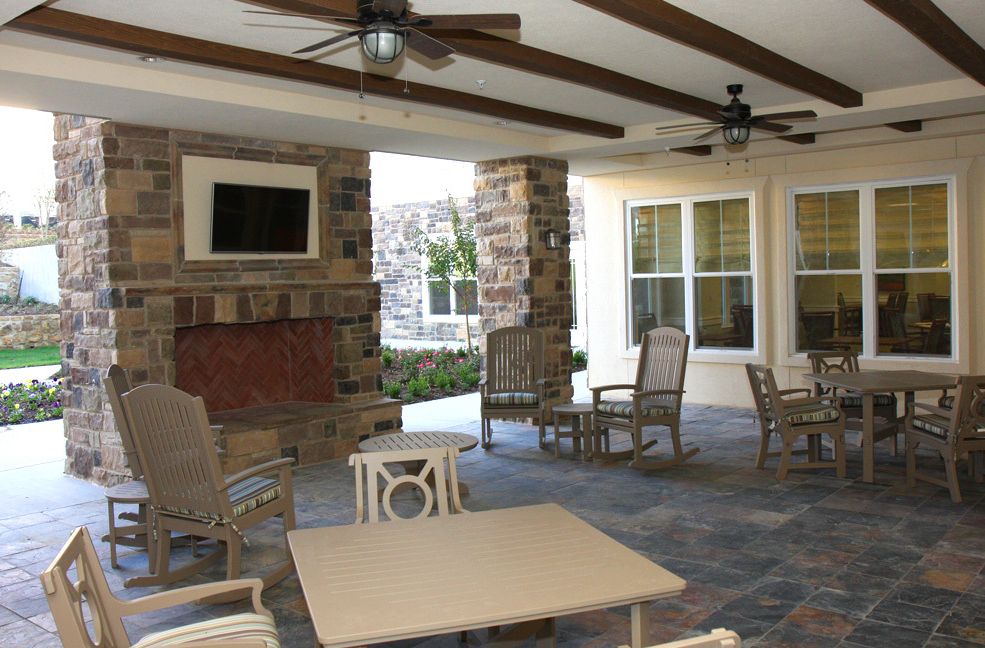
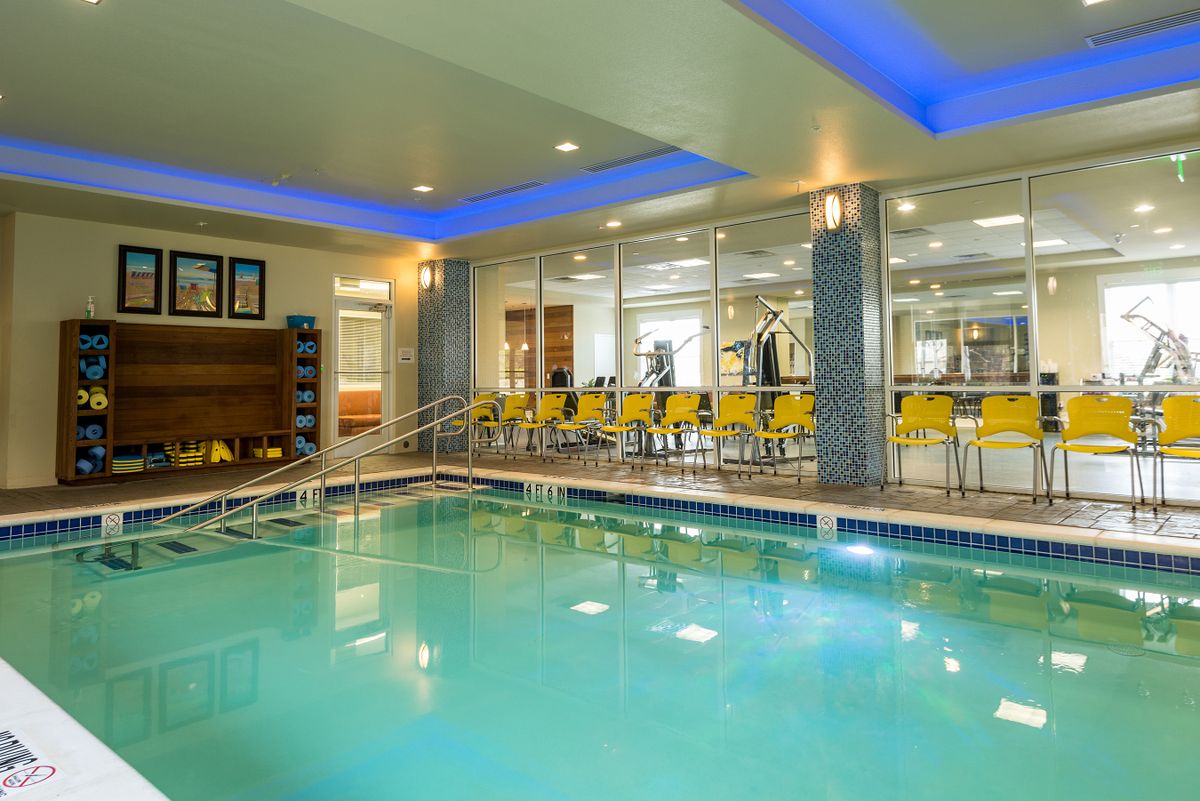
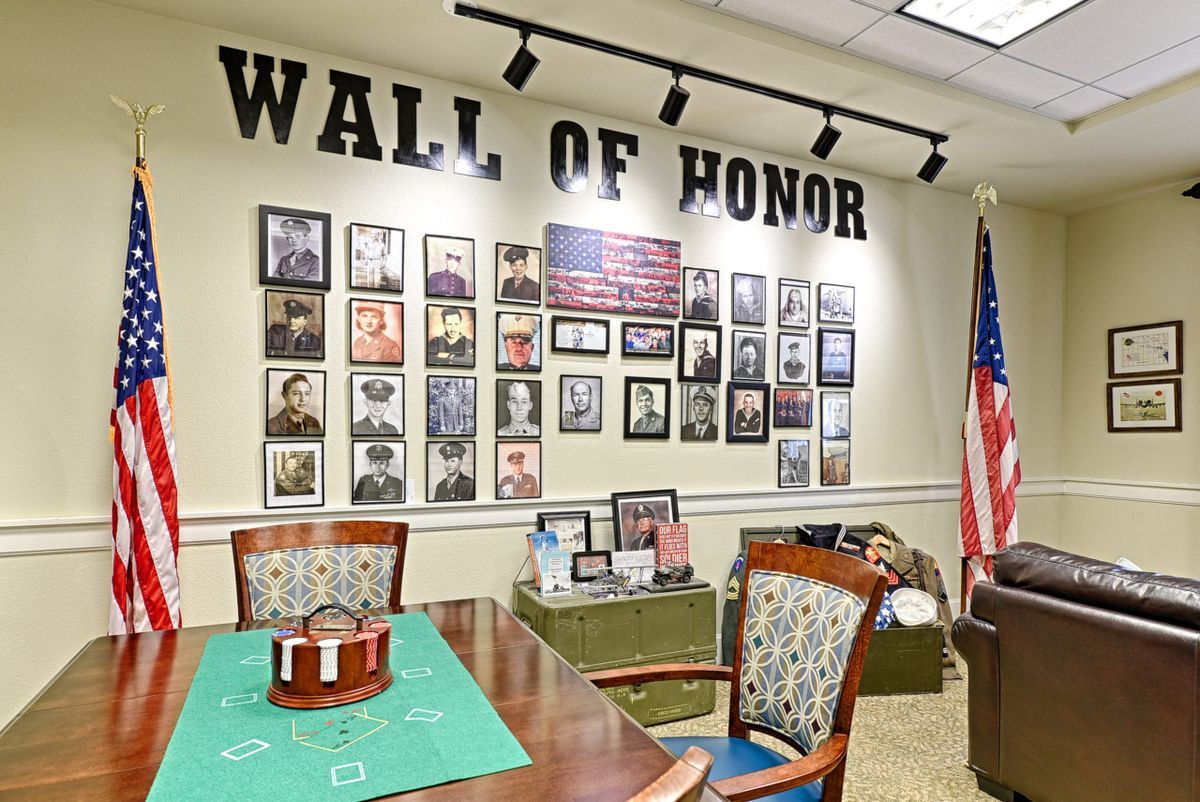
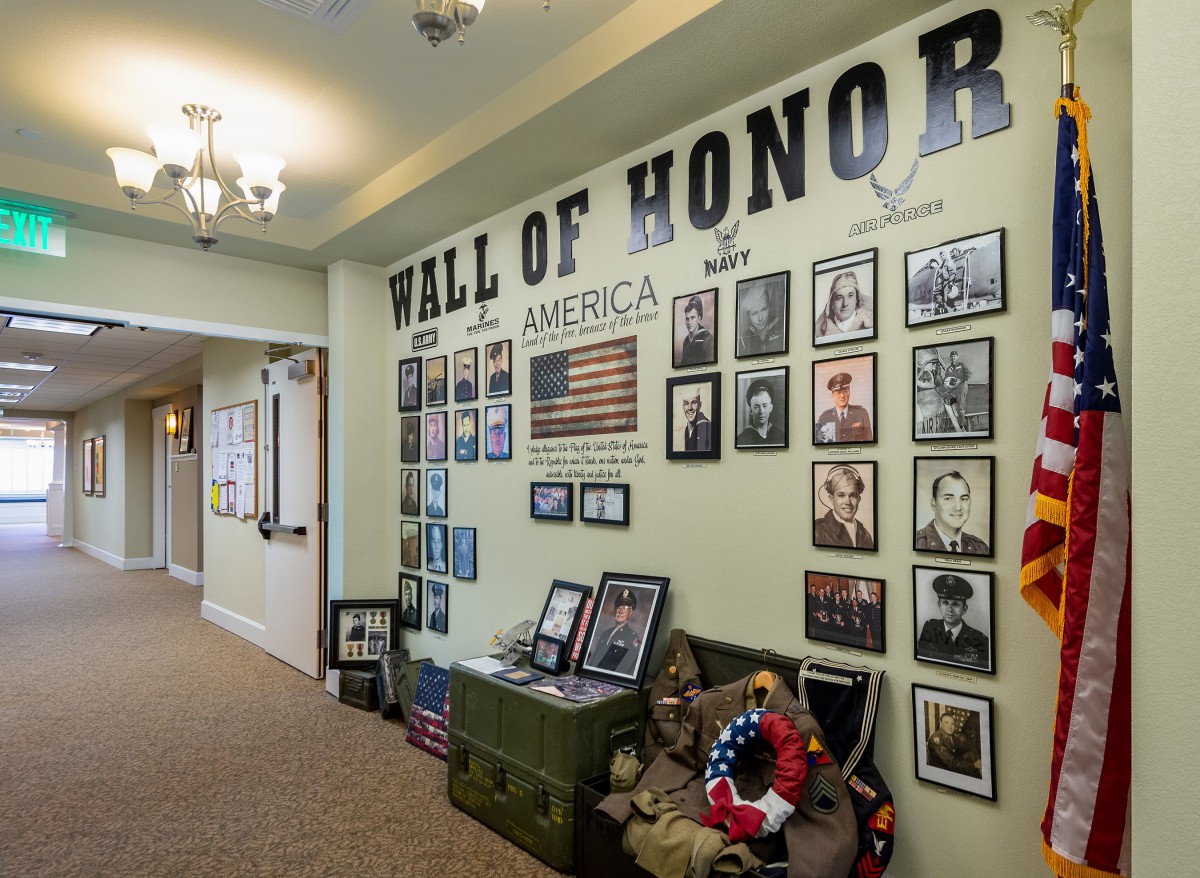
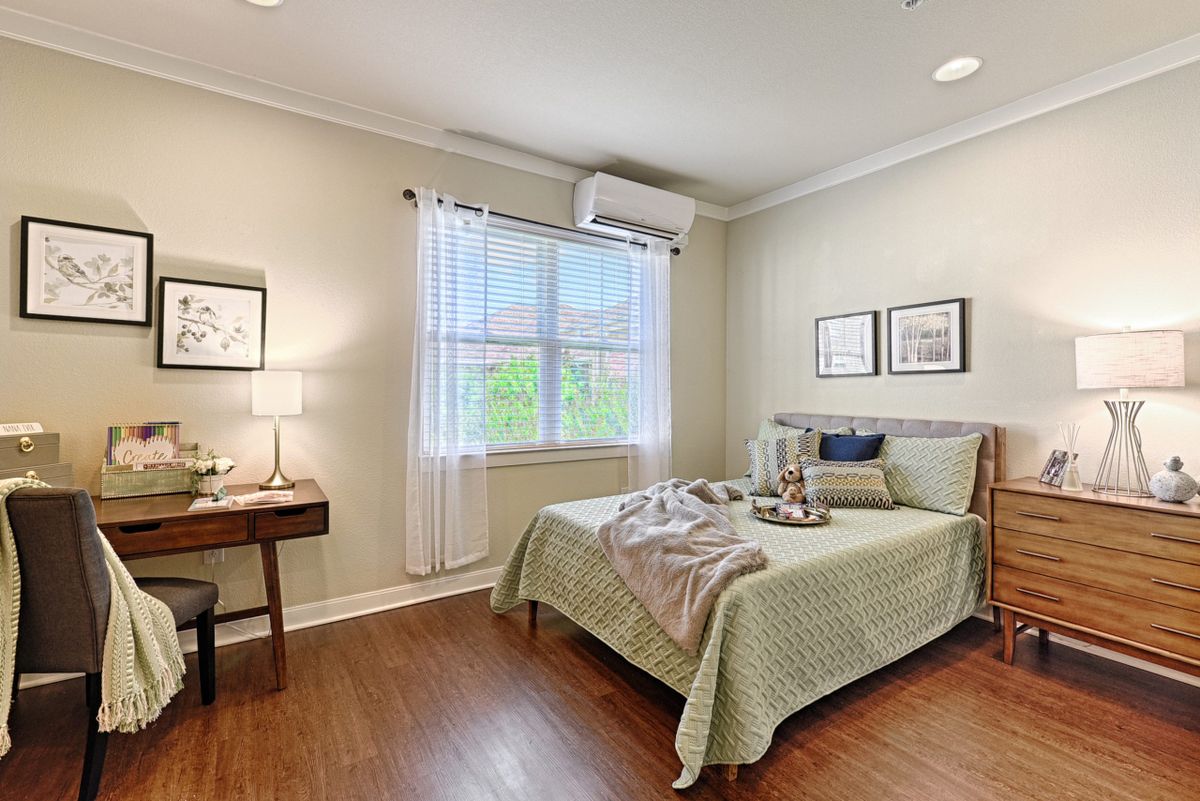
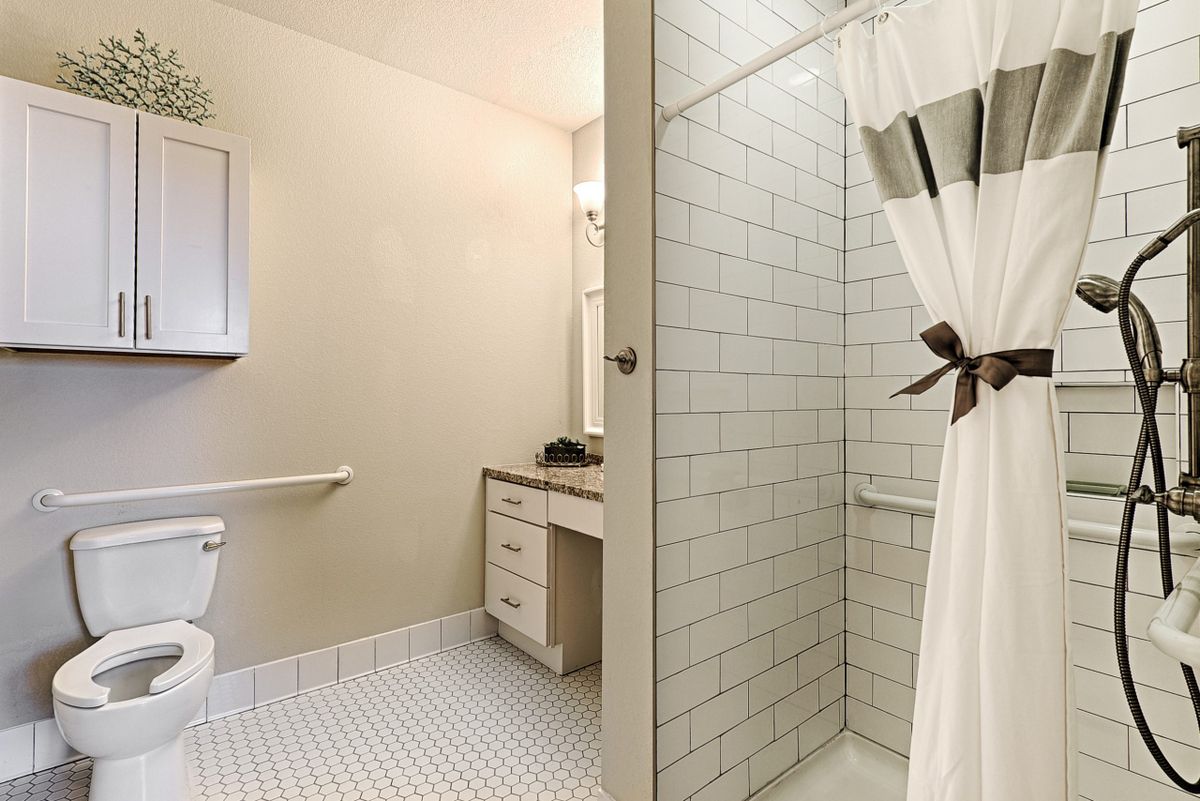
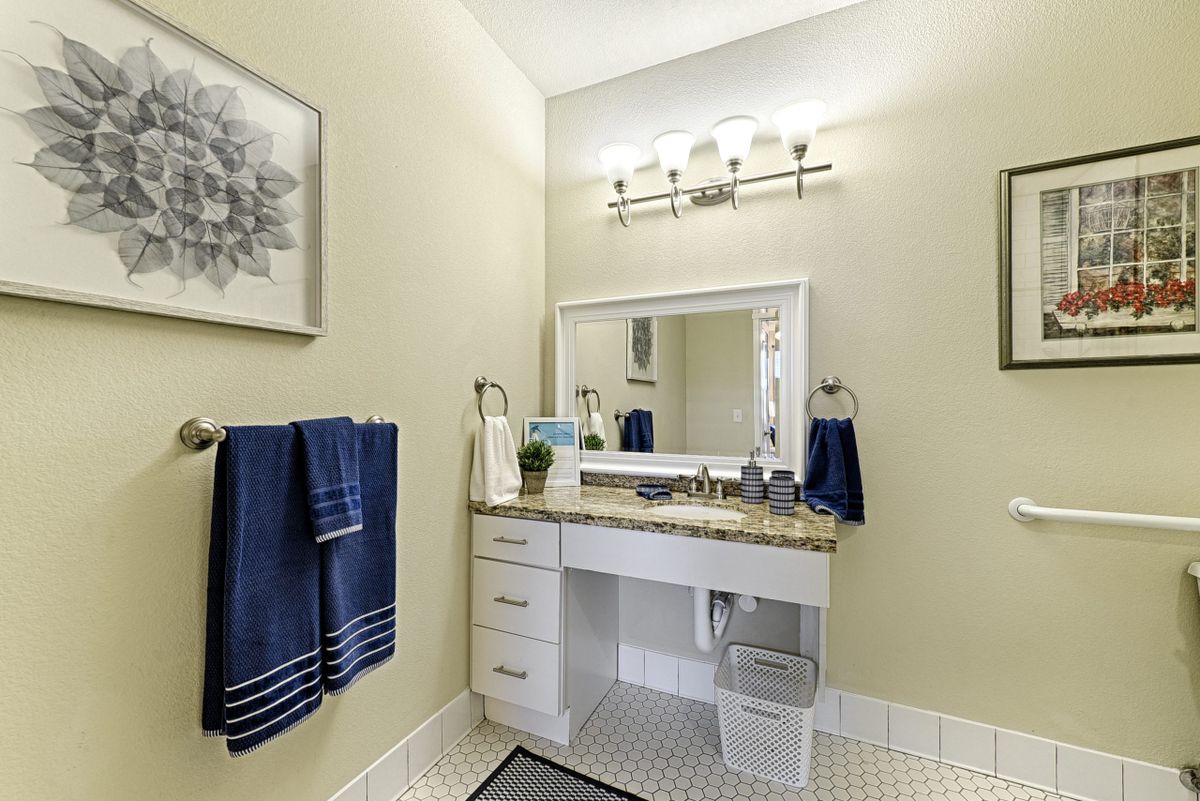
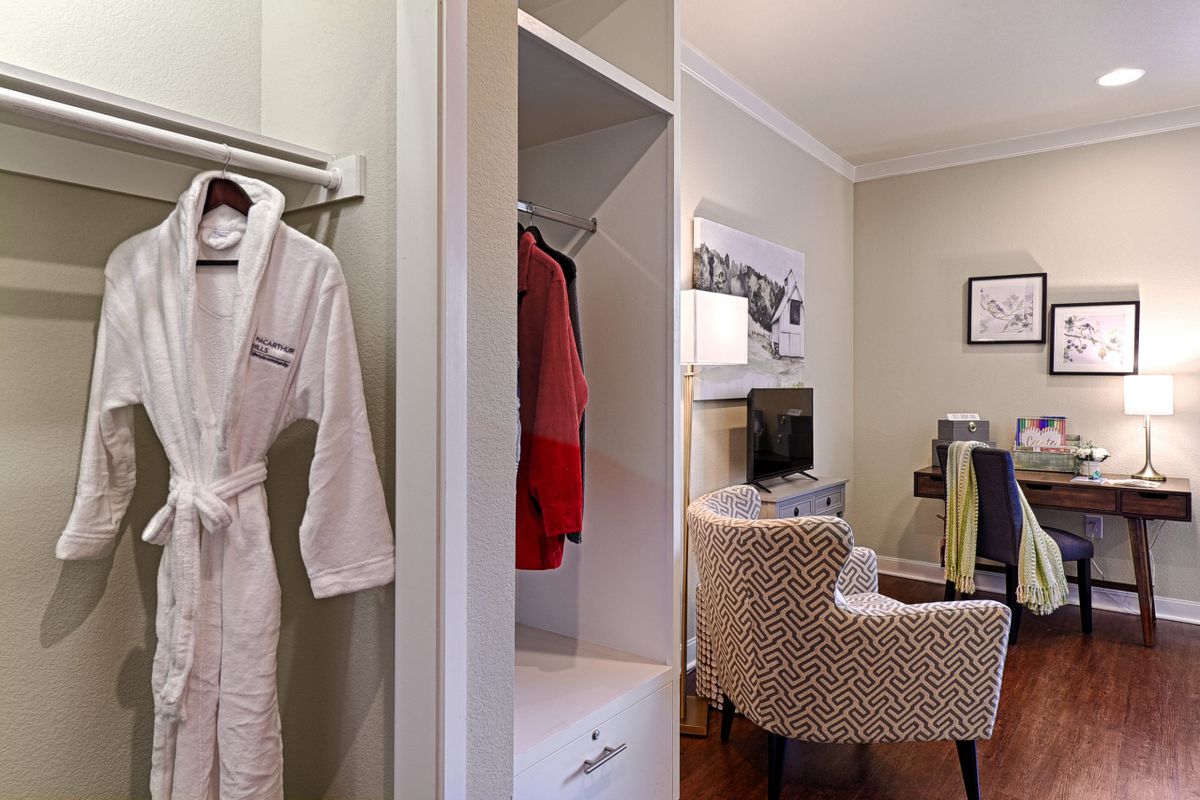
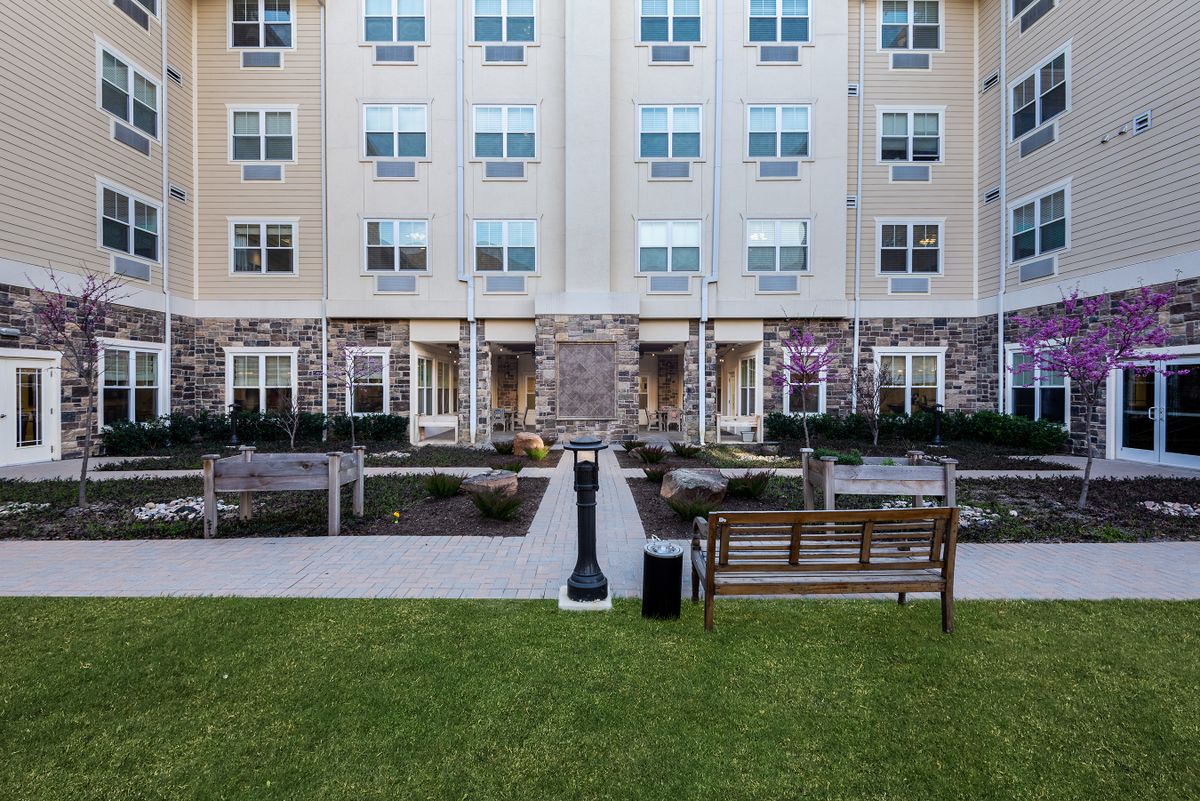
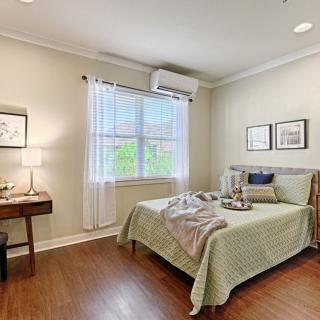
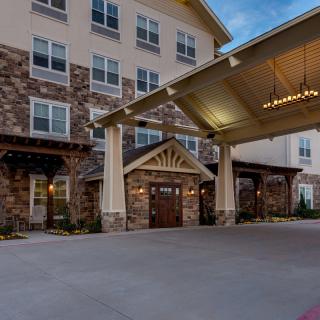
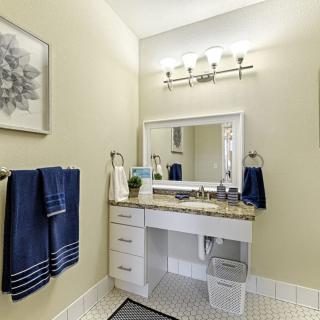
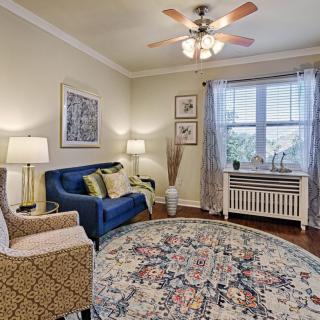
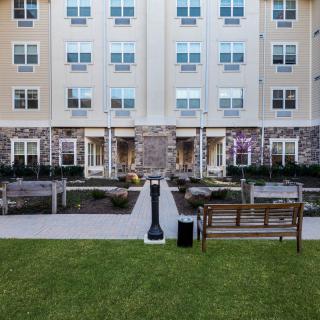
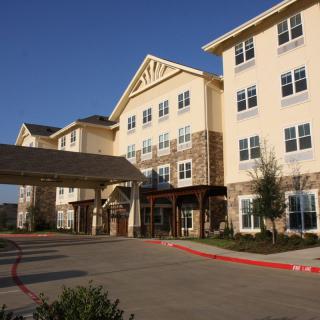
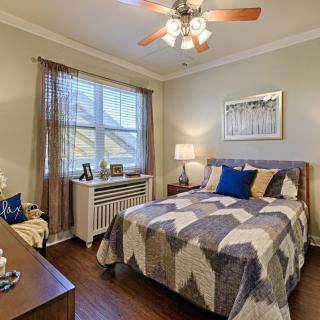
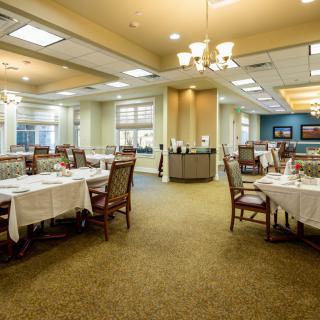
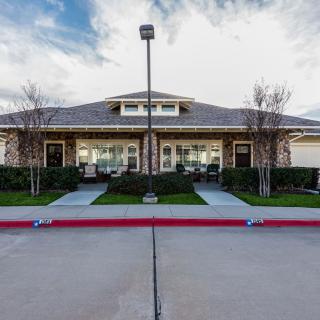
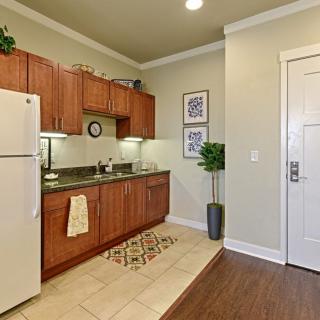
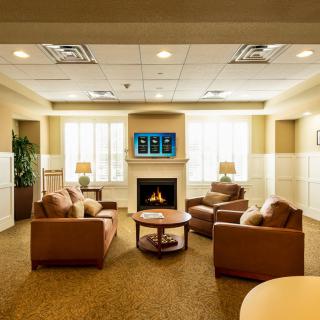
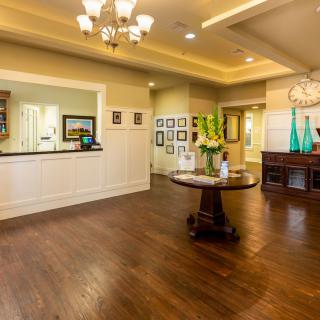
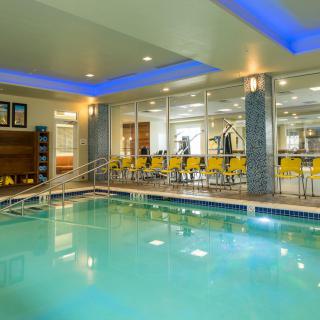
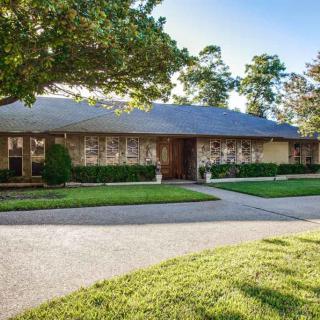
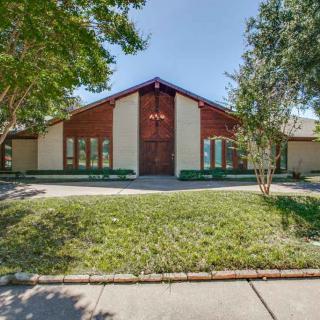
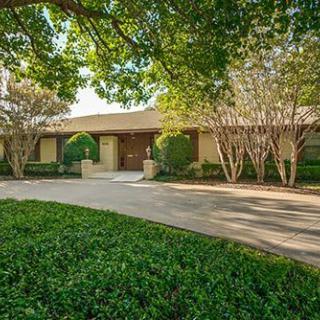
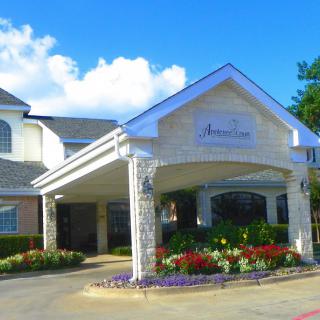
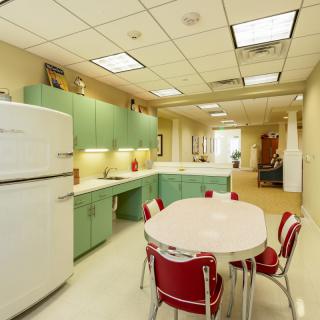
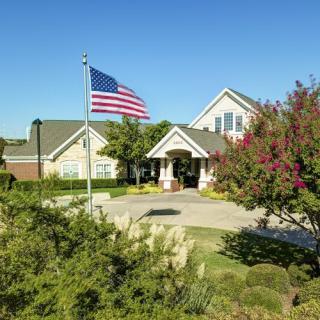
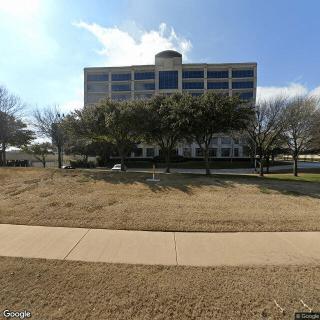
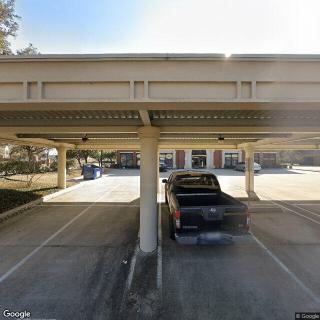
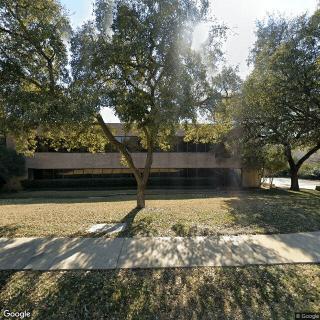
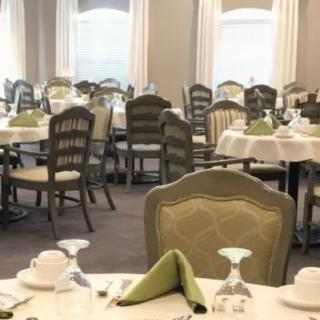
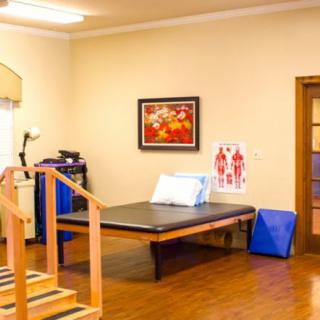
Mac Arthur Hills on seniors.fyi includes 53 photos including images showing interior, floor plan, decor, windows, bathroom, architecture, bedroom, living room, and more.
Nearby Communities
SeniorBridge - Irving, TX
Irving, TX
5 from 10 reviews
Convenient access to pharmacies, medical care, dining, and transportation.
The Remington At Valley Ranch
Irving, TX
4.7 from 192 reviews
$2,285 to $3,385 / month
Friendly staff and a strong resident community with engaging activities.
The Auberge at Valley Ranch
Irving, TX
4.3 from 31 reviews
$4,820 to $6,055 / month
Friendly, attentive staff in a welcoming, home-like setting with engaging activities.
CHRISTUS Health
Irving, TX
Excellent access to pharmacies, dining, healthcare, and transportation nearby.
Amber Home Health Care
Irving, TX
4.2 from 6 reviews
Strong access to nearby healthcare, amenities, and transportation.
Hopeland Home Health Care
Irving, TX
1 from 1 review
Excellent access to nearby amenities (pharmacies, dining, transit).
Christus St Joseph Village
Coppell, TX
4.5 from 43 reviews
Friendly staff, clean and secure community with engaging activities and spacious apartments.
The Eden of Las Colinas
Irving, TX
4 from 98 reviews
Compassionate admissions staff and effective therapy.
Sandy Lake Rehabilitation And Care Center
Coppell, TX
4.2 from 118 reviews
Some residents report attentive staff and engaging activities.
Reminiscence therapy is a structured method for older adults, especially those with dementia, to share life stories using prompts and sensory cues, fostering emotional well-being, social engagement, and self-identity. It aims to improve quality of life by enhancing interpersonal connections and cognitive stimulation while requiring careful facilitation to avoid distressing memories.
Dementia, particularly Lewy body dementia, often involves hallucinations that can significantly distress both patients and caregivers due to disruptions in sensory processing and neurotransmitter imbalances. Effective management includes compassionate communication, environmental adjustments, and a multidisciplinary approach to care while addressing the emotional needs of caregivers.
Alzheimer’s disease is a progressive neurological disorder that significantly impacts memory and cognitive functions, accounting for 60-80% of dementia cases, with early diagnosis being crucial yet challenging. It involves brain changes like beta-amyloid plaques and tau tangles, influenced by genetic and lifestyle factors, and while there is no cure, symptom management and support for caregivers are essential.
Get PricingAsk A QuestionSchedule A TourContact Senior Advisor
By clicking submit, you agree to our Partner's Terms of Use. You
also consent to receive calls and texts, which may be autodialed, from our Partner. Your consent is not a condition to
using our Partner's service. Please visit our Partner's Privacy Policy for information about their privacy practices.


 130 resident community capacity
 1-bedroom apartments
 Assisted Living
 Independent Living
 Memory Care
 Activities off-site
 Air-conditioning
 Beautician on-site
 Cable or satellite TV
 Computer center
 Devotional services off-site
 Dining room
 Financing advice
 Fitness room
 Full kitchen
 Fully furnished
 Gaming room
 Garden
 Guest parking
 Handicap accessible
 Housekeeping services
 Indoor common areas
 Laundry
 Move-in coordination
 Outdoor common areas
 Party space
 Private bathrooms
 Respite or short term stays offered
 Restaurant-style dining
 Small library
 Spa
Spa Swimming pool
 Telephone
 Wheelchair accessible showers
 Wi-Fi/high-speed internet available
 Dallas-Fort Worth International (4 miles away)
 Community operated transportation
 12-16 hour nursing
 24-hour call system
 Ambulatory care
 Assistance with bathing
 Assistance with dressing
 Assistance with transfers
 Diabetes diet
 High acuity care
 Incontinence care
 Medication management
 Mental wellness program
 Special dietary restrictions
 Transportation arrangement (medical)
 Art classes
 Bible study group
 Book club
 Concierge services
 Day trips and outings
 Educational speakers / life long learning
 Games
Games Happy hour
 Live musical performances
 Wine tasting
 English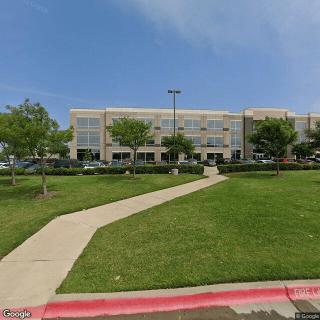
 Convenient access to pharmacies, medical care, dining, and transportation.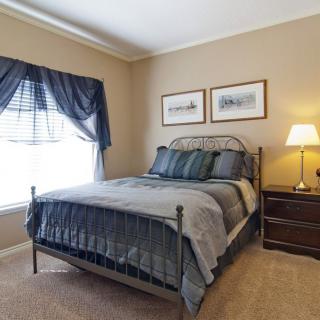

 An In-Depth Look at Reminiscence Therapy in Dementia Care
 Dementia-Related Hallucinations: Causes, Experiences, and Practical Approaches
 Illuminating Insights About Alzheimer's Disease: Ten Crucial Realities