
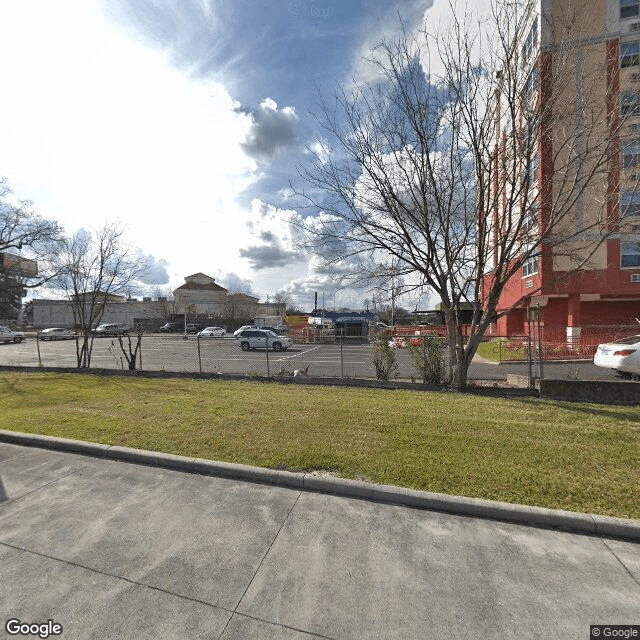
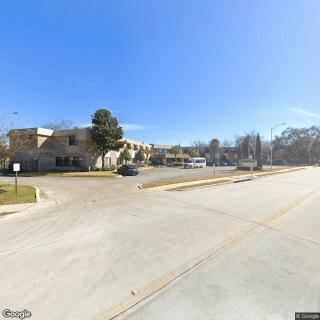
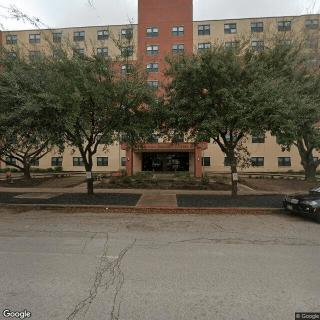
600 E Tidwell Rd, Houston, TX 77022
To contact a resident: (713) 692-2439
For more information about senior living options: (866) 208-4318
Overall Review of Woodland Christian Towers Inc
Pros
 The place is described as a good and clean place to live.
- A former resident, Mr. C, says it was a nice place to live and that he paid his rent on time.
- They view housing the homeless as life-saving.
Cons
 The apartments are horrible and not recommended, especially for the elderly.
- The complex has homeless people, drug infestation, and mold.
- Security is trash, with always some access to get in.
- The front door is locked after a certain time, but the back door is always unlocked.
- The employees are there just for a check and don’t care about residents.
- There is usually only one elevator working.
- An elderly resident was slapped by someone, showing unsafe conditions.
- They enter the property without notice, violating the law.
- The garbage disposal does not work and has not been fixed for two months.
Review
Woodland Christian Towers is best suited for older adults who are comfortable living with imperfect security, uneven maintenance, and a more basic apartment experience in exchange for a lower-cost option. The property can work for residents who prioritize being in a live-in community rather than a polished, risk-free environment, and for families who need affordable housing alternatives in Houston without demanding high-end amenities. However, this is not the right fit for seniors who rely on consistently secure access, dependable staff responsiveness, and rigorous upkeep as a baseline expectation. If safety, predictable service, and a well-regulated environment are nonnegotiable, this is a property to pass on.
Pros, when weighed against the broader context, tend to be narrow and situational. The most credible positive notes describe Woodland Christian Towers as a clean place to live at times, with a sense of basic residency that can suit those who want uncomplicated, independent apartments rather than a full-service senior living campus. In years past, residents recall a nicer experience and a steadier, more predictable atmosphere. For some, the affordability and simple apartment setup offer a reasonable housing solution, and the building’s location can be convenient for access to city services. These are real, practical upsides for those who do not require elevated service standards, but they are fragile advantages that depend on management, maintenance execution, and occupant mix remaining stable.
The dominant drawbacks, however, are structural and persistent. Security is a glaring weakness: back-door access is frequently cited as unmonitored, and even when front doors are secured, the sense of vulnerability lingers. An incident in which a resident was physically harmed underscores a failure of everyday safety to be consistently upheld. The staffing narrative is equally troubling, claims that employees are there mainly to “check a box” rather than to safeguard residents’ welfare cut to the core of what families expect from ongoing care and protection. Elevators are unreliable, with the recurring reality that only one is often operable, creating real barriers for mobility-impaired residents. These are not minor inconveniences; they represent material risks to daily living, especially for seniors who rely on steady access and responsive care.
Maintenance and operations compound the risk profile. A two-month delay in fixing a nonfunctional garbage disposal signals systemic neglect rather than intermittent hiccups. The tenant experience of inspections has a punitive feel, maintenance staff allegedly documenting every minor lapse and turning routine cleanliness or kitchen items into paperwork-worthy infractions. When repairs are slow and administrative rules become tools of control rather than service, the living environment shifts from opportunity to stress. The history of entry rules, requiring signature checks on check-in and check-out, creates a surveillance-like climate that can feel dehumanizing to residents and families alike. Taken together, these operational patterns erode trust and compound safety concerns, especially for those who depend on predictable, respectful interactions with staff.
The balance between pros and cons clearly tilts toward caution. Cleanliness and an affordable apartment option do not compensate for ongoing security flaws, inconsistent maintenance, and heavy-handed administrative practices. For families evaluating care trajectories, the risk-adjusted equation here favors communities with stronger and more visible commitments to resident safety, rapid maintenance response, and staff engagement. The presence of a homeless population on-site, along with the perception of unmanaged security and disruptive behavior, can escalate anxiety for elder residents and their loved ones. These dynamics are not just uncomfortable; they have tangible implications for falls, medical emergencies, and overall well-being. In short, the potential upside is fragile, while the downside carries material consequences.
Those who should consider alternatives are families who prioritize safety, consistent service, and a respectful community tone. Look for communities with verifiable, 24/7 security measures, fully functioning elevators, and maintenance teams that address repair requests within days, not weeks. Seek facilities with transparent incident and repair records, proactive management that communicates clearly, and a resident culture built on dignity and support rather than surveillance. If current or prospective residents require robust on-site staffing, clear boundaries between residents and property operations, and a peace-of-mind approach to entry control, Woodland Christian Towers will likely fall short.
Ultimately, a decisive recommendation follows: Woodland Christian Towers can serve as a practical, budget-conscious housing option for an extremely self-reliant senior who can tolerate imperfect safety nets and variable service. For most families seeking a stable, secure, and respectful living environment for a loved one, the safer move is to pursue alternatives. Prospective renters should conduct targeted due diligence: request recent maintenance ticket logs, verify elevator reliability at multiple times of day, speak with several current residents about staff responsiveness, and confirm entry-control policies in writing. If these checks reveal concrete improvements or reassure that past issues have been decisively addressed, the option may merit reconsideration; otherwise, it is prudent to keep exploring better-structured communities that place resident welfare and reliability at the forefront.
 Active Adult Communities (55+)
 George Bush Intercontinental (10 miles away)


 California's Form 602A: An In-Depth Examination of Senior Care Assessment
 Comprehensive Look at Senior Blood Pressure Charts: Normal and Elevated Levels by Age
 Top Canine Companions for Older Adults