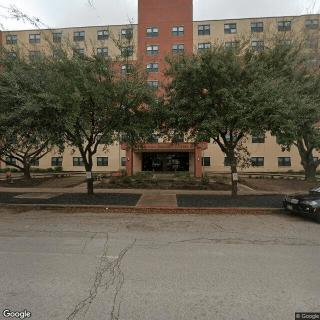
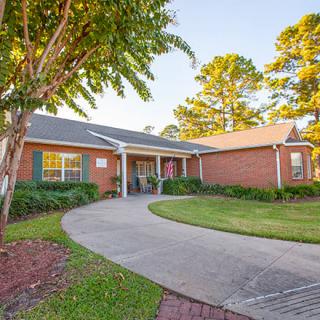
Loving Care Assisted Living Home in Houston, TX

8209 North Main, Houston, TX 77022

For more information about senior living options: (844) 490-3973

3.7 from 6 reviews
5 stars
4
4 stars
0
3 stars
0
2 stars
0
1 stars
2

Assisted Living Board and Care Home

What level of care are you interested in?

Assisted Living

Memory Care

Independent Living

Skilled Nursing Facility

Continuing Care Retirement Community (CCRC)CCRC

Other


Request a tour at Loving Care Assisted Living Home

    Overall Review of Loving Care Assisted Living Home

    Cons

    • pro The owner allegedly allows employees to beat up customers who leave the premises.
    • pro The owner, Ms. Jay, is accused of taking all of the customers' money.
    • pro The place is not fit for an animal to stay there.
    • pro The establishment only serves sandwiches.
    • pro There are no activities offered.
    • pro The rating given to the place is zero.
    • pro The staff display attitude problems and are disrespectful.
    • pro The establishment should be shut down.

    Review

    Loving Care Assisted Living Home in Houston is best suited for families seeking a small, intimate setting where ownership is highly visible and oversight can be direct. The concept works for those who want a home-like atmosphere and are prepared to be actively involved in monitoring care, safety, and financial practices. In practice, that means a family willing to conduct meticulous checks, schedule frequent visits, and demand transparent reporting. It is not a fit for those who expect regulated, consistently reliable operations with established safeguards, unless substantial, verifiable improvements are evident before any transition occurs.

    There are clear reasons to consider alternatives. The most compelling red flags are severe and specific: reported abuse by staff, allegations of the owner's complicity or indifference, and claims of financial exploitation. Additionally, feedback highlights inadequate nutrition and a startling absence of activities or engagement for residents. In a market with many well-regulated choices, these factors place this community on a different footing - one where safety and dignity must be verified beyond doubt before assuming routine, quality care. Prospective families should treat the high rating as insufficient reassurance in light of such serious claims.

    The limited positive signals offered by a small, owner-operated home do not meaningfully offset the principal concerns. A smaller setting can enable faster responsiveness and individualized attention, but those potential benefits vanish if residents face mistreatment, neglect, or financial manipulation. The combination of alleged physical harm, alleged financial loss, and a lack of meaningful daily programming creates a risk profile that outweighs any perceived warmth or personalized touch. In short, the intimate environment becomes a liability when governance and conduct are in question.

    The strongest, most troubling themes center on safety, trust, and accountability. If multiple residents or families report abuse or coercive financial practices, the implications extend beyond discomfort or dissatisfaction; they signal potential violations of state care standards and civil protections. The reported diet and absence of activities further suggest neglect of fundamental quality-of-life needs. Even if some residents appear to manage, the risk to others - especially those with cognitive impairment or higher care needs - remains unacceptable without independent verification, proactive supervision, and immediate corrective action. Any assessment should treat these red flags as non-negotiable deal-breakers until proven otherwise through transparent processes.

    Due diligence becomes non-negotiable in this context. Prospective movers should demand comprehensive licensing and inspection histories, current complaint logs, and a fully transparent financial understanding (billing practices, deposits, refunds, and any liens or pending issues). Direct conversations with multiple residents and their families, unannounced visits, and a review of daily routines, meals, and activity calendars are essential. Require evidence of staff qualifications, background checks, and ongoing supervision; confirm emergency response procedures, medical oversight arrangements, and how medical changes are communicated. Consider engaging a third-party care manager to assess suitability before any commitment, and insist on a clearly defined trial period with an off-ramp if safety or satisfaction cannot be assured.

    In the end, the balance of evidence weighs heavily toward caution. The combination of abuse claims, financial concerns, inadequate meals, and a lack of meaningful daily programming makes this community difficult to recommend without substantial, verifiable reforms and ongoing external oversight. For families weighing options, stronger, better-regulated facilities with documented safety records and transparent operations are a more prudent path. If a family remains attracted by the small-home appeal, it must be accompanied by stringent safeguards, independent verification, and an ironclad exit plan, ready to be enacted at the first sign that core care standards are not being met.

    Features

    Housing

    • 9 resident community capacity 9 resident community capacity

    Types of Care

    • Assisted Living Assisted LivingAssisted living facilities provide crucial support and care for seniors who may need help with daily tasks such as medication management, bathing, and meal preparation. These communities offer a safe and comfortable environment where seniors can maintain their independence while receiving the assistance they need to thrive in their golden years.
    • Board and Care Home Board and Care HomeBoard and care homes provide a smaller, more intimate setting for seniors who require assistance with daily tasks but do not need the level of care offered by a nursing home. They offer personalized care, meals, and social activities in a homelike environment, ensuring that seniors receive individualized attention and support in their golden years.

    Amenities

    • Cable or satellite TV Cable or satellite TVCable or satellite TV is important for seniors because it provides entertainment, news, and companionship, helping to combat loneliness and boredom. It also offers a wide range of programming options tailored to different interests and preferences.
    • Dining room Dining roomDining rooms are important for seniors as they provide a space for socialization, connection, and nutritious meals. They offer opportunities for residents to bond over shared meals, foster a sense of community, and promote healthy eating habits. Dining rooms also ensure that seniors have access to well-balanced meals tailored to their dietary needs and preferences.
    • Fully furnished Fully furnishedFully furnished senior living communities are important for seniors because they provide convenience, comfort, and a hassle-free moving experience. Seniors can easily settle into their new living space without the stress of having to buy and move furniture. This allows them to focus on enjoying their new home and community.
    • Garden GardenGardens are important for seniors as they provide a peaceful and therapeutic environment for relaxation, physical activity, and socialization. Being in nature has been shown to reduce stress, improve mood, and promote overall well-being. Gardens also offer opportunities for seniors to engage in gardening activities, which can improve mobility, flexibility, and cognitive function. Additionally, gardens create a sense of community and connection with others who share a passion for plants and outdoor spaces.
    • Housekeeping services Housekeeping servicesHousekeeping services are important for seniors because they help maintain a clean and safe living environment, promote independence, and reduce the risk of accidents or illnesses. Additionally, having assistance with household chores can alleviate physical strain and allow seniors to focus on other aspects of their well-being.
    • Move-in coordination Move-in coordinationMove-in coordination is important for seniors because it helps ease the transition into their new living environment. It ensures that all logistics, such as packing, organizing movers, and setting up utilities are taken care of, allowing seniors to focus on settling in and adjusting to their new home. Having a smooth move-in process can alleviate stress and anxiety, making the transition smoother and more enjoyable for seniors.
    • Outdoor space Outdoor spaceOutdoor spaces are important for seniors as they provide opportunities for physical activity, social interaction, exposure to natural light and fresh air, and a sense of connection to nature. Having access to outdoor spaces can improve overall well-being and quality of life for older adults living in senior communities.
    • Telephone TelephoneTelephones are important for seniors as they provide a lifeline for communication with loved ones, emergency services, and healthcare providers. They offer a sense of security and independence, enabling seniors to stay connected and access assistance when needed.
    • Wi-Fi/high-speed internet available Wi-Fi/high-speed internet availableWi-Fi/high-speed internet is important for seniors to stay connected with loved ones, access online resources, and participate in virtual activities to combat feelings of loneliness and isolation. It also allows them to easily manage healthcare needs, access entertainment, and engage in lifelong learning opportunities.

    Transportation

    • George Bush Intercontinental (11 miles away) George Bush Intercontinental (11 miles away)
    • William P X (14 miles away) William P X (14 miles away)

    Care Services

    • 24-hour supervision 24-hour supervision24-hour supervision is important for seniors to ensure their safety, well-being, and access to immediate assistance in case of emergencies or health issues. This constant support provides peace of mind for both seniors and their loved ones, allowing them to age in place with dignity and security.
    • Activities of daily living assistance Activities of daily living assistanceActivities of daily living assistance are important for seniors because they provide essential support with tasks such as eating, bathing, dressing, and mobility. This assistance helps seniors maintain their independence, dignity, and overall quality of life as they age.
    • Assistance with bathing Assistance with bathingAssistance with bathing is crucial for seniors as it helps maintain personal hygiene, prevents infections, and ensures their overall well-being and comfort. It also provides a sense of dignity and independence for seniors who may struggle with this task on their own.
    • Assistance with dressing Assistance with dressingAssistance with dressing is important for seniors because it helps maintain their independence, promotes personal hygiene, prevents accidents and injuries, and improves overall quality of life. This service ensures that seniors can continue to dress comfortably and confidently, despite any physical limitations they may have.
    • Assistance with transfers Assistance with transfersAssistance with transfers is crucial for seniors as it helps prevent falls and injuries, maintains their independence, and ensures they can safely navigate their living environment. It also provides peace of mind for both seniors and their loved ones.
    • Coordination with health care providers Coordination with health care providersCoordination with health care providers is crucial for seniors to ensure proper medical care, medication management, and overall well-being. This collaboration helps prevent overlapping treatments, track progress more effectively, and provide comprehensive support tailored to individual needs.
    • Diabetes diet Diabetes dietA diabetes diet is crucial for seniors as it helps manage blood sugar levels, reduce risks of complications, and improve overall health and well-being. By following a balanced and nutritious diet tailored to their specific needs, seniors can better control their diabetes and enhance their quality of life.
    • Meal preparation and service Meal preparation and serviceMeal preparation and service are crucial for seniors as they may have limited mobility or energy to cook nutritious meals. Having access to healthy and convenient food options can ensure they are getting the proper nutrition needed to maintain their overall health and well-being.
    • Medication management Medication managementMedication management is crucial for seniors to ensure they are taking the right medications at the correct dosages and times. This helps prevent adverse drug interactions, reduces the risk of medication errors, and promotes overall health and well-being. Proactive management also allows for adjustments as needed based on changing health conditions or new prescriptions.
    • Special dietary restrictions Special dietary restrictionsSpecial dietary restrictions are important for seniors because age-related changes in metabolism and health conditions can make it difficult for their bodies to process certain foods. By following a diet tailored to their specific needs, seniors can maintain their overall health and well-being, manage chronic conditions, and reduce the risk of complications such as malnutrition or food interactions with medications.
    • Transportation arrangement (medical) Transportation arrangement (medical)Transportation arrangements for medical purposes are essential for seniors as they may have difficulty driving themselves to appointments or accessing public transportation. Having reliable and safe transportation options ensures that seniors can receive timely medical care and maintain their health and well-being.
    • Transportation to doctors appointments Transportation to doctors appointmentsTransportation to doctors' appointments is crucial for seniors as it ensures they have access to necessary medical care and support for their health needs. Without reliable transportation, seniors may struggle to attend important appointments, leading to potential delays in treatment and health complications. Providing transportation services helps seniors maintain their overall well-being and quality of life.

    Dining

    • Diabetes diet Diabetes dietA diabetes diet is crucial for seniors as it helps manage blood sugar levels, reduce risks of complications, and improve overall health and well-being. By following a balanced and nutritious diet tailored to their specific needs, seniors can better control their diabetes and enhance their quality of life.
    • Special dietary restrictions Special dietary restrictionsSpecial dietary restrictions are important for seniors because age-related changes in metabolism and health conditions can make it difficult for their bodies to process certain foods. By following a diet tailored to their specific needs, seniors can maintain their overall health and well-being, manage chronic conditions, and reduce the risk of complications such as malnutrition or food interactions with medications.

    Activities

    • Community-sponsored activities Community-sponsored activitiesCommunity-sponsored activities are important for seniors as they provide opportunities for social interaction, mental stimulation, and physical activity. These activities can help improve overall well-being, combat loneliness and isolation, and promote a sense of belonging and purpose among older adults.
    • Scheduled daily activities Scheduled daily activitiesScheduled daily activities are important for seniors because they provide structure, socialization, mental stimulation, and physical activity. Engaging in regular activities can improve overall well-being and quality of life for seniors living in a community setting.

    Description

    Loving Care Assisted Living Home in Houston, TX is a warm and inviting community that provides personalized board and care services. Our fully furnished facility offers a comfortable and homelike atmosphere for seniors to enjoy their golden years.

    Residents at Loving Care Assisted Living Home have access to a range of amenities designed to enhance their quality of life. Our dining room provides delicious meals tailored to meet special dietary restrictions, ensuring that residents receive the nutrition they need. Housekeeping services are available to maintain a clean and tidy living environment, allowing residents to relax and enjoy their time with us.

    We understand the importance of maintaining an active lifestyle, which is why we offer scheduled daily activities for residents to engage in. From physical exercise programs to mental stimulation activities, there's always something fun happening at Loving Care Assisted Living Home.

    Our dedicated staff is committed to providing comprehensive care services that cater to the unique needs of each resident. We assist with activities of daily living, such as bathing, dressing, and transfers, ensuring that individuals can maintain their independence while receiving support when needed. Medication management is also provided by our trained team members.

    At Loving Care Assisted Living Home, we prioritize the well-being and happiness of our residents. We coordinate with health care providers for seamless medical care assistance and transportation arrangements for medical appointments. Additionally, our close proximity to multiple cafes, parks, pharmacies, restaurants, places of worship, theaters, and hospitals further enhances convenience for both our residents and their families.

    Choose Loving Care Assisted Living Home in Houston for compassionate care in a welcoming environment where seniors can thrive and enjoy a fulfilling retirement experience.

    Nearby Places of Interest

    Restaurants

    • Shipley Do-Nuts (0.9 miles)
    • Johnny's Gold Brick (1 miles)
    • Chick-Fil-A (1.5 miles)
    • Teotihuacan Mexican Cafe (1.9 miles)
    • Pinkerton's Barbecue (1.9 miles)
    • Tony's Mexican Restaurant (2.3 miles)
    • Raising Cane's Chicken Fingers (3.3 miles)

    Pharmacies

    • CVS Pharmacy (0.9 miles)
    • CVS Pharmacy (1 miles)
    • CVS Pharmacy (1.4 miles)
    • Walgreens (2 miles)
    • Walgreens (2.1 miles)
    • CVS Pharmacy (2.2 miles)
    • 1111 Studewood Place (2.3 miles)

    Cafes

    • Luce Coffee Roasters (2 miles)
    • Catalina Coffee (4 miles)
    • Starbucks (5.5 miles)
    • Blacksmith (5.5 miles)
    • Agora (5.6 miles)
    • Mercantile (5.6 miles)
    • Siphon Coffee (5.9 miles)

    Hospitals

    • Memorial Hermann Northwest Hospital (2.3 miles)

    Places of Worship

    • Iglesia Cristo Viene A/G (2.5 miles)
    • Rothko Chapel (6 miles)
    • St Martin's Episcopal Church (6.1 miles)

    Parks

    • TC Jester Park (3.2 miles)
    • T C Jester Park (3.7 miles)
    • Memorial Park Conservancy (4.2 miles)
    • West Webster Street Park Playground and Dog Park (5.1 miles)
    • Discovery Green (5.3 miles)
    • Elizabeth Baldwin Park (6.1 miles)
    • Emancipation Park (6.4 miles)

    Theaters

    • Regal Edwards Houston Marq*E Screenx, 4DX, IMAX & RPX (4.8 miles)
    • Regal Edwards Greenway Grand Palace ScreenX & RPX (7 miles)

    Transportation

    • Metro Bus Stop 663 (4.9 miles)

    Physicians

    • Houston Family Practice (6.9 miles)

    Frequently Asked Questions

    Where is Loving Care Assisted Living Home?

    Nearby Communities

    • Citywide Personal Care Home

      Citywide Personal Care Home

      Houston, TX


      pro Nearby amenities: cafes, restaurants, parks, pharmacies, hospital, and place of worship.


    • West Janisch Health Care Center

      West Janisch Health Care Center

      Houston, TX

      3.5 from 61 reviews
       

      pro Caring, responsive staff with improved communication.

    • Autumn Hills Convalescent Ctr

      Autumn Hills Convalescent Ctr

      Houston, TX

      3.6 from 51 reviews
       

      pro Generally clean and well-maintained with a welcoming atmosphere.

    • Brittania Garden Personal Care

      Brittania Garden Personal Care

      Houston, TX


      pro Excellent proximity to cafes, parks, pharmacies, restaurants, places of worship, theaters, and hospitals.

    • Advanced Quality Assisted Living

      Advanced Quality Assisted Living

      Houston, TX

      4 from 3 reviews
       

      pro Fully furnished units with on-site meals and 24/7 supervision.

    • Woodland Christian Towers Inc

      Woodland Christian Towers Inc

      Houston, TX

      3.8 from 13 reviews
       

    • Houston Heights Tower

      Houston Heights Tower

      Houston, TX

      3.9 from 80 reviews
       

      pro Renovations aim to modernize the building, potentially improving living conditions for aging residents.

    • Brookdale The Heights

      Brookdale The Heights

      Houston, TX

      4.4 from 107 reviews
      $4,945 to $6,095 / month

      pro Caring, attentive staff in a clean, welcoming community with engaging activities.

    • Ashford Gardens

      Ashford Gardens

      Houston, TX

      4.6 from 107 reviews
      $3,150 / month

      pro Positive changes under new leadership with attentive staff.

    Related Resources

    • va benefits for assisted livingAssisted Living Support for Veterans: A Complete and Detailed Overview

      The guide highlights the importance of assisted living facilities for aging veterans needing daily support, discusses unique challenges they face, and outlines available financial assistance from the VA, including the Aid and Attendance program. It emphasizes understanding eligibility criteria and navigating the VA system to access necessary benefits effectively.

    • assisted living vs skilled nursingExploring the Contrasts Between Assisted Living and Skilled Nursing

      The article compares assisted living and skilled nursing facilities, detailing their differing levels of assistance, medical support, cost structures, and day-to-day experiences. It emphasizes that assisted living is for those needing help with daily activities while maintaining independence, whereas skilled nursing facilities provide intensive medical care with 24-hour staff supervision.

    • when to move from assisted living to nursing home8 Key Indicators That Suggest It May Be Time to Transition from Assisted Living to Skilled Nursing Care

      The transition from assisted living to skilled nursing care is often prompted by complex medical needs that assisted living cannot meet, with key indicators including frequent health declines, increased falls, severe memory issues, and caregiver burnout. Families should recognize these signs early to discuss options with healthcare providers and prepare for the emotional and logistical aspects of moving to a facility that offers comprehensive medical support.


    Get Pricing Ask A Question Schedule A Tour Contact Senior Advisor