
717 Lehman Street, Houston, TX 77018
For more information about senior living options: (866) 208-4318
Overall Review of Advanced Quality Assisted Living
Pros
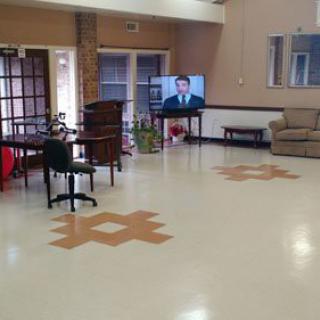
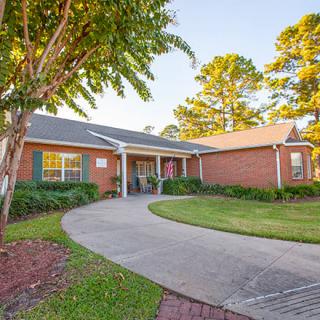
 It is a quality place for elderly people needing a safe and home-like atmosphere while receiving help with everyday living.
- The facility provides a safe, home-like environment for elderly residents needing assistance with daily activities.
- The setting supports elderly individuals by offering help with everyday living in a secure, homely atmosphere.
Cons
 The people who answer the phone are very rude and not helpful.
Review
Advanced Quality Assisted Living in Houston is best suited for seniors who prize a safe, home-like atmosphere and practical help with daily living. The setting caters to residents who want a smaller, neighborly environment where routines are managed on-site and assistance with activities of daily living is readily available. This facility presents a calm, predictable rhythm that can ease the stress of transitioning to care and encourage a sense of independence within a structured, supportive frame. For those aiming to age in place outside the most clinical, hospital-like settings, the ambiance and straightforward service model align well with a dignity-first approach to daily living.
One significant caveat emerges around front-desk communication. A reviewer described the people who answer the phone as rude and not helpful, a friction point that can complicate admissions, scheduling, and ongoing questions about care. For families weighing options, this facet matters as much as the on-site care itself; clear, courteous, and prompt information is essential when coordinating a loved one’s schedule, permissions, and needs. Those who demand consistently respectful, responsive administrative contact may want to explore alternatives or plan a thorough in-person assessment to gauge whether this issue is an isolated impression or indicative of a broader pattern.
The facility’s strongest selling points lie in safety, a home-like atmosphere, and hands-on help with everyday tasks. Residents reportedly benefit from an environment that feels less institutional and more like living in a familiar, supportive home, with caregivers readily available to assist with dressing, bathing, mobility, and meals. This combination can offer real peace of mind to families anxious about safety risks and the emotional strain of transitions. When the daily environment is approachable and steady, seniors are more likely to engage in small activities and preserve a sense of autonomy within clearly defined boundaries of support.
Yet the mixed reviews signal variability in experience. Two five-star opinions imply solid satisfaction with the living environment, while the lone two-star rating hints at inconsistencies that may depend on staff interactions or specific moments of service. This pattern does not imply a universal failure but does justify a cautious, first-hand verification. Prospective families should prioritize tours that include conversations with direct-care staff, observe how routine requests are handled, and probe for consistency in service during evenings and weekends. The goal is to confirm that the quality of daily life and care aligns with expectations across the week.
From a practical standpoint, tours should verify staffing levels, response times, and the clarity of scheduling, as well as meal quality and activity programming. Prospects should inquire about how swiftly staff respond to help calls, whether financial options (private pay, insurance, or other arrangements) are supported, and what safety features are in place throughout rooms and common areas. Privacy considerations, noise control, and the warmth of interactions beyond the front desk deserve careful attention. If cognitive support or memory care is needed, assessing staff training, caregiver familiarity with dementia-specific approaches, and the availability of specialized programming is essential.
Bottom line: Advanced Quality Assisted Living provides a solid option for families prioritizing a safe, home-like environment with reliable daily assistance. The principal counterweight is potential friction in phone-based communication, which can detract from the overall experience for some. If courteous, proactive administrative contact is non-negotiable, alternatives should be compared, ideally after an in-person visit that puts staff responsiveness and care routines to the test. For families that value comfort, routine, and straightforward, neighborly care within a smaller community feel, this Houston option merits serious consideration and deserves a hands-on evaluation to confirm it meets the resident’s daily living needs and personal preferences.
 10 resident community capacity
 Assisted Living
 Board and Care Home
 Cable or satellite TV
 Dining room
 Fully furnished
 Garden
 Housekeeping services
 Move-in coordination
 Outdoor space
 Telephone
 Wi-Fi/high-speed internet available
 George Bush Intercontinental (11 miles away)
 24-hour supervision
 Activities of daily living assistance
 Assistance with bathing
 Assistance with dressing
 Assistance with transfers
 Diabetes diet
 Meal preparation and service
 Medication management
 Special dietary restrictions
 Transportation arrangement (medical)
 Transportation to doctors appointments





 Assisted Living Expenses and Long-Term Care Insurance: A Comprehensive Exploration
 Securing Financial Support for Assisted Living: A Comprehensive Overview
 Social Security Benefits and Assisted Living: Navigating Options Across the U.S.