Human Services Center
Save
8114 Furlong LN, Houston, TX 77071
For more information about senior living options: (844) 490-3973
What level of care are you interested in?

Assisted Living

Memory Care

Independent Living

Skilled Nursing Facility

Continuing Care Retirement Community (CCRC)CCRC

Other
A collection of patient voices paints a complex picture of a mental health and community health network in Houston. The experiences span moments of genuine care and commitment to well-being, and moments of frustration that many patients seem to encounter repeatedly: rude or overwhelmed front-desk staff, confusing scheduling, gaps in communication, and troubling concerns about record-keeping. Taken together, the reviews suggest that while there are clinicians and staff who clearly want to help, system-level issues can make the experience feel chaotic, frustrating, and sometimes damaging to those who rely on the services most.
One thread runs through several stories about language barriers and front-desk interactions. A mother who speaks Spanish tried to secure an appointment, only to be told "No Spanish" and left with a curt, unhelpful response. On a second call, the response was still unfriendly and abrupt, with the secretary reportedly hanging up as soon as the conversation began. The experience left the family feeling dismissed and disheartened, highlighting a problematic mismatch between patient needs and how frontline staff handle language access and basic courtesy. In contrast, other reviews emphasize empathy and a willingness to help when staff are at their best, underscoring a wide gulf in customer service quality within the same system.
Beyond these language and courtesy concerns, several reviews offer a picture of an organization with deeply committed clinicians and services that can be lifesaving. One reviewer describes "extremely committed staff" who are willing to forge a path to meet mental health needs and to support physical well-being through preventive care. The space is praised for potential and for a sense that, with the right persistence, patients can find the support they need to stabilize their lives, prevent relapse, and avoid dangerous outcomes. In particular, some patients point to specific providers who stand out - like Dr. Atwell - whose care is described as genuinely helpful in an otherwise challenging environment.
However, a dramatic counterpoint appears in a separate, highly troubling case of misdiagnosis and what the reviewer calls "falsified medical records." After a work injury and surgery, a patient was seen for potential ADHD and related symptoms. The psychiatrist allegedly spent only about 15 minutes on a video call, concluded "rage" and bipolar disorder, and prescribed antipsychotics. When the patient reviewed the notes, they found statements that they insist are false - claims of dynamic risk factors, recent hospitalizations, incarcerations, unemployment, lack of stable housing, legal problems, and substance use that do not reflect reality. The patient asserts they have owned their home, were unemployed only due to surgery and the injury, and do not have issues with substance use or insight, making the notes misleading at best. The reviewer argues that such errors can have devastating consequences in legal, employment, and custody contexts, and urges others to vigilantly review their own records, as records can be subpoenaed or used in various proceedings. The patient attempted to have these statements removed; the clinic reportedly removed them from a patient app but the reviewer suspects the records still exist in the system, prompting a call for greater transparency and rights awareness. The reviewer also notes disappointment that the clinic's response to the online review did not provide a direct way to engage, and that their attempts to reach a rights office or similar contact via phone were thwarted by outdated or unhelpful phone menus and numbers.
Concurrently, other reviewers describe a system that feels disorganized and unresponsive. Complaints surface about rude interactions, chronic scheduling failures, and the frustration of children missing school due to late or canceled appointments. Some patients report that prescriptions can feel "held hostage" because of scheduling delays, and there is a repeated call for a modern, user-friendly electronic health record portal that could streamline communications, reminders, and follow-ups. While several readers acknowledge burnout among mental health staff, the overall sentiment in these reviews is that the operational side of care - communications, scheduling, and access to timely follow-up - needs substantial improvement even when clinical care may be solid.
In addition to these general themes, there are touching, hopeful notes about the help these services can provide in real-life crises. A positive account from a patient who benefited from Southeast Clinic highlights understanding, patience, and a robust set of resources offered to those in mental health crisis or maintenance. This reviewer emphasizes that persistence - calling, following up, and seeking out resources - can pay off, and that the clinic provides critical support for families navigating difficult circumstances. Similarly, another review praises the care their family member received from Dr. Ruan and Kiera, describing a compassionate, process-oriented experience that left a lasting sense of gratitude. These stories underscore that, when functioning well, the network can be a vital lifeline with meaningful, tangible help.
The reviews also pull back to broader, systemic challenges that families face. A poignant post describes someone who has lost their husband and fallen on hard times, fighting to avoid homelessness as they grapple with low income and a rent crisis. They describe a long struggle with programs like MHMR/MHMRA and the difficulty of meeting income guidelines that seem to push people back toward precarious housing. The writer laments the disconnect between need and eligibility criteria, painting a picture of a safety net that can feel rigid and unresponsive at the worst moments. This thread echoes the broader message that access to housing assistance, timely appointments, and compassionate, consistent care remains a critical pain point for many patients.
Finally, a recurring theme across several stories is the pattern of missed communications and appointment instability that can erode trust. A patient recounts repeated rescheduling by a therapist, Blanca Rosales, with plans arranged for the family to participate only to be left waiting on short notice. Updates were sometimes delayed or met with silence, and even when there was an effort to engage via text or call, the response was inconsistent or unhelpful. The sense of being shuffled between administrators, clinicians, and scheduling staff - without reliable, predictable contact - leaves families feeling undervalued and stalled in their care journey. A stark endnote from the same set of reviews underscores the ongoing frustration: persistent attempts to reach the office go unanswered, leaving patients anxious about rebooking and continuity of care.
Taken together, the collection of reviews reveals a healthcare organization capable of delivering meaningful, life-changing mental health support through dedicated clinicians and resource-rich services, but hampered by notable administrative and system-level flaws. Language access gaps, curt frontline interactions, inconsistent scheduling, gaps in electronic health record access, and the risk of inaccurate or misleading documentation emerge as recurring concerns. The experiences suggest that while patients can receive excellent clinical care, the path to consistent, reliable access is uneven and often frustrating. For patients and families navigating this system, the message is clear: seek out the compassionate clinicians when you can, advocate for transparent, accurate records and clear channels of communication, and remain proactive about follow-ups and eligibility requirements - because the difference between truly life-changing care and a cascading set of administrative hurdles can hinge on the quality of everyday interactions as much as on clinical expertise.
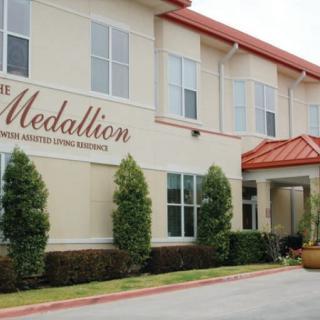
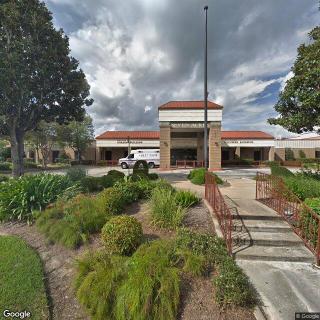
The Human Services Center in Houston, TX is a vibrant assisted living community located in a bustling neighborhood. Nestled within this thriving urban area, residents can enjoy access to various amenities and services that enhance their quality of life.
At the Human Services Center, seniors can find solace and convenience with several nearby cafes. Whether they wish to grab a quick cup of coffee or sit down for a leisurely chat with friends, these cafes provide a cozy atmosphere and delicious treats.
Furthermore, the presence of 10 nearby pharmacies ensures that residents have easy access to necessary medications and health supplies. This proximity helps promote overall well-being and ensures prompt assistance for any medical needs that may arise.
For those who enjoy dining out or trying new cuisines, the 10 restaurants nearby offer an array of delicious options. From family-oriented establishments to upscale dining experiences, there is something to suit every palate. Residents can savor diverse flavors and socialize with friends while enjoying delectable meals.
Additionally, the presence of a place of worship adjacent to the community provides spiritual support for residents who seek solace in faith. This allows them to nurture their beliefs and connect with like-minded individuals within a convenient distance.
Lastly, the availability of a theater nearby offers entertainment options for those who appreciate arts and culture. Residents can indulge in live performances, movies, and other theatrical events, providing enriching experiences right at their doorstep.
Overall, the Human Services Center in Houston, TX offers an assisted living community that thrives within its dynamic surroundings. With numerous nearby cafes for socializing, pharmacies for healthcare needs, restaurants for culinary delights, places of worship for spiritual fulfillment, and theaters for entertainment purposes - this community caters to all aspects of seniors' lives while promoting an active lifestyle filled with convenience and enrichment.
Located in the vibrant city of Houston, Texas, this neighborhood offers a range of amenities and services to cater to senior living. With multiple pharmacies such as CVS and Walgreens within a few miles, access to essential medications and healthcare is convenient. A variety of dining options including Aga's Restaurant and Catering, McDonald's, and Pappadeaux Seafood Kitchen are available for enjoying meals out or takeout. For recreational activities, several parks like Lost Creek Park and Oyster Creek Park provide green spaces for leisurely walks or picnics. Places of worship such as Masjid As-Sabireen and Sugar Land First United Methodist Church offer spiritual fulfillment. Additionally, nearby theaters like AMC Bar Fountains and healthcare facilities like Texas Children's Pediatrics Westchase ensure a well-rounded living experience in this part of Houston.
Human Services Center is located at 8114 Furlong LN, Houston, TX 77071 in Harris County, Texas
Financing Long-Term Nursing Home Care Through Social Security: A Thorough Exploration

The article explores the complexities of using Social Security to finance long-term nursing home care in the U.S., detailing eligibility requirements and misconceptions, while emphasizing that these benefits often do not cover full costs and highlighting the need for strategic financial planning and professional guidance.
Essential Knowledge on Pneumonia in Older Adults
Pneumonia significantly affects older adults due to weakened immune systems and atypical symptoms that complicate diagnosis, necessitating early detection and tailored treatment. Risk factors include chronic diseases and cognitive impairments, with preventive measures like vaccinations and healthy lifestyles being crucial for reducing risk.
Exploring Palliative Care in the Home: A Comprehensive Overview
Palliative care enhances the quality of life for seriously ill patients by providing comprehensive support at home through a multidisciplinary team, addressing various needs and prioritizing comfort over curative treatments. While it offers personalized care and involves family in decision-making, challenges like caregiver stress and logistical issues persist, with growing demand prompting advancements in technology and healthcare policies to improve access.