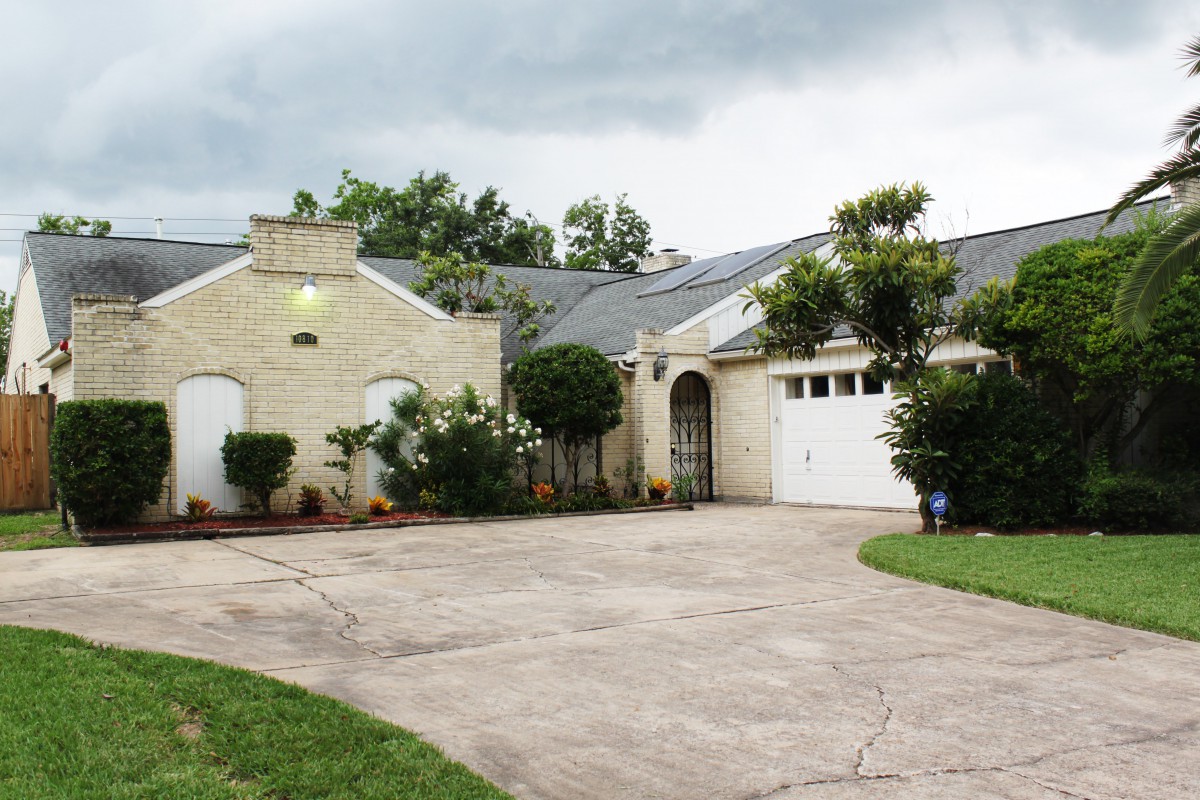
10810 Braes Forest Drive, Houston, TX 77071
For more information about senior living options: (866) 208-4318
First Class Home Services Costs & Pricing
First Class Home Services offers competitive pricing for its accommodations, with semi-private rooms costing $3,500 per month, slightly below the Harris County average of $3,518 and the Texas average of $3,680. For private rooms, their rates range from $3,750 to $3,800 - again favorably positioned against the local and state figures of $3,784 and $4,096 respectively. This pricing strategy not only reflects a commitment to affordability but also highlights the value offered in comparison to the broader market within both Harris County and Texas.
| Floor plans | First Class Home Services | Harris County | Texas |
|---|---|---|---|
| Semi-Private | $3,500 | $3,518 | $3,680 |
| Private | $3,750 to $3,800 | $3,784 | $4,096 |
Assisted Living communities with a similar price nearby
-
from +$305 / mo

Vivid Life Residential Care
$3,805 to $4,200 / month18.2 miles away -
About the same

Cypress Assisted Living- Drake Prairie Lane
$3,450 / month20.8 miles away -
from -$400 / mo

Ba Home Care
$3,100 / month4.7 miles away -
About the same
Bahia Personal Care Home
$3,500 to $4,000 / month18.3 miles away -
from +$300 / mo

Comfy Home
$3,800 to $4,800 / month14.1 miles away
Overall Review of First Class Home Services
Pros
 The facility was very nice and clean.
- The residents were all happy and comfortable.
- The owner and manager were very pleasant and knowledgeable.
- The reviewer would recommend the facility to anyone.
- The home was beautiful and very clean.
Cons
 The caretaker was rude on the phone and disinterested when the visitor arrived.
- A staff member yelled at a resident on the hard tile floor and left him there.
- The facility smelled funny and was dark inside.
- The home never had more than one caregiver present during visits.
- The home did not provide two caregivers during visits.
- The facility had no vacancy for a private room.
- The facility received zero stars.
Review
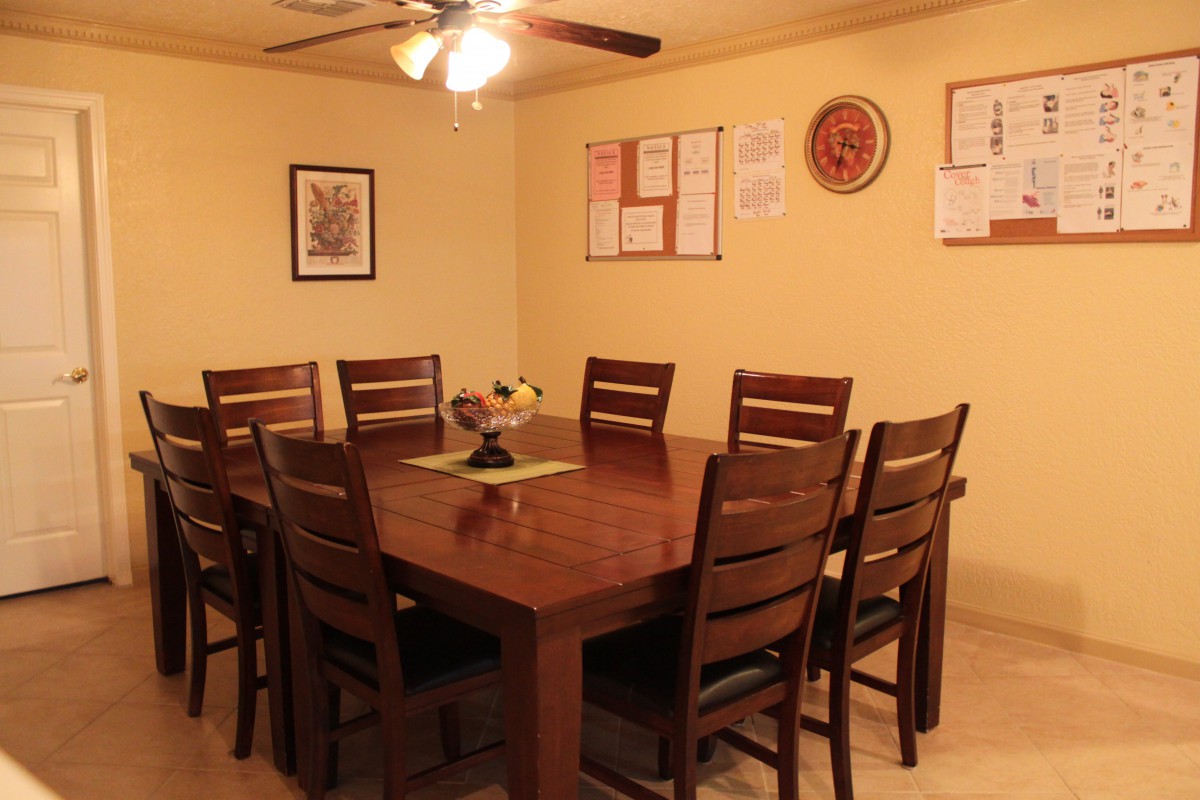
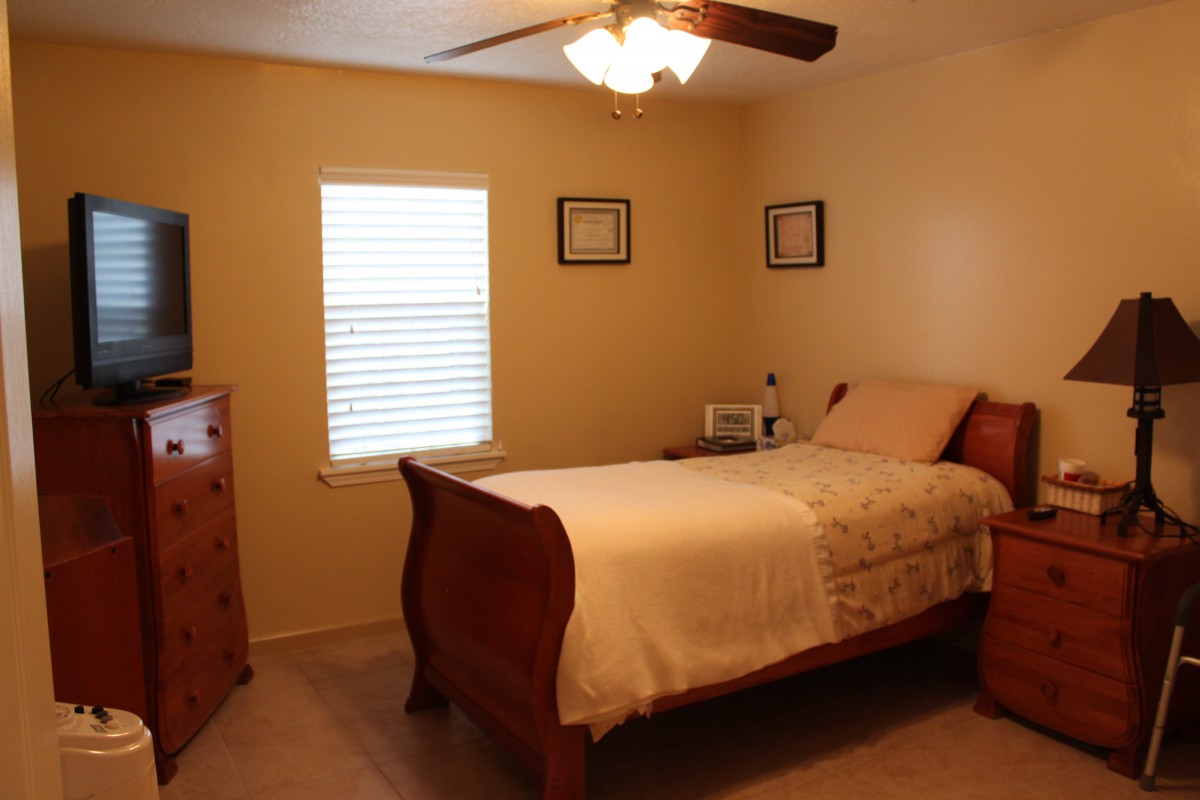
First Class Home Services in Houston is best suited for families seeking a clean, home‑like setting with a hands‑on owner‑manager who projects warmth and competence. It works well for those who value a well‑kept environment and residents who appear content and comfortable under thoughtful, personable leadership. However, it is not the right fit for families requiring guaranteed staffing levels, rapid admission, or robust day‑to‑day oversight; vacancy timing can also influence how readily a private room becomes available.
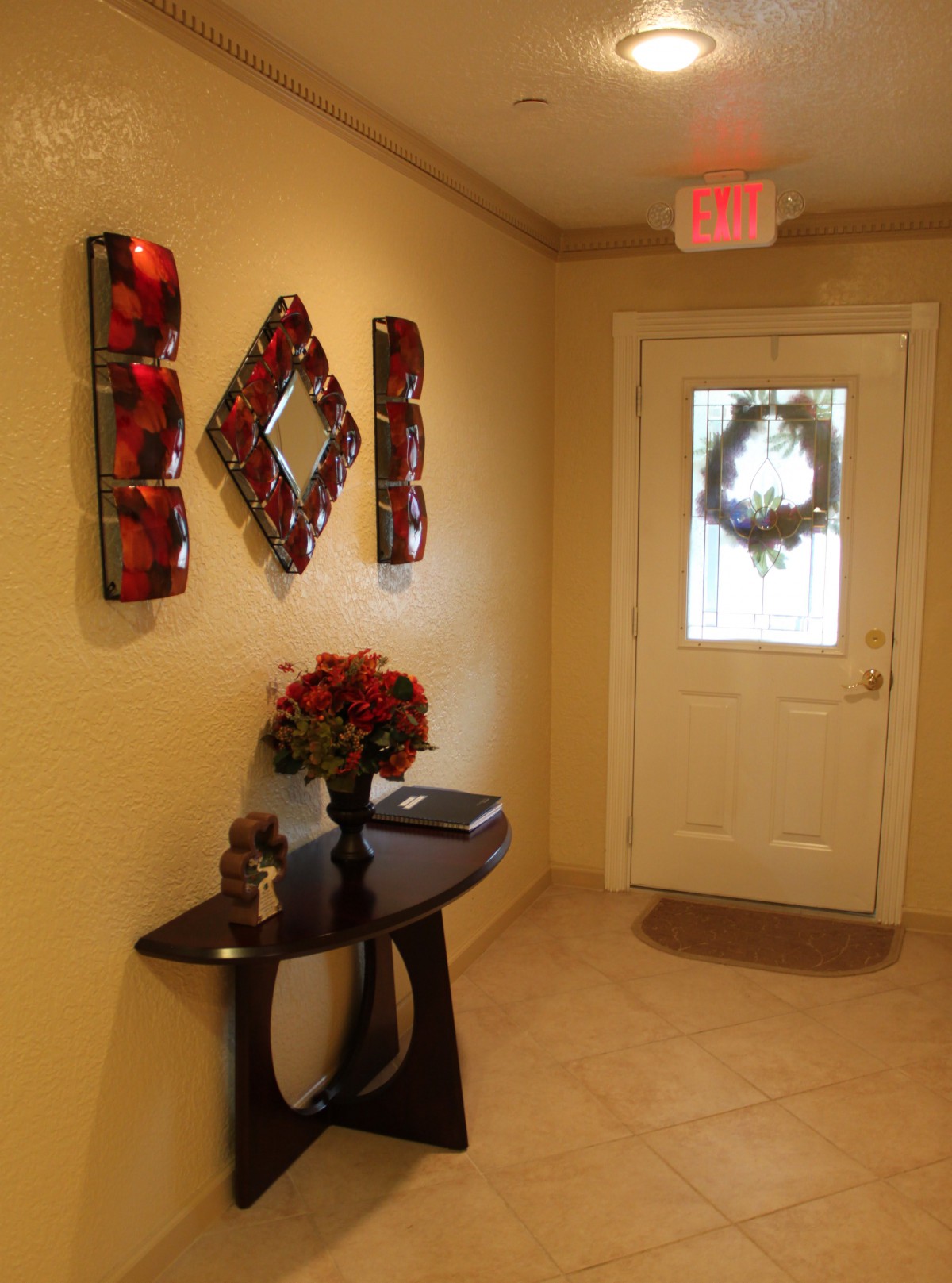
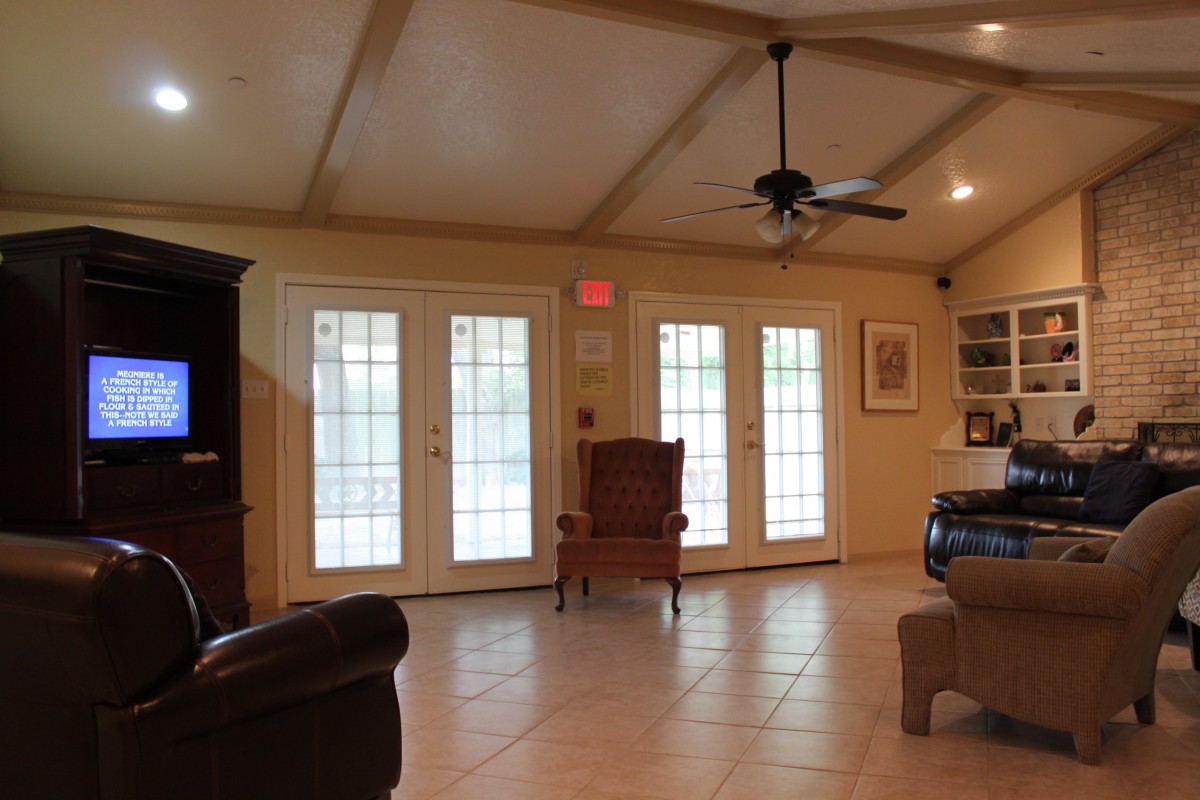
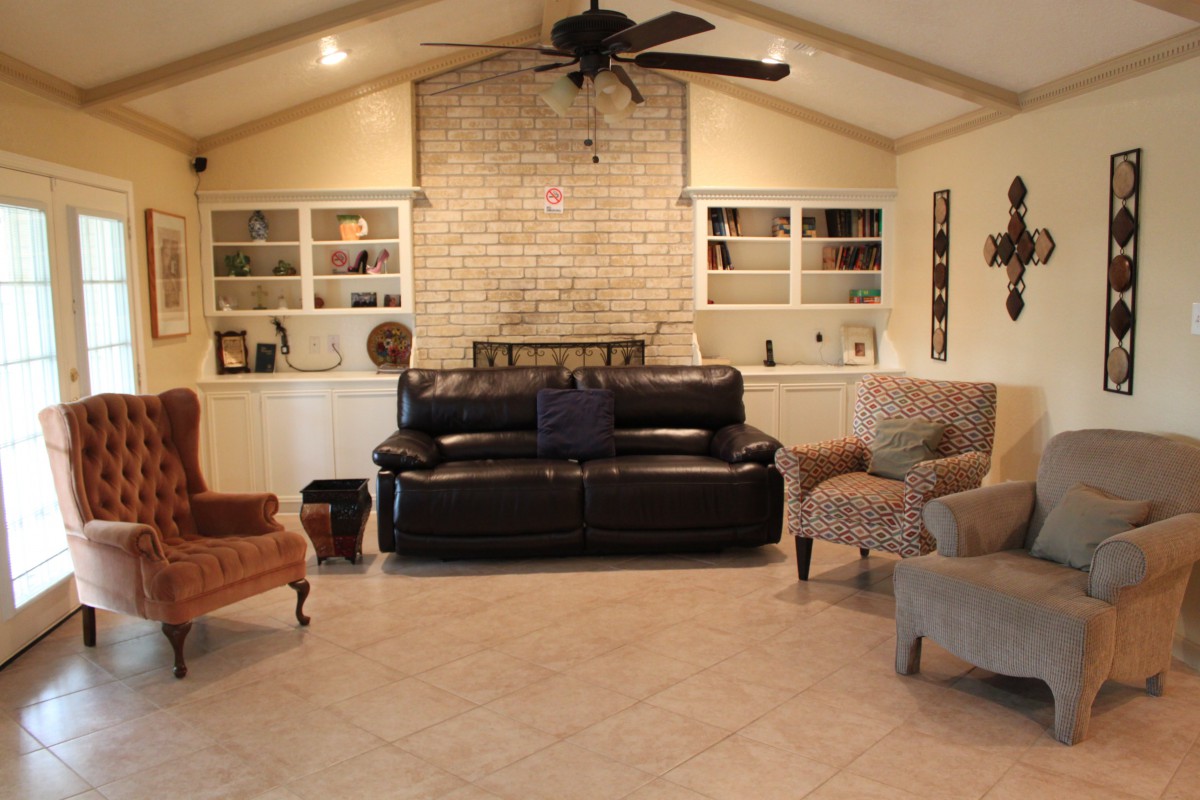
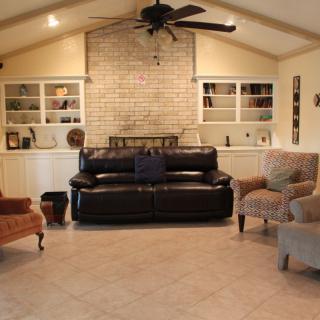
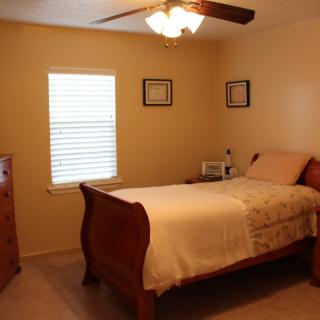
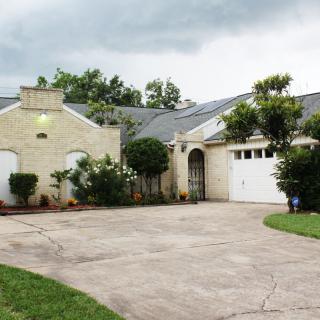
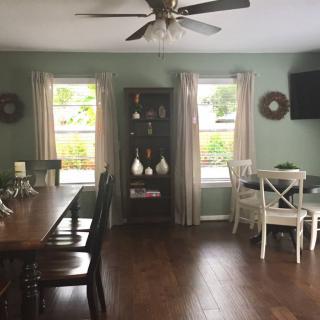
On the plus side, the facility consistently presents as neat, bright, and inviting. Reviews repeatedly highlight a polished, homey atmosphere where residents seem happy and at ease. The owner and manager emerge as approachable and knowledgeable figures, which can translate into smoother communications and a sense of accountability for families during the transition. The emphasis on a clean, pleasant living space is not merely cosmetic; it appears to contribute to a calmer environment for residents who prefer a smaller, less institutional setting.
Yet the care staffing picture raises legitimate concerns. Observations during visits indicate that care coverage can be sparse, with only a single caregiver present at any given time. For families weighing needs beyond basic companionship or assistance with activities of daily living, this staffing pattern may imply limited hands‑on care, slower response times, and potential gaps during shifts. The apparent reliance on occasional home care visits for residents complicates the assessment of whether the level of daily supervision will meet evolving health needs.
The most troubling testimony comes in the form of a grave safety and customer‑service red flag. A reviewer recounted a highly distressing experience in which staff interaction was abrupt and disrespectful over the phone, and, once on site, a resident was yelled at on a hard tile floor while the caregiver remained present but disengaged. The report notes a weak impression of safety and comfort, including a smell and lighting conditions described as off. Taken together, these behaviors and environmental cues cannot be dismissed; they cast doubt on the consistency of compassionate care and risk management.
In weighing the pros and cons, the clean, welcoming environment and accessible leadership are meaningful strengths that can ease the transition for residents who fit a smaller, home‑like model. Those advantages are only partially offset by the challenges in staffing and the severe negative encounter, which together create a meaningful risk for families with higher acuity needs or strong safety concerns. Prospective residents should conduct a disciplined due diligence: observe staffing patterns at different times of day, ask for the exact caregiver ratio per shift, request a current care plan for the prospective resident, and speak with multiple current residents about day‑to‑day experiences. Clarify vacancy expectations and timing for private rooms before committing, and request written policies on staff training and safety protocols.
For families determining whether this is the right path, consider alternatives if immediate, high‑touch care is essential or if a guaranteed two‑person assist is nonnegotiable. Facilities with larger care teams, more structured 24/7 oversight, or a proven track record of consistently attentive response to emergencies may be preferable for those with higher medical needs or safety sensitivities. If the decision-maker can tolerate some variability in staffing yet values the strong personal touch and cleanliness, a tour timed for a fuller snapshot of daily operations could tip the balance toward First Class Home Services. In the end, the choice hinges on balancing a welcoming, well‑maintained home with the practical certainty that staffing and daily care will reliably meet the resident’s evolving requirements.
 7 resident community capacity
 Assisted Living
 Board and Care Home
 Activities off-site
 Air-conditioning
 Cable or satellite TV
 Devotional services on-site
 Dining room
 Fully furnished
 Garden
 Housekeeping services
 Indoor common areas
 Move-in coordination
 Outdoor common areas
 Private
 Respite or short term stays offered
 Telephone
 Wheelchair accessible showers
 Wi-Fi/high-speed internet available
 William P X (15 miles away)
 24-hour supervision
 Ambulatory care
 Assistance with bathing
 Assistance with dressing
 Assistance with transfers
 Diabetes diet
 Diabetic care
 High acuity care
 Incontinence care
 Meal preparation and service
 Medication management
 Special dietary restrictions
 Transportation arrangement (medical)
 Transportation to doctors appointments
 Adventist services
 Birthday parties




 When to Transition from Assisted Living to Memory Care: Key Indicators, Steps, and Finding the Right Community
 Assisted Living and Memory Care: Understanding Their Core Differences
 Beyond the Bingo Hall: 50+ Enriching Activities for Seniors in Assisted Living