
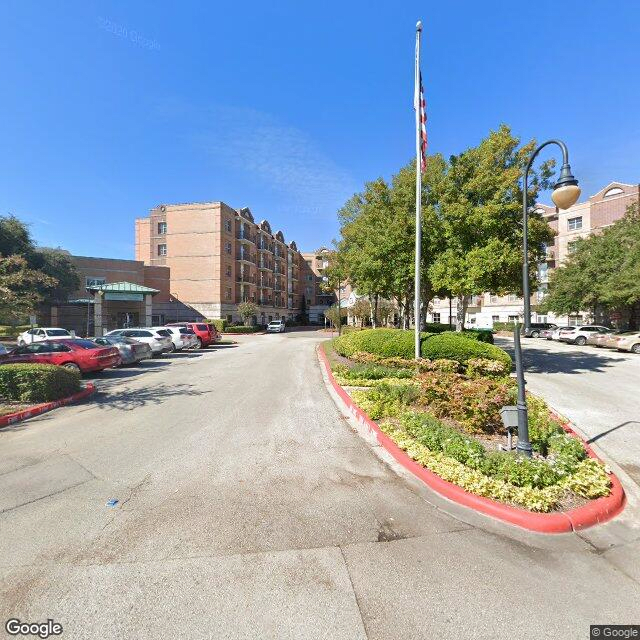
7480 Beechnut St, Houston, TX 77074
To contact a resident: (713) 541-2273
For more information about senior living options: (866) 208-4318
Overall Review of Memorial Hermann University Place
Pros
 The staff were all very friendly and professional.
- They did a great job while he was there.
- They were on the ball and the care would be good.
- They did a much better job here.
Cons
 The place is horrible.
- Her mother was not seen by her doctor after follow-up appointments and had to be readmitted to the hospital to discover blood clots and a third infection.
- It saddens them that the elderly are dismissed by their age and receive poor care at this so-called skilled nursing facility.
- Residents are passed around on the phone by nurses from one to another because nobody wants to answer, which is lazy.
- They should work in a place where they want to make a difference in a person's health, or find another job.
- They hoped that her mother would not have to stay at that so-called skilled nursing facility.
- After six days, his wife was hospitalized with severe dehydration, developed a new bed sore, and died ten days later without regaining consciousness.
- The care was horrible.
Review
Memorial Hermann University Place in Houston is best suited for families that insist on strong clinical oversight and are prepared to stay actively involved to guard against gaps in care. The facility presents as a hospital-like, highly task-focused environment where staff appear capable of recognizing and addressing urgent medical needs when properly directed. It works for residents who require skilled nursing and acute-need management and for families that will push for timely follow-through on doctor appointments, medication changes, and treatment plans. The emphasis is on competence and responsiveness, not on creating a warm, home-like atmosphere; the success of care here rests on relentless advocacy from family members or paid care coordinators.
Those who should consider alternatives are families prioritizing comfort, warmth, and meticulously consistent physician follow-up without requiring aggressive, constant oversight. If a calming, homelike setting with seamless, low-friction coordination between clinicians and caregiving staff is non-negotiable, other communities may deliver a more reassuring day-to-day experience. Likewise, if the risk of care gaps leading to hospital transfers or preventable complications cannot be managed through vigilant family involvement, exploring options with a stronger emphasis on gradual, steady oversight and patient-centered communication is prudent.
The strongest positives revolve around perceived clinical competence and a professional, responsive staff. Reviewers note that staff are friendly and capable, and that the facility does seem to operate with a clear sense of medical accountability when attention is sustained. This is not a setting that hides behind soft assurances; when care is effectively coordinated, the staff can deliver timely interventions and maintain a structured clinical trajectory. Those benefits, however, are contingent on ongoing, proactive engagement from family or a designated advocate to ensure every appointment, test, and treatment plan is carried through consistently.
The most troubling negatives, by contrast, cluster around care continuity and communication. Two accounts describe follow-up failures that preceded serious consequences, including hospitalizations for dehydration, a blood clot, and a new bed sore, with one resident dying after a prolonged decline. A recurring complaint centers on being shuffled between staff and phone lines, with unclear accountability and slow or confusing responses when concerns are raised. These gaps suggest a systemic risk: even capable hands can miss critical inflection points if communication channels and handoffs are not rigorous and transparent.
Environment and resident experience further color the decision. The atmosphere is described as antiseptic and hospital-like, which can undermine a sense of warmth and belonging crucial to long-term well-being. Yet the staff’s professionalism and on-the-ball attitude when engaged are recognized as meaningful compensations. For families who place high priority on swift clinical action and clear, trackable care plans, these elements can offset some discomfort with the impersonal vibe. For others, the absence of a consistently comforting, homelike setting is a material drawback that cannot be ignored.
Bottom line: this community can function effectively for a highly involved family that will act as a steady, active partner in care, demanding tight follow-through and meticulous monitoring of physicians and therapists. For those who cannot or will not assume that advocacy role, or who demand a consistently warm, transparent atmosphere with supreme continuity of care, alternatives should be pursued. Prospective residents and families should demand concrete, written plans for appointment follow-ups, a defined point of contact for medical decisions, and a clear escalation process if clinical concerns arise. Questions to drive the visit include: How is follow-up with physicians guaranteed after discharge or transfers? What is the nurse-to-resident ratio on evenings and weekends? How are bedsores and dehydration proactively prevented, and what daily checks are in place? Is there a designated care manager who coordinates all disciplinary actions and communicates with families promptly? If the answer to these questions reveals gaps, it is wise to explore other options that align more closely with warmth, continuity, and peace of mind.
 Skilled Nursing Facility
 William P X (15 miles away)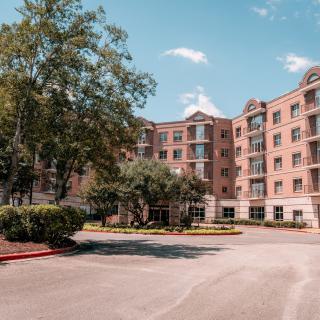



 Comprehensive Exploration of Living Wills and Other Advance Directives
 A Detailed Exploration of Living Wills and Advance Directives
 Comprehensive Guide to Medicare Coverage for Hospice Care