
7714 Barberton Drive, Houston, TX 77036
For more information about senior living options: (866) 208-4318
Overall Review of Tender Care Assisted Living B
Pros
 The people seemed to be very friendly and the facility appeared efficiently run.
- The director was very cooperative in answering questions.
- It was a very positive and friendly atmosphere.
- The staff was nice and attentive, and the facility was clean.
- The room shown during the visit was clean and comfortable.
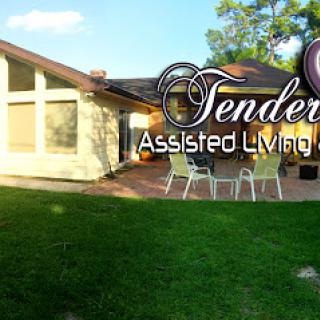
- The homes were decent and clean, with a backyard and a patio area.
- The guy who runs the facility was nice, and all the tenants looked like they were being taken care of.
Cons
 The staff were extremely rude.
- The person answering the phone had an attitude and did not seem concerned for the patient.
- They wouldn’t trust this agency for any patients.
- The care for the residents was horrible.
- Bed bugs infest all houses on the property.
- The manager, Anthony, steals from residents and holds their mail.
- Residents are locked in like prisoners, with no activities.
Review
Tender Care Assisted Living B in Houston is best suited for families seeking a small, home-like environment where staffing can feel personal and pricing can be flexible, including options tied to VA benefits. It is not the right fit for those needing a highly structured, activity-rich program or for families prioritizing a consistently polished operation with flawless safety records. The community can work for residents who value a residential-house feel, a cooperative administrator, and the perception that staff will respond when engaged, but it requires careful vetting and ongoing oversight. Alternatives should be considered for families prioritizing robust programming, transparent management accountability, and pest- and risk-free environments.
Pros that stand out in favorable visits include the intimate, house-style setup and the emphasis on cleanliness in rooms and common areas. Visitors repeatedly note pleasant, cooperative leadership when questions are answered, and the general atmosphere appears friendly and approachable. The footprint, two houses with a front yard and a backyard/patio area, conveys a sense of manageable size, which can translate into more direct interactions with caregivers and the potential for individualized attention. Security-minded features like maglocks on doors are cited as a positive, suggesting a recognition of safety needs for residents who may wander. The option to work with the facility on timing of VA Aid and Attendance funding is another practical plus for families navigating benefits.
Yet the negatives are recurring and cannot be dismissed. Several reviews recount extremely rude phone interactions and a sense that the staff or those answering the phone do not convey genuine concern for residents. Strong, even visceral, accusations emerge about the quality of care, described by some as horrible despite cordial in-person encounters elsewhere. Bed bugs are a repeatedly voiced, grave concern across multiple properties, and there are alarming allegations of theft and mail tampering attributed to the manager. Those concerns feed a fundamental question about ongoing quality control and trust in daily operations. The lack of visible activities and a perception that residents may be passively watching TV, rather than participating in structured engagement, further complicates the picture for families seeking meaningful daytime involvement for loved ones.
How the favorable attributes stack up against the serious drawbacks is a matter of risk tolerance. On the positive side, the cleanliness and touchpoints of a smaller, home-like setting can deliver comfort and familiarity that families crave. A cooperative director and a responsive staff during visits can reassure families that questions will be addressed. The flexibility on pricing and the willingness to coordinate with VA benefits are meaningful advantages for budget-conscious families navigating long-term care expenses. However, these gains are undercut by the breadth and severity of reported issues, pest problems, alleged theft, and reports of restricted activity, that erode confidence in consistent, reliable care. In practical terms, this means that Tender Care B may meet basic needs on a surface level while leaving persistent gaps in safety, program depth, and accountability.
For those considering alternatives, the warning signs are clear: seek facilities with demonstrable, verifiable programs, transparent leadership accountability, and proactive pest control and incident-tracking practices. A community with documented memory-care programming, predictable daily schedules, and visible, engaged activity coordinators offers a stronger match for residents requiring sustained cognitive support and social interaction. If choosing Tender Care B, it is imperative to conduct thorough reference checks, request documentation of pest-management records and incident reporting, and insist on direct conversations with both front-line staff and leadership about care expectations, safety protocols, and consequences for violations. A trial period and written commitments to communication can help bridge the gap between favorable impressions and trustworthy, day-to-day care.
In sum, Tender Care Assisted Living B delivers a superficially appealing, small-scale, home-like option with reasonable housekeeping and a sincere if variable staff presence. Its best-fit profile rests with families ready to prioritize intimate setting and flexible pricing, while accepting meaningful caveats about consistency, safety, and activity levels. Those needing robust programming, airtight safety practices, or unambiguous administrative integrity should consider stronger alternatives and demand concrete assurances before committing. The decision should rest on a careful balance of desired daily engagement, budget realities, and an unwavering commitment to verify safety and care quality through direct, ongoing inquiry.
 7 resident community capacity
 Assisted Living
 Memory Care
 Cable or satellite TV
 Dining room
 Fully furnished
 Garden
 Housekeeping services
 Move-in coordination
 Outdoor space
 Respite or short term stays offered
 Telephone
 Wi-Fi/high-speed internet available
 William P X (15 miles away)
 24-hour supervision
 Activities of daily living assistance
 Assistance with bathing
 Assistance with dressing
 Assistance with transfers
 Diabetes diet
 Hospice waiver
 Meal preparation and service
 Medication management
 Mental wellness program
 Special dietary restrictions
 Transportation arrangement (medical)
 Transportation to doctors appointments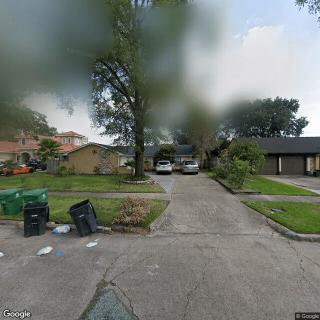






 A Holistic Dementia Care Guide: Effective Strategies for Memory Support
 Memory Care Pathways: A Holistic Guide to Dementia Support
 Comprehending Evening Confusion in Dementia: Causes, Manifestations, and Support