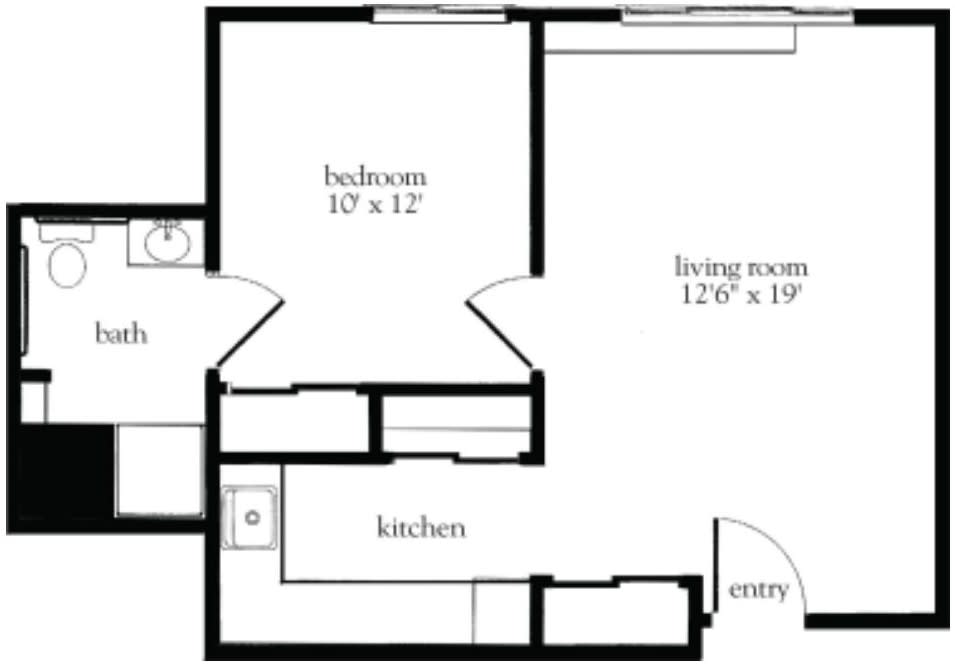
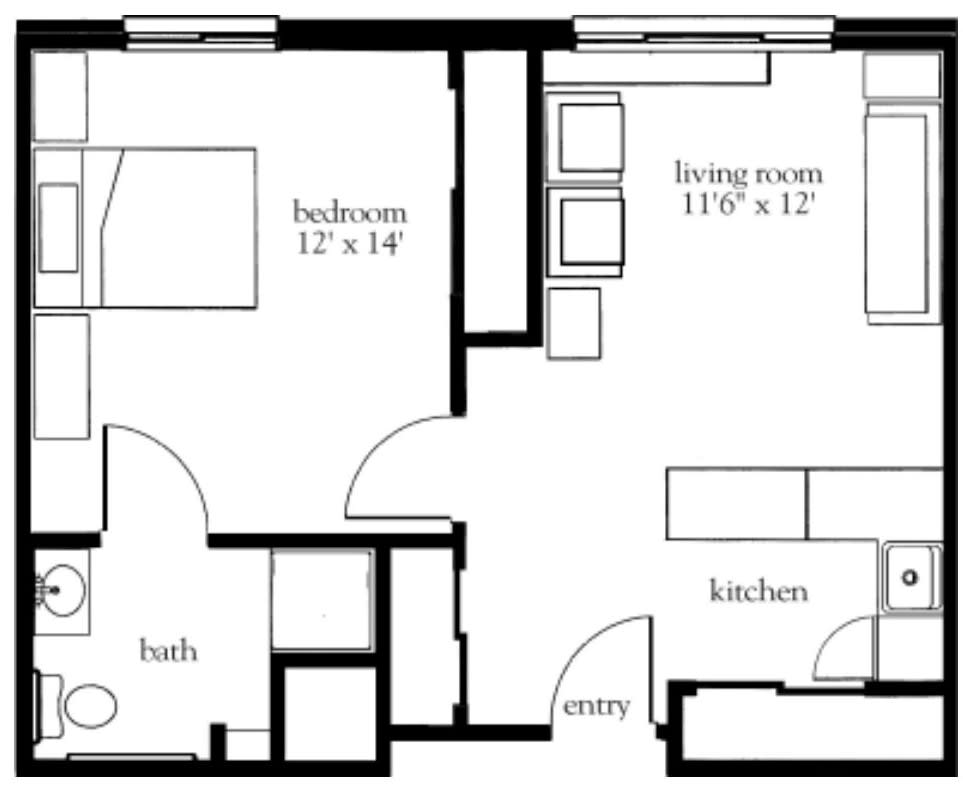
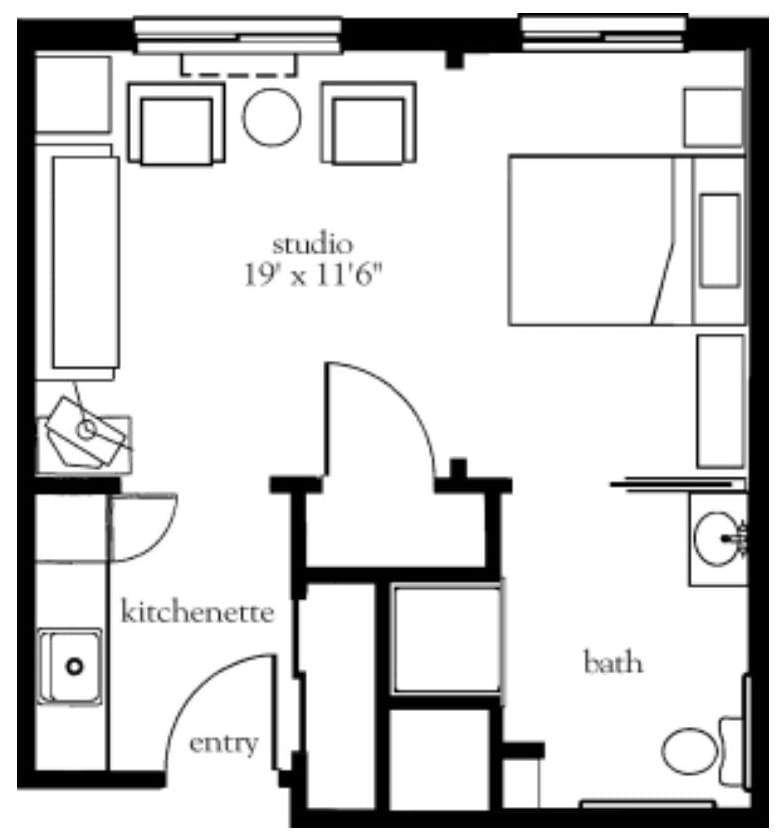
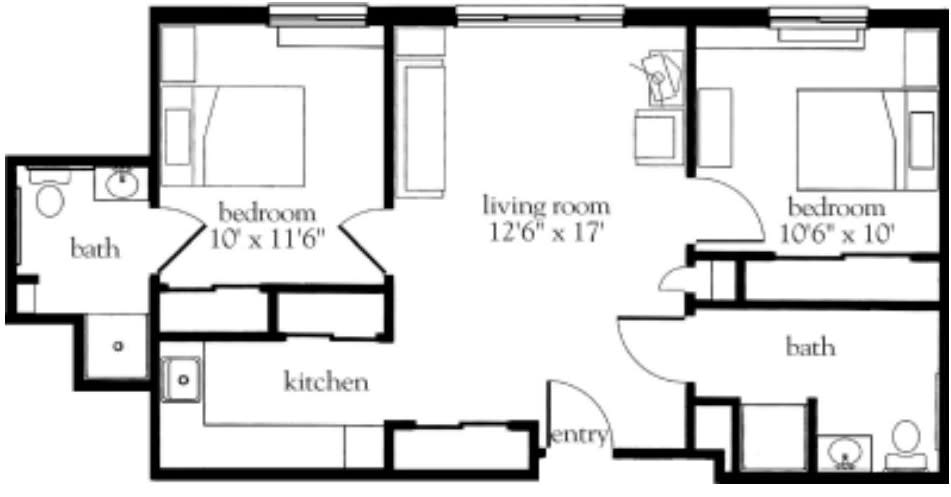
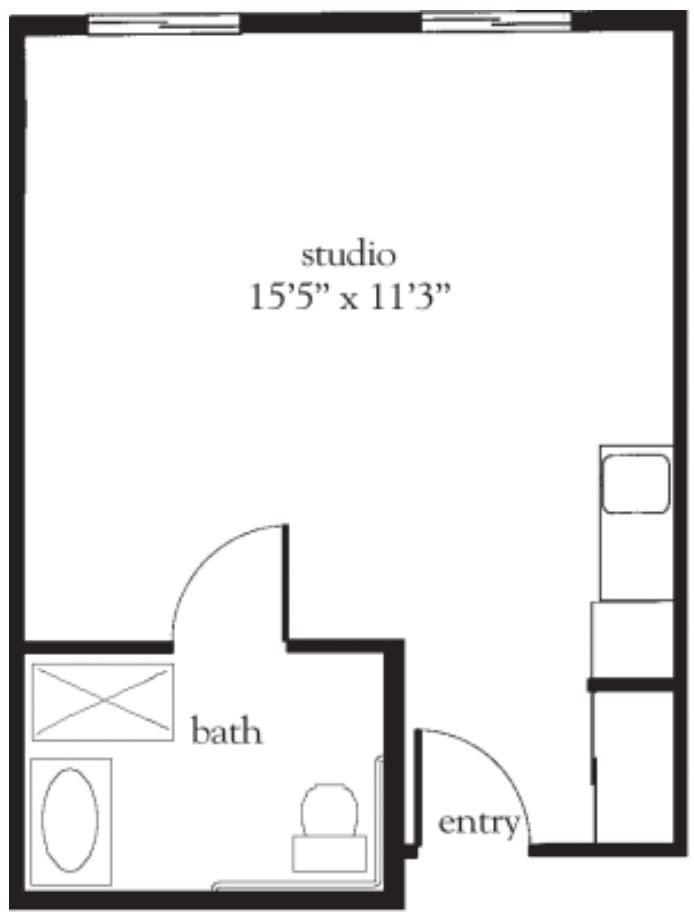
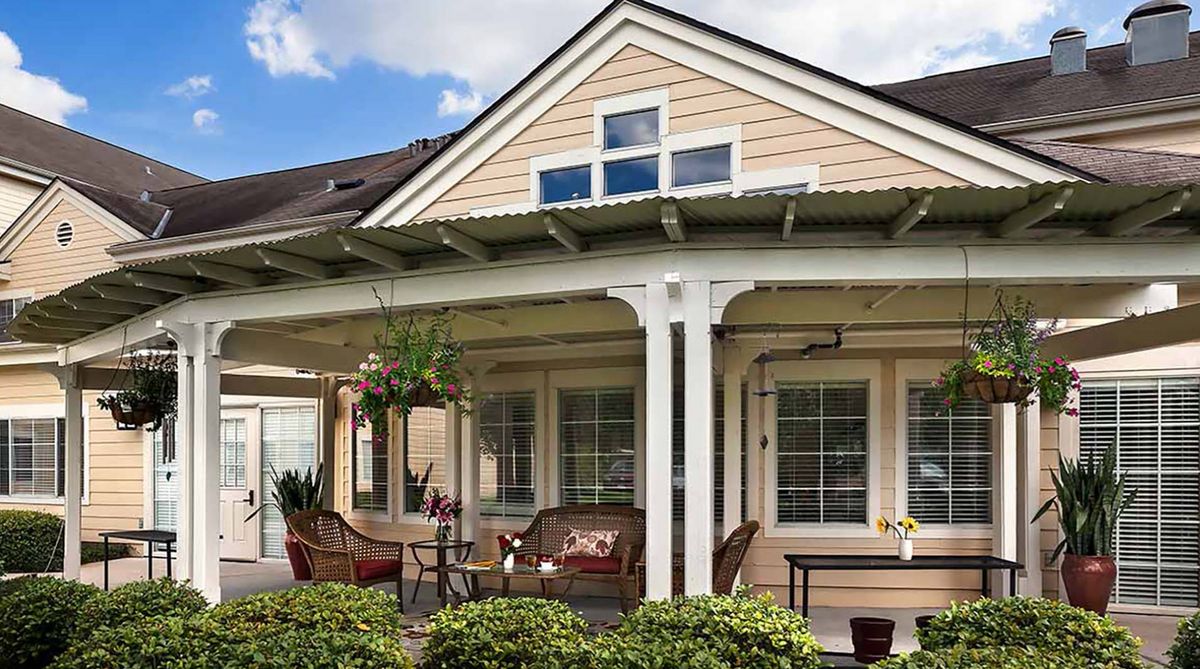
Atria Westchase offers competitive monthly pricing for its various room types, making it an appealing choice within the context of Harris County and the broader state of Texas. For instance, a studio apartment is priced at $3,395, which is quite favorable compared to the county average of $4,021 and slightly below the state average of $3,758. Similarly, one-bedroom units at Atria Westchase are available for $3,595 - again lower than both Harris County's $4,027 and Texas's $3,761 averages. The semi-private room option is priced at $3,750, which exceeds the county's average of $3,518 but remains less than the state average of $3,680. However, for those seeking more space with two-bedroom accommodations at Atria Westchase - costing $6,995 - the price surpasses both local and state norms of $4,574 and $4,215 respectively. Overall, while Atria Westchase presents strong value in certain room types against regional benchmarks, prospective residents should carefully consider their options based on preferred living arrangements.
Floor plans
Atria Westchase
Harris County
Texas
Studio
$3,395
$4,021
$3,758
1 Bedroom
$3,595
$4,027
$3,761
Semi-Private
$3,750
$3,518
$3,680
2 Bedrooms
$6,995
$4,574
$4,215
Assisted Living communities with a similar price nearby
Residents and families repeatedly describe staff as kind, attentive, and quick to help.
Across the reviews, families say the team is friendly, welcoming, and focused on meeting needs. Several comments mention staff being patient and professional, including for care situations like supervision and medication help. Communication is also called out positively, with questions described as answered the same day and families feeling kept informed. A few reviewers note slower response in specific moments, but most feedback emphasizes reliability and support.
differentiator
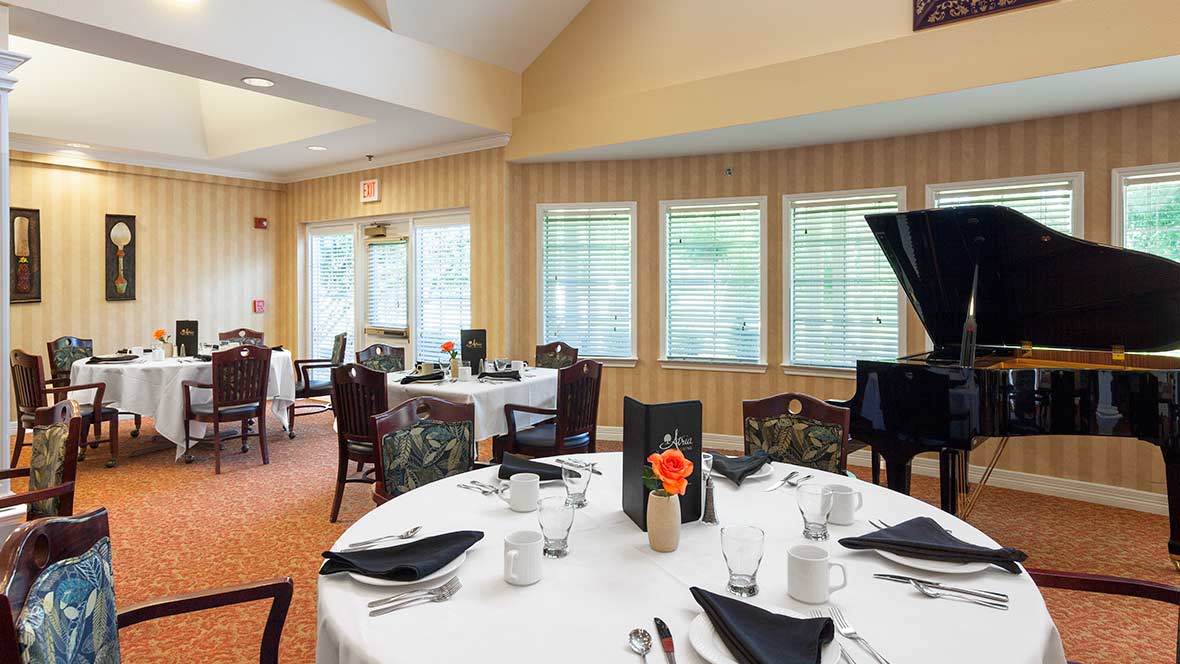
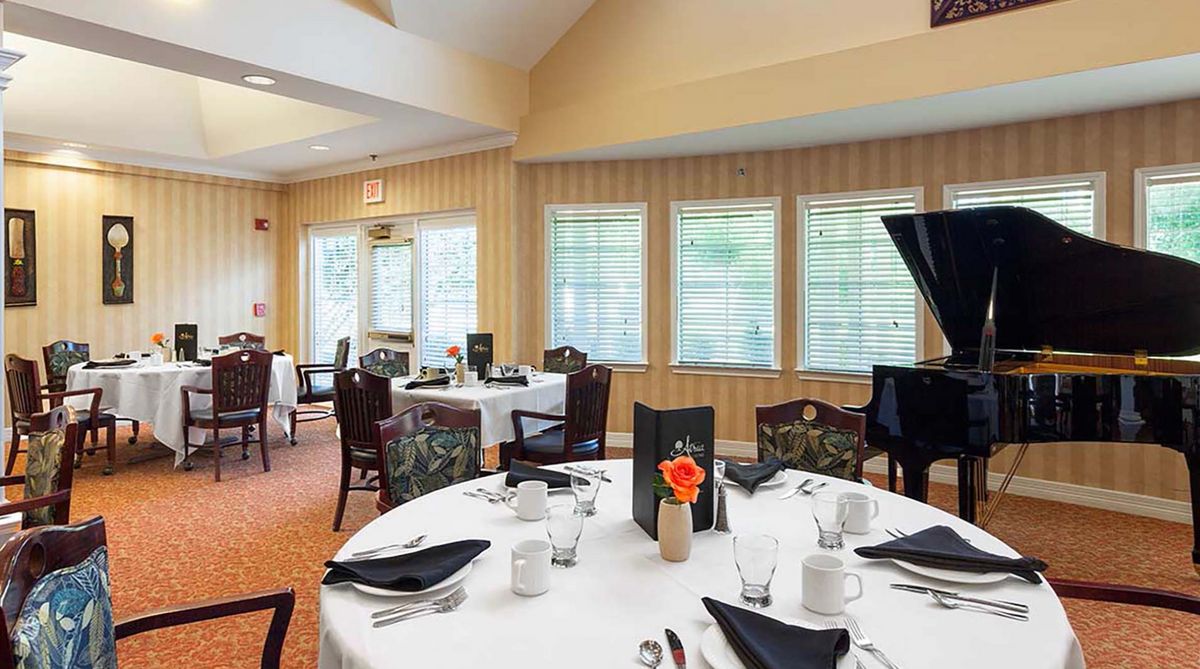
Dining feels restaurant-style
Dining is repeatedly described as restaurant-style with chef-prepared meals.
Many reviews focus on meals as a daily highlight, describing restaurant-style service and chef-prepared food. Several residents and families mention variety or menu choices, and a number say the dining room is a social place. Diet concerns come up as a limitation for some households, including feedback about diabetic-friendly options and texture/meal preferences. Even with those drawbacks, reviews frequently frame food as a strong point of life at the community.
common
Activities keep residents engaged
Residents and families describe a steady schedule of activities and outings.
Reviews commonly mention frequent activities throughout the day, with residents described as engaged and social. Outings, group games like bingo and other scheduled events show up repeatedly, along with live entertainment. In memory care, reviewers also describe programming designed to keep people involved and moving through their day. The community also appears to support transportation for appointments and planned activities, which several families say helps reduce stress.
common
Cleanliness and well-kept grounds
Residents frequently report the building and grounds feel consistently clean and well maintained.
Multiple reviews highlight cleanliness as a strong, everyday experience, including comments about the facility looking spotless and smelling clean. The physical spaces are also described as well maintained, with residents noting comfortable common areas and tidy rooms. Grounds and outdoor spaces are mentioned as well, including patios and areas for fresh air. A small number of reviews raise concerns about specific food or service elements, but cleanliness is broadly treated as a dependable strength.
caveat
Memory care has extra needs
Memory care reviewers praise the program, but some mention staffing ratio concerns and higher costs.
For memory care, several families are grateful for the kindness and specialized attention, including describing residents as kept engaged and supported. At the same time, at least one reviewer says caregiver ratios and weekend coverage could be higher in memory care. Cost also comes up in the reviews, with some describing the community as pricier than alternatives, which can be a deciding factor for some families. Overall, feedback supports that memory care is caring, while noting operational tradeoffs that may matter to prospective residents.
caveat
Pricing can be a deciding factor
Several reviews describe pricing as expensive, even while other reviews emphasize value for the care.
A recurring point in reviews is that cost can feel high, especially for families comparing options during their search. Some reviewers, however, counter that the experience and services provided make it feel like good value, including comments about comparable costs to prior living situations. Because pricing varies by unit, families appear to assess fit and affordability alongside care needs and preferred services. If you’re deciding between communities, the reviews suggest you may want to ask about what’s included for the level of support your loved one needs.
How we summarize
We summarize when many written reviews mention each theme; a review can touch several themes, and only frequently mentioned themes are displayed.
Features
Housing
1-bedroom apartments
2-bedroom apartments
Studio apartments
Types of Care
Assisted Living
Independent Living
Memory Care
Skilled Nursing Facility
Pets
Cats allowed
Dogs allowed
Amenities
Activities off-site
Activities on-site
Air-conditioning
Beautician on-site
Cable or satellite TV
Cafe
Computer center
Devotional services on-site
Dining room
Full kitchen
Fully furnished
Garden
Ground floor units
Guasts at mealtime
Guest parking
Hiking trails
Housekeeping services
Indoor common areas
Kitchenette
Laundry
Move-in coordination
Outdoor common areas
Outdoor space
Overnight guests
Party space
Private cleaning services
Resident parking
Respite or short term stays offered
Spa
TV room
Telephone
Wheelchair accessible showers
Wi-Fi/high-speed internet available
Transportation
William P X (19 miles away)
George Bush Intercontinental (23 miles away)
Transportation & parking
Care Services
24-hour supervision
Activities of daily living assistance
Ambulatory care
Assistance with bathing
Assistance with dressing
Assistance with transfers
Coordination with health care providers
Dementia waiver
Diabetes diet
Hospice care
Hospice waiver
Incontinence care
Meal preparation and service
Medication management
Mental wellness program
Mild cognitive impairment
Physical therapy
Special dietary restrictions
Specialized memory care programming
Transportation arrangement (medical)
Transportation to doctors appointments
Dining
Anytime dining
Diabetes diet
Kosher
Meals provided
Professional chef
Restaurant style dining
Room service
Special dietary restrictions
Special dining programs
Vegetarian
Activities
Activities off-site
Art classes
Arts and crafts
Book club
Catholic services
Community-sponsored activities
Cooking classes
Cooking club
Day trips and outings
Devotional activities on-site
Educational speakers / life long learning
Fitness programs
Games
Gardening club
Happy hour
Karaoke
Live musical performances
Live well programs
Other religious services
Religious services
Scheduled daily activities
Stories
Tai Chi
Visiting chaplain or priest
Wii bowling
Wine tasting
Yoga / chair yoga
Languages Spoken
English
Nearby Places of Interest
This particular area of Houston, Texas offers a range of convenient amenities for seniors looking to settle down in a bustling urban environment. With multiple pharmacies such as Walgreens and CVS Pharmacy nearby, access to medication and healthcare services is readily available. There are also a variety of dining options including Chick-Fil-A, La Pasha, and Emporio Brazilian Cafe within close proximity for seniors to enjoy meals out with friends or family. In terms of healthcare services, Texas Children's Pediatrics Westchase is just 2 miles away for medical needs. Additionally, there are places of worship like St John Vianney Catholic Church and entertainment options such as Regal Edwards West Oaks Mall for leisure activities. Overall, this area provides a mix of essential services and recreational opportunities that could make it an appealing choice for seniors looking to live comfortably in Houston.
Pharmacies
Walgreens (0.5 miles)
CVS Pharmacy (0.6 miles)
Walgreens (0.8 miles)
Walgreens (1.3 miles)
CVS Pharmacy (1.4 miles)
CVS Pharmacy (1.9 miles)
CVS Pharmacy (2.3 miles)
Restaurants
Chick-Fil-A (0.7 miles)
La Pasha (0.8 miles)
Emporio Brazilian Cafe (1.1 miles)
Whataburger (1.2 miles)
McDonald's (1.8 miles)
Kim Son (2 miles)
Hadramout Restaurant M (2.5 miles)
Cafes
Panera Bread (1.3 miles)
Starbucks (1.6 miles)
85C Bakery Cafe (2.4 miles)
Nara Cafe (3.6 miles)
Starbucks (3.7 miles)
Starbucks (4.6 miles)
Starbucks (5.1 miles)
Physicians
Texas Children's Pediatrics Westchase (2 miles)
Allergy & ENT Associates: Kancherla Vikas S MD (5.8 miles)
Kelsey-Seybold Clinic (6.2 miles)
Places of Worship
St John Vianney Catholic Church (3.4 miles)
Shirdi Sai Jalaram Mandir (5.5 miles)
St Martin's Episcopal Church (7.2 miles)
Sugar Land First United Methodist Church (7.3 miles)
Atria Westchase offers competitive monthly pricing for its various room types, making it an appealing choice within the context of Harris County and the broader state of Texas. For instance, a studio apartment is priced at $3,395, which is quite favorable compared to the county average of $4,021 and slightly below the state average of $3,758. Similarly, one-bedroom units at Atria Westchase are available for $3,595 - again lower than both Harris County's $4,027 and Texas's $3,761 averages. The semi-private room option is priced at $3,750, which exceeds the county's average of $3,518 but remains less than the state average of $3,680. However, for those seeking more space with two-bedroom accommodations at Atria Westchase - costing $6,995 - the price surpasses both local and state norms of $4,574 and $4,215 respectively. Overall, while Atria Westchase presents strong value in certain room types against regional benchmarks, prospective residents should carefully consider their options based on preferred living arrangements.
Atria Westchase's comprehensive features are designed to enhance the quality of life for residents dealing with dementia or Alzheimer's disease, ensuring they receive round-the-clock supervision and personalized care to meet their unique needs. The assistance with activities of daily living, including bathing and dressing, fosters independence while providing essential support that can alleviate frustration and confusion. Coordination with healthcare providers ensures a seamless approach to medical care, while medication management and incontinence care address critical health needs sensitively and respectfully. Meal preparation tailored to dietary requirements promotes nutritional well-being, complemented by specialized memory care programming that engages residents cognitively and emotionally. Furthermore, physical therapy contributes to maintaining mobility and strength, while transportation arrangements facilitate access to medical appointments, promoting a holistic approach to health that supports both mental wellness and cognitive function through dedicated programs targeting mild cognitive impairment.
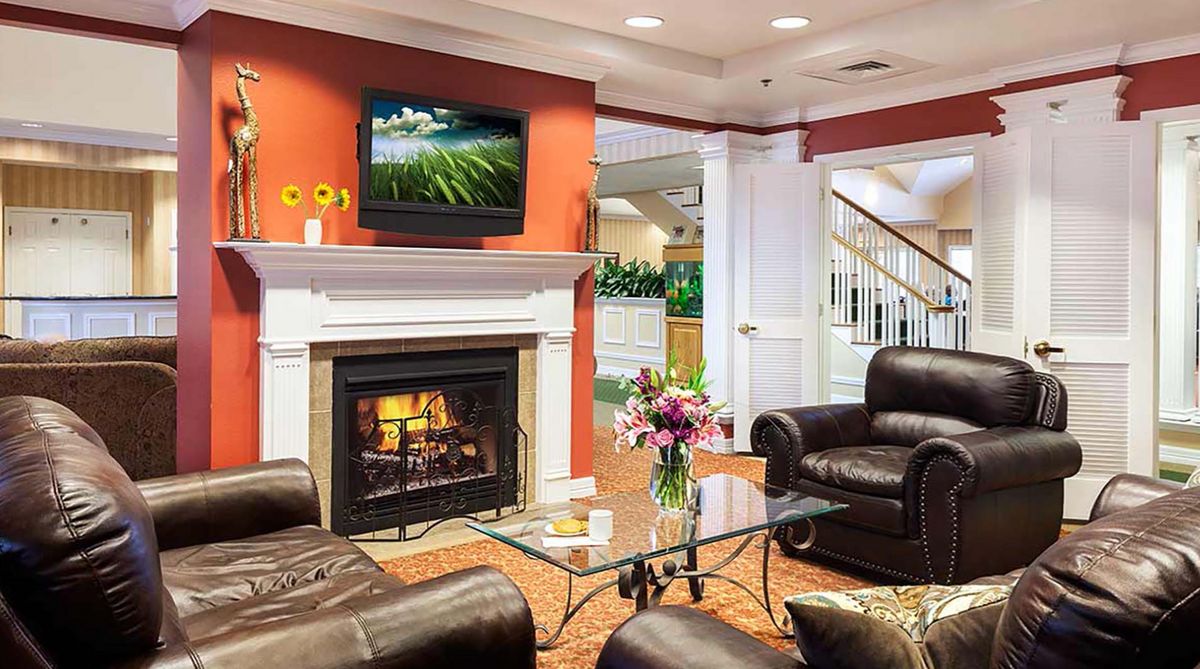
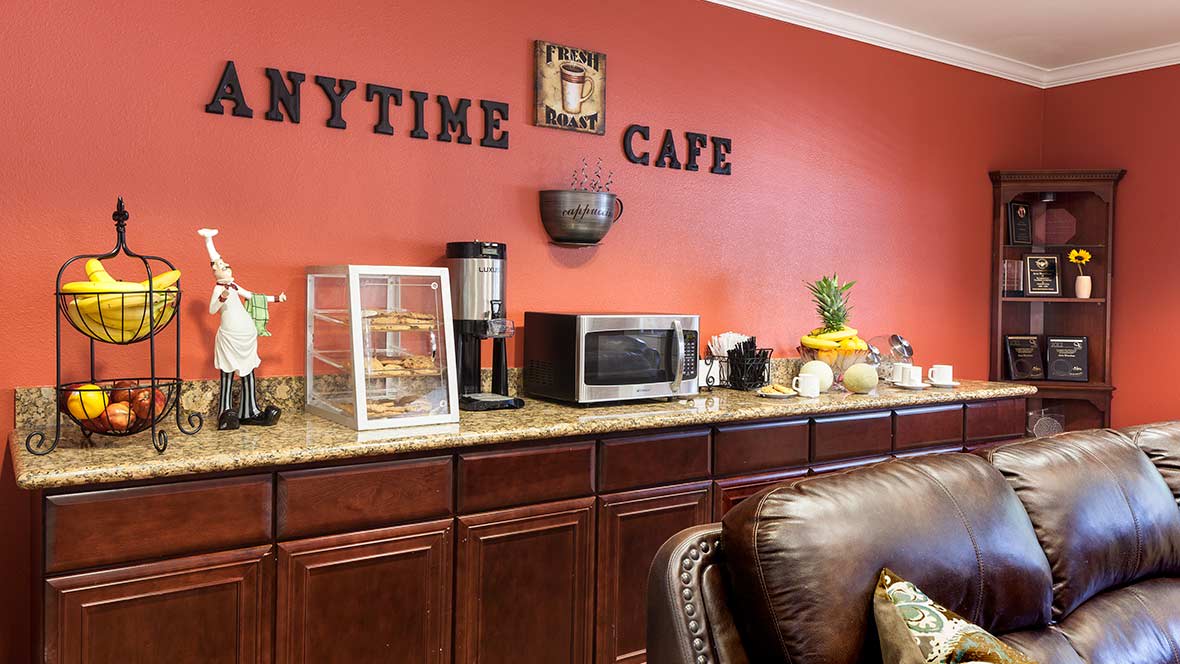
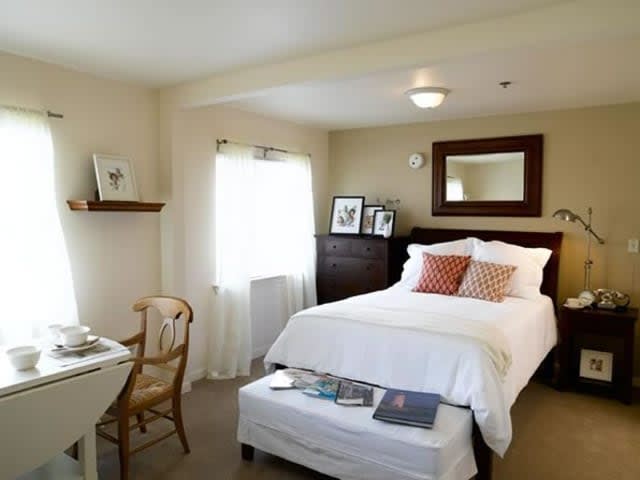
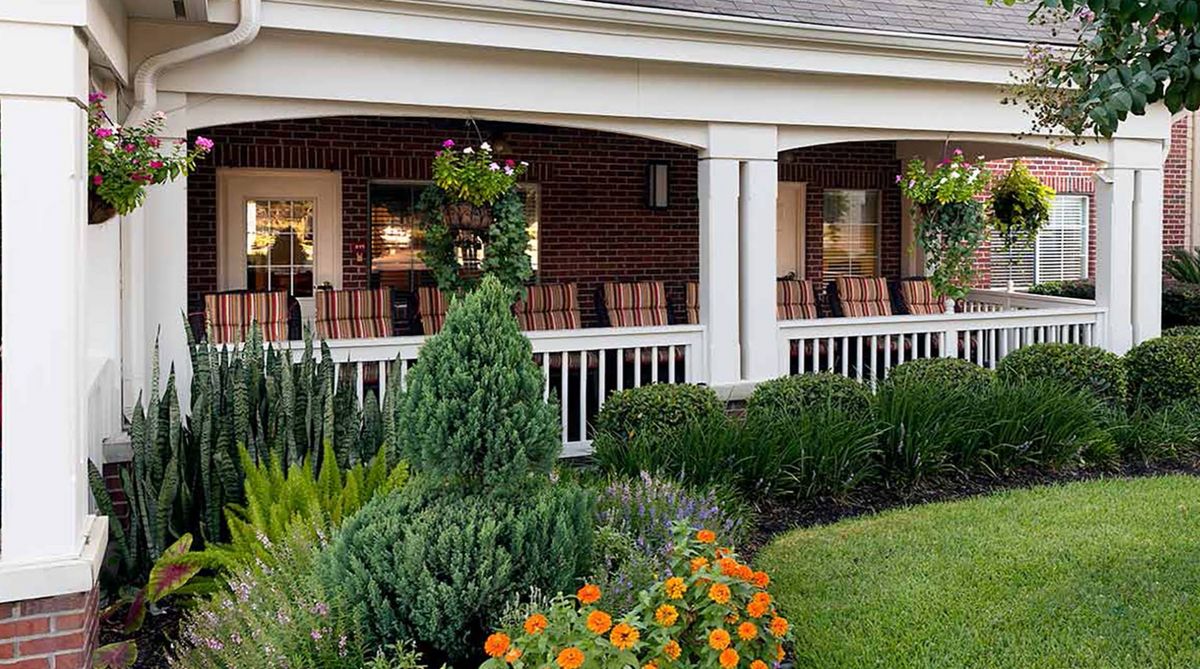
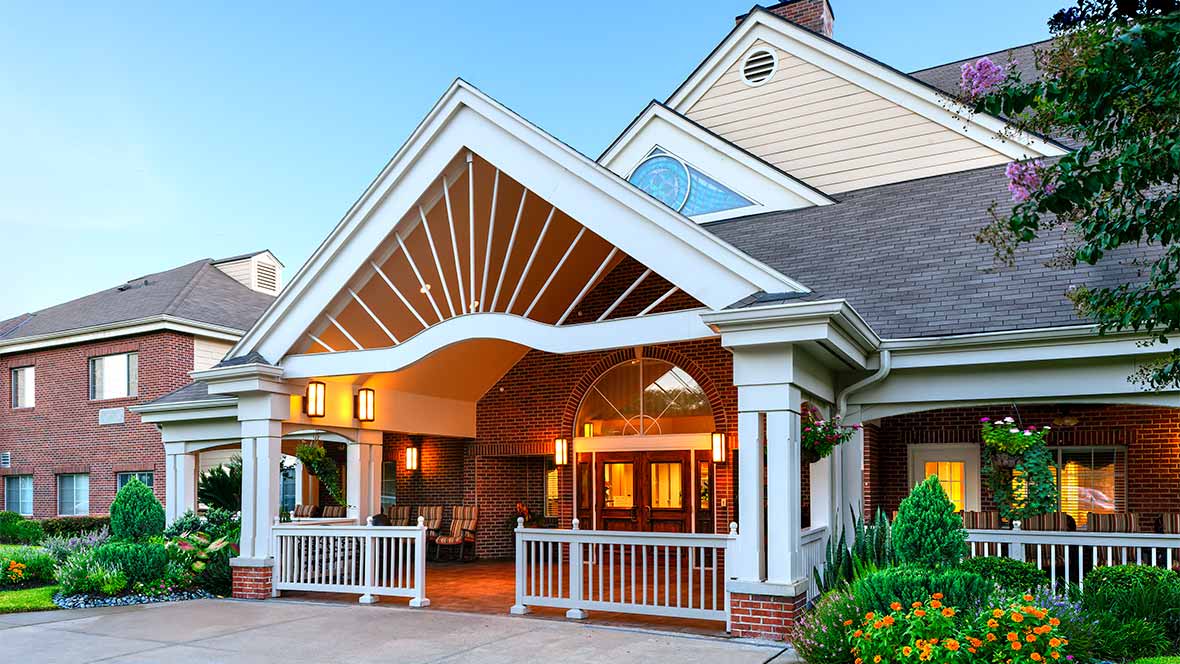
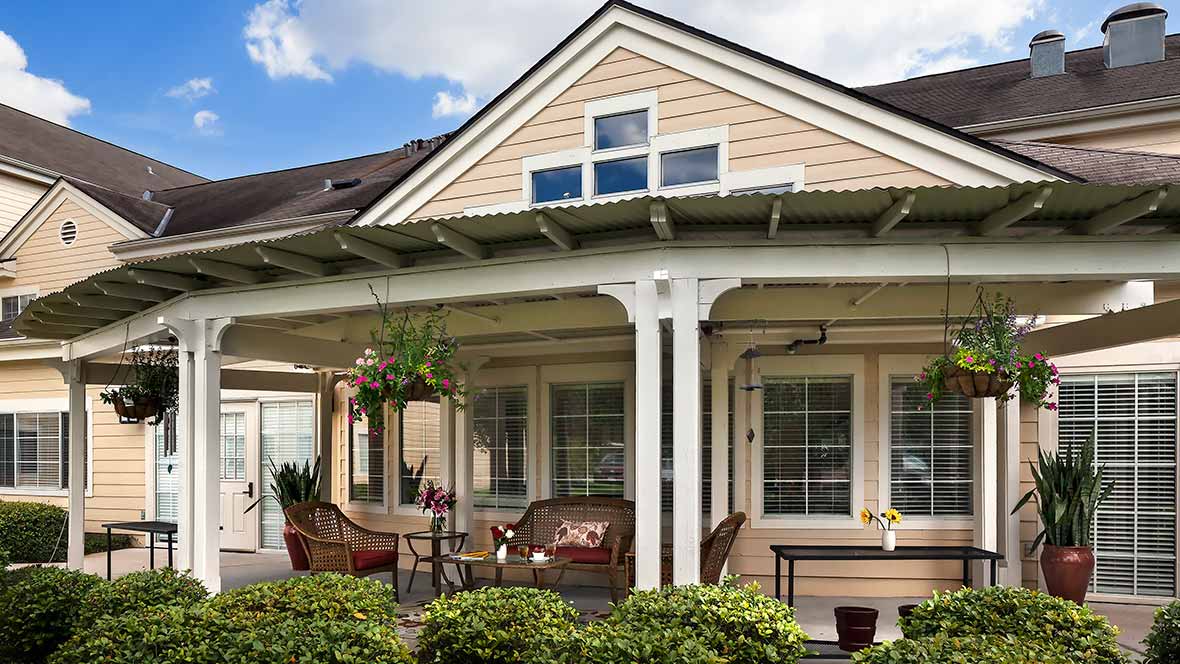
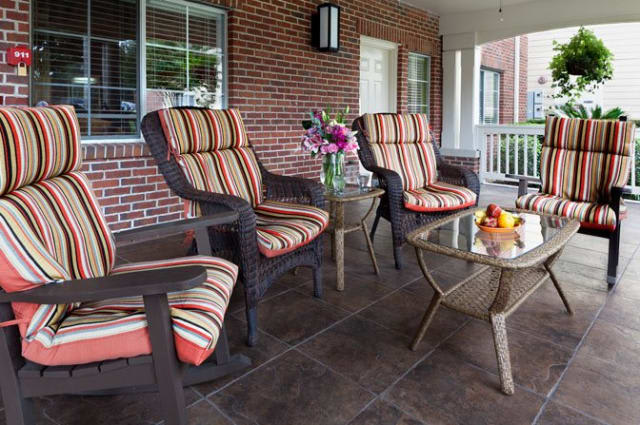
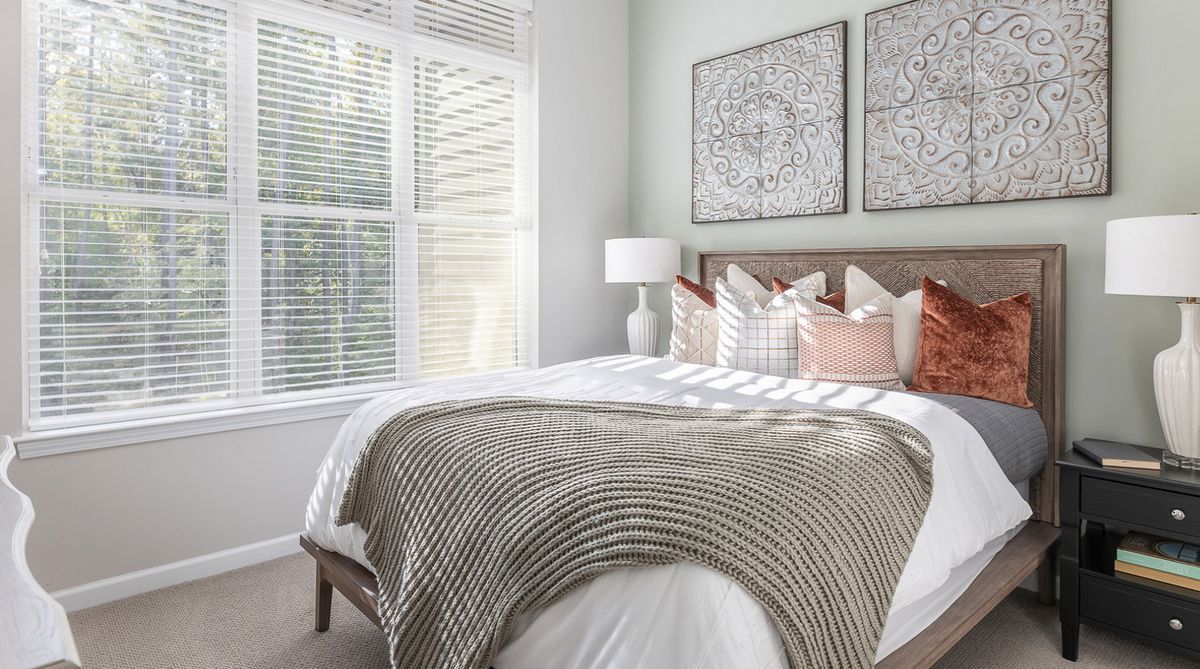
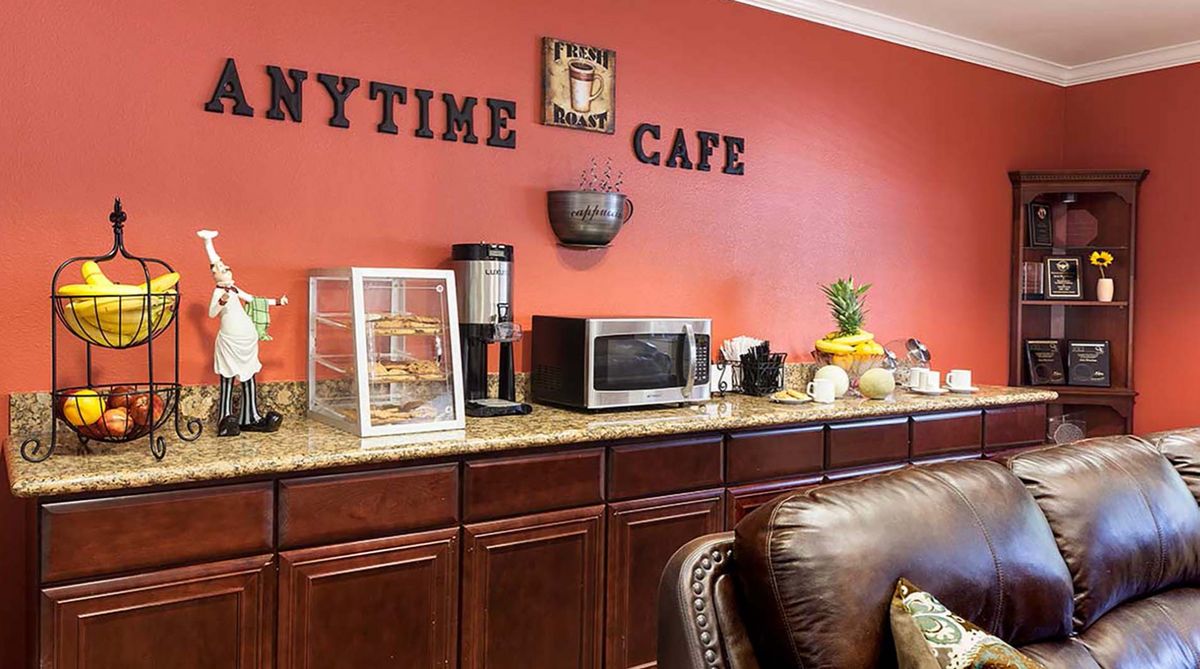
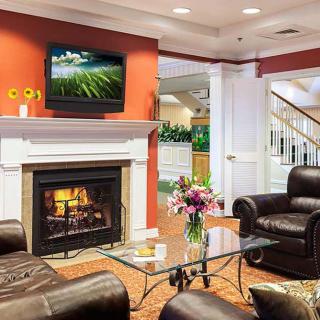
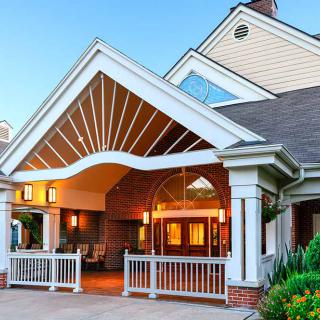
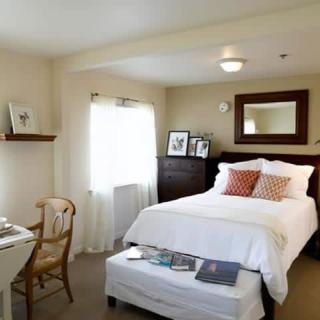
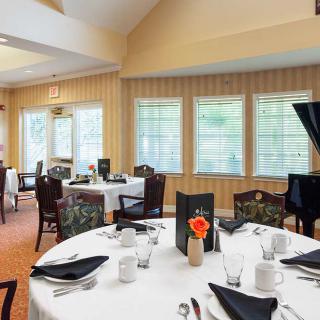
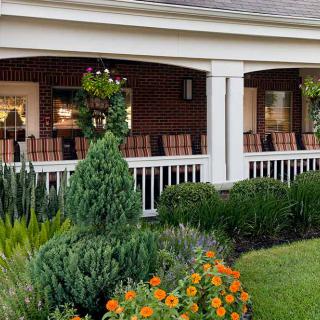
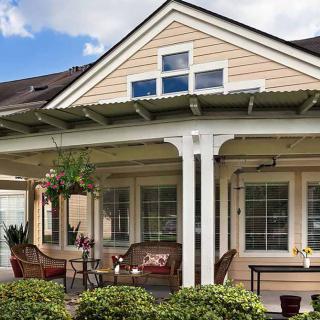
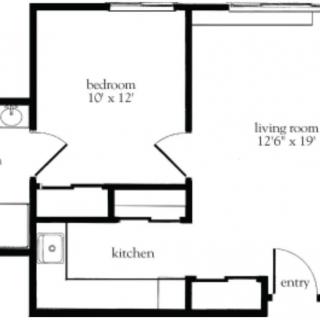
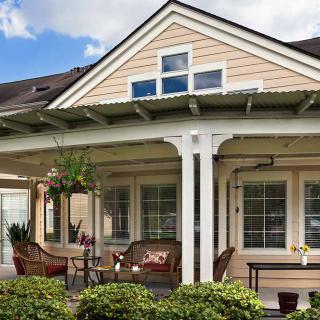
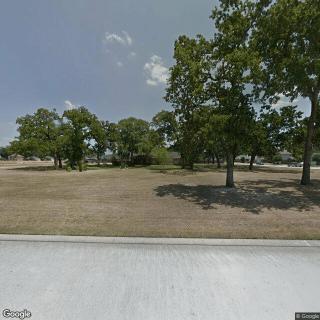
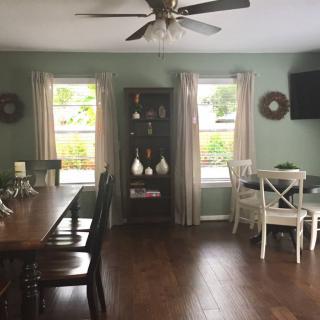
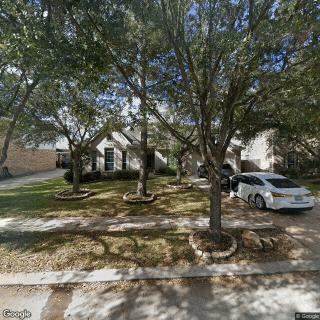
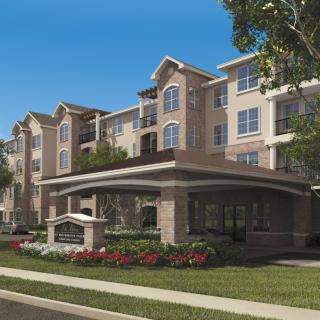
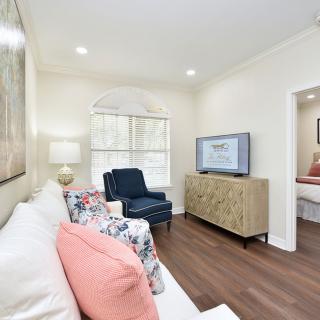
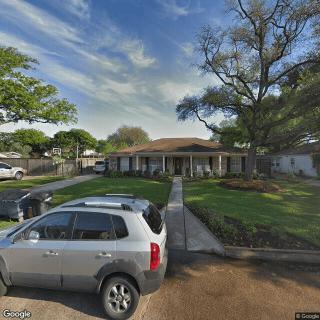
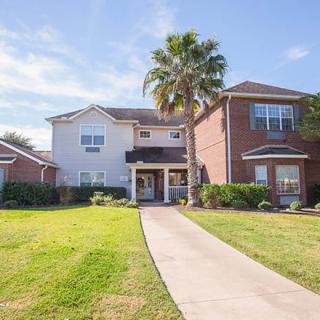
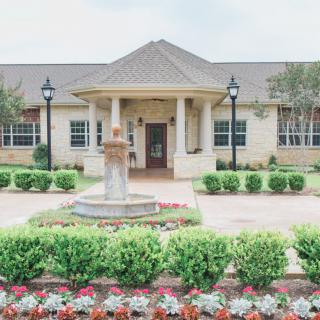
Atria Westchase on seniors.fyi includes 22 photos including images showing floor plan, interior, dining, porch, bedroom, decor, architecture, television, and more.
Nearby Communities
The Reserve at Royal Oaks
Houston, TX
4.4 from 69 reviews
$5,600 / month
Caring, attentive staff and engaging activities in a welcoming environment.
Royal Oaks Residence And Rehabilitation Center
Houston, TX
2.5 from 21 reviews
Clean, pleasant environment; approachable director; diligent staff
Park Manor Of Westchase
Houston, TX
3.9 from 113 reviews
$4,799 to $6,238 / month
Strong rehab services and attentive staff supporting recovery.
The Abbey at Westminster Plaza Independent Living
Houston, TX
4.6 from 73 reviews
$4,395 to $6,895 / month
Genuine staff engagement, a warm community, chef-prepared dining, and a wide range of activities.
The Abbey at Westminster Plaza
Houston, TX
4.7 from 129 reviews
$3,395 to $5,395 / month
Warm, caring staff in a clean, well-maintained community with restaurant-style dining and varied activities.
Autumn Years II
Houston, TX
4.2 from 9 reviews
$4,800 to $5,800 / month
Clean, home-like setting with friendly staff and on-site activities.
Brookdale Shadowlake
Houston, TX
4.1 from 89 reviews
$4,500 to $6,270 / month
Friendly staff in a smaller, personable community with engaging activities.
Tarrytowne Estates
Houston, TX
4.8 from 137 reviews
$2,295 to $2,795 / month
Chef-inspired meals, friendly staff, and spacious apartment layouts.
Heritage Memory Care At Eldridge Parkway
Houston, TX
4.3 from 45 reviews
$5,000 to $5,300 / month
Attentive staff, proactive communication, and a clean, secure memory-care setting with engaging activities.
The article compares assisted living and skilled nursing facilities, detailing their differing levels of assistance, medical support, cost structures, and day-to-day experiences. It emphasizes that assisted living is for those needing help with daily activities while maintaining independence, whereas skilled nursing facilities provide intensive medical care with 24-hour staff supervision.
Vibrant Senior Living emphasizes active senior living communities that promote independence and engagement through diverse amenities and activities, fostering wellness and social interaction among older adults. These communities range from independent to assisted living, with a focus on personal growth, family involvement, financial planning, and leveraging technology to enhance residents' experiences.
Assisted living provides moderate support for seniors seeking independence, while memory care offers specialized support for individuals with dementia or cognitive impairments through structured routines and trained staff. Key differences include care approaches, environment security measures, staff training levels, activity types, and cost considerations.
Get PricingAsk A QuestionSchedule A TourContact Senior Advisor
By clicking submit, you agree to our Partner's Terms of Use. You
also consent to receive calls and texts, which may be autodialed, from our Partner. Your consent is not a condition to
using our Partner's service. Please visit our Partner's Privacy Policy for information about their privacy practices.













 1-bedroom apartments
 Assisted Living
 Independent Living
 Memory Care
 Skilled Nursing Facility
 Cats allowed
 Dogs allowed
 Activities off-site
 Air-conditioning
 Beautician on-site
 Cable or satellite TV
 Cafe
Cafe Computer center
 Devotional services on-site
 Dining room
 Full kitchen
 Fully furnished
 Garden
 Ground floor units
 Guest parking
 Hiking trails
 Housekeeping services
 Indoor common areas
 Laundry
 Move-in coordination
 Outdoor common areas
 Overnight guests
 Party space
 Respite or short term stays offered
 Spa
Spa Telephone
 Wheelchair accessible showers
 Wi-Fi/high-speed internet available
 William P X (19 miles away)
 Transportation & parking
 24-hour supervision
 Ambulatory care
 Assistance with bathing
 Assistance with dressing
 Assistance with transfers
 Diabetes diet
 Hospice care
 Incontinence care
 Meal preparation and service
 Medication management
 Mental wellness program
 Physical therapy
 Special dietary restrictions
 Transportation arrangement (medical)
 Art classes
 Book club
 Catholic services
 Cooking classes
 Day trips and outings
 Educational speakers / life long learning
 Fitness programs
 Games
Games Happy hour
 Karaoke
 Live musical performances
 Wii bowling
 Wine tasting
 English
 Caring, attentive staff and engaging activities in a welcoming environment.


 Exploring the Contrasts Between Assisted Living and Skilled Nursing
 Vibrant Senior Living: A Comprehensive Guide for Active Older Adults
 Assisted Living and Memory Care: Understanding Their Core Differences