812 West Morphy Street, Fort Worth, TX 76104
For more information about senior living options: (866) 208-4318
Overall Review of GoodLife Senior Living And Memory Care
Pros
 The staff is caring and sweet and takes care of residents like their own family.
- The Good Life is an extremely caring place.
- The facility is small, which is an advantage.
- Caregivers are amazing.
- Holly the RN was wonderful with her residents.
- The center's director and leadership team make time to address requests and concerns.
- The new Heath location is absolutely beautiful.
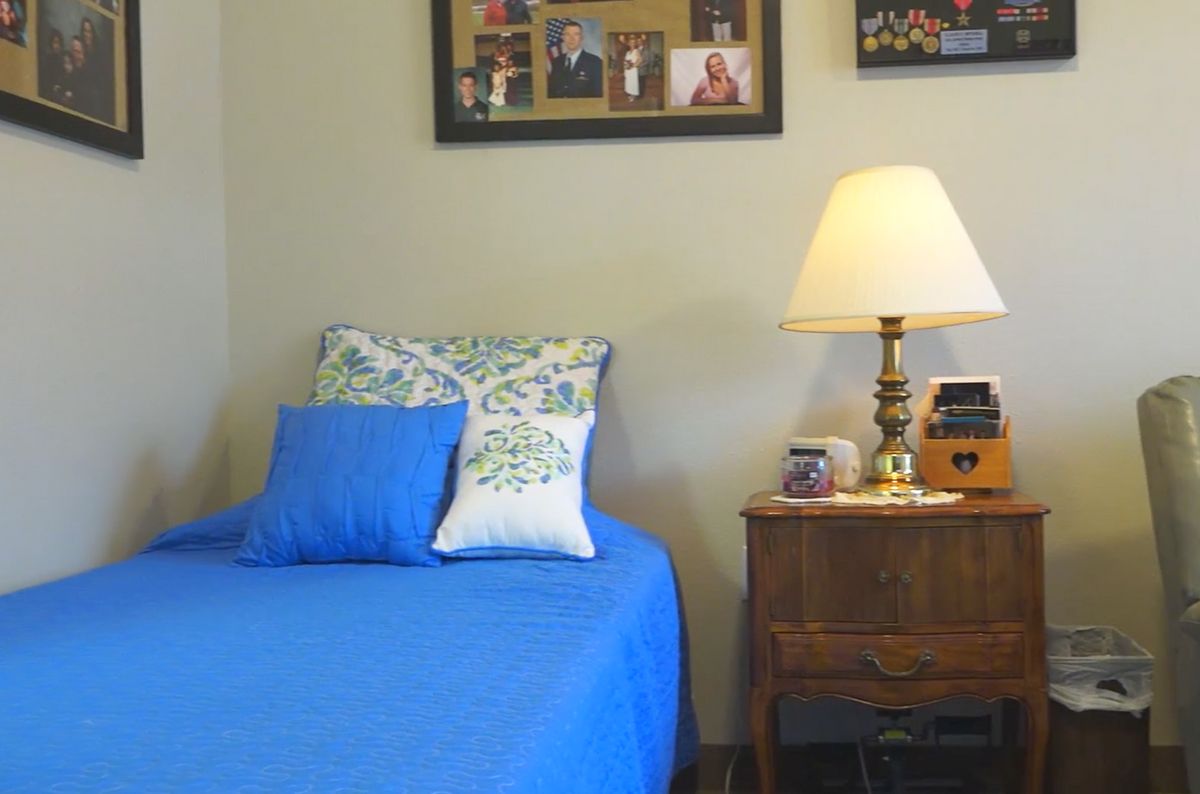
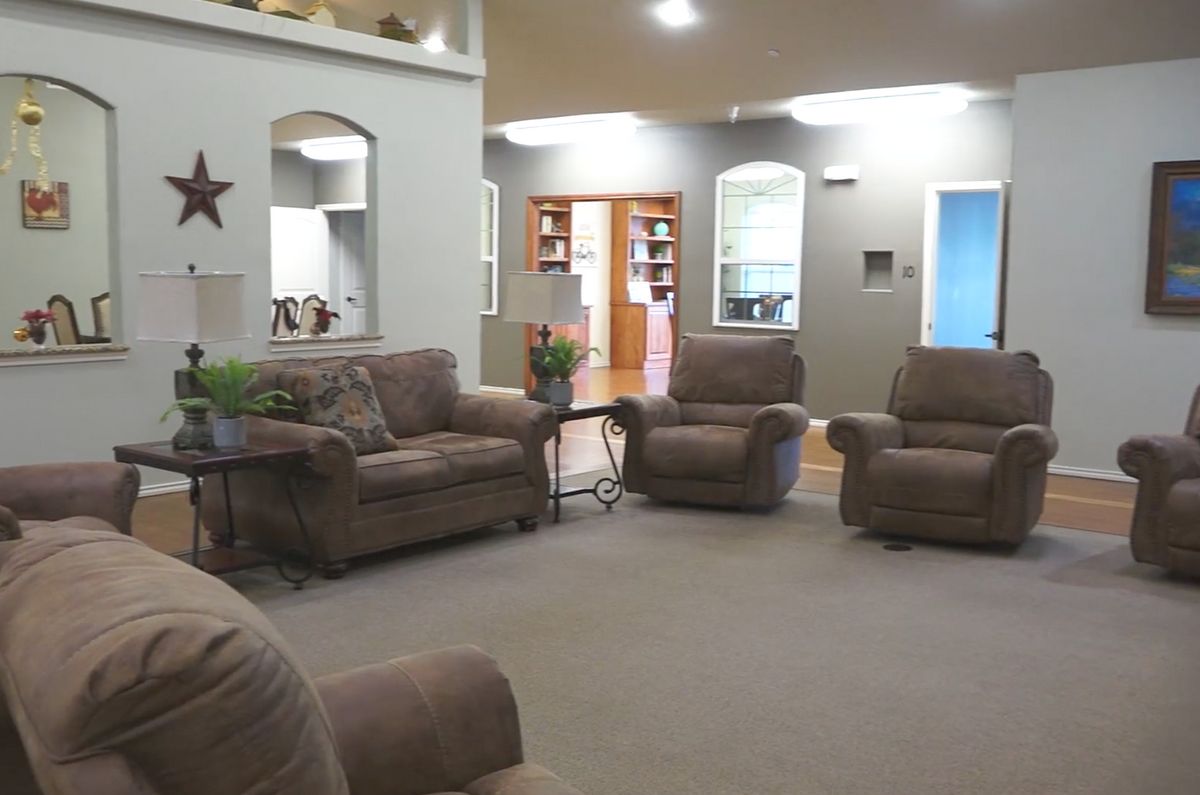
- The facility is homey and clean and feels more like a real home.
- Transitions in staff and leadership have improved operational effectiveness and quality of support for residents.
Cons
 The facility did not rate well on the recent health inspection.
- The management is very unprofessional.
- Mindi Jayroe is a thief and a liar who has stolen money from employees and residents.
- The supervisor Tiffany bullies hard-working mothers who are employees, using it as punishment and retaliation.
- This place is the worst place to put your loved one; people are dying left and right and residents are given the wrong medications.
- There are cameras all over this place, but they do not work.
Review
This community is best suited for families seeking a small, homey atmosphere where staff relationships feel personal and residents receive hands-on, attentive care. GoodLife Fort Worth tends to work well for seniors who prize daily warmth over luxury, who value staff who remember individual preferences, and who appreciate the ability to visit with a beloved pet. The setting often resonates with families who want a less institutional feel, where staff engagement can feel genuine and where memory care residents can receive individualized support in a compact, manageable environment. For families prioritizing real, recognizable human contact and a sense of being “known,” this option stands out as a practical, down-to-earth choice.
There are clear red flags that warrant consideration of alternatives, especially for households with strong emphasis on regulatory compliance, safety oversight, and pristine clinical governance. Prospective residents who require consistently flawless medication management, rigorous incident reporting, or a rock-solid, well-documented care plan may find the landscape uneven. Online access to resident records or timely, transparent communication about changes in care can be limited, which matters for families who want continuous visibility. In short, those who need ironclad accountability, predictable leadership, and surgical attention to safety should explore other communities where governance has a longer, unambiguous track record.
The strongest positives center on the personal touch: a small facility feel, clean surroundings, and a staff that genuinely cares for residents. Several families praise caregivers who treat residents like family, with responsive managers and a willingness to accommodate individual needs. The ability to bring a beloved dog for visits is highlighted as life-changing for some memory care residents, underscoring a home-like, person-centered approach. When leadership is present and accessible, families report meaningful engagement with the team, timely problem-solving, and a willingness to go the extra mile. These strengths help offset the inherent fragility of a smaller operation, where warmth and continuity can make a real difference in daily quality of life.
Yet the same scale embeds meaningful risk: inconsistent leadership, concerns about management’s professionalism, and instances of staff turnover that ripple through daily care. Reports of missteps, allegations of theft or mismanagement at certain locations, and warnings from former employees cast a long shadow. Medication errors and falls have been cited, along with stories about staffing gaps and perceived prioritization of appearances over resident well-being. These themes are not universal, but they recur enough to demand serious scrutiny. The contrast between affectionate, person-centered care and episodes of systemic disruption creates a tension that families must weigh carefully.
For memory care specifically, the setting can be a net positive when staff establish strong, low-friction communication with residents who have limited verbal ability or cognitive challenges. The small, intimate environment often translates to quicker recognition of distress, personalized routines, and a sense of safety in familiar faces. On the downside, leadership questions and occasional operational missteps can undermine these gains, particularly if supervision and accountability are not consistently maintained. Memory-care residents depend on steadier, well-documented care practices; when those practices falter, the impact is felt quickly in daily comfort and safety.
Ultimately, decision-makers should approach with a disciplined, comparative mindset. Schedule multiple visits, and insist on meeting the director or administrator who would oversee care. Ask pointed questions about staff-to-resident ratios, medication administration procedures, incident reporting, and how concerns are escalated and resolved. Seek current inspector results and verify whether residents’ records can be accessed online. Speak with several families currently using the community to gauge consistency over time, and request concrete examples of problem resolution. If governance and transparency align with expectations, the positives, homey atmosphere, caring staff, and family engagement, can outweigh the potential downsides. If not, it is prudent to consider alternatives with steadier leadership, stronger safety governance, and clearer communication pathways.
 42 resident community capacity
 Assisted Living
 Respite Care
 Beauty salon
 Cable or satellite TV
 Dining room
 Fully furnished
 Garden
 Housekeeping services
 Kitchenette
 Move-in coordination
 Outdoor space
 Restaurant-style dining
 Small library
 Telephone
 Wi-Fi/high-speed internet available
 Dallas-Fort Worth International (21 miles away)
 24-hour call system
 Activities of daily living assistance
 Assistance with bathing
 Assistance with dressing
 Assistance with transfers
 Diabetes diet
 Medication management
 Mental wellness program
 Special dietary restrictions







 Is Assisted Living Deductible on Your Taxes? Understanding the Complexities of Assisted Living Expenses and Deductions
 Assisted Living Support for Veterans: A Complete and Detailed Overview
 Exploring the Contrasts Between Assisted Living and Skilled Nursing