GoodLife Senior Living Duncanville Costs & Pricing
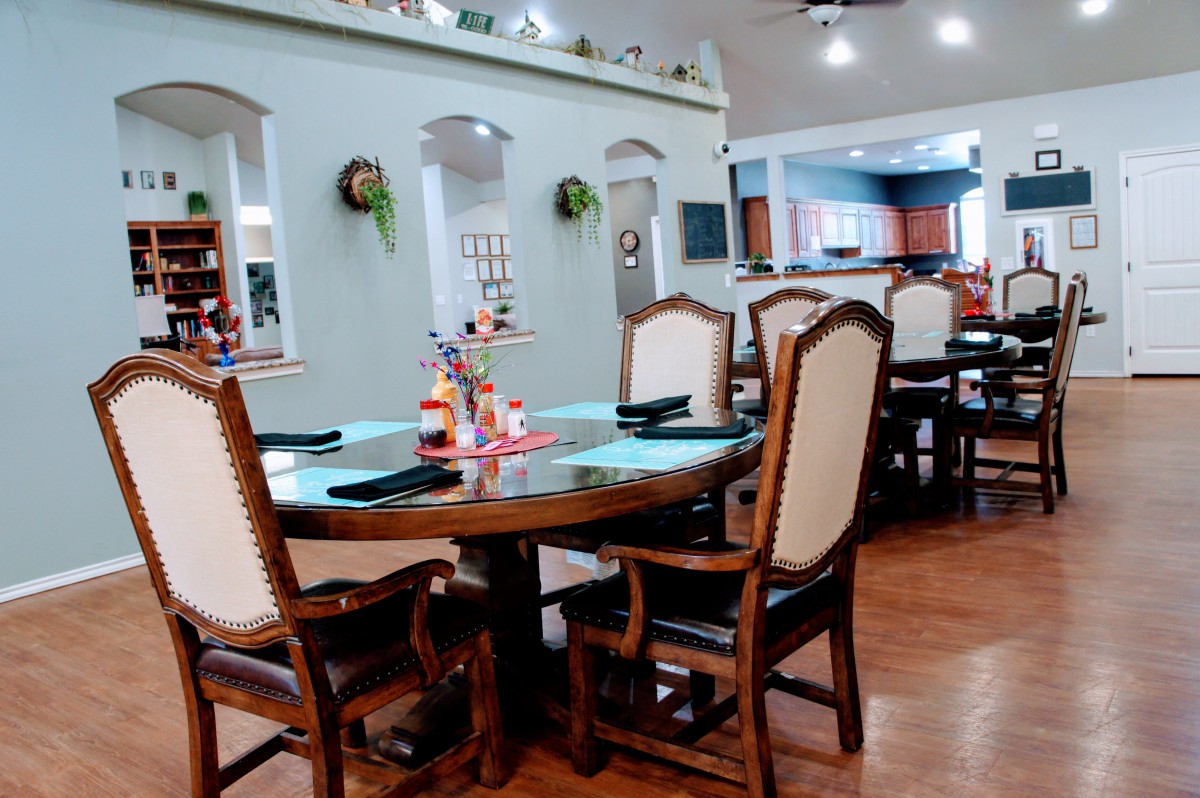
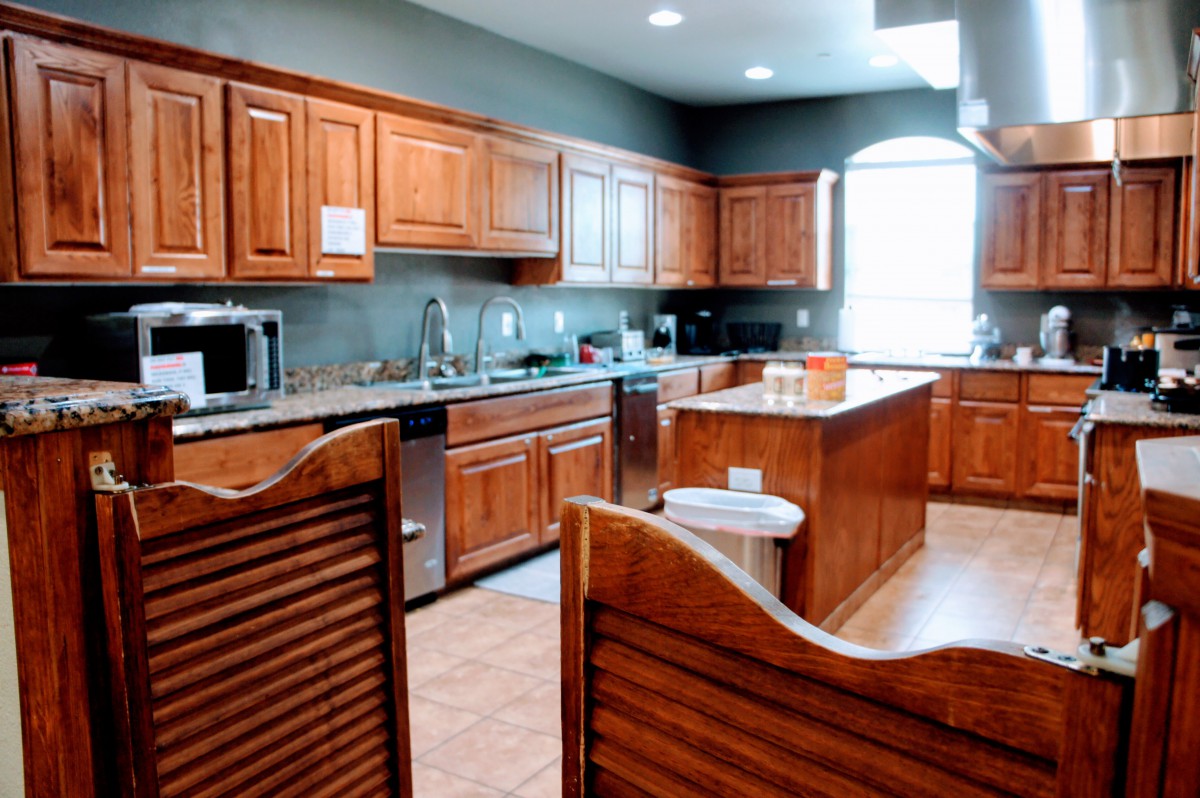
GoodLife Senior Living in Duncanville offers competitive pricing for its accommodations, particularly when compared to the broader market of Dallas County and the state of Texas. For a semi-private room, residents can expect to pay $2,500 per month, which is significantly lower than the county average of $3,535 and the state average of $3,680. The studio option is priced at $4,250 monthly; while this figure exceeds both the Dallas County rate of $3,625 and the Texas average of $3,758, it's essential to consider that GoodLife Senior Living provides a variety of amenities and services that enhance the overall living experience. Thus, prospective residents may find that the higher investment in studio accommodations reflects added value through quality care and community engagement.
| Floor plans | GoodLife Senior Living Duncanville | Dallas County | Texas |
|---|
| Semi-Private | $2,500 | $3,535 | $3,680 |
| Studio | $4,250 | $3,625 | $3,758 |
Memory care communities with a similar price nearby
-
from +$300 / mo
B & Y Care Home
$2,800 to $4,000 / month
23.5 miles away
-
from -$115 / mo
Briarview Senior Living
$2,385 to $5,715 / month
22.9 miles away
-
from +$495 / mo
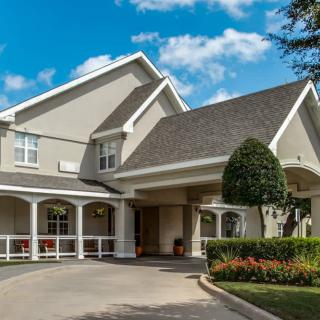
Parsons House Preston Hollow
$2,995 to $4,295 / month
14.9 miles away
-
from +$225 / mo
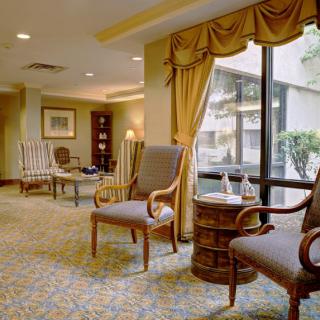
Monticello West
$2,725 to $5,095 / month
14.1 miles away
-
from +$440 / mo
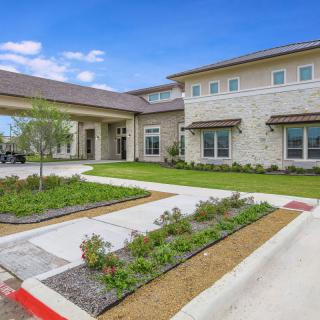
Arabella of Red Oak
$2,940 to $5,135 / month
12.1 miles away
Overall Review of GoodLife Senior Living Duncanville
differentiator
8 reviews mention this
Memory care staff feel involved
Memory care residents get hands-on support described by both families and staff.
Several reviews focus on memory care day-to-day help, including what caregivers say they see during their shifts and how staff interact with residents. One reviewer highlights a staff member on the secure unit as consistently friendly and willing to help. Multiple memory-care-focused reviews also mention clean units, laundry support, and meals prepared for residents, along with director involvement.
common
37 reviews mention this
Staff are consistently caring
Residents and families repeatedly describe staff as kind, attentive, and professional.
Across the reviews, families and caregivers describe staff members as respectful, patient, and dedicated to residents. Many mention individual caregivers or nurses being responsive and communicative, and several note a professional, supportive approach. A few reviews also temper the praise with concerns about staffing availability at night or during certain shifts, but even those comments describe employees as caring when they are present.
common
11 reviews mention this
Meals are a plus, with caveats
Dining is frequently praised, though a couple reviews describe temperature or taste issues.
Food comes up often, with reviewers calling the meals enjoyable and noting the cook accommodates dietary restrictions and balanced nutrition. A number of reviews specifically mention meals being prepared well and supporting residents’ comfort. There are also isolated complaints that meals could be more flavorful or arrive cold when eaten in-room, so the experience isn’t described as uniformly perfect.
common
6 reviews mention this
Communication is usually good
Families often report good communication with staff, with some exceptions.
Several reviews say staff keep families informed and respond to questions and concerns. One reviewer describes staff communication as very good, while another mentions improvements they can request after a move. A small number of comments call out problems with documentation or follow-through after incidents, and at least one negative review raises concerns about how information about urgent situations was shared.
common
15 reviews mention this
Clean, home-like atmosphere stands out
Many reviews highlight a clean, home-like environment.
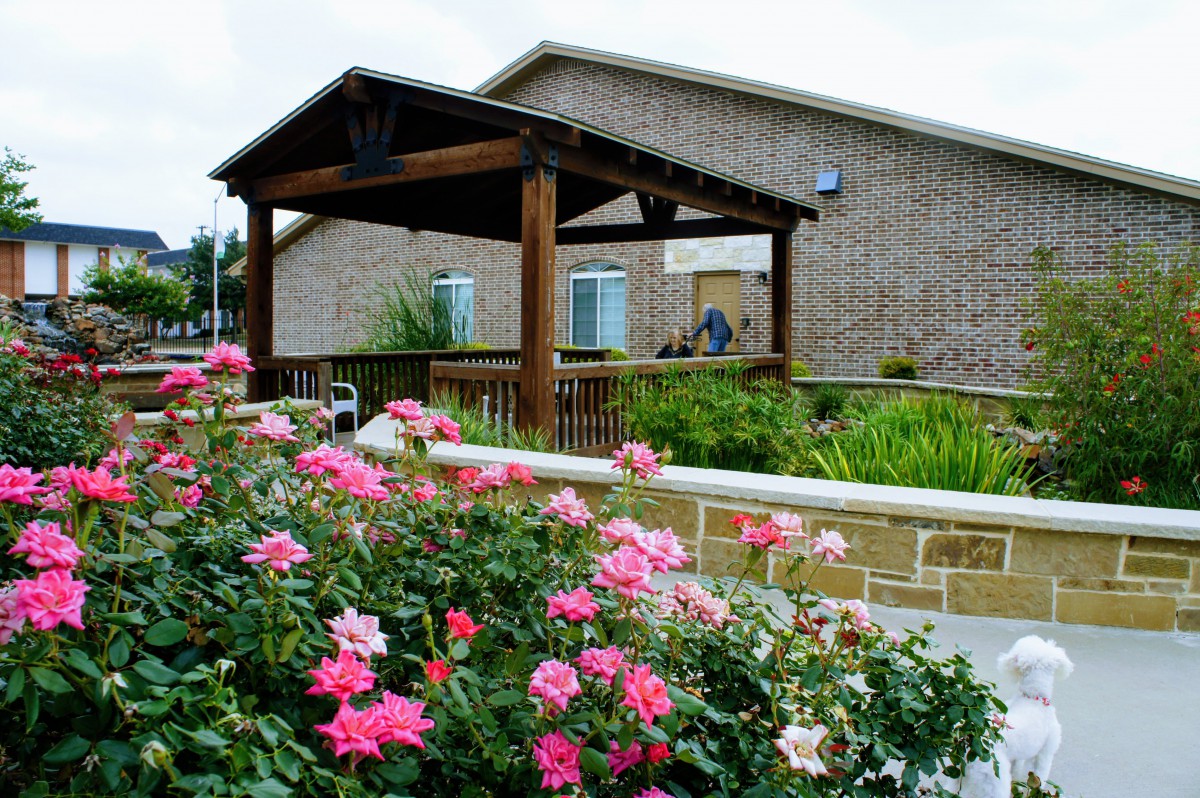
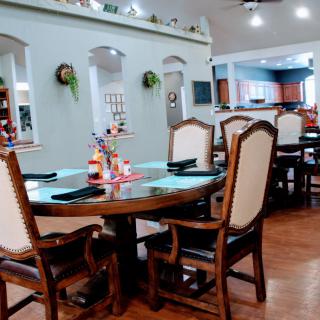
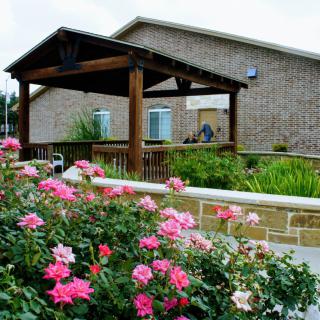
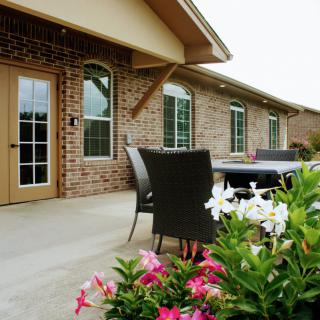
Reviews repeatedly mention cleanliness, including spotless rooms and a fresh-smelling environment. Alongside that, several describe a home-like atmosphere rather than a “cold nursing home” feel, and note features like outdoor views. Not every comment is positive, but even critical reviews still reference the facility environment directly when explaining what they did or didn’t like.
caveat
3 reviews mention this
Pricing feels high for some
Some families say the cost was beyond their budget.
A few reviews frame affordability as a major drawback, including comments that the community felt extremely expensive or simply out of price range. At the same time, at least one reviewer contrasts that by saying the value was very good, so pricing impressions vary from family to family. Reviews that mention cost do not suggest anything about quality reducing alongside the price—just that the expense can be a barrier.
common
2 reviews mention this
Close to family for visits
Families mention the location makes visits easier.
Two reviews specifically connect the community’s location to convenience for family visits, including one noting it is only a short drive away. This lines up with the fact that the area includes nearby everyday destinations such as pharmacies and restaurants, which can support routine outings for residents and families.
common
2 reviews mention this
Activities keep residents engaged
Residents describe regular activities that help keep them active.
Some reviews mention scheduled activities that residents enjoyed, including programs organized through the community. Another reviewer connects increased activity and exercise with the variety of things going on day-to-day. These comments support the idea that the community isn’t only focused on basic care routines.
How we summarize
Counts show how many written reviews mention each theme; a review can touch several themes, and only frequently mentioned themes are displayed.



 Assisted Living
 Memory Care
 Activities on-site
 Air-conditioning
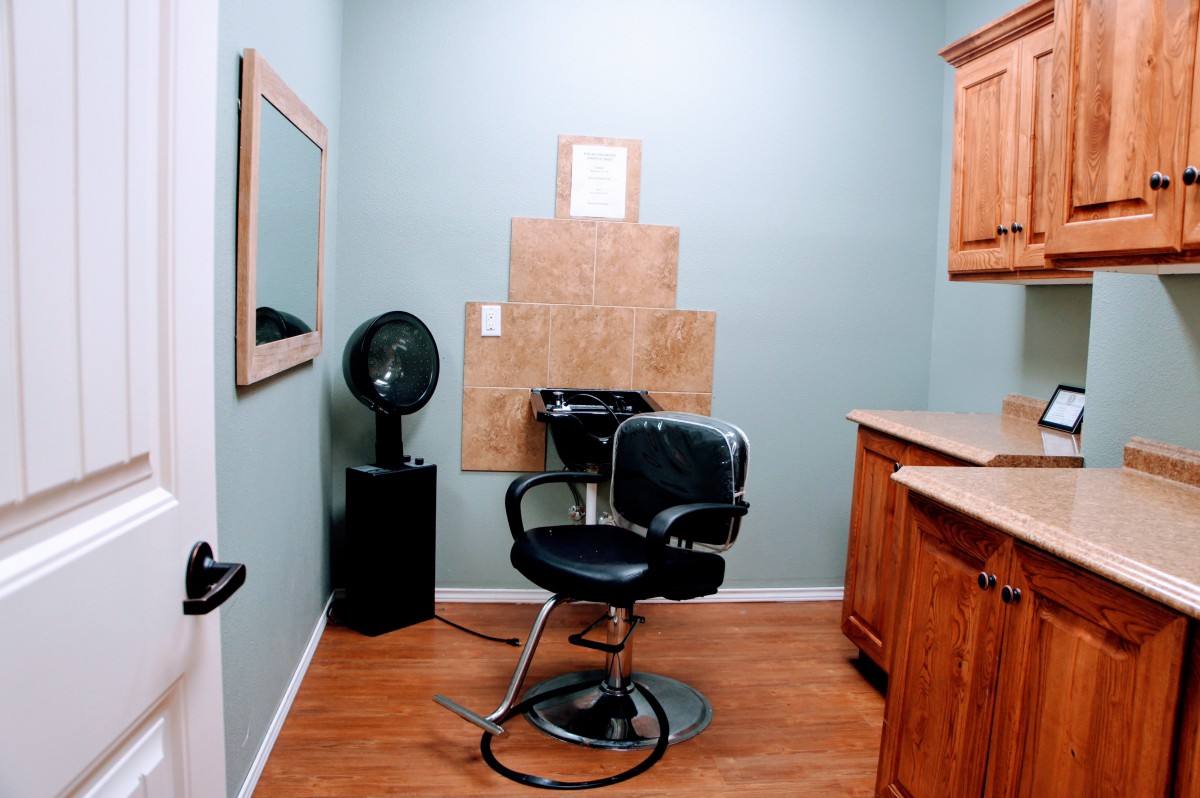
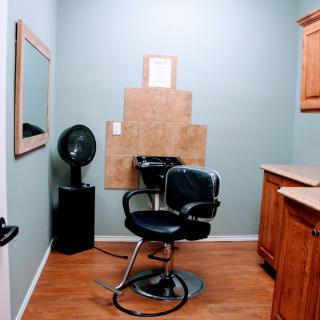
 Beautician on-site
 Cable or satellite TV
 Devotional services off-site
 Ground floor units
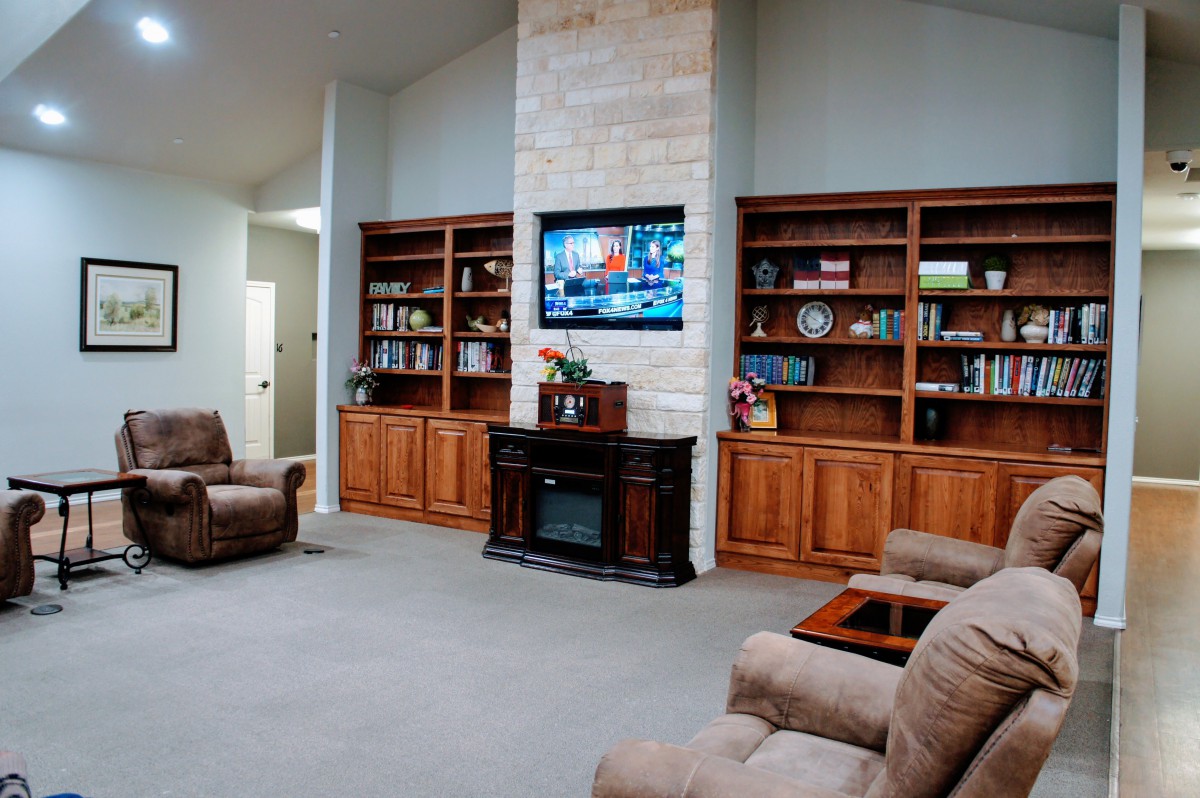
 Indoor common areas
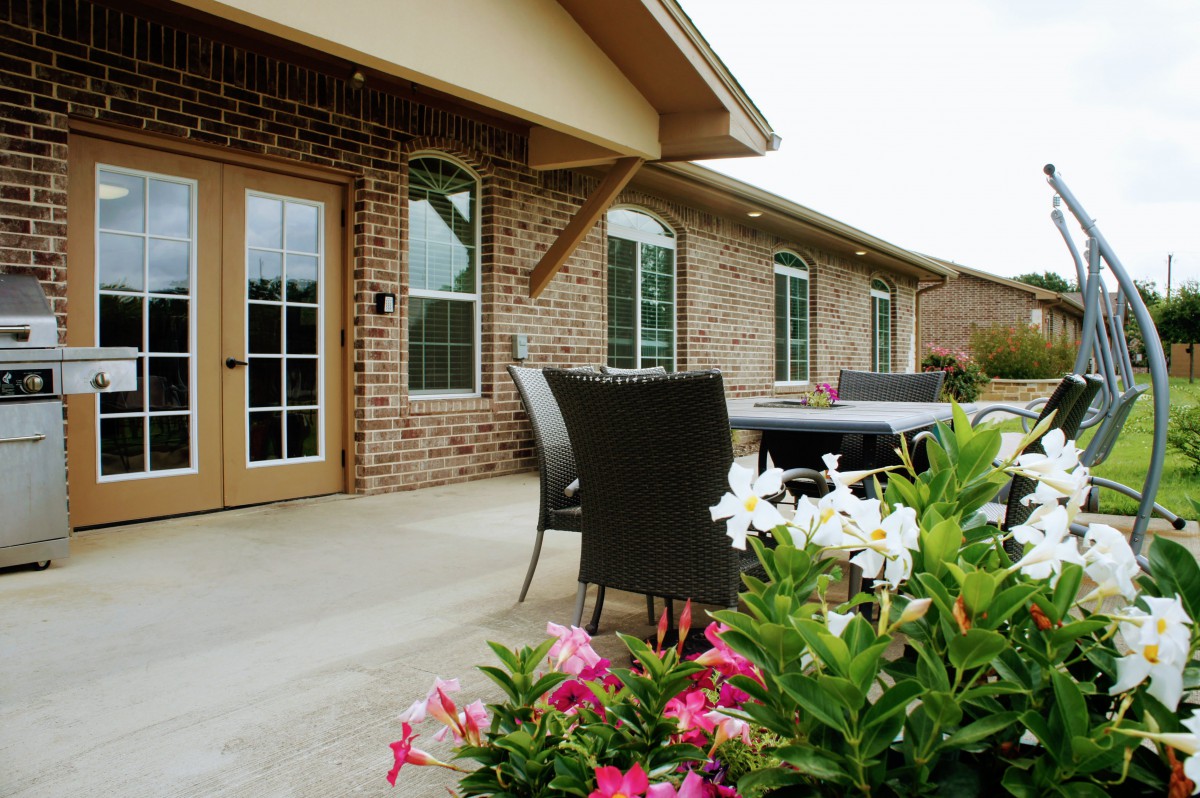
 Outdoor common areas
 Respite or short term stays offered
 Wheelchair accessible showers
 Wi-Fi/high-speed internet available
 Dallas Love (14 miles away)
 Diabetic care
 High acuity care
 Incontinence care
 Medication management
 Anytime dining
 Art classes
 BBQs or picnics
 Birthday parties
 Live dance or theater performances
 Live musical performances
 Stretching classes
 Trivia games
 Visiting chaplain or priest
 Lower cost than county/state averages; convenient access to nearby amenities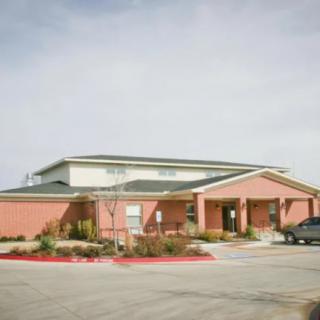


 Nourishing the Mind: Essential Dietary Approaches for Dementia
 Understanding Dementia Behaviors: Practical Insights and Strategies for Caregivers
 When Dementia Sparks Anger and Aggression: Understanding the Connection and Ways to Cope