
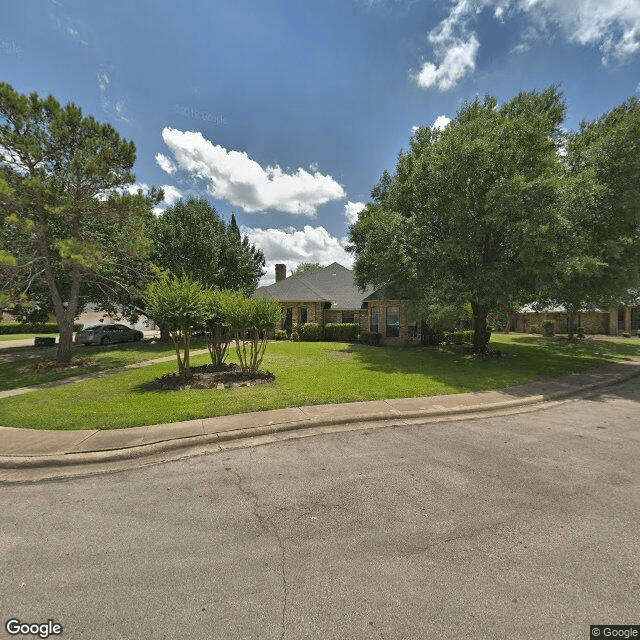
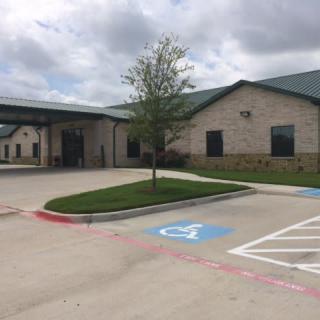
1008 Springbrook Drive, Desoto, TX 75115
For more information about senior living options: (866) 208-4318
Professional Care Facility 3 Costs & Pricing
Professional Care Facility 3 offers competitive pricing for its services compared to the surrounding area and state averages. For a semi-private room, residents are looking at a monthly cost of $3,000, which is notably more affordable than the Dallas County average of $3,535 and significantly less than the Texas statewide average of $3,680. When it comes to private accommodations, Facility 3 charges $4,000 per month; while this is lower than the Dallas County rate of $4,702, it is slightly higher than the broader Texas average of $4,096. Overall, Professional Care Facility 3 demonstrates a commitment to providing quality care at attractive pricing levels that can ease financial burdens for families considering long-term care options.
| Floor plans | Professional Care Facility 3 | Dallas County | Texas |
|---|---|---|---|
| Semi-Private | $3,000 | $3,535 | $3,680 |
| Private | $4,000 | $4,702 | $4,096 |
Assisted Living communities with a similar price nearby
-
from +$400 / mo
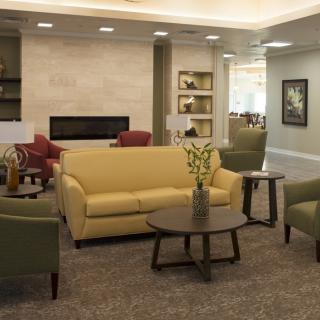
Highlands Village Senior Living of Mansfield
$3,400 to $4,695 / month15.1 miles away -
from +$350 / mo
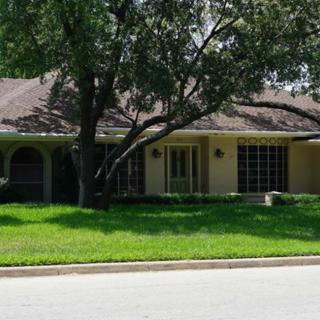
Sparks Assisted Living
$3,350 to $4,250 / month24.6 miles away -
About the same
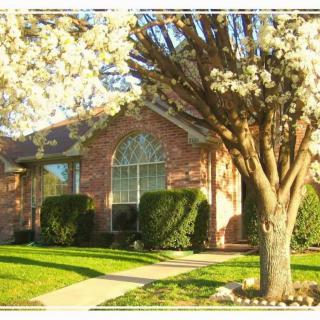
Sophyas Assisted Living
$3,000 to $4,200 / month20.0 miles away -
from -$500 / mo
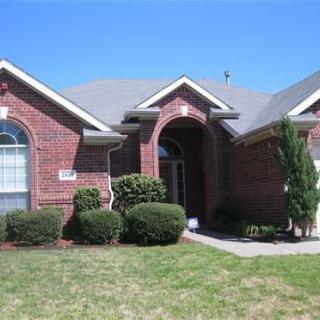
Halo Residential Care Homes
$2,500 to $3,000 / month12.3 miles away -
from +$500 / mo

Abba Care Assisted Living
$3,500 / month23.9 miles away
Overall Review of Professional Care Facility 3
Pros
 Juah is described as an angel in disguise, with a staff that is attentive and loving.
- Residents are treated with respect and the utmost care from move-in through end-of-life.
- Juah is hands-on and personally attends to each resident with kindness and love.
- The meals are healthy, tasty, and well-liked by the residents.
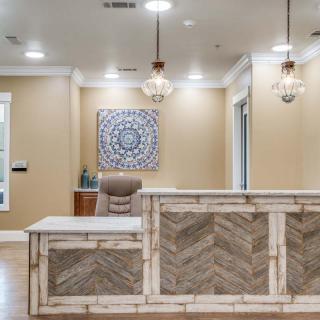
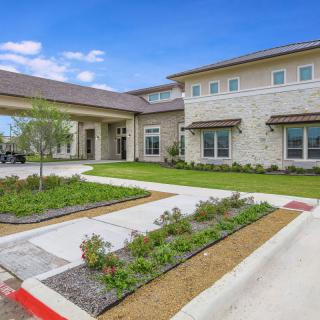
- The facility feels like a homey, family-like atmosphere, with a welcoming environment and a nice yard and garden.
- Families find A Daughter’s Care to be a blessing and highly recommend it for exceptional care.
Review
This Desoto community is best suited for seniors who want a warm, home-like setting where caregiving feels personal and deeply attentive. Families seeking a small, stable environment with a hands-on owner and a staff that treats residents with genuine respect will find this option especially compelling. The reviews consistently highlight a atmosphere that feels more like family than a facility, with caregivers who know residents by name, remember preferences, and respond to needs quickly. For seniors who value regular, compassionate interactions, predictable routines, and meals and activities that feel thoughtful and intimate, this is the setting to consider.
Those who may want to consider alternatives are precisely the ones leaning toward larger campuses or higher levels of clinical oversight. If a resident requires frequent on-site medical monitoring from a team with broad specialty coverage, or if a robust, year-round calendar of diversified programming and transportation options is essential, a bigger assisted living or a memory-care focused community could be a better fit. Families evaluating options should also factor in whether a more structured environment with formalized protocols, wider staffing coverage across shifts, and expansive on-site amenities is important for peace of mind.
The strongest pros center on a homey, almost familial culture. The caregiver team is described as loving, attentive, and consistently respectful, with staff members going beyond routine care to ensure comfort and dignity. Residents are not just cared for; they’re engaged, welcomed, and included in daily life. Meals routinely receive praise for aroma and flavor, which matters for appetites that can waver with age. The setting itself, cozy rooms, a yard or garden, and common areas that feel lived-in rather than institutional, supports social interaction and a sense of belonging, while open, proactive communication with families creates reassurance and trust.
Where realities shift slightly toward consideration of alternatives, the inevitable trade-off becomes evident. The intimate, home-like model may come with a tighter knit staff and fewer on-demand activities or specialized services than a larger campus could offer. However, the same factors that contribute to exceptional personalized care, deep staff familiarity with each resident, a consistent caregiving approach, and a strong, family-oriented culture, often offset that potential shortfall. In practice, the assurance that a resident is known well, paired with proactive care from a team that values respect and warmth, delivers a degree of safety and comfort that larger settings struggle to match.
Decision-makers should assess fit by foregrounding resident preferences and care needs. If the elder prizes continuity of relationships with caregivers and a living environment that feels like home, this option shines. Prospective families should verify how care plans are developed and updated, how nutritional needs and preferences are accommodated, and how family communication is handled on an ongoing basis. It’s wise to observe whether the pace of daily life aligns with the resident’s energy level and social desires, and to confirm that activities, outings, and visits can be accommodated within a small-team structure.
In summary, this Desoto option offers extraordinary warmth, hands-on leadership, and a true sense of family for seniors who thrive in a small, personalized setting. The personal attention, respectful treatment, and well-tended environment offset any concerns about scale or programming in a way that makes peace of mind a tangible outcome for families. Those who prize intimate care, steady staff relationships, and engaged, home-like living will find a compelling, practically reassuring choice here. Alternatives are worth exploring for residents needing more medical complexity or broader activity options, but for a dignified, affection-filled daily life, this community stands out as a prudent, experienced recommendation.
 16 resident community capacity
 Assisted Living
 Board and Care Home
 Bath tubs
 Cable or satellite TV
 Dining room
 Fully furnished
 Garden
 Housekeeping services
 Move-in coordination
 Outdoor space
 Private
 Respite or short term stays offered
 Telephone
 Wheelchair accessible showers
 Wi-Fi/high-speed internet available
 Dallas Love (17 miles away)
 24-hour supervision
 Activities of daily living assistance
 Assistance with bathing
 Assistance with dressing
 Assistance with transfers
 Diabetes diet
 Diabetic care
 High acuity care
 Incontinence care
 Meal preparation and service
 Medication management
 Special dietary restrictions
 Transportation arrangement (medical)
 Transportation to doctors appointments

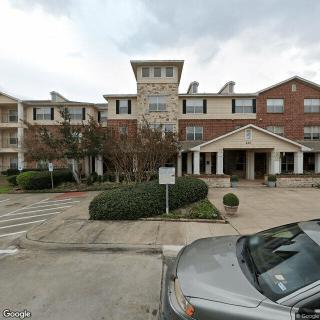
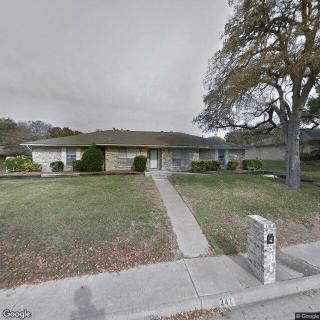
 Vibrant Senior Living: A Comprehensive Guide for Active Older Adults
 When to Transition from Assisted Living to Memory Care: Key Indicators, Steps, and Finding the Right Community
 Assisted Living and Memory Care: Understanding Their Core Differences