
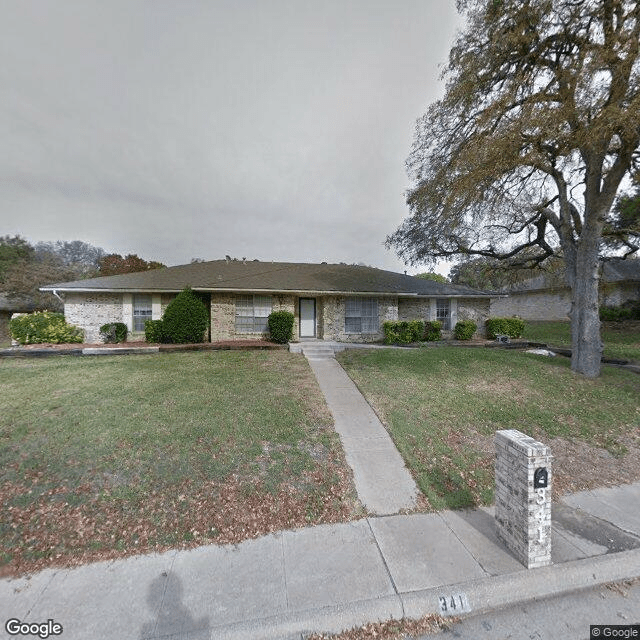
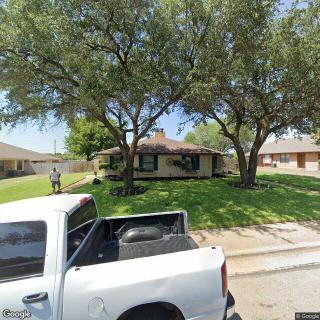
341 Squirebrook Drive, Desoto, TX 75115
For more information about senior living options: (866) 208-4318
Pinnacle Assisted Living Costs & Pricing
Pinnacle Assisted Living offers competitive pricing for its residents compared to the broader market in Dallas County and throughout Texas. For a semi-private room, Pinnacle charges $1,500 per month, significantly lower than the average of $3,535 in Dallas County and $3,680 across the state. Similarly, the private room option at Pinnacle is priced at $2,500 monthly, which is more affordable when contrasted with Dallas County's average of $4,702 and Texas' average of $4,096. These cost differences underscore Pinnacle's commitment to providing quality care while maintaining accessibility for families seeking assisted living options.
| Floor plans | Pinnacle Assisted Living | Dallas County | Texas |
|---|---|---|---|
| Semi-Private | $1,500 | $3,535 | $3,680 |
| Private | $2,500 | $4,702 | $4,096 |
Assisted Living communities with a similar price nearby
-
from +$165 / mo

Morada Lake Arlington
$1,665 to $2,580 / month19.2 miles away -
from -$100 / mo
The Villages of Dallas
$1,400 to $2,900 / month6.2 miles away -
from +$95 / mo

Morada Cedar Hill
$1,595 to $2,820 / month4.9 miles away -
from +$100 / mo

Autumn Leaves
$1,600 to $3,200 / month17.5 miles away -
About the same

Christian Care Communities & Services Fort Worth
$1,525 to $2,945 / month24.6 miles away
Overall Review of Pinnacle Assisted Living
Pros
 Families describe A Daughter's Care as a blessing and Juah as an angel in disguise.
 - The staff is attentive and caring, delivering love in their service to residents.
- Residents report being treated with respect and receiving the utmost care.
- Juah is hands-on, makes residents feel at home, and shows personal interest in each one.
- The meals are healthy, tasty, and well prepared, enjoyed by the residents.
- The facility feels like a home with a warm, family atmosphere and pleasant surroundings.
- The care team provides personalized attention with great attention to detail.
Cons
 The place had a horrible stench and the patients appeared not to be properly cared for.
- A caregiver was not in at the time of arrival, with clutter everywhere and boxes piled up in the entryway, and the flooring tiles were lifting.
- The facility seemed crowded in the living room and dining room and did not meet their needs.
Review
Pinnacle Assisted Living in Desoto, TX is best suited for seniors who want a dependable, traditional assisted-living experience with steady, hands-on caregiving and a genuine sense of community. The model here emphasizes predictable routines, a consistent staff presence, and a straightforward plan for daily living, meals, and supervision. For families prioritizing long-term stability and the reassurance that caregivers know residents well and respond quickly to changing needs, Pinnacle delivers. A family example notes a loved one has been there for more than five years, underscoring how continuity and familiarity can translate into real peace of mind.
That said, Pinnacle may not be the ideal fit for those chasing the most modern amenities, boutique atmospheres, or ultra-clean environments across every corner of the campus. Alternatives become worth considering for seniors who prefer a more intimate, owner-operated setting where the administrator is visibly involved and routines can be tailored to individual preferences. The reviews frequently spotlight a contrasting model, smaller, home-like facilities with highly personal attention and a true “home away from home” vibe, where families feel they receive a different level of personalization and day-to-day oversight.
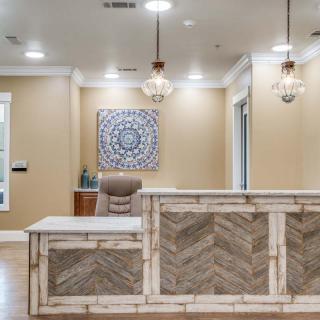
The strongest liveability anchors at Pinnacle are reliable caregiving and a structured daily rhythm, with a pool and opportunities for light activity that support ongoing mobility. Long-tenured staff members create familiarity, reduce the learning curve for new residents, and foster trust. These pros can offset some drawbacks when the priority is safety, consistency, and social engagement within a traditional senior-living framework. However, maintenance and space-related concerns do surface in a meaningful minority of reviews and warrant serious attention during a tour.
Conversely, some families report experiences that highlight the gap between expectations and reality in a few areas. Positive notes about Pinnacle point to dedicated staff who are present and engaged, and to amenities such as a swimming pool and walk-friendly surroundings that support gentle exercise. Yet other reviewers describe maintenance lapses, clutter, or odors that suggest uneven oversight of housekeeping and facility upkeep. These tensions matter because they can erode comfort and confidence if not promptly corrected; prospective residents should weigh that risk against the benefits of staff reliability and routine care.
For families weighing options, the practical takeaway is clear: plan a thorough on-site evaluation that probes both care delivery and environment. Observe caregiver interactions with residents, confirm staffing coverage across key shifts, and request a candid look at maintenance responsiveness. Inspect common areas for cleanliness and odor, and assess whether the living spaces feel spacious, well-kept, and easy to navigate. In addition, compare Pinnacle’s cadence of activities and social programs with the more intimate, founder-led models that emphasize tailored day-to-day life; those comparisons often reveal where a home-like feel and deeply personalized attention can make a meaningful difference.
In the end, Pinnacle Assisted Living presents a solid, reliable option for families who prize stability, a traditional care model, and structured daily life, complemented by a pool and an environment that supports gentle aging. It may fall short for those who want a boutique, ultra-clean atmosphere or a setting that feels more like a private home led by a hands-on owner. If that intimate, founder-driven care model appeals, consider the smaller, home-like alternatives highlighted in resident feedback, where personal touch and direct accountability often translate into noticeably higher-perceived warmth. The decisive step is a careful tour, with clear questions about staff ratios, maintenance responsiveness, and cleanliness records, to determine whether Pinnacle’s steady approach aligns with the loved one’s care priorities and day-to-day needs.
 8 resident community capacity
 Assisted Living
 Board and Care Home
 Activities off-site
 Beautician on-site
 Cable or satellite TV
 Devotional services off-site
 Dining room
 Fully furnished
 Garden
 Housekeeping services
 Indoor common areas
 Move-in coordination
 Outdoor common areas
 Private
 Private bathrooms
 Respite or short term stays offered
 Swimming pool / hot tub
 Telephone
 Wheelchair accessible showers
 Wi-Fi/high-speed internet available
 Dallas Love (16 miles away)
 24-hour supervision
 Ambulatory care
 Assistance with bathing
 Assistance with dressing
 Assistance with transfers
 Diabetes diet
 Diabetic care
 High acuity care
 Incontinence care
 Meal preparation and service
 Medication management
 Special dietary restrictions
 Transportation arrangement (medical)
 Transportation to doctors appointments




 Social Security Benefits and Assisted Living: Navigating Options Across the U.S.
 An Extensive Exploration of the VA Aid and Attendance Benefit
 Senior Transition Services: Understanding Their Role, Cost, and Importance