For more information about senior living options: (866) 208-4318
4.5 from 24 reviews
5 stars
16
4 stars
4
3 stars
4
2 stars
0
1 stars
0
Weismer House Costs & Pricing
At Weismer House, the monthly costs for accommodations are competitive when compared to both Dallas County and the broader Texas market. Private rooms are offered at $3,800, which is notably lower than the average rate in Dallas County of $4,702 but slightly above the state average of $4,096. For those considering more communal living arrangements, semi-private rooms also come in at $3,800, providing an attractive alternative to Dallas County's average of $3,535 and aligning closely with Texas' general cost of $3,680. Moreover, for a one-bedroom option priced at $3,800 - a rate that remains slightly above both Dallas County's and Texas' averages of $3,760 and $3,761 respectively - Weismer House maintains a balance between affordability and quality. This pricing structure positions Weismer House as an appealing choice for those seeking comfortable living arrangements within the region.
Floor plans
Weismer House
Dallas County
Texas
Private
$3,800
$4,702
$4,096
Semi-Private
$3,800
$3,535
$3,680
1 Bedroom
$3,800
$3,760
$3,761
Memory care communities with a similar price nearby
Caregivers and staff are described as trained, warm, and responsive to individual needs.
Across the reviews, residents and families describe staff as professional, attentive, and genuinely invested in day-to-day support. Several mention how caregivers respond quickly when help is needed, and one describes caregivers staying close during the early nights to help prevent confusion and falls. Multiple reviewers also point to respect for older adults and a steady presence in difficult situations. Overall, the tone is consistent: people feel their loved ones are being tended to, not handled as a number.
common5 reviews mention this
Small, home-like setting is praised
Reviews repeatedly describe the home as clean, nicely appointed, and genuinely comfortable.
Several reviews highlight cleanliness and upkeep, including comments that the place is clean and well kept. Others describe the home as nicely appointed and “a true home,” with a lived-in feel rather than an institutional setup. One reviewer also brings up the importance of the home environment after a move, saying the place itself felt very nice even during an adjustment period. Combined with the on-site housekeeping and fully furnished setup, the feedback points to a comfortable setting meant to feel like home.
differentiator3 reviews mention this
Medication help and dementia support
Residents describe dementia-informed care and medication support within daily meals.
Some reviews focus on more clinical day-to-day support, including care for a loved one with dementia. One reviewer specifically mentions getting medication taken by mixing it into food, which aligns with the community’s help with medication management and meal preparation. Another describes medical care being practical for a stabilized patient, reinforcing that care needs are addressed inside the home rather than only via trips out. For families looking for hands-on medication and dementia-informed routines, the reviews reflect that kind of support.
common2 reviews mention this
Dining is mixed, with some uncertainty
Dining gets limited detail in reviews, with a few mentions of shared meals and food uncertainty.
One review mentions residents meeting for meals and conversation, suggesting dining is also a social routine in the home. Another reviewer says they do not know much about the food and cannot identify standout strengths or clear areas to improve. While the community offers meals and supports special dietary restrictions, the reviews do not provide consistent, detailed praise about day-to-day dining quality. If dining is a top priority, these reviews suggest you may want to ask for specifics based on your preferred diet and daily routines.
How we summarize
Counts show how many written reviews mention each theme; a review can touch several themes, and only frequently mentioned themes are displayed.
Features
Housing
8 resident community capacity
Types of Care
Assisted Living
Board and Care Home
Memory Care
Respite Care
Amenities
Activities off-site
Activities on-site
Beautician on-site
Cable or satellite TV
Devotional services on-site
Dining room
Fully furnished
Garden
Housekeeping services
Indoor common areas
Move-in coordination
Outdoor common areas
Outdoor space
Private
Respite or short term stays offered
Telephone
Wheelchair accessible showers
Wi-Fi/high-speed internet available
Transportation
Dallas Love (11 miles away)
Dallas-Fort Worth International (16 miles away)
Care Services
24-hour supervision
Activities of daily living assistance
Assistance with bathing
Assistance with dressing
Assistance with transfers
Coordination with health care providers
Diabetes diet
Diabetic care
High acuity care
Incontinence care
Meal preparation and service
Medication management
Special dietary restrictions
Transportation arrangement (medical)
Transportation to doctors appointments
Dining
Diabetes diet
Meals provided
Special dietary restrictions
Activities
Activities off-site
Activities on-site
Community-sponsored activities
Devotional activities on-site
Scheduled daily activities
Nearby Places of Interest
Located in the bustling city of Dallas, Texas, this neighborhood offers a convenient and diverse array of amenities for seniors looking to settle down. With multiple pharmacies, physicians' offices, and hospitals within close proximity, residents can easily access healthcare services and medications. In addition, there are several restaurants and cafes nearby for dining options, as well as parks for leisurely walks and outdoor activities. Places of worship are also within reach for those seeking spiritual fulfillment. For entertainment, there are theaters in the area to enjoy a night out. The neighborhood is well-connected with public transportation options like the Arapaho Center Station nearby. Overall, this part of Dallas provides a well-rounded living environment for seniors to thrive in their golden years.
Pharmacies
CVS Pharmacy (1 miles)
Walgreens (2.2 miles)
CVS Pharmacy (2.5 miles)
CVS Pharmacy (2.7 miles)
CVS Pharmacy (2.9 miles)
Walgreens (3.4 miles)
CVS Pharmacy (3.5 miles)
Restaurants
Lekka (1.1 miles)
Guitars & Growlers (2.6 miles)
Afrika Fusion (2.9 miles)
The Hideaway (3 miles)
The Mucky Duck Bar (3.2 miles)
Sonic Drive-In (3.4 miles)
Eddie's Diner (3.5 miles)
Cafes
Mimi's Star Cafe (1.4 miles)
Starbucks (3.7 miles)
Starbucks (4.6 miles)
Red Truck Cafe (5.1 miles)
Mozart Bakery (5.4 miles)
Physicians
Eminent Medical Center (1.5 miles)
Eye Care Associates (1.5 miles)
The ENT & Allergy Centers of Texas (2.1 miles)
Plano Orthopedic & Sports Medicine Center (2.2 miles)
Dhat (3.4 miles)
Touchstone Imaging Plano (4.8 miles)
Dallas Associated Dermatologists (5.5 miles)
Hospitals
The Heart Hospital Baylor Plano (1.6 miles)
Texas Health Presbyterian Hospital Plano (4.8 miles)
Parks
Russell Creek Park (2.7 miles)
Addison Circle Park (3.4 miles)
Windhaven Meadows Park (4.7 miles)
Memorial Park (5.2 miles)
Coyote Creek Park (5.3 miles)
Arbor Hills Nature Preserve (5.5 miles)
Hoblitzelle Park (6.1 miles)
Places of Worship
Episcopal Church Of The Transfiguration (3.6 miles)
At Weismer House, the monthly costs for accommodations are competitive when compared to both Dallas County and the broader Texas market. Private rooms are offered at $3,800, which is notably lower than the average rate in Dallas County of $4,702 but slightly above the state average of $4,096. For those considering more communal living arrangements, semi-private rooms also come in at $3,800, providing an attractive alternative to Dallas County's average of $3,535 and aligning closely with Texas' general cost of $3,680. Moreover, for a one-bedroom option priced at $3,800 - a rate that remains slightly above both Dallas County's and Texas' averages of $3,760 and $3,761 respectively - Weismer House maintains a balance between affordability and quality. This pricing structure positions Weismer House as an appealing choice for those seeking comfortable living arrangements within the region.
Weismer House incorporates a range of features that are essential for supporting residents with dementia or Alzheimer's disease. Assistance with dressing and bathing promotes personal hygiene and dignity, while meal preparation and service ensure proper nutrition tailored to individual dietary needs. Medication management is critical in preventing confusion and ensuring adherence to prescribed regimens, directly impacting residents' health outcomes. Transportation arrangements facilitate access to medical appointments, which is vital for ongoing health monitoring. Additionally, coordination with healthcare providers ensures a holistic approach to care, enhancing the quality of life for residents. Activities of daily living assistance empowers individuals to maintain as much independence as possible while still receiving the necessary support for tasks like transfers and incontinence care. The provision of 24-hour supervision offers peace of mind to families, knowing their loved ones are safe and cared for at all times. Together, these features create an environment conducive to comfort, safety, and well-being for those facing cognitive challenges.
Nearby Communities
New Horizon Homes - Dallas
Dallas, TX
5 from 5 reviews
$4,000 / month
Intimate 8-bed setting with personalized care and on-site amenities.
Gracious Care Home - Carrollwood
Dallas, TX
$2,500 / month
Specialized memory care with private rooms and affordable pricing
The Familys Choice
Dallas, TX
Intimate, personalized care with 24/7 supervision and care coordination.
North Texas Personal Care Homes - Graystone
Dallas, TX
Small, home-like setting with personalized care, meals, and outdoor spaces.
Silver Leaf Assisted Living at Graystone
Dallas, TX
4.3 from 16 reviews
$3,000 to $5,000 / month
Bright, clean, welcoming environment with attentive caregivers and high-quality meals.
Jacksons Place
Dallas, TX
4.5 from 2 reviews
$3,500 to $4,000 / month
Beautiful environment with dedicated caregivers; competitive pricing for semi-private and private rooms.
Highland Springs
Dallas, TX
4.2 from 42 reviews
Luxurious, amenity-rich community with comprehensive on-site care and active social programs.
Overture Plano
Plano, TX
4.3 from 68 reviews
$2,390 to $3,710 / month
Modern, well-maintained facility with friendly staff and attractive amenities.
Carrara
Plano, TX
4.3 from 119 reviews
Caring staff with strong safety practices and improving social activities.
Dementia causes cognitive decline and challenging behaviors that caregivers must manage, necessitating an understanding of the neurological basis of these issues. Effective strategies and self-care for caregivers can enhance support for those with dementia and improve their daily lives.
The content outlines five key early indicators of dementia, including significant memory loss and confusion about time and place, while emphasizing the need for professional evaluation and emotional support for both individuals showing symptoms and their caregivers. It encourages family members to monitor these signs closely and use online quizzes for initial awareness.
The article highlights eight indicators that a loved one with dementia may require specialized memory care, emphasizing the emotional and logistical challenges families encounter in this decision. It discusses signs such as difficulties with daily tasks, safety concerns, and caregiver burnout, suggesting that memory care facilities can provide the necessary support and structured environments for those experiencing cognitive decline.
Get PricingAsk A QuestionSchedule A TourContact Senior Advisor
By clicking submit, you agree to our Partner's Terms of Use. You
also consent to receive calls and texts, which may be autodialed, from our Partner. Your consent is not a condition to
using our Partner's service. Please visit our Partner's Privacy Policy for information about their privacy practices.

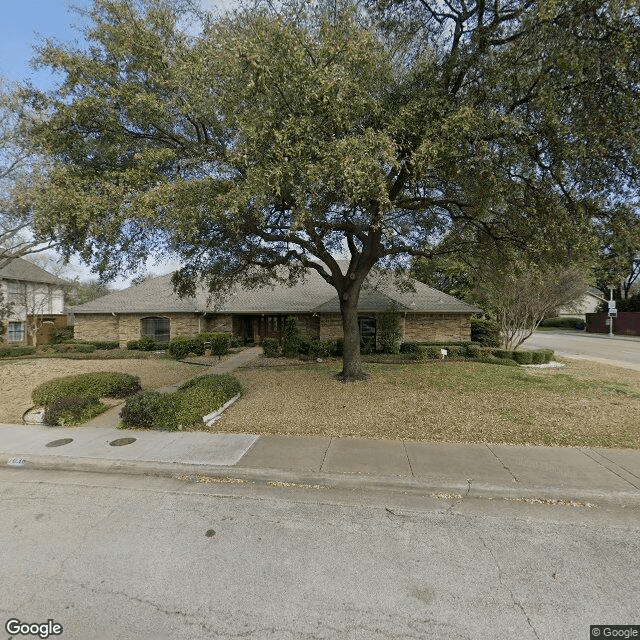

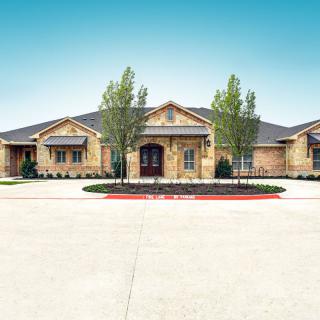
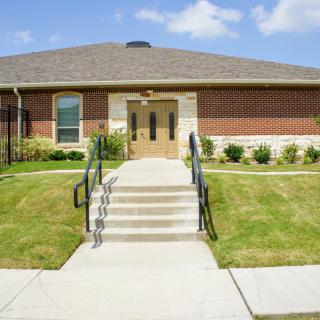
 8 resident community capacity
 Assisted Living
 Board and Care Home
 Memory Care
 Respite Care
 Activities off-site
 Beautician on-site
 Cable or satellite TV
 Devotional services on-site
 Dining room
 Fully furnished
 Garden
 Housekeeping services
 Indoor common areas
 Move-in coordination
 Outdoor common areas
 Private
 Telephone
 Wheelchair accessible showers
 Wi-Fi/high-speed internet available
 Dallas Love (11 miles away)
 24-hour supervision
 Assistance with bathing
 Assistance with dressing
 Assistance with transfers
 Diabetes diet
 Diabetic care
 High acuity care
 Incontinence care
 Meal preparation and service
 Medication management
 Special dietary restrictions
 Transportation arrangement (medical)
 Transportation to doctors appointments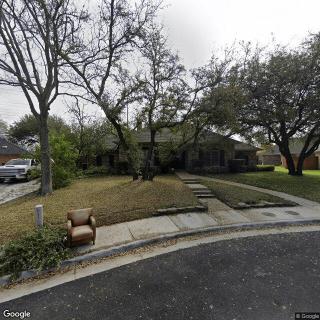
 Intimate 8-bed setting with personalized care and on-site amenities.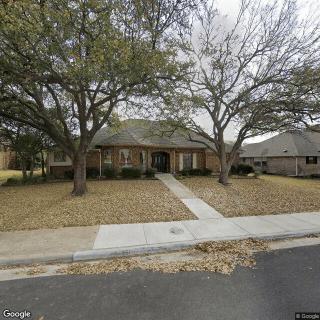


 Dementia Behaviors: In-Depth Understanding and Effective Coping Strategies
 5 Early Indicators of Dementia and What You Can Do
 8 Important Indicators That Memory Care May Be Necessary