


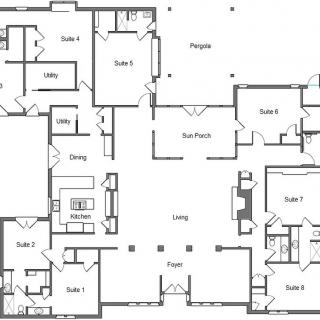
17207 Graystone Dr., Dallas, TX 75248
To contact a resident: (469) 360-4493
For more information about senior living options: (866) 208-4318
Silver Leaf Assisted Living at Graystone Costs & Pricing
Silver Leaf Assisted Living at Graystone offers competitive pricing for its residents, particularly in the context of Dallas County and the wider Texas region. Monthly costs for a semi-private room are set at $3,000, which is notably lower than the county average of $3,535 and well below the state average of $3,680. For those seeking more privacy, a private room is priced at $4,000; while this is slightly less than Dallas County's average of $4,702, it remains higher than Texas' average of $4,096. Additionally, the one-bedroom option is available for $5,000 - substantially exceeding both the county and state averages of approximately $3,760. Overall, Silver Leaf provides a variety of living arrangements that cater to different needs while maintaining affordability compared to regional standards.
| Floor plans | Silver Leaf Assisted Living at Graystone | Dallas County | Texas |
|---|---|---|---|
| Semi-Private | $3,000 | $3,535 | $3,680 |
| Private | $4,000 | $4,702 | $4,096 |
| 1 Bedroom | $5,000 | $3,760 | $3,761 |
Memory care communities with a similar price nearby
-
from +$466 / mo
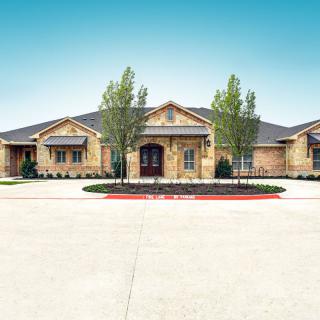
Avalon Memory Care - Allen
$3,466 to $6,475 / month11.8 miles away -
from +$500 / mo
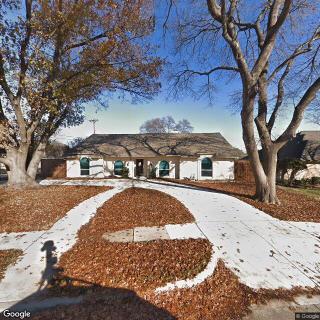
Locardia Homecare Living
$3,500 to $4,500 / month3.6 miles away -
from +$500 / mo
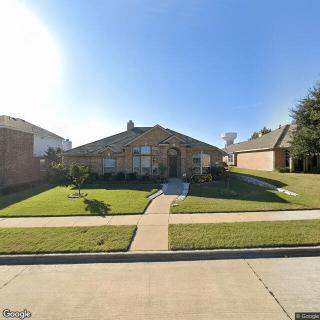
Nedges Nest
$3,500 to $4,000 / month11.4 miles away -
About the same
Residential Care
$3,000 / month23.1 miles away -
About the same

Sophyas Assisted Living
$3,000 to $4,200 / month20.3 miles away
Overall Review of Silver Leaf Assisted Living at Graystone
Pros
 The house is beautiful.
- The facility is bright, clean, and spacious.
- The staff are very attentive to residents' needs and schedules for medications and treatments.
- The meals are great and prepared by a professional chef.
- The overall group home is above average and recommended.
- The community is wonderful and residents enjoy their time there.
- The caregivers are attentive and residents feel at home.
- The environment is clean, well run, and welcoming.
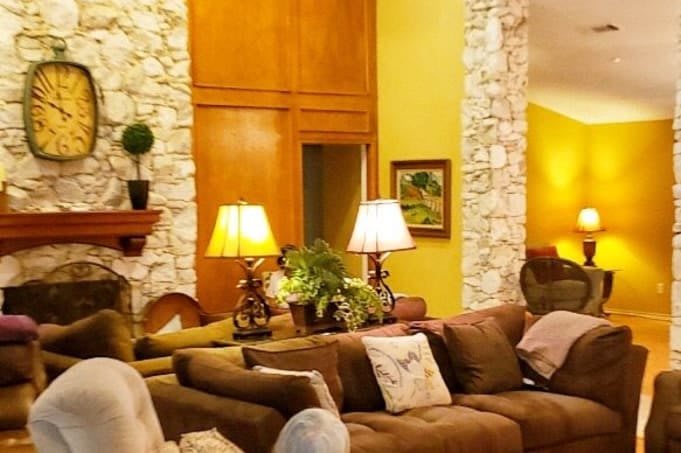
- The large open common areas are appreciated by residents.
- Volunteers visit and residents enjoy the interaction.
Cons
 There aren’t really any activities at all.
- There isn’t a provided cable/TV service.
- Asking an 87-year-old to learn a Roku is ridiculous.
- The mom would have been happier if she could watch regular TV.
- There were two calls about mom falling by the bed.
- The staff is busy and unable to monitor residents effectively.
- The limited recreational activities are due to the number of residents and only two daytime staff.
- The meals were bland due to dietary issues among many residents.
- There was a noticeable odor in one room.
- The caregivers did not seem educated or trained to care for people with Alzheimer’s disease.
Review
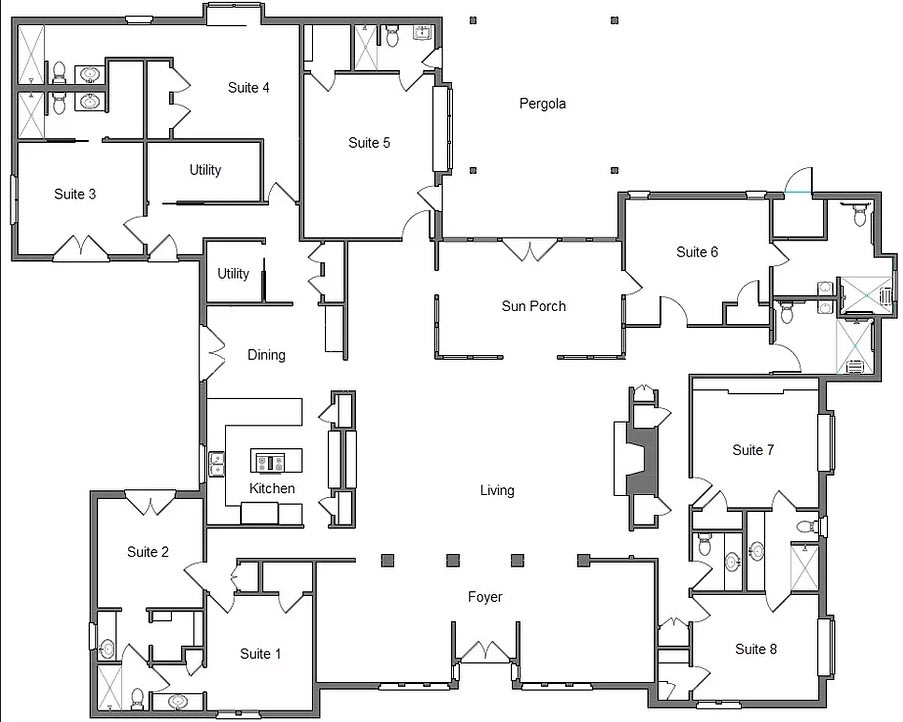
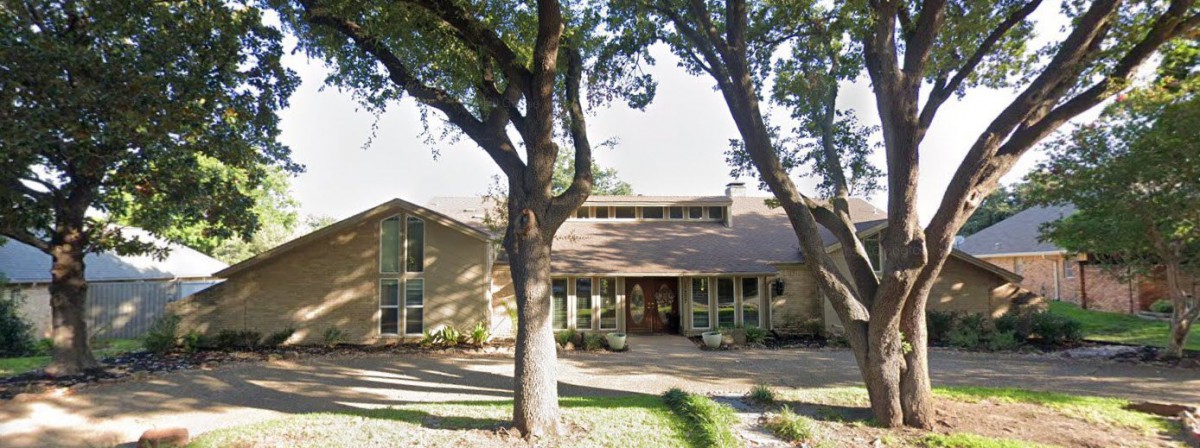
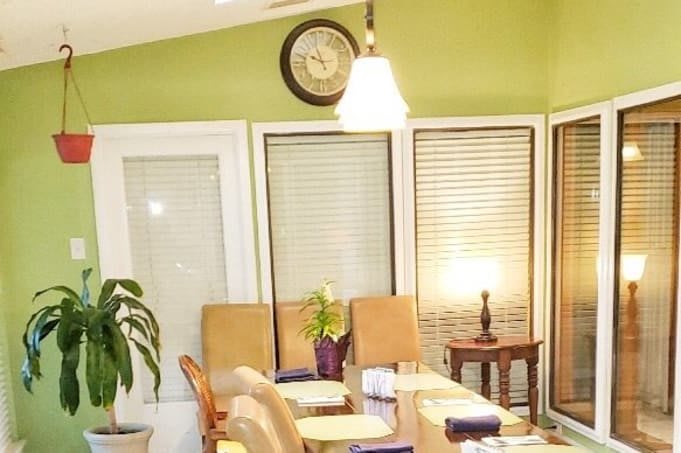
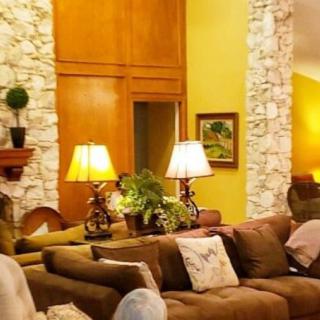
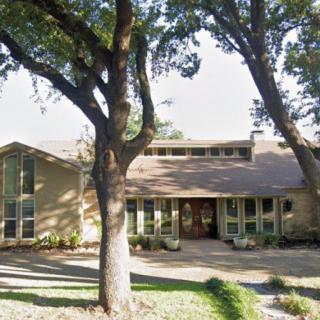
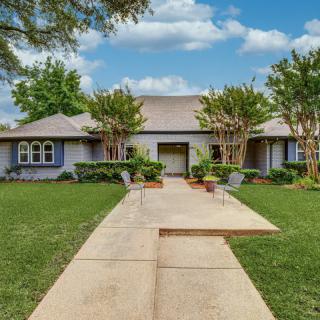
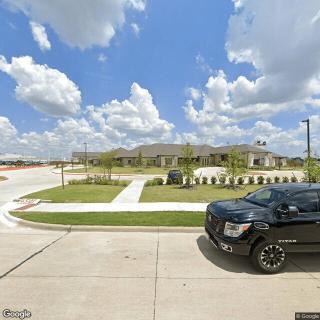
Silver Leaf Assisted Living at Graystone in Dallas is best suited for families seeking a small, home-like setting where dependable caregiving and predictable routines take precedence over expansive activity calendars or resort-style amenities. The property reads as a single-family home rather than a campus, with eight resident rooms and spaces that feel bright, clean, and recently refreshed. The atmosphere is intimate, and the on-site team is lean enough that staff members routinely know residents’ preferences and histories. The closer visibility comes with a trade-off: a limited pool of caregivers and a slower pace of program development. This arrangement works well for residents who value good meals, steady daily routines, and a sense of belonging within a quiet, family-style environment.
Those who need a robust activity schedule, frequent social interaction, or dementia-focused programming may want to consider alternatives. Reviews consistently note that recreational opportunities are modest, constrained by the small footprint and staffing levels, with few organized outings or group events. Some residents or families express concerns about monitoring and safety, including falls and the staff’s ability to respond promptly when attention is divided. Communication with families is not always seamless, and questions about care plans or day-to-day updates can slip through the cracks. For loved ones who require intensive memory-care support or highly structured daily engagement, a larger memory-care community may deliver the intensity and clarity those needs demand.
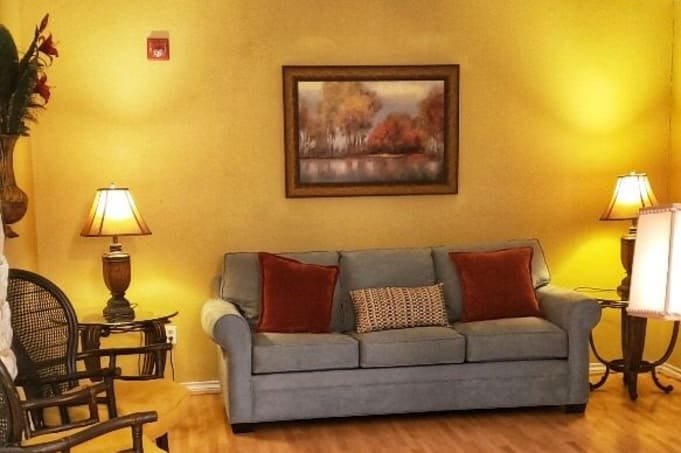
Despite those trade-offs, Silver Leaf delivers several material strengths. The house is beautiful and well maintained, recently remodeled, with bright, welcoming common spaces. Cleanliness is evident, and routines around medications and treatments are described as well-organized. The culinary program stands out, with meals prepared by a professional chef and attention to dietary needs, an important factor for families managing specific nutrition requirements. The staff described as warm and attentive, able to respond to routine needs, and to create moments of connection through conversations and shared activities. Volunteers occasionally augment the program, offering tailored conversations that resonate with residents’ interests, from cars to sports. In short, the environment supports comfort and dignity.
Still, several recurring concerns temper the overall impression. Activity levels can feel sparse, and there are times when residents are not out and about together, limiting social stimulation. The pace of care can leave some tasks feeling delayed, with family members reporting the occasional need to intervene for safety when a loved one is at risk of wandering or falls. Some reviewers question dementia-specific training among caregivers and the adequacy of night coverage, though others point to long-tenured staff as a stabilizing factor. A few practical annoyances surface: a room with a noticeable odor, restrictive hours around outdoor smoking, and the sense that communications and updates could be clearer. These factors matter to families balancing safety, engagement, and peace of mind.
Those strengths do offset the negatives in meaningful ways. A small footprint enables closer supervision, consistent routines, and relationships that feel genuine rather than transactional. When caregivers know the resident’s preferences, medications, and triggers, the risk of gaps in care diminishes, even if the activity calendar is modest. The high standard of cleanliness, reliable meals, and a calm, homelike vibe support dignity and reduce stress for many elders. To address the gaps, families can press for a more explicit activity plan, request dementia-focused training for staff, and establish clear communication cadences, weekly updates, or post-visit summaries, so everyone stays aligned. Complementary outside programming or volunteer-driven sessions can further enrich social life without overhauling the core model.
Bottom line: Silver Leaf is a practical, compassionate choice for seniors who thrive on warmth, attentiveness, and a tidy, intimate setting, provided that the family acknowledges the trade-off of limited activities and smaller-scale programming. It is less suited for those who demand robust, dementia-specific programming, frequent family updates, or a bustling social calendar. Prospective families should visit with a checklist: observe a mealtime and activity, confirm staff-to-resident ratios by shift, review the care plan for dementia considerations, and verify cost inclusions. If alignment exists on quality of meals, consistent caregiving, and a home-like atmosphere, Silver Leaf offers dependable support and a solid home base in Dallas.
 Board and Care Home
 Memory Care
 Cats allowed
 Dogs allowed
 Activities on-site
 Air-conditioning
 Cable or satellite TV
 Devotional services on-site
 Fireplaces
 Handicap accessible
 Indoor common areas
 Outdoor common areas
 Private
 Private bathrooms
 Respite or short term stays offered
 Wheelchair accessible showers
 Wi-Fi/high-speed internet available
 Dallas Love (10 miles away)
 Diabetic care
 High acuity care
 Incontinence care
 Medication management
 Anytime dining
 Birthday parties
 Live dance or theater performances
 Live musical performances
 Protestant services


 Five Subtle Dementia Indicators to Observe: An In-Depth Guide to Understanding “Does My Mom Have Dementia?”
 Dementia, Paranoia, and Caregiver Guidance: Understanding the Connection
 Engaging Memory Care Activities That Enhance Quality of Life