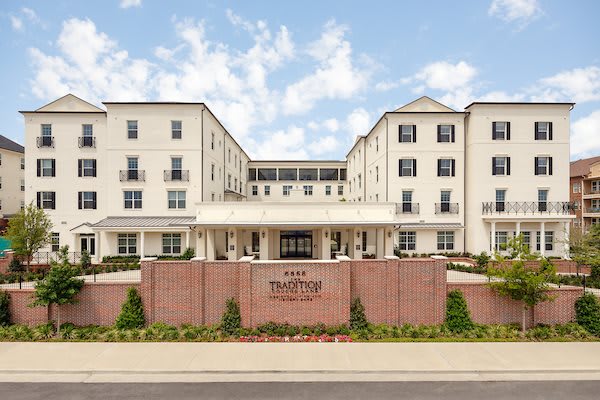



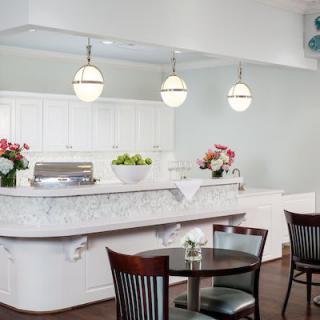

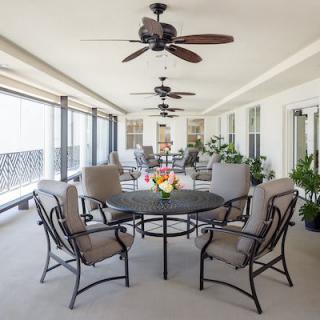

5855 Milton St, Dallas, TX 75206
To contact a resident: (214) 361-2219
For more information about senior living options: (866) 208-4318

The Tradition - Lover's Lane Costs & Pricing
The Tradition - Lover's Lane offers a premium living experience with monthly costs that significantly exceed both Dallas County and the broader state of Texas. For instance, a studio apartment at The Tradition is priced at $6,295, starkly higher than the county average of $3,625 and the state average of $3,758. Similarly, one-bedroom units are available for $6,895, compared to just $3,760 in Dallas County and $3,761 statewide. The two-bedroom apartments command a monthly fee of $8,795 against local and state averages of $4,144 and $4,215 respectively. These figures highlight The Tradition's positioning as a luxury option within the market, reflecting its premium amenities and services designed for those seeking an upscale lifestyle in a highly desirable location.
| Floor plans | The Tradition - Lover's Lane | Dallas County | Texas |
|---|---|---|---|
| Studio | $6,295 | $3,625 | $3,758 |
| 1 Bedroom | $6,895 | $3,760 | $3,761 |
| 2 Bedrooms | $8,795 | $4,144 | $4,215 |
Memory care communities with a similar price nearby
-
from -$645 / mo
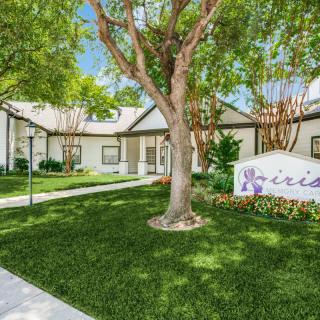
Iris Memory Care of Turtle Creek
$5,650 to $8,175 / month3.8 miles away -
from +$805 / mo
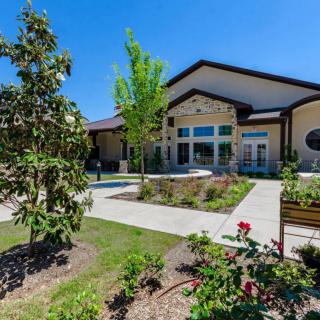
Grand Brook Memory Care Of Allen
$7,100 / month18.9 miles away -
About the same
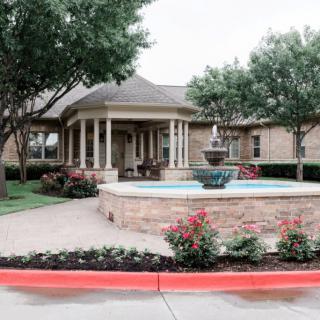
Grand Brook Memory Care Of Mckinney
$6,400 to $6,925 / month23.1 miles away -
from -$445 / mo
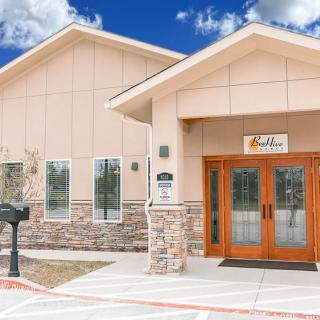
BeeHive Homes of Rowlett Memory Care
$5,850 / month14.5 miles away -
from -$695 / mo
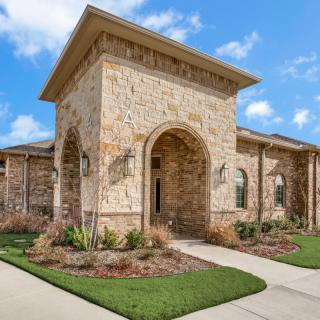
Iris Memory Care of Rowlett
$5,600 to $9,995 / month12.7 miles away
Overall Review of The Tradition - Lover's Lane
Pros
 The staff at Long Creek are very nice and work with families to help them get in and with the paperwork.
- The mom loves Long Creek, and the staff address residents by name, which means a lot.
- Jennifer and Long Creek are thanked for taking care of Mom.
- At The Tradition Assisted Living, staff across administration, healthcare, front desk, dining, and housekeeping are outstanding.
- The nursing staff are consistently friendly, helpful, and thoughtful.
- The doctors and nurse practitioners serving The Tradition are excellent.
- The tour experience at The Tradition was wonderful, and the guide was knowledgeable.
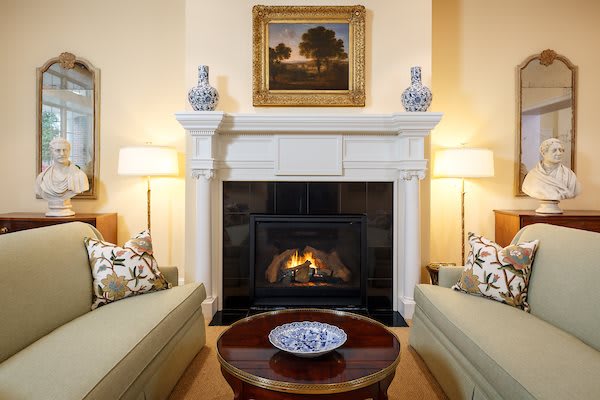
- The facility feels like home, with a warm and welcoming environment.
- The apartments offer balconies and varied layouts, including a one-bedroom with a kitchen island and dual sinks.
Cons
 The facility is overpriced for the services it provides, with lots of fees.
- There is limited driver availability, a cumbersome ride scheduling process, and insufficient parking that makes visits difficult.
- There is not a pool or workout facility available (only third-party physical therapy that requires a doctor note).
- The Tradition was without a medical director for almost six months.
- The staff can be brusque.
- The owner’s son was rude and unprofessional, and safety hazards on the property were not promptly addressed.
- The reviewer warns that this is not a place to send elderly relatives and advises others not to choose it.
Review
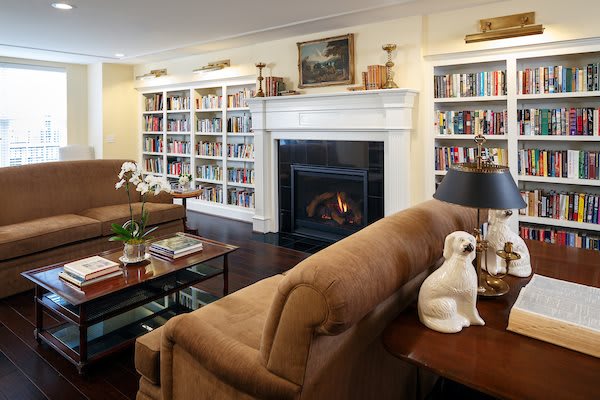
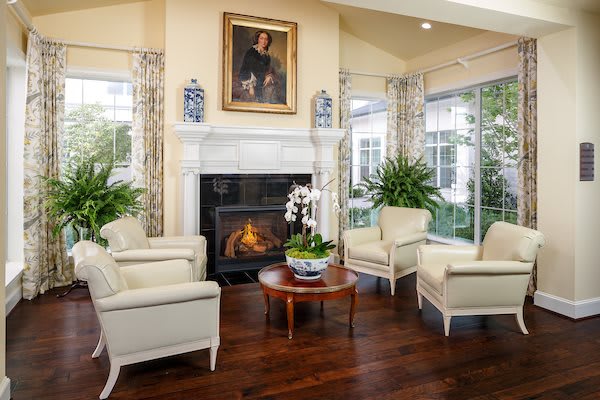
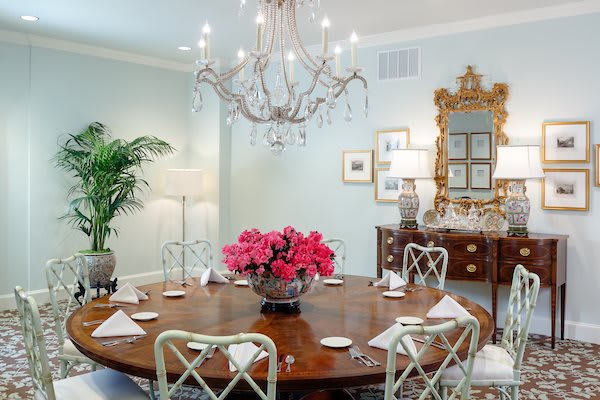
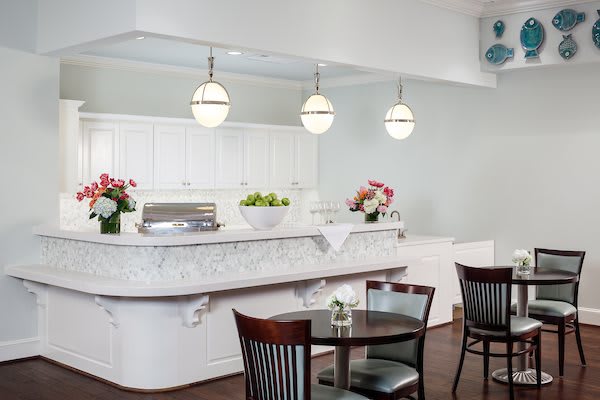
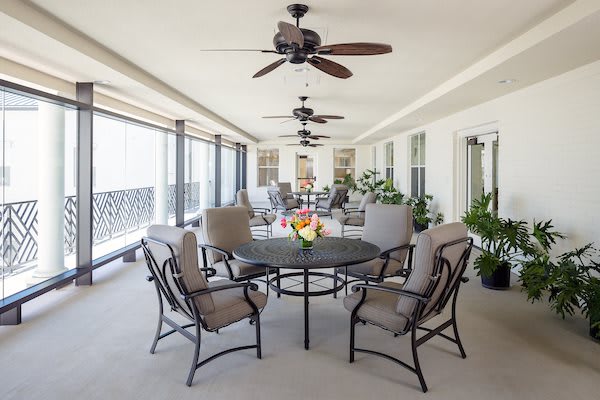
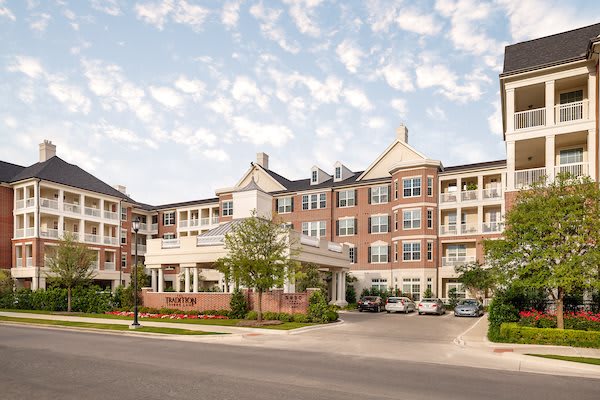
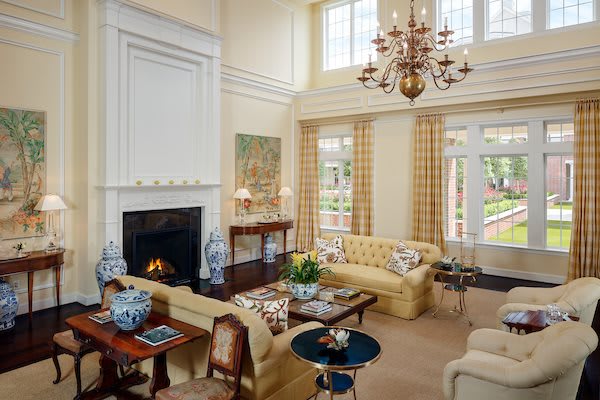
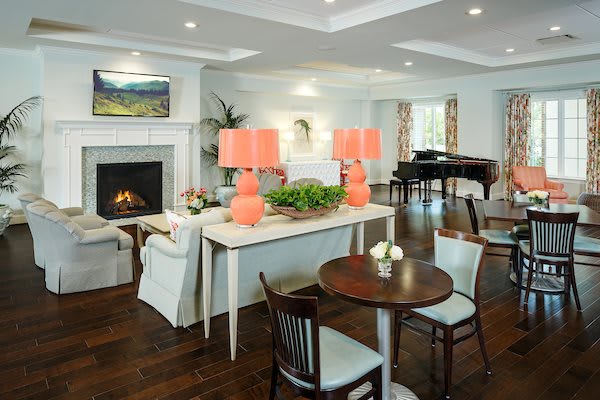
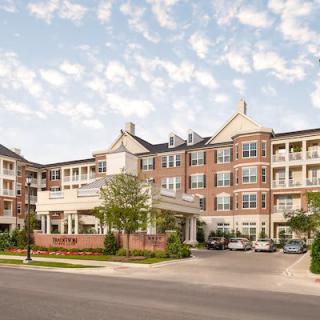
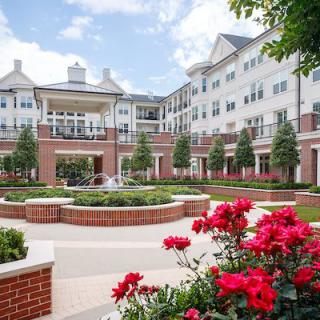
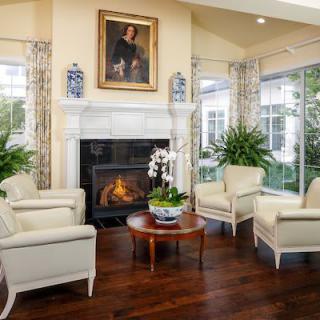
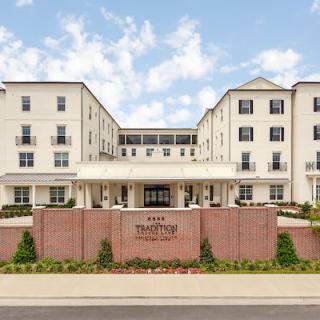
The Tradition - Lover’s Lane is best suited for seniors who want a polished, service-rich assisted living experience and for families prioritizing attentive care, strong medical oversight, and an active, socially engaging daily rhythm. Residents benefit from staff who remember names and engage meaningfully with residents, a nursing team praised as friendly and thoughtful, and doctors and nurse practitioners who service the campus with high competence. The environment lands a home-like impression, clean facilities, accessible common areas, and apartments that offer balconies and varied layouts, including a kitchen island option and even hardwood flooring for a fee. The dining program earns consistent praise, and the activity calendar is robust enough to keep busy residents engaged. For families, the combination of professional administration, hands-on care, and a welcoming atmosphere makes this community a compelling option when independence needs strong supervision and structured routine.
However, those weighing alternatives should note fit gaps. The price point is a critical factor; reviewers describe the campus as pricey for what is provided, with multiple fees that can surprise new entrants. For relatives who require on-site wellness amenities, the absence of an in-house pool or gym, relying instead on third-party therapy, can be a meaningful limitation. The campus is relatively large, which may mean more walking and transit needs for mobility-restricted residents. Visitors may experience scheduling friction due to limited driver availability and a crowded ride system. And for families who prioritize continuity of medical leadership, the absence of a local medical director for an extended period in the past raises questions about ongoing clinical oversight.
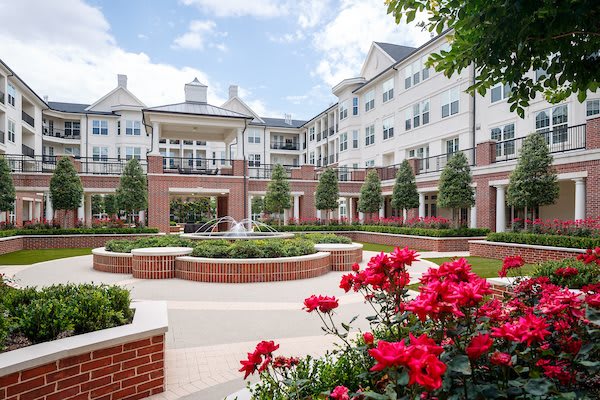
Still, the strongest positives offset many drawbacks. The staff quality and the care team render a care experience that feels responsive and personal; residents are treated with respect, and caregivers communicate with a level of attentiveness that reduces friction in daily routines. Medical oversight is repeatedly described as excellent, with nursing staff, physicians, and nurse practitioners delivering attentive, proactive care. The residential atmosphere, feelings of being “at home”, along with clean, well-maintained spaces and well-appointed apartments, helps justify the price. A strong dining program and meaningful activities provide daily engagement that supports quality of life, while the presence of balconies, varied apartment layouts, and a contemporary, aesthetically pleasing setting adds tangible comfort for longer-term stays.
Yet the facility is not without risk signals that prospective residents should weigh. Several reviews identify significant costs and a perception of overpricing given the level of on-site amenities, plus ongoing fees that may complicate budgeting. Operational friction around transportation, limited drivers, a cumbersome scheduling system, and parking constraints, can hamper visits and community involvement. Staffing interactions in some accounts can feel brusque, suggesting that culture varies by shift and department. A troubling incident was noted where a safety hazard on the property (a rusted storm inlet) prompted delayed remediation and uneven customer-service responses from leadership; this kind of safety-risk history warrants careful inspection of current protocols and oversight before committing. These factors counterbalance the warmth and competence described elsewhere, especially for those prioritizing a seamless logistical experience.
From a decision standpoint, the pros substantially offset the cons for families who prize medical reliability, staff warmth, and a homelike environment, and who accept the higher price in exchange for comprehensive care and busy living. The medical team’s reputation for reliability reduces the sense of insecurity around senior health management. The day-to-day experience, friendly greetings, attentive dining service, spotless public spaces, and the opportunity to participate in purposeful activities, can meaningfully improve life quality and reduce caregiver burden at home. The quality and range of housing options, including balconies and flexible layouts, provide a scalable solution as care needs evolve. The caveat is that without in-house recreation facilities and a move-heavy schedule, some residents may feel limited in wellness opportunities unless transportation is reliable and the care plan is strongly aligned with personal preferences.
Families ready to lean in should schedule careful due diligence: request the most current medical leadership structure, verify the on-site amenities and maintenance commitments, and confirm parking and transportation logistics and costs. Ask for a transparent breakdown of all fees and whether there are caps on increases. Seek examples of daily activity calendars and dining menus across a couple of weeks to gauge alignment with the loved one’s interests. If possible, negotiate a trial stay or a short-term assessment to observe how staff interact with the resident by name, how meals go, and how quickly concerns are addressed. For families where cost, lack of on-site fitness facilities, or location remains a non-starter, alternatives in the Dallas market that offer more compact layouts, more robust in-house wellness options, or stronger value alignment should be considered. The Tradition is a strong contender for the right fit, but clarity on logistics, pricing, and safety expectations is essential upfront.
 Assisted Living
 Memory Care
 Cats allowed
 Dogs allowed
 Activities on-site
 Air-conditioning
 Beautician on-site
 Devotional services off-site
 Fireplaces
 Full kitchen
 Ground floor units
 Indoor common areas
 Outdoor common areas
 Swimming pool / hot tub
 Dallas Love (5 miles away)
 Ambulatory care
 Diabetic care
 Incontinence care
 Anytime dining
 Art classes
 Brain fitness
 Day trips and outings
 Educational speakers / life long learning
 Happy hour
 Live dance or theater performances
 Live musical performances
 Wii bowling
 Yoga / chair yoga





 When to Transition from Assisted Living to Memory Care: Key Indicators, Steps, and Finding the Right Community
 Understanding the Distinctions: Assisted Living and Memory Care Explained
 How to Communicate with a Loved One Living with Dementia: 10 Supportive Strategies