For more information about senior living options: (866) 208-4318
4.2 from 35 reviews
5 stars
25
4 stars
3
3 stars
2
2 stars
0
1 stars
5
Overall Review of Sonoma House Assisted Living
differentiator5 reviews mention this
Small-house design feels more personal
The property’s small-house setup is repeatedly described as more personal than large facilities.
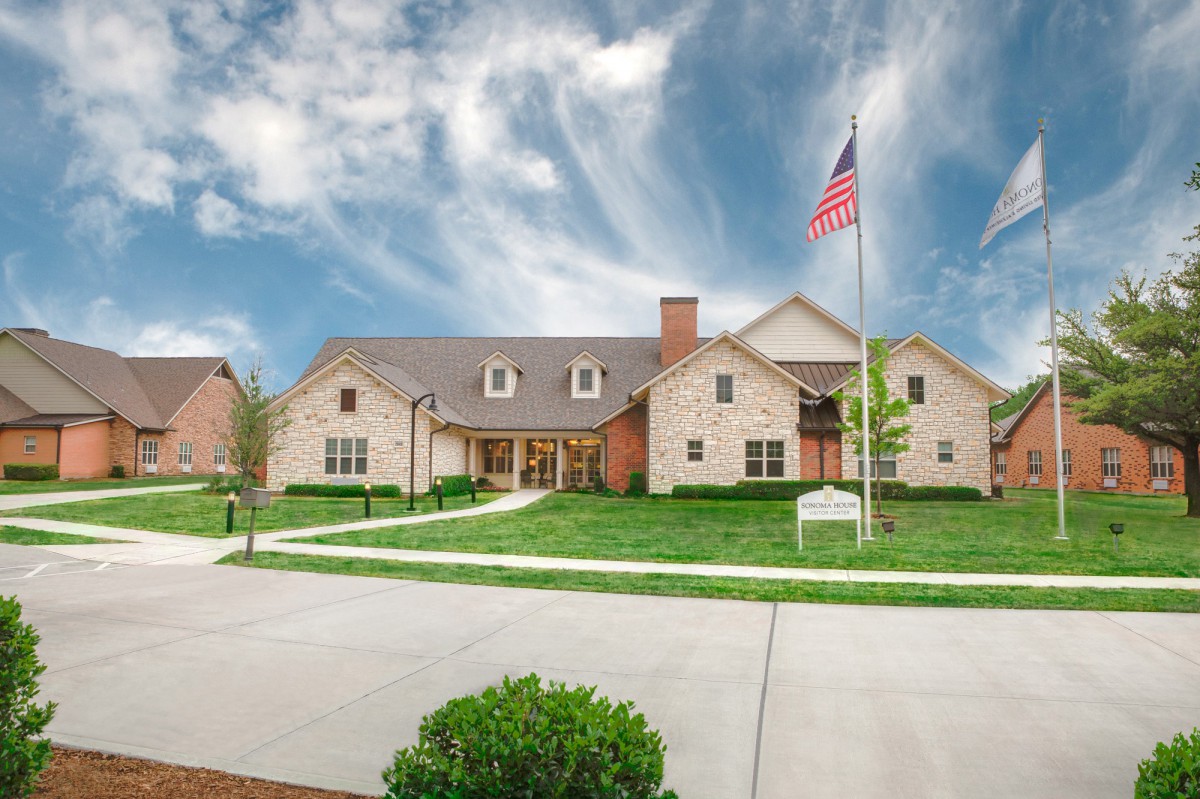
Several residents and families describe Sonoma House as different from big communities because it uses multiple small houses rather than one large building. In the reviews, people mention that residents aren’t treated like a number and that the layout supports safety and comfort, including spaces organized around meals and social time. One family also notes a smaller maximum resident count per house, and others highlight that this configuration helps people stay engaged rather than spending all day in their rooms.
differentiator4 reviews mention this
Care coordination supports memory
Families describe proactive care and strong support with medications and health changes.
Multiple reviews credit the team with noticing health needs and coordinating follow-up, including working with doctors and addressing medication management concerns. For memory-related needs, families describe structured daily care, the ability to help residents stay involved, and a smoother transition for loved ones moving into the community. Another family also specifically mentions support when hospice was needed, along with ongoing updates and comfort during end-of-life care.
common4 reviews mention this
Dining quality is a frequent theme
Dining stands out in reviews, with both strong praise and a few serious complaints.
Some families say their loved ones enjoy the food and the snacks, and one review links improved appetite with the meals being served. The community also offers meal preparation and service as part of its care approach, including support for special dietary restrictions. At the same time, at least one review expresses dissatisfaction with food quality, so dining doesn’t land positively for everyone.
common14 reviews mention this
Staff help and responsiveness are praised
Residents and families most often describe staff members as helpful, caring, and communicative.
Across many reviews, families emphasize being able to reach the staff easily and receiving communication about day-to-day needs and changes. Multiple people describe caregivers and nurses as genuinely invested in residents’ wellbeing, including support during transitions and ongoing encouragement to participate in activities. Several reviews also mention specific staff members and leadership as knowledgeable resources for families when concerns come up.
caveat5 reviews mention this
Staffing and cleanliness concerns repeat
A recurring set of complaints centers on staffing gaps, cleanliness, and communication during care issues.
A subset of reviewers describe problems such as understaffing, caregiver or nursing turnover, and difficulty getting issues handled quickly or clearly. There are also complaints about room and common-area cleaning, with some families saying cleaning was not consistent. Other negative comments cite failures around specific safety practices and note that families felt they had to monitor or supplement care themselves.
How we summarize
Counts show how many written reviews mention each theme; a review can touch several themes, and only frequently mentioned themes are displayed.
Features
Housing
16 resident community capacity
Studio apartments
Types of Care
Assisted Living
Board and Care Home
Memory Care
Respite Care
Amenities
Beautician on-site
Cable or satellite TV
Computer center
Dining room
Financing advice
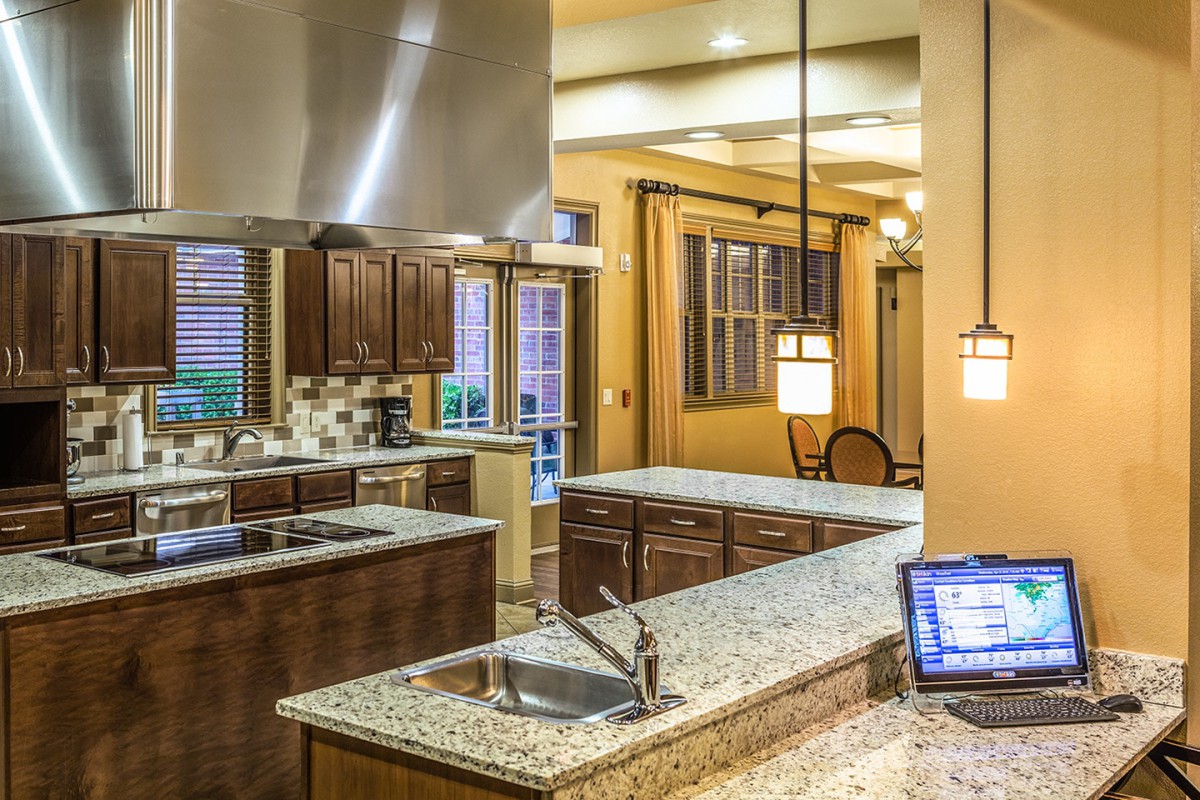
Full kitchen
Fully furnished
Garden
Guasts at mealtime
Guest parking
Hiking trails
Housekeeping services
Laundry
Move-in coordination
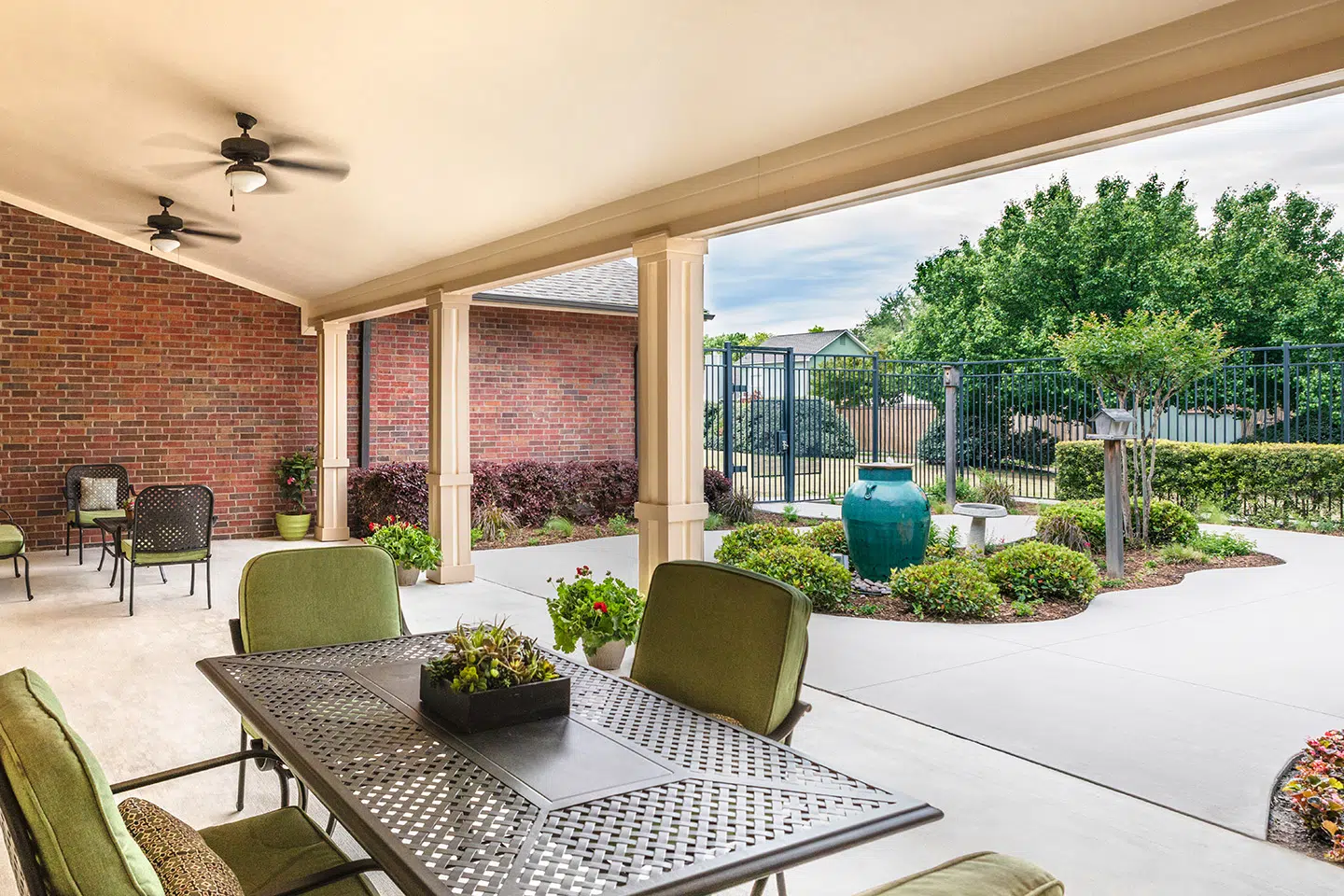
Outdoor space
Overnight guests
Party space
Resident parking
Respite or short term stays offered
TV room
Telephone
VA Benefits Consultation
Wi-Fi/high-speed internet available
Transportation
Dallas Love (12 miles away)
Dallas-Fort Worth International (13 miles away)
Transportation & parking
Care Services
24-hour supervision
Activities of daily living assistance
Assistance with bathing
Assistance with dressing
Assistance with transfers
Coordination with health care providers
Diabetes diet
Hospice care
Meal preparation and service
Medication management
Physical therapy
Special dietary restrictions
Transportation arrangement (medical)
Transportation to doctors appointments
Dining
Diabetes diet
Special dietary restrictions
Activities
Activities off-site
Arts and crafts
Book club
Community-sponsored activities
Cooking club
Educational speakers / life long learning
Fitness programs
Games
Gardening club
Live musical performances
Religious services
Scheduled daily activities
Stories
Languages Spoken
English
Nearby Places of Interest
Pharmacies
CVS Pharmacy (0.7 miles)
Walgreens (0.7 miles)
Walgreens (1.7 miles)
CVS Pharmacy (1.9 miles)
Walmart Pharmacy (2.2 miles)
Walgreens (2.2 miles)
CVS Pharmacy (2.4 miles)
Physicians
Family Medicine Associates of Texas (0.8 miles)
Touchstone Imaging Plano (2.9 miles)
Plano Orthopedic & Sports Medicine Center (4 miles)
Cornea Associates of Texas (4 miles)
Dhat (4.8 miles)
Dallas Associated Dermatologists (5.6 miles)
Texas Health Family Care (5.8 miles)
Restaurants
Main Street Cafe (1.6 miles)
Sonic Drive-In (1.9 miles)
Bread Zeppelin Salads Elevated (2 miles)
Rosa's Cafe (2.9 miles)
Afrika Fusion (2.9 miles)
McDonald's (2.9 miles)
Menas Tex-Mex Grill Cantina (2.9 miles)
Places of Worship
Prestonwood Baptist Church (1.9 miles)
First Baptist Church at The Fields (3.1 miles)
Ismaili Jamatkhana & Center (4.1 miles)
Webb Chapel Church of Christ (6.6 miles)
Parks
Arbor Hills Nature Preserve (2.2 miles)
Coyote Creek Park (3 miles)
Shoreline Trail & Dog Run (4.2 miles)
Russell Creek Park (4.2 miles)
Windhaven Meadows Park (4.3 miles)
Addison Circle Park (5.1 miles)
Sommerset (6.7 miles)
Hospitals
Texas Health Presbyterian Hospital Plano (2.6 miles)
The features at Sonoma House Assisted Living are designed to create a supportive environment that addresses the unique needs of residents with dementia or Alzheimer's disease. Assistance with dressing and bathing promotes dignity while ensuring safety, while medication management helps residents adhere to essential treatment regimens, minimizing confusion about dosages and schedules. Meal preparation and service cater to dietary needs, fostering both nutrition and enjoyment during meals. Transportation arrangements facilitate access to necessary medical appointments, thereby enhancing continuity of care through coordinated efforts with healthcare providers. Activities of daily living assistance empowers residents by promoting independence within a secure framework, complemented by 24-hour supervision that ensures their safety and well-being. Additionally, support with transfers helps prevent falls, while physical therapy can be integrated to enhance mobility and overall health, addressing both physical and cognitive aspects crucial for quality of life in memory care.
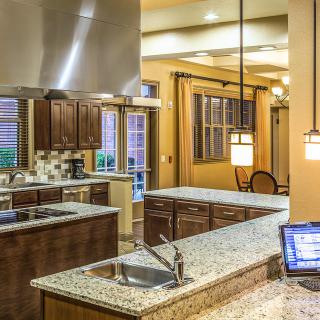
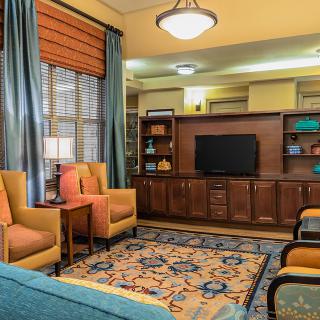
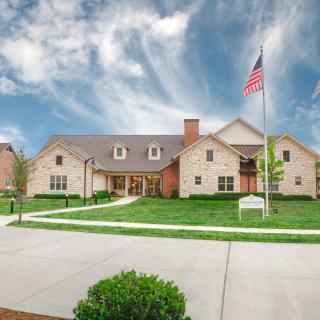
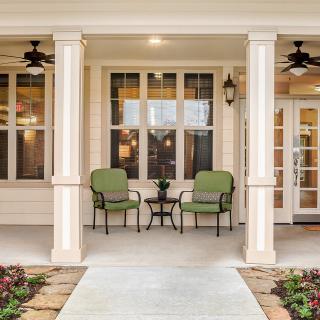
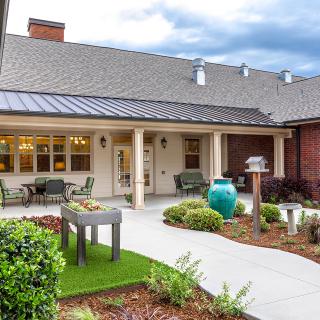
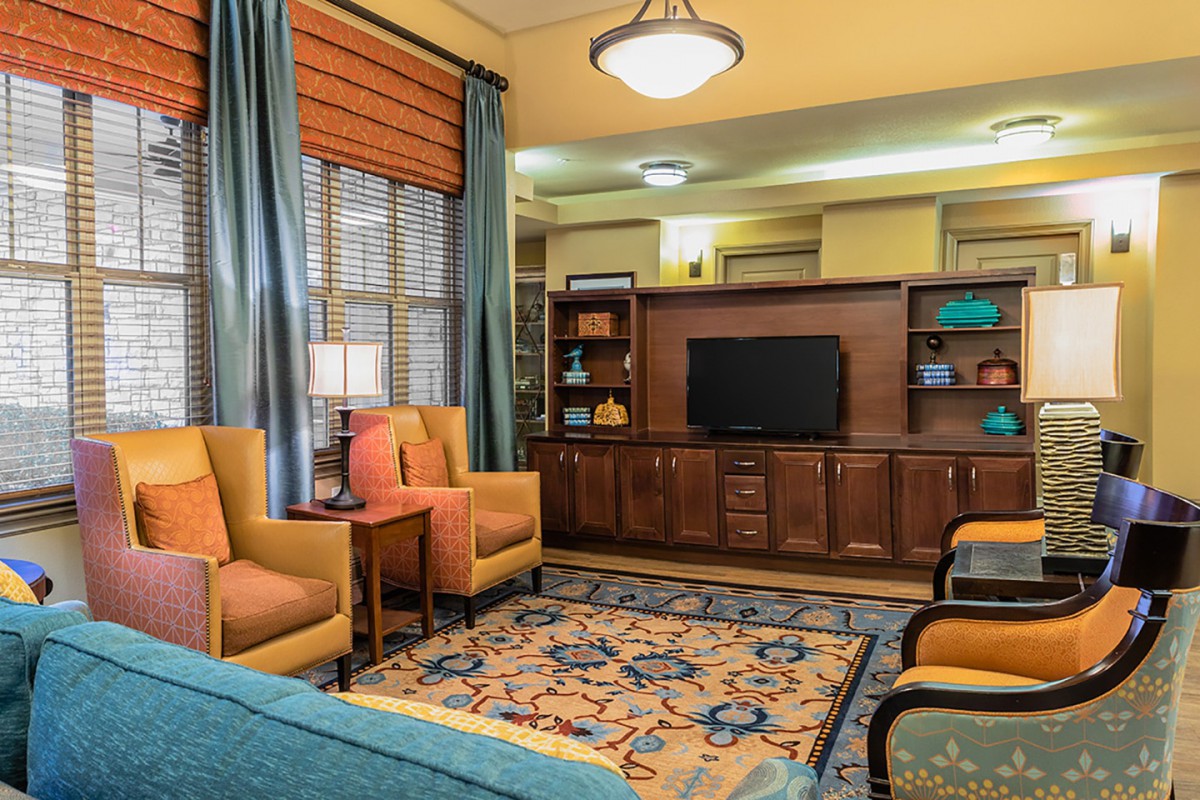
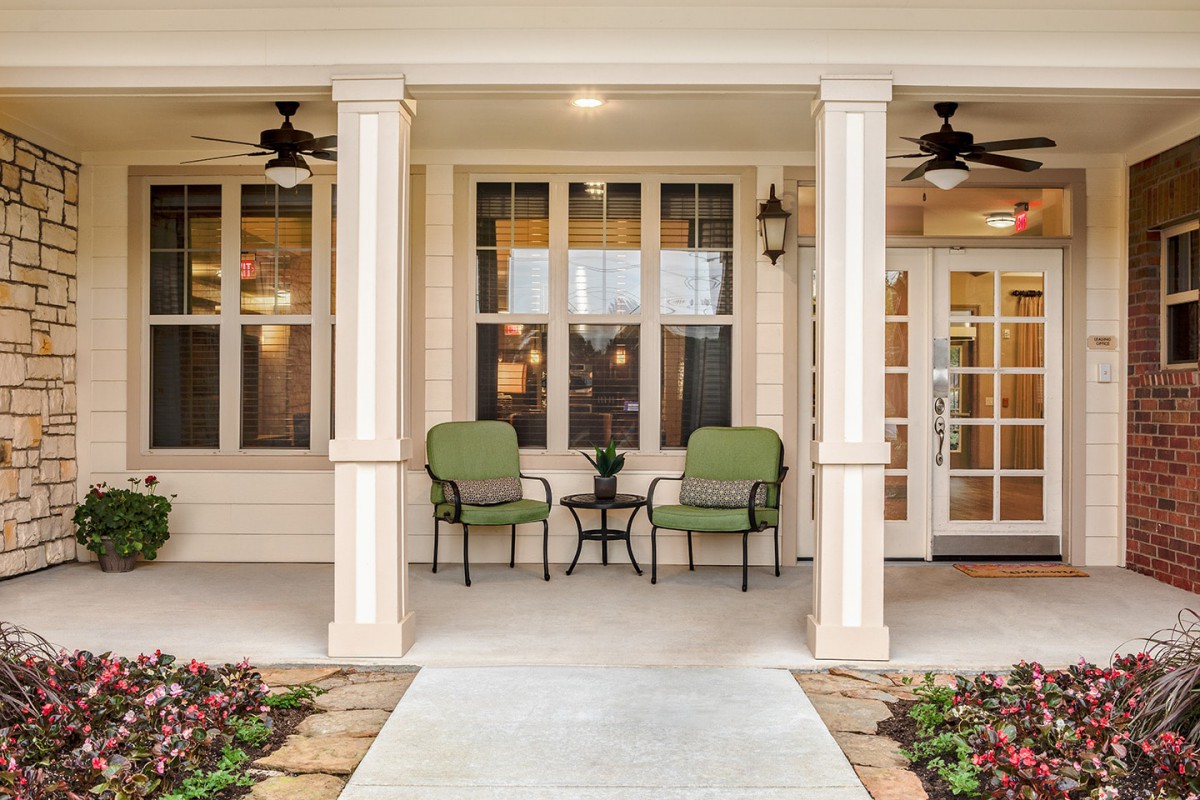
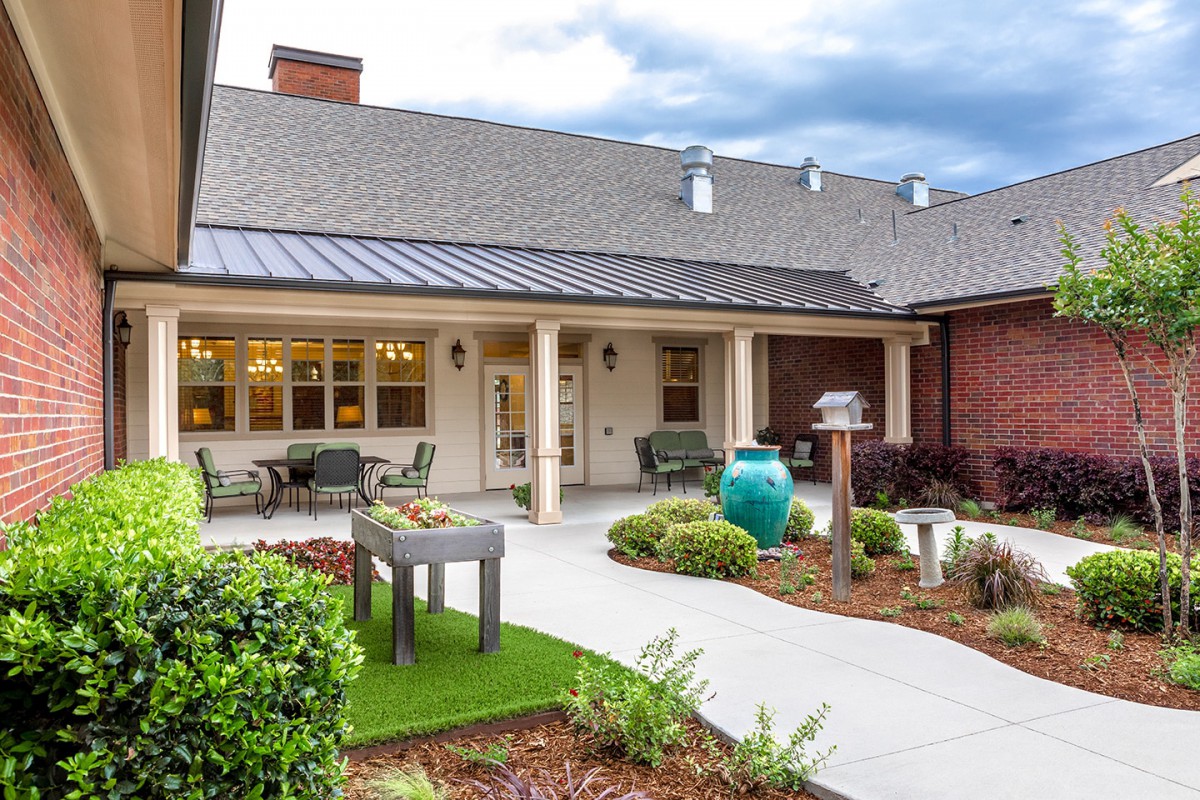
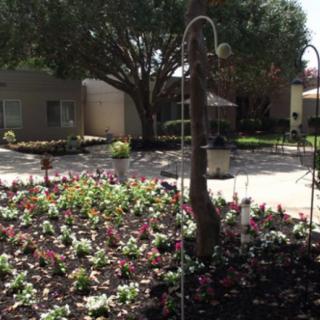
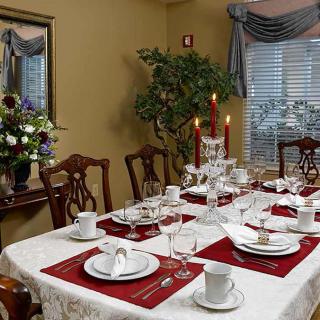
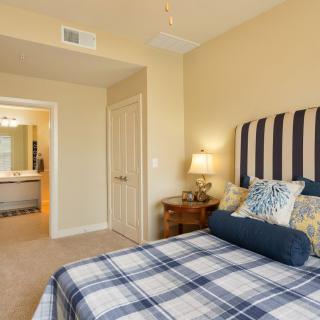
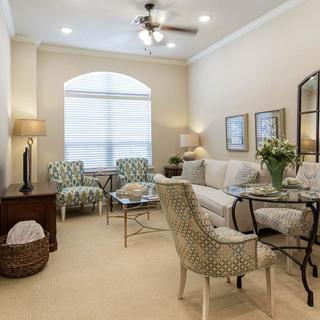
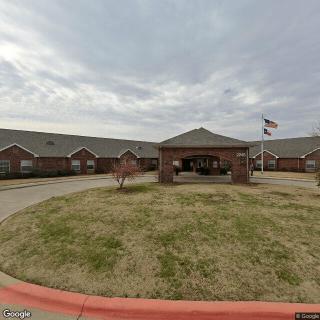
Sonoma House Assisted Living on seniors.fyi includes 7 photos including images showing landscaping, flag, interior, patio, garden, outdoor seating, building, kitchen, and more.
Nearby Communities
Sonoma House Assisted Living LLC
Carrollton, TX
4.3 from 45 reviews
$3,695 / month
Friendly, attentive staff in a clean, home-like setting with engaging activities.
Sonoma House Assisted Living
Carrollton, TX
4.5 from 46 reviews
Home-like memory care with personalized, friendly staff and engaging activities.
Brookhaven Nursing & Rehab
Carrollton, TX
3.5 from 85 reviews
Some dedicated staff and regular resident activities.
Brookhaven Nursing And Rehabilitation Center
Carrollton, TX
3.4 from 50 reviews
Fully furnished rooms with private bathrooms, restaurant-style dining, and 24/7 supervision plus engaging activities.
Atria Carrollton
Carrollton, TX
4.7 from 171 reviews
$3,095 to $6,795 / month
Warm, friendly staff and a vibrant, engaged community.
Autumn Leaves Of North Carrollton At Castle Hills
Carrollton, TX
4.5 from 44 reviews
Fully furnished apartments with restaurant-style dining, 24-hour supervision, and comprehensive care services.
Prestonwood Court
Plano, TX
4.5 from 95 reviews
$5,700 to $7,170 / month
Warm, welcoming community with clean facilities and engaging activities.
Briarview Senior Living
Carrollton, TX
4.8 from 101 reviews
$2,385 to $5,715 / month
Caring, friendly staff with a clean, safe environment and engaging activities.
The Madison On Marsh
Carrollton, TX
4.1 from 144 reviews
Noted for a caring therapy team and attentive staff in positive experiences.
Assisted living provides moderate support for seniors seeking independence, while memory care offers specialized support for individuals with dementia or cognitive impairments through structured routines and trained staff. Key differences include care approaches, environment security measures, staff training levels, activity types, and cost considerations.
Choosing between assisted living and nursing homes involves evaluating emotional and financial factors, with assisted living offering independence and support for daily activities at a lower cost, while nursing homes provide intensive medical care for individuals with significant health needs. The decision is influenced by personal preferences, health status, cognitive function, and varying Medicaid coverage across states.
The article presents eight strategies for preserving cognitive health and memory in older adults, emphasizing a nutrient-rich diet, regular exercise, intellectually stimulating activities, adequate sleep, social connections, stress management techniques, limiting harmful substances, and regular medical checkups to mitigate age-related memory decline.
Get PricingAsk A QuestionSchedule A TourContact Senior Advisor
By clicking submit, you agree to our Partner's Terms of Use. You
also consent to receive calls and texts, which may be autodialed, from our Partner. Your consent is not a condition to
using our Partner's service. Please visit our Partner's Privacy Policy for information about their privacy practices.


 16 resident community capacity
 Studio apartments
 Assisted Living
 Board and Care Home
 Memory Care
 Respite Care
 Beautician on-site
 Cable or satellite TV
 Computer center
 Dining room
 Financing advice
 Full kitchen
 Fully furnished
 Garden
 Guest parking
 Hiking trails
 Housekeeping services
 Laundry
 Move-in coordination
 Outdoor space
 Overnight guests
 Party space
 Telephone
 Wi-Fi/high-speed internet available
 Dallas Love (12 miles away)
 Transportation & parking
 24-hour supervision
 Activities of daily living assistance
 Assistance with bathing
 Assistance with dressing
 Assistance with transfers
 Diabetes diet
 Hospice care
 Meal preparation and service
 Medication management
 Physical therapy
 Special dietary restrictions
 Transportation arrangement (medical)
 Arts and crafts
 Book club
 Cooking club
 Educational speakers / life long learning
 Fitness programs
 Games
Games Live musical performances
 Religious services
 English
 Friendly, attentive staff in a clean, home-like setting with engaging activities.


 Assisted Living and Memory Care: Understanding Their Core Differences
 Choosing the Right Senior Care: A Detailed Exploration of Assisted Living and Nursing Homes
 Safeguarding Your Memory Through the Golden Years: Eight Ways to Preserve Cognitive Health