Wisteria Place Retirement Living stands out as an affordable option for senior care, offering a semi-private room at $2,500 per month, which is significantly lower than the average costs in Taylor County ($3,605) and across Texas ($3,680). For those seeking more privacy, their private rooms are also competitively priced at $3,300 per month, compared to higher rates in Taylor County ($4,655) and the state average of $4,096. Such pricing not only reflects Wisteria Place's commitment to providing quality care but also makes it an attractive choice for families looking for more economical living arrangements without compromising comfort or service.
Floor plans
Wisteria Place Retirement Living
Taylor County
Texas
Semi-Private
$2,500
$3,605
$3,680
Private
$3,300
$4,655
$4,096
Overall Review of Wisteria Place Retirement Living
differentiator7 reviews mention this
Memory care support stands out
Memory care transitions get a lot of attention from residents and families.
Multiple families describe moving into the memory care setting as a difficult decision that the team helped make smoother. Reviews mention Alzheimer’s and related needs, and describe the staff as attentive to comfort and daily interaction, not just tasks. Several also point to ongoing support and responsiveness after the move, including during periods when they could not be present as much as they wanted.
common28 reviews mention this
Staff care feels personal
Residents and families consistently describe staff who treat people with kindness.
Across reviews, families highlight that caregivers, nurses, and the wider team show patience and treat residents like individuals. Several comments also mention frequent check-ins and quick responses when concerns come up, along with communication that helps families feel at ease. Even reviews focused on onboarding or day-to-day experience still come back to the same theme: staff who are approachable and attentive.
caveat4 reviews mention this
Dining quality draws mixed feedback
Dining is often praised, but at least one review is sharply negative.
Many reviewers mention strong meals and a dining room experience that encourages residents to socialize. One review, however, complains about food temperature by saying they serve cold food. Overall, residents and families describe dining as a meaningful part of the day, even though experiences are not perfectly consistent.
common4 reviews mention this
Cleanliness is repeatedly mentioned
The building’s cleanliness is a recurring point in reviews.
Several reviews call out a very clean environment, including comments about the building being among the cleanest seen. Families also mention housekeeping/custodial work and describe the space as well kept. A nursing-team review also reinforces that the community maintains cleanliness as part of the overall experience.
common3 reviews mention this
Home-like setting and grounds
Residents describe a home-like feel and attractive shared spaces.
Reviews describe a pleasant atmosphere with bright, cozy interiors and a campus feel centered on comfort. Families also mention outdoor areas such as a courtyard and describe residents having places to relax and spend time. One review specifically refers to a “home” feeling from day one, emphasizing the overall environment rather than clinical details.
How we summarize
Counts show how many written reviews mention each theme; a review can touch several themes, and only frequently mentioned themes are displayed.
Features
Housing
82 resident community capacity
Types of Care
Assisted Living
Independent Living
Memory Care
Amenities
Air-conditioning
Beauty salon
Cable or satellite TV
Computer center
Dining room
Fitness room
Fully furnished
Gaming room
Garden
Housekeeping services
Kitchenette
Move-in coordination
Outdoor patio
Outdoor space
Private bathrooms
Restaurant-style dining
Small library
Telephone
Wellness center
Wi-Fi/high-speed internet available
Transportation
Abilene Regional (5 miles away)
Community operated transportation
Transportation arrangement
Transportation arrangement (non-medical)
Transportation to doctors appointments
Care Services
12-16 hour nursing
24-hour call system
24-hour supervision
Activities of daily living assistance
Assistance with bathing
Assistance with dressing
Assistance with transfers
Coordination with health care providers
Diabetes diet
Meal preparation and service
Medication management
Mental wellness program
Mild cognitive impairment
Special dietary restrictions
Specialized memory care programming
Transportation arrangement (medical)
Transportation to doctors appointments
Dining
Diabetes diet
Special dietary restrictions
Activities
Community-sponsored activities
Concierge services
Fitness programs
Planned day trips
Resident-run activities
Scheduled daily activities
Virtual Tour
Nearby Places of Interest
Restaurants
Burger King (0.3 miles)
Cheddar's Scratch Kitchen (0.3 miles)
IHOP (0.4 miles)
Cotton Patch Cafe (0.4 miles)
Chipotle Mexican Grill (0.4 miles)
Whataburger (0.4 miles)
Arby's (0.4 miles)
Theaters
Century Theaters (0.4 miles)
Abilene PREMIERE LUX Cine 10 Abilene Mall (0.8 miles)
Hospitals
Hendrick Medical Center (0.4 miles)
Hendrick Health System (0.5 miles)
Physicians
Teri Brooks Lovelace DDS MS PA (0.5 miles)
Lone Star Eye Associates (0.8 miles)
Abilene Premier Eye Care (0.9 miles)
Clinical Pathology Labs (1.1 miles)
NeoSculpt Laser Vein and Cosmetic Surgery (1.6 miles)
Wisteria Place Retirement Living stands out as an affordable option for senior care, offering a semi-private room at $2,500 per month, which is significantly lower than the average costs in Taylor County ($3,605) and across Texas ($3,680). For those seeking more privacy, their private rooms are also competitively priced at $3,300 per month, compared to higher rates in Taylor County ($4,655) and the state average of $4,096. Such pricing not only reflects Wisteria Place's commitment to providing quality care but also makes it an attractive choice for families looking for more economical living arrangements without compromising comfort or service.
Wisteria Place Retirement Living offers a comprehensive range of features designed to support residents with dementia or Alzheimer's disease, fostering a sense of security and well-being. Assistance with dressing and bathing ensures personal hygiene and comfort, while meal preparation and service cater to nutritional needs and preferences, promoting health. Medication management safeguards against missed doses or misunderstandings inherent in cognitive decline. Transportation arrangements facilitate access to medical appointments, enhancing continuity of care through coordination with healthcare providers. Activities of daily living assistance empowers residents, maintaining dignity in routine tasks, while 24-hour supervision ensures safety at all times. The mental wellness program is tailored specifically for cognitive challenges, addressing emotional needs alongside specialized memory care programming that engages residents meaningfully. Together, these features create an environment where individuals can thrive despite the limitations imposed by their condition.
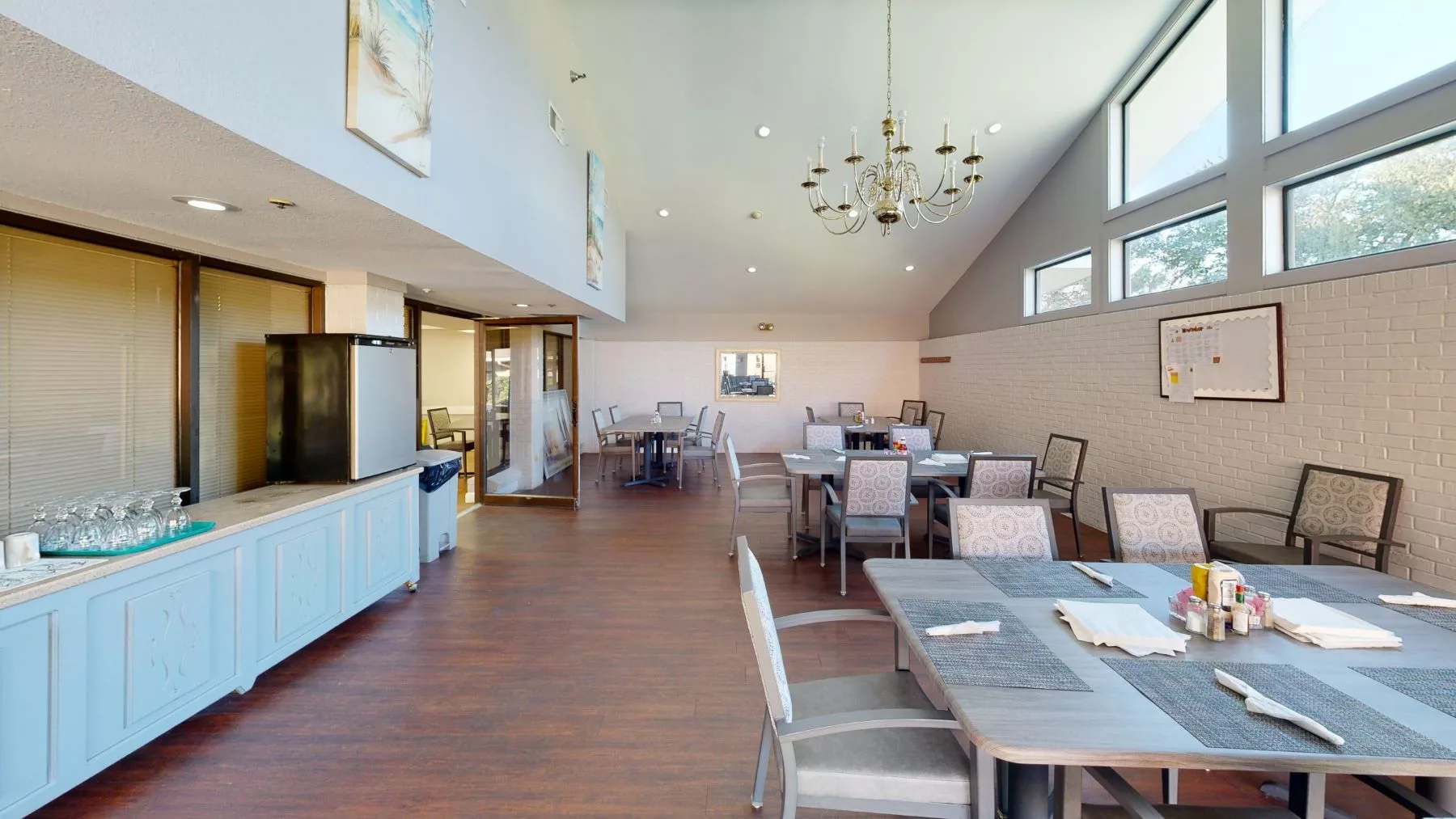
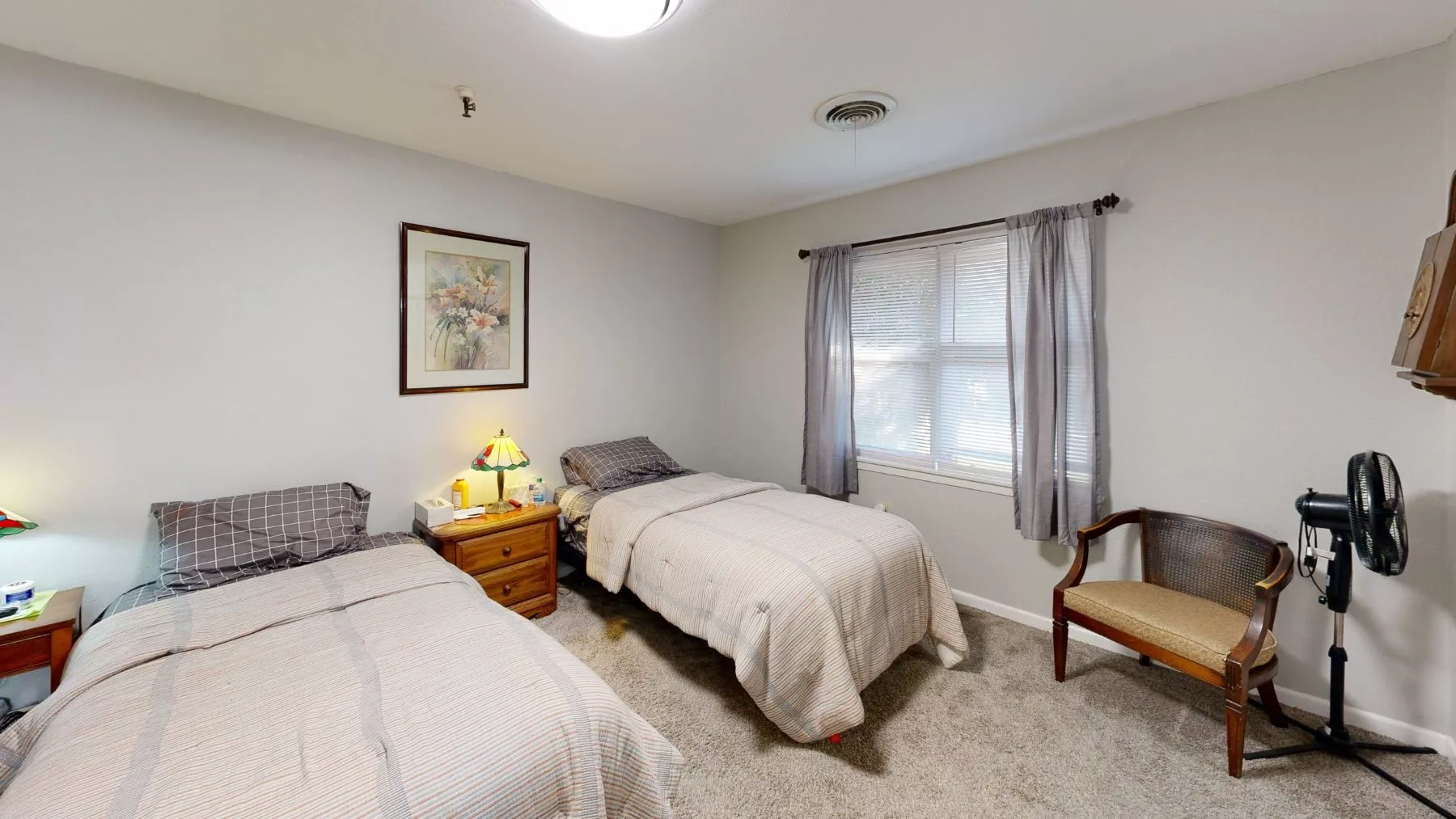
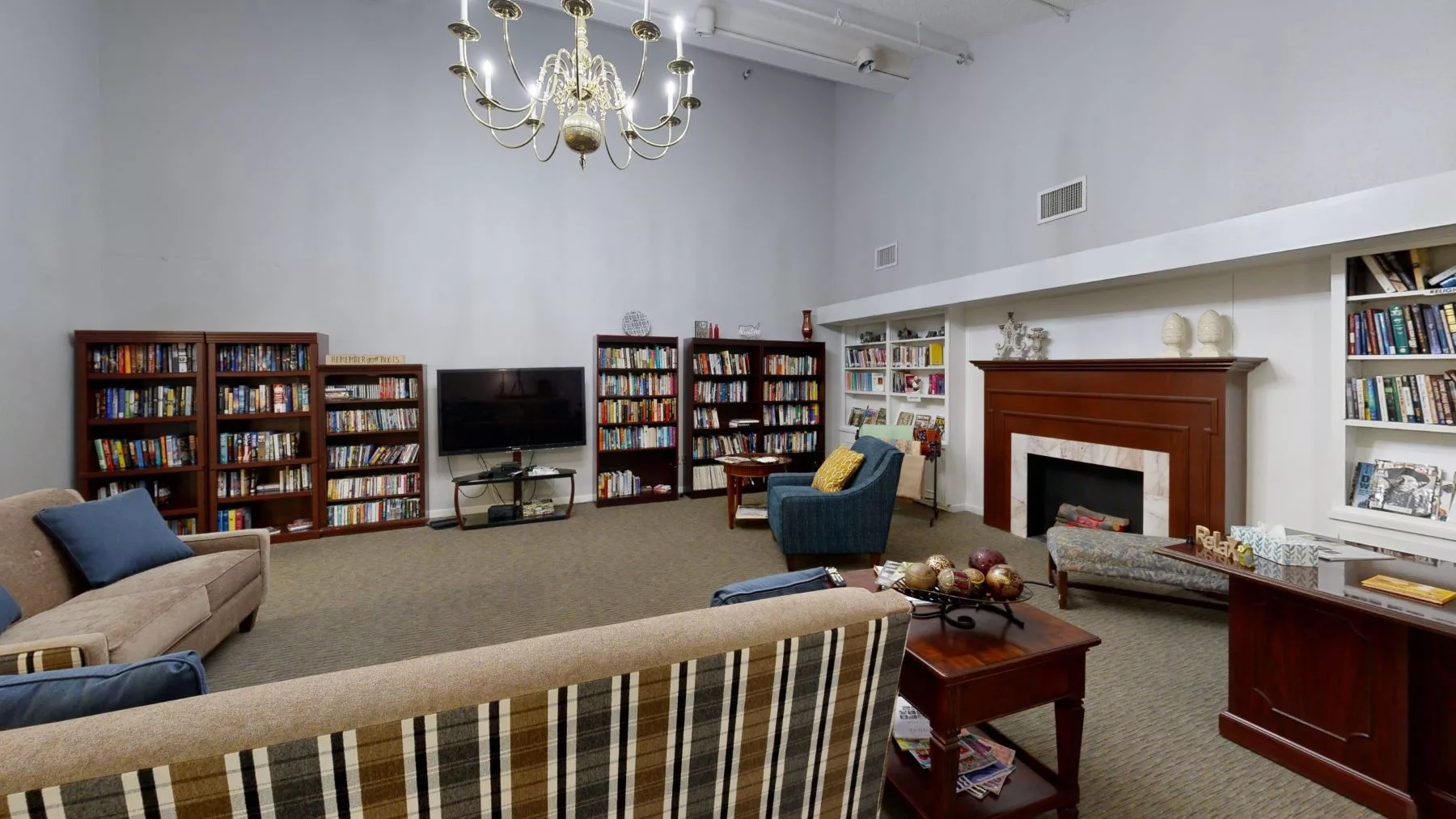
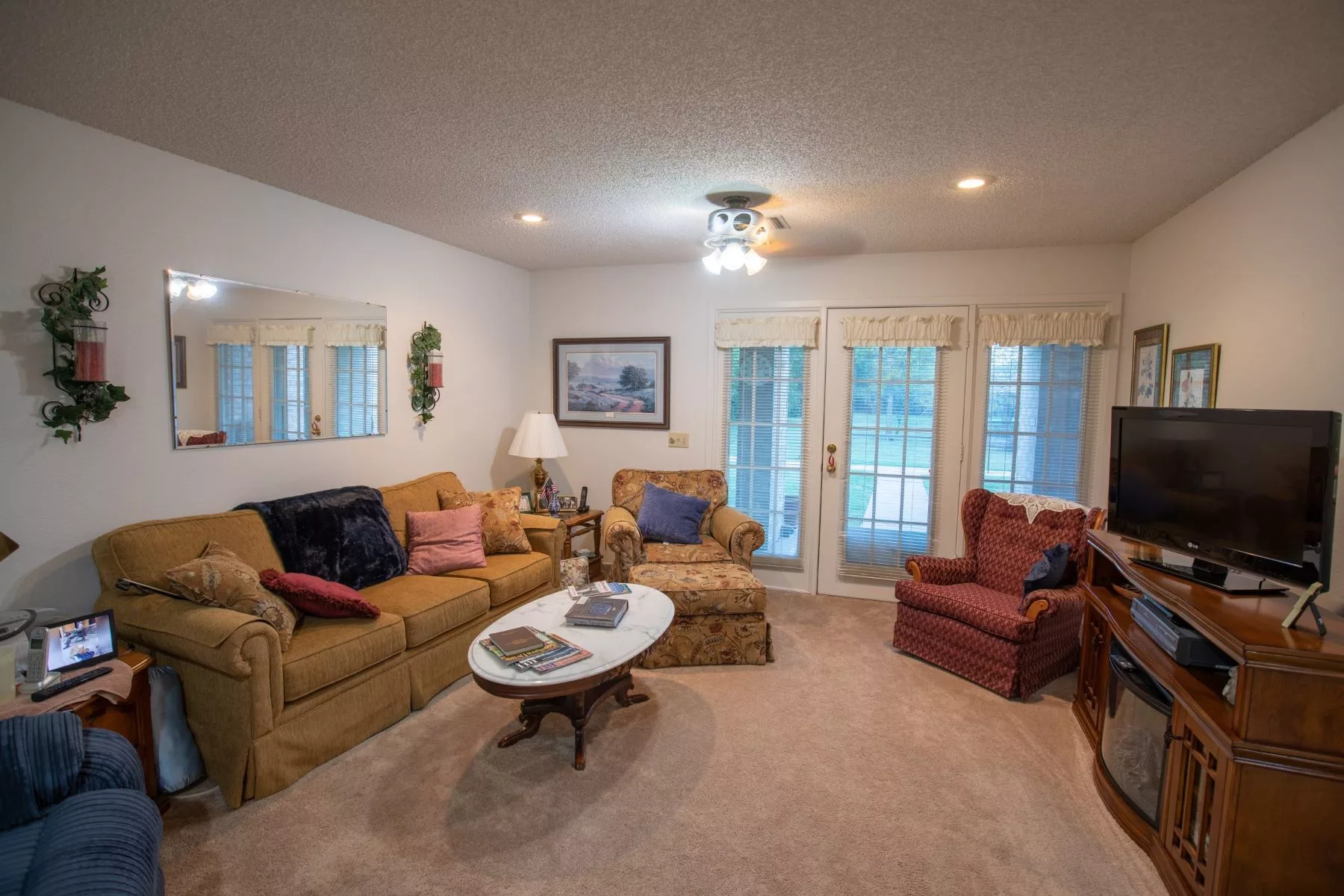
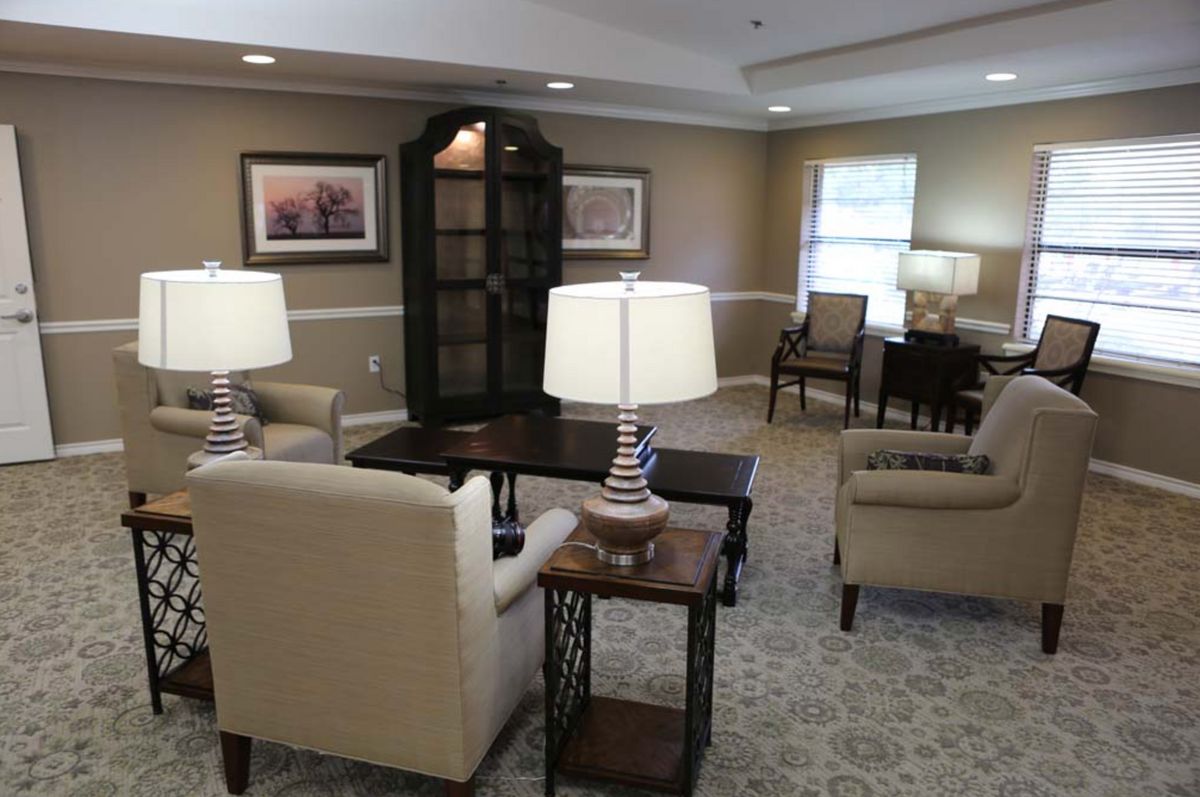
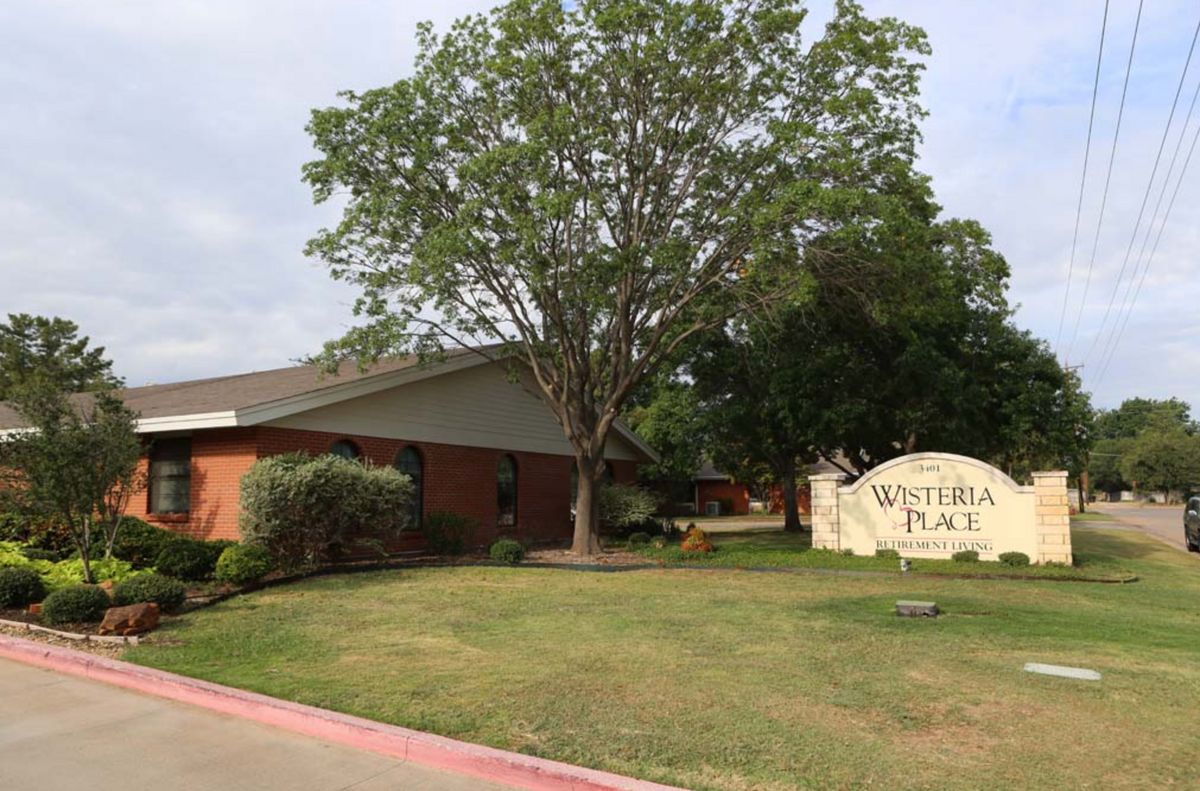
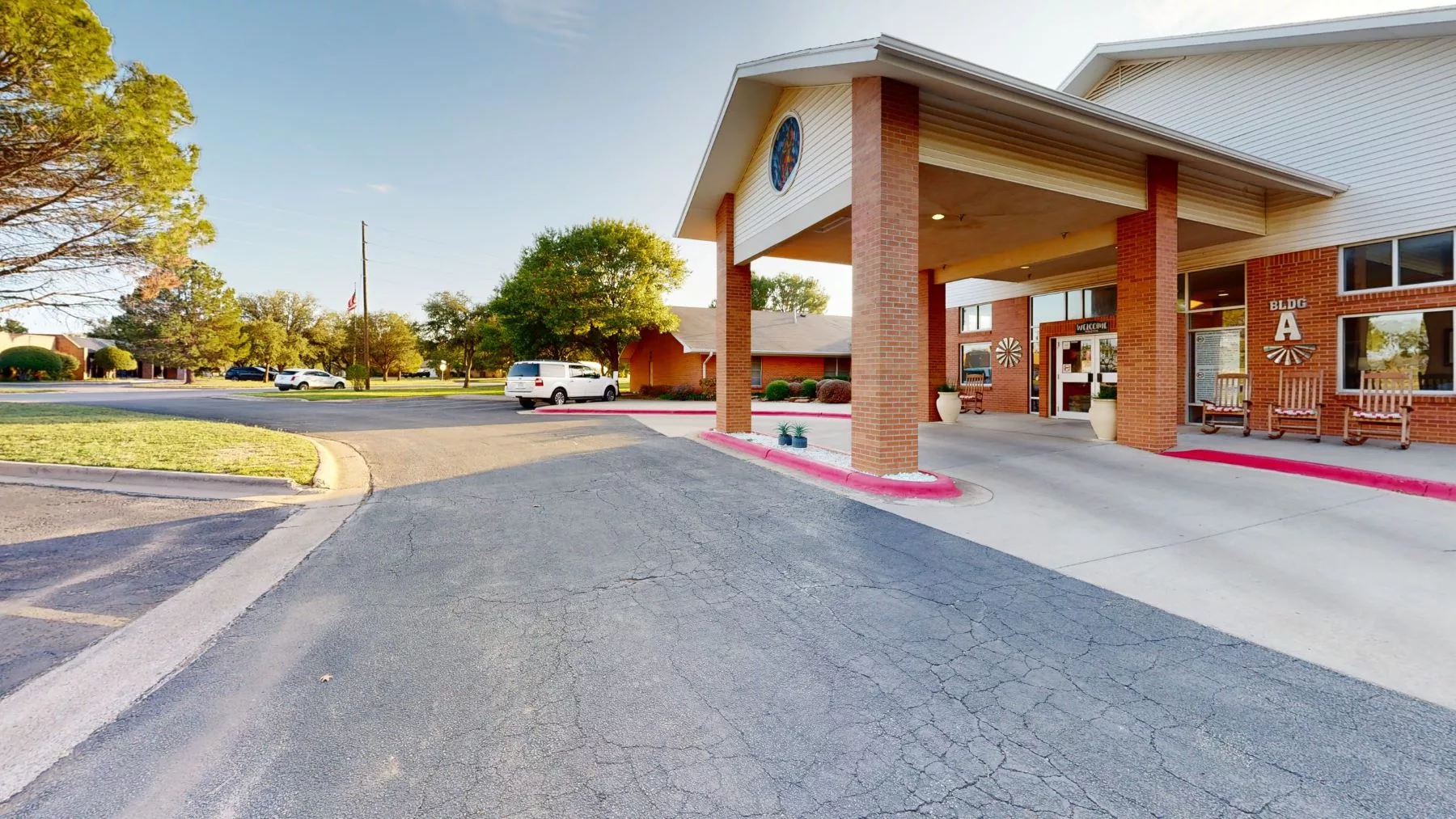
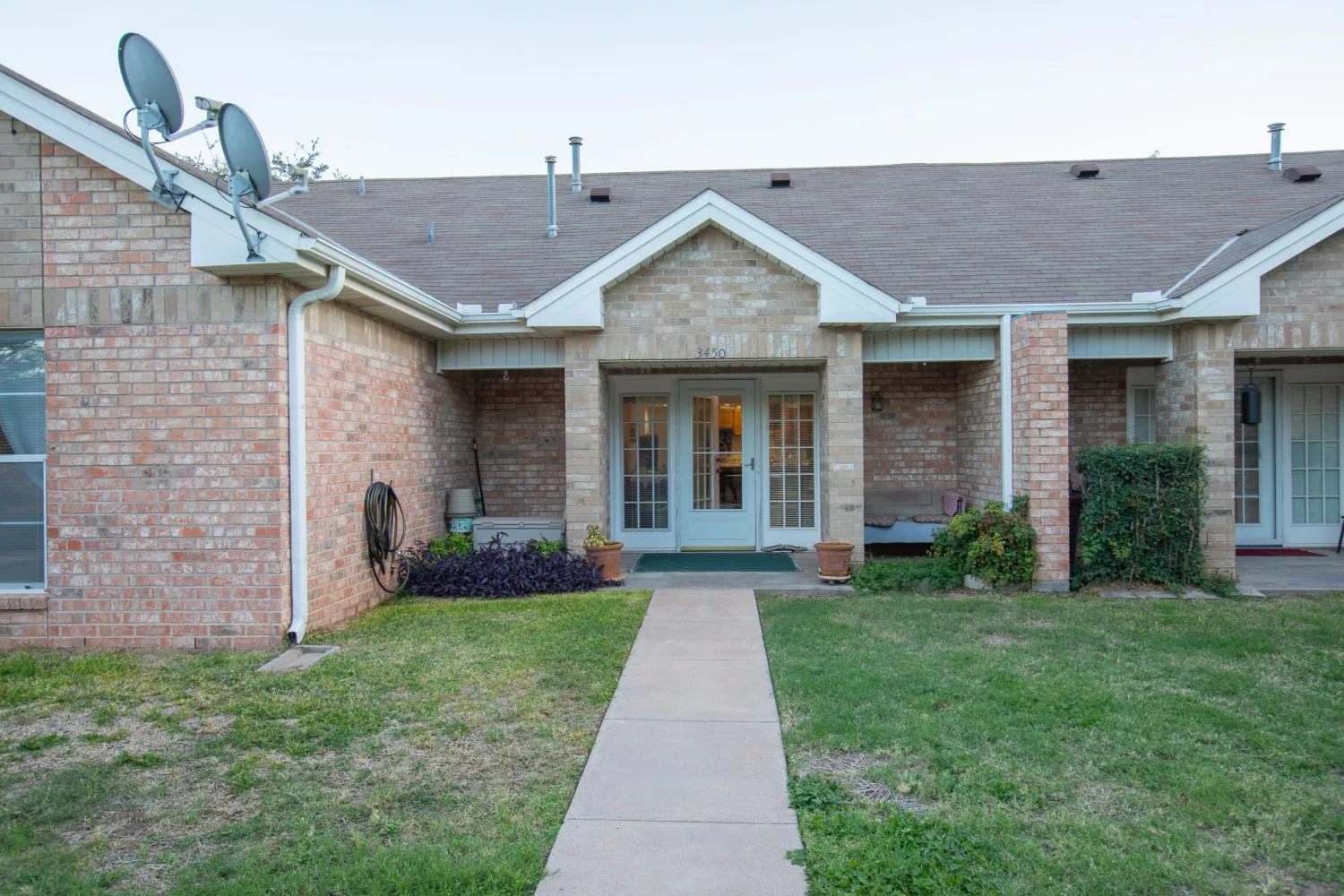
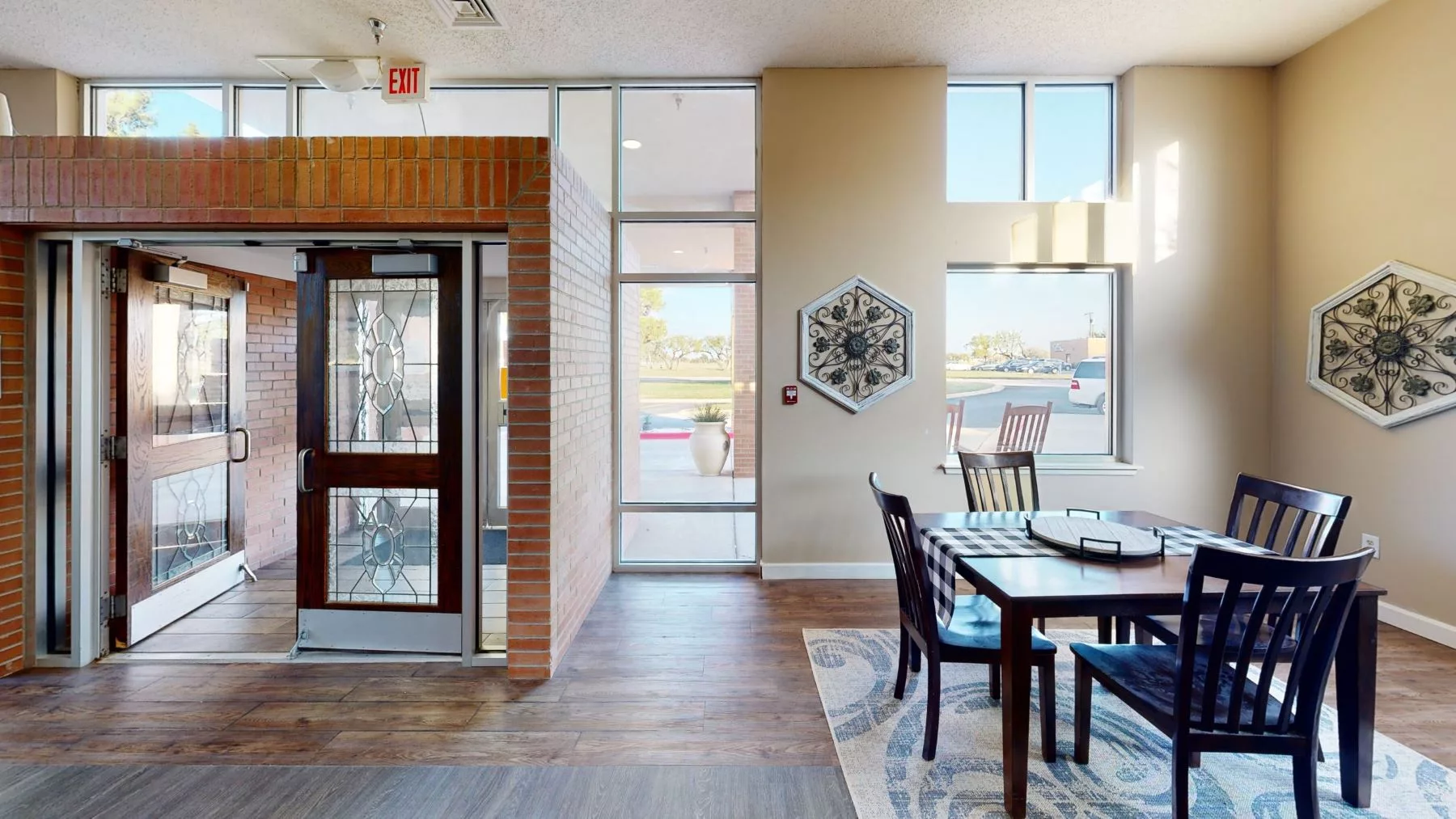
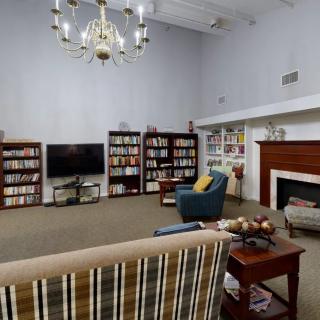
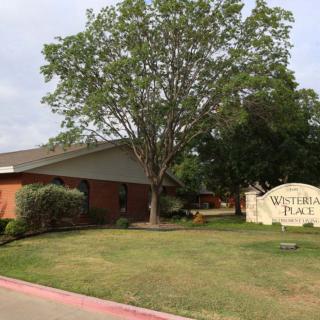
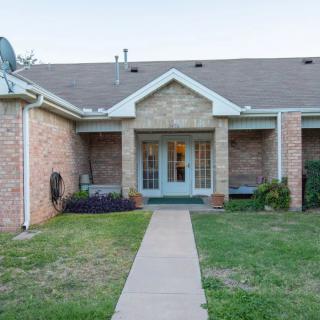
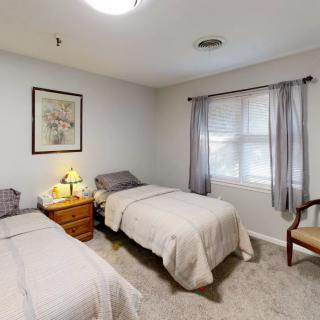
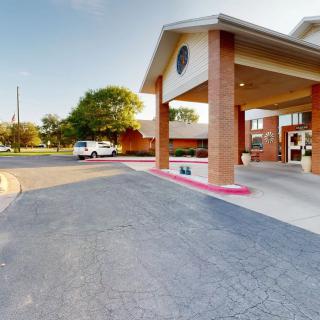
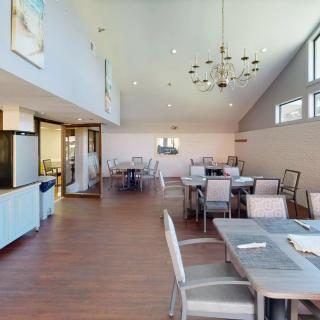
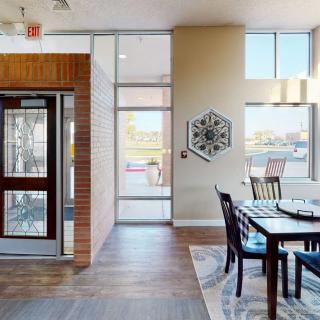
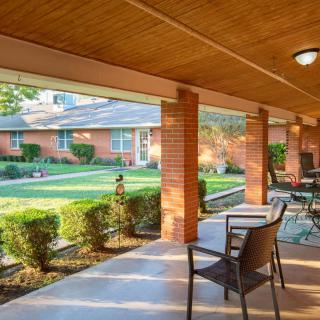
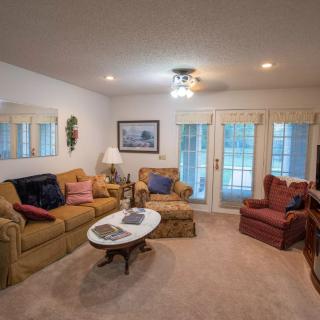
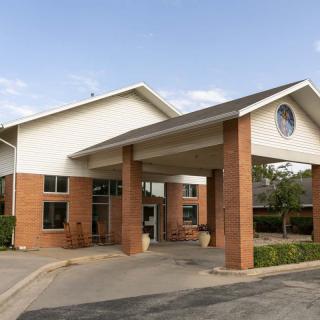
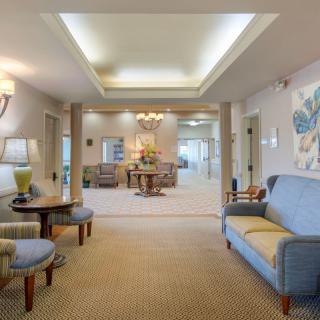
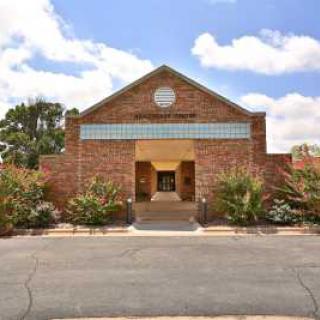
Wisteria Place Retirement Living on seniors.fyi includes 10 photos including images showing windows, living room, interior, landscaping, dining, building, chandelier, bedroom, and more.
Nearby Communities
Sears Methodist Retirement System, Inc
Abilene, TX
Diabetic care with on-site activities and strong nearby healthcare access.
Lyndale Abilene Memory Care
Abilene, TX
4.6 from 42 reviews
$4,995 to $5,825 / month
Loving staff in a homelike, town-square setting with engaging activities and restaurant-style dining.
Wisteria Place Independent Living
Abilene, TX
4.4 from 38 reviews
$2,035 / month
Friendly staff, engaging activities, and private cottages with in-house laundry.
Morada Abilene
Abilene, TX
4.2 from 78 reviews
$2,695 to $2,795 / month
Caring staff in a warm, clean environment with engaging activities.
Home Instead - Abilene, TX
Abilene, TX
5 from 31 reviews
Reliable companionship and caregiving that provides families peace of mind and attentive support.
Wisteria Place
Abilene, TX
4.3 from 19 reviews
$3,400 to $3,895 / month
Compassionate, attentive staff with strong family communication and engaging activities.
Lyndale Abilene Senior Living
Abilene, TX
4.7 from 66 reviews
$2,500 to $5,965 / month
Caring staff, clean environment, good meals, and a variety of activities with restaurant-style dining.
Mesa Springs Healthcare Center
Abilene, TX
4.4 from 42 reviews
Caring staff with strong therapy in a clean, spacious facility.
Reminiscence therapy helps individuals with dementia recall past memories through structured discussions and meaningful objects, enhancing mood, relationships, and sense of identity while celebrating their lives. It can be practiced in formal settings or at home, requiring sensitivity to personal histories and cultural backgrounds.
Reminiscence therapy is a structured method for older adults, especially those with dementia, to share life stories using prompts and sensory cues, fostering emotional well-being, social engagement, and self-identity. It aims to improve quality of life by enhancing interpersonal connections and cognitive stimulation while requiring careful facilitation to avoid distressing memories.
Dementia, particularly Lewy body dementia, often involves hallucinations that can significantly distress both patients and caregivers due to disruptions in sensory processing and neurotransmitter imbalances. Effective management includes compassionate communication, environmental adjustments, and a multidisciplinary approach to care while addressing the emotional needs of caregivers.
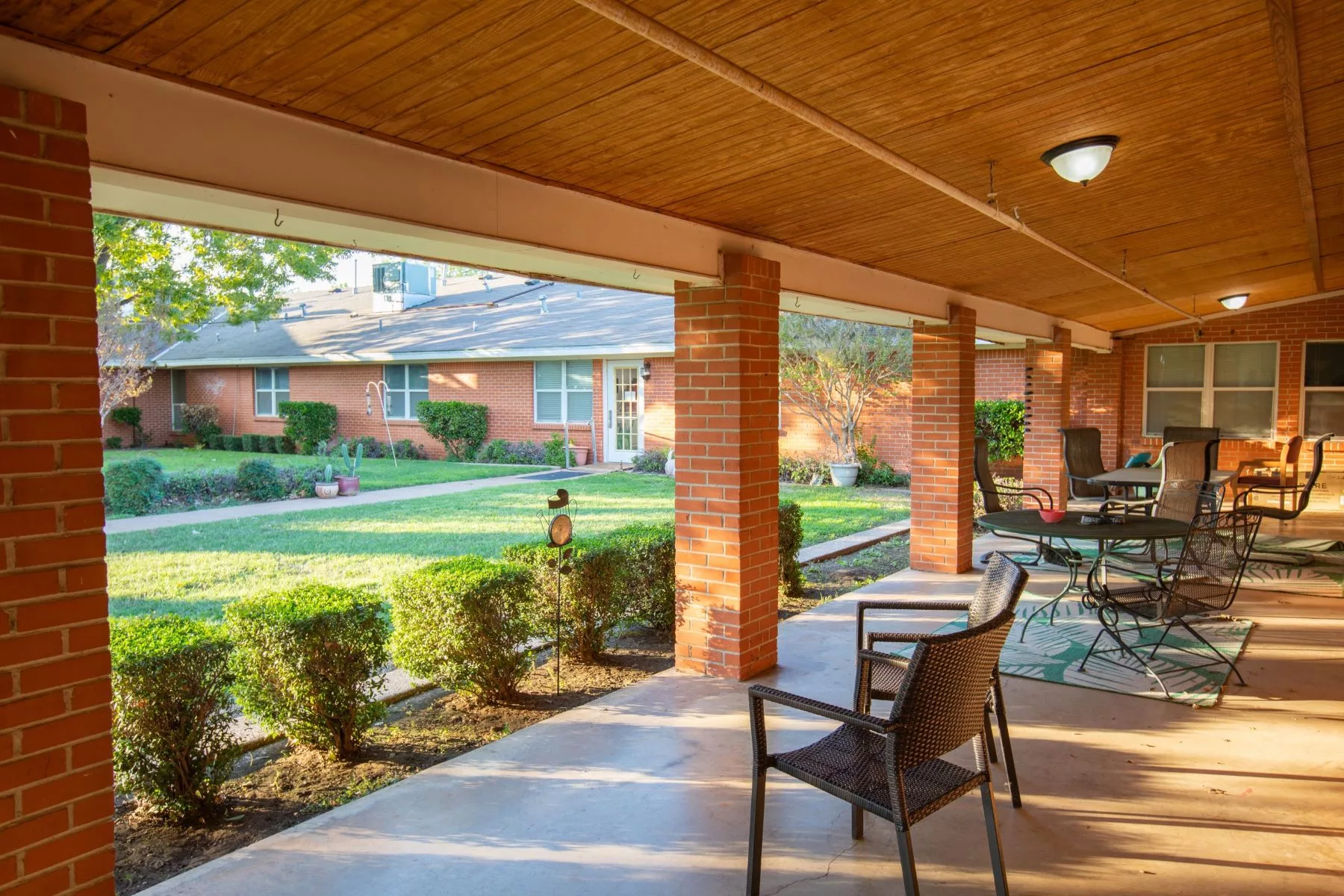
Garden, Patio, Outdoor Seating, and Brick Building
Artwork
Television, Fireplace, and Bookshelves
Chandelier
Grass and Tree
Elevator
Get PricingAsk A QuestionSchedule A TourContact Senior Advisor
By clicking submit, you agree to our Partner's Terms of Use. You
also consent to receive calls and texts, which may be autodialed, from our Partner. Your consent is not a condition to
using our Partner's service. Please visit our Partner's Privacy Policy for information about their privacy practices.



 82 resident community capacity
 Assisted Living
 Independent Living
 Memory Care
 Air-conditioning
 Beauty salon
 Cable or satellite TV
 Computer center
 Dining room
 Fitness room
 Fully furnished
 Gaming room
 Garden
 Housekeeping services
 Kitchenette
 Move-in coordination
 Outdoor patio
 Outdoor space
 Private bathrooms
 Restaurant-style dining
 Small library
 Telephone
 Wellness center
 Wi-Fi/high-speed internet available
 Abilene Regional (5 miles away)
 Community operated transportation
 12-16 hour nursing
 24-hour call system
 Activities of daily living assistance
 Assistance with bathing
 Assistance with dressing
 Assistance with transfers
 Diabetes diet
 Medication management
 Mental wellness program
 Special dietary restrictions
 Transportation arrangement (medical)
 Concierge services
 Planned day trips
 Diabetic care with on-site activities and strong nearby healthcare access.


 Exploring the Power of Reminiscence Therapy for Individuals With Dementia
 An In-Depth Look at Reminiscence Therapy in Dementia Care
 Dementia-Related Hallucinations: Causes, Experiences, and Practical Approaches