


3202 S Willis St, Abilene, TX 79605
To contact a resident: (325) 692-6
For more information about senior living options: (866) 208-4318
Wisteria Place Costs & Pricing
Wisteria Place offers competitively priced accommodations compared to the broader market in Taylor County and the state of Texas. For a studio, Wisteria Place charges $3,400 per month, which is notably lower than the county's average of $4,444 and also more affordable than the statewide average of $3,758. Similarly, the 1-bedroom unit at Wisteria Place is priced at $3,895, providing residents with a cost-effective option compared to Taylor County's average of $4,523 and aligning closely with Texas's overall average of $3,761. This positioning suggests that Wisteria Place not only prioritizes affordability but also enhances its appeal as an attractive choice for potential residents seeking quality living space without exceeding their budget.
| Floor plans | Wisteria Place | Taylor County | Texas |
|---|---|---|---|
| Studio | $3,400 | $4,444 | $3,758 |
| 1 Bedroom | $3,895 | $4,523 | $3,761 |
Memory care communities with a similar price nearby
-
from +$126 / mo

Coronado Nursing Center
$3,526 to $6,014 / month3.2 miles away
Overall Review of Wisteria Place
Pros
 Wisteria Place offers multiple levels of care that fit residents' needs.
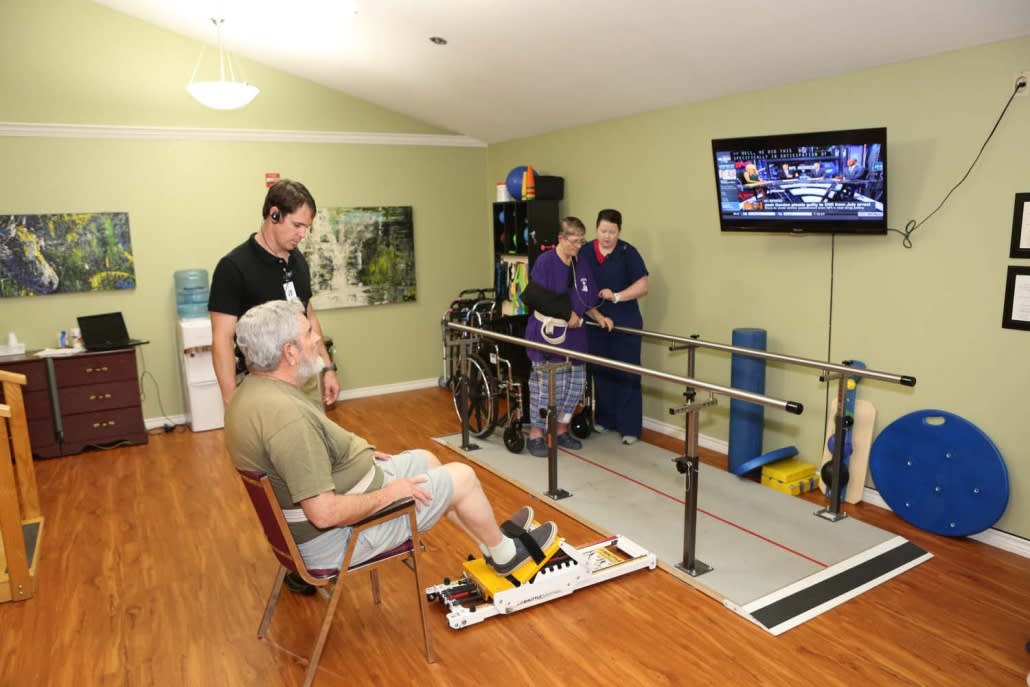
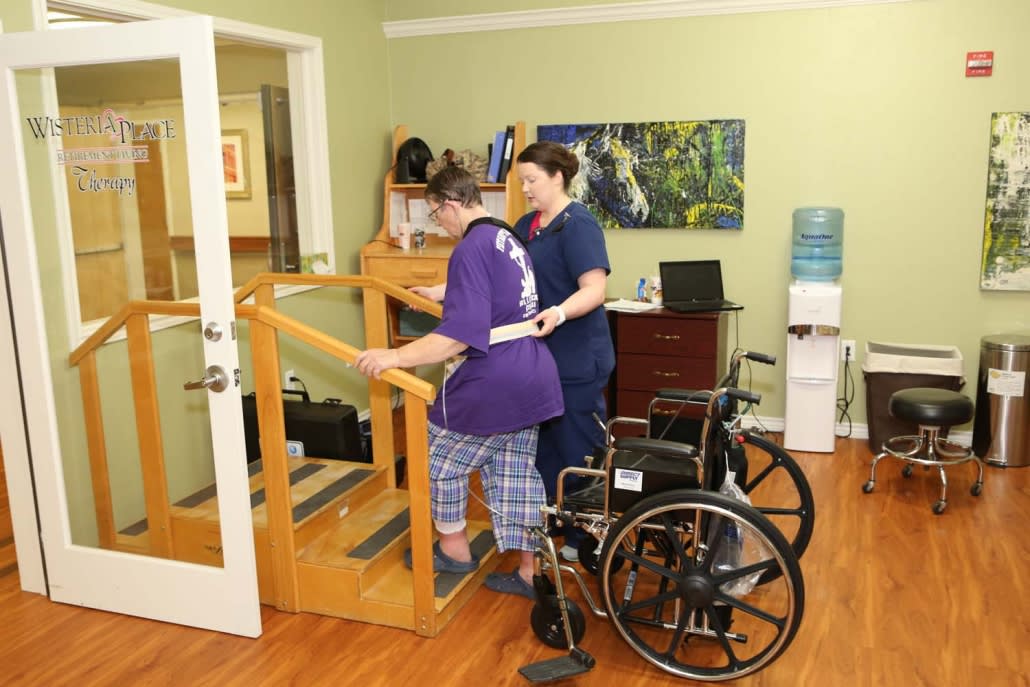
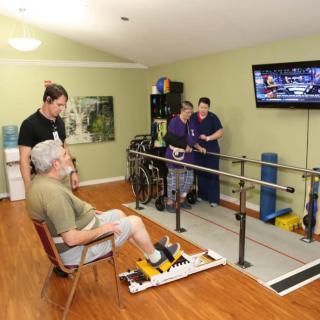
- They can accommodate rehab and independent living on the same grounds.
- The staff is friendly, caring, and well trained.
- The facility's level of care is outstanding, and the staff go above and beyond.
- Residents enjoy the meals and dining options.
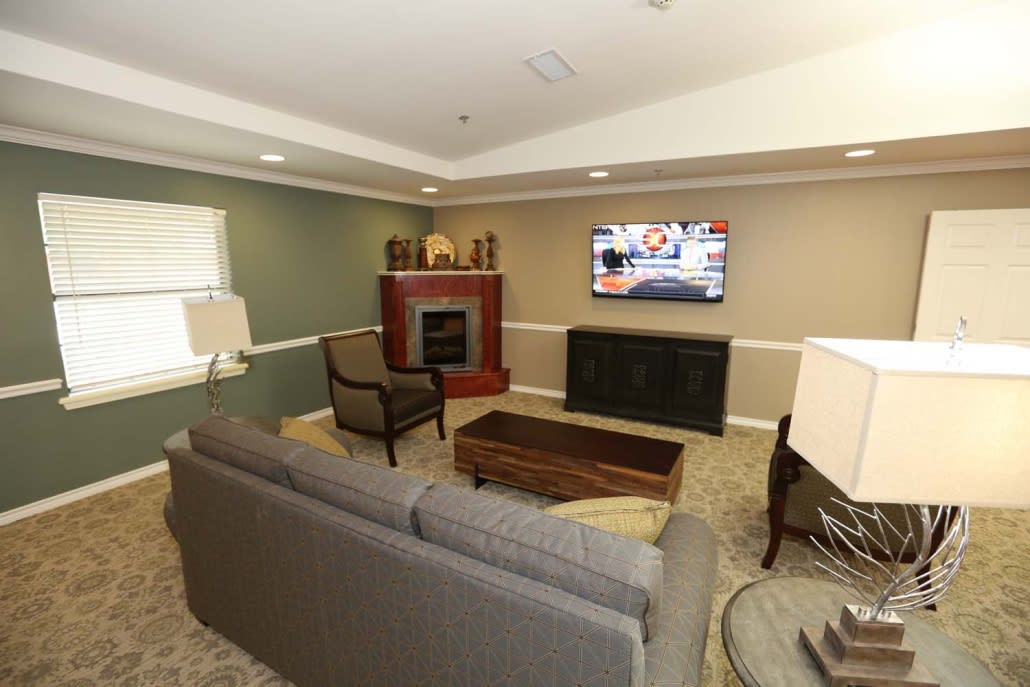
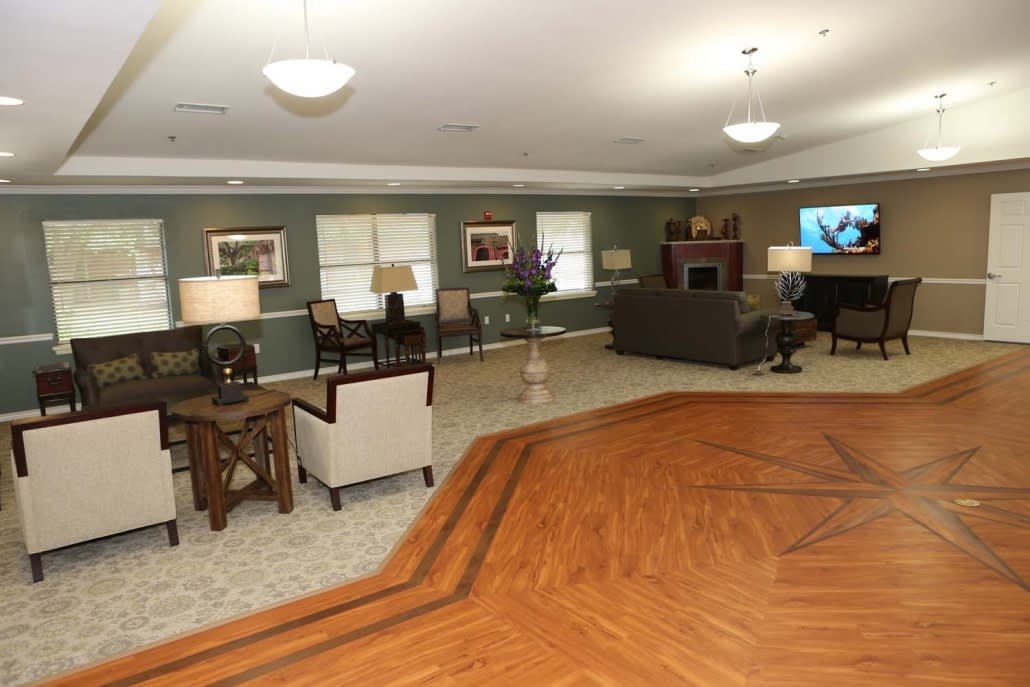
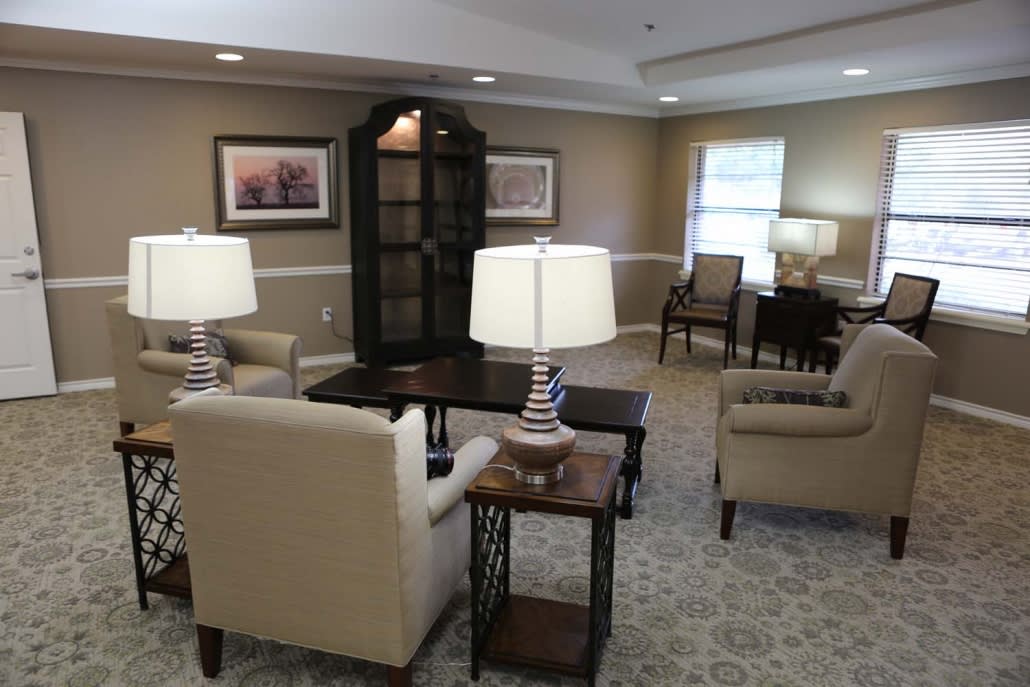
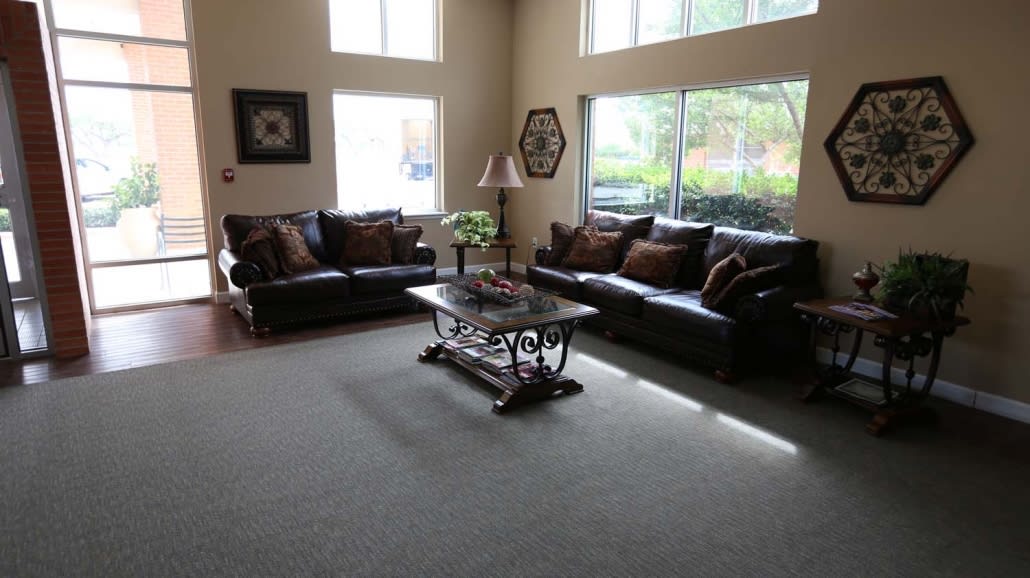
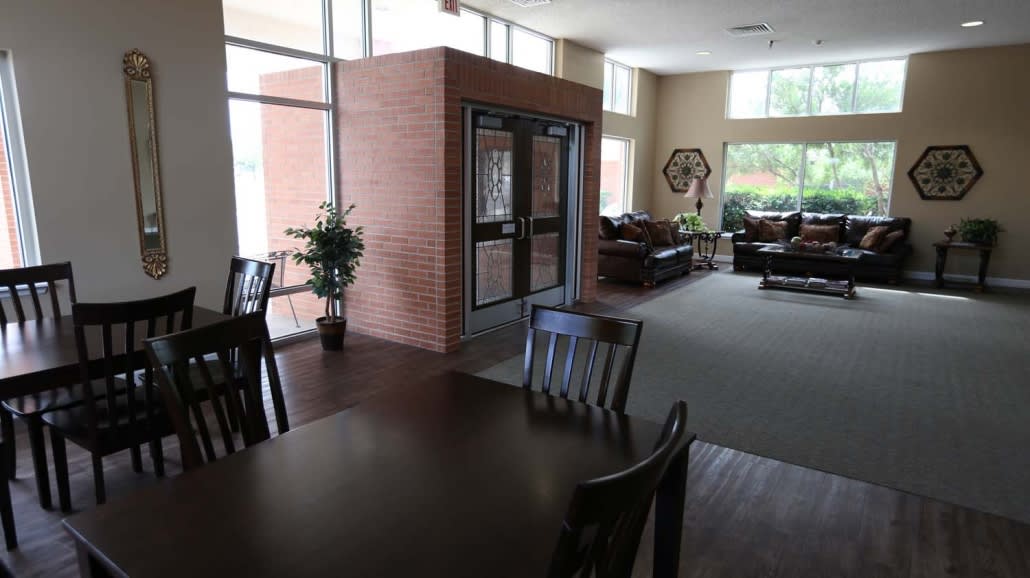
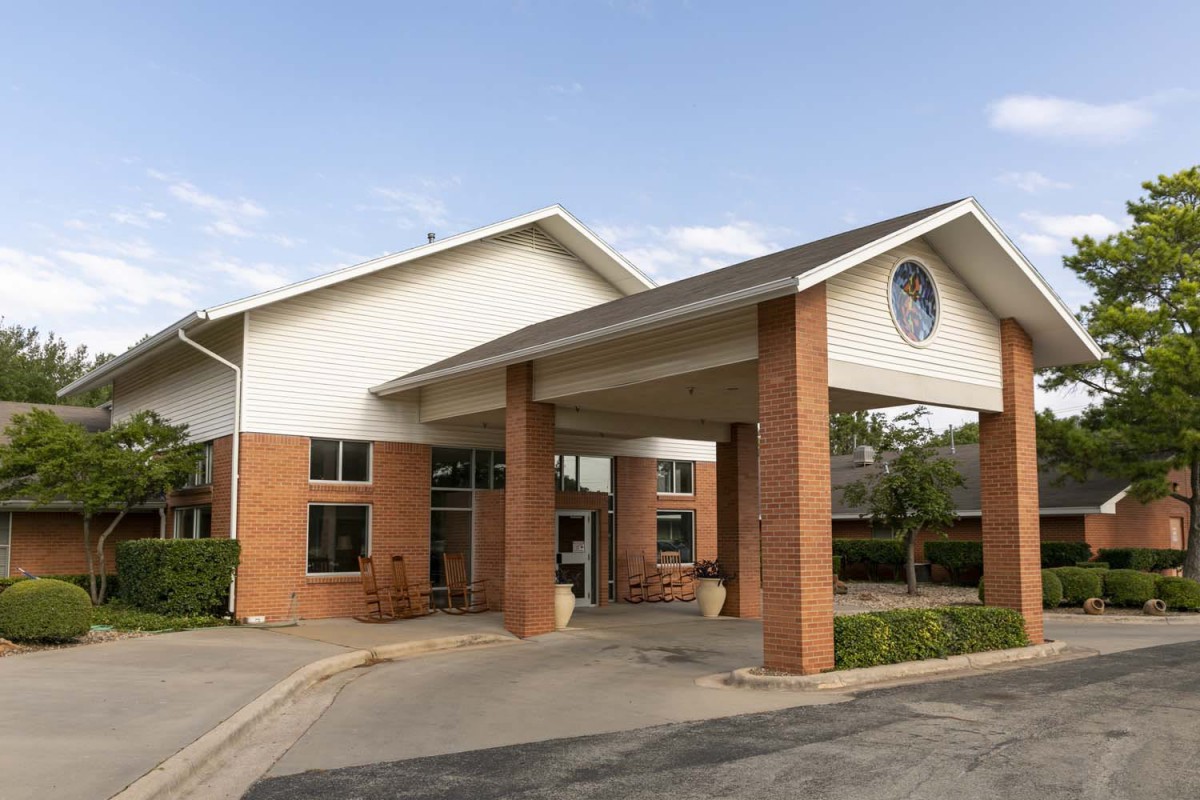
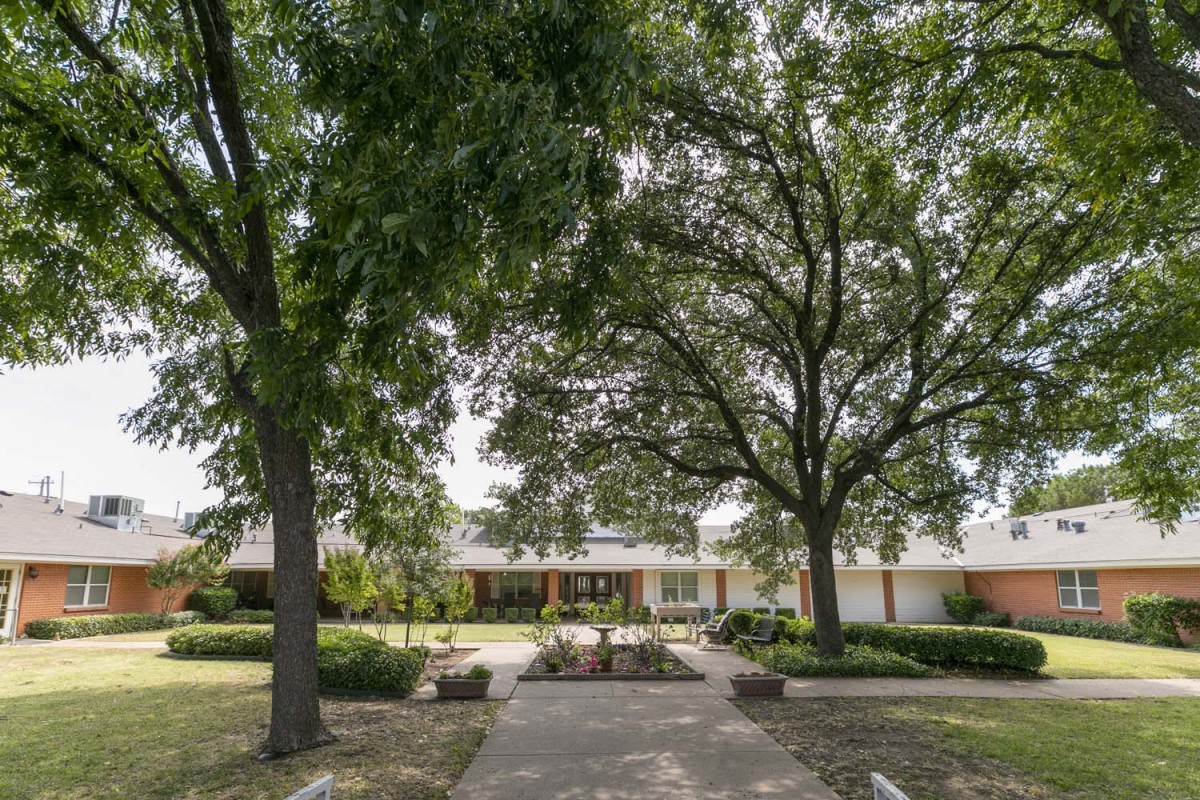
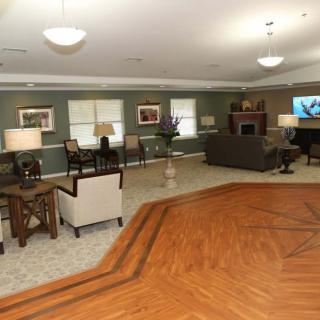
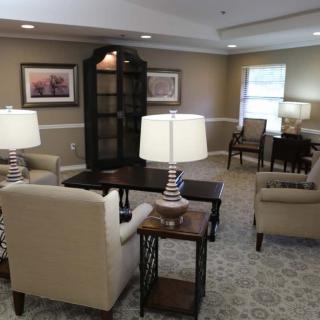
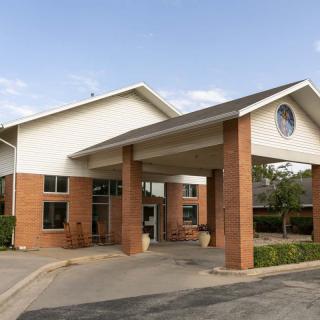
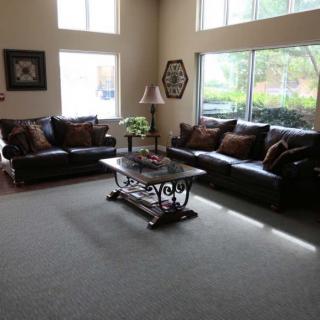
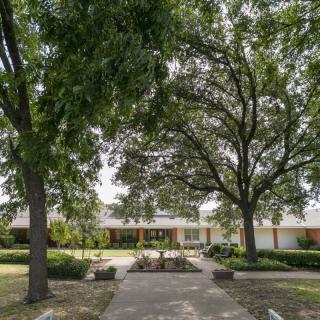
- The property is clean, welcoming, and well maintained, with ongoing upgrades.
- There is a daily schedule of activities, including bingo, arts and crafts, workouts, card games, and Bible study.
- The community provides comprehensive care services, including transfers, feeding and bathing assistance, and medication management.
- Families feel confident that the staff provide loving, attentive care.
Cons
 The facility did not appear to be clean or well kept.
- The food could use improvement.
- The activities declined after the activities director left.
- The community is expensive; the value is priced high.
- Care services required reminders to supervise medication administration.
Review
Wisteria Place in Abilene, TX is best suited for seniors who want a campus-style experience with several levels of care on one campus, including independent cottages, assisted living, and memory care, plus on-site medical access. It works well for families who value a hands-on staff culture, predictable budgeting, and convenient transportation to appointments and outings. The campus layout fosters continuity of care, so transitions, from independent living to assisted living, and into memory care when needed, can occur without uprooting the resident to a new facility. The strongest cases come from families who prioritize warmth, clear communication, and a integrated approach to daily living.
Those who should consider alternatives are residents with high-acuity needs that will demand sustained skilled nursing or complex medical interventions, as well as families prioritizing pristine new construction or ultra-tight food programs. Several reviews flag that the affiliated rehab facility in a separate building is not ideal for everyone, and one family warned that if full daily assistance is required, Wisteria Place may not be the best long-term fit. Cleanliness and dining quality can be uneven in some visits, and transitions in activities leadership have at times disrupted programming. In short, there is a meaningful mismatch risk for residents who require constant, intensive hands-on care or who insist on a consistently top-tier dining experience.
The primary strengths lie in the caregiving culture and the practical, on-site capability. The staff are repeatedly described as friendly, well-trained, and genuinely devoted to residents, with many families noting that caregivers go “above and beyond” and communicate well during difficult times. The ability to bring a physician to the facility and to have integrated medical oversight reduces friction for families managing appointments and medications. Transportation to doctors’ visits is a reliable plus, and the campus structure supports a seamless progression from independent living to assisted living and memory care when needed. These advantages reinforce a sense of security that staff can respond effectively as care needs evolve.
Budgeting and value also come into play. The base rate’s inclusions, utilities, meals, housekeeping, and linens, simplify monthly planning and can mitigate sticker shock. A physically smaller, more intimate campus with cottages adds a homey feel that appeals to families seeking personal attention without the clinical distance sometimes found in larger communities. Even when aspects like meals or certain activities don’t immediately meet every preference, the overall package, care continuity, accessible medical staff, and predictable costs, tresents a practical offset for most prospective residents who prioritize stability and staff reliability over pristine new construction or uniform dining experiences.
Assessment on tours should focus on how care is actually delivered day-to-day. Prospective families should verify medication management routines and how nurse oversight is implemented, since at least one account noted reminders about proper dosing. Visiting during meal service and meeting the dining director can clarify how well the kitchen can accommodate dietary preferences and special needs, given the mixed feedback on food among some reviewers. It is also essential to review the activity calendar and meet the activities director to understand current programming and how quickly it can rebound after leadership changes. Finally, tour the rehab area with questions about the fit for residents who might require temporary skilled care versus longer-term memory support.
Overall, Wisteria Place stands out as a practical, experienced option for families seeking a trusted, all-in-one living environment with ready access to care. It is especially compelling for those who prize responsive staff, coordinated medical oversight, and a budget-conscious approach that still delivers meaningful services. The campus is most compelling for residents who can function with varying levels of assistance over time and who want the reassurance that transitions between care levels will occur within the same community. For families prioritizing newer construction, exceptional dining consistency, or acute nursing needs, it warrants careful comparison with alternatives that might better align with those particular expectations.
 Assisted Living
 Memory Care
 Cats allowed
 Dogs allowed
 Activities off-site
 Air-conditioning
 Beautician on-site
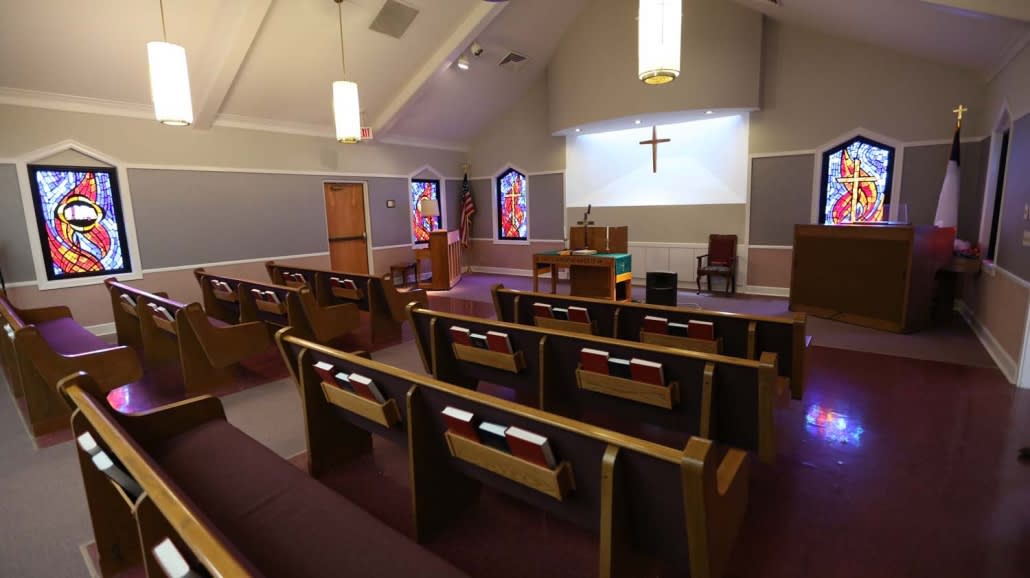
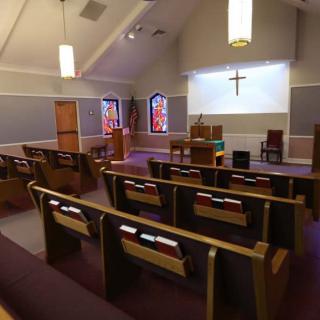
 Devotional services on-site
 Ground floor units
 Handicap accessible
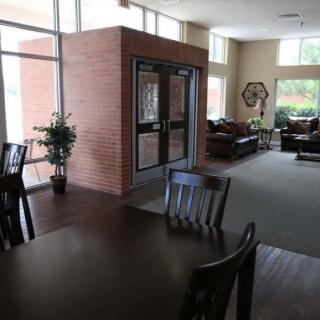
 Indoor common areas
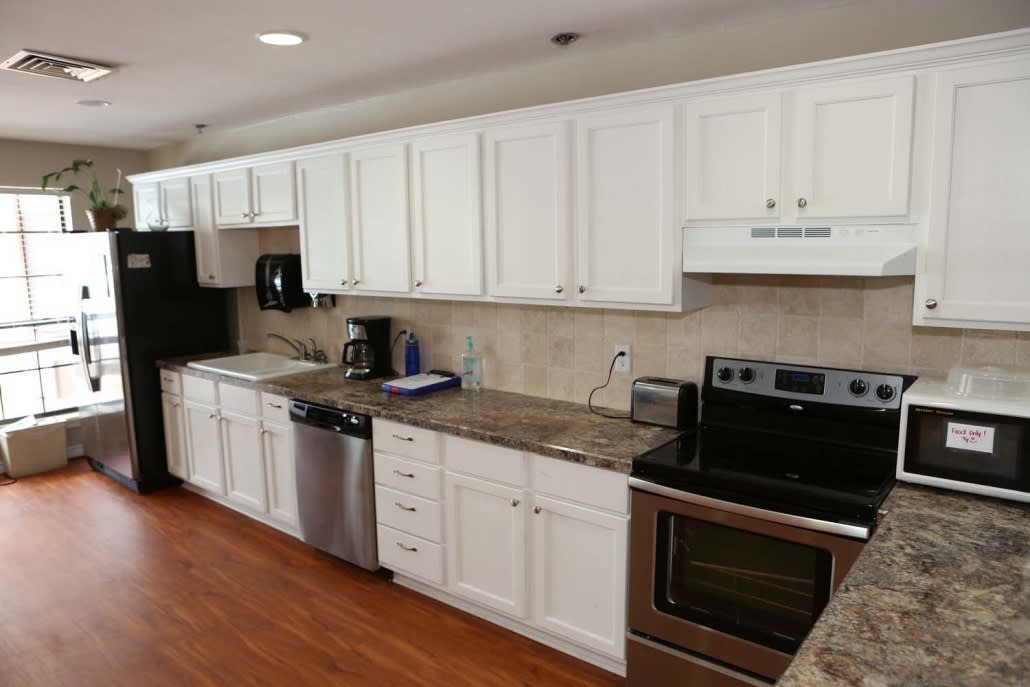
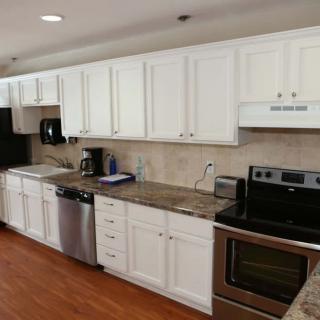
 Kitchenette
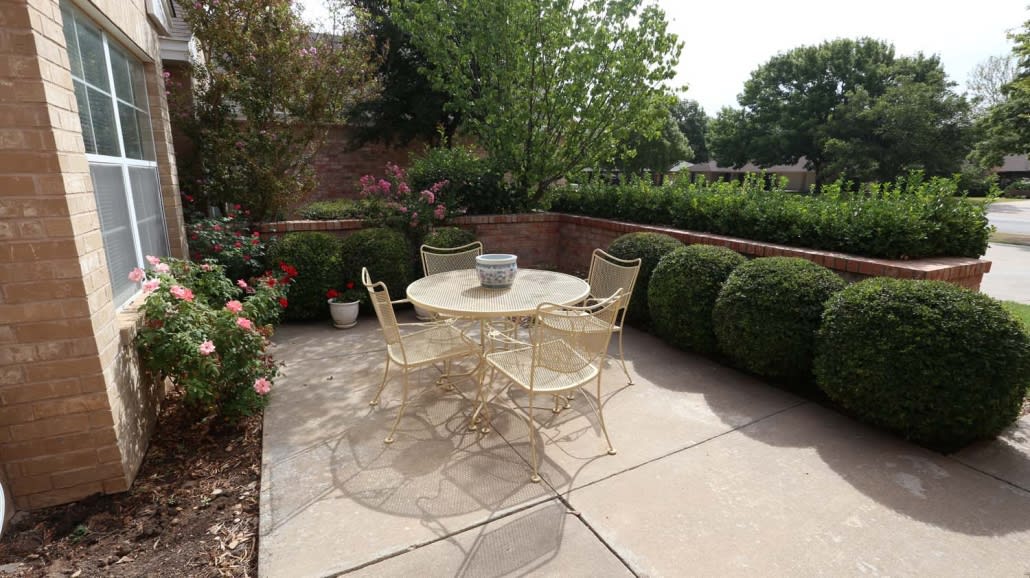
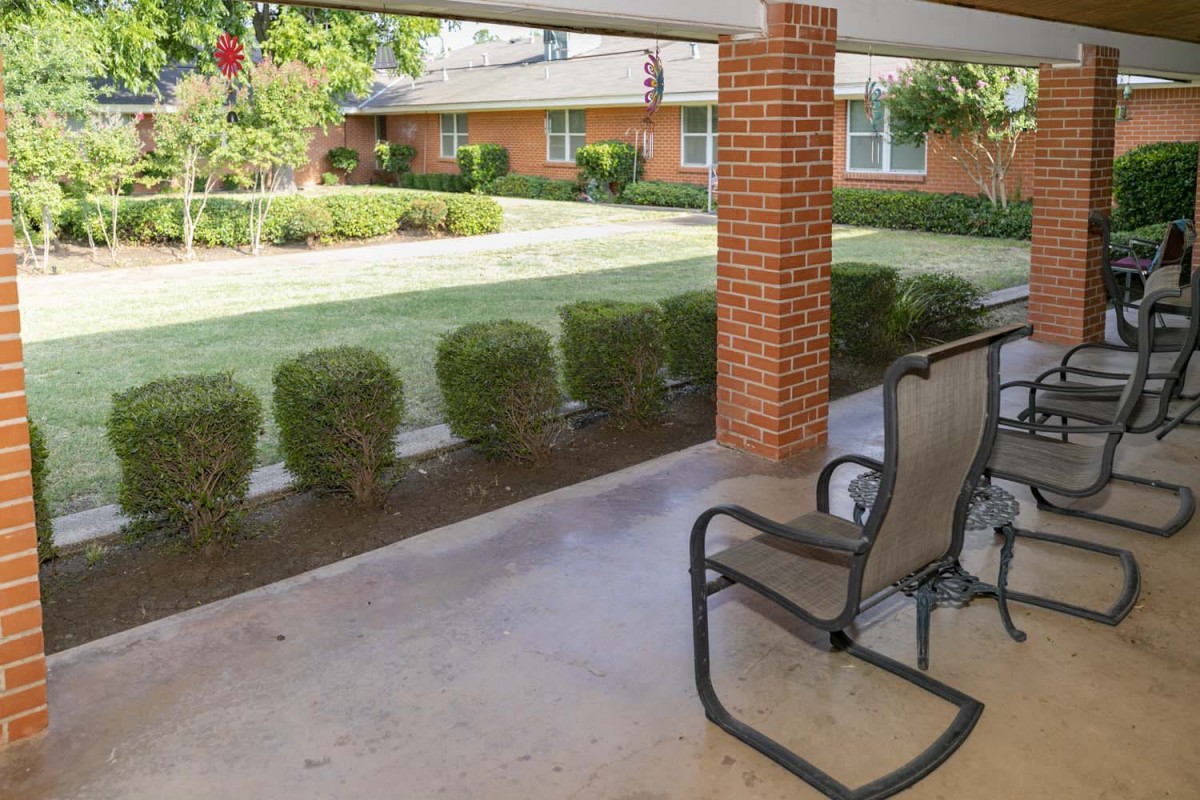
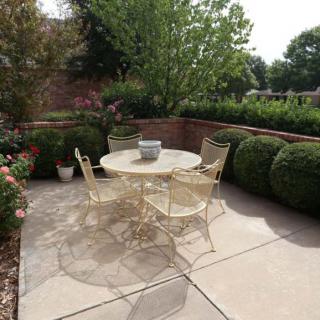
 Outdoor common areas
 Respite or short term stays offered
 Wheelchair accessible showers
 Wi-Fi/high-speed internet available
 Abilene Regional (6 miles away)
 Ambulatory care
 Diabetic care
 Incontinence care
 Medication management
 Meals provided
 Art classes
 Day trips and outings
 Karaoke
 Live dance or theater performances
 Live musical performances
 Stretching classes
 Trivia games
 Wii bowling





 A Thorough Discussion of Medications Potentially Linked to Dementia Risk
 Why Do Dementia Patients Sleep So Much? Understanding Oversleeping, Stages, and Care Approaches
 8 Key Indicators That Suggest It May Be Time to Transition from Assisted Living to Skilled Nursing Care