Lyndale Abilene Memory Care offers competitive pricing for its memory care services, with monthly costs reflecting the quality of care provided. For a semi-private room, residents can expect to pay $4,995 per month, which is notably higher than both the average cost in Taylor County at $3,605 and the state average in Texas at $3,680. Similarly, the studio option is priced at $5,825, exceeding the county's average of $4,444 and the state's average of $3,758. While these figures suggest that Lyndale Abilene positions itself at a premium price point compared to its local and state counterparts, this investment likely translates to enhanced services and personalized care tailored to meet the unique needs of its residents.
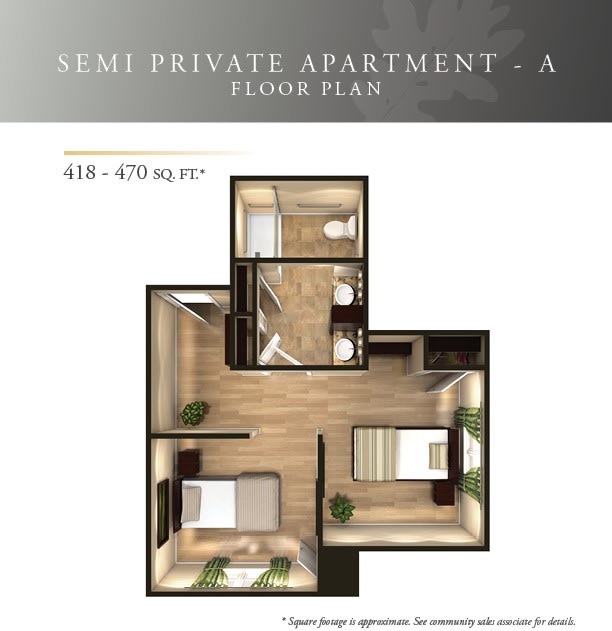
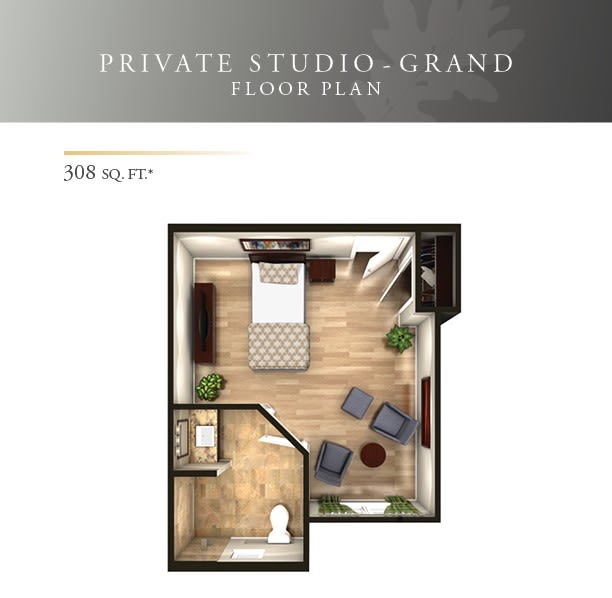
Floor plans
Lyndale Abilene Memory Care
Taylor County
Texas
Semi-Private
$4,995
$3,605
$3,680
Studio
$5,825
$4,444
$3,758
Memory care communities with a similar price nearby
Restaurant-style dining and chef-prepared meals are frequently called out.
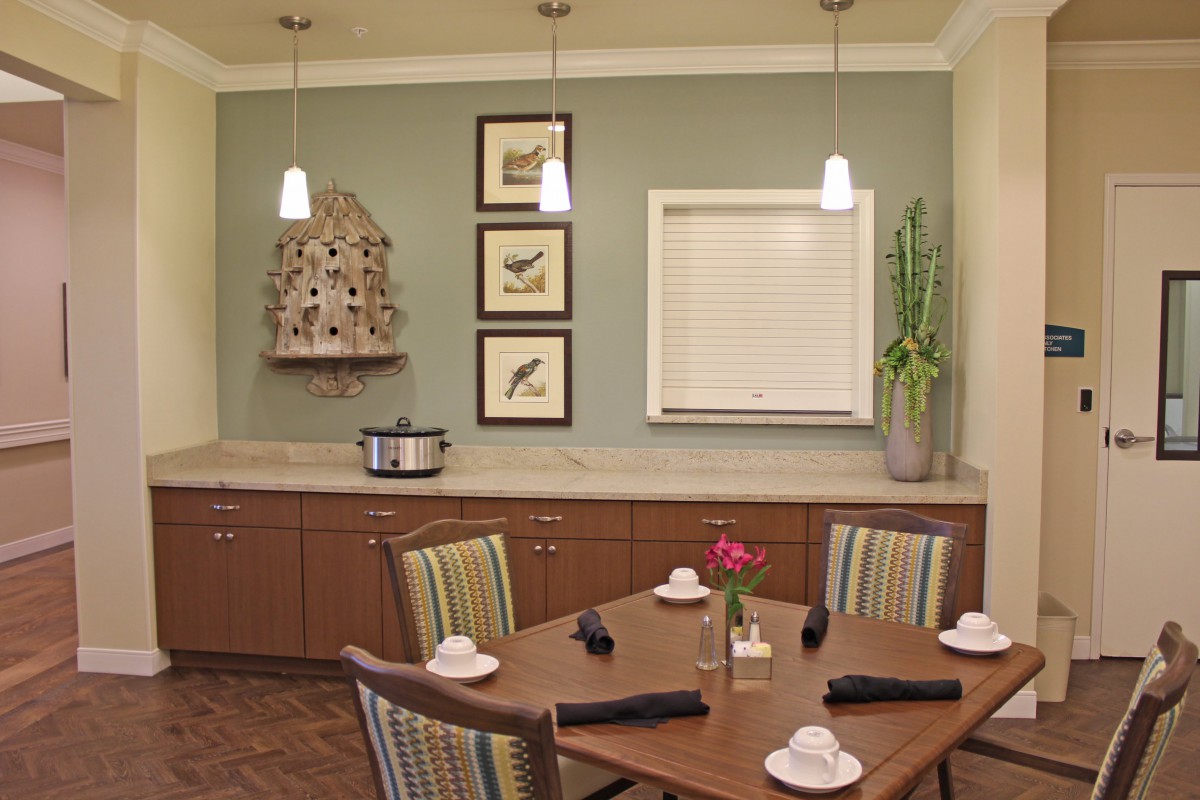
Many residents and families describe the meals and dining experience as a standout, including references to dining rooms rather than a cafeteria setup. Several mention the food as consistently good, even specifically noting restaurant-quality or chef-prepared meals. Even when reviewers didn’t eat there themselves, they still comment on what was served during visits, like snacks and tea.
common11 reviews mention this
Activities keep residents engaged
Daily programming and frequent events come up repeatedly.
Residents describe a steady schedule of activities, with reviewers citing things like organized programs, social time, and engagement throughout the day. Families also mention activity spaces and approaches that encourage residents to participate, including setup like a town center environment. Some reviewers highlight variety in what’s offered, from group activities to smaller, creative and devotional options.
differentiator6 reviews mention this
Memory care feels structured and secure
Residents describe memory care support focused on safety and training.
Several reviews say the staff is specifically trained in memory care, and families feel their loved one is safe and secure. Multiple mentions also focus on preventing wandering and maintaining a controlled environment for people with memory problems. A few reviewers contrast the approach to a more institutional feel, describing training that emphasizes treating the resident’s home as the context for care.
caveat3 reviews mention this
Pricing and insurance can be tough
Cost and billing policies are recurring concerns in reviews.
Some reviewers call out affordability, including one remark that the price is expensive and another saying the community doesn’t take insurance. There’s also a complaint about a billing-related notice fee tied to moving timelines, described as distressing for the family. While many reviews are positive overall, these cost and billing points show up as clear drawbacks.
How we summarize
Counts show how many written reviews mention each theme; a review can touch several themes, and only frequently mentioned themes are displayed.
Features
Housing
64 resident community capacity
Studio apartments
Types of Care
Memory Care
Pets
Cats allowed
Dogs allowed
Amenities
Activities off-site
Activities on-site
Air-conditioning
Beautician on-site
Beauty salon
Cable or satellite TV
Computer center
Devotional services off-site
Devotional services on-site
Dining room
Fitness room
Fully furnished
Gaming room
Garden
Ground floor units
Handicap accessible
Housekeeping services
Indoor common areas
Kitchenette
Move-in coordination
Outdoor common areas
Outdoor space
Private bathrooms
Restaurant-style dining
Small library
Telephone
Wellness center
Wheelchair accessible showers
Wi-Fi/high-speed internet available
Transportation
Abilene Regional (5 miles away)
Community operated transportation
Transportation arrangement
Care Services
24-hour call system
24-hour supervision
Activities of daily living assistance
Ambulatory care
Assistance with bathing
Assistance with dressing
Assistance with transfers
Diabetes diet
Diabetic care
Incontinence care
Meal preparation and service
Medication management
Mental wellness program
Mild cognitive impairment
Special dietary restrictions
Specialized memory care programming
Dining
Diabetes diet
Guest meals
Low / no sodium
Meals provided
No Sugar
Professional chef
Restaurant style dining
Room service
Special dietary restrictions
Special dining programs
Activities
Art classes
Catholic services
Community-sponsored activities
Concierge services
Cooking classes
Day trips and outings
Devotional activities offsite
Devotional activities on-site
Educational speakers / life long learning
Fitness programs
Karaoke
Live well programs
Planned day trips
Protestant services
Resident-run activities
Scheduled daily activities
Visiting chaplain or priest
Wine tasting
Videos
Nearby Places of Interest
This section of Abilene, Texas offers a convenient and diverse array of amenities that may be appealing for senior living. With a variety of restaurants nearby, such as Torchy's Tacos and Olive Garden, seniors can enjoy a range of dining options. The proximity to hospitals like Hendrick Medical Center and pharmacies like Walmart Pharmacy ensures easy access to healthcare services. Additionally, there are several theaters, cafes, and parks in the area for entertainment and recreation. With a mix of medical facilities, dining options, and recreational activities all within close proximity, this part of Abilene provides a well-rounded environment for seniors looking to settle in the area.
Restaurants
Torchy's Tacos (0 miles)
Blue Sky Texas (0.1 miles)
Cheddar's Scratch Kitchen (0.2 miles)
Cotton Patch Cafe (0.2 miles)
Raising Cane's Chicken Fingers (0.2 miles)
Jason's Deli (0.2 miles)
Olive Garden (0.3 miles)
Theaters
Century Theaters (0.3 miles)
Abilene PREMIERE LUX Cine 10 Abilene Mall (0.8 miles)
Hospitals
Hendrick Medical Center (0.5 miles)
Hendrick Health System (0.5 miles)
Pharmacies
Walmart Pharmacy (0.5 miles)
CVS Pharmacy (1.1 miles)
Drug Emporium (1.1 miles)
Walgreens (1.6 miles)
Ty's Drug Store (1.6 miles)
Barnes & Williams Drug Center (1.6 miles)
United Supermarkets Pharmacy (1.7 miles)
Physicians
Lone Star Eye Associates (0.8 miles)
Teri Brooks Lovelace DDS MS PA (0.9 miles)
Clinical Pathology Labs (1 miles)
Abilene Premier Eye Care (1.4 miles)
West Texas Retina (1.5 miles)
NeoSculpt Laser Vein and Cosmetic Surgery (1.6 miles)
Lyndale Abilene Memory Care offers competitive pricing for its memory care services, with monthly costs reflecting the quality of care provided. For a semi-private room, residents can expect to pay $4,995 per month, which is notably higher than both the average cost in Taylor County at $3,605 and the state average in Texas at $3,680. Similarly, the studio option is priced at $5,825, exceeding the county's average of $4,444 and the state's average of $3,758. While these figures suggest that Lyndale Abilene positions itself at a premium price point compared to its local and state counterparts, this investment likely translates to enhanced services and personalized care tailored to meet the unique needs of its residents.
Lyndale Abilene Memory Care's comprehensive features are designed to create a supportive and nurturing environment that caters specifically to the needs of residents with dementia or Alzheimer's disease. The 24-hour supervision ensures safety and security, allowing residents to navigate their daily routines with confidence. Assistance with activities of daily living, including bathing, dressing, and transfers, helps maintain personal dignity while providing essential support for those who may struggle with these tasks due to cognitive decline. Incontinence care is discreetly managed to enhance comfort and well-being. Meal preparation and service are tailored to meet dietary requirements and preferences, ensuring nutritional needs are met without added stress for residents. Medication management plays a critical role in maintaining health and stability, while a mental wellness program supports cognitive engagement through meaningful activities. With specialized memory care programming that addresses various stages of cognitive impairment, every aspect of Lyndale Abilene Memory Care promotes a holistic approach to enhancing the quality of life for its residents.
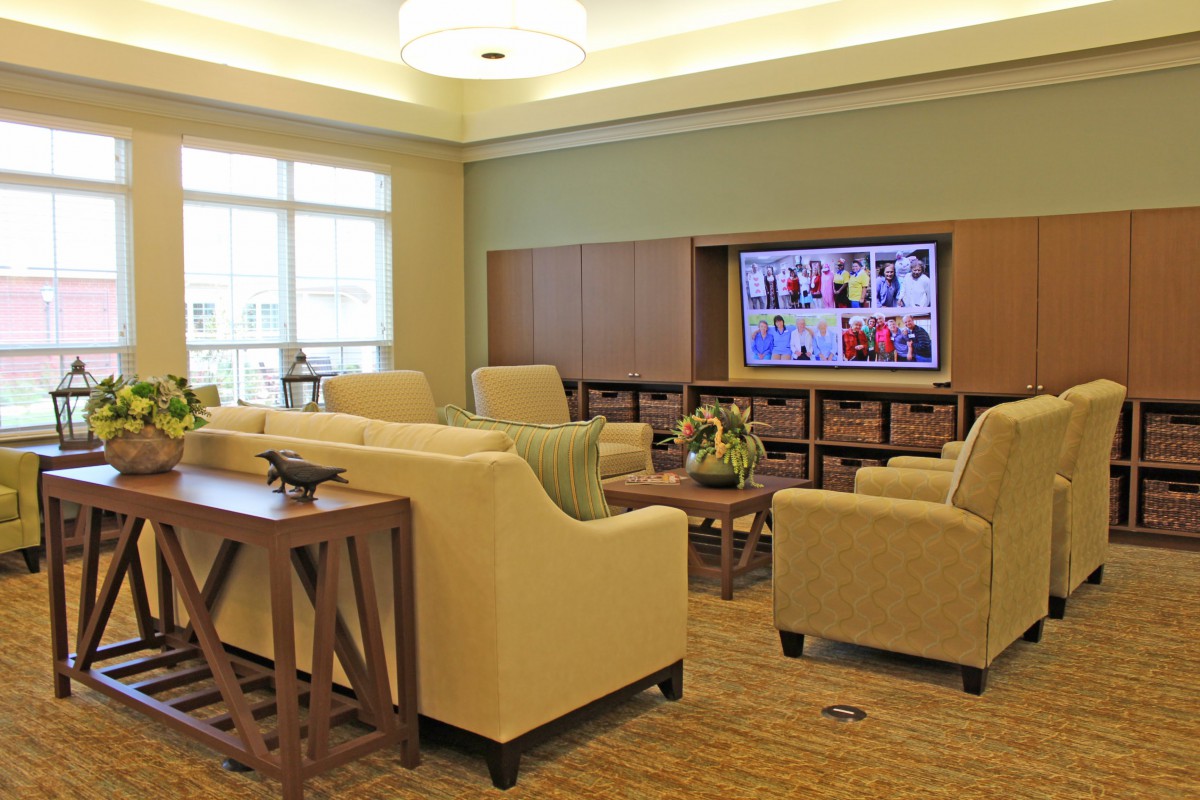
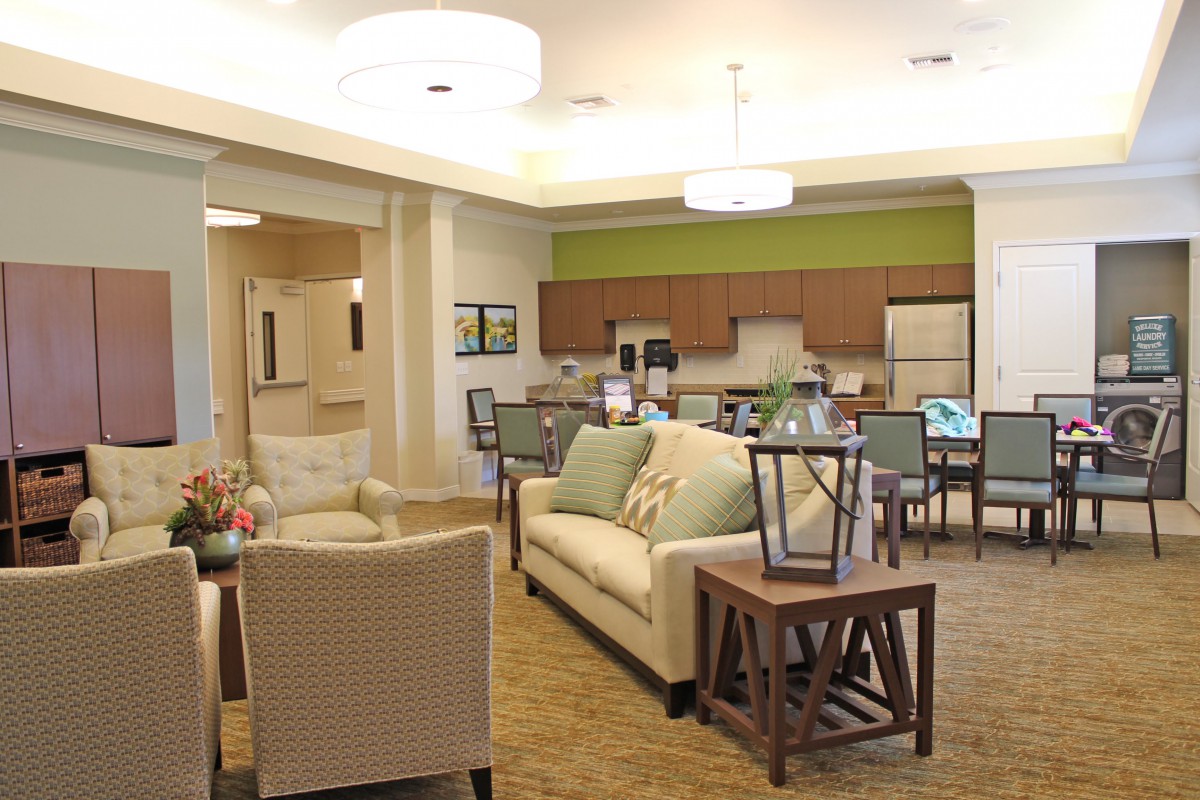
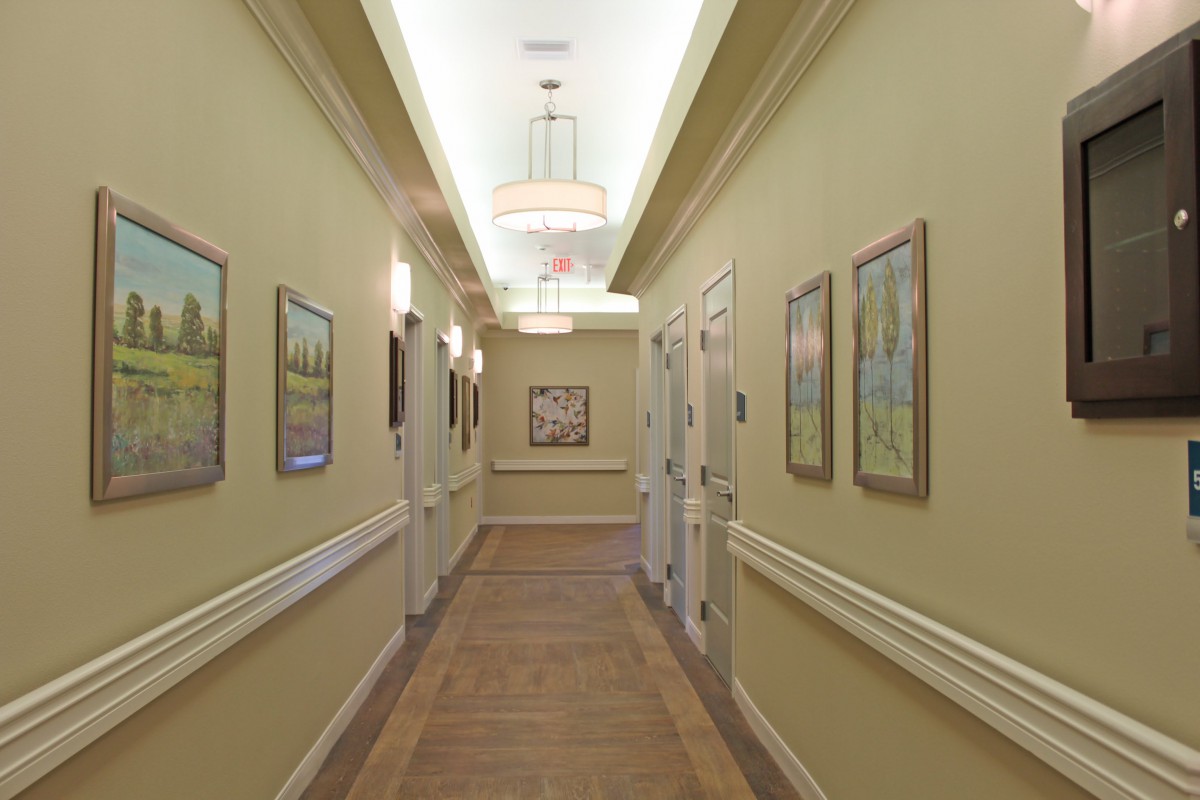
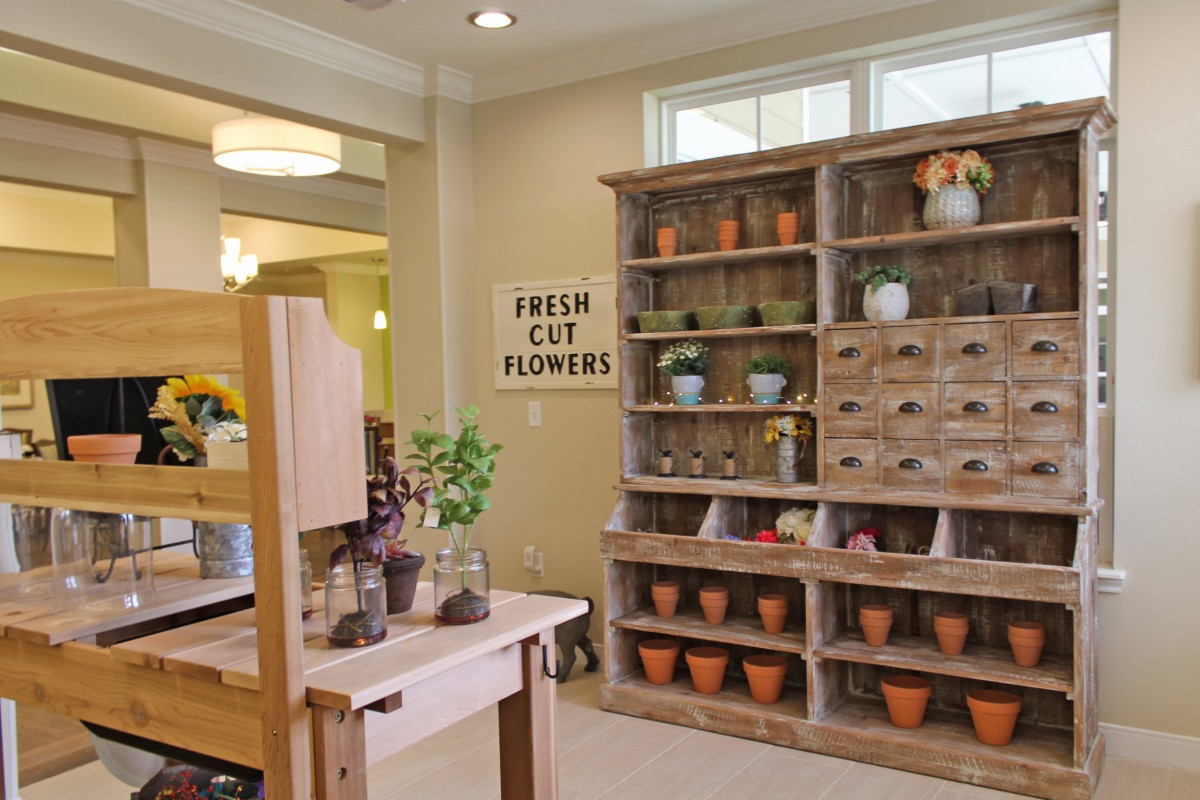
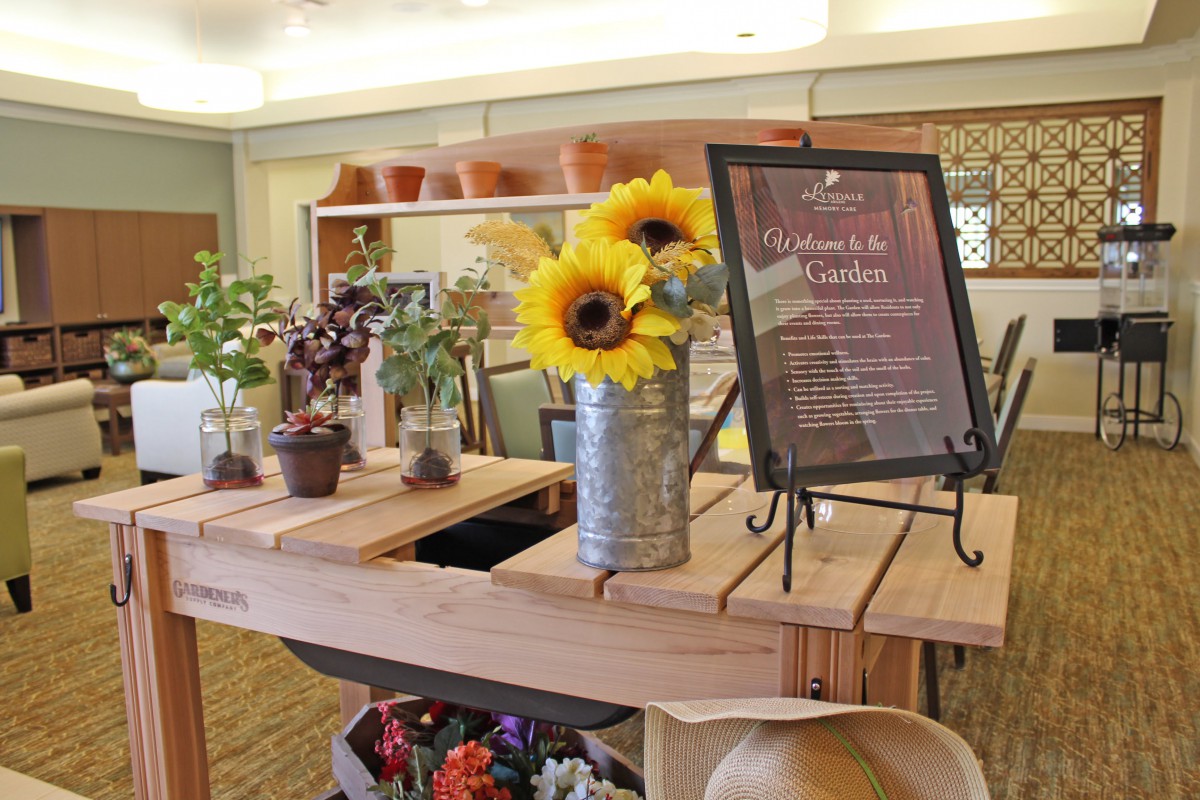
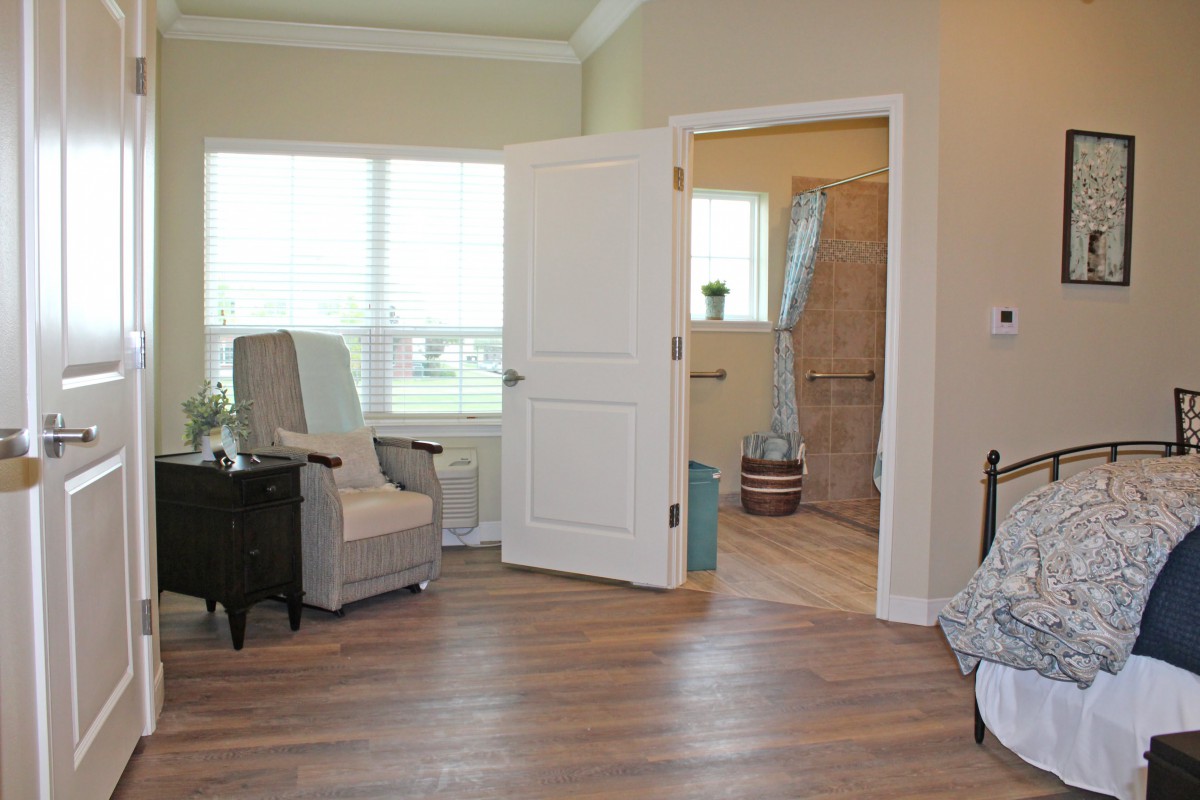
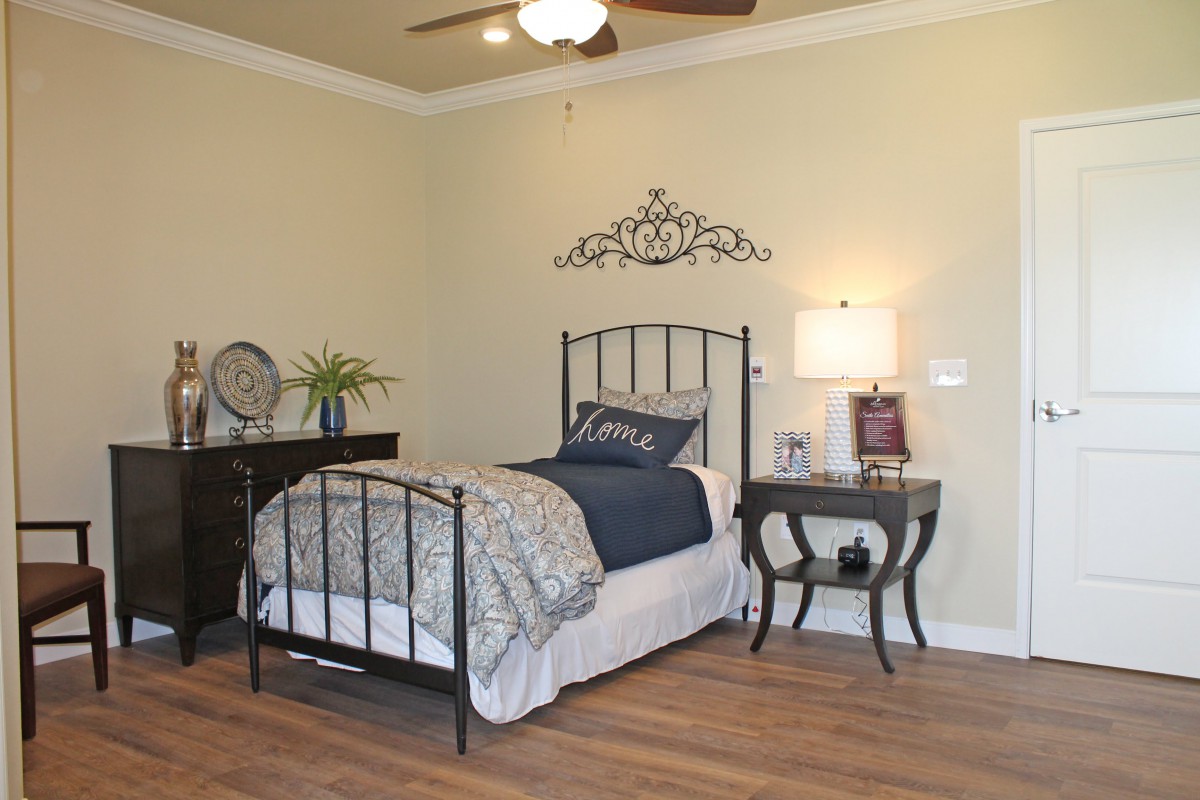
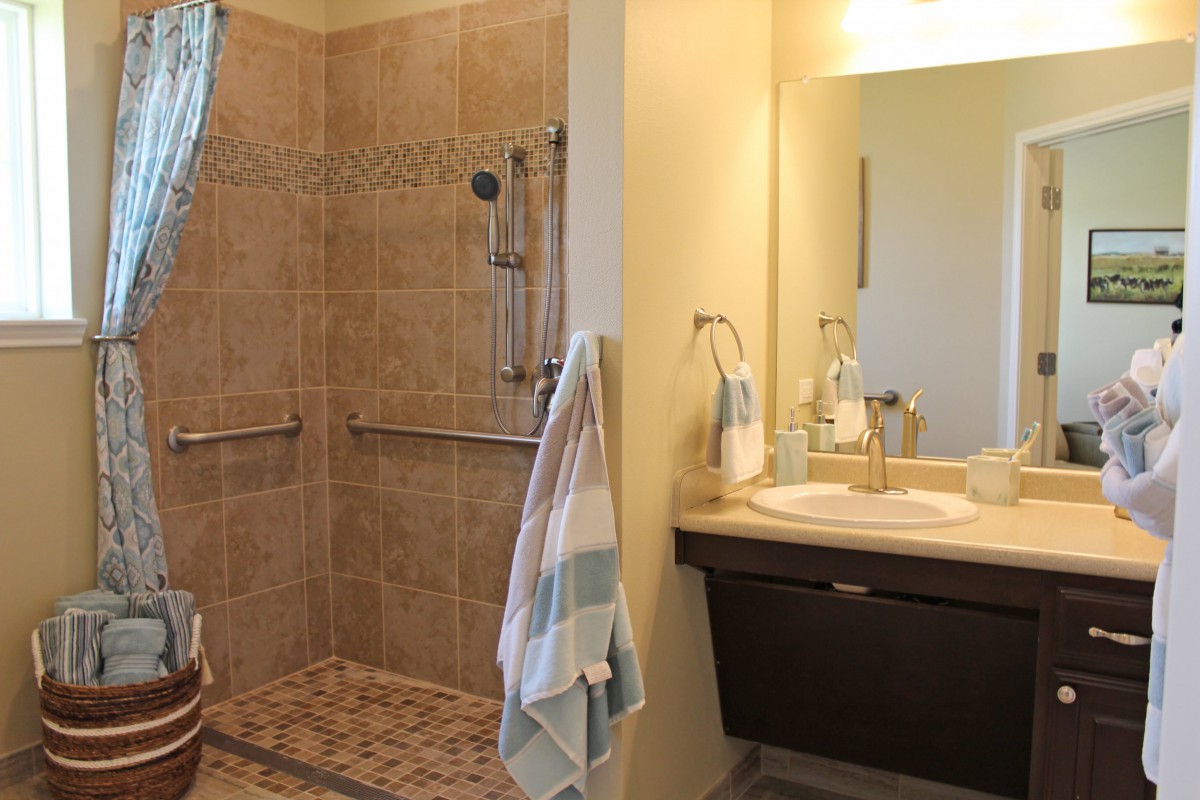
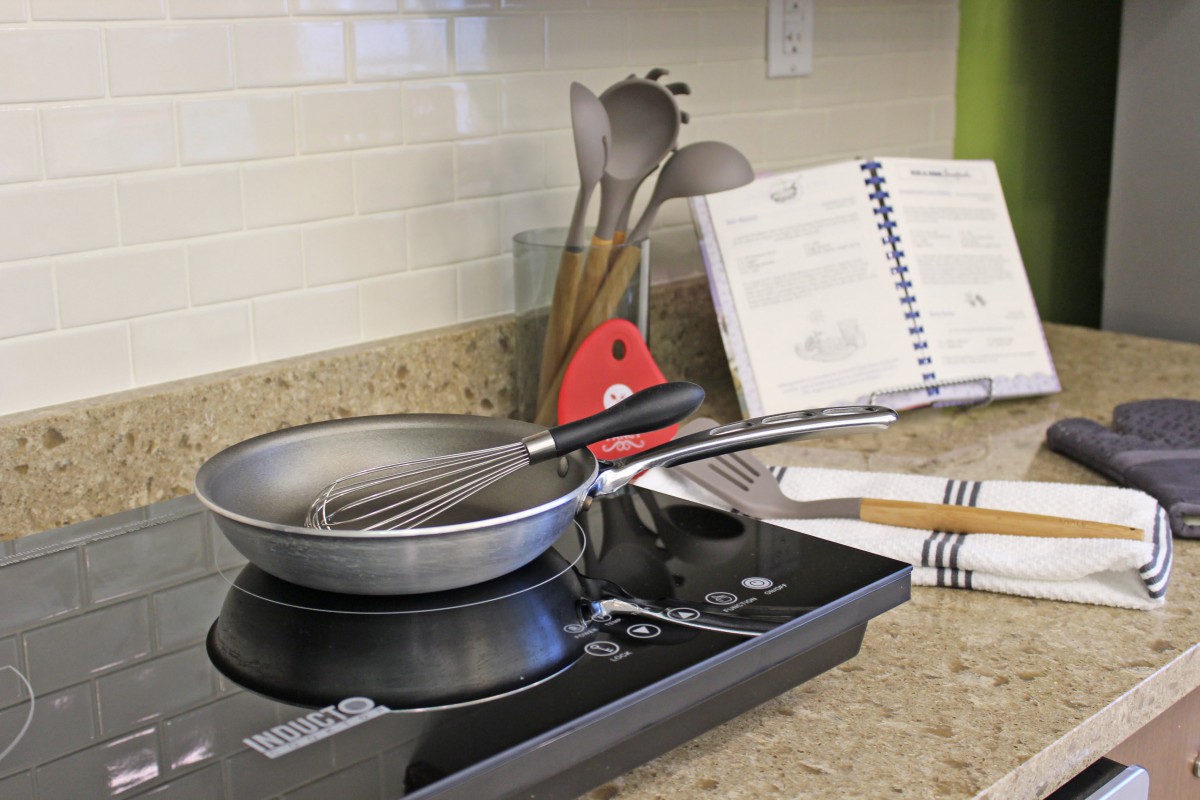
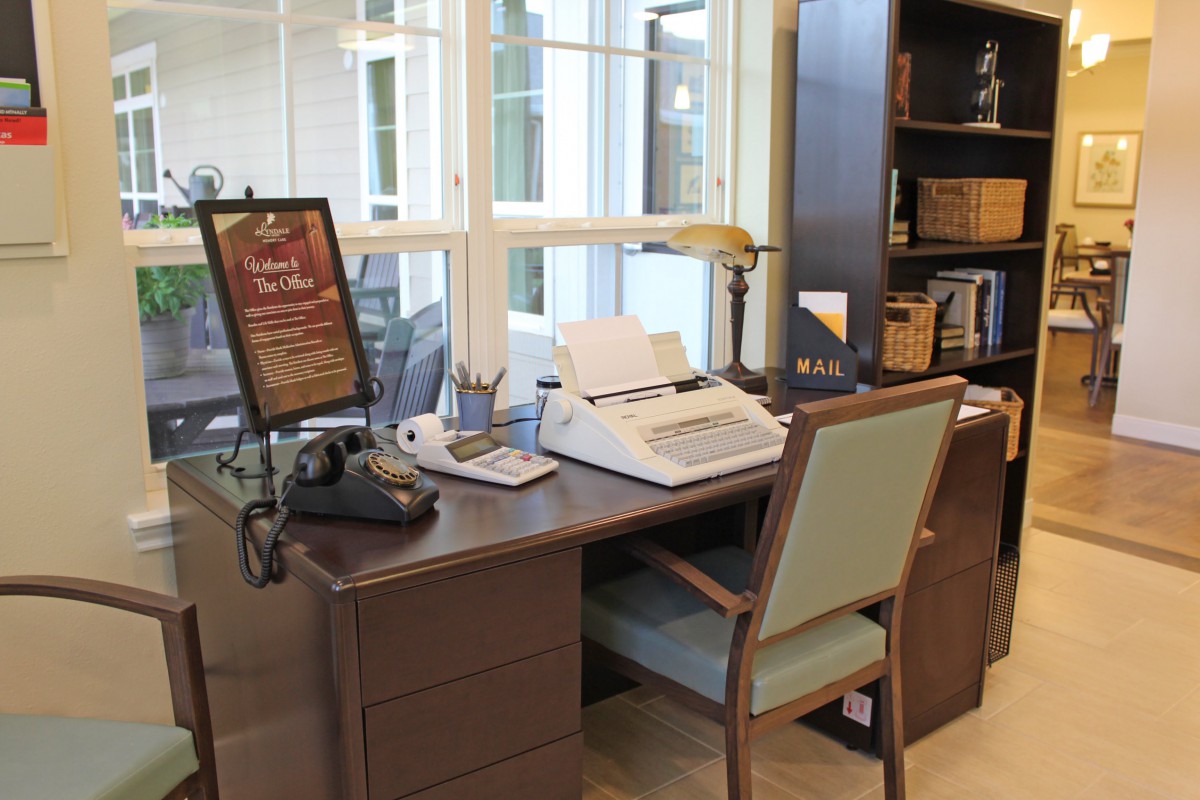
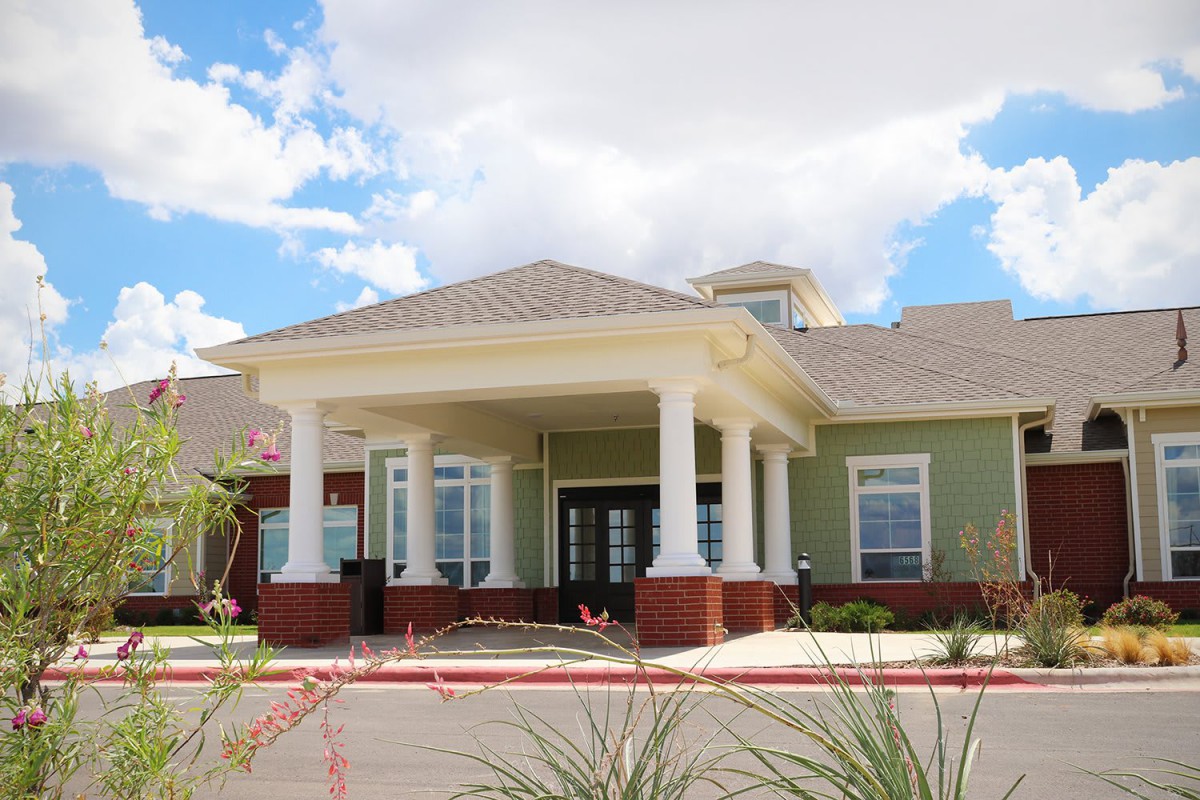
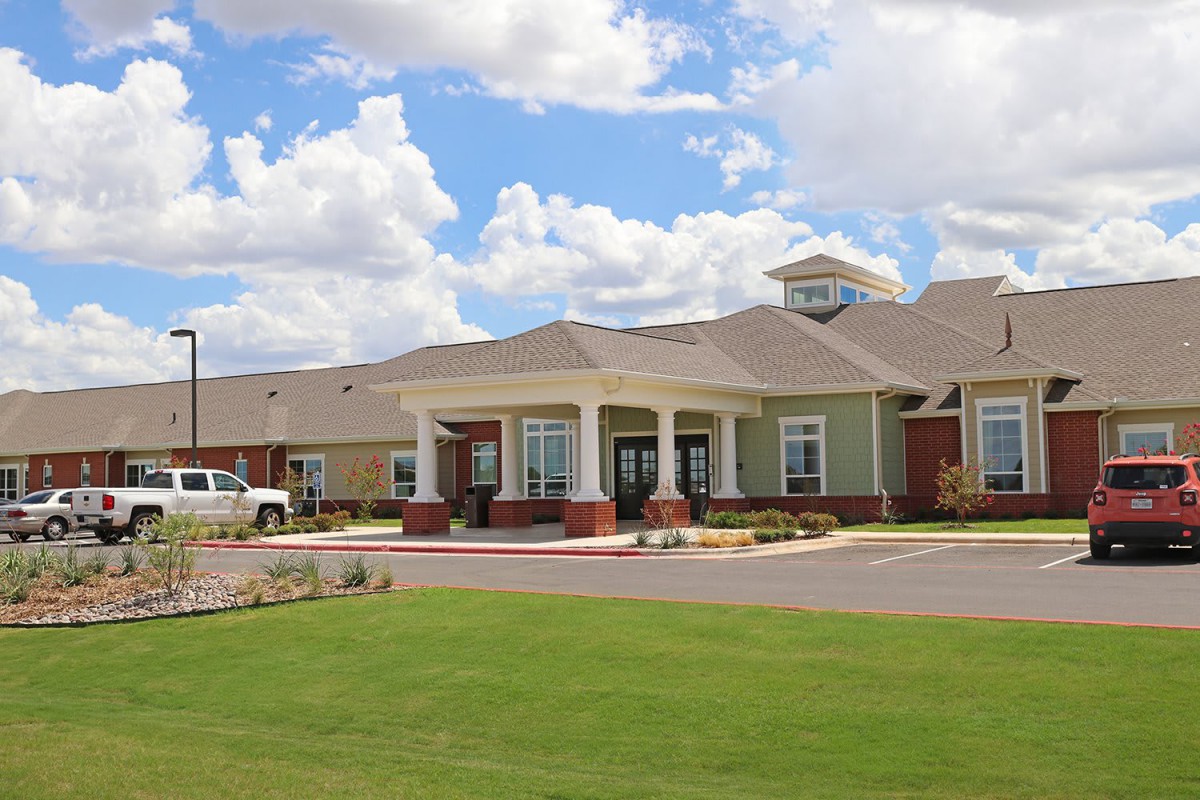
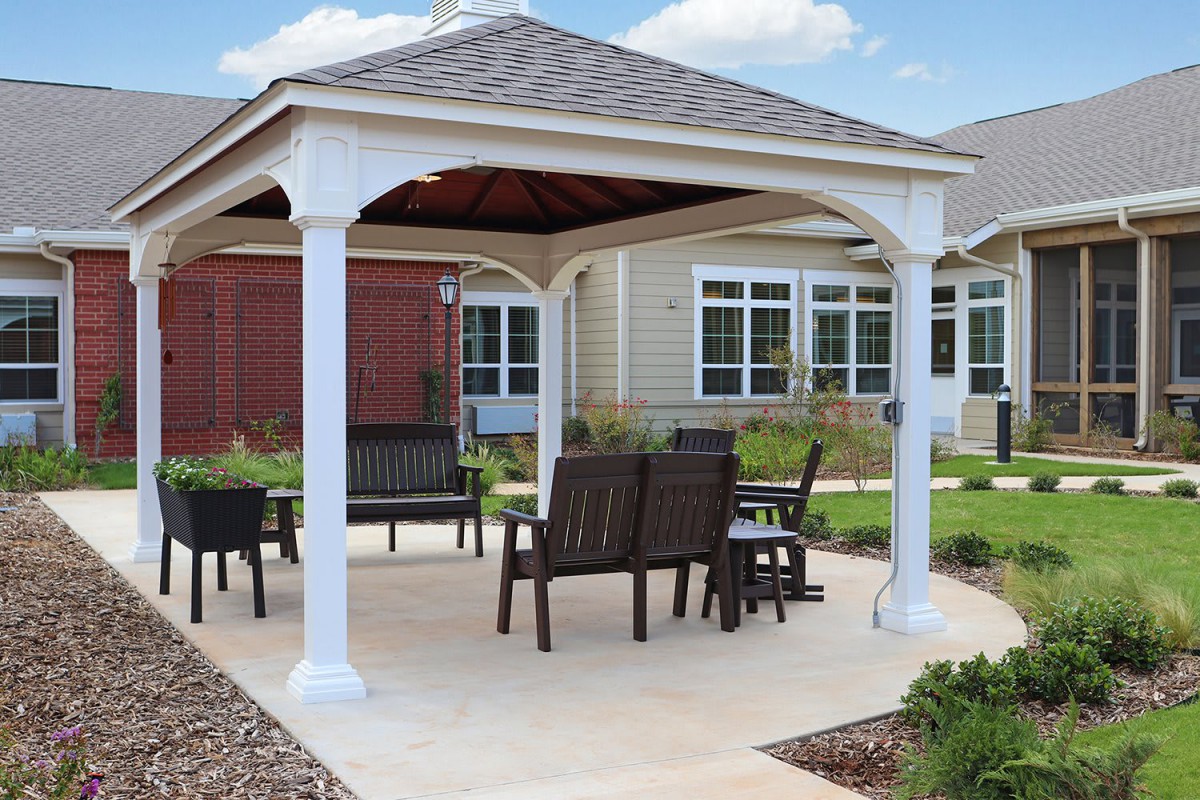
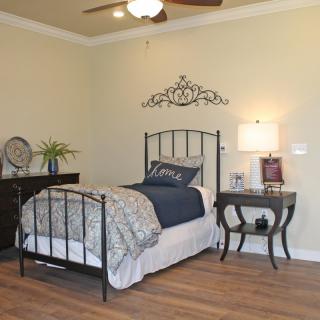
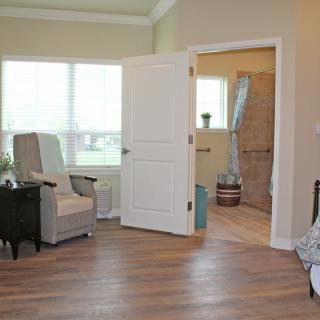
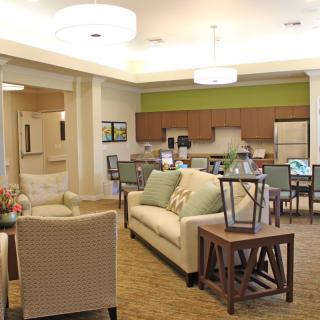
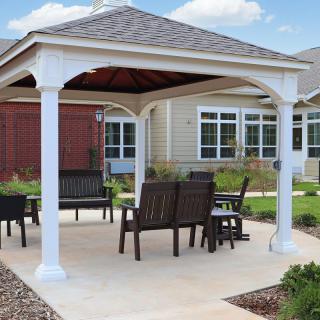
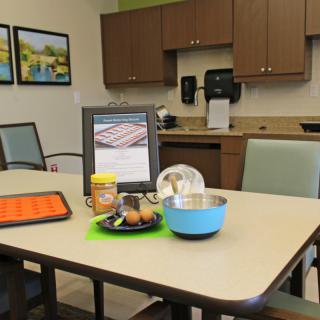
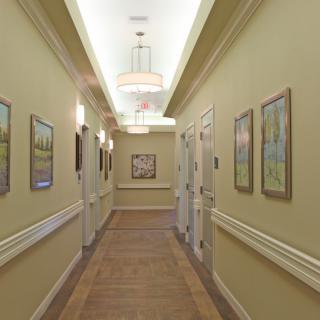
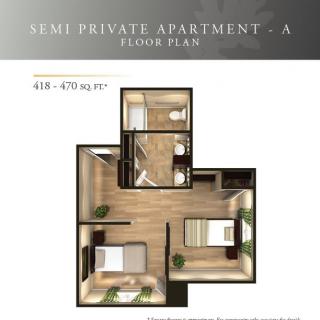
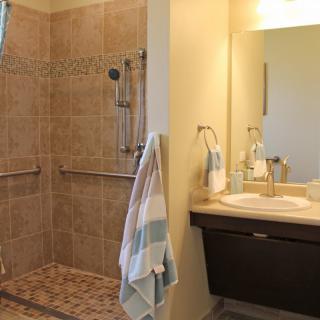
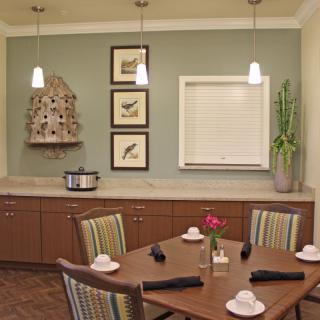
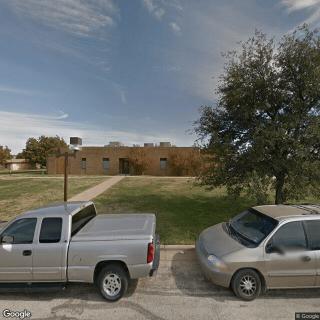
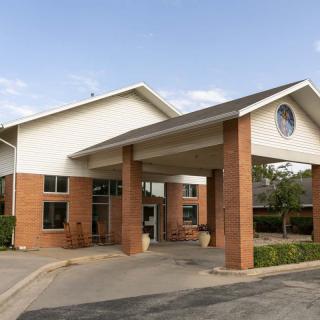
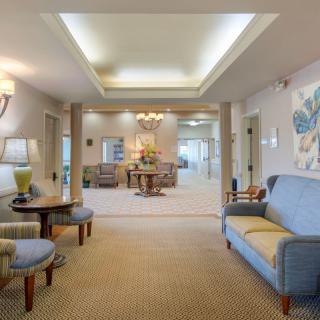
Lyndale Abilene Memory Care on seniors.fyi includes 24 photos including images showing interior, floor plan, kitchen, bathroom, bedroom, living room, seating area, decor, and more.
Nearby Communities
Sears Methodist Retirement System, Inc
Abilene, TX
Diabetic care with on-site activities and strong nearby healthcare access.
Wisteria Place Independent Living
Abilene, TX
4.4 from 38 reviews
$2,035 / month
Friendly staff, engaging activities, and private cottages with in-house laundry.
Wisteria Place Retirement Living
Abilene, TX
4.8 from 55 reviews
$2,500 to $3,300 / month
Affordable pricing with memory care options and full amenities.
Morada Abilene
Abilene, TX
4.2 from 78 reviews
$2,695 to $2,795 / month
Caring staff in a warm, clean environment with engaging activities.
Home Instead - Abilene, TX
Abilene, TX
5 from 31 reviews
Reliable companionship and caregiving that provides families peace of mind and attentive support.
Wisteria Place
Abilene, TX
4.3 from 19 reviews
$3,400 to $3,895 / month
Compassionate, attentive staff with strong family communication and engaging activities.
Lyndale Abilene Senior Living
Abilene, TX
4.7 from 66 reviews
$2,500 to $5,965 / month
Caring staff, clean environment, good meals, and a variety of activities with restaurant-style dining.
Mesa Springs Healthcare Center
Abilene, TX
4.4 from 42 reviews
Caring staff with strong therapy in a clean, spacious facility.
Dementia often results in disrupted sleep patterns, leading to excessive daytime sleeping due to factors like brain damage affecting circadian rhythms, medication side effects, and lack of structure in daily activities. Caregivers must monitor these changes closely, as oversleeping can increase risks such as malnutrition or dehydration, and provide necessary support and routines to enhance patient engagement and well-being.
The transition from assisted living to skilled nursing care is often prompted by complex medical needs that assisted living cannot meet, with key indicators including frequent health declines, increased falls, severe memory issues, and caregiver burnout. Families should recognize these signs early to discuss options with healthcare providers and prepare for the emotional and logistical aspects of moving to a facility that offers comprehensive medical support.
Dementia is characterized by cognitive decline, with nutrition playing a vital role in brain health; while no specific diet can prevent or reverse it, a nutrient-dense diet rich in antioxidants and healthy fats may support cognitive function. The MIND diet, which emphasizes beneficial foods and limits processed items, along with proper hydration and individualized meal strategies, can enhance the well-being of dementia patients.
Landscaping, Garden, Patio, Gazebo, and Outdoor Furniture
Windows
Floor Plan
Building and Clouds
Architecture and Entrance
Bathroom
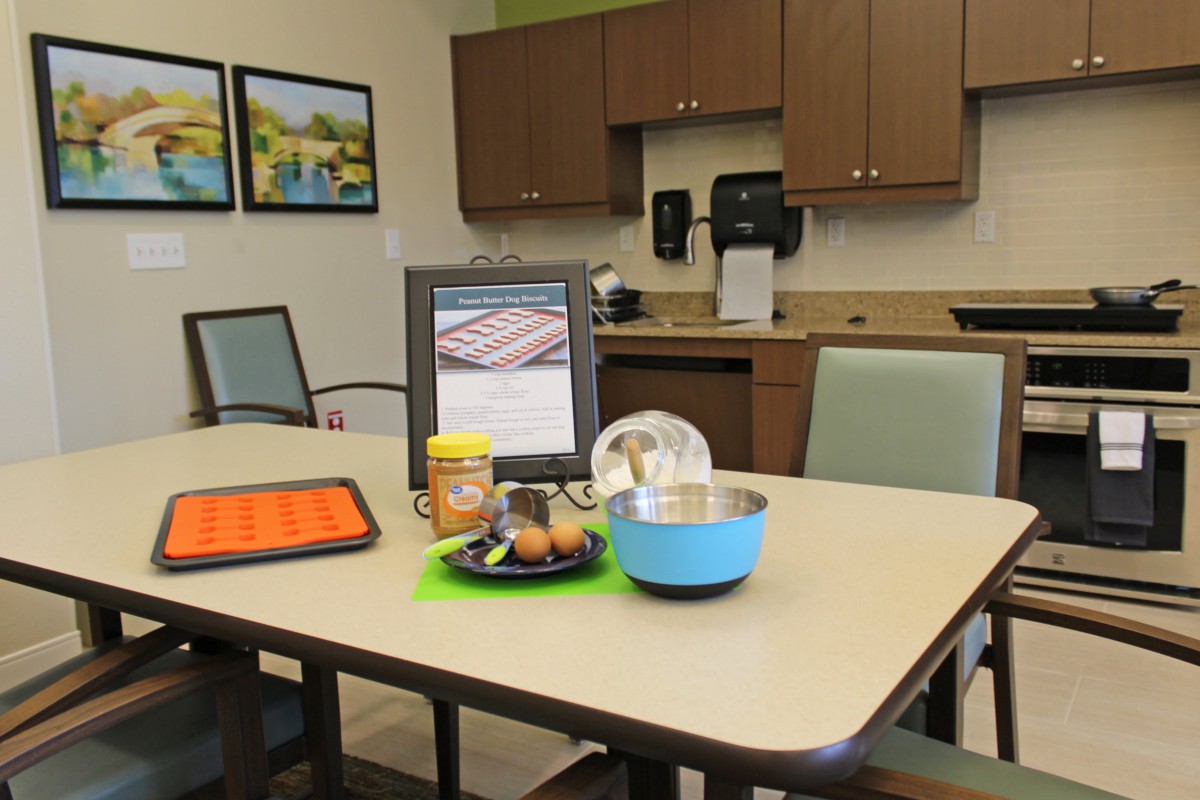
Kitchen
Lighting, Hallway, and Paintings
Television and Lounge
Seating Area
Wall Art and Pendant Lights
Painting
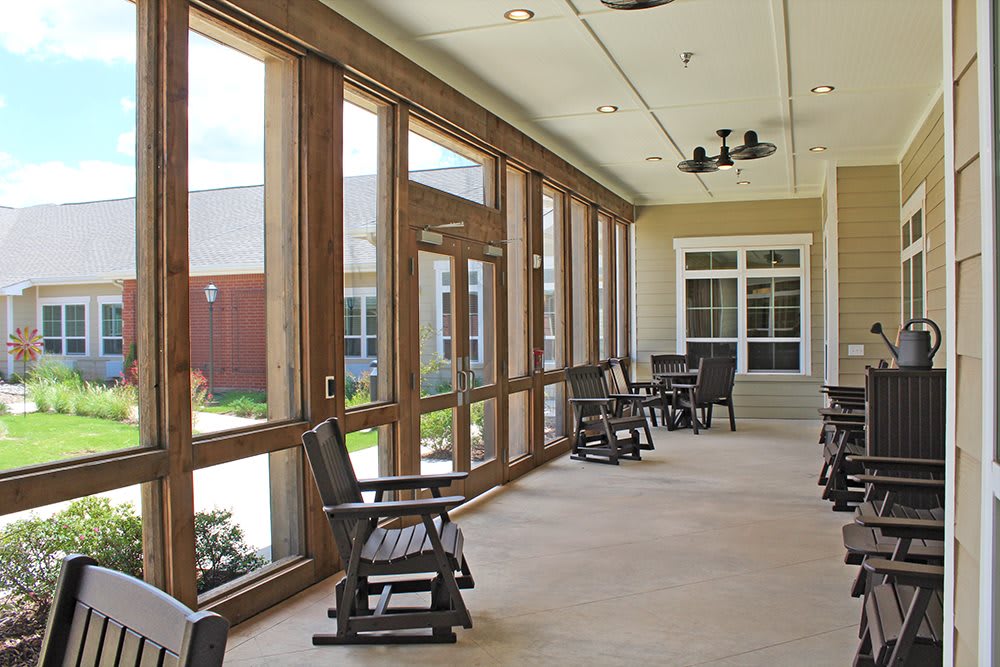
Porch and Rocking Chairs
Office and Vintage
Shower
Grass
Studio Apartment
Closet
Living Area
Potted Plants
Room Layout
Spa
Get PricingAsk A QuestionSchedule A TourContact Senior Advisor
By clicking submit, you agree to our Partner's Terms of Use. You
also consent to receive calls and texts, which may be autodialed, from our Partner. Your consent is not a condition to
using our Partner's service. Please visit our Partner's Privacy Policy for information about their privacy practices.




 64 resident community capacity
 Studio apartments
 Memory Care
 Cats allowed
 Dogs allowed
 Activities off-site
 Air-conditioning
 Beautician on-site
 Cable or satellite TV
 Computer center
 Devotional services off-site
 Dining room
 Fitness room
 Fully furnished
 Gaming room
 Garden
 Ground floor units
 Handicap accessible
 Housekeeping services
 Indoor common areas
 Kitchenette
 Move-in coordination
 Outdoor common areas
 Private bathrooms
 Restaurant-style dining
 Small library
 Telephone
 Wellness center
 Wheelchair accessible showers
 Wi-Fi/high-speed internet available
 Abilene Regional (5 miles away)
 Community operated transportation
 24-hour call system
 Ambulatory care
 Assistance with bathing
 Assistance with dressing
 Assistance with transfers
 Diabetes diet
 Diabetic care
 Incontinence care
 Medication management
 Mental wellness program
 Special dietary restrictions
 Art classes
 Catholic services
 Concierge services
 Cooking classes
 Day trips and outings
 Educational speakers / life long learning
 Karaoke
 Wine tasting
 Diabetic care with on-site activities and strong nearby healthcare access.


 Why Do Dementia Patients Sleep So Much? Understanding Oversleeping, Stages, and Care Approaches
 8 Key Indicators That Suggest It May Be Time to Transition from Assisted Living to Skilled Nursing Care
 Nourishing the Mind: Essential Dietary Approaches for Dementia