
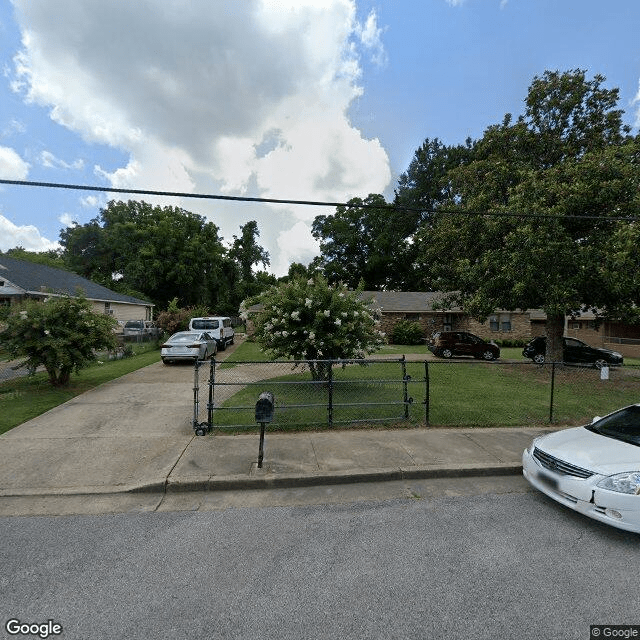
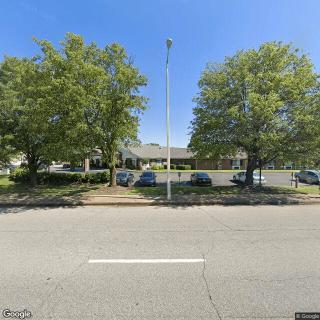
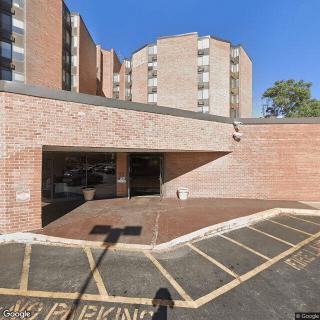
3047 Ford Rd, Memphis, TN 38109
To contact a resident: (901) 785-9380
For more information about senior living options: (866) 208-4318
Ford Road Personal Care Home Costs & Pricing
Ford Road Personal Care Home offers competitive pricing for its services compared to the broader market in Shelby County and Tennessee. With costs at $1,300 per month for a semi-private room and $1,400 for a private room, the facility presents a significantly more affordable option than the county average of $3,426 for semi-private accommodations and $3,746 for private rooms. Similarly, when considering state-wide rates of $3,162 for semi-private and $3,696 for private options, Ford Road stands out as a cost-effective choice without compromising on quality of care. This pricing structure makes it an appealing alternative for families seeking supportive living arrangements that fit within a budget while ensuring residents receive attentive and compassionate care.
| Floor plans | Ford Road Personal Care Home | Shelby County | Tennessee |
|---|---|---|---|
| Semi-Private | $1,300 | $3,426 | $3,162 |
| Private | $1,400 | $3,746 | $3,696 |
Senior living communities with a similar price nearby
-
from +$150 / mo
Lutheran Village Condominium
$1,450 / month15.1 miles away -
from +$175 / mo

Royal Retreat Assisted Living
$1,475 to $4,300 / month13.2 miles away -
from +$200 / mo
Ridgemont Manor Inc
$1,500 / month14.7 miles away -
from +$50 / mo

Feels Like Home Senior Lifestyle Residences
$1,350 to $2,500 / month13.2 miles away -
from -$95 / mo

Highland Terrace at Midtown
$1,205 to $1,570 / month8.6 miles away
Overall Review of Ford Road Personal Care Home
Pros
 The home has a heart for its residents.
- The home is clean and well maintained.
- Residents are allowed to do as they please in a safe environment.
- The staff are very nice.
- The resident likes his room.
- The setting is a home-like, clean, and safe environment in a quiet neighborhood.
- Ms. Cornelius Rand provides informative tours about what the community has to offer.
Cons
 The reviewer is unhappy with the level of care their loved one is receiving.
- The reviewer is concerned that the staff do not know how to provide proper care for people with dementia.
- The reviewer believes the residents are a bit too sedentary and that most time would be spent with their loved one who is a handful.
- The reviewer considers the facility not to be the best place for their needs.
Review
Ford Road Personal Care Home in Memphis is best suited for families seeking a small, homelike setting for an older adult who does not require aggressive medical oversight and who will thrive in a calm, intimate environment. The home-like feel, clean surroundings, and the sense that residents can do as they please within boundaries create a reassuring atmosphere for those prioritizing dignity and privacy. With a capacity of nine residents at this location (another site houses six), the environment stays quiet and personalized rather than institutional. The staff friendliness and the favorable impression of the rooms and safety contribute to a practical living arrangement for someone who wants straightforward daily routines and predictable expectations.
However, those weighing alternatives should consider the level of medical and cognitive support required. Families dealing with dementia or advancing cognitive decline may find the care model insufficient unless the facility has strong, specialized training and clear care plans. For residents who demand robust social engagement, structured activities, or more intensive oversight, this smaller setting can feel limiting. The same holds for families needing ready access to skilled nursing or on-site medical management. If these needs exist, larger assisted living communities with dedicated memory care wings or nearby skilled facilities are likely to deliver more comprehensive support.
On the upside, the key advantages align well with a low-stress, home-like philosophy. The environment is clean, safe, and orderly, and residents appear to be allowed a degree of autonomy that reduces friction and fosters comfort. Staff are described as friendly and responsive, and the first impression from tours is that the space accommodates intimate living well: compact bedrooms with separate bathrooms for men and women, and a quiet neighborhood setting that minimizes overstimulation. These factors can offset the absence of a bustling activity calendar by delivering predictable routines, personal attention, and a sense of belonging that many families value in a caregiving transition.
Yet the most significant caveat centers on dementia care. Several reviewers indicate distress with the level of expertise in managing memory-related needs, and one expressed concern that care did not meet expectations for a loved one with dementia. In a setting this small, staff may be capable and kind, but the intensity and nuance of dementia care often require specialized training and more frequent monitoring. The risk is that behaviors, safety concerns, or early cognitive symptoms could be tolerated rather than actively addressed. This isn't a categorical disqualification, but it is a critical factor for families to weigh against the warm, homey appeal.
Another practical consideration is engagement and activity. Reported sedentariness among residents and the potential for most time to be spent with a challenging individual highlights the need for intentional programming and meaningful daily structure. A compact community can still offer companionship, but without a broad activity slate or on-site specialists, residents may experience slower social stimulation. For families willing to supplement with outside activities, personalized routines, and regular family involvement, the setting can be workable; for others, it can feel isolating over time.
Decision guidance: Ford Road Personal Care Home is a compelling option for an elder who treasures a quiet, respectful, small-scale living situation and whose dementia care needs are modest or well-managed with outside support. It is less suitable for someone requiring memory-care specialization, robust clinical oversight, or dynamic, daily programming. Pros, cleanliness, safety, homelike feel, resident autonomy, friendly staff, do not fully offset the main drawback: limited capacity to provide intensive dementia care and high-level medical management. Prospective families should direct conversations to staff expertise, care planning, and measurable routines, and should visit with a clear checklist about daily activity, transportation, medication administration, and crisis response.
 Board and Care Home
 Activities off-site
 Devotional services on-site
 Indoor common areas
 Outdoor common areas
 Private
 Memphis International (6 miles away)
 Ambulatory care
 Diabetic care
 Meals provided



 8 Essential Assistive Devices for Older Adults
 Navigating the Financial Road to Nursing Home Care: In-Depth Guidance and Resources
 Supportive Employee Benefits That Help Caregivers Attain Better Work-Life Harmony