

200 S Parkway W, Memphis, TN 38109
To contact a resident: (901) 942-7456
For more information about senior living options: (866) 208-4318
Overall Review of Parkway Health & Rehab Ctr
Pros
 The facility is clean and inviting, and the staff are friendly.
- The admissions director is gracious and attentive to families’ satisfaction, providing a calming reassurance.
- Parkway Health and Rehab Center has fully qualified, engaged staff who are easy to talk to.
- The facility maintains security measures to ensure the comfort and safety of patients, staff, and visitors, with impeccable follow-up.
- The staff are great, and the facility is a great place for recovery.
- Mrs. Small provides very good care to the family's needs.
- The facility offers strong support to families during crises.
Cons
 The facility was described as a death trap.
- Staff were described as too lazy to help patients with bathroom needs, causing some to wear diapers unnecessarily.
- Residents go without food.
- Staff reportedly check on patients only once per shift.
- Staff are said to ignore patients' calls for help and shut their doors.
- The release process was terrible and long, and medications were not sent, leaving the patient without needed meds.
- One reviewer would not recommend the facility.
- One reviewer stated they hate this place.
- One reviewer warned that female relatives should be checked on daily to ensure proper care.
Review
Parkway Health & Rehab Center in Memphis is best suited for families pursuing post-acute rehabilitation with clear clinical oversight and an admissions process that is handled with care, provided there is active family involvement to supervise daily care. The facility presents as clean and inviting, and several reviews highlight friendly staff and accessible professionals. For families who prioritize a structured rehab pathway, trained therapists, and a secure environment, Parkway can be a reasonable choice when managed oversight is present and expectations are aligned with the realities of long-term care. This is not a one-size-fits-all recommendation, but for the right patient, one who can benefit from rehab services and whose family can stay closely involved, the environment offers tangible strengths.
Those considering alternatives should note that Parkway may not meet needs where immediate, proactive day-to-day care is non-negotiable. If consistent, 24/7 responsiveness to call bells, reliable delivery of meals, timely medication management, and seamless discharge coordination are essential, other facilities with demonstrated, higher staffing ratios and stricter accountability may be better suited. Families without the capacity to visit regularly or advocate loudly for a loved one should approach Parkway with caution, as some reviewers describe conditions that demand vigilant oversight to ensure basic safety and timely care.
On the positive side, the strongest pillars are the facility’s appearance, the approachable demeanor of staff, and the impression of professional capability. Cleanliness and an inviting atmosphere reduce anxiety for residents and visitors. People who interact with the admissions team often report a compassionate, communicative experience, which can smooth transitions and reduce family stress during a stressful period. When rehab is the primary objective, the combination of well-trained clinicians and ongoing contact with families can translate into measurable progress for residents who respond to structured therapy plans and clear care coordination.
Yet the most consequential concerns in the reviews point to gaps that can dramatically affect daily life and outcomes. Descriptions of neglectful or delayed responses to urgent needs, missed meals, and limited monitoring during shifts raise red flags about safety and comfort. Discharge practices, particularly the process of arranging medications after release and ensuring meds are sent to the right location, also surface as a recurring problem. Taken together, these accounts suggest not a uniform failure of care, but a pattern that requires robust oversight, clear accountability, and constant monitoring by families to prevent fragile timelines from derailing recovery or causing avoidable distress.
The key trade-off is real: Parkway’s advantages in staff engagement, clinical capability, and an orderly admissions flow can offset some risk when a resident’s rehab goals are clear and family oversight is active. However, the gravity of the reported issues means risk of harm remains a live possibility if supervision lapses or if staffing shortfalls occur. Prospective residents should not assume improvement will be automatic; they should demand transparency on staffing levels, shift coverage, response times, medication workflows, and discharge planning before enrolling. Concrete questions during tours, how quickly call lights are answered, who handles med administration, what the daily routine looks like, and how therapy goals are tracked, can reveal whether the facility can meet high-stakes expectations.
In the end, Parkway Health & Rehab Center can be a workable choice for a carefully selected scenario: a patient ready for a structured rehab program, with family members prepared to supervise, advocate, and monitor care closely. It is not the best fit for families seeking a hands-off experience or those requiring consistently proactive, highly responsive daily care without daily oversight. For those who choose Parkway, a rigorous planning phase, regular check-ins, and explicit accountability measures will determine whether the potential rehab gains justify the ongoing vigilance, and whether the benefits outweigh the risk of gaps highlighted by several reviewers.
 Skilled Nursing Facility
 Memphis International (7 miles away)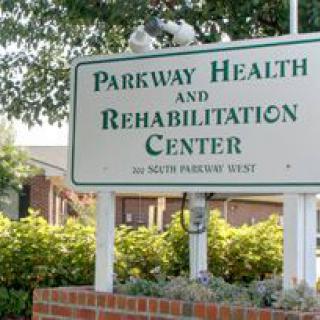






 Understanding Hospice Care at Home: Comprehensive Services, Key Benefits, and Eligibility
 Understanding the Full Cost of 24/7 In-Home Care: A Detailed Overview
 Exploring the World of Home Health Nurses: Qualifications, Roles, and Hiring Tips