
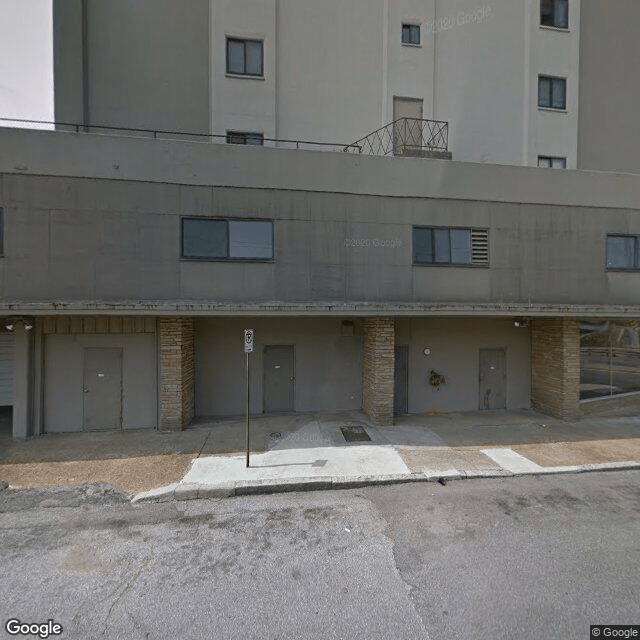
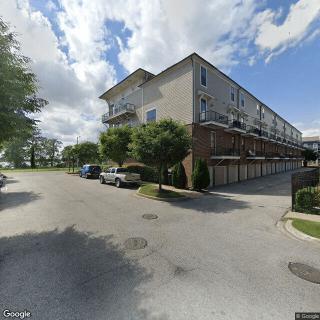
383 Madison Ave, Memphis, TN 38103
To contact a resident: (901) 521-0003
For more information about senior living options: (866) 208-4318
Overall Review of Wesley Madison Towers
Pros
 The place is good.
- They love their new place.
- They love it.
- The community is nice and quiet, and the management is attentive and caring toward residents.
- It is a great place.
- People have heard good things about this place and are interested in moving there.
Cons
 The living conditions at Hope Height Apartments are completely unacceptable and unlivable.
- The units suffer from frequent flooding and non-functional HVAC systems.
- The property manager is extremely unprofessional, frequently screams at tenants, and creates a hostile, intimidating environment.
- There is a total lack of empathy and basic communication skills from management.
- The combination of maintenance failures and aggressive management leaves residents fearful for their safety.
- The garage doors are closed and locked on weekends, trapping vehicles, with management seemingly okay with this.
- There is no security and staff do not respect elders.
Review
Wesley Madison Towers in Memphis is best suited for budget-minded seniors who want to stay close to the city and value a quiet, low-profile setting, provided they can tolerate a rollercoaster of service quality. The community can feel like a reasonable option for those who price flexibility above pristine upkeep and flawless operations, and who are prepared to navigate periods of limited climate control or uneven maintenance without escalating fear. It is not a fit for residents who count on consistent elevator service, guaranteed security, or reliable, professional management to protect privacy and daily routines. In short, this property rewards patience, modest expectations, and a willingness to accept a sometimes volatile operational backdrop.
Those who should seriously consider alternatives fall into several clear groups. Mobility-limited residents who depend on functioning elevators and predictable access to parking or garages will want to look elsewhere, as elevator reliability and garage access are repeatedly described as problematic. Prospective tenants who require strong, professional management or immediate, respectful communications with residents should plan to evaluate whether the current on-site leadership can deliver consistently. Families seeking a transparent, safety-conscious environment with secure perimeters, consistent security, and private, clearly defined living spaces should keep exploring other options. In addition, anyone who cannot tolerate episodic maintenance lapses that compromise basic comfort, such as humidity, temperature control, and flood-related concerns, should proceed with great caution.
The most tangible pros cited, when they appear, do little to cancel out the dominant drawbacks. Some residents report a quiet atmosphere and a sense that management can be attentive at times, suggesting a potential for cordial day-to-day interactions in calmer periods. There are occasional anecdotes of owners stepping in to support tenants during outages, including accommodations and meals, which indicates a willingness to invest in resident welfare when problems arise. Yet these positives are sporadic and do not stabilize the living environment. The overarching impression remains one of inconsistency: supportive moments exist, but they are not reliably paired with consistent upkeep, dependable service response, or structural reliability.
By contrast, the cons are consistently emphasized across a broad swath of experiences. Maintenance neglect, frequent flooding, and climate-control failures create environments where residents question safety and comfort. Management conduct is repeatedly described as unprofessional or hostile, eroding trust and a sense of security in one’s own home. Safety concerns extend beyond weather-related issues to a perceived lack of on-site security, with references to inadequate oversight, limited cameras in key areas, and unresolved access problems. The repeated reports of garage doors closing on weekends, vehicles becoming trapped, or elevators being inoperative further undermine daily independence and peace of mind. Taken together, these factors far outweigh any intermittent positives.
Practical evaluation during tours should center on verifiable, current conditions and enforceable commitments. Prospective residents should insist on a live demonstration of elevator functionality, and request a clear, written policy on emergency maintenance response times and when climate-control failures are expected to be resolved. Security and privacy deserve scrutiny: confirm the availability of cameras in public corridors, secure access protocols, and the privacy arrangements within living units, especially for bedrooms. Parking and garage access require explicit terms, including weekend access policies and any exceptions for residents with mobility or medical needs. Finally, speaking with multiple current residents can reveal whether the reported patterns of management behavior and maintenance responsiveness hold true today.
In the end, Wesley Madison Towers presents a decision-bound reality: the property can deliver quiet living for those willing to trade steady maintenance and security for affordability and proximity. For most families weighing safety, privacy, and reliability, alternatives that offer consistent maintenance, predictable elevator and parking operations, and professional management will be the smarter choice. If staying within this community is the goal, guardrails must be set, written service expectations, performance-based leases, and a contingency plan for rapid relocation if conditions deteriorate. This is a place where value hinges on tolerance for inconsistency; without a strong commitment to reform or rigorous oversight, the associated risks are simply too high for long-term peace of mind.
 Active Adult Communities (55+)
 Activities on-site
 Beautician on-site
 Devotional services off-site
 Indoor common areas
 Memphis International (8 miles away)


 Managing Nursing Home Expenses After Medicare Coverage Ends
 Is a Geriatric Care Manager the Right Choice for Your Family?
 Compassionate Conversations: How to Comfort Someone Who Is Grieving