
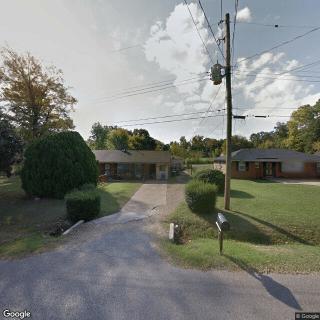
1076 Chambliss Road, Memphis, TN 38116
For more information about senior living options: (866) 208-4318
Overall Review of Whitehaven Community Living Center
Pros
 It is a wonderful place.
- The OT, PT, and ST staff are very good at their jobs.
- The people are happy and full of joy and love.
- The facility offers games, activities, and church services.
- The new administrator is very professional and cares for the residents.
- Mr. Brown was wonderful.
- All residents are COVID-19 free.
- The CNAs are helpful and the staff seem caring.
Cons
 The facility reportedly has no workers and uses double diapering.
- The head department doesn’t care about the residents or staff.
- The staff are overworked and underpaid.
- The business office employee is unprofessional and unable to communicate, with a smart mouth.
- It is described as the most trashy nursing home the reviewer has ever visited.
- Workers eat the patients’ food and residents aren’t even given water to drink.
- There is a contagious outbreak at the facility and it feels like a ghost town on night shift.
- Aides cannot be found, and nurses are snoring at the nurses’ station.
- Several articles of clothing were lost despite labeling.
Review
Whitehaven Community Living Center is best suited for families that need an affordable rehab-to-long-term option and are prepared to stay actively involved, advocating for clear communication and consistent care. The facility shows potential where therapy services are prioritized: the reviewers who praised OT, PT, and ST noted that the rehabilitation staff can be skilled and that patients respond well to structured activities, group programs, and social engagement. When administration is functioning with a professional approach and a visible commitment to residents, there is a sense that genuine attention to individual needs can emerge. In short, it works best for families willing to monitor progress closely and push for reliable coordination across therapy, nursing, and social services.
Those who should strongly consider alternatives are families that cannot tolerate staffing variability or vague accountability. Across multiple accounts, the most troubling themes center on staffing shortages, overwork, and underpayment, with reports of few CNAs and nurses who are stretched thin. Communication gaps from the business office and moments of operational disarray further undermine confidence in day-to-day reliability. When basic needs, hydration, timely assistance, and responsive problem-solving, become inconsistent, the risk profile rises. For families prioritizing predictable coverage, transparent reporting, and steady leadership, other options may provide greater peace of mind.
On the positive side, several reviews highlight genuine strengths in care when the right personnel are present. The CNA team is described as helpful in some shifts, and the social worker and other staff members are perceived as caring. Therapy teams are singled out for competence, and the facility’s activity calendar, games, church programs, and regular interaction, creates opportunities for social engagement and momentum in rehabilitation. A new administrator brought a sense of professional accountability and a visible concern for residents, suggesting that leadership is trying to course-correct and stabilize operations. These elements point to potential, especially in moments when staffing aligns with resident needs.
The core drawbacks, however, repeatedly undermine the experience. The most glaring concerns involve staffing stability and quality of day-to-day care: reports of under-resourced CNAs and nurses, long shifts, and limited coverage on nights. Administrative communications are described as problematic at times, with a business-office tone that can feel off-putting or unhelpful to families seeking direction. Added friction includes occasional mismanagement of personal belongings and lapses in basic care, such as clothing losses and inadequate attention to residents’ hydration. Taken together, these issues create a pattern of risk that can overwhelm even strong therapy or activity programs when oversight is thin.
When weighing pros and cons, the advantages of meaningful rehabilitation services and engaging activities must be measured against the reality of staffing gaps and administrative fragility. Strong therapy programs can accelerate recovery and improve daily living skills, but they lose impact if residents wait long for basic assistance or if care planning is inconsistent. The new leadership offers a glimmer of progress, yet the hot-seat reality described by multiple reviews signals ongoing volatility. Families must decide whether the potential upside justifies the ongoing need for vigilant oversight and a readiness to intervene promptly if standards slip.
In practical terms, a decisive family approach is essential. Schedule a candid meeting with the administrator and the head of nursing to review current staffing levels, shift coverage, and a concrete care plan with measurable goals. Request a weekly written update on resident progress, and insist on direct contact with the social worker for care coordination. Before committing, visit during multiple shifts to observe responder times, hydration practices, and the availability of aides. If that level of oversight feels uncertain or unsustainable, exploring alternatives with stronger staffing consistency and clearer accountability is advisable. Whitehaven offers real rehab potential, but only for families prepared to stay intensely engaged and ready to push for reliable care.
 88 resident community capacity
 Skilled Nursing Facility
 Air-conditioning
 Beauty salon
 Cable or satellite TV
 Computer center
 Dining room
 Fitness room
 Fully furnished
 Gaming room
 Garden
 Housekeeping services
 Kitchenette
 Move-in coordination
 Outdoor space
 Private bathrooms
 Restaurant-style dining
 Small library
 Telephone
 Wellness center
 Wi-Fi/high-speed internet available
 Memphis International (3 miles away)
 Community operated transportation
 12-16 hour nursing
 24-hour call system
 Activities of daily living assistance
 Assistance with bathing
 Assistance with dressing
 Assistance with transfers
 Diabetes diet
 Medication management
 Mental wellness program
 Special dietary restrictions
 Concierge services
 Planned day trips







 Senior Move Management: Understanding the Role, Value, and Associated Costs
 Weight Training for Seniors: Building Strength and Vitality
 Understanding the Sandwich Generation: Stress and Responsibilities for Multigenerational Caregivers