Maybelle Carter Senior Adult Home offers a range of accommodations that reflect the higher costs associated with its quality of care and services. The monthly rates for semi-private rooms are set at $4,427, significantly exceeding both Davidson County's average of $2,765 and Tennessee's state average of $3,162. For those seeking more privacy, private rooms cost $5,312 compared to the county's $3,111 and the state's $3,696. Additionally, studio apartments are priced at $5,755 while local and state averages stand at $3,340 and $3,485 respectively. These figures illustrate how Maybelle Carter provides premium amenities and personalized attention in a competitive market where the general cost of senior living is notably lower.
Floor plans
Maybelle Carter Senior Adult Home
Davidson County
Tennessee
Semi-Private
$4,427
$2,765
$3,162
Private
$5,312
$3,111
$3,696
Studio
$5,755
$3,340
$3,485
Memory care communities with a similar price nearby
Overall Review of Maybelle Carter Senior Adult Home
common8 reviews mention this
Dining and food get praise
Residents and families consistently praise the food and dining experience.
Several residents and visitors describe the meals as delicious and satisfying, with mentions of standout breakfast and overall “great food.” Others specifically call out the dining team working hard to serve residents well, and families note that the culinary updates improved what they receive. Even people visiting briefly during tours describe food as a positive part of the day-to-day experience.
differentiator10 reviews mention this
Renovations and cleanliness stand out
Residents describe noticeable improvements in cleanliness and facility updates.
Multiple reviews point to the building looking much better than before, describing renovations and a more refreshed look. Alongside that, residents and visitors repeatedly mention cleanliness and a well-maintained feel throughout the community. A few reviewers also connect the improvements to a broader “turnaround,” saying the changes show up both in the space and in how the facility runs.
caveat2 reviews mention this
Nursing response can lag
At least some residents and families report trouble getting nursing staff to respond quickly.
While many reviews highlight attentive, caring staff, a small set of reviews raises concerns about timely response for nursing needs. One reviewer describes leaving messages without a returned call over several days when help was needed. Another resident’s family member reports difficulty getting maintenance addressed in a way that affects access to nursing entry, which adds to the frustration around responsiveness.
How we summarize
Counts show how many written reviews mention each theme; a review can touch several themes, and only frequently mentioned themes are displayed.
Features
Housing
103 resident community capacity
Types of Care
Assisted Living
Independent Living
Memory Care
Amenities
Air-conditioning
Beauty salon
Cable or satellite TV
Computer center
Dining room
Fitness room
Fully furnished
Gaming room
Garden
Housekeeping services
Kitchenette
Move-in coordination
Outdoor space
Private bathrooms
Restaurant-style dining
Small library
Telephone
Wellness center
Wi-Fi/high-speed internet available
Transportation
Nashville International (9 miles away)
Community operated transportation
Transportation arrangement
Care Services
24-hour call system
24-hour supervision
Activities of daily living assistance
Assistance with bathing
Assistance with dressing
Assistance with transfers
Diabetes diet
Meal preparation and service
Medication management
Mental wellness program
Mild cognitive impairment
Special dietary restrictions
Specialized memory care programming
Dining
Diabetes diet
Special dietary restrictions
Activities
Community-sponsored activities
Concierge services
Fitness programs
Planned day trips
Resident-run activities
Scheduled daily activities
Nearby Places of Interest
Pharmacies
Walgreens (0.8 miles)
Walgreens (2.2 miles)
Walgreens (2.2 miles)
Walgreens (2.7 miles)
Kroger Pharmacy (2.8 miles)
Riverside Village Pharmacy (3.1 miles)
Walgreens (3.6 miles)
Places of Worship
Cornerstone Church (1.2 miles)
Dalewood Baptist Church (2.9 miles)
Hermitage Church of Christ (6.8 miles)
The Movement Church (6.8 miles)
Tulip Grove Baptist Church (7.1 miles)
Physicians
TriStar Skyline Advanced Wound Care & Vascular Center (1.5 miles)
Tennessee Orthopaedic At Skyline Medical Center (1.8 miles)
Maybelle Carter Senior Adult Home offers a range of accommodations that reflect the higher costs associated with its quality of care and services. The monthly rates for semi-private rooms are set at $4,427, significantly exceeding both Davidson County's average of $2,765 and Tennessee's state average of $3,162. For those seeking more privacy, private rooms cost $5,312 compared to the county's $3,111 and the state's $3,696. Additionally, studio apartments are priced at $5,755 while local and state averages stand at $3,340 and $3,485 respectively. These figures illustrate how Maybelle Carter provides premium amenities and personalized attention in a competitive market where the general cost of senior living is notably lower.
Maybelle Carter Senior Adult Home incorporates a variety of supportive features tailored to meet the needs of residents with dementia or Alzheimer's disease, significantly enhancing their quality of life. Assistance with dressing and bathing fosters dignity and self-esteem while ensuring that personal hygiene is maintained, which can be challenging for individuals with cognitive impairments. Medication management is crucial in preventing missed doses and potential health complications, providing peace of mind for residents and their families alike. Meal preparation and service accommodate any dietary restrictions, ensuring nutritional needs are met while promoting social interaction during mealtimes. By offering assistance with activities of daily living and transfers, staff members enhance mobility and independence, minimizing the risk of accidents. The 24-hour supervision ensures constant safety while fostering a secure environment. Furthermore, specialized memory care programming, coupled with a mental wellness program, focuses on cognitive engagement and emotional well-being, catering specifically to the unique challenges faced by those with mild cognitive impairment or advanced stages of dementia. Together, these features create a supportive framework that promotes both physical health and emotional stability for residents at Maybelle Carter Senior Adult Home.
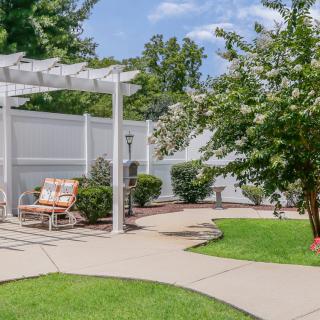
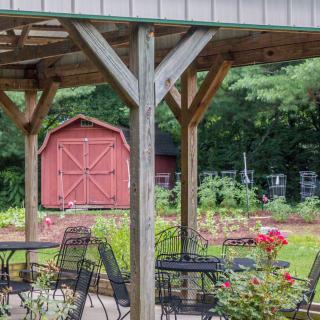
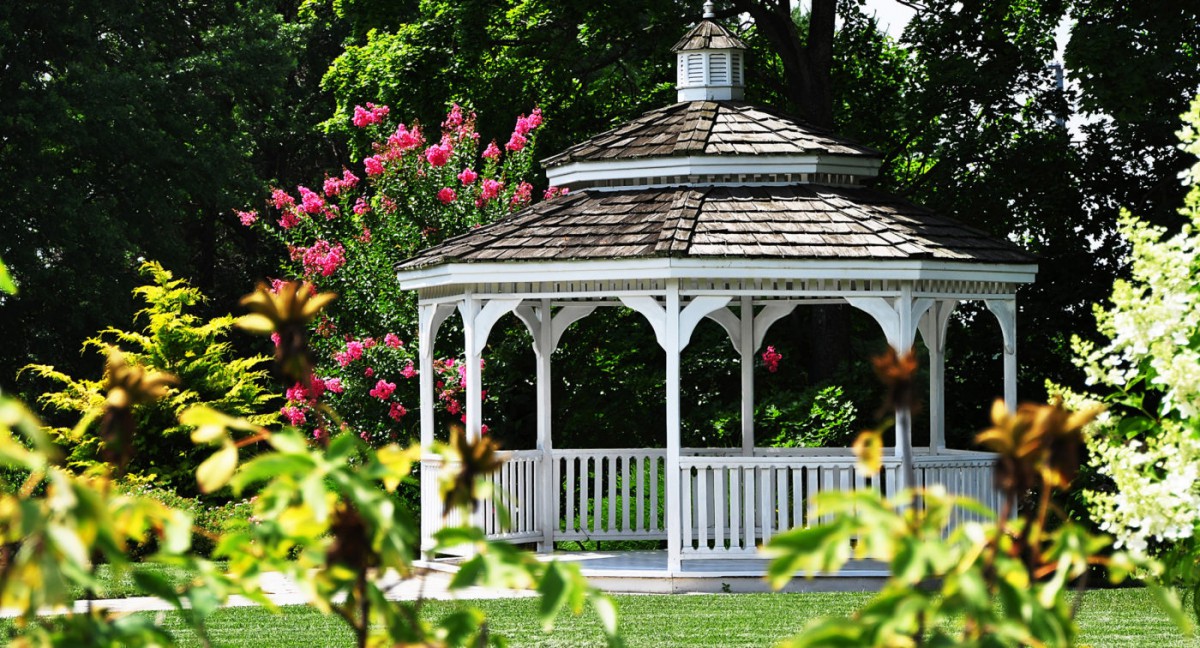
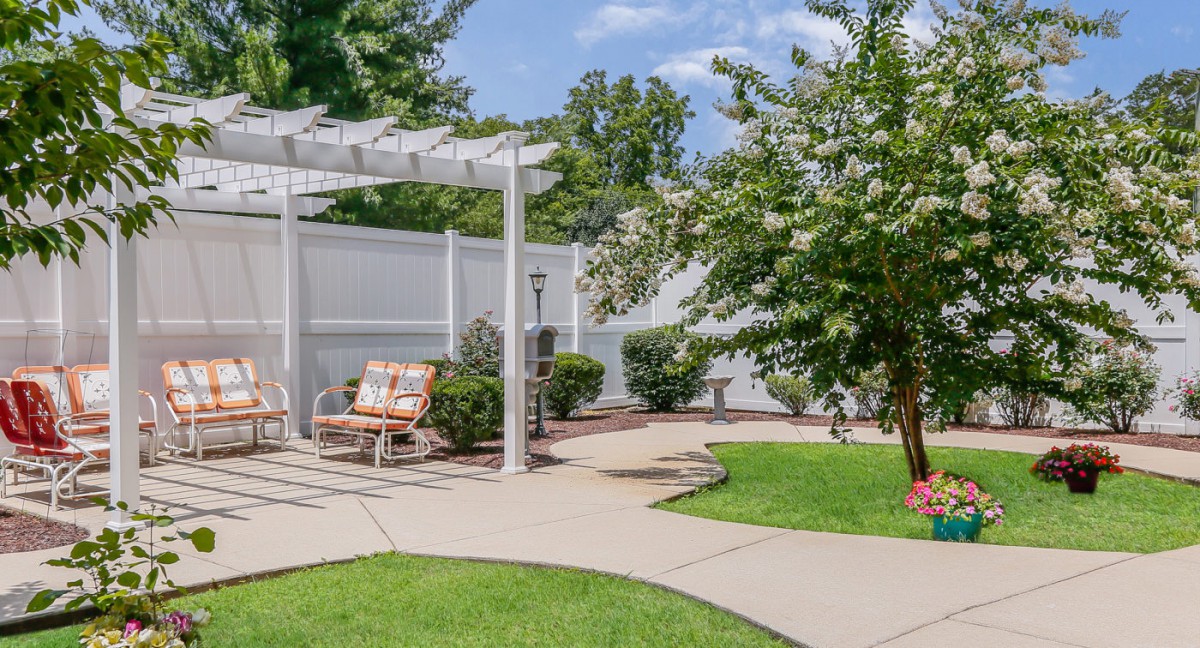
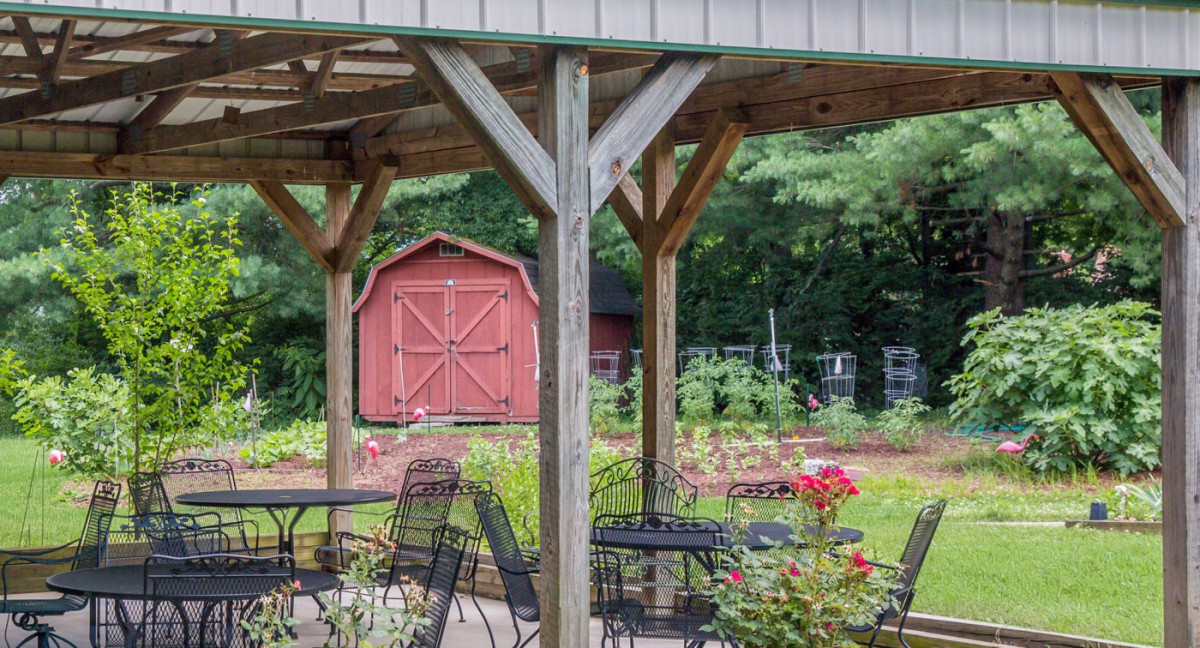
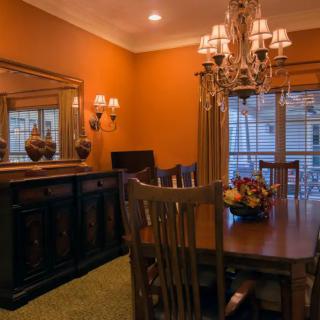
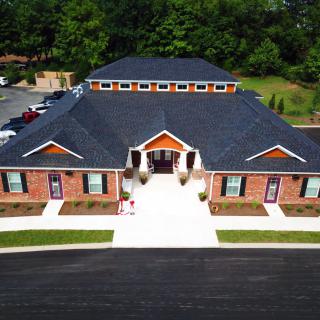
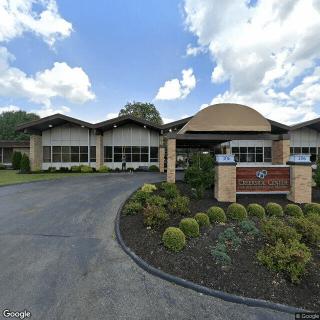
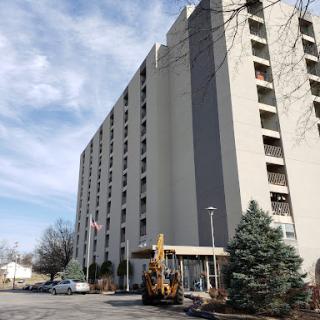
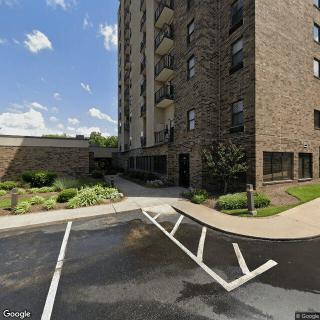
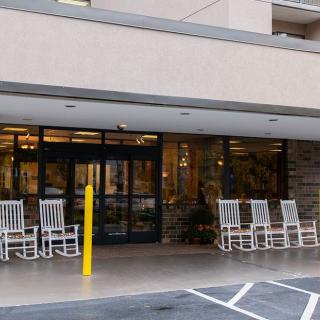
Maybelle Carter Senior Adult Home on seniors.fyi includes 5 photos including images showing landscaping, garden, nature, pergola, outdoor seating, pathway, library, bookshelves, and more.
Nearby Communities
AVIVA Maybelle Carter
Madison, TN
4.3 from 114 reviews
$2,195 to $3,295 / month
Renovated, clean facility with friendly staff and engaging activities.
Creekside Center For Rehabilitation And Healing
Madison, TN
3.8 from 118 reviews
Broad amenities and around-the-clock care.
Creekside Health and Rehabilitation Center
Madison, TN
3.9 from 101 reviews
$4,495 to $4,650 / month
Skilled physical therapy staff and some compassionate nursing staff provided notable care.
Chippington Towers I
Madison, TN
3.7 from 151 reviews
$1,000 to $4,160 / month
Spacious apartments with balconies and helpful on-site staff.
Helping Hands Personal Care
Madison, TN
4.7 from 18 reviews
Warm, welcoming community with caring staff and engaging activities.
Holiday Windlands East
Madison, TN
4.1 from 90 reviews
$1,909 to $2,229 / month
Friendly staff, welcoming community, and good value with utilities and meals included.
Chippington Towers II
Madison, TN
3.9 from 108 reviews
$1,000 / month
Affordable rent with utilities included, spacious balconies, and caring staff.
NorthPark Village Senior Living
Madison, TN
4.7 from 13 reviews
$875 to $3,100 / month
Caring, professional staff in a warm, well-maintained community.
Life Care Center Of Old Hickory Village
Old Hickory, TN
4.5 from 120 reviews
Attentive staff, clean facility, spacious rooms, and engaging activities.
Alzheimer’s disease is a progressive neurological disorder that significantly impacts memory and cognitive functions, accounting for 60-80% of dementia cases, with early diagnosis being crucial yet challenging. It involves brain changes like beta-amyloid plaques and tau tangles, influenced by genetic and lifestyle factors, and while there is no cure, symptom management and support for caregivers are essential.
Dementia, influenced by aging and certain medications, may be exacerbated by drug classes such as anticholinergics, benzodiazepines, and antipsychotics, which are associated with cognitive impairment. Regular medication reviews by healthcare professionals are crucial for older adults to manage risks and optimize cognitive health.
Dementia often results in disrupted sleep patterns, leading to excessive daytime sleeping due to factors like brain damage affecting circadian rhythms, medication side effects, and lack of structure in daily activities. Caregivers must monitor these changes closely, as oversleeping can increase risks such as malnutrition or dehydration, and provide necessary support and routines to enhance patient engagement and well-being.
Get PricingAsk A QuestionSchedule A TourContact Senior Advisor
By clicking submit, you agree to our Partner's Terms of Use. You
also consent to receive calls and texts, which may be autodialed, from our Partner. Your consent is not a condition to
using our Partner's service. Please visit our Partner's Privacy Policy for information about their privacy practices.




 103 resident community capacity
 Assisted Living
 Independent Living
 Memory Care
 Air-conditioning
 Beauty salon
 Cable or satellite TV
 Computer center
 Dining room
 Fitness room
 Fully furnished
 Gaming room
 Garden
 Housekeeping services
 Kitchenette
 Move-in coordination
 Outdoor space
 Private bathrooms
 Restaurant-style dining
 Small library
 Telephone
 Wellness center
 Wi-Fi/high-speed internet available
 Nashville International (9 miles away)
 Community operated transportation
 24-hour call system
 Activities of daily living assistance
 Assistance with bathing
 Assistance with dressing
 Assistance with transfers
 Diabetes diet
 Medication management
 Mental wellness program
 Special dietary restrictions
 Concierge services
 Planned day trips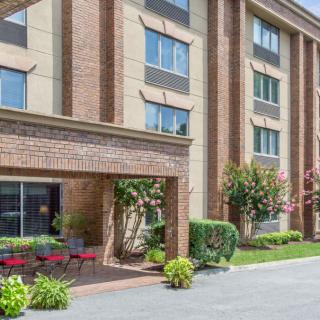
 Renovated, clean facility with friendly staff and engaging activities.
 Illuminating Insights About Alzheimer's Disease: Ten Crucial Realities
 A Thorough Discussion of Medications Potentially Linked to Dementia Risk
 Why Do Dementia Patients Sleep So Much? Understanding Oversleeping, Stages, and Care Approaches