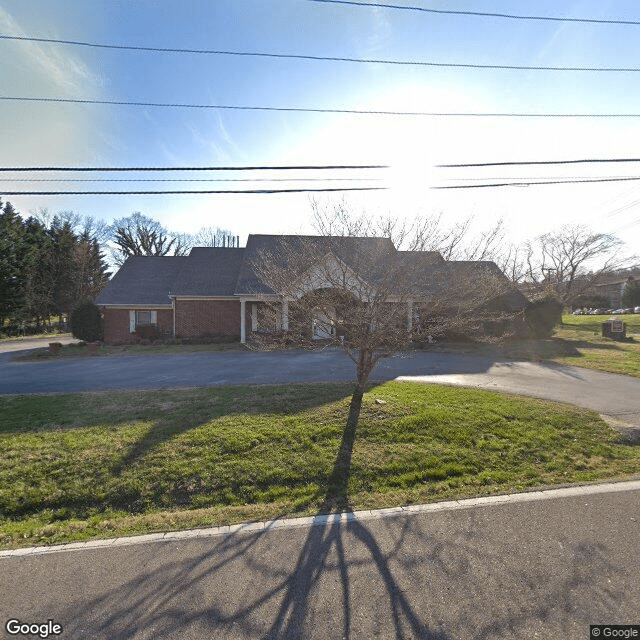
1585 Coleman Road, Knoxville, TN 37909
To contact a resident: (865) 584-7090
For more information about senior living options: (866) 208-4318
Heritage Assisted Living Papermill Knoxville TN Costs & Pricing
Heritage Assisted Living Papermill in Knoxville, TN, offers competitive pricing for its residents compared to the broader market rates in Knox County and throughout Tennessee. For those considering a semi-private room, the monthly cost is $1,810, which significantly undercuts both the county average of $2,932 and the state average of $3,162. Similarly, studio apartments at Heritage are priced at $2,595, again providing substantial savings against the Knox County rate of $3,019 and the state average of $3,485. This pricing structure highlights Heritage Assisted Living Papermill's commitment to offering quality care and comfortable living arrangements that are more accessible without compromising on service or amenities.
| Floor plans | Heritage Assisted Living Papermill Knoxville TN | Knox County | Tennessee |
|---|---|---|---|
| Semi-Private | $1,810 | $2,932 | $3,162 |
| Studio | $2,595 | $3,019 | $3,485 |
Assisted Living communities with a similar price nearby
-
from +$265 / mo
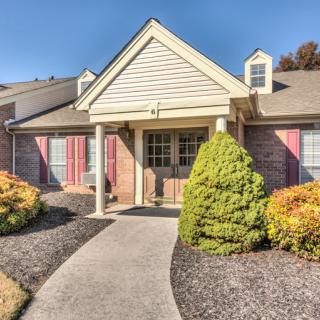
Williamsburg Villas
$2,075 to $2,925 / month5.1 miles away -
About the same
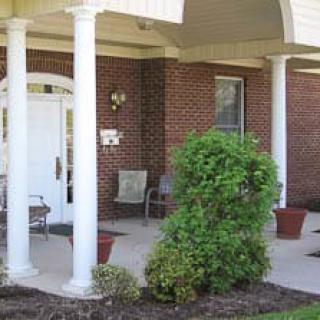
Heritage Assisted Living Fountain City Knoxville TN
$1,810 to $2,595 / month6.7 miles away -
from +$285 / mo
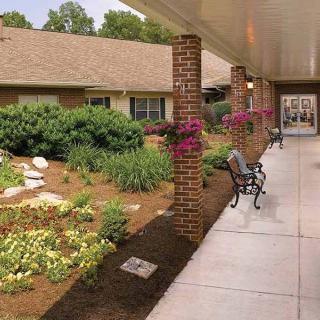
Atria Weston Place
$2,095 to $4,495 / month2.0 miles away -
from -$310 / mo
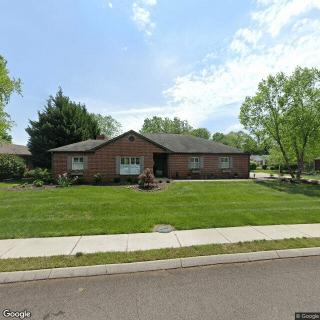
Shannondale of Knoxville
$1,500 to $1,521 / month2.5 miles away -
from +$90 / mo

Heritage Assisted Living West Knoxville TN
$1,900 to $2,500 / month5.7 miles away
Overall Review of Heritage Assisted Living Papermill Knoxville TN
Pros
 The mother loves living there, with very nice staff and really good food.
- The staff provide residents with anything they need, and they do so with a smile.
- Stan is highly valued and deserves a raise for consistently meeting everyone’s needs.
- The staff take excellent care of residents, which is greatly appreciated.
- The Heritage team is appreciated for their care and dedication.
Cons
 A caregiver argued loudly and disrespectfully with a resident.
- The reviewer left the building and their mom will not be coming here.
- They believed paying less than $13 an hour for medication, caregiving, and housekeeping is not worth it.
- They wouldn’t recommend having family stay there.
- They felt the facility needs a good renovation and isn’t worth the pay for residents.
Review
Heritage Assisted Living Papermill is best suited for families seeking a small, home-like setting where daily life centers on accessible staff attention and reliable meals. The community appears to work well for residents who value consistent kindness from caregivers and who can point to at least one standout team member, Stan, whose reliability and positive demeanor help the operation run smoothly. For seniors who thrive on social warmth, predictable routines, and straightforward assistance with everyday tasks, this facility can deliver a comfortable, familiarly paced experience without the gloss of a larger, more clinical campus.
But the option demands caution for families prioritizing polished professionalism, steady resident safety, and transparent pricing. A caregiver’s loud, disrespectful confrontation with a resident, witnessed by a visitor, raises serious questions about dignity, supervision, and the effectiveness of conflict management. Another review hints at a misalignment between expectations of caregiving, medication support, and housekeeping and what is offered at the stated rate, suggesting potential gaps in staffing coverage or compensation that could affect reliability. In short, for residents who require consistently formalized behavior management and clear, predictable staffing, looking at alternatives is prudent.
On the upside, the positives are concrete when operations click. The same positive accounts praise the overall warmth of the staff and the quality of the meals, with residents and families noting that the team is friendly, helpful, and capable of addressing needs with a smile. The appreciation for a dependable staff member who “deserves a raise” signals that when the team is aligned, residents receive attentive, hands-on support and a sense of personal connection that can make days feel meaningful. Food quality and a perception of sufficient provisioning contribute to comfort and daily satisfaction for residents who value nourishment and approachable care.
The principal drawbacks, however, pull the balance toward caution. The confrontation in public underscores potential lapses in resident rights protections and behavioral management, which can destabilize trust and create a stressful environment for both residents and families. The pricing conversation, implying expectations of extensive care tasks for a modest hourly rate, raises concerns about whether the model genuinely covers the full spectrum of services or relies on informal supplementary labor. The stated need for renovations points to aging infrastructure, which can translate into frustrating maintenance issues, limited accessibility, or dated layouts that complicate mobility and safety for some residents.
These pros and cons interact in practical ways. A resident who values genuine warmth and reliable day-to-day assistance may tolerate a certain level of cost ambiguity or occasional service gaps, provided the staff turnover remains low and meals stay enjoyable. The presence of a standout employee suggests that skilled, compassionate caregiving is possible in this setting, which can offset anxiety about less favorable aspects when family members are actively engaged and informed. Yet the more jarring negative experiences cannot be fully offset by sunshine on a good meal tray or a friendly greeting; safety, dignity, and predictable staffing are nonnegotiables for many families, and the combined signals here point to a facility that performs well in some shifts and falters in others.
In decision terms, Heritage Assisted Living Papermill can work for families who prize a warm, service-oriented atmosphere and are comfortable with variable experiences tied to staffing rhythms. It is less suitable for those whose top priorities are unwavering professional conduct, comprehensive and transparent pricing, and a modernized, well-maintained environment. Before committing, families should conduct an in-person visit that emphasizes observation of staff-resident interactions during peak hours, request current staffing ratios, and solicit a detailed, written breakdown of what the rate covers plus any additional charges. Inquire about recent renovations, ongoing maintenance plans, and the facility’s process for addressing resident complaints. If clarity, safety, and contemporary amenities are non-negotiable, alternatives with stronger supervision, predictable pricing, and newer facilities will likely offer more reliable peace of mind.
 Assisted Living
 Activities on-site
 Devotional services off-site
 Indoor common areas
 McGhee-Tyson (10 miles away)
 Ambulatory care
 Incontinence care
 Medication management
 Meals provided

 Funding and Affording Assisted Living: A Thorough Overview
 Assisted Living Expenses and Long-Term Care Insurance: A Comprehensive Exploration
 Securing Financial Support for Assisted Living: A Comprehensive Overview