NHC Place Farragut is an assisted living and memory care community in Knoxville, TN.
Information last verified:
122 Cavette Hill Lane, Knoxville, TN 37934
For more information about senior living options: (866) 208-4318
3.5 from 21 reviews
5 stars
8
4 stars
5
3 stars
2
2 stars
2
1 stars
4
Overall Review of NHC Place Farragut
common10 reviews mention this
Dining is a consistent plus
Food quality is a frequent point of approval in reviews.
Multiple residents and families describe the food as excellent, delicious, or better than local restaurants. Some also mention that residents can select items from a menu or that meals are adjusted for special diets. A few negative reviews still mention meal service problems, including meals not being brought when expected or food service feeling poor.
common7 reviews mention this
Activities and transportation show up
Activities and outings, including bingo, are commonly mentioned.
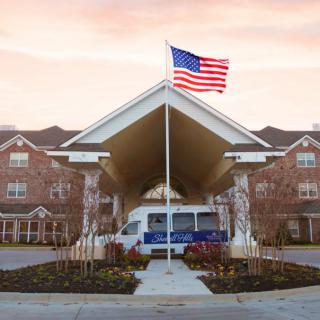
Residents and families describe regular activities such as bingo, arts and crafts, religious services, and scheduled daily programming. Several reviews also mention transportation support for errands and doctor appointments, including a small bus or van. Not every review is positive on activity variety, with some describing limited participation or boredom at times.
caveat7 reviews mention this
Staffing and response times vary
Several reviews raise concerns about staffing and delayed help.
A recurring negative theme is slow response after call buttons or alarms, along with concerns about understaffing. Some reviewers also mention issues with medication management and caregivers not being available soon enough for basic assistance. Other reviews do report caring, attentive nurses and assistants, but the overall pattern includes enough staffing complaints that families are clearly watching response times.
caveat2 reviews mention this
Memory care support is mixed
Memory care experiences differ widely across reviews.
One reviewer describes dementia care as improving over time, with better eating and the person becoming more active. Another review calls out concerns in the memory care unit, including difficulty with elopement prevention and staff not appearing to understand dementia symptoms. Taken together, reviews suggest memory care outcomes depend heavily on the situation and day-to-day support.
common5 reviews mention this
The facility appearance impresses
Many reviews emphasize the building and grounds look well kept.
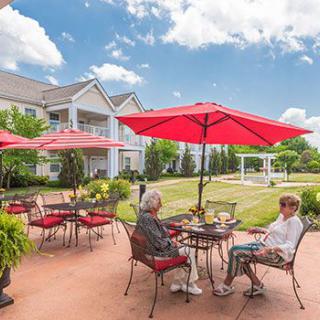
Several reviewers describe the facility as beautiful, almost brand new, and updated, with excellent grounds and a home-like feel. A few negative reviews contrast that appearance with care concerns, saying the building can look great even when staffing or cleanliness and care fall short. Overall, the presentation of the community is a consistent observation even when other parts of the experience are disputed.
How we summarize
Counts show how many written reviews mention each theme; a review can touch several themes, and only frequently mentioned themes are displayed.
Features
Housing
22 resident community capacity
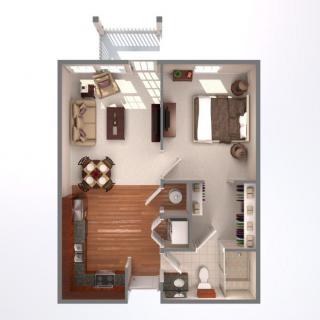
1-bedroom apartments
2-bedroom apartments
Studio apartments
Types of Care
Assisted Living
Memory Care
Skilled Nursing Facility
Amenities
Beautician on-site
Beauty salon
Cable or satellite TV
Dining room
Fully furnished
Garden
Guasts at mealtime
Housekeeping services
Kitchenette
Laundry
Move-in coordination
Outdoor space
Respite or short term stays offered
Restaurant-style dining
Small library
Telephone
Wi-Fi/high-speed internet available
Transportation
McGhee-Tyson (11 miles away)
Transportation & parking
Care Services
24-hour call system
24-hour supervision
Activities of daily living assistance
Assistance with bathing
Assistance with dressing
Assistance with transfers
Diabetes diet
Meal preparation and service
Medication management
Mental wellness program
Physical therapy
Special dietary restrictions
Walking wheelchair assistance
Dining
Diabetes diet
Special dietary restrictions
Activities
Activities off-site
Community-sponsored activities
Religious services
Resident-run activities
Scheduled daily activities
Languages Spoken
English
Videos
Nearby Places of Interest
Transportation
Enterprise Rent-A-Car (0.1 miles)
Pharmacies
CVS Pharmacy (0.2 miles)
Walgreens (0.2 miles)
Ingles Market (0.5 miles)
Revco Drug Stores (0.6 miles)
Farragut Pharmacy (1.4 miles)
Walgreens (1.8 miles)
Belew Drug Choto (2.9 miles)
Physicians
Summit Medical Group at Farragut (0.6 miles)
Farragut Medical Center (1.1 miles)
Campbell Station Primary Care and Aesthetics (1.3 miles)
The features offered at NHC Place Farragut play a crucial role in enhancing the quality of life for residents experiencing dementia or Alzheimer's disease. Assistance with dressing, bathing, and transfers ensures that residents maintain dignity while receiving the support they need for personal care. Medication management helps prevent complications by ensuring timely and accurate administration of prescriptions, which is vital for cognitive health. Meal preparation and service cater to nutritional needs, promoting overall well-being. Activities of daily living assistance fosters independence as much as possible, while 24-hour supervision provides constant safety and reassurance for both residents and families. Additionally, the mental wellness program engages cognitive function through stimulating activities tailored to individual capabilities, while physical therapy aids in maintaining mobility and physical health, further supporting a holistic approach to memory care.
Nearby Communities
NHC Place - Cavette Hill
Knoxville, TN
4.1 from 100 reviews
Strong memory-care focus with 24/7 supervision, medication management, furnished apartments, and restaurant-style dining with engaging activities.
Villages of Farragut -Fall '19
Knoxville, TN
Multiple care levels (assisted, independent, memory care) with on-site activities and meals.
NHC Place-Cavett Hill
Knoxville, TN
4 from 105 reviews
Vibrant community with abundant nearby amenities (cafes, parks, pharmacies, physicians, restaurants, worship, theater, hospitals).
Stay at Home
Knoxville, TN
5 from 2 reviews
Cottages at Pryse Farm
Farragut, TN
Intimate cottage setting with comprehensive services (meal prep, dressing assistance, medication management) and strong access to nearby cafes, parks, pharmacies, and medical care.
Summit View Of Farragut
Knoxville, TN
2.4 from 27 reviews
Extensive on-site amenities and care services
Park Place Of West Knoxville
Knoxville, TN
4.7 from 99 reviews
$2,245 to $4,085 / month
Friendly staff and a welcoming, activity-filled community.
Sherrill Hills Retirement Resort
Knoxville, TN
4.5 from 44 reviews
$3,584 to $5,907 / month
Friendly staff, spacious apartments, and a wide range of on-site activities and dining options.
Prime West Knoxville
Knoxville, TN
4.8 from 67 reviews
Strong staff, active community, and modern, well-equipped apartments.
Dementia often results in disrupted sleep patterns, leading to excessive daytime sleeping due to factors like brain damage affecting circadian rhythms, medication side effects, and lack of structure in daily activities. Caregivers must monitor these changes closely, as oversleeping can increase risks such as malnutrition or dehydration, and provide necessary support and routines to enhance patient engagement and well-being.
The transition from assisted living to skilled nursing care is often prompted by complex medical needs that assisted living cannot meet, with key indicators including frequent health declines, increased falls, severe memory issues, and caregiver burnout. Families should recognize these signs early to discuss options with healthcare providers and prepare for the emotional and logistical aspects of moving to a facility that offers comprehensive medical support.
Dementia is characterized by cognitive decline, with nutrition playing a vital role in brain health; while no specific diet can prevent or reverse it, a nutrient-dense diet rich in antioxidants and healthy fats may support cognitive function. The MIND diet, which emphasizes beneficial foods and limits processed items, along with proper hydration and individualized meal strategies, can enhance the well-being of dementia patients.
Get PricingAsk A QuestionSchedule A TourContact Senior Advisor
By clicking submit, you agree to our Partner's Terms of Use. You
also consent to receive calls and texts, which may be autodialed, from our Partner. Your consent is not a condition to
using our Partner's service. Please visit our Partner's Privacy Policy for information about their privacy practices.

 22 resident community capacity
 1-bedroom apartments
 Assisted Living
 Memory Care
 Skilled Nursing Facility
 Beautician on-site
 Cable or satellite TV
 Dining room
 Fully furnished
 Garden
 Housekeeping services
 Kitchenette
 Laundry
 Move-in coordination
 Outdoor space
 Respite or short term stays offered
 Restaurant-style dining
 Small library
 Telephone
 Wi-Fi/high-speed internet available
 McGhee-Tyson (11 miles away)
 Transportation & parking
 24-hour call system
 Activities of daily living assistance
 Assistance with bathing
 Assistance with dressing
 Assistance with transfers
 Diabetes diet
 Medication management
 Mental wellness program
 Physical therapy
 Special dietary restrictions
 Walking wheelchair assistance
 Religious services
 English
 Strong memory-care focus with 24/7 supervision, medication management, furnished apartments, and restaurant-style dining with engaging activities.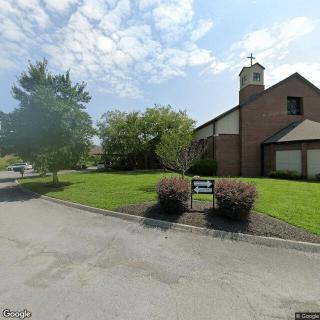


 Why Do Dementia Patients Sleep So Much? Understanding Oversleeping, Stages, and Care Approaches
 8 Key Indicators That Suggest It May Be Time to Transition from Assisted Living to Skilled Nursing Care
 Nourishing the Mind: Essential Dietary Approaches for Dementia