

735 E 10th St, Chattanooga, TN 37403
To contact a resident: (423) 266-8325
For more information about senior living options: (866) 208-4318
Whiteside's Faith Manor Costs & Pricing
Whiteside's Faith Manor offers competitive pricing for private room accommodations, with a monthly cost of $3,300. This rate is notably lower than the average costs in Hamilton County, where similar private rooms are priced at approximately $3,869, and also below the Tennessee state average of $3,696. By providing high-quality care at a more accessible price point, Whiteside's Faith Manor stands out as an attractive option for residents seeking comfort and support in their living arrangements while also being mindful of their budget.
| Floor plans | Whiteside's Faith Manor | Hamilton County | Tennessee |
|---|---|---|---|
| Private | $3,300 | $3,869 | $3,696 |
Senior living communities with a similar price nearby
-
from +$350 / mo

Thrive at Brow Wood
$3,650 to $5,620 / month8.2 miles away -
from -$650 / mo

Southern Haven
$2,650 to $3,000 / month24.4 miles away -
from +$375 / mo

The Rosewood at Fort Oglethorpe
$3,675 to $4,410 / month7.9 miles away -
from +$470 / mo

The Lantern At Morning Pointe Collegedale
$3,770 to $4,940 / month12.8 miles away -
from +$200 / mo

Morning Pointe Of Collegedale At Greenbriar Cove
$3,500 to $4,400 / month12.8 miles away
Overall Review of Whiteside's Faith Manor
Pros
 Ms. McGee has been a great help with personal issues, and she and her assistant are always prompt answering or returning calls.
- The maintenance crew addresses residents’ immediate issues.
- Management notifies residents immediately when mail arrives.
- Ms. McGee treats residents of all backgrounds equally, making the facility an inclusive place.
- Delicious lunches and dinners are provided.
- A bus stop is out front, offering convenient access to downtown.
Cons
 The staff are disrespectful.
- There is zero communication from management.
- They will be contacting HUD.
- This is not a place to live.
- Ms. McGee is rude and disrespectful.
- She denies people because they are young.
- She hangs up on callers and treats people poorly.
Review
Whiteside’s Faith Manor in Chattanooga is best suited for low-income seniors and adults with disabilities who want an affordable, straightforward living option that emphasizes community, safety, and practical conveniences over luxury. The ideal resident prioritizes easy access to transportation, proximity to churches and downtown amenities, and a setting where daily life is uncomplicated and predictable. This is a place where quiet, clean surroundings, a modest footprint, and hands-on, personally involved management can make a difference day to day. It works best for residents who want a respectable, safe home base with a built-in social fabric rather than a polished, resort-like experience.
Those considering alternatives should note the strongest caveat: inconsistent front-desk communication and staff interactions, as reflected in several negative impressions shared by reviewers. A pattern of perceived disrespect, particularly around intake and age-related expectations, raises concerns for families seeking a consistently welcoming, non-discriminatory process. For anyone who must have uniformly responsive customer service, clear, proactive communication from leadership, or a strict policy of inclusivity regardless of age, this community may prove frustrating. The decision should weigh these experience signals against the financial and social advantages described by residents.
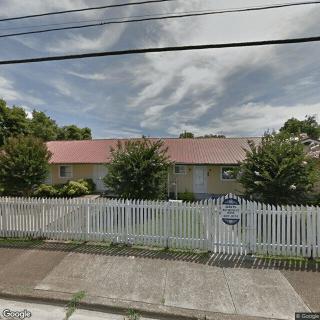
The key positives, the affordability, sense of safety, and hands-on leadership, do a substantial amount of the heavy lifting against the downsides. The building’s upkeep is repeatedly praised, and maintenance is described as responsive. Residents note a quiet, safe environment with clean common areas, good parking proximity, accessible elevators, and a pleasant outdoor patio and garden. The location near a church, a bus route, and downtown services adds practical value for daily life, while the resident-focused programming, seasonal decorations, social events, in-house meals, and neighborly interaction, builds a livable, low-strain routine. The manager most often singled out as going “the extra mile” is Levern McGee, whose personal dedication can offset rough edges in other interactions for those who align with her approach.
Decision-making should include a clear measure of tolerance for potential friction in staff communication. Prospective residents should inquire about how concerns are handled, whether there is a formal escalation process, and how age-related policies are enforced in practice. A test visit is essential: observe how calls are answered, how information is conveyed, and how residents are treated in person. Confirm transportation options, meals and activity calendars, laundry facilities, and the consistency of maintenance responsiveness. Given the facility’s emphasis on community and affordability, a careful eye on whether the administrative experience matches the resident expectations is critical before committing.
In terms of whom would benefit most, Whiteside’s Faith Manor aligns with seniors who value cost-conscious living, routine, and a strong peer network in a central urban setting. If independence is the priority, and a resident appreciates or tolerates a more informal front-desk experience in exchange for an active, engaged staff team and a vibrant social calendar, this is a reasonable match. The presence of on-site space for gatherings, regular events, and a community-oriented vibe supports lasting residency for those who do not demand luxury or flawless communications.
Bottom line: Whiteside’s Faith Manor can be a practical, solid choice for the budget-conscious senior who wants a light-touch, community-focused environment with real social life and dependable maintenance. The opportunity hinges on tolerating uneven customer service and potential age-based biases in the intake process. For families prioritizing consistent, highly professional front-desk interactions, or for residents who insist on universal non-discrimination and uniformly responsive communications, it is prudent to explore alternatives with stronger track records in resident services. This community remains compelling for those who can leverage its strengths while navigating its notable caveats.
 Active Adult Communities (55+)
 Lovell (5 miles away)





 Understanding the Nuances of Palliative Care and Hospice: A Comprehensive Exploration
 Fecal Incontinence in Older Adults: A Comprehensive Guide
 Recognizing the Journey: Understanding and Navigating Anticipatory Grief