
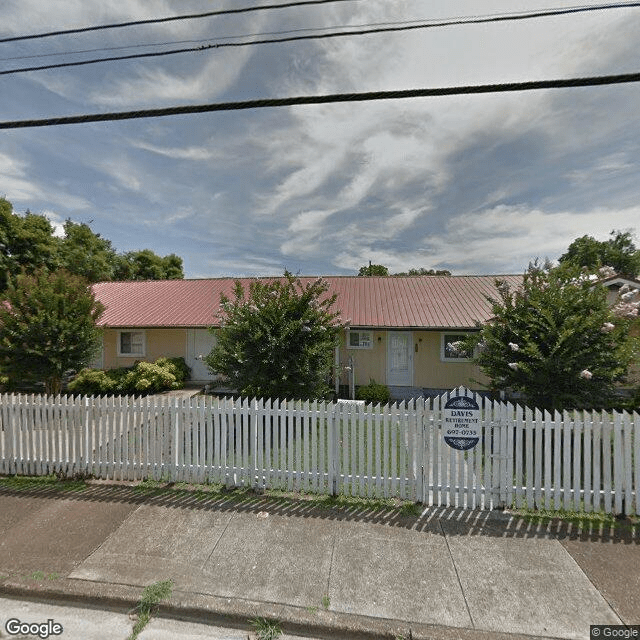
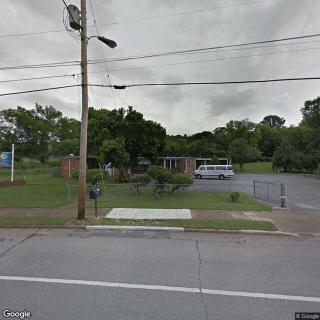
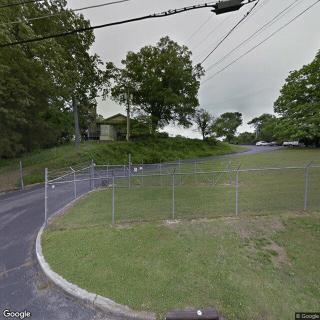
1106 Duncan Ave, Chattanooga, TN 37404
To contact a resident: (423) 697-0733
For more information about senior living options: (866) 208-4318
Davis Retirement Home Costs & Pricing
Davis Retirement Home offers competitive pricing for its residents, particularly when compared to both Hamilton County and the broader state of Tennessee. For instance, the semi-private room at Davis is priced at $1,600 per month, significantly lower than the county average of $2,083 and the state average of $3,162. Similarly, the studio option at Davis is available for $2,500, which again presents a more affordable alternative compared to Hamilton County's average of $2,945 and Tennessee's statewide average of $3,485. This positioning not only highlights Davis Retirement Home as a cost-effective choice for potential residents but also reflects its commitment to providing quality care without compromising on affordability in a competitive market.
| Floor plans | Davis Retirement Home | Hamilton County | Tennessee |
|---|---|---|---|
| Semi-Private | $1,600 | $2,083 | $3,162 |
| Studio | $2,500 | $2,945 | $3,485 |
Assisted Living communities with a similar price nearby
-
from -$75 / mo
Hickory Valley Retirement Ctr
$1,525 / month6.4 miles away -
from -$200 / mo
Majestic Manor
$1,400 / month15.7 miles away -
from +$74 / mo
Health Center At Standifer Place
$1,674 to $3,000 / month8.5 miles away -
from +$140 / mo

Assisted Living at Standifer Place
$1,740 to $2,820 / month8.0 miles away -
from +$180 / mo
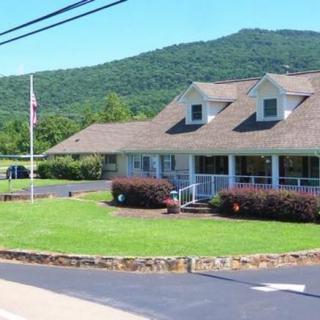
Woodhaven Senior Living
$1,780 to $2,200 / month17.3 miles away
Overall Review of Davis Retirement Home
Pros
 The Dave Retirement Home is a place of love and happiness.
- The staff are caring and friendly toward residents.
- Doctors and nurses visit residents regularly.
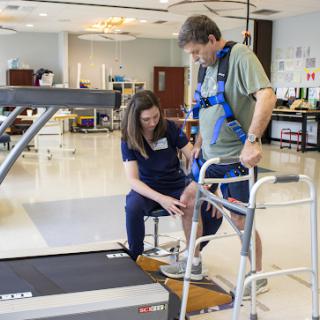
- Physical therapy is available for residents.
- The food is good and served family-style.
- The facility has a large communal area for residents to gather.
- The garden provides fresh vegetables for meals.
- It has served the community for over 40 years.
Cons
 They would not send their loved one there.
- They wouldn't even take their dog there for long-term care.
- The facility does not have air conditioning or heating.
Review
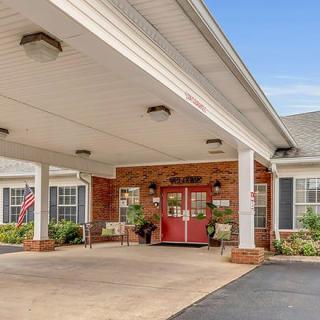
Davis Retirement Home in Chattanooga is best suited for families seeking a warm, budget-conscious environment where caregiving is a visible daily commitment and life centers on a home-like, community-focused routine. The place leans toward comfort, with home-style, family-style meals and a sense that residents are known by name. It operates as a mid-range option, more care than a pure retirement setting and less than a full-service nursing home, yet still keeps a steady cadence of medical oversight through monthly nurse practitioner or physician visits. For families who prize a long-standing, people-first atmosphere and value social interaction, this community checks important boxes.
Those weighing alternatives should note who may want other paths. Individuals needing intensive, around-the-clock clinical care or memory-focused supervision will likely find this option insufficient. For families prioritizing modern amenities, new construction, or highly controlled comfort in public and resident areas, Davis Retirement Home may feel dated. Additionally, anyone who requires frequent, urgent medical intervention or a higher level of daily medical management would be better served by a facility with stronger on-site clinical staffing and more frequent physician contact.
The strongest positives, caring staff, a friendly atmosphere, and a proven record, often offset the main drawbacks. Residents benefit from attentive, personable staff and a sense that care is personal rather than transactional. The building’s large communal area supports social engagement, while meals advance a homey feel with vegetables sourced fresh for breakfast, lunch, and dinner. The daily presence of doctors and nurse practitioners, even if monthly, supplies a dependable medical touchpoint without the steep costs of a full nursing home, and the facility’s four-decade commitment to the community underpins a stability that families value. The cost-effectiveness cannot be overstated for households balancing budgets with quality living.
Yet the most substantive caveat appears in a notably critical voice: a customer who would not entrust their loved one there. The tension between that perspective and the broader positive sentiment suggests a facility that works exceptionally well for some and falls short for others. The cited concerns point to a potential gap in comfort and in the perceived intensity of care, gaps not every resident experiences but not entirely absent from the spectrum of outcomes. On the surface, Davis Retirement Home leans toward a more modest, socially rich model of care, rather than a clinically high-acuity environment, which can be a decisive factor for families if medical needs evolve. Prospective residents should explicitly verify comfort, climate, and safety in common spaces, and consider how those factors align with personal expectations.
From a decision-making standpoint, a practical approach is essential. Start with a clear sense of care needs: is monthly physician access sufficient, or is more frequent oversight non-negotiable? Examine the environment for comfort: is the climate in shared spaces workable for seasonal realities, and can rooms be adjusted to patient preferences? Evaluate social life and activity level, because the communal feel appears to be a core strength. Ask about dining quality and consistency, staffing ratios, and what “40 years of service” translates to in terms of staff continuity and routines. Finally, plan a visit during different times of day and talk with residents and families about daily life, safety, and responsiveness to concerns. If the emphasis is on warmth, value, and regular medical touchpoints within a tight budget, Davis Retirement Home stands up well; if the priority is intensive, modern medical care or premium amenities, alternatives deserve serious consideration.
 Assisted Living
 Cats allowed
 Dogs allowed
 Activities on-site
 Devotional services off-site
 Indoor common areas
 Lovell (5 miles away)
 Ambulatory care
 Diabetic care
 Incontinence care
 Meals provided

 Medicare Coverage for Assisted Living: An In-Depth Exploration
 Choosing the Right Senior Care: A Detailed Exploration of Assisted Living and Nursing Homes
 Understanding the True Cost of Assisted Living in 2025: A Comprehensive Guide