
511 South Sumter Street, Sumter, SC 29150
For more information about senior living options: (866) 208-4318
Overall Review of Anointed Residential Care 2
Pros
 It is a warm, friendly place where one can feel the love of everyone.
- It is very welcoming.
- The atmosphere is warm and inviting.
Cons
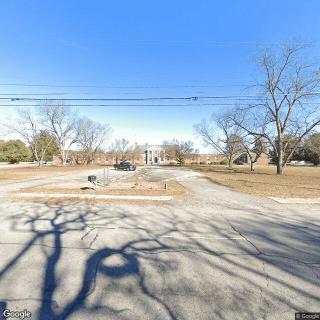
 The building was destroyed by fire and left in a hazardous condition in the community.
Review
This community is best suited for families seeking a small, intimate, home-like setting where warmth and personal attention feel tangible. The strongest impression from visits and the accompanying reviews is a place that exudes care in its daily interactions, with residents and families describing a welcoming, love-filled atmosphere. That emotional terrain can make the adjustment for a senior easier and can sustain social engagement and companionship in ways larger facilities often struggle to replicate. Yet the most salient reality can’t be ignored: a fire severely damaged the building and hazardous conditions remain, casting a long shadow over safety, reliability, and long-term viability. For families prioritizing genuine warmth and day-to-day kindness over pristine facilities or aggressive medical oversight, this is appealing, until safety worries take center stage.
Those evaluating alternatives should weigh the core trade-off carefully. If a senior requires robust safety assurances, modern infrastructure, or frequent access to nursing oversight and formal care plans, this option may fall short. Families with residents requiring higher-acuity assistance, memory care, or mobility aids will want a facility that can demonstrate updated building standards, clear evacuation protocols, and a track record of safe occupancy. In short, if safety, up-to-date facilities, and predictable operations are non-negotiables, other communities in Sumter deserve serious consideration. The current situation suggests ongoing remediation rather than a settled, risk-free environment.
The primary positive driver is unmistakable: the atmosphere of genuine care. The environment feels love-filled, and staff appear attentive, approachable, and welcoming. This matters deeply for social health and emotional well-being, helping residents feel seen and connected, which can reduce loneliness and resistance to care routines. For families, that translates into softer handoffs, more confident visits, and a sense that the resident is not simply boxed in by routines but nurtured in a family-like setting. The warmth can act as a first line of defense against isolation, which is a meaningful payoff when the overall physical plant carries significant risk. Still, warmth does not replace the need for a safe, well-maintained living space.
The decisive concerns center on the safety and stability of the physical environment. A community still bearing the mark of a destructive fire is a red flag for anyone who needs predictable, risk-free living. Hazardous conditions raise immediate questions about evacuation routes, disaster preparedness, air quality, and the ability to conduct even routine activities without compromising resident safety. These factors disturb continuity of care, increase caregiver stress, and can trigger unplanned relocations, each outcome undermining the emotional benefits the warm culture provides. When a facility cannot confidently demonstrate that the building is secure and compliant, the positive social dynamics, however strong, become a secondary consideration at best.
Weighing pros and cons, the emotional and social advantages exist but are substantially offset by the safety deficits. The warm, welcoming culture is real and valuable, yet it cannot erase the imperative for a risk-free living environment. For families where safety cannot be assured in the near term, this option becomes a conditional choice at best. Prospective residents who can tolerate ongoing remediation plans and are willing to monitor progress closely may find value in the relational strength of the community, but only if there is a credible, transparent improvement timeline and clear safeguards. Until that assurance exists, the credibility of the overall experience is inherently contingent.
If this community is pursued, a disciplined approach is essential. Demand a current safety and occupancy certificate, a detailed remediation plan with timetables, and repeated updates on progress from management. Schedule a visit focused on safety features: egress routes, emergency lighting, fire suppression readiness, and staff drills. Request information about insurance coverage, contingency housing in the event of a relocation, and how resident routines will be protected during repairs. Consider negotiating trial stays or a short-term lease with a clear exit clause. If safety and reliability cannot be demonstrated with credible documentation and a concrete plan, advising families to look elsewhere is prudent, even when the warmth of the community tugs at the heart. In Sumter, options exist that marry a caring culture with safer, more stable environments, those should be the baseline expectation for any decision.
 5 resident community capacity
 Assisted Living
 Board and Care Home
 Cable or satellite TV
 Dining room
 Fully furnished
 Garden
 Housekeeping services
 Move-in coordination
 Outdoor space
 Telephone
 Wi-Fi/high-speed internet available
 24-hour supervision
 Activities of daily living assistance
 Assistance with bathing
 Assistance with dressing
 Assistance with transfers
 Diabetes diet
 Meal preparation and service
 Medication management
 Special dietary restrictions
 Transportation arrangement (medical)
 Transportation to doctors appointments

 Senior Transition Services: Understanding Their Role, Cost, and Importance
 Exploring the Path to Senior Living: A Comprehensive Look at Independent Living and Assisted Living
 Is Assisted Living Deductible on Your Taxes? Understanding the Complexities of Assisted Living Expenses and Deductions